103 myths · Page 1 of 3
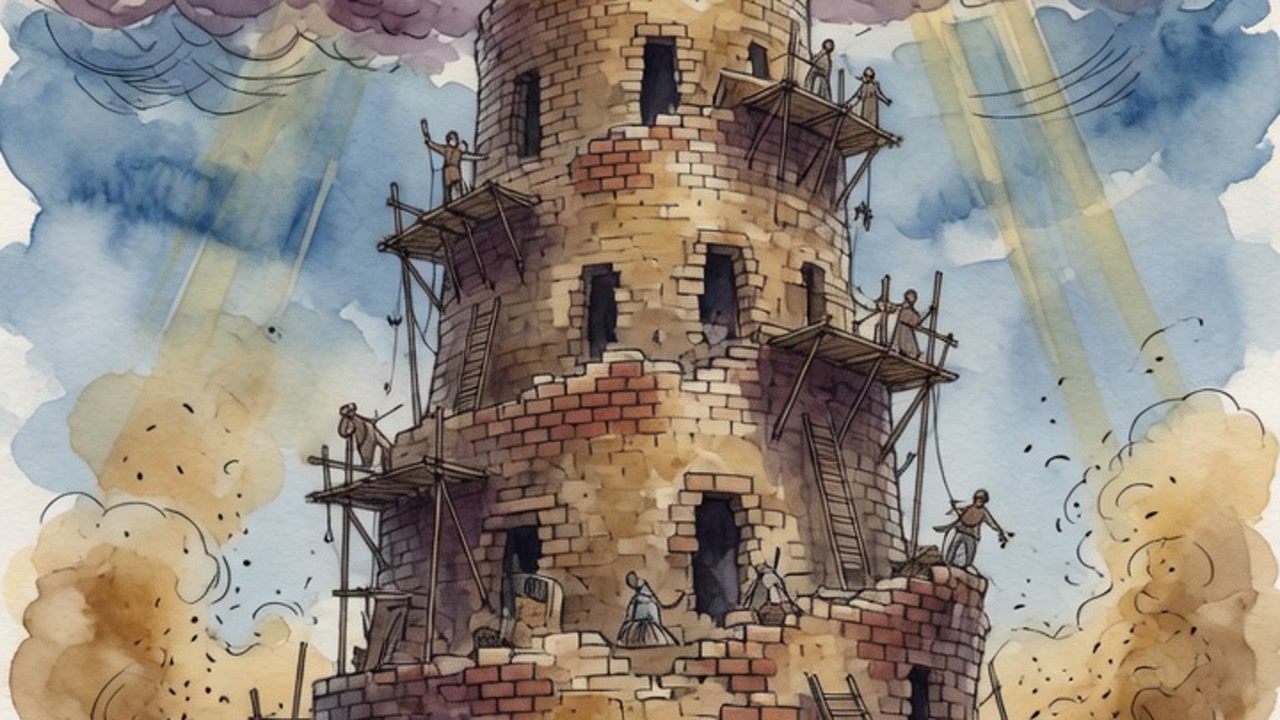
When a brick shattered, the work stopped and the men wept. When a man fell the same distance, they stepped over him and called for the next course.
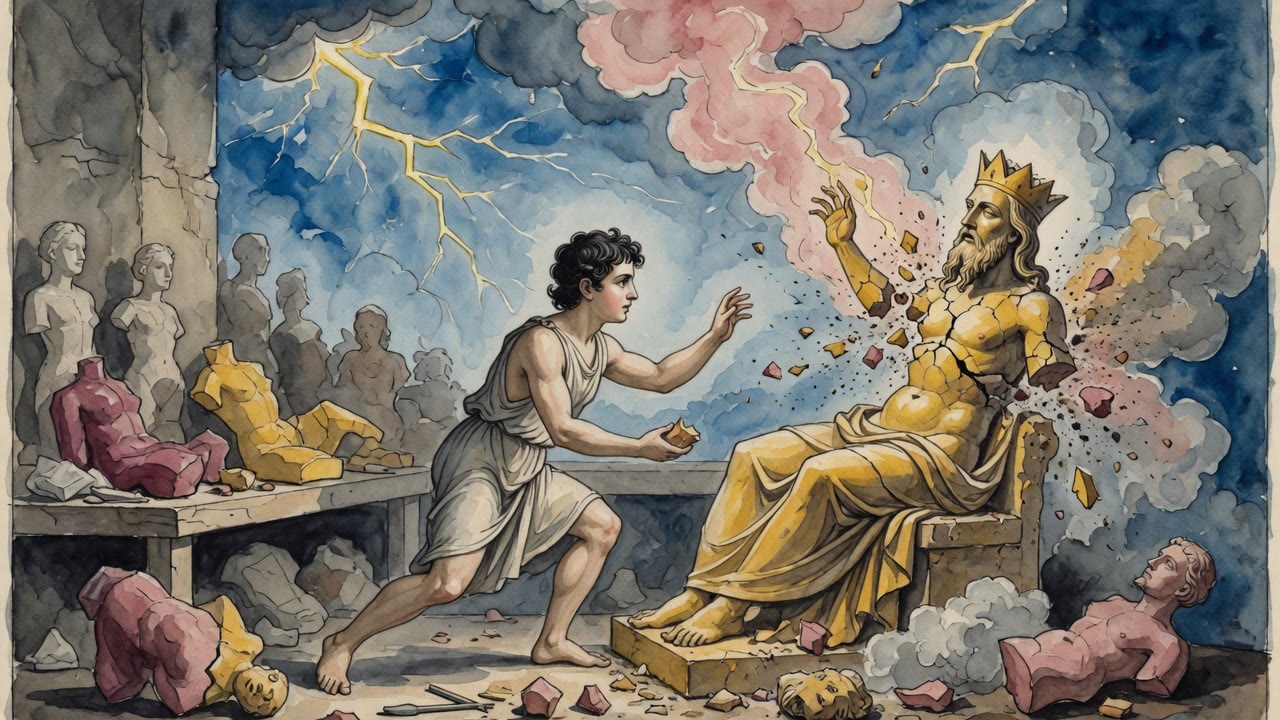
Abraham helps carry an idol home from the workshop. It falls. He asks his father what god cannot hold itself upright.
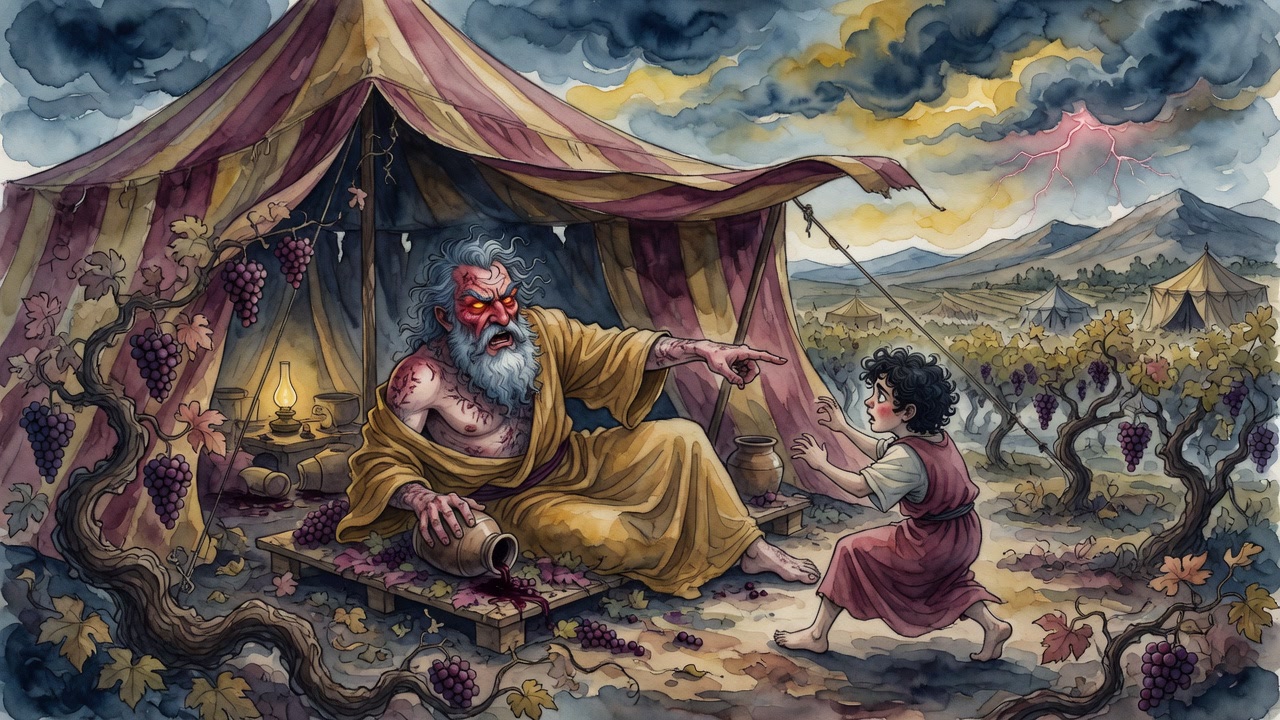
A drunk old man slurs a curse over his grandson Canaan. Generations later, the prophet Joel finally lets those words land.
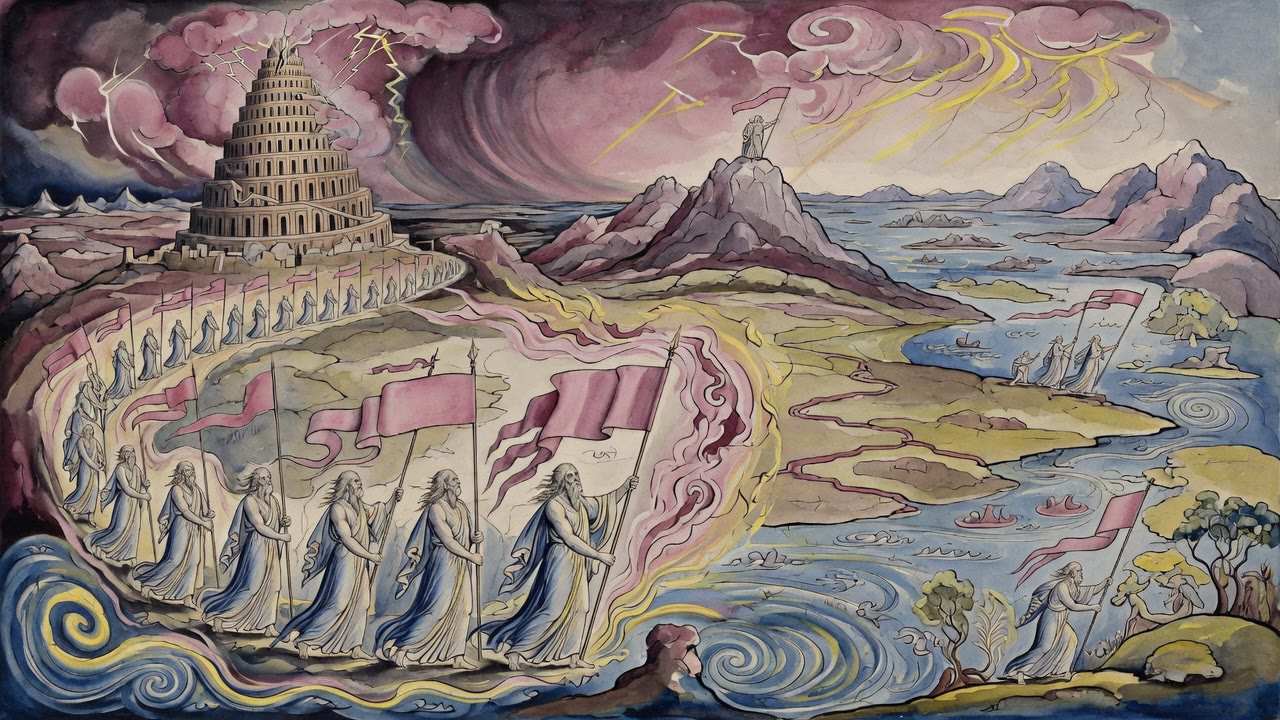
Gomer, Magog, and Javan walked away from Babel and gave their names to the land. One old book says they became Africa, Germany, and Macedonia.
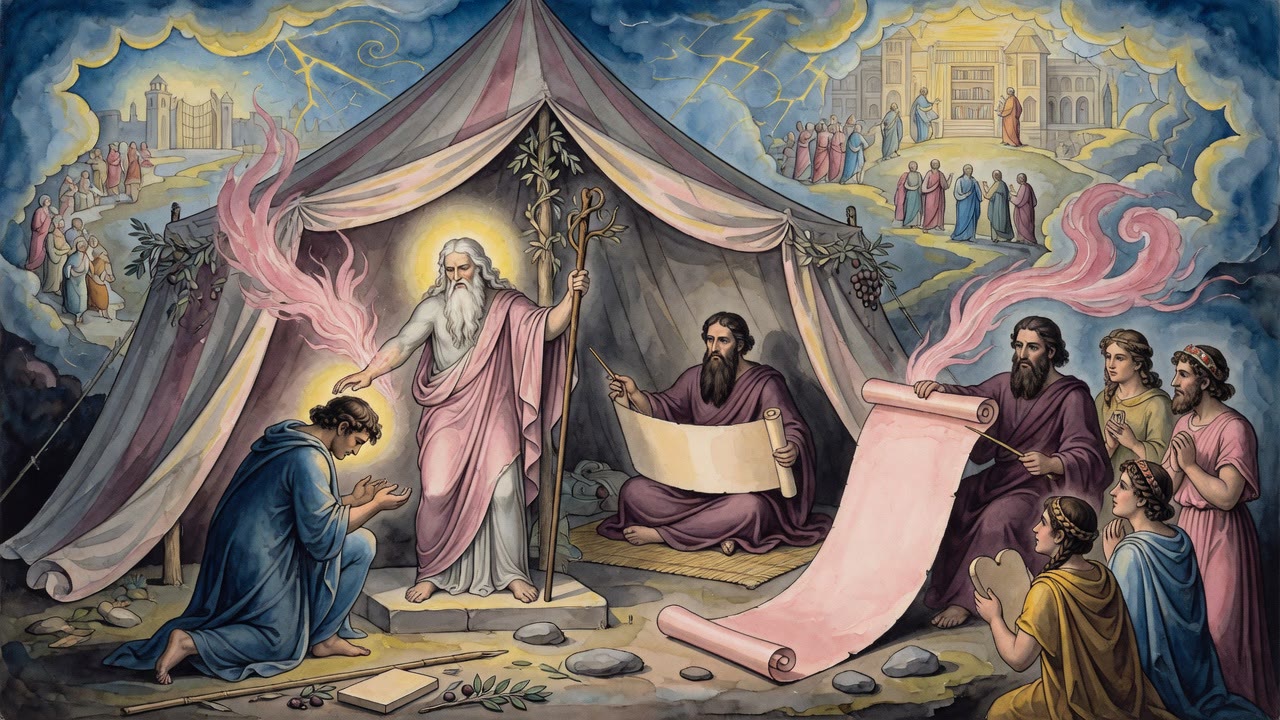
When Noah divided the world between his three sons, Japheth's blessing surprised everyone, his beauty would lead him into the academies of Shem.
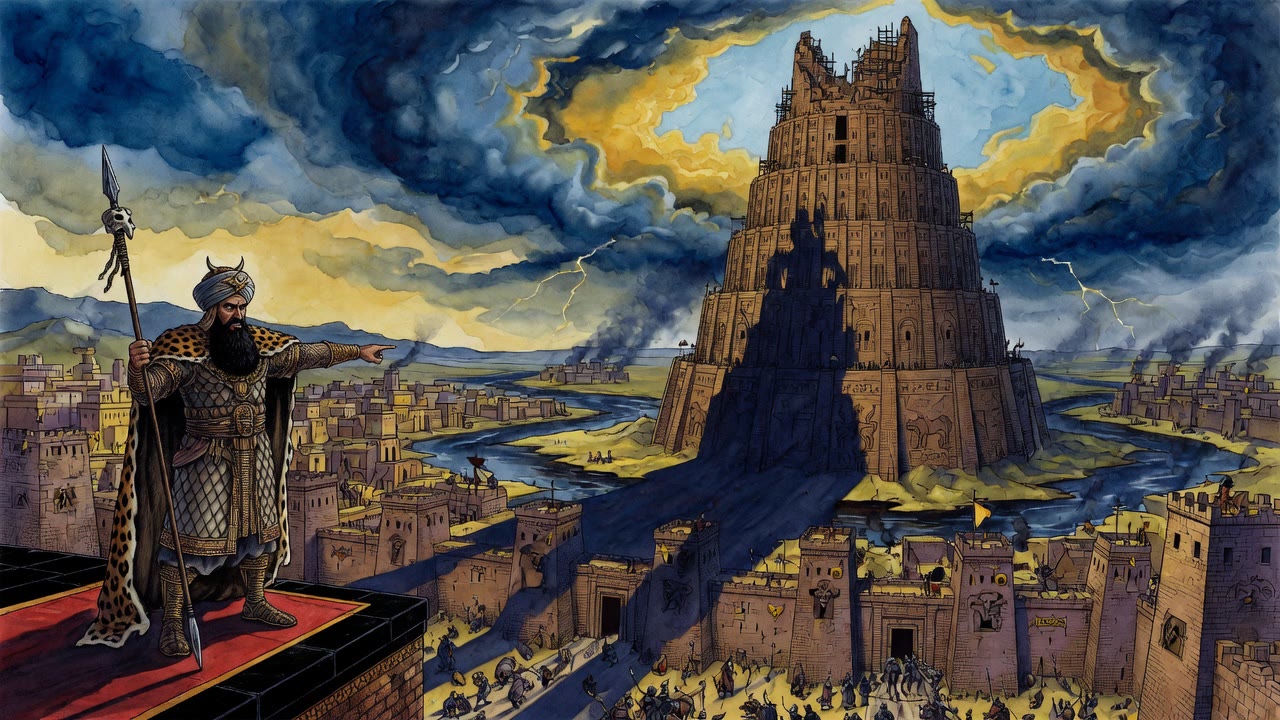
After the Tower of Babel fell, Nimrod did not repent. He built four cities and named them after what God had done to him. Then he threw children into a furnace.
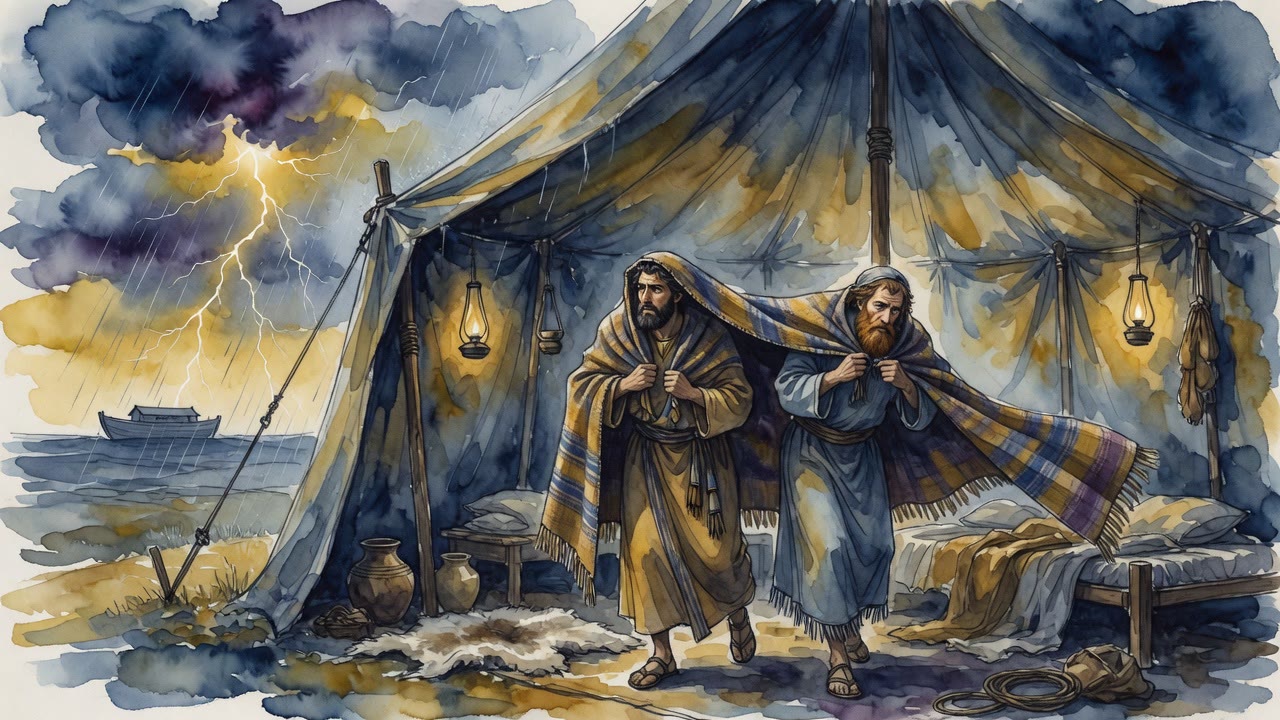
Noah lay uncovered in his tent. Ham laughed and called his brothers. Shem lifted a cloak and walked in backward, his face turned away.
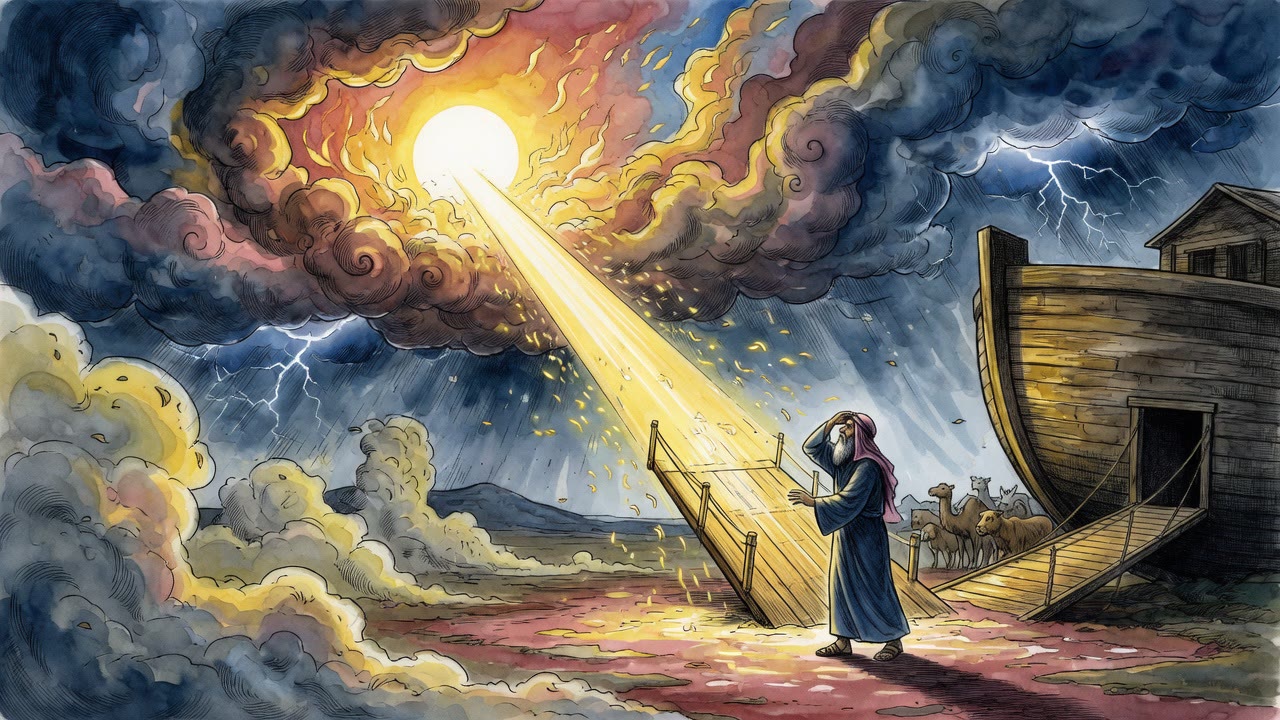
Noah could have boarded the ark in the dark. God set him on the gangplank at the noon hour instead, daring the crowd to swing their axes.
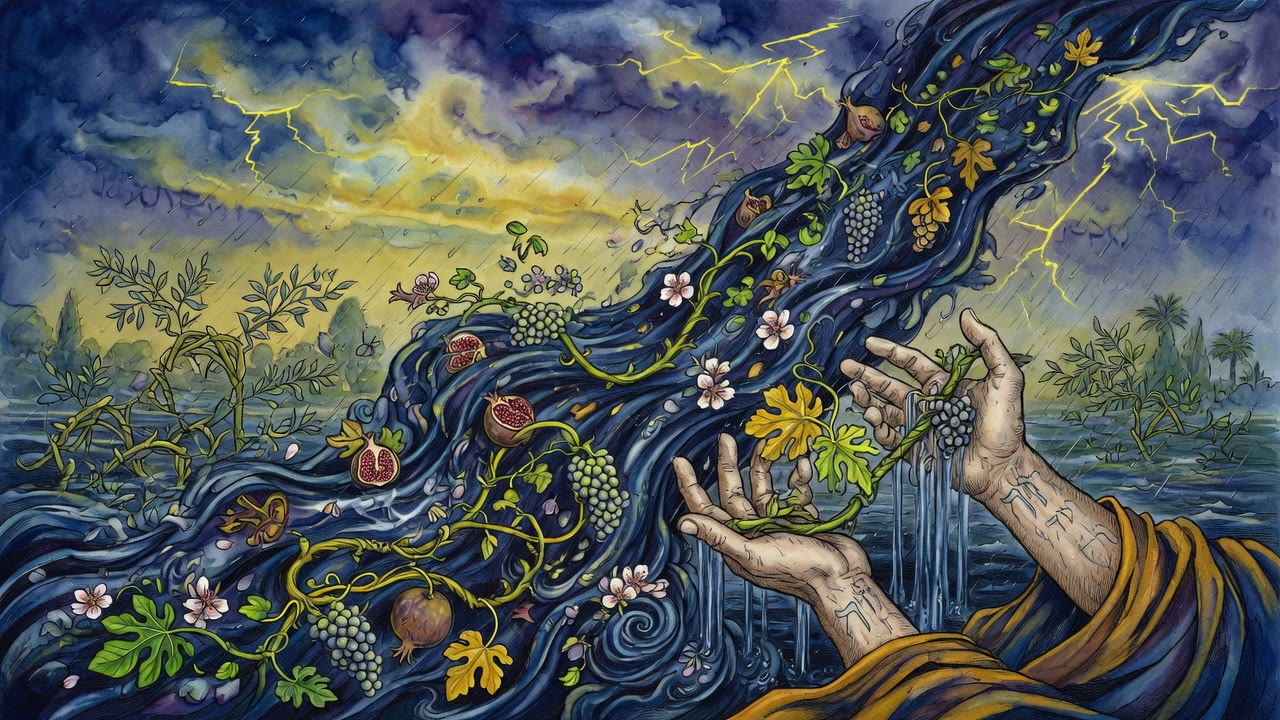
The flood that drowned the world tore a vine loose from the garden of Eden and carried it downstream, straight into Noah's waiting hands.
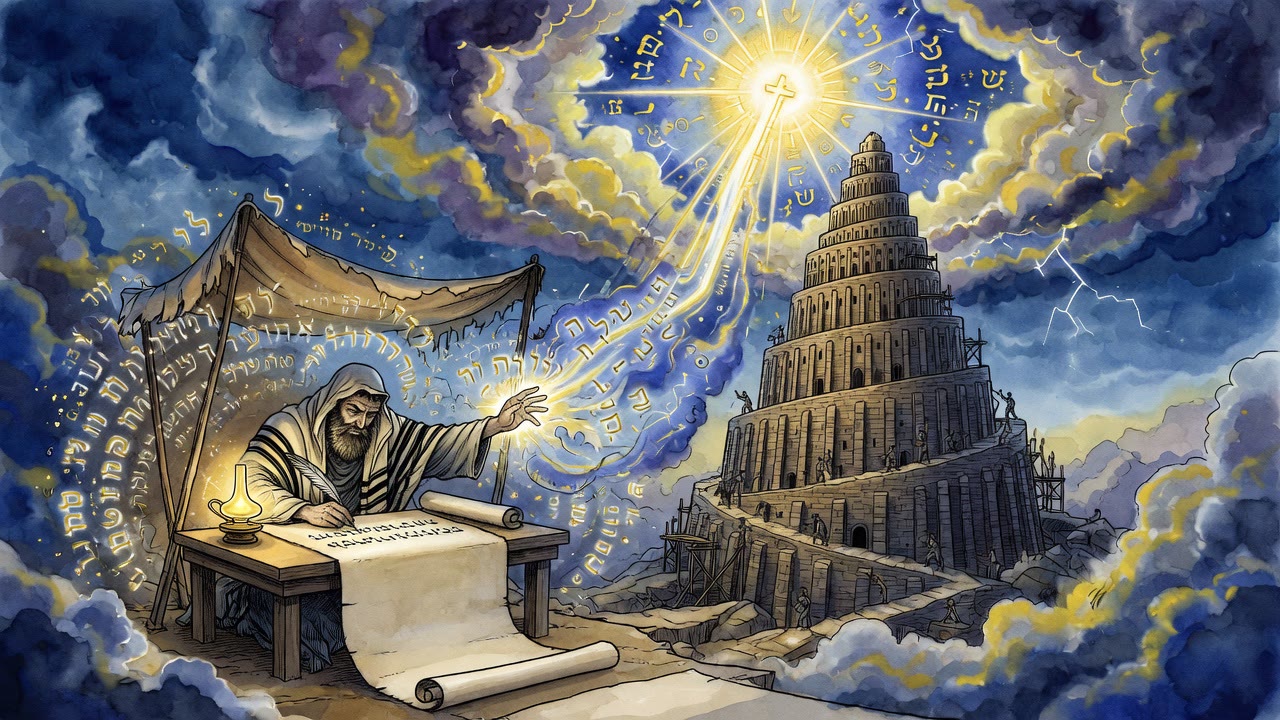
The builders of Babel raised a tower for their own name. Onkelos changed one verb and turned descent into revealed judgment.
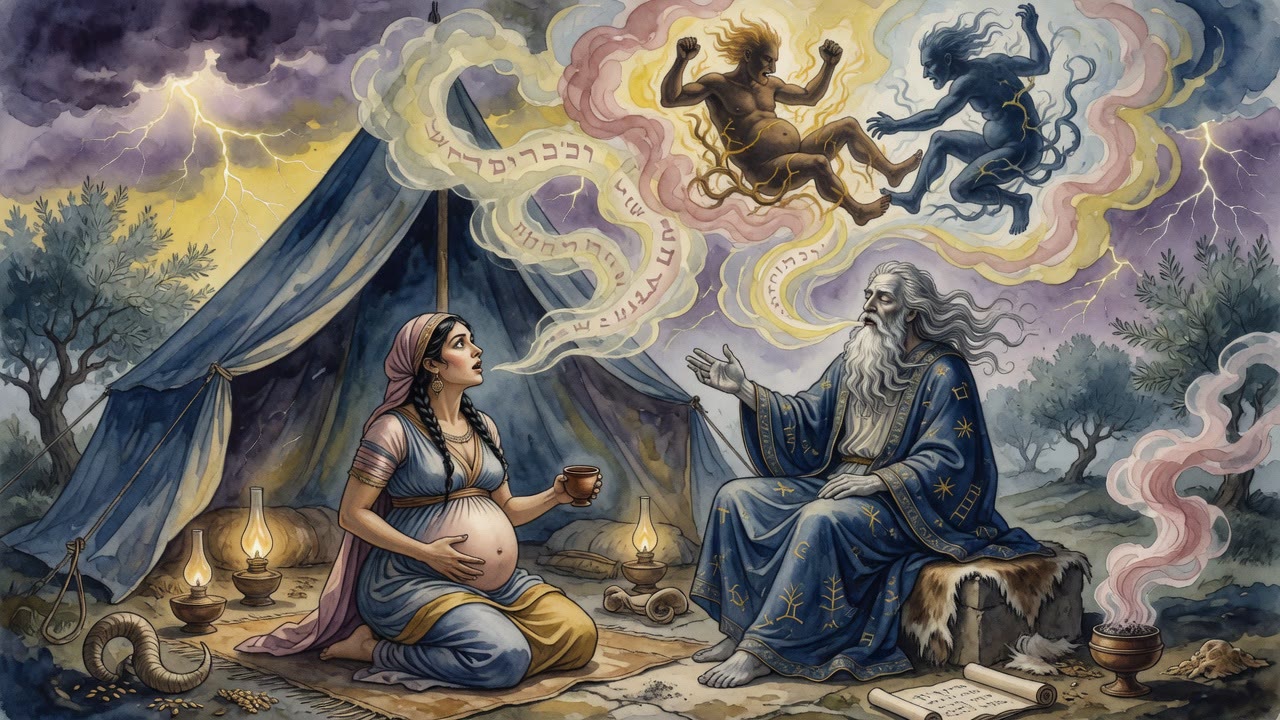
Rebecca sought God while the twins struggled inside her. The midrash says the answer came through Shem, not straight from heaven.
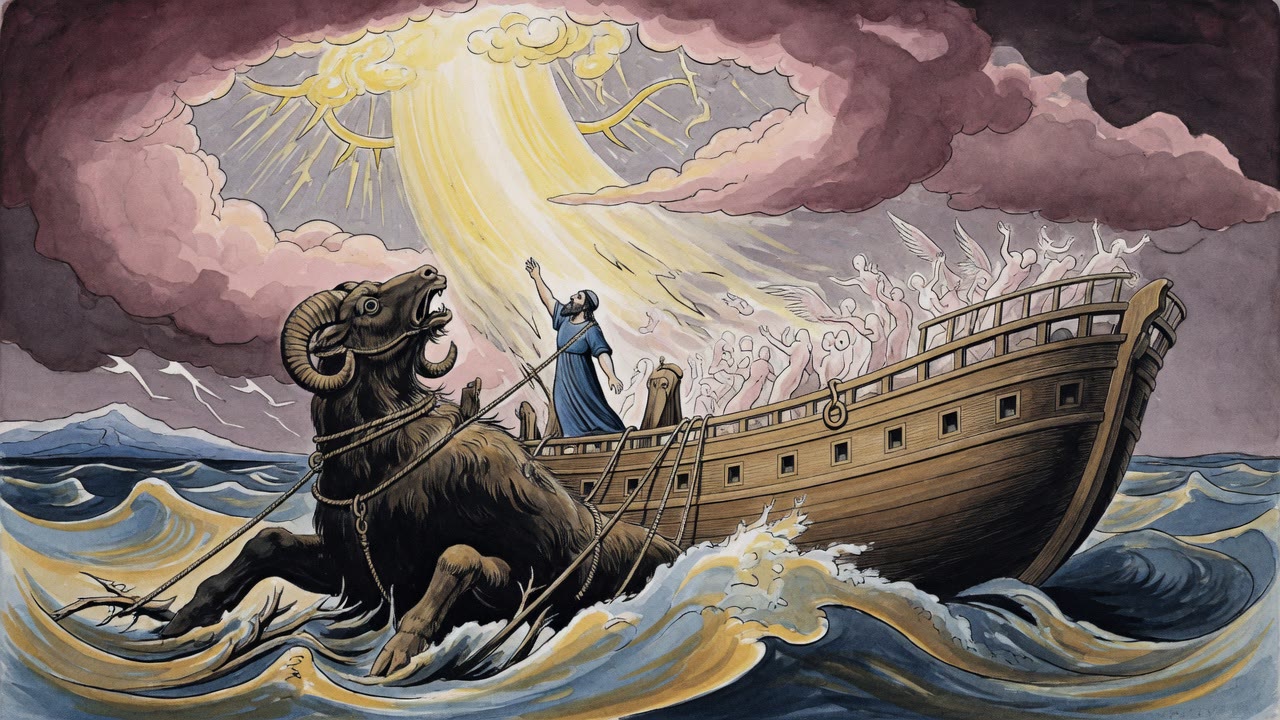
Mud stuck to Noah's heels. His sons already slept in separate tents. He named the old sins before anyone built a house.
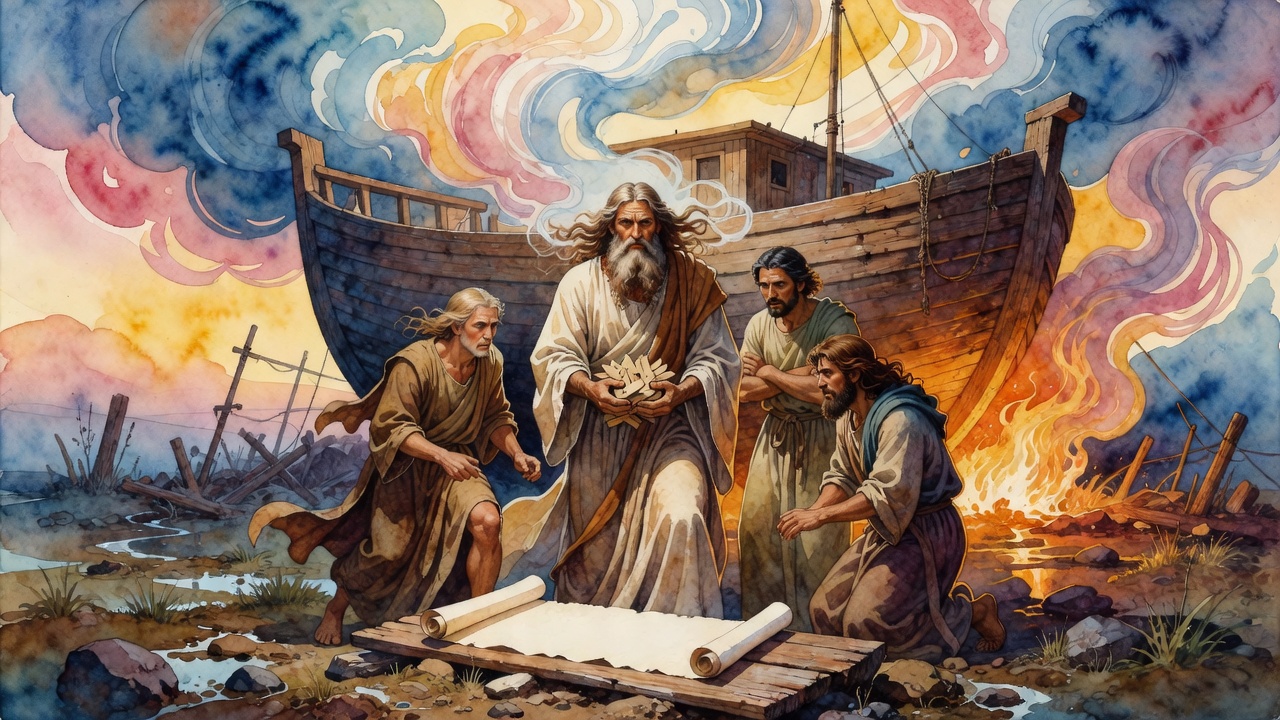
The flood had emptied the world. Noah's sons reached into his chest and drew lots for every coast and mountain that was left.
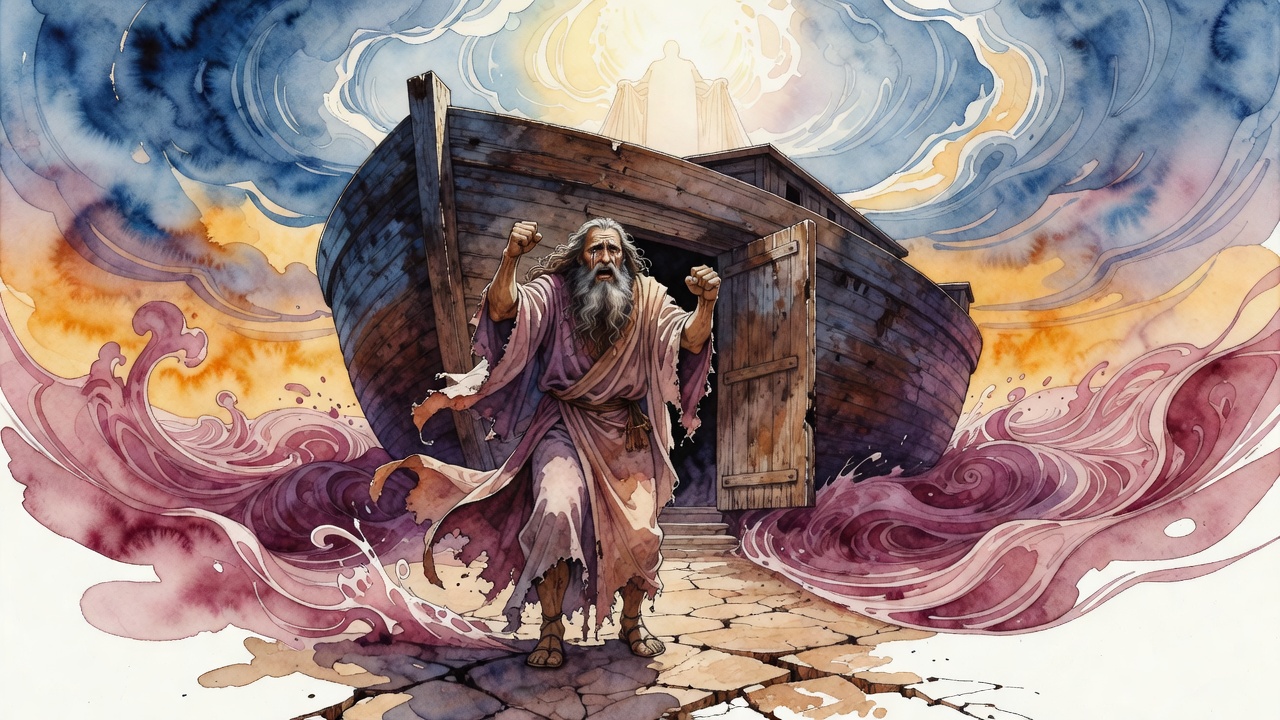
The flood ended, but Noah would not open the ark until God swore. On dry ground, his grief turned into an accusation against heaven.
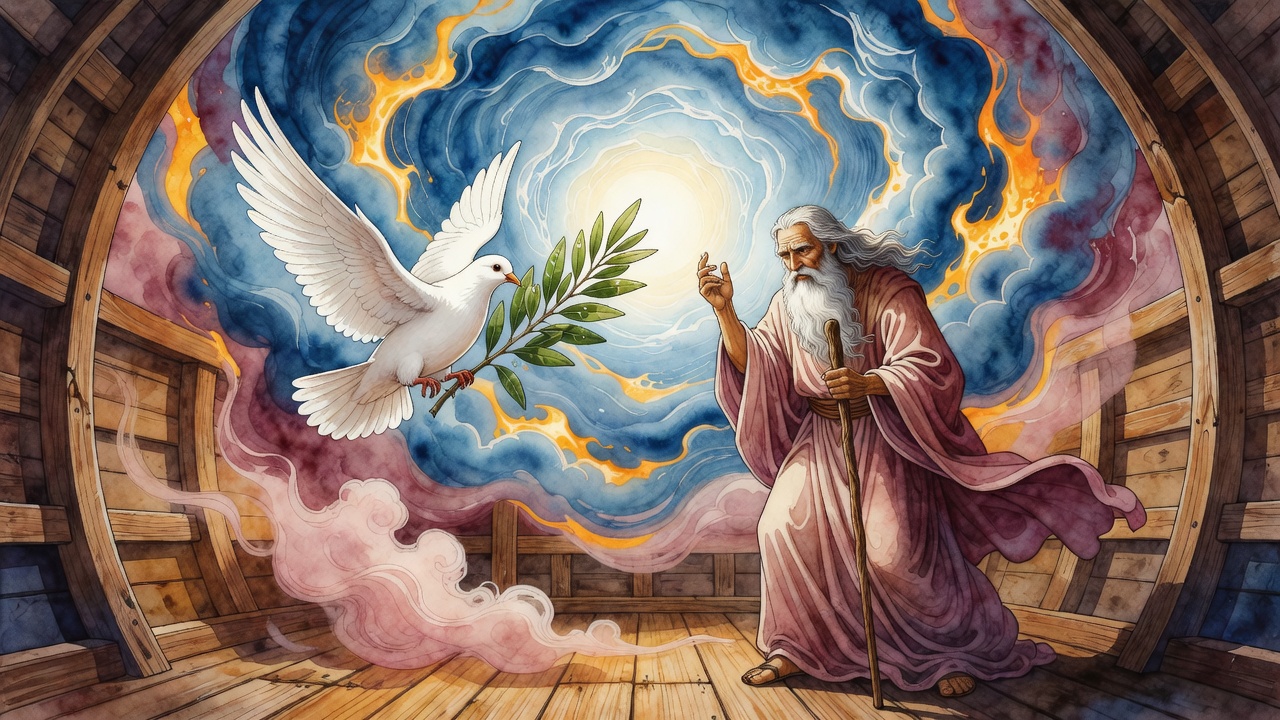
The ground was dry. The dove had not come back. His sons stood at the door with their packs, and he still would not put a foot on the mud.
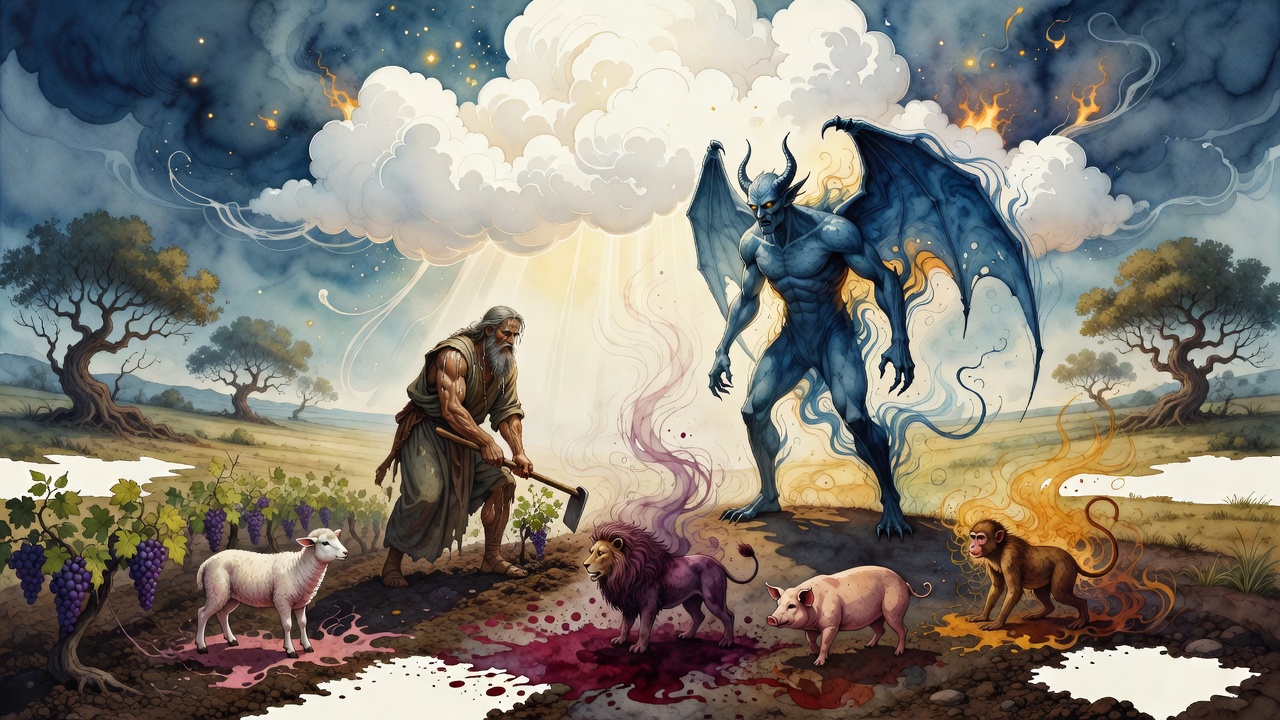
The soil was still wet from the flood. Noah set a vine in it. A partner arrived with a lamb, a lion, a pig, and a monkey.
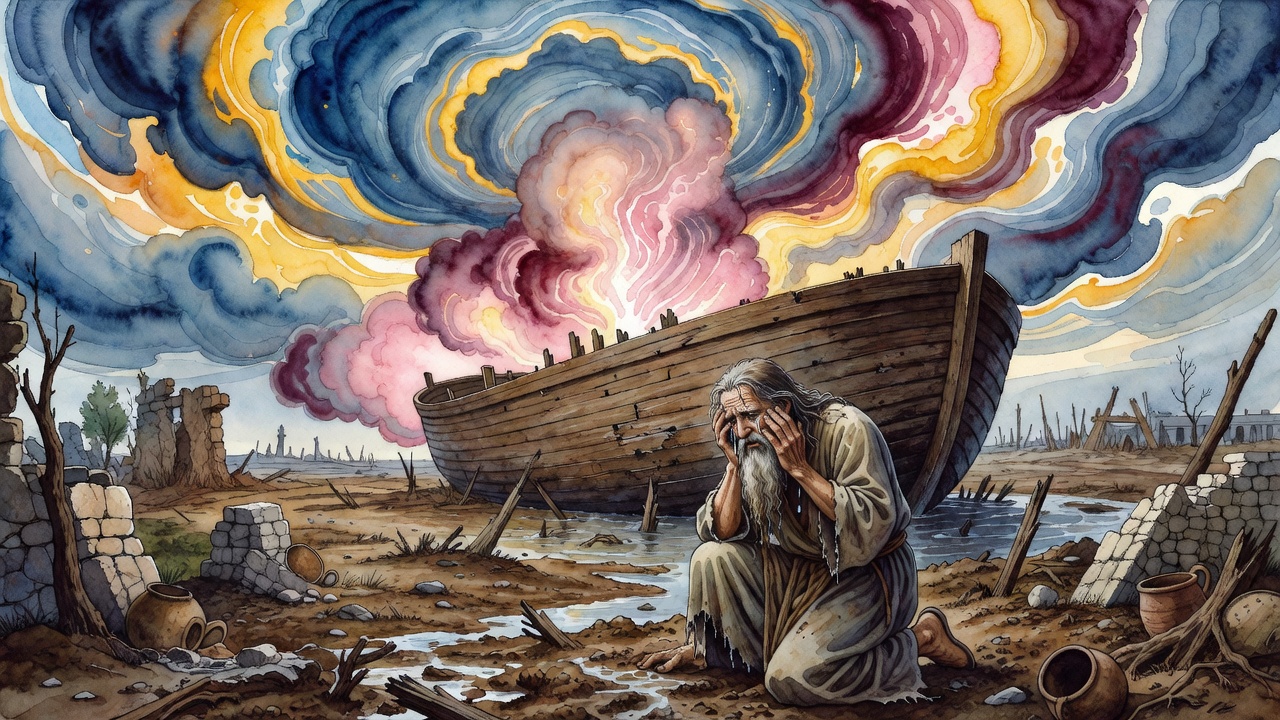
Noah built the ark, survived the flood, and wept at the ruins. Then God rebuked him for never praying for anyone outside the ark before it was too late.
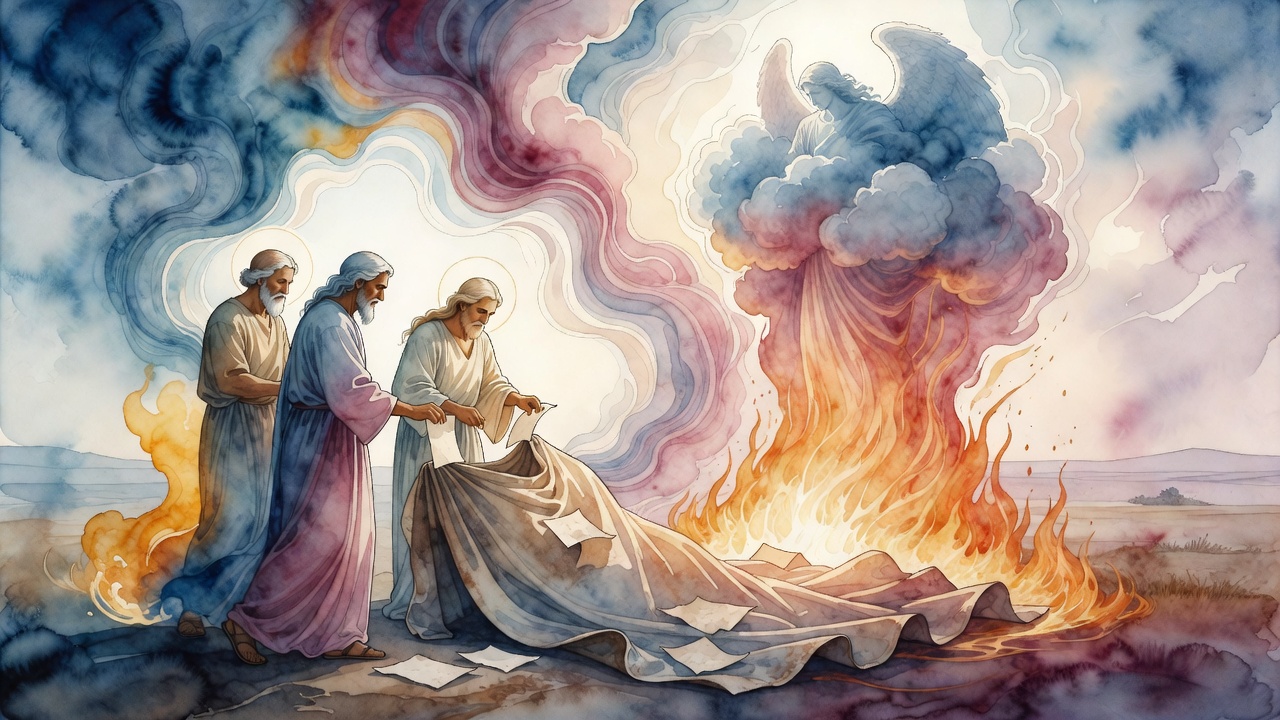
In year 1569 after creation, Noah's sons each drew a slip from their father's robe before an angel. The world was divided and given away forever.
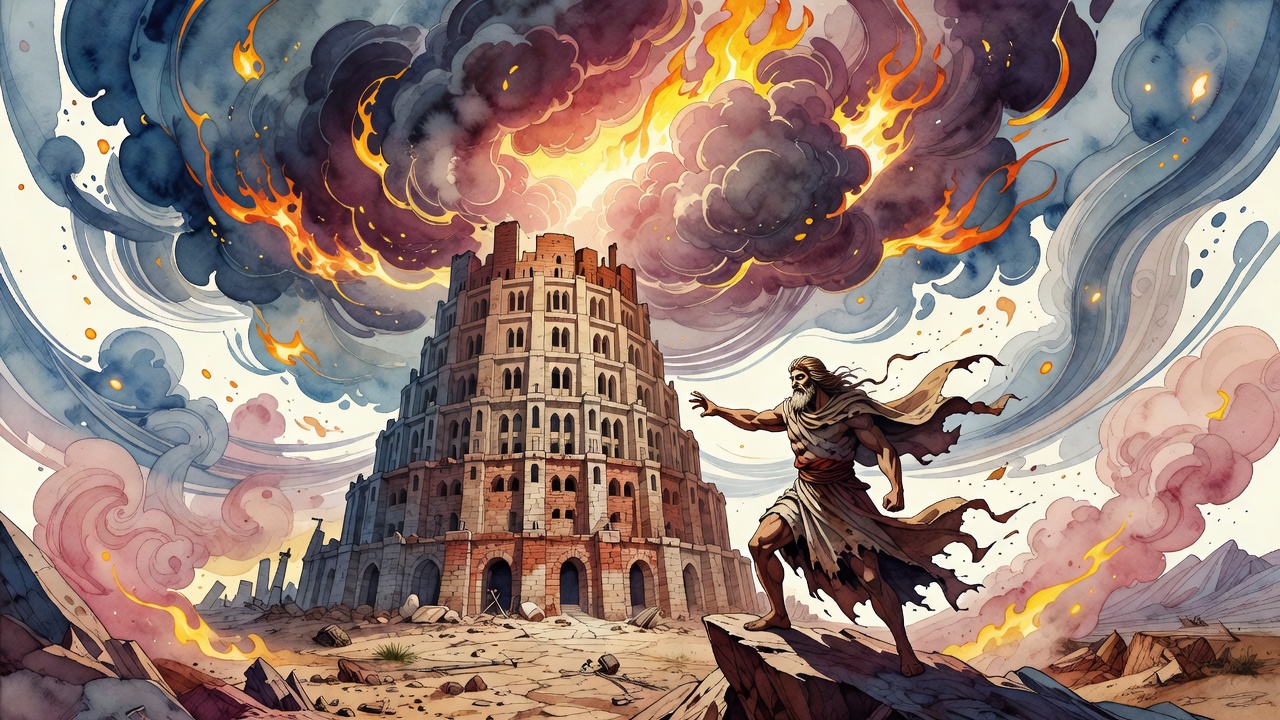
The bricks were fired hard and sealed with bitumen so no water could get in. Nimrod was not reaching for heaven. He was building above the flood line.
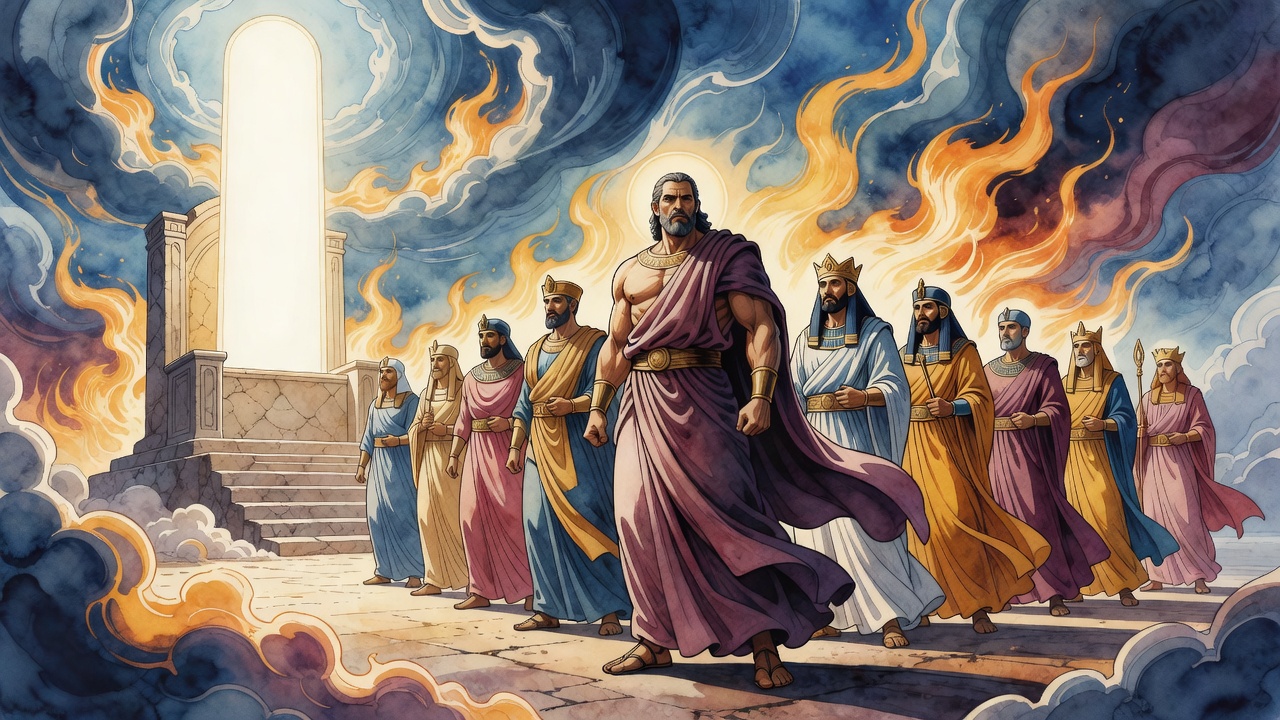
Ham stole the clothes God had sewn for Adam and hid them on the ark. Two generations later a twenty-year-old boy put them on and went out hunting.
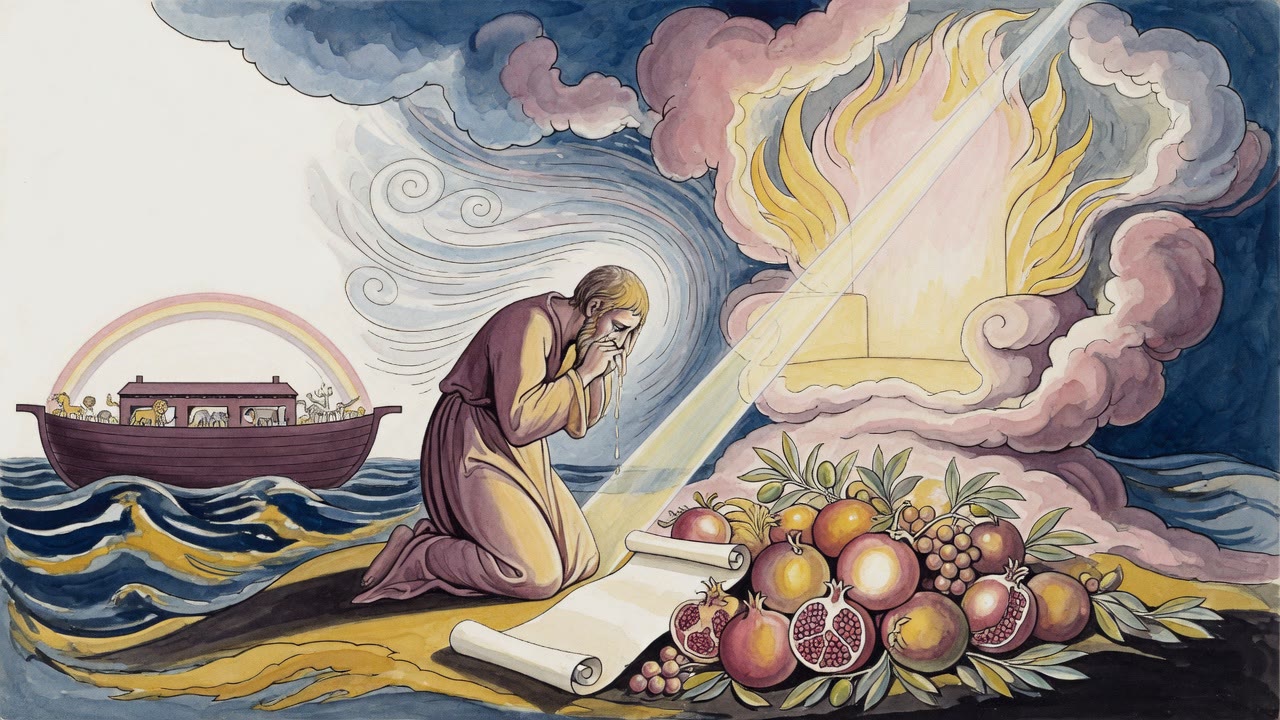
Noah had three sons. He also had twelve months of waking in the dark to feed every animal in the ark at its own hour, and he came out emaciated.
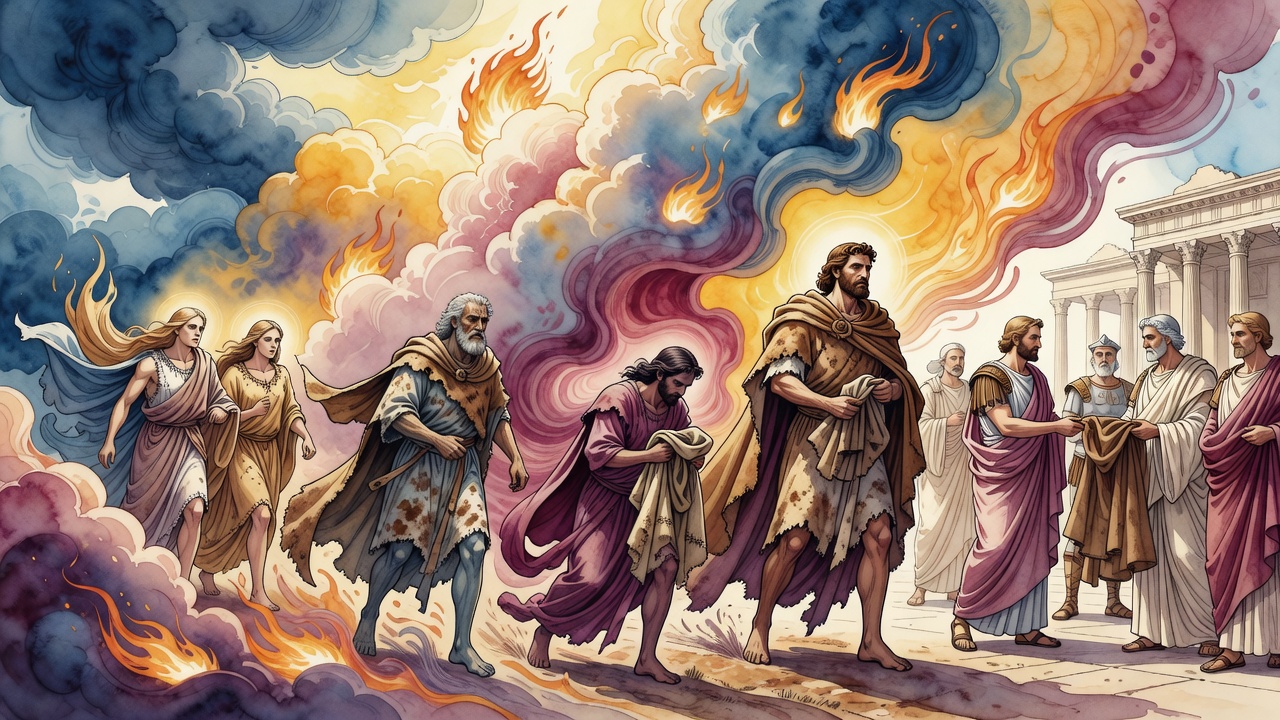
When Nimrod put on Adam's garments, the animals stood still for him. Esau killed him for them and stripped them off the body in the field.
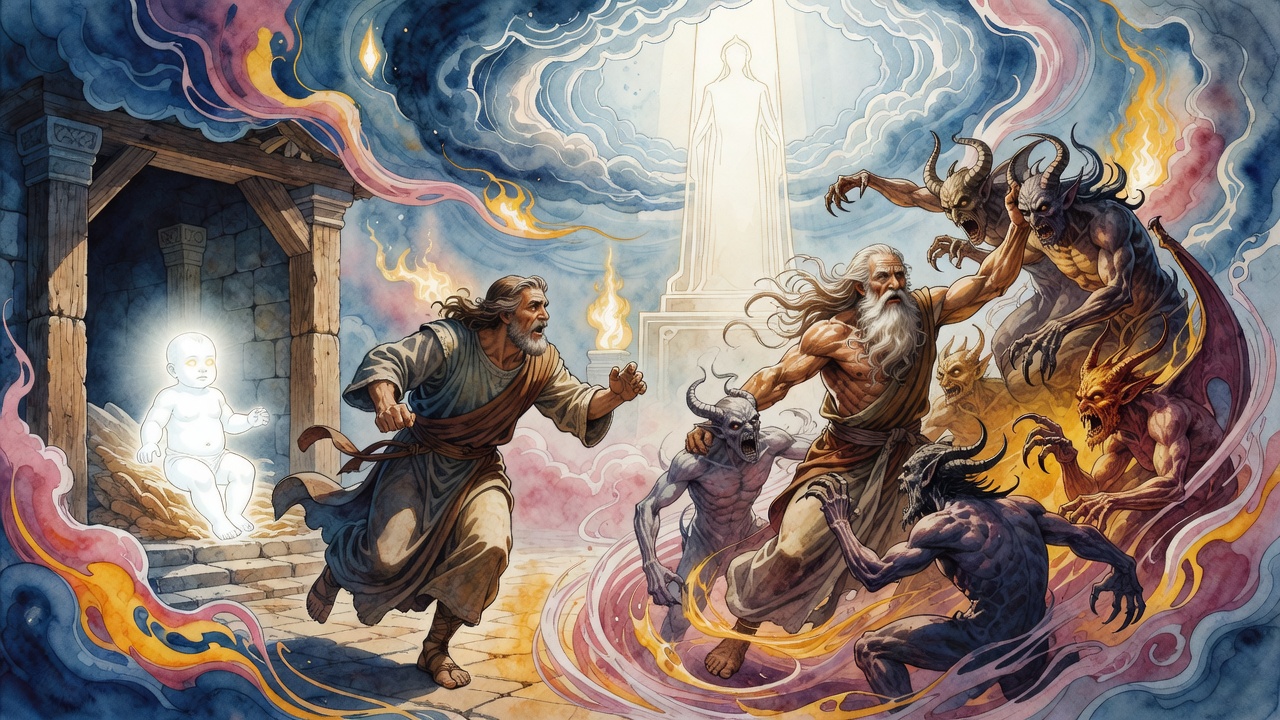
Noah's skin shone white as snow at birth and his eyes lit up the room. His father Lamech ran to Methuselah convinced the child was not human.
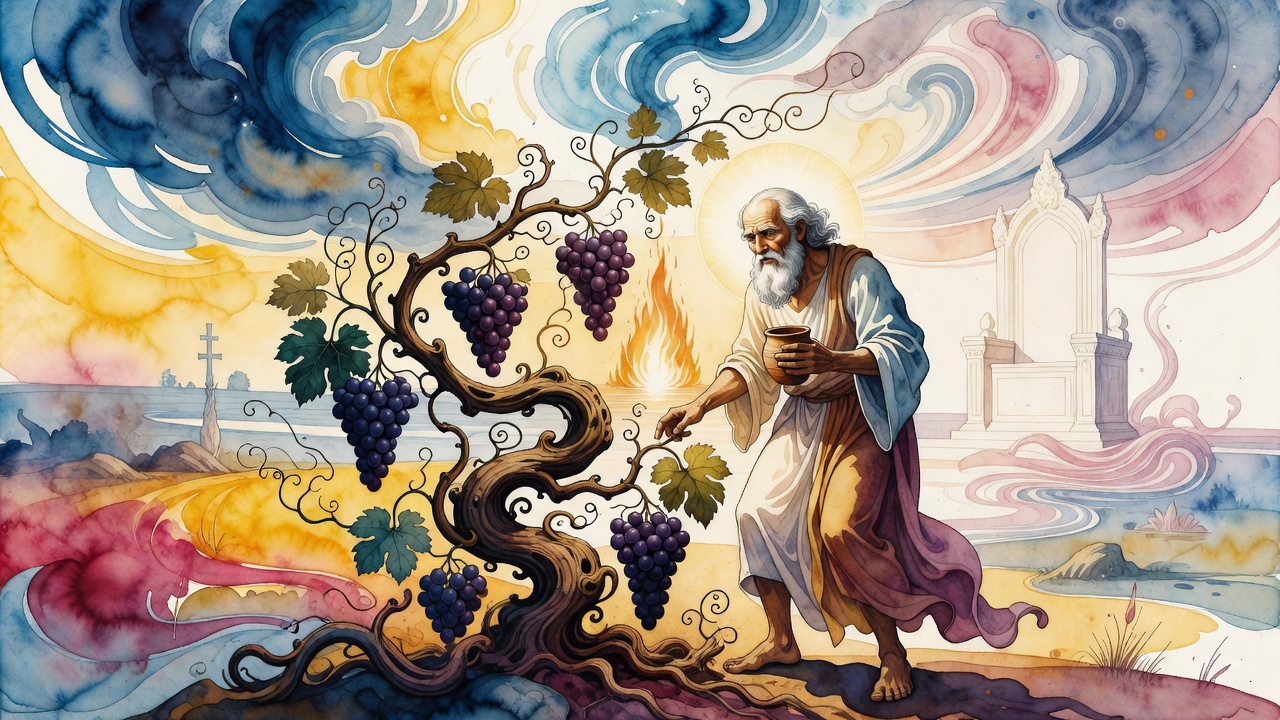
The ground was barely dry. Noah set a cutting from Eden into it. Satan walked up with a lamb, a lion, a pig, and a monkey.
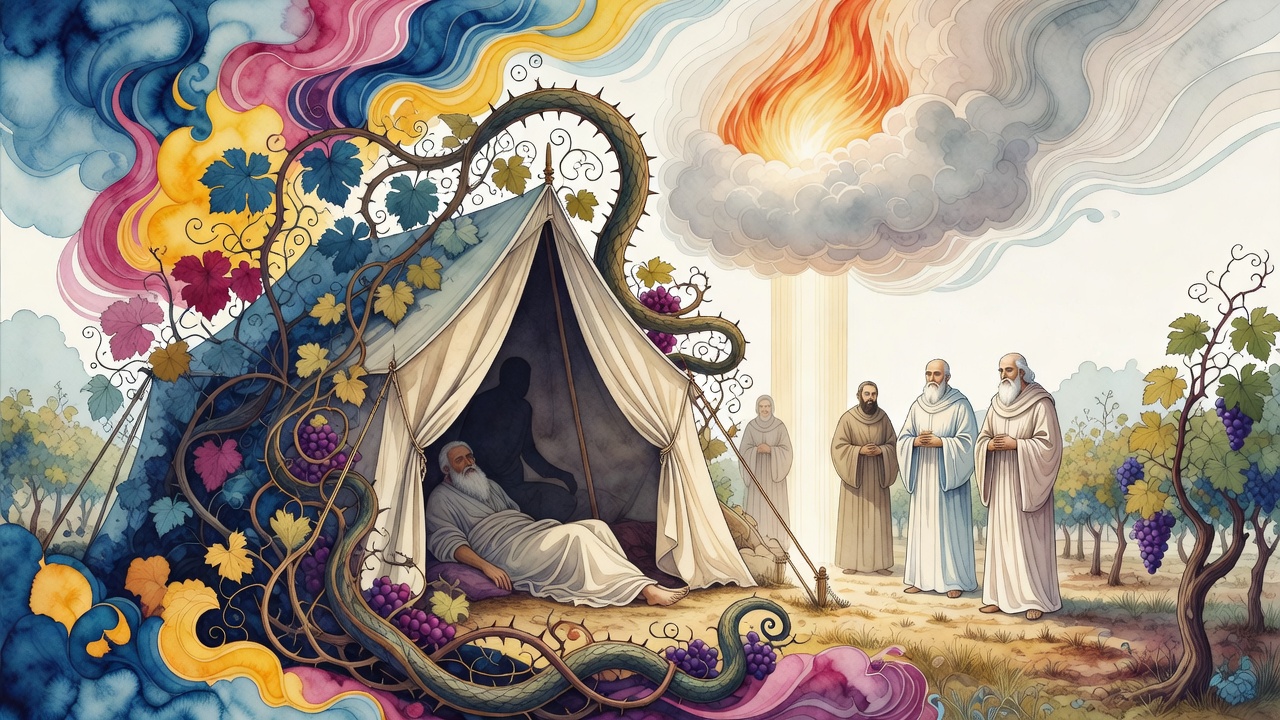
Noah woke up sober and went looking for the son who had done it. God had blessed all three brothers at the ark, so the one man he wanted was untouchable.
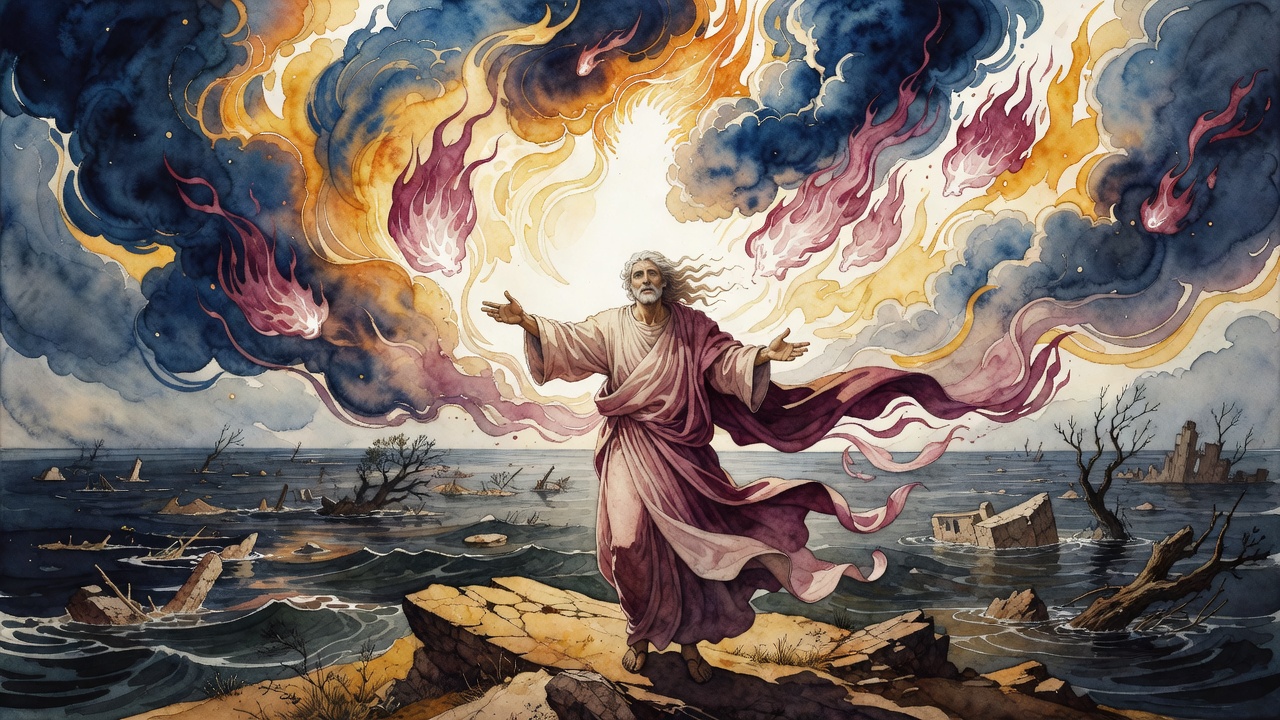
If my Torah had been among the ten generations before this, God told Shem, I suppose I would not have drowned the world. Go and ask the nations.
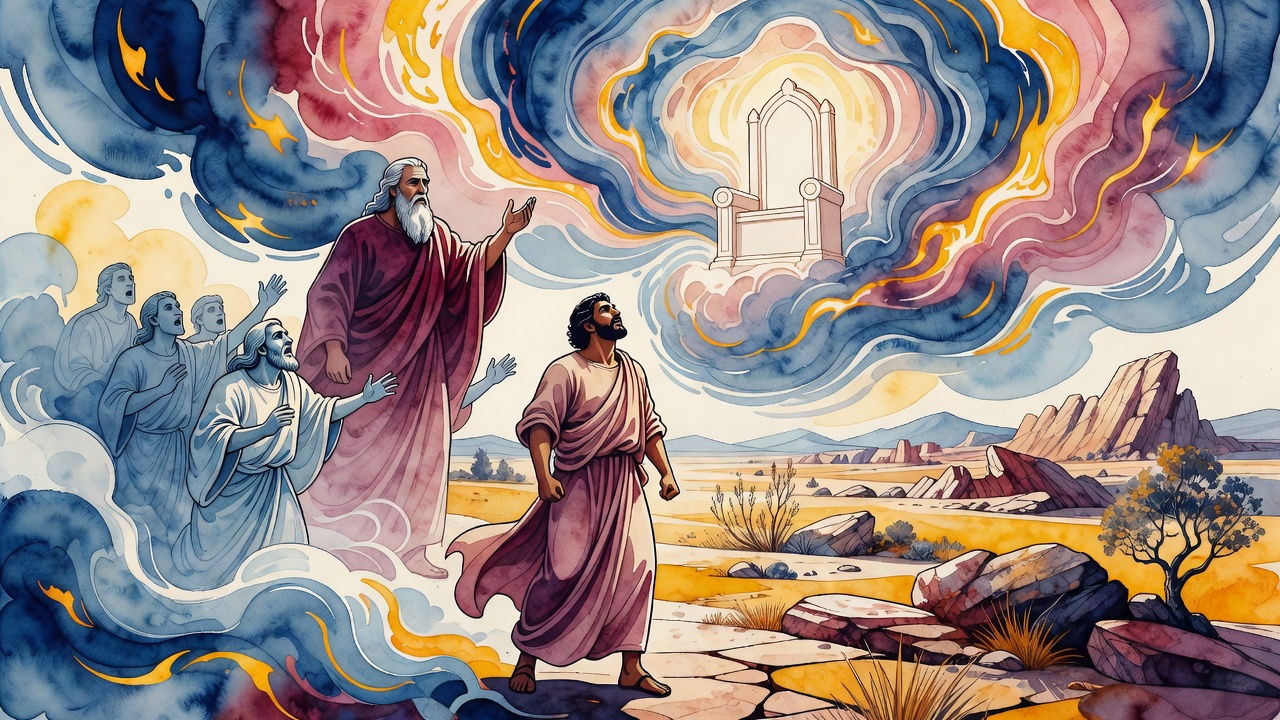
Every son of Noah swore to the boundaries out loud. Canaan moved inside Shem's share anyway, and his grandchildren still held it when Abraham came.
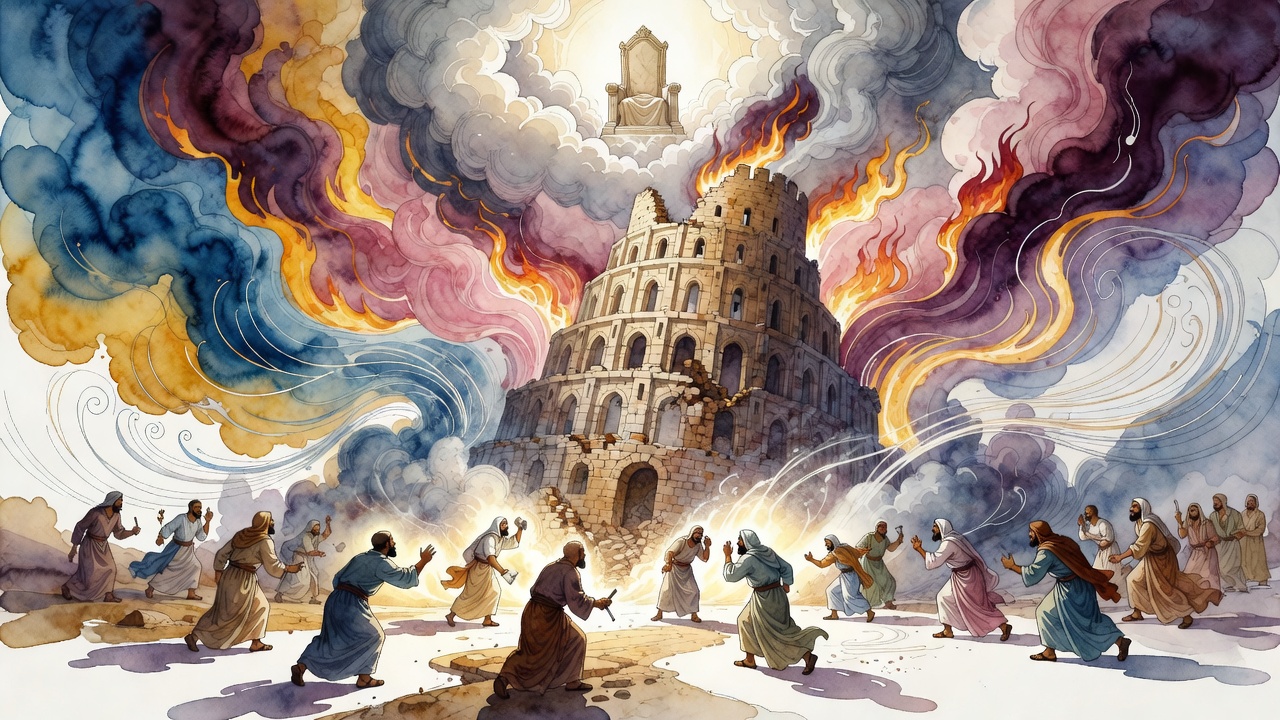
The builders of Babel spoke the tongue Adam used to name creation. When God scattered them, the world lost more than a common language.
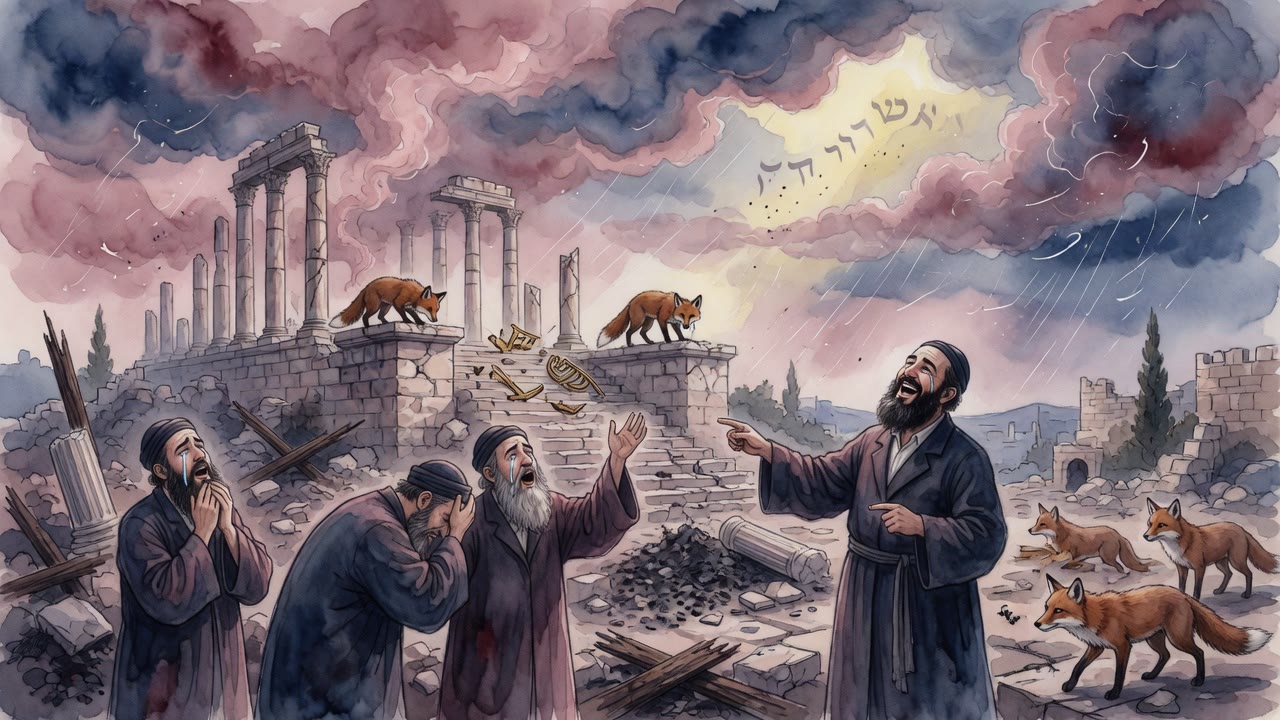
A fox walked out of the Holy of Holies. Three sages wept. Rabbi Akiva laughed, because a plow in Zion meant old men would sit there again.
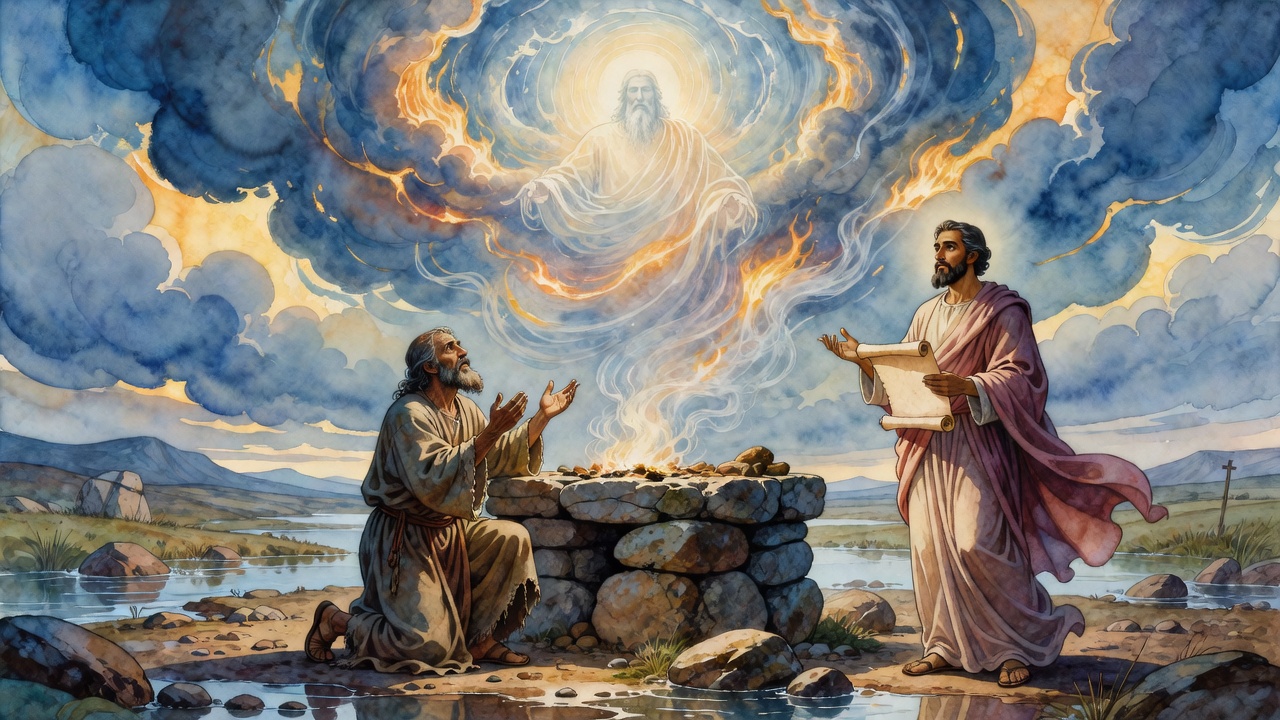
The ark door opened onto mud. Noah stacked stones before he pitched a tent. He burned clean birds, and the smell went up with no rainbow yet.
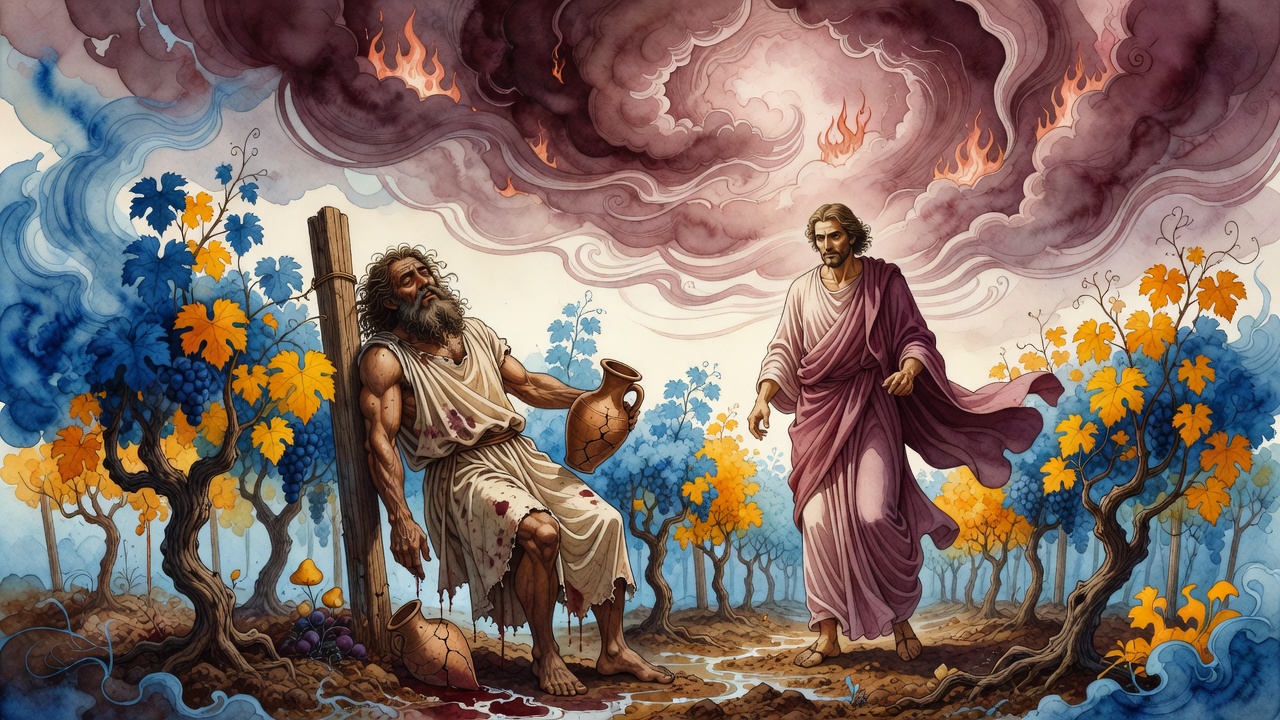
After the flood Noah planted a vineyard, drank wine, and became drunk. Most traditions see failure in it. Philo of Alexandria read the same verse and disagreed.
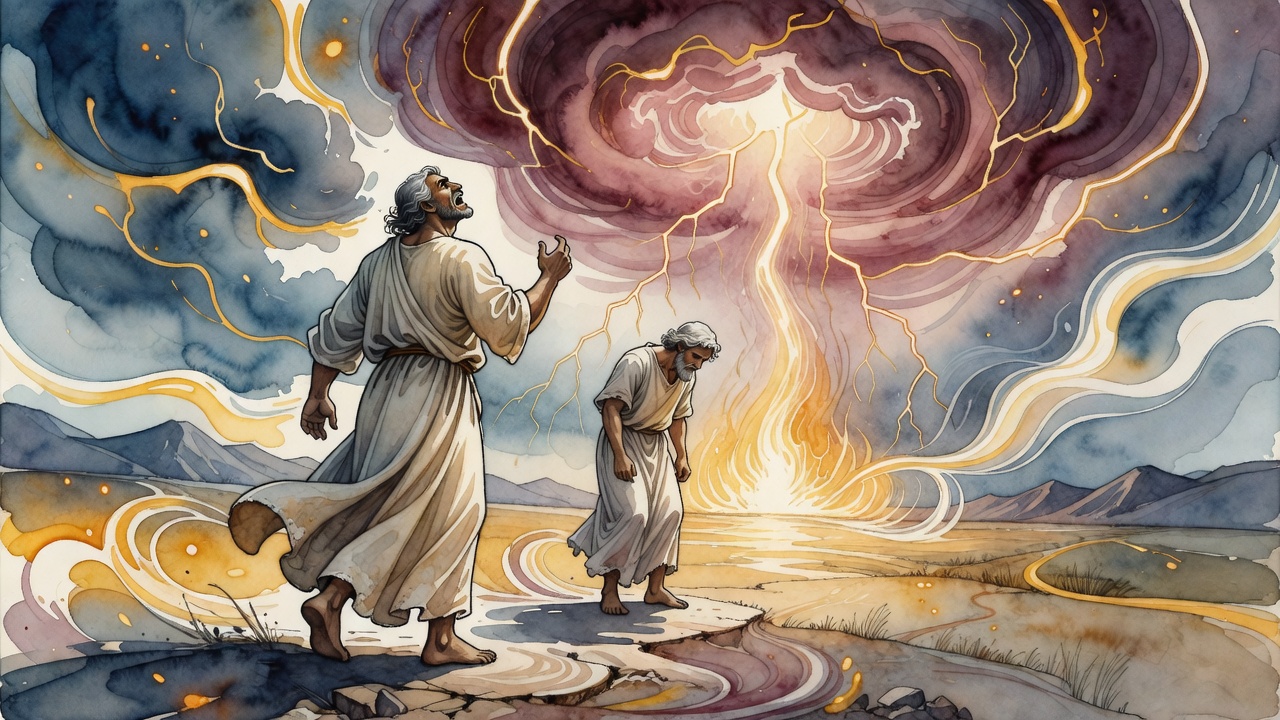
Ham came out of the tent and told his brothers what he had seen. They took a garment and walked in without looking. The curse missed him.
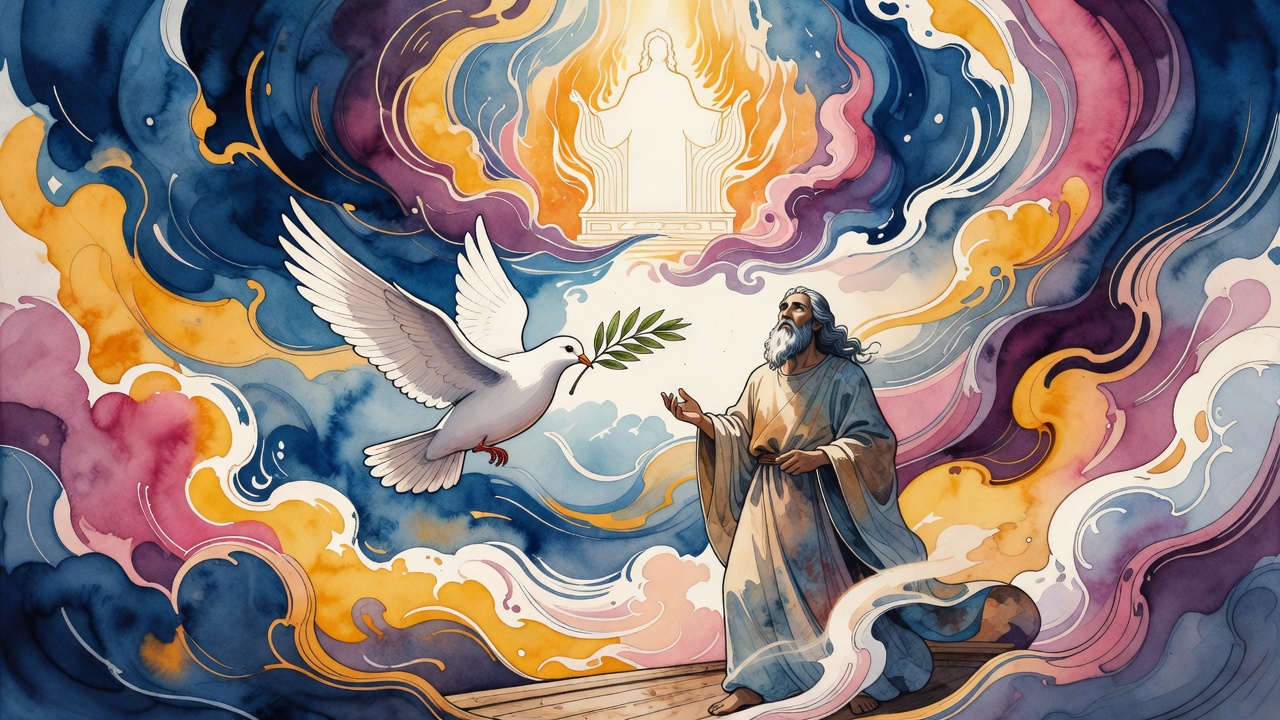
Enoch was taken out of the world before the water came. Noah was left inside a sealed box floating on it, measuring the world by one bird.
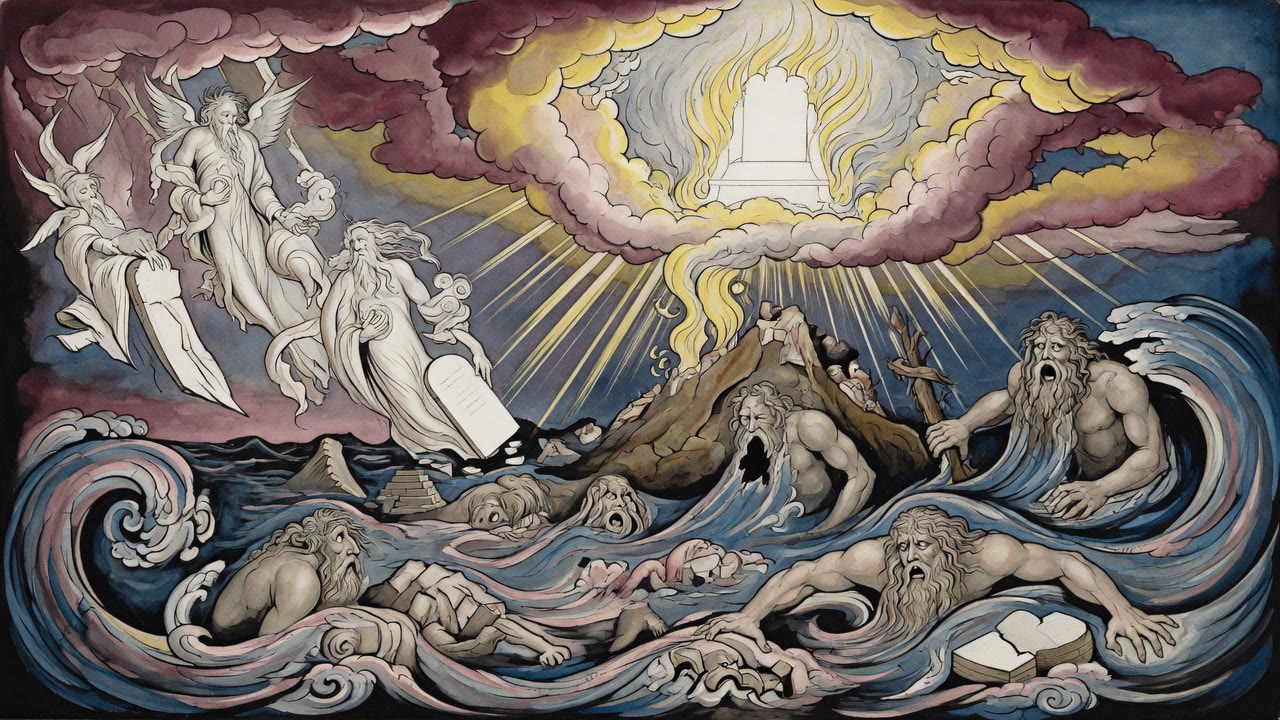
A girl named Istehar asked Shemhazai for the Name that lifts a body into heaven. She spoke it and never came back down to him.
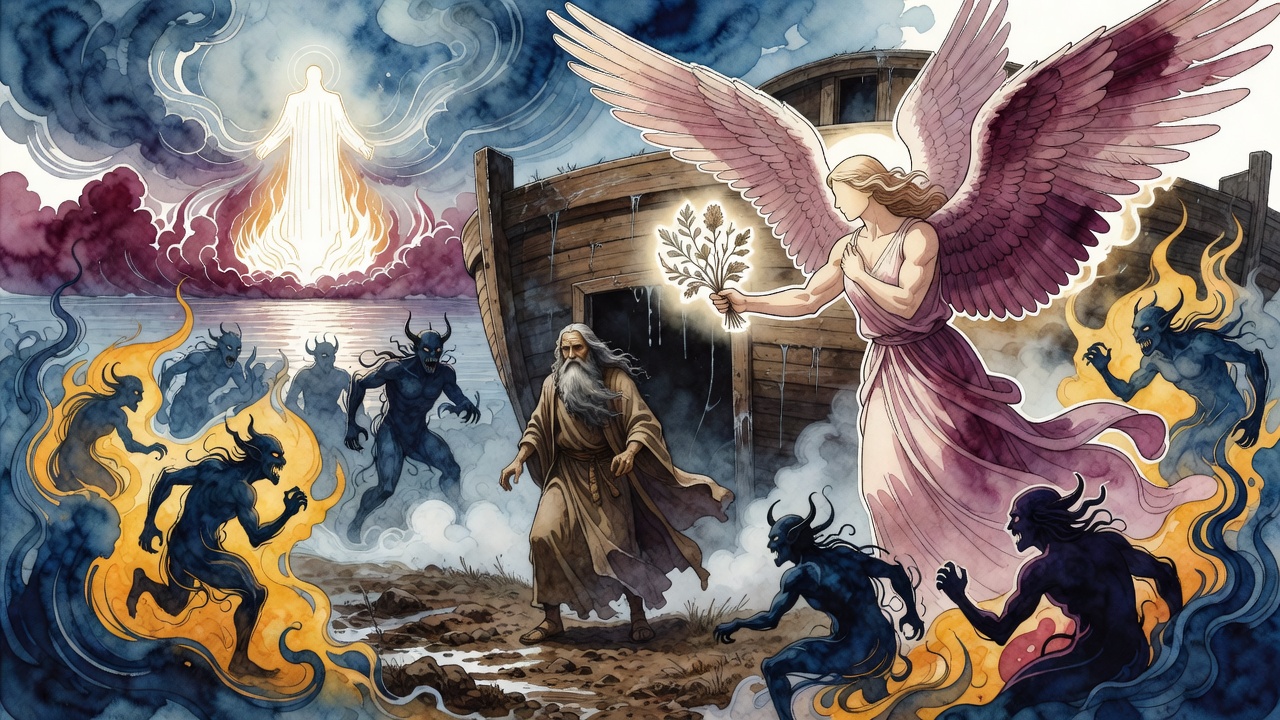
The waters were gone, and the spirits were still loose. Noah's grandchildren sickened. He asked God to take the demons off the children.
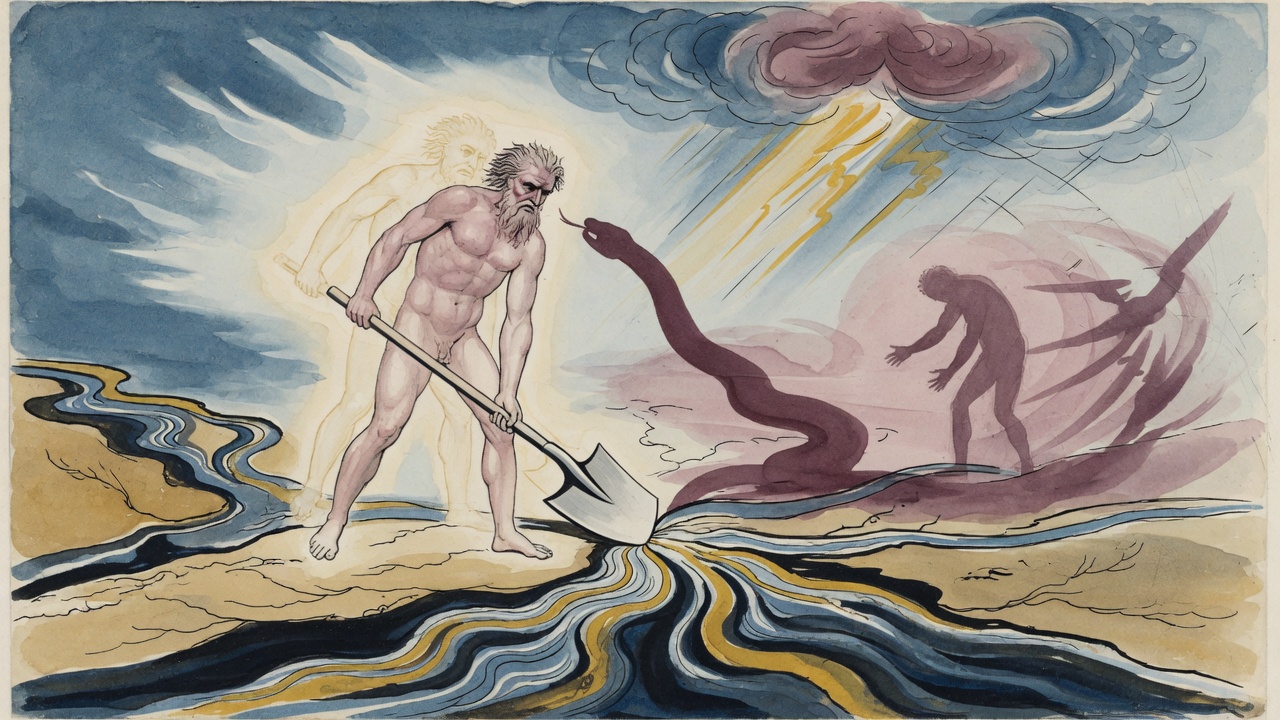
After the Flood Noah prays against evil spirits, Mastema bargains to keep one tenth of them, and angels teach Noah remedies to fight back.
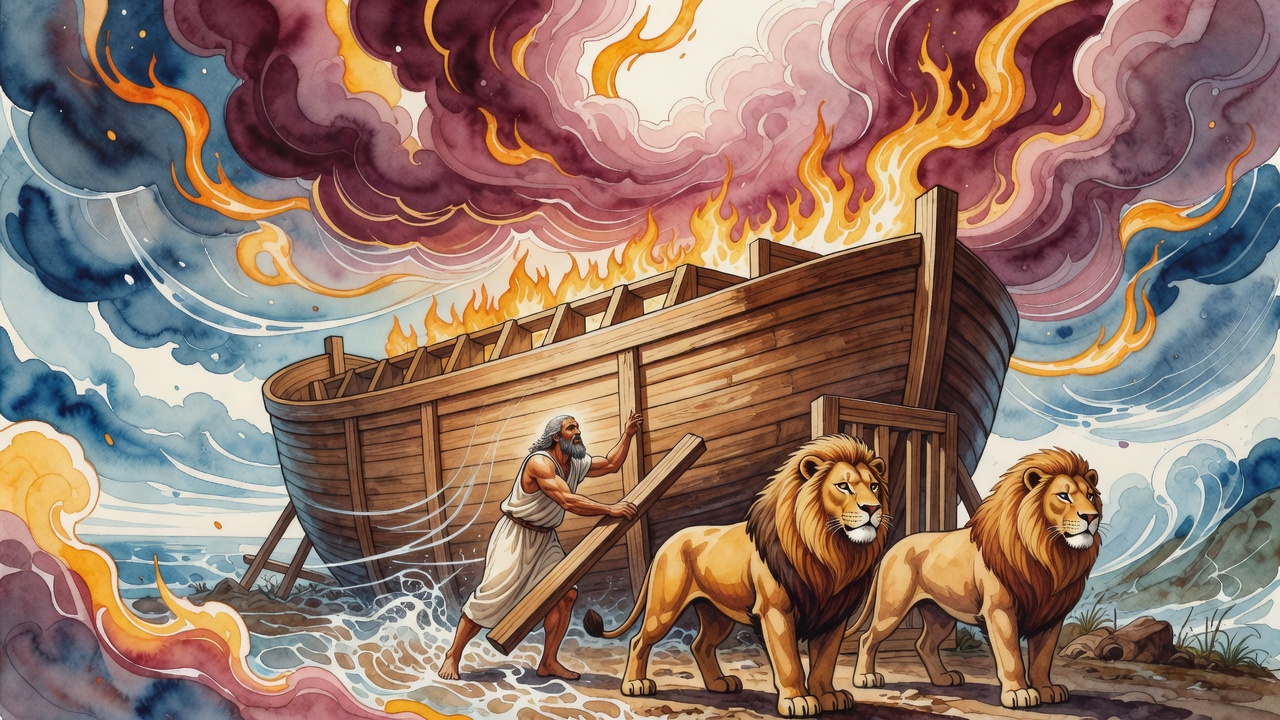
God named the boards before the rain. One hundred fifty cells. A glowing stone from Eden would hold the light for a year.
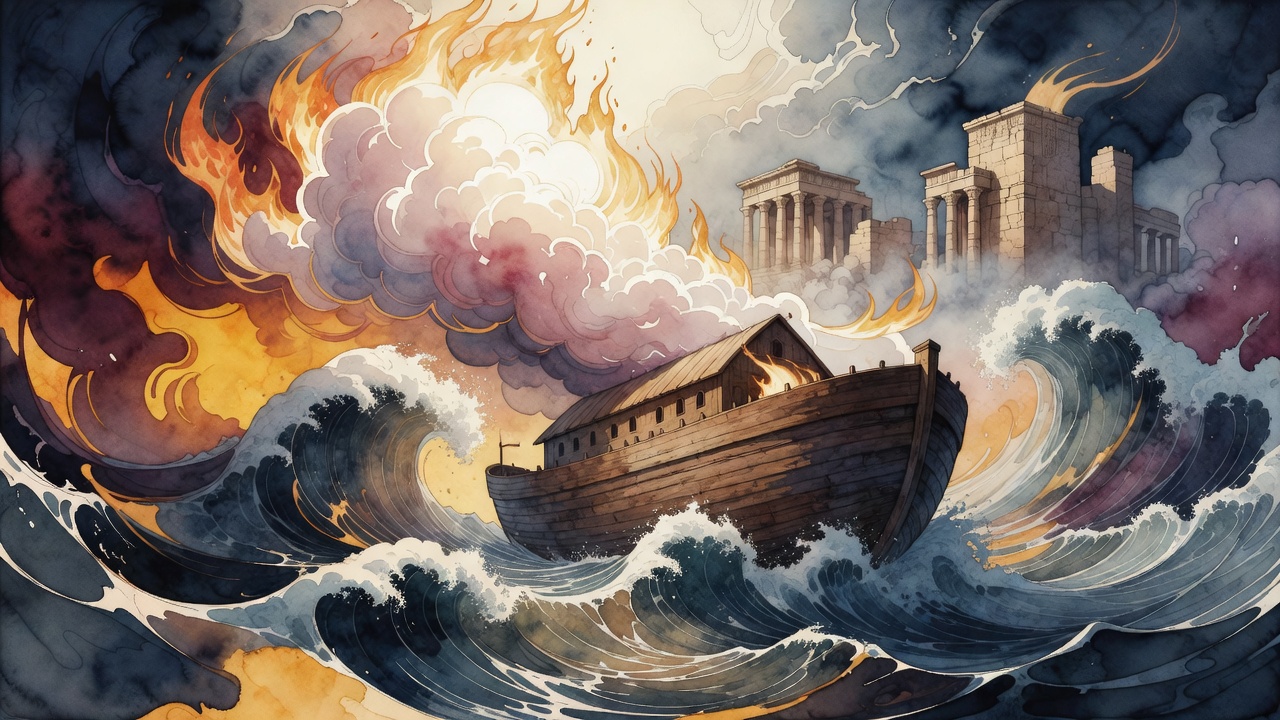
The animals walked off the ark and would not take an order. God gave Noah back their fear and held their obedience back for a king not yet born.
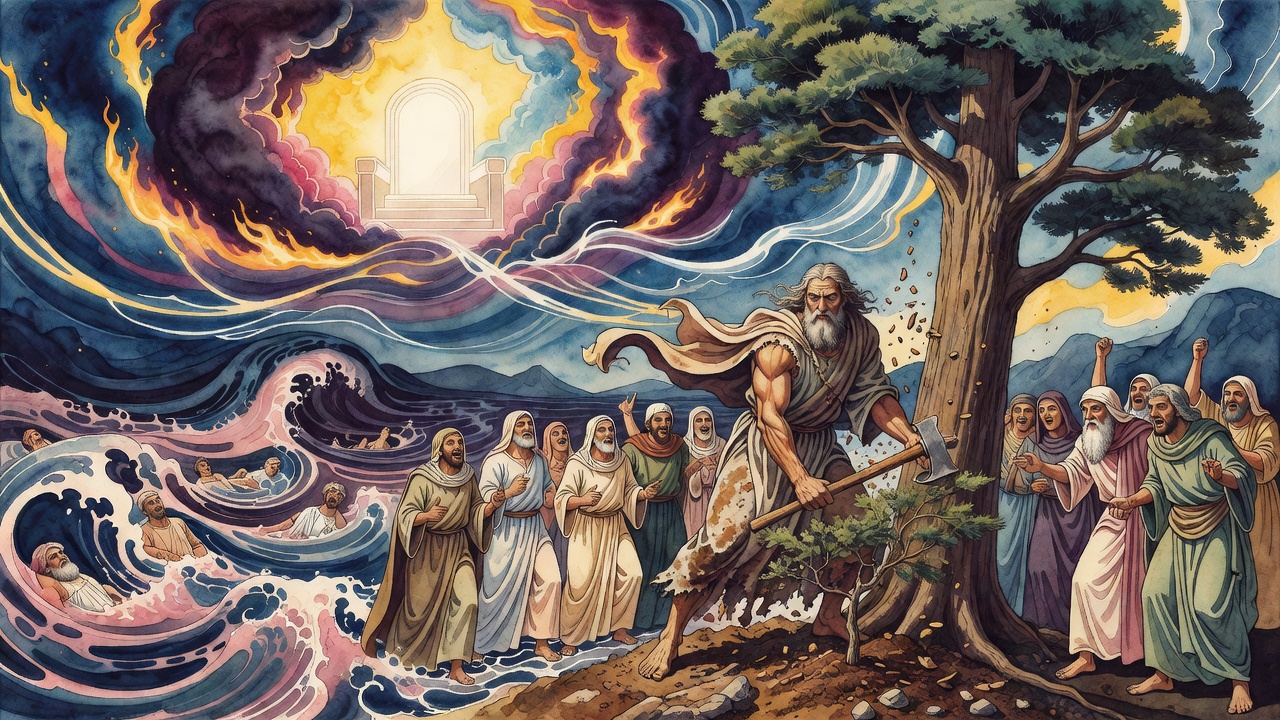
Noah plants cedar trees and cuts them down for 120 years, warning a generation that watches, mocks, and drowns without surprise.
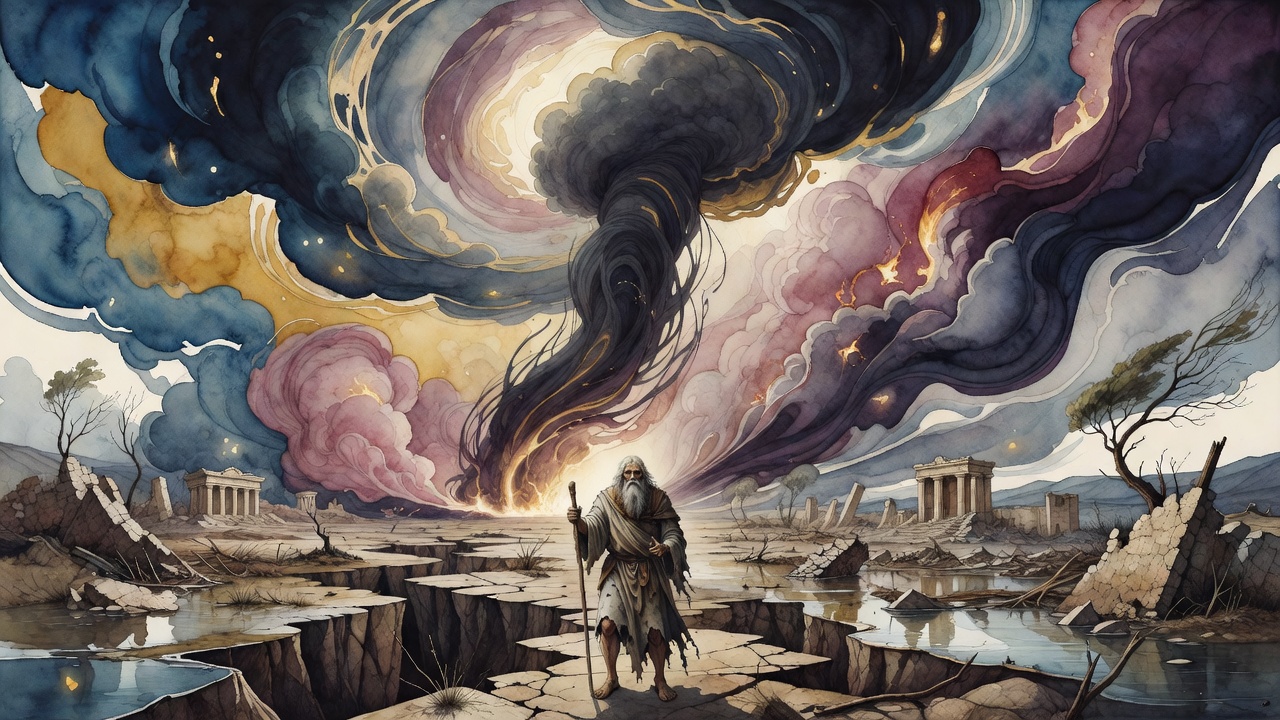
Noah stands at the edge of a ruined world while God names what broke it, injustice so thick it became the rod that struck creation down.
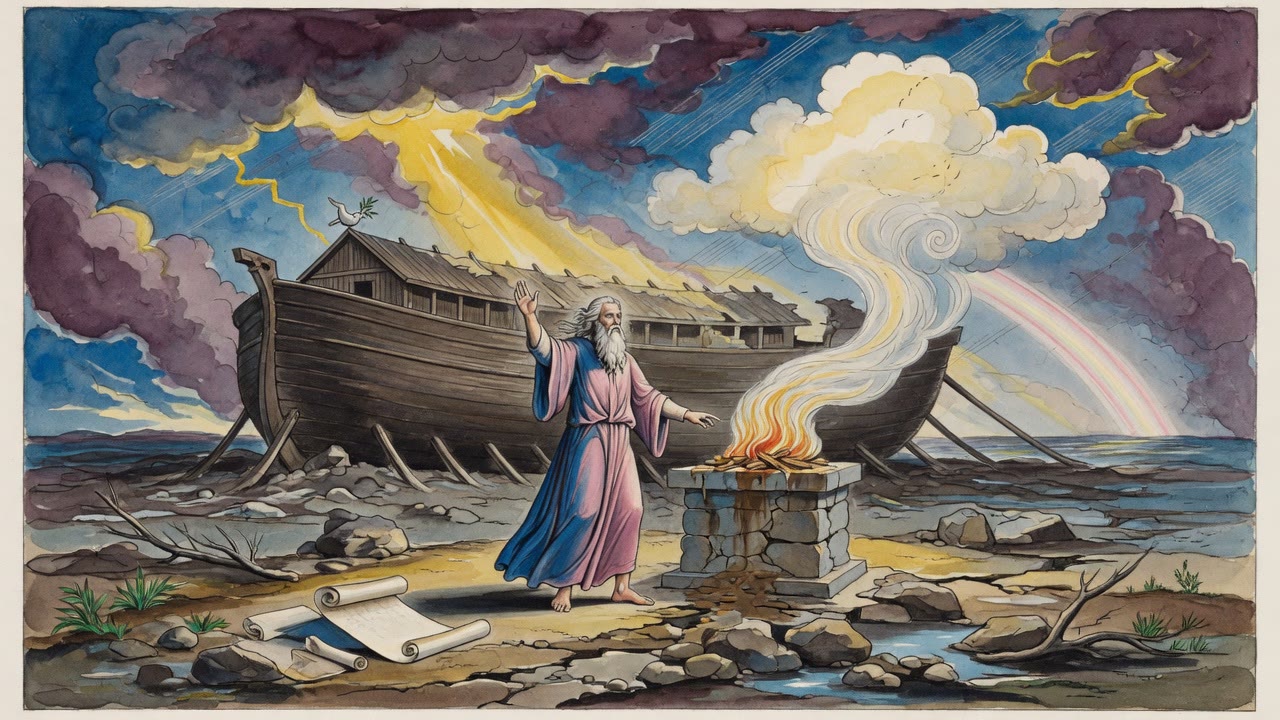
Noah saved spirits without bodies, lashed a reem the size of a mountain to the ark's side, and refused to leave until God swore the world would not flood again.
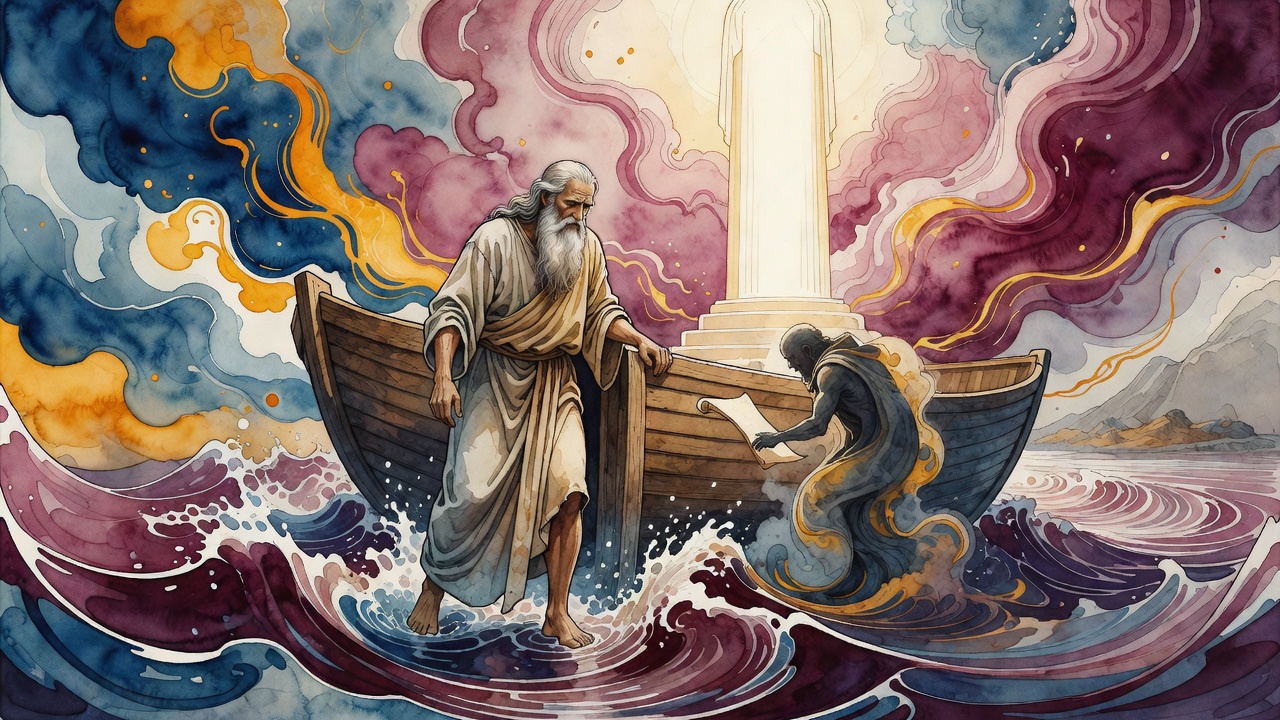
Rabbi Yohanan said Noah lacked faith and would not board until the flood reached his ankles, even as Falsehood waited at the door with a plan.
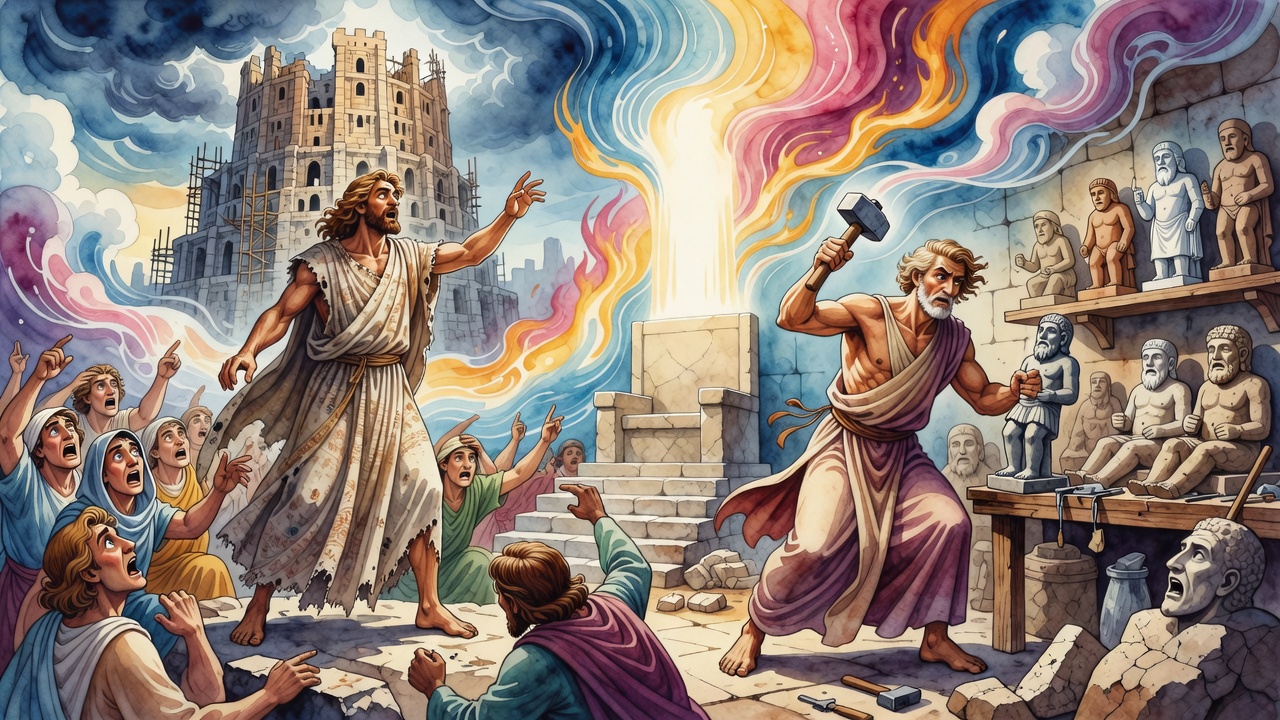
A brick fell off the tower and the whole work line sat down and wept. A man fell the same morning and nobody turned his head.
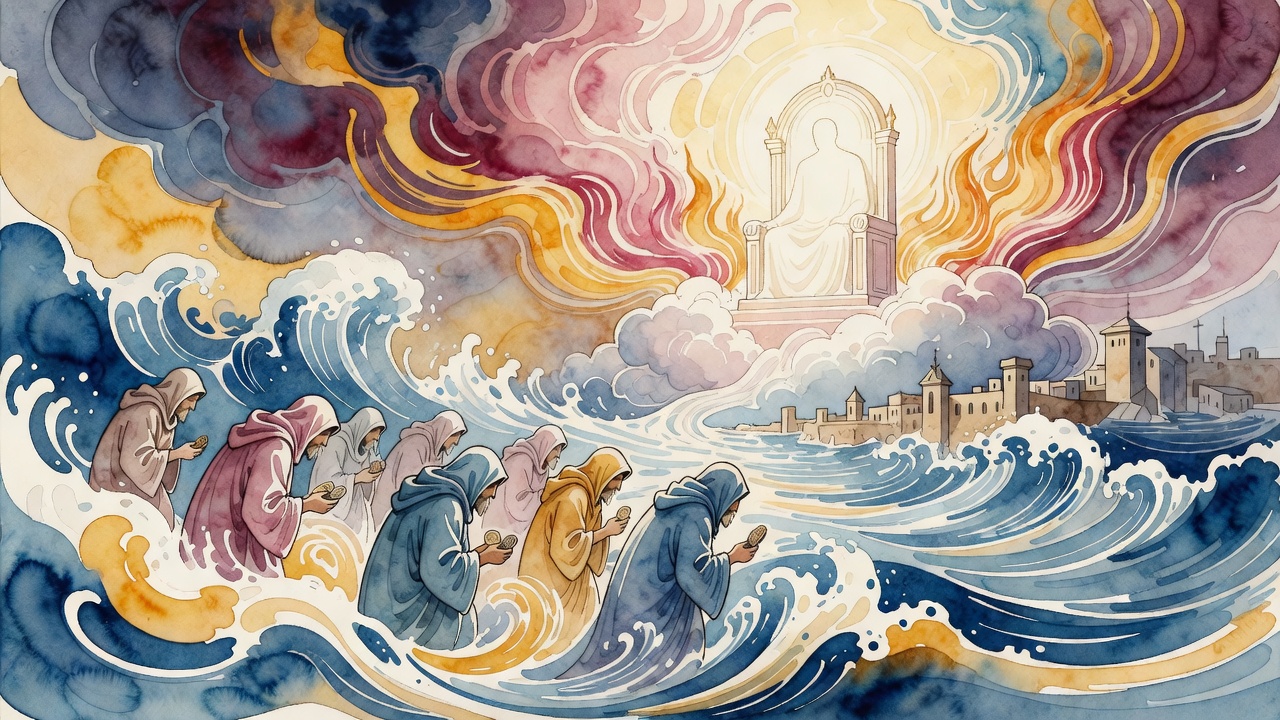
A man set down a basket of lupine beans in the market. Neighbors pinched it empty by dusk. No court would hear a case that small.
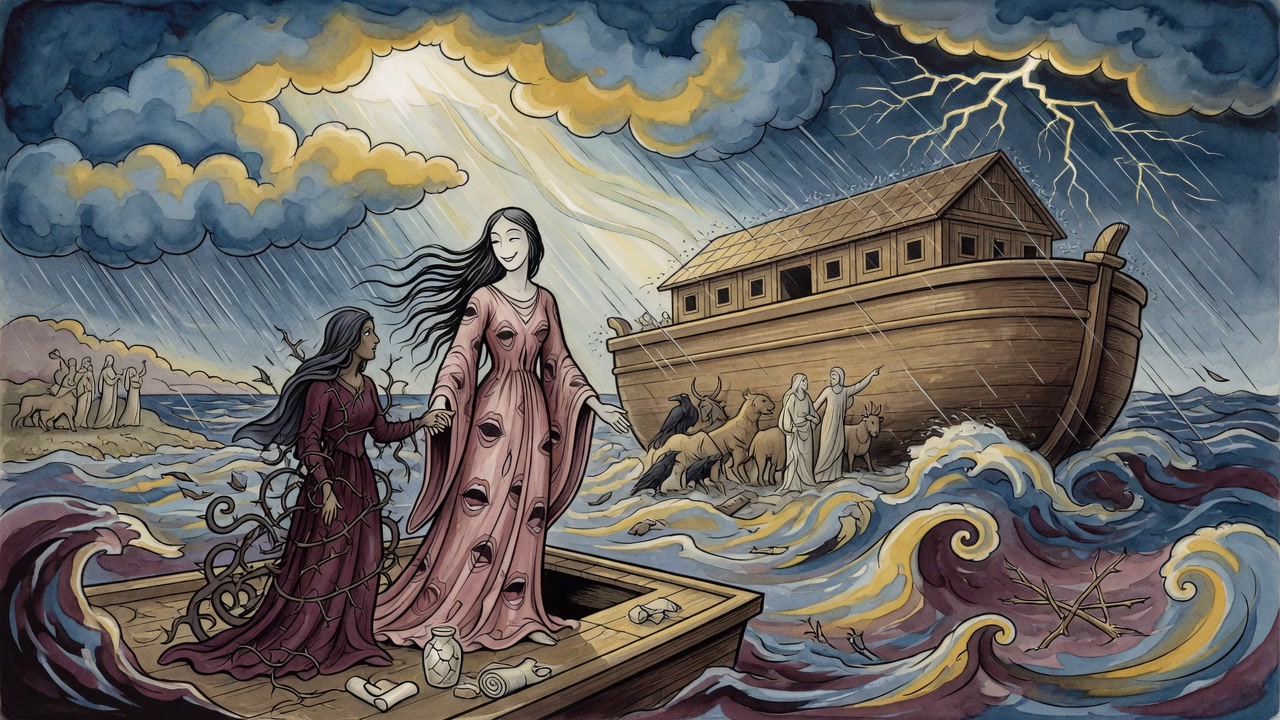
Refused at the ark for having no mate, Falsehood weds Wickedness to sneak aboard, and the flood meant to drown deceit carries the pair through.
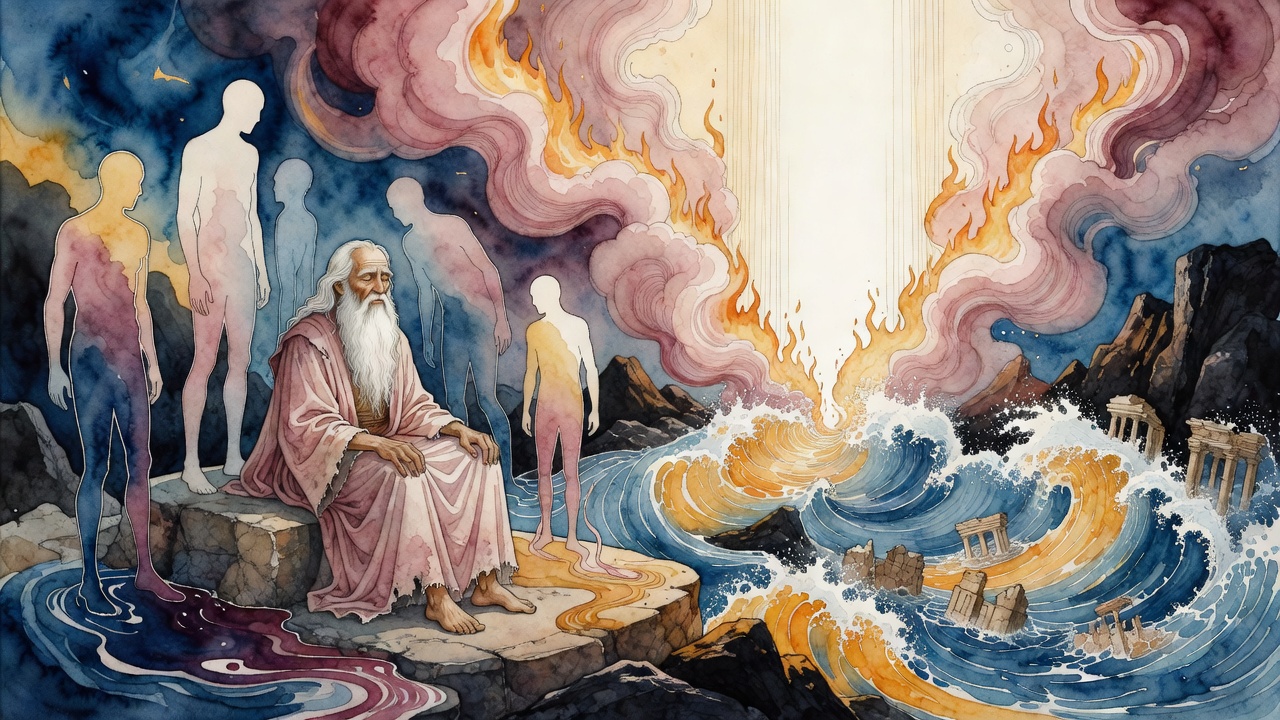
An old man dreams the centuries draining out of human bodies until a life of seventy years is called long, and a drowned world answers back.
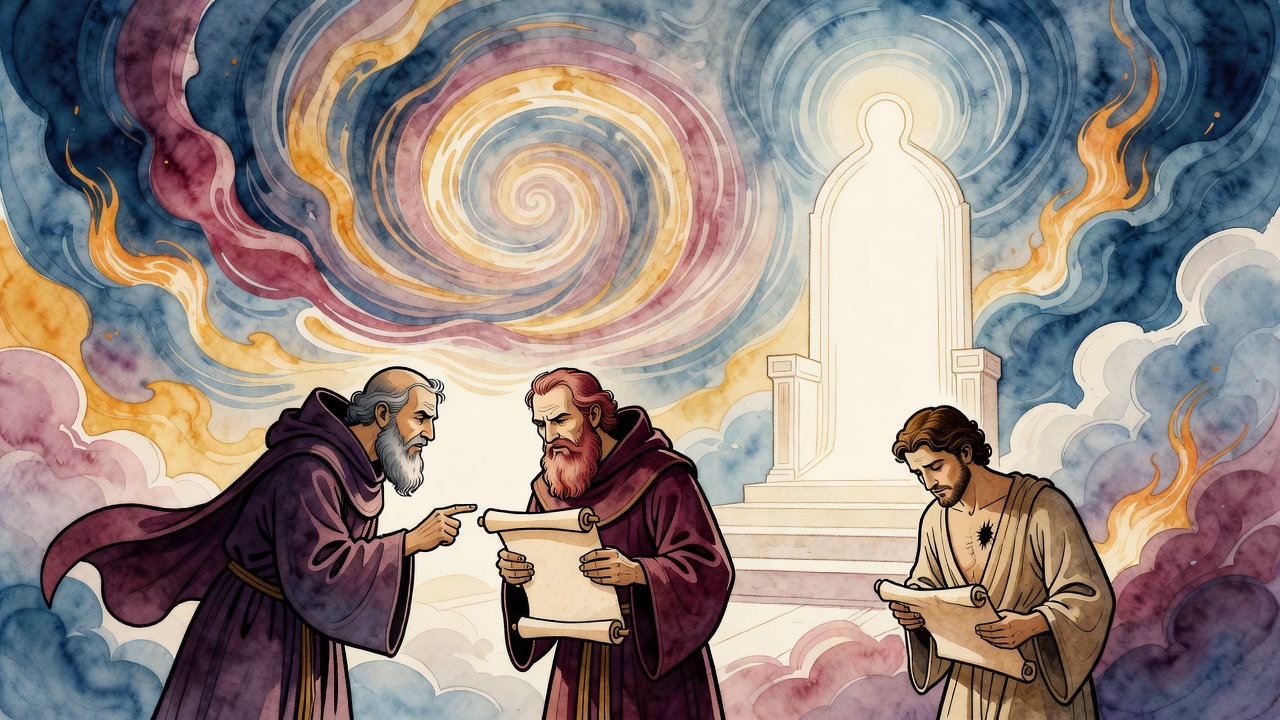
Two rabbis quarrel over a single word while the second day of creation swallows its own praise and the human carries a flaw God placed inside him.
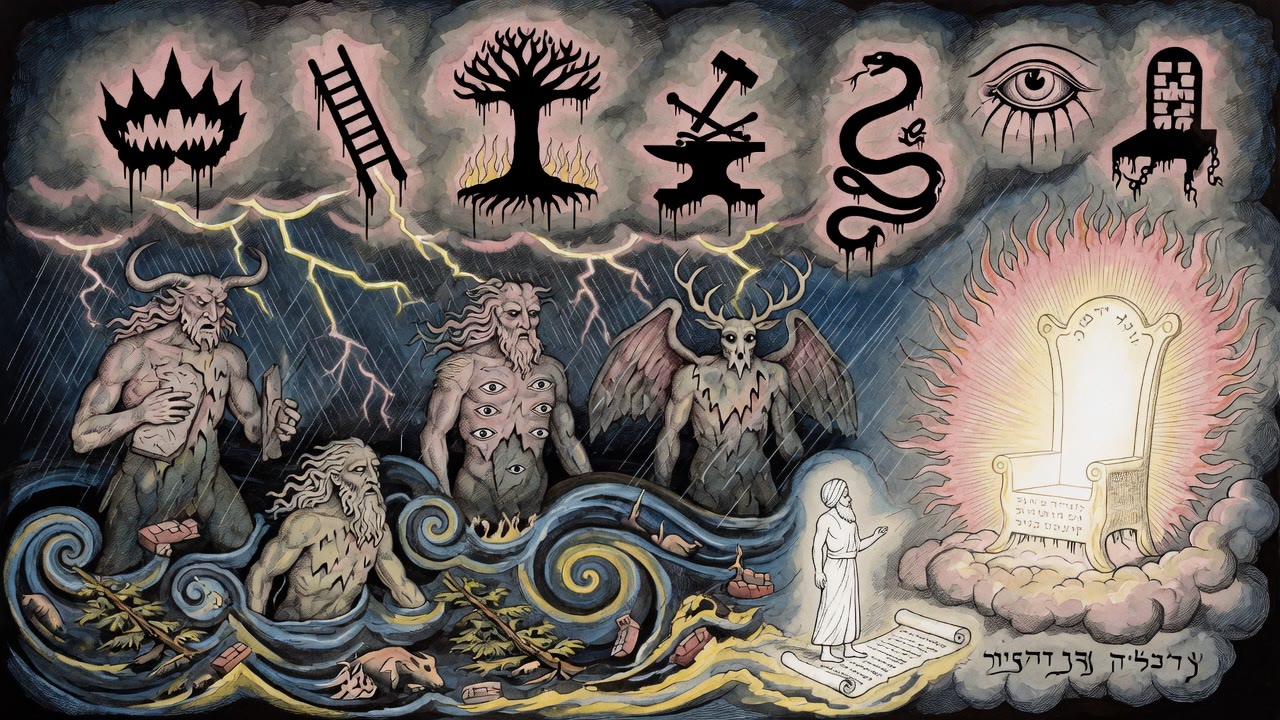
Before the waters rose, titans ruled a fertile earth. When the deep broke open, the giants jammed their feet into it and drowned defying God.
