103 myths · Page 2 of 3
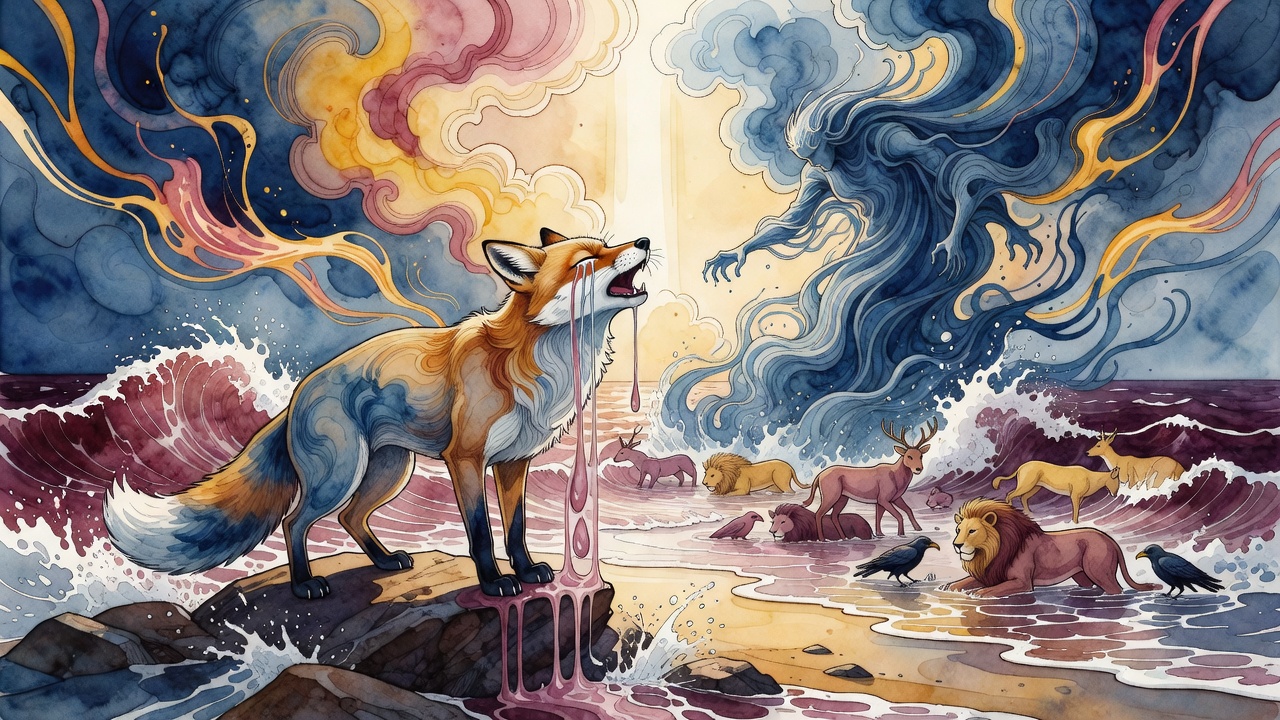
When the Angel of Death came to drown a pair of every beast, the fox alone refused to die, weeping over a mate he never had.
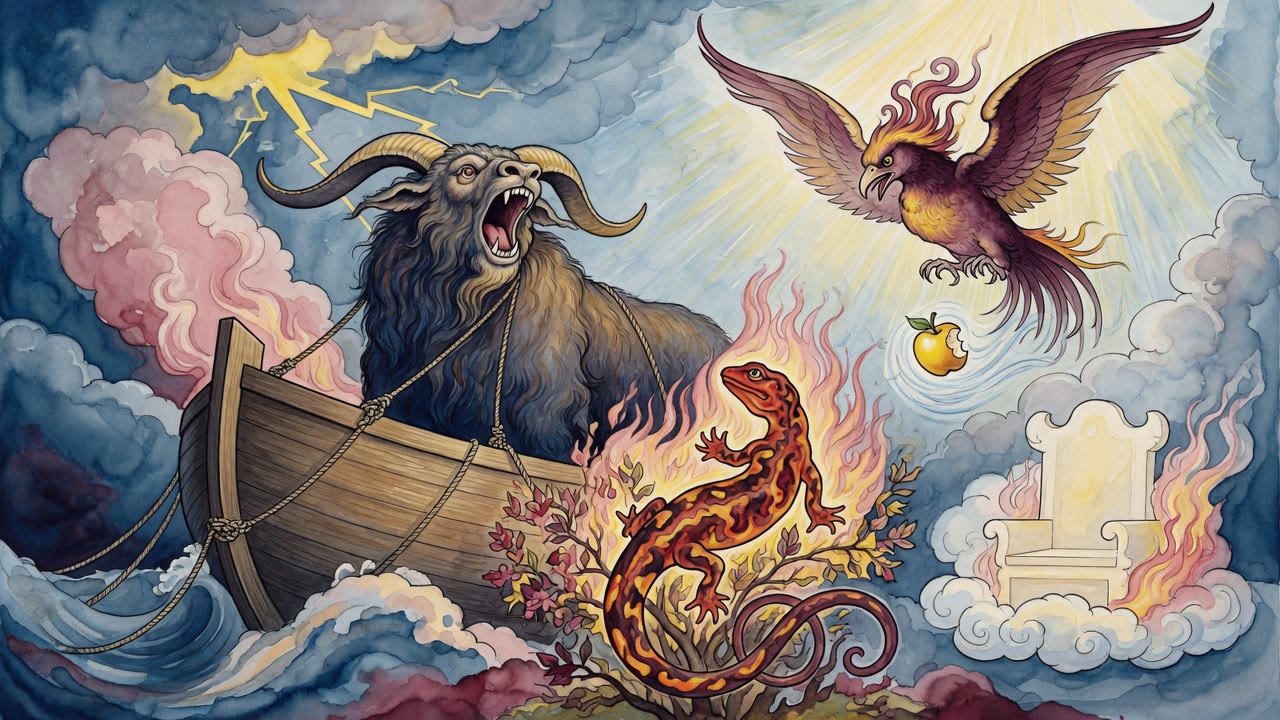
A re'em too vast for the ark, a salamander born of seven years of myrtle fire, and the milcham bird that turned from Eden's fruit and never died.
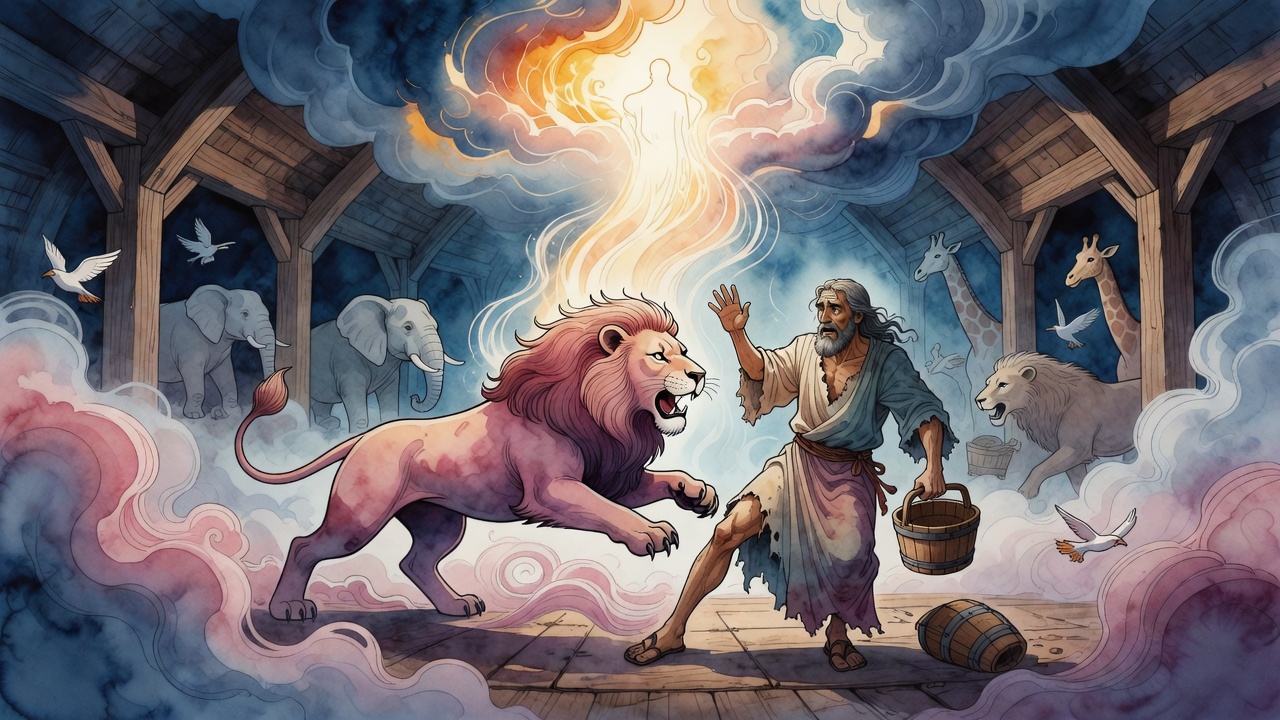
For twelve months Noah feeds every beast on its own clock, never sleeping, until the night he comes late and the lion mauls him in the dark.
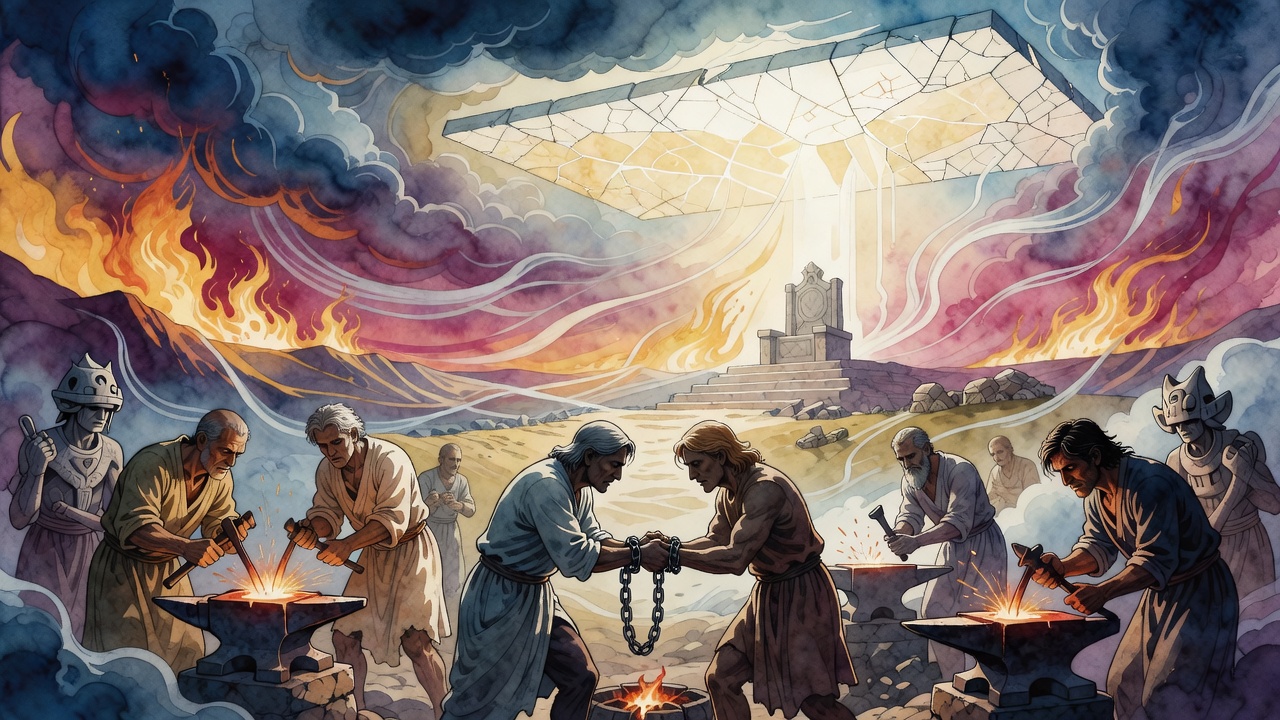
'Ur named his new city after himself so every passerby would speak it. In the same workshops men poured metal into molds and bowed to the faces they made.
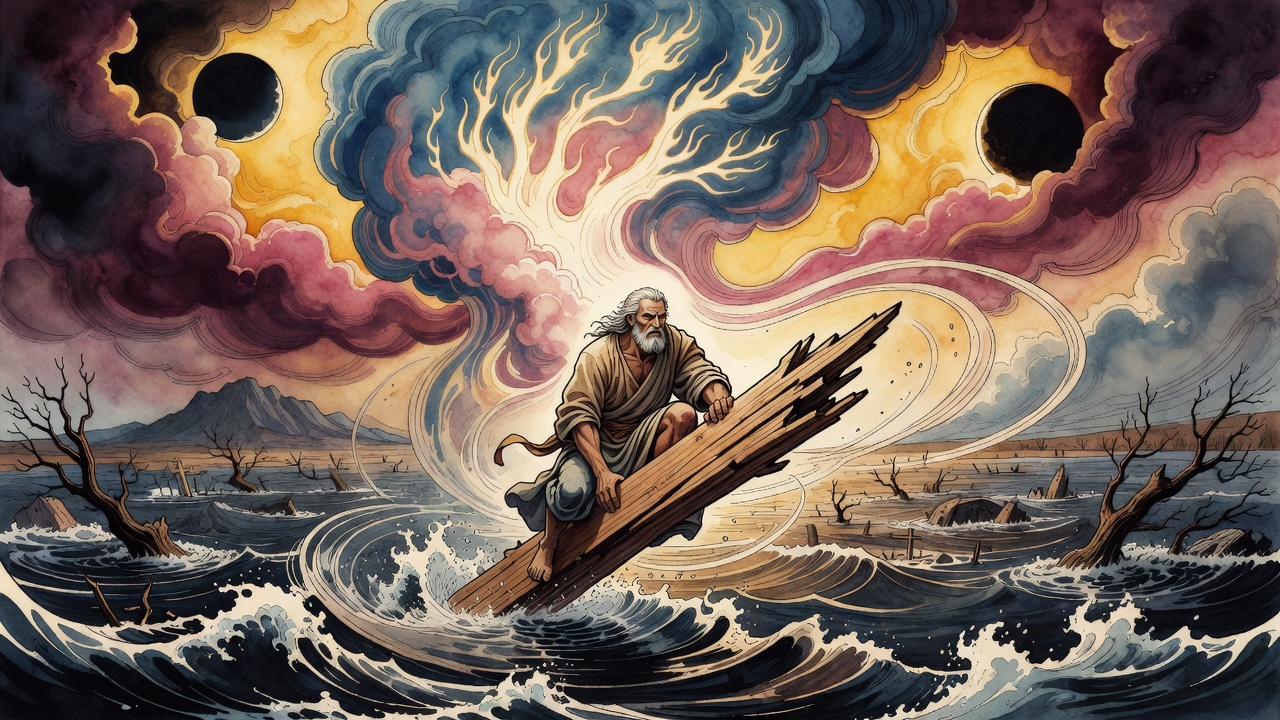
The sun and moon went dark for a year as the deep burst, and Noah rode a splinter of cedar across a drowned world toward Lubar.
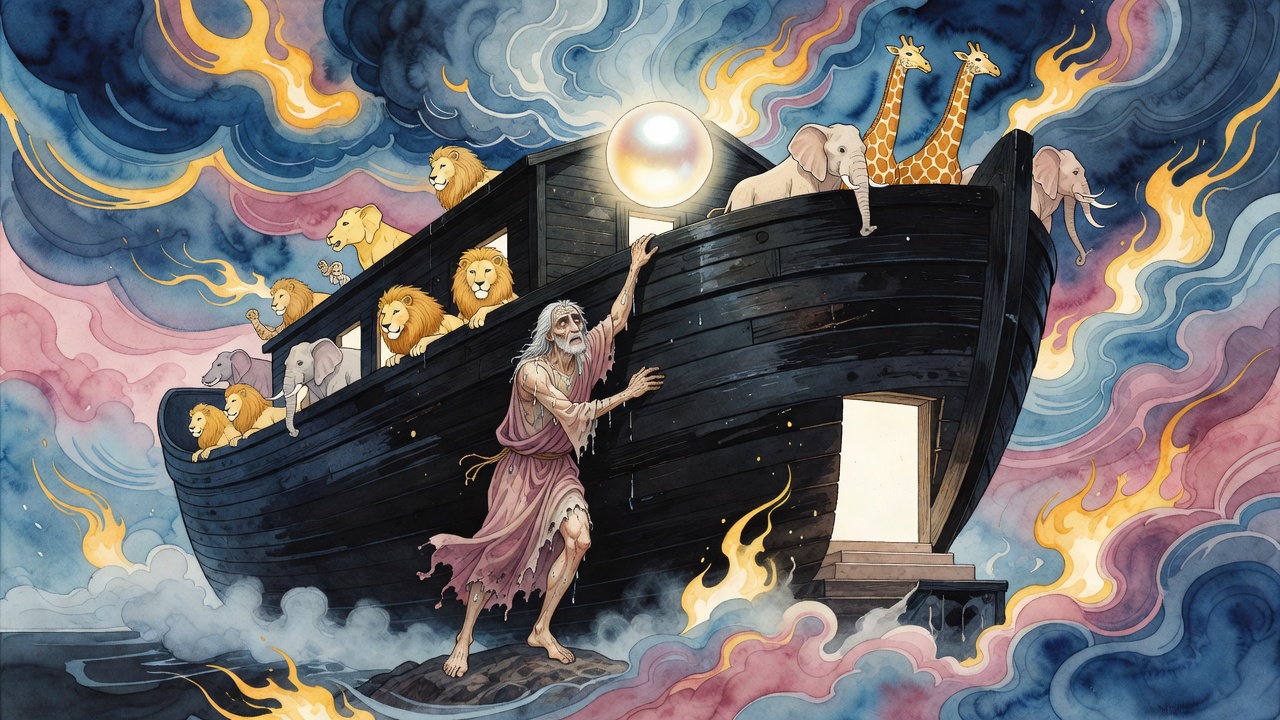
A single glowing pearl is Noah's only clock while he climbs a black ark for a year, feeding every beast on its own hour until the work nearly kills him.
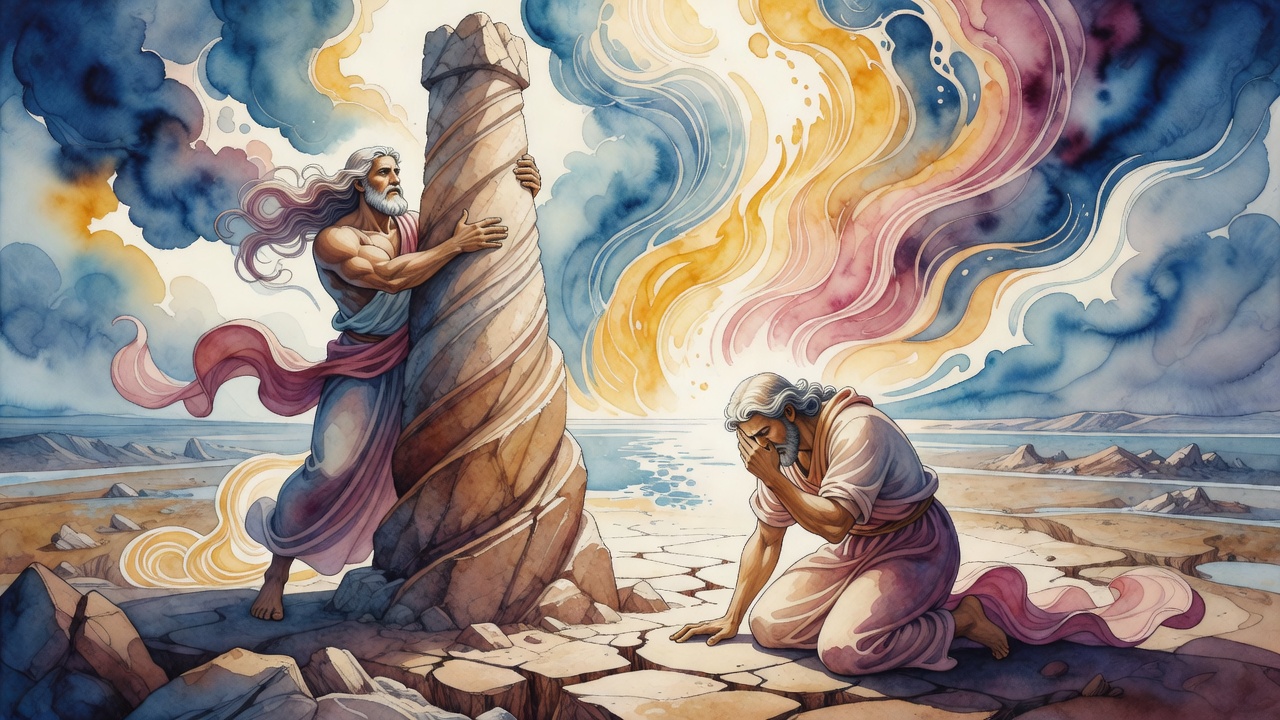
The flood left the earth blank, and the sons of the ark began writing on it, one prince raising a tower, one grandson earning a curse of his own.
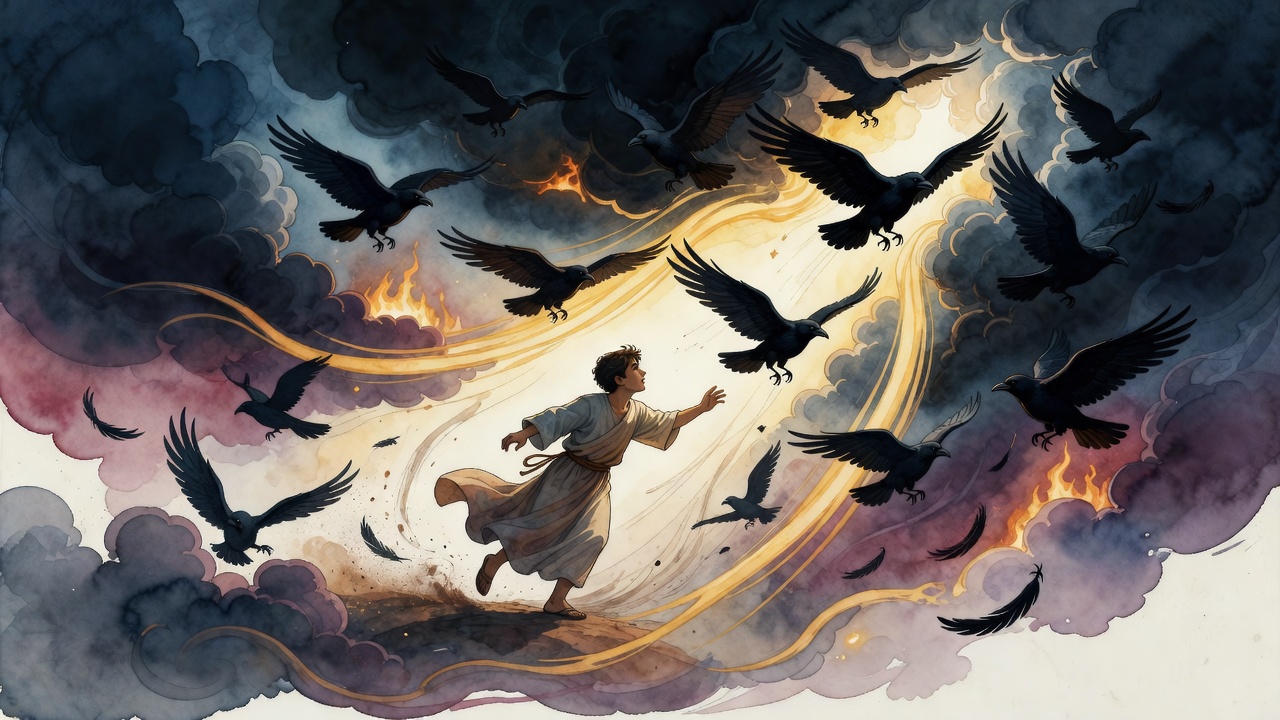
In the dark years after the Flood the world forgot God, until a boy of fourteen ran at Mastema's ravens and turned the black sky back.
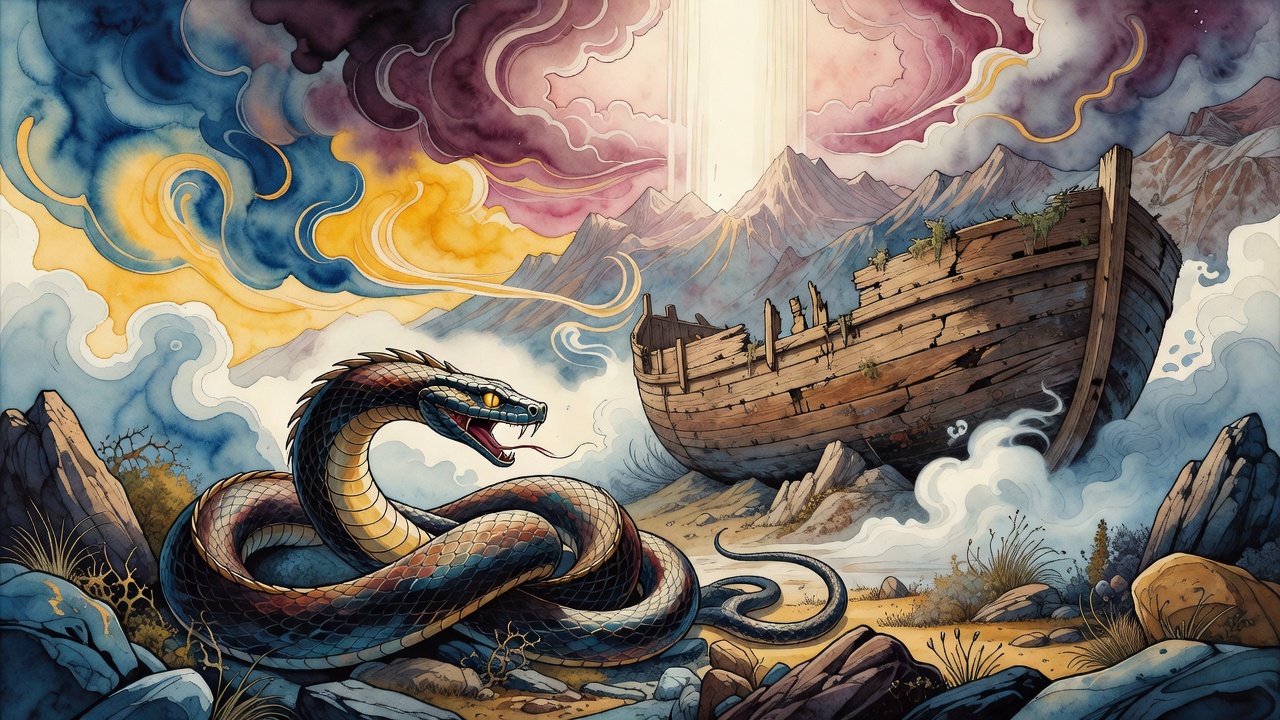
Every animal in the first garden shared one language, and the serpent used it. Long after, villagers in Armenia pried bitumen off the hull to wear as charms.
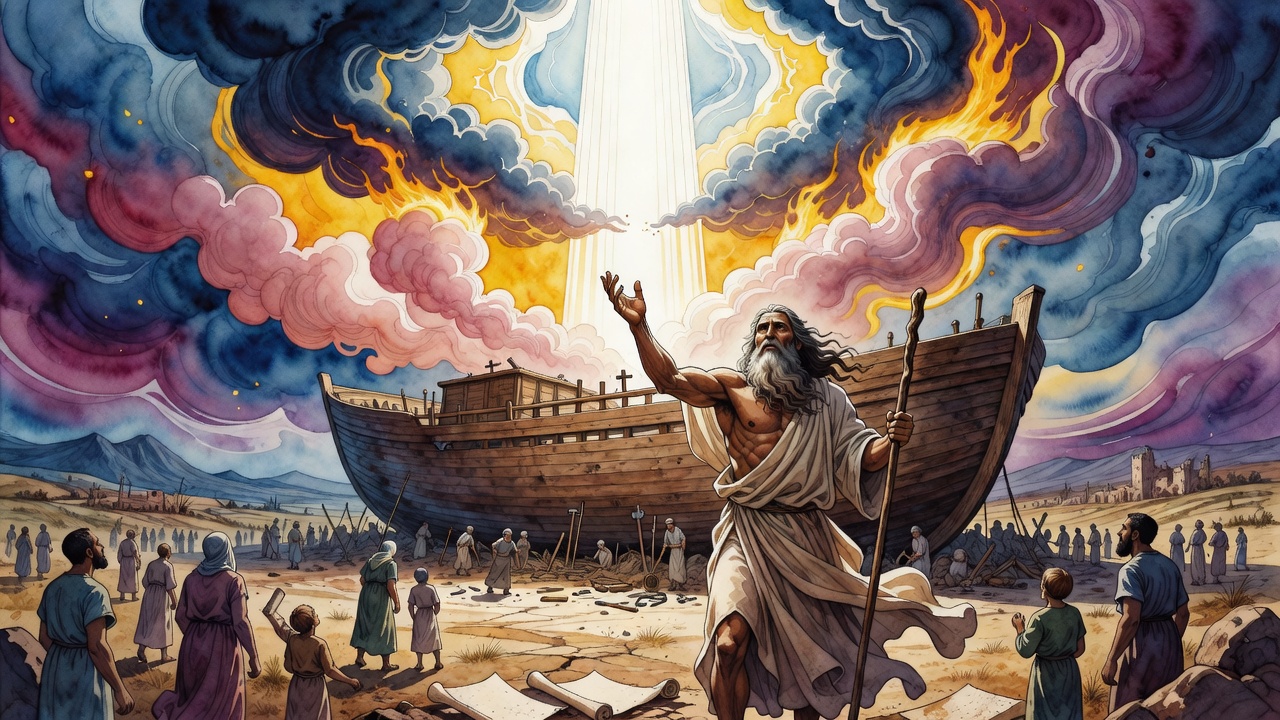
God showed Noah the blueprints himself, and the work took fifty-two years so a doomed generation might still turn while the floating city rose.
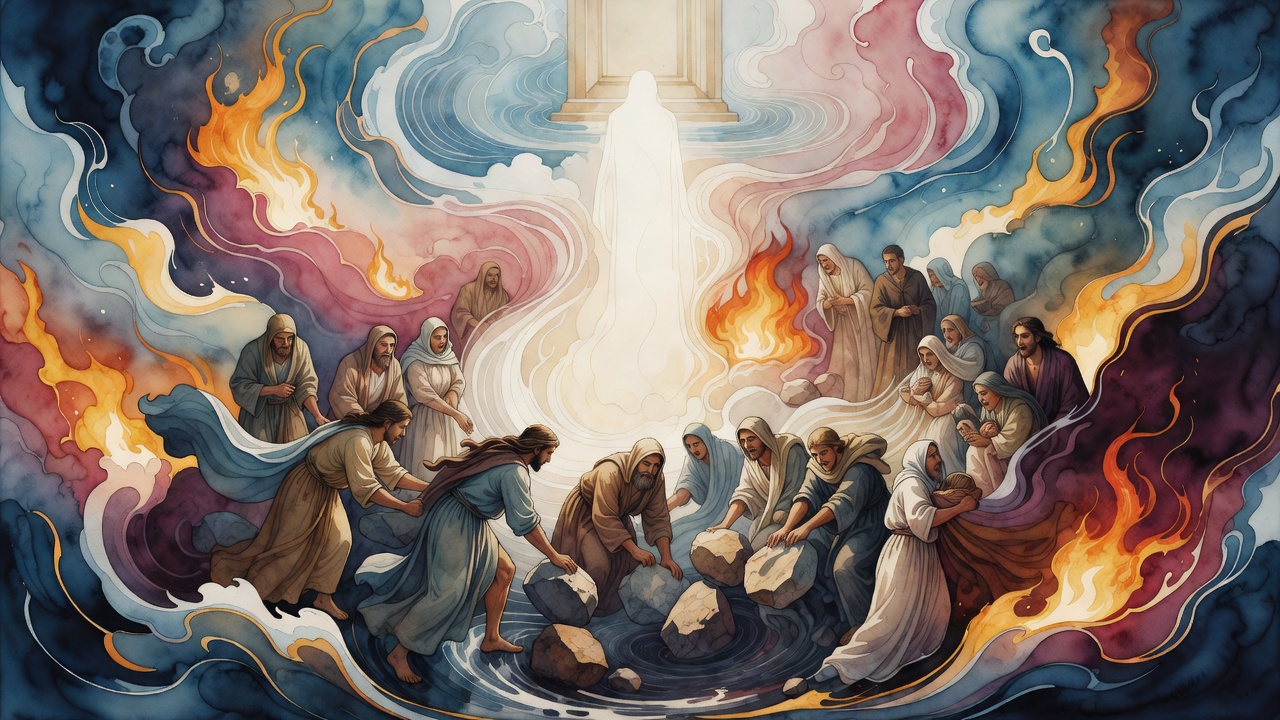
Abundance made them cruel. When the deep opened they stuffed infants into the geysers, tried to flip the ark, and met fire from above.
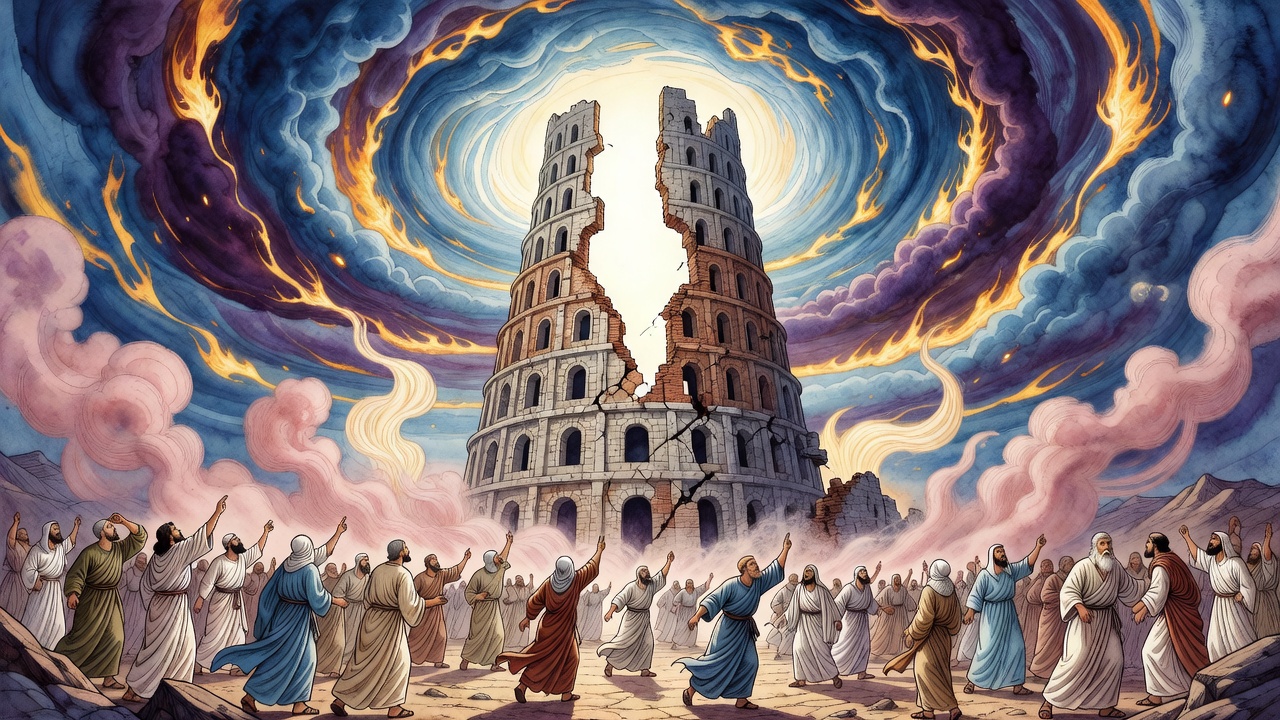
Babel's crews built high to avoid being scattered, and God scattered them with broken speech. Hebrew, the first tongue, shattered into seventy.
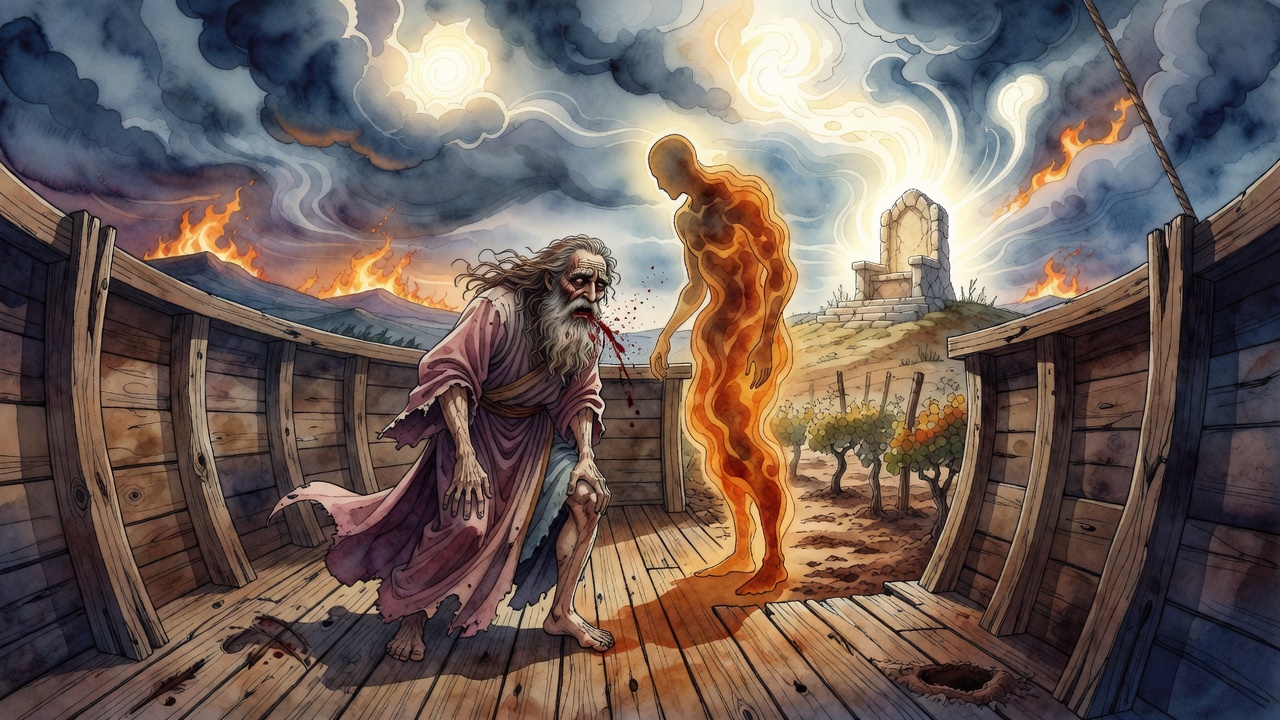
Twelve months without sleep, a lion's bite, and a prayer from the ark as prison. Noah left coughing blood, then partnered with Satan to plant a vineyard.
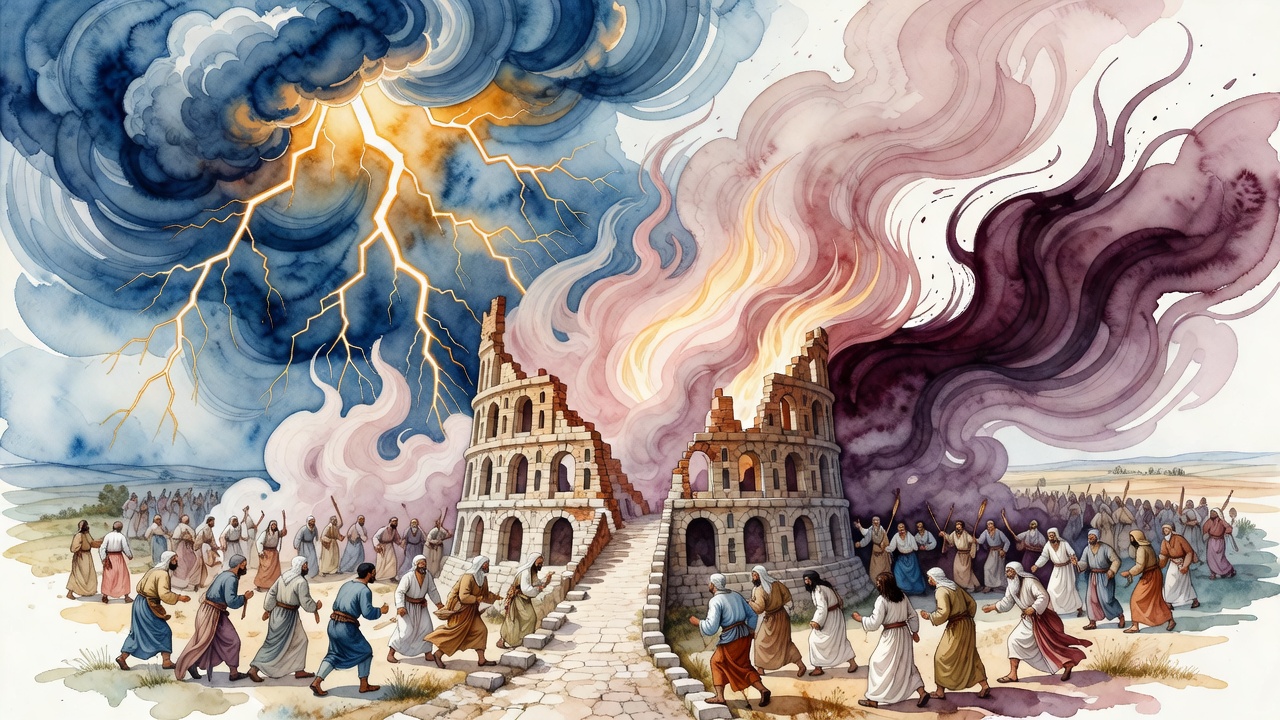
After the flood they still spoke with one mouth. On the plain of Shinar the crews split, and one of them brought axes for the sky.
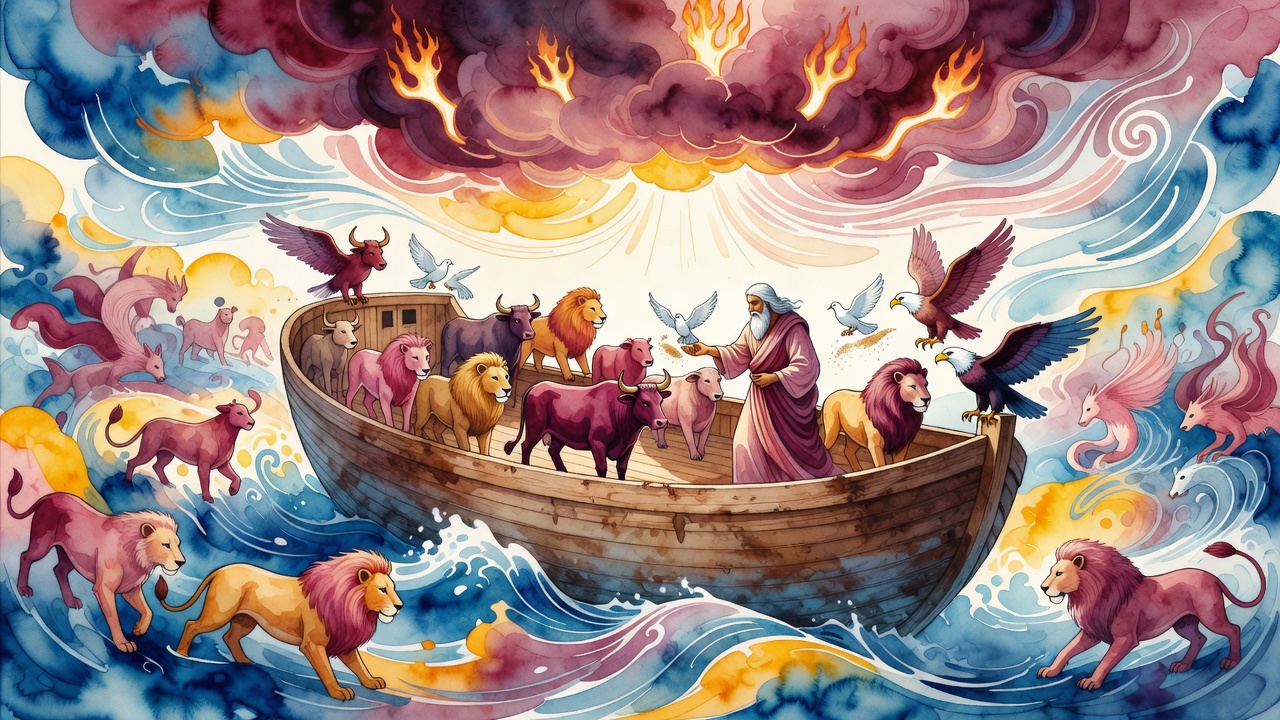
The neighbors asked what the cedar saplings were for. Noah told them the truth. They laughed, and he went on watering the trees.
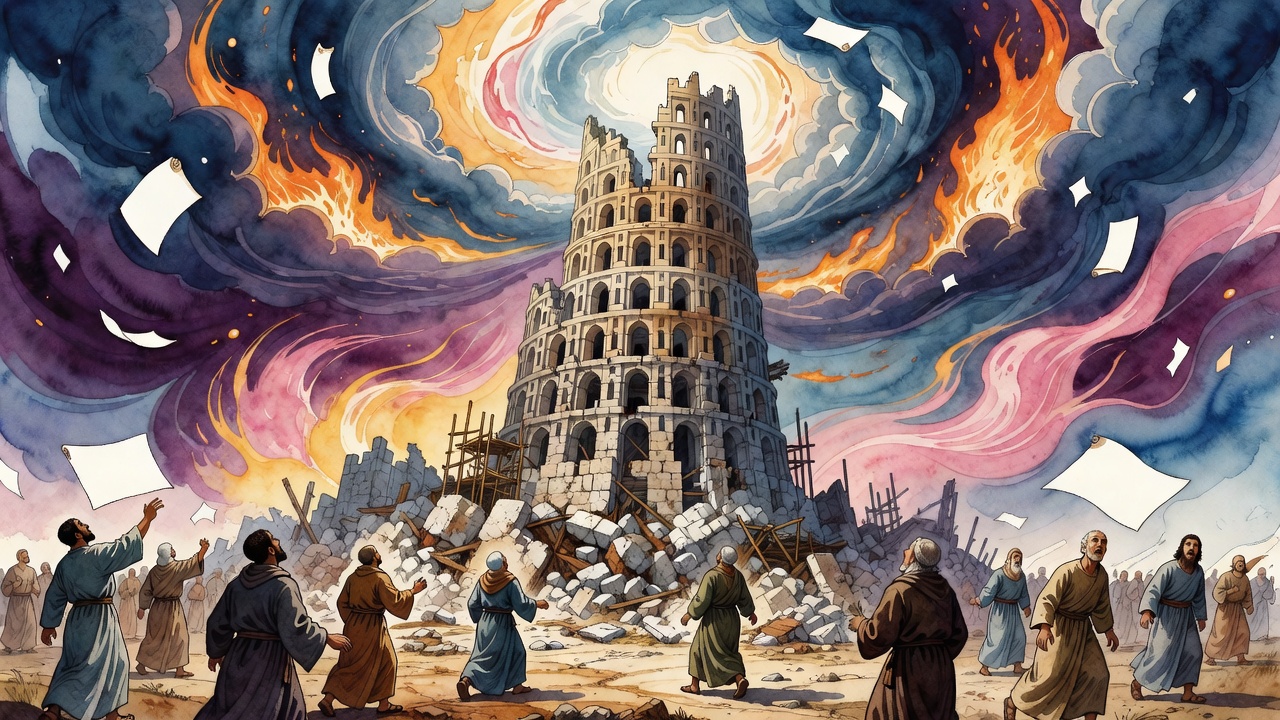
The tower was still climbing when speech broke. A man called for tar and was handed a tool he did not know how to use.
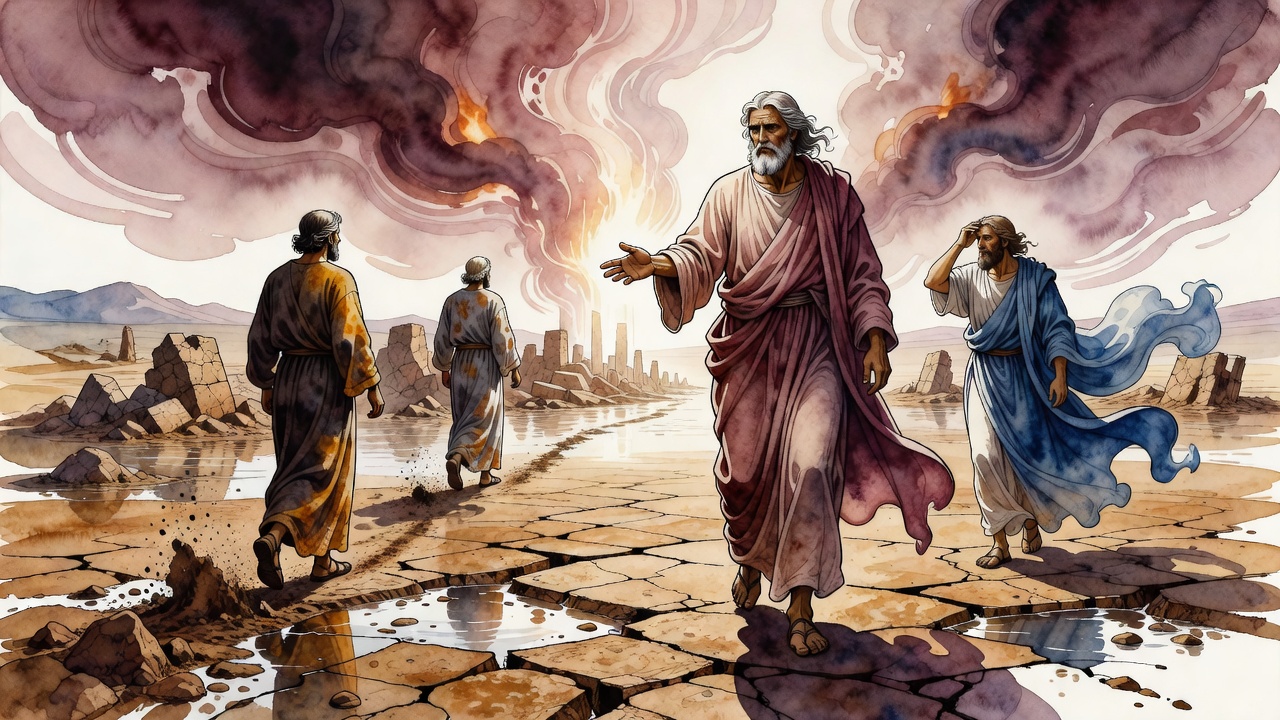
The mud still held the old world's bones. Noah looked at his sons. He told them they had already started walking toward ruin.
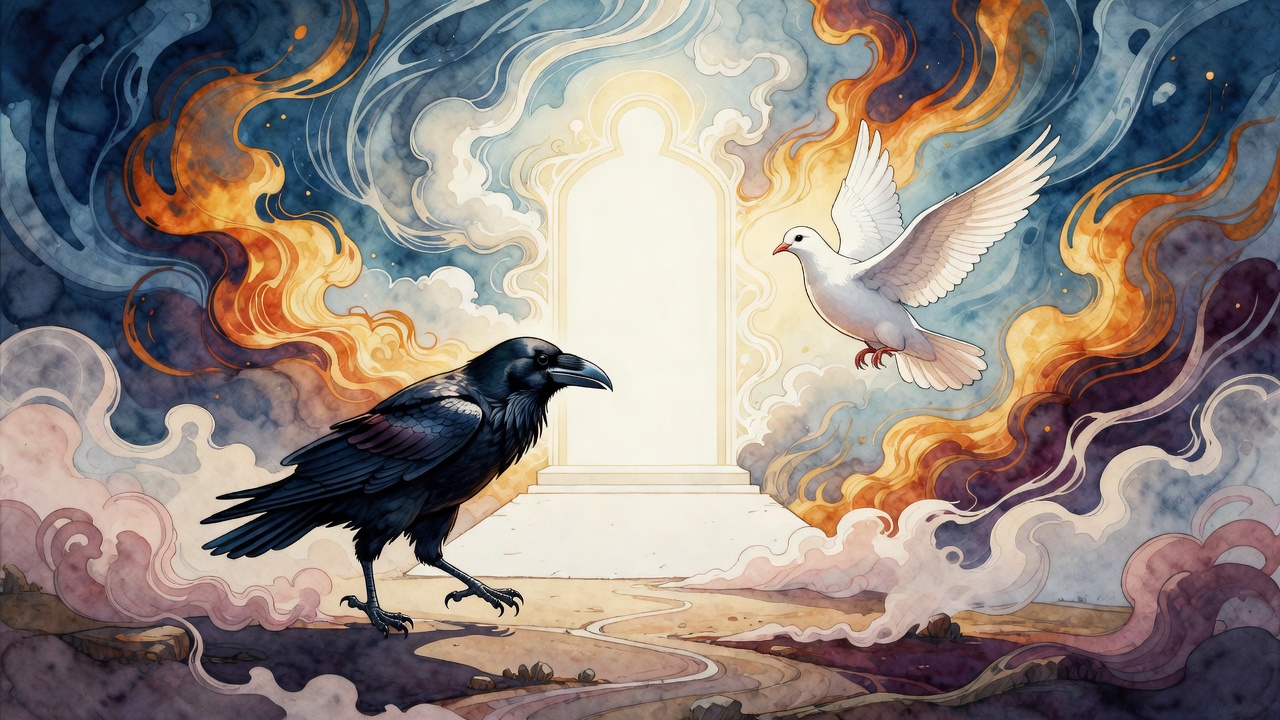
He copied the dove's step until his bones nearly broke. The other animals laughed. Then he tried to hop like himself and could not.
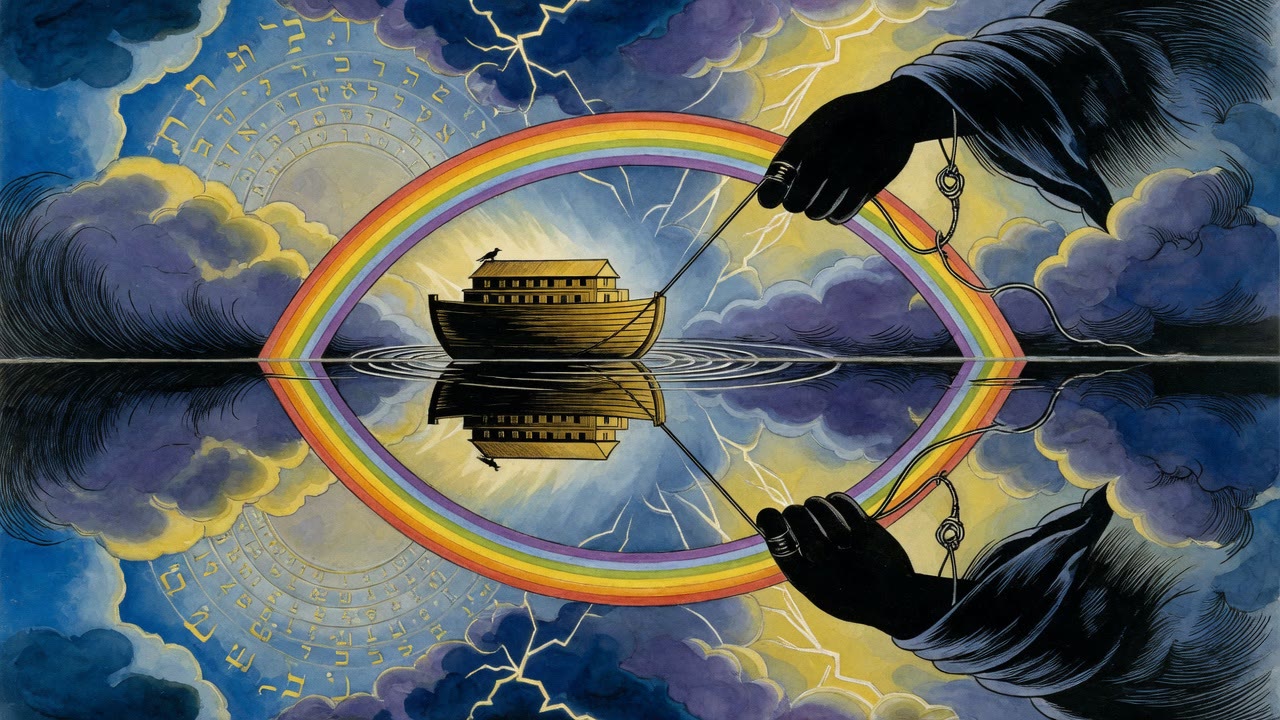
The flood began and ended on the same calendar day. Noah counted the mirrored year from inside the hull, and the bow held judgment on a leash.
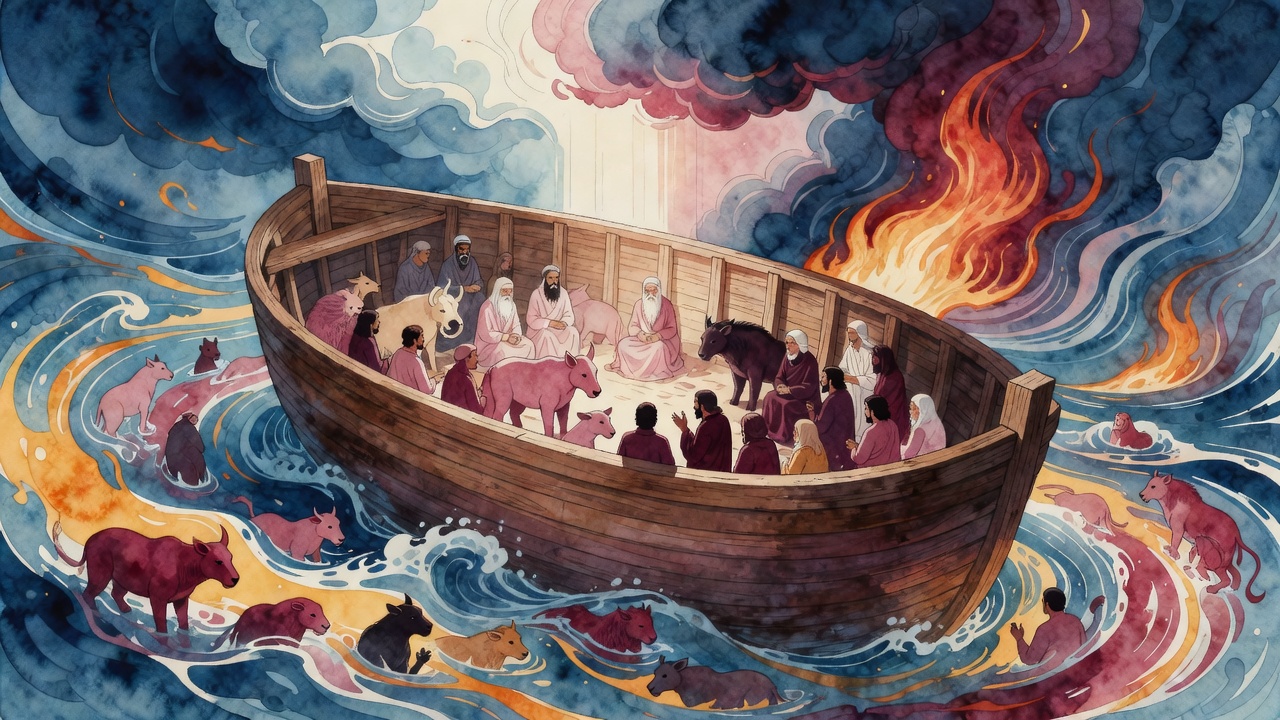
The stone dimmed and Noah called it day. Outside, rain was a wall. When the ground took feet again, God promised the water would not.
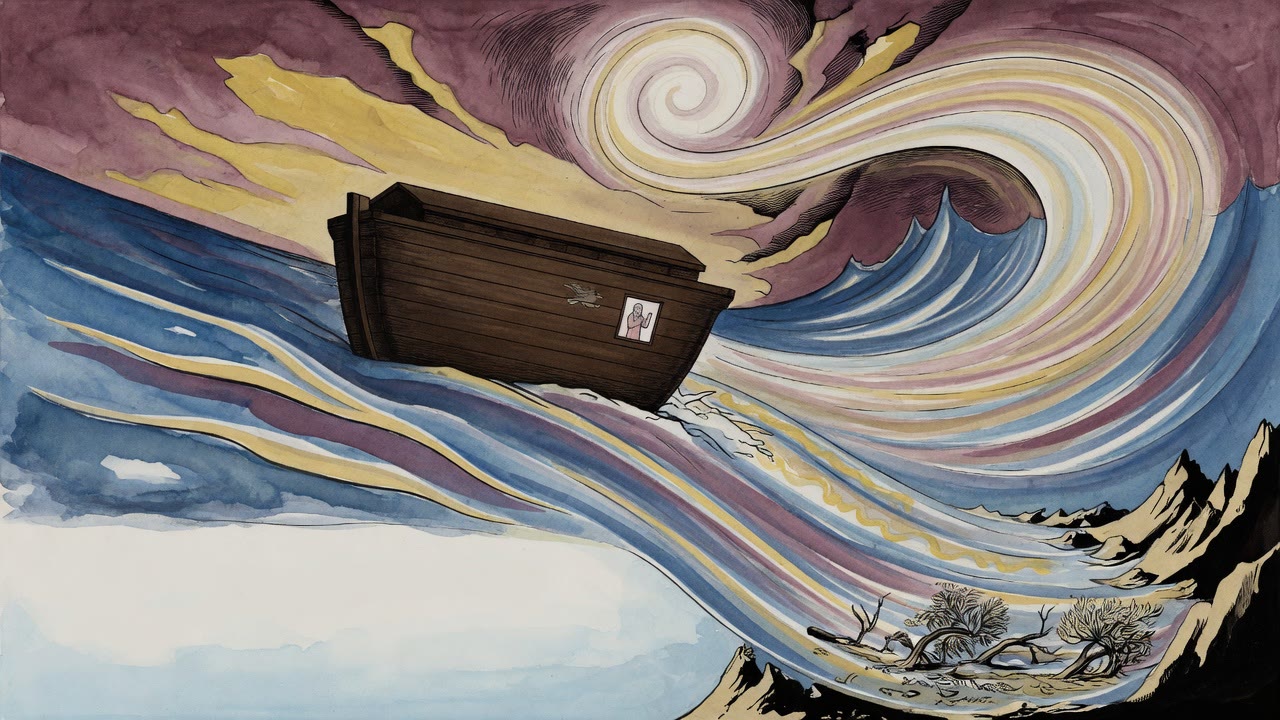
Noah waited in a sealed ark while the world drowned. Then a breath moved, wind or spirit, and the waters began to walk backward.
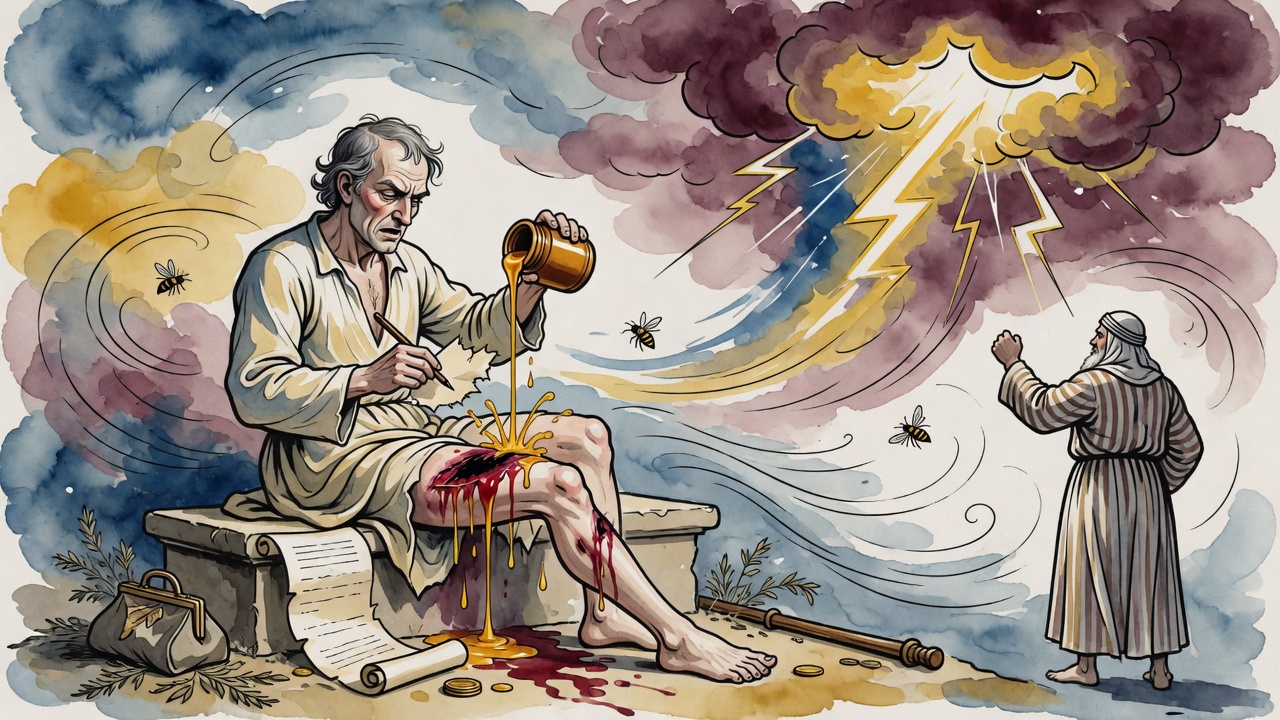
Water rose fifteen cubits over every peak while Noah fed lions and worms, until the first of a new year cracked the silence.
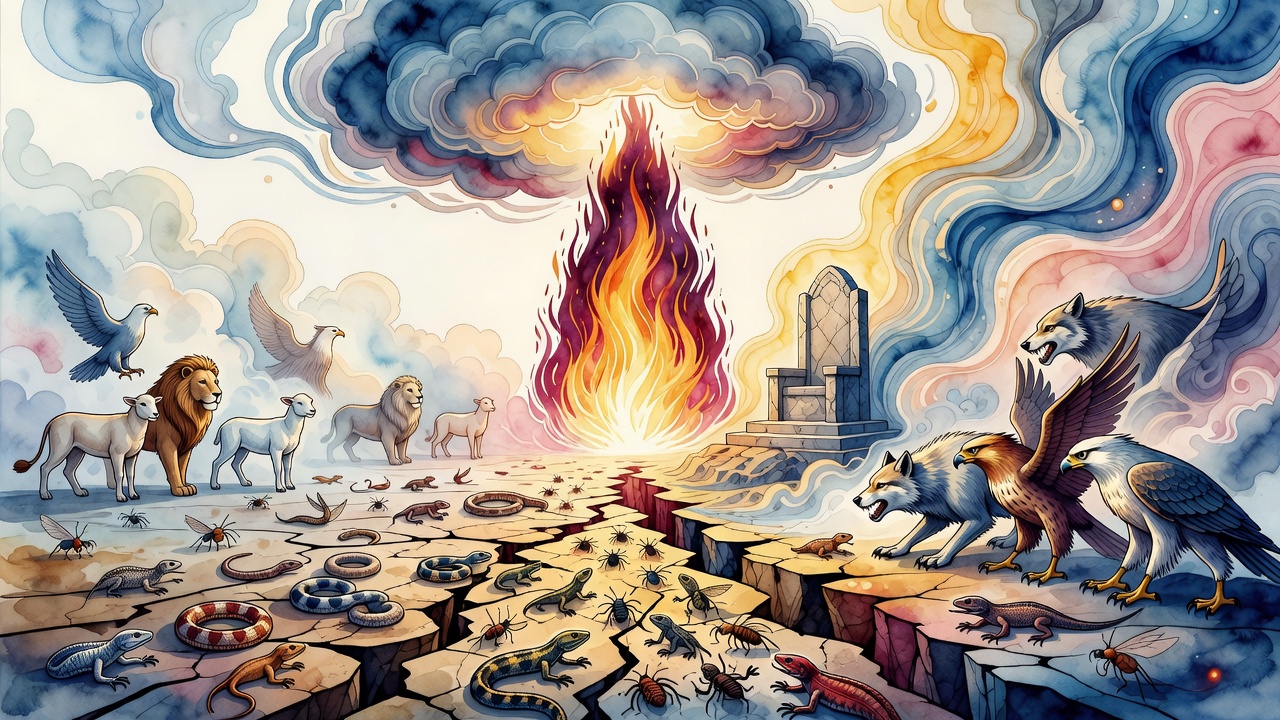
Once a lion did not see a man as prey. Then Noah stood on drying mud and heard that even the creeping things were food for him now.
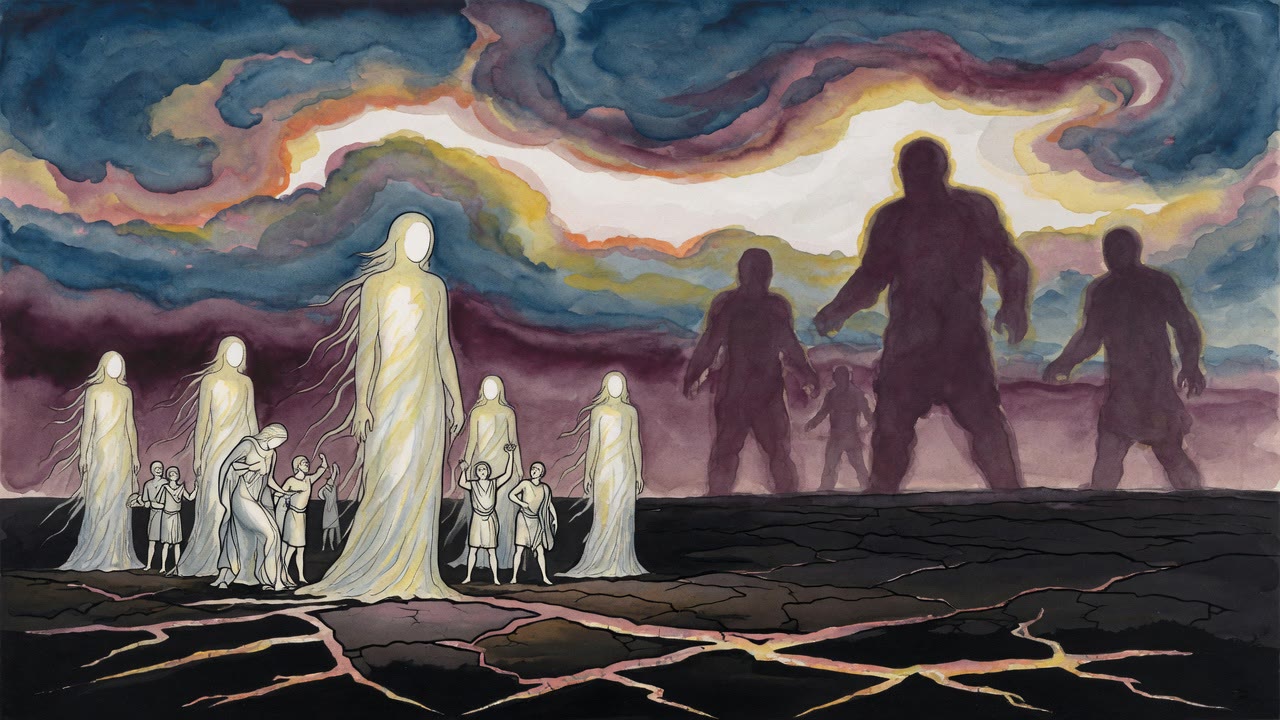
Angels wore men's forms, giants rose hungry, and the earth filled with blood until kin ate kin and the flood waited.
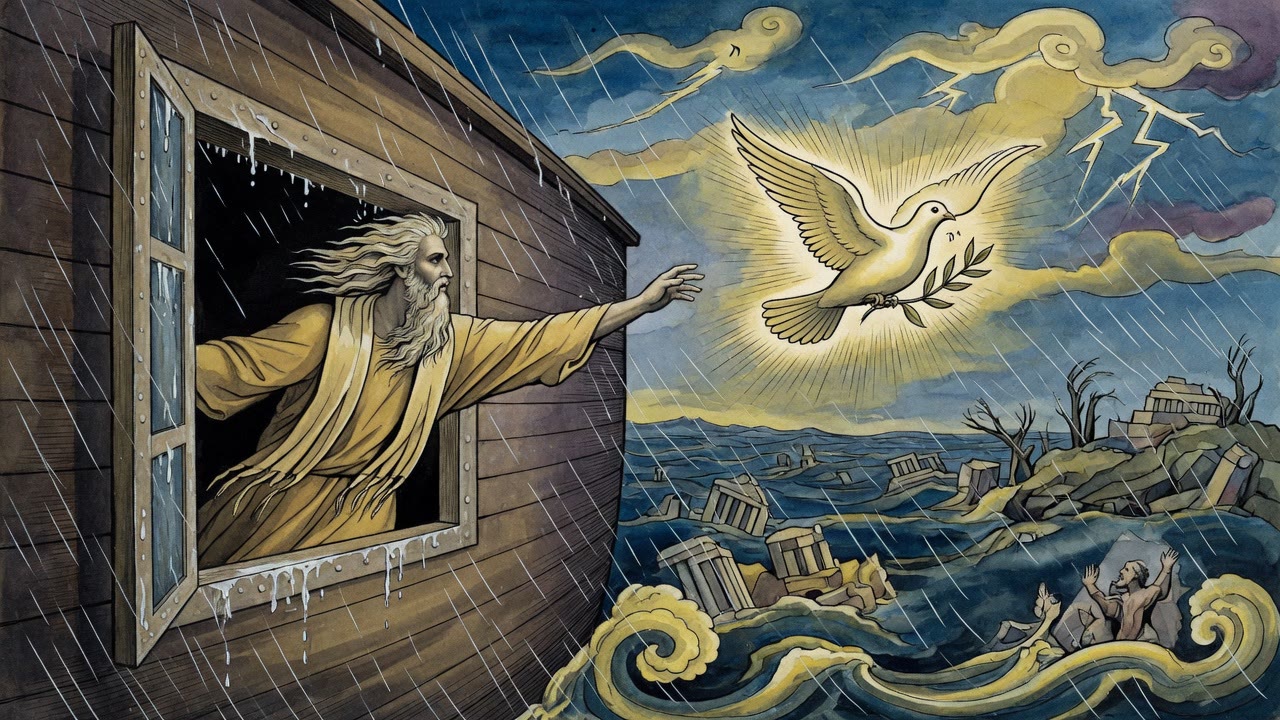
Before the rain, Noah hears the world call itself flesh, self-love thick as mud, until even the breath under heaven reeks of desire.
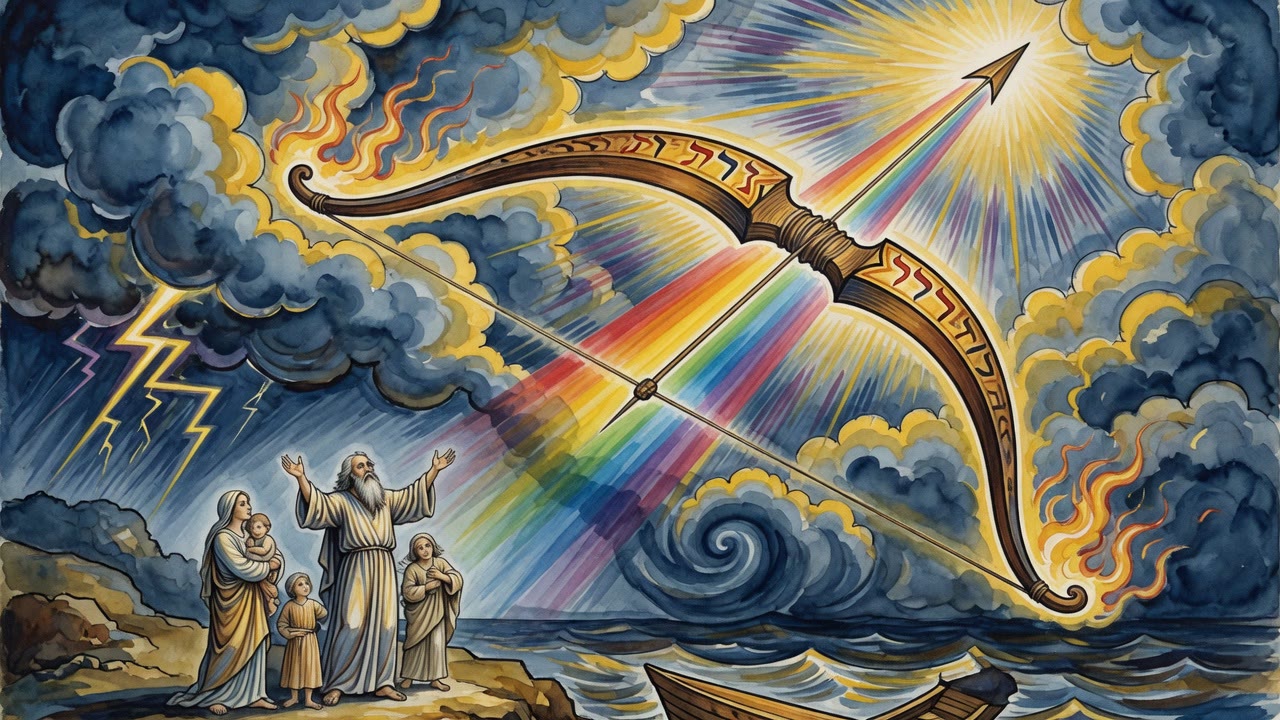
After the flood God sets a war-bow in the cloud, point turned from earth, so Noah's shaking household can trust the world will not drown twice.
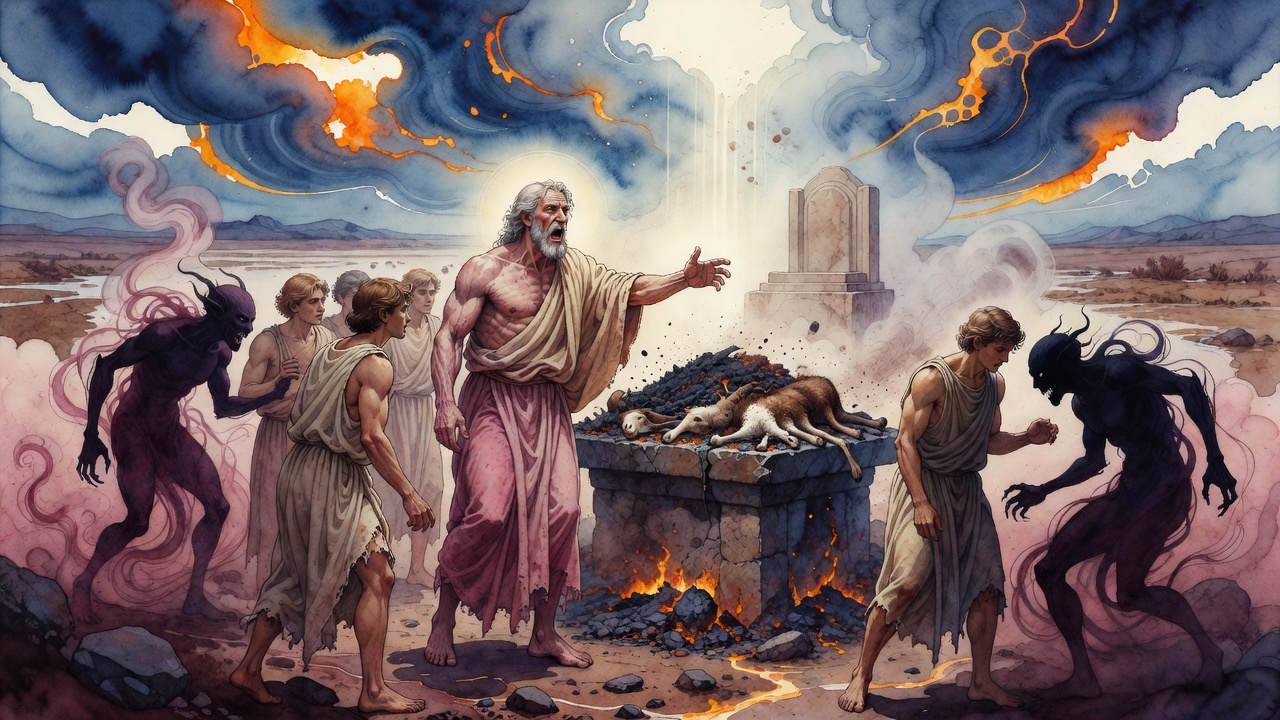
The water was gone. The ground still held the shape of the sea. Shem, Ham, and Japheth stood while their father named what had already begun.
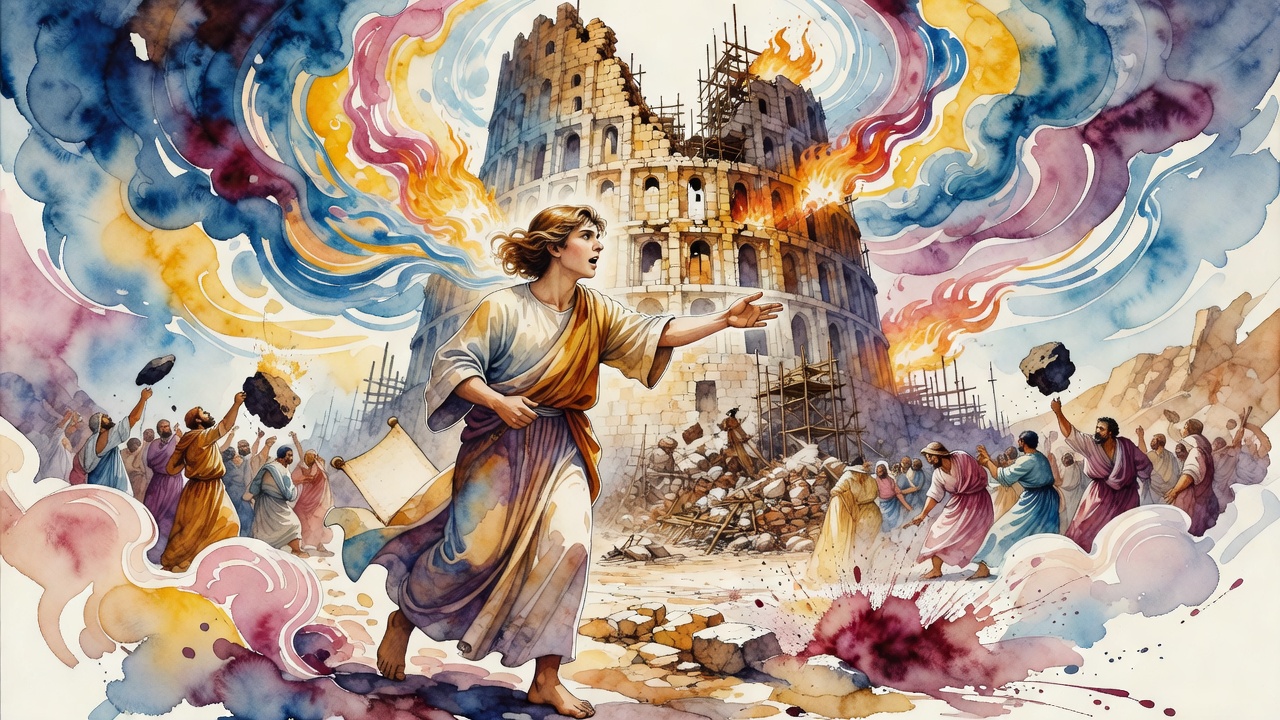
Brick dust hung over Shinar like a second sky. Men shouted in one tongue until a young man from Terah's house stopped as if he heard a knife.
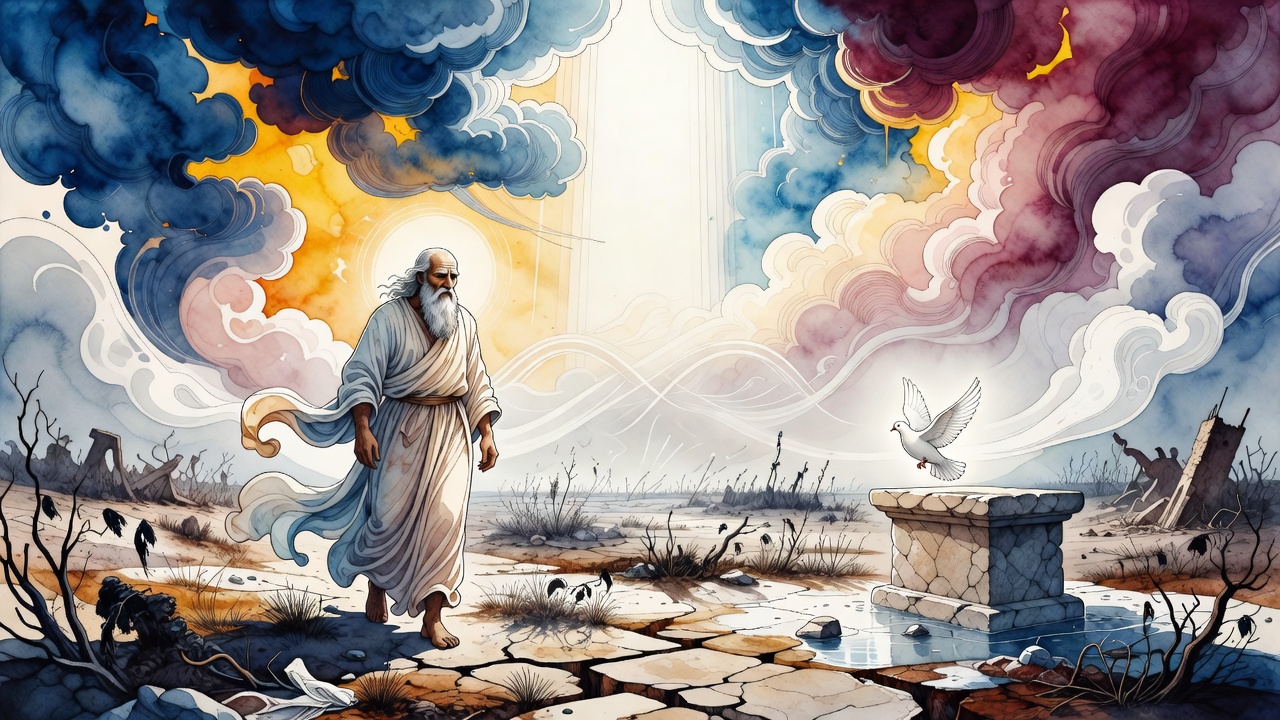
The neighbors laughed while he measured beams, and their children threw stones at the hull. The sky stayed blue long enough to make him look foolish.
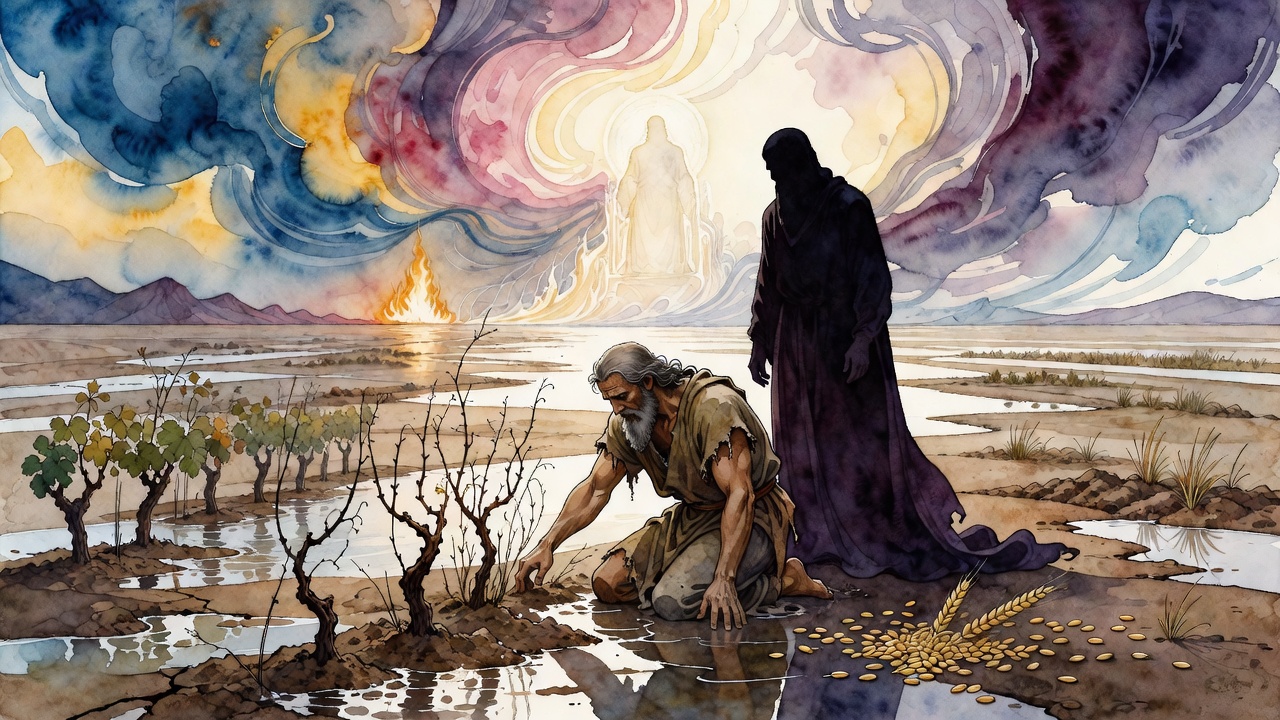
On mud still smelling of flood, Noah set vines before grain, partnered with a dark teacher of wine, and woke to shame under a single day's harvest.
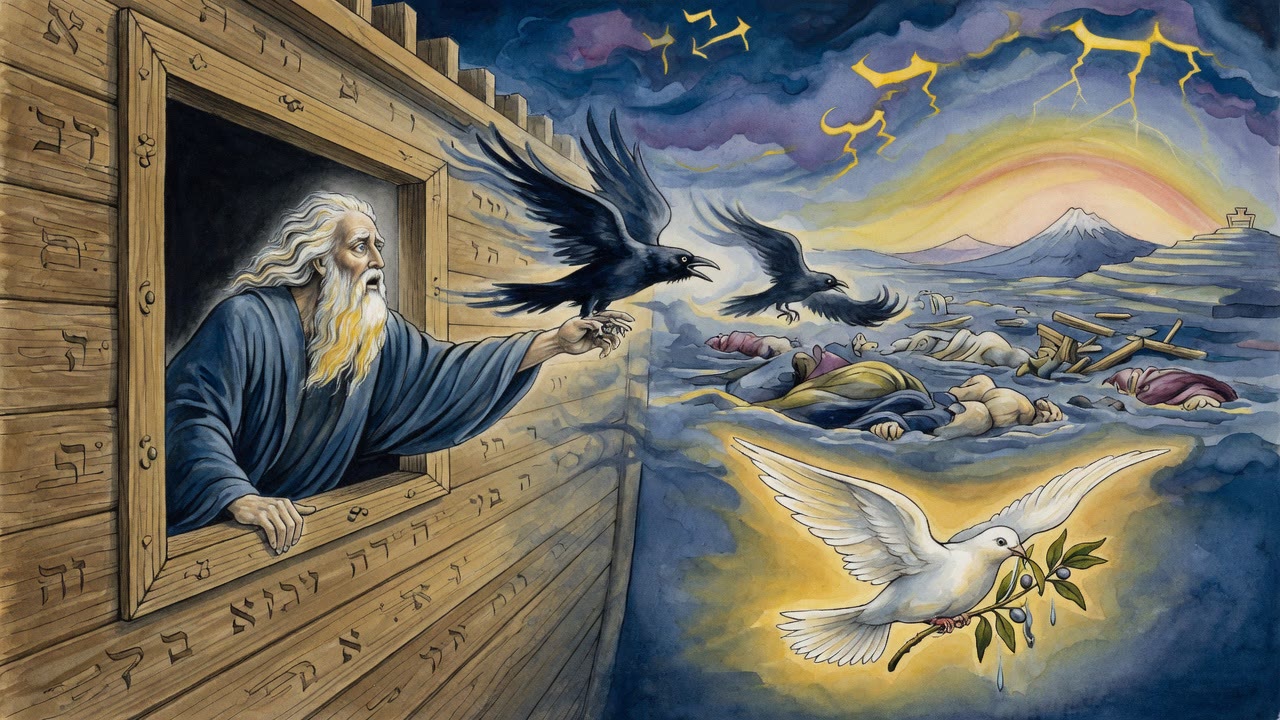
After the deluge Noah watches the abyss seal, open, and bare the mountain tops on new moons that Jubilees commands him to remember.
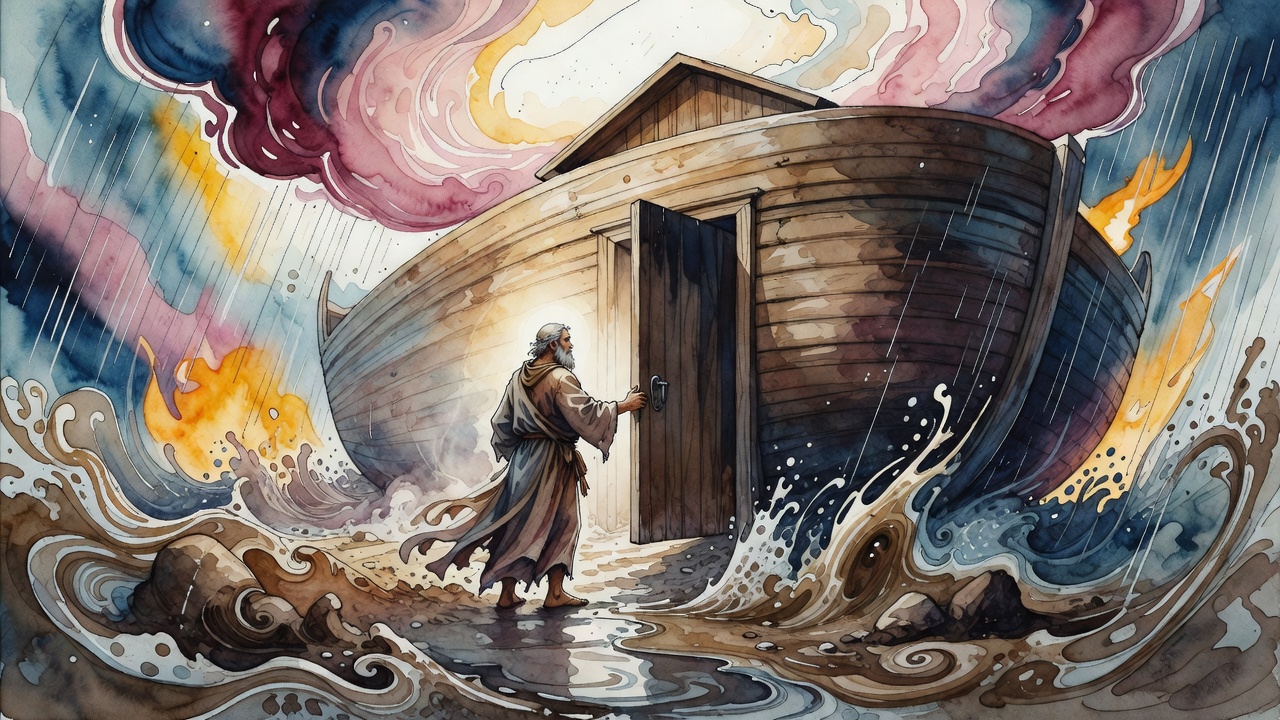
Waters fall and the world is mud. Noah keeps his hand off the door until the same voice that sealed him speaks exit.
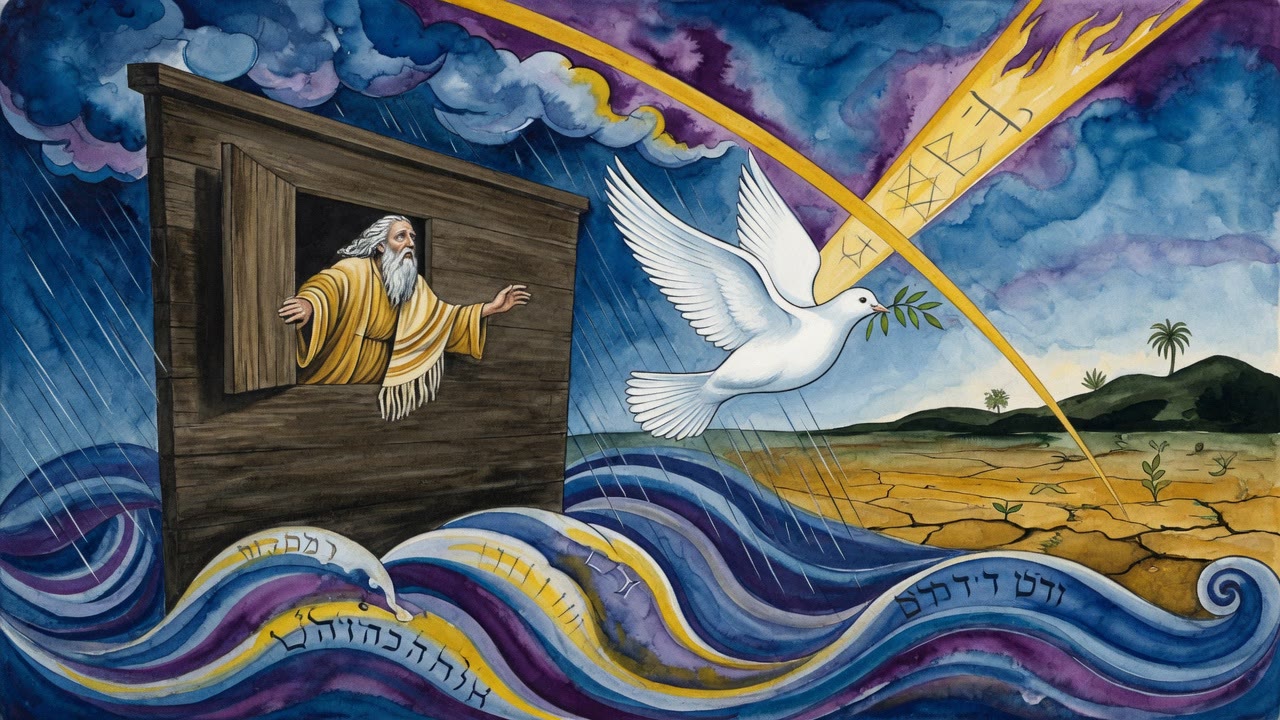
Noah opens the ark window a last time; the dove finds home and does not return, while covenant waters fall or rise with the mark Israel keeps.
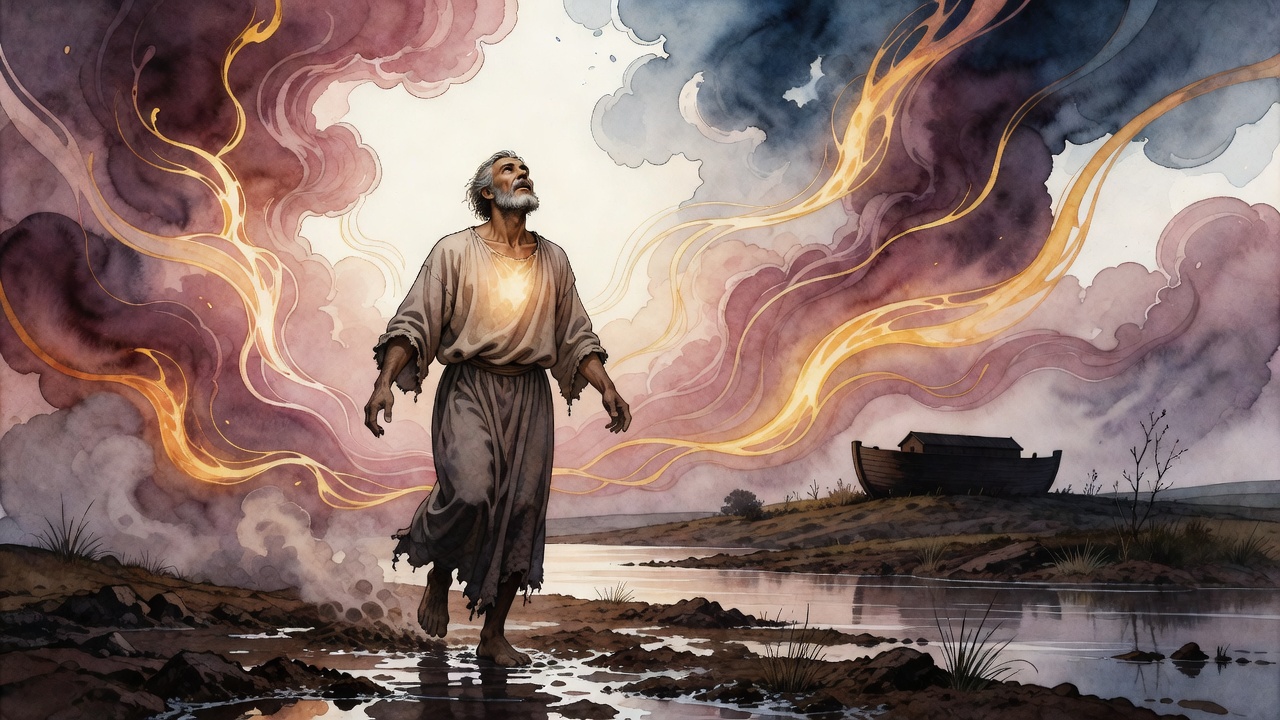
Noah stepped onto wet earth, tasted covenant sweetness like Torah on the tongue, and felt the Shekhinah, the Divine Presence, rest on a world rinsed clean.
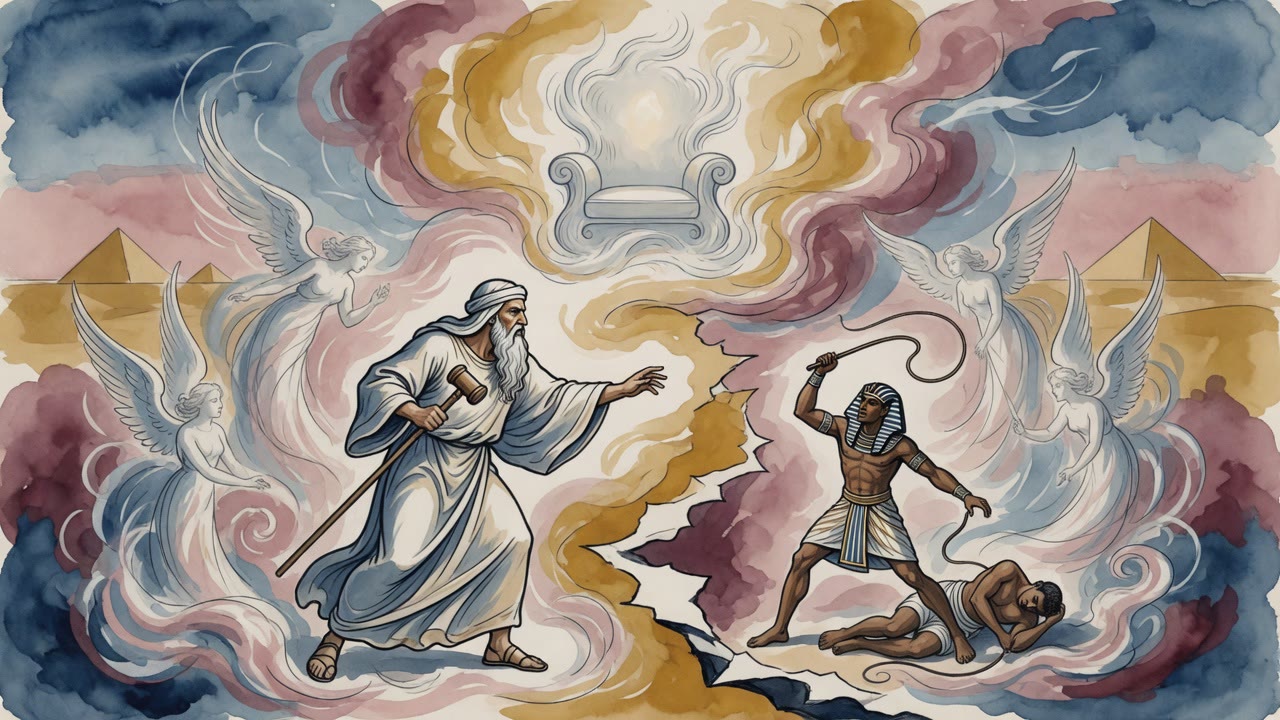
On the Ark a year-old child stepped across snakes unharmed, while Noah prayed under a Name later generations no longer knew how to speak.
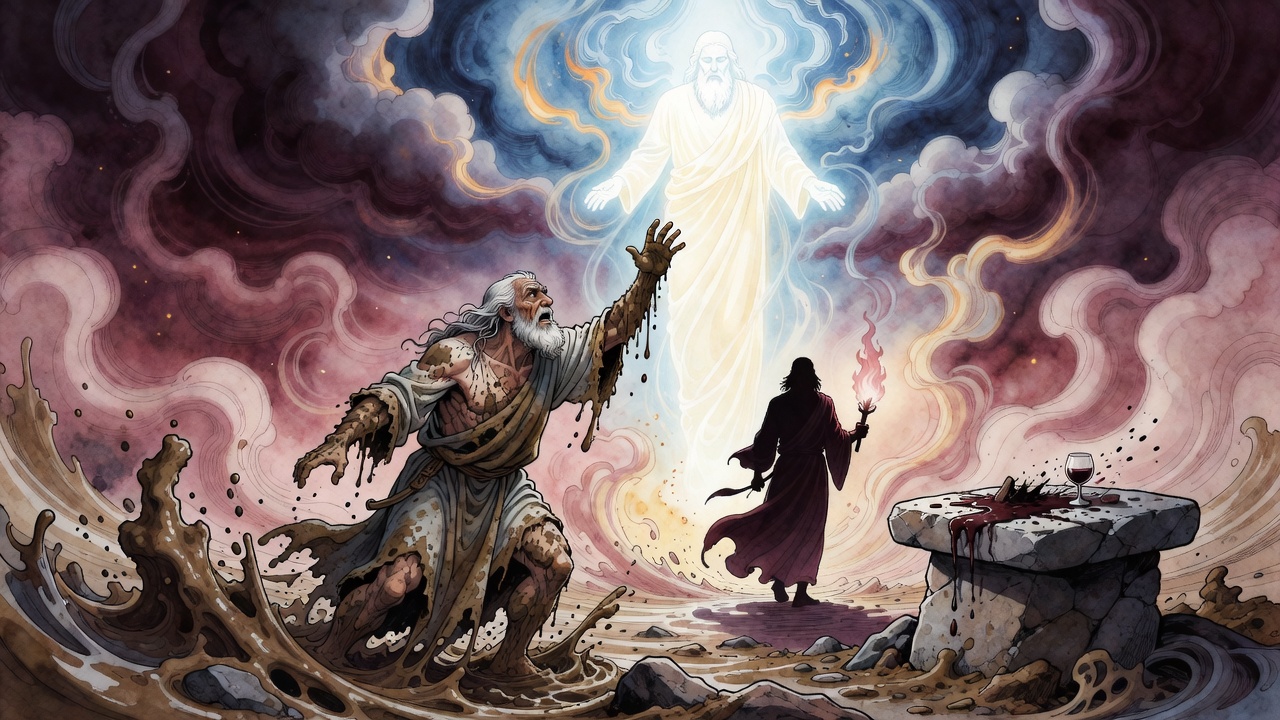
A king tells his little child, hold my hand. He tells his grown son, lead the way. Abraham led. Noah was the child, pulled out of the mud.
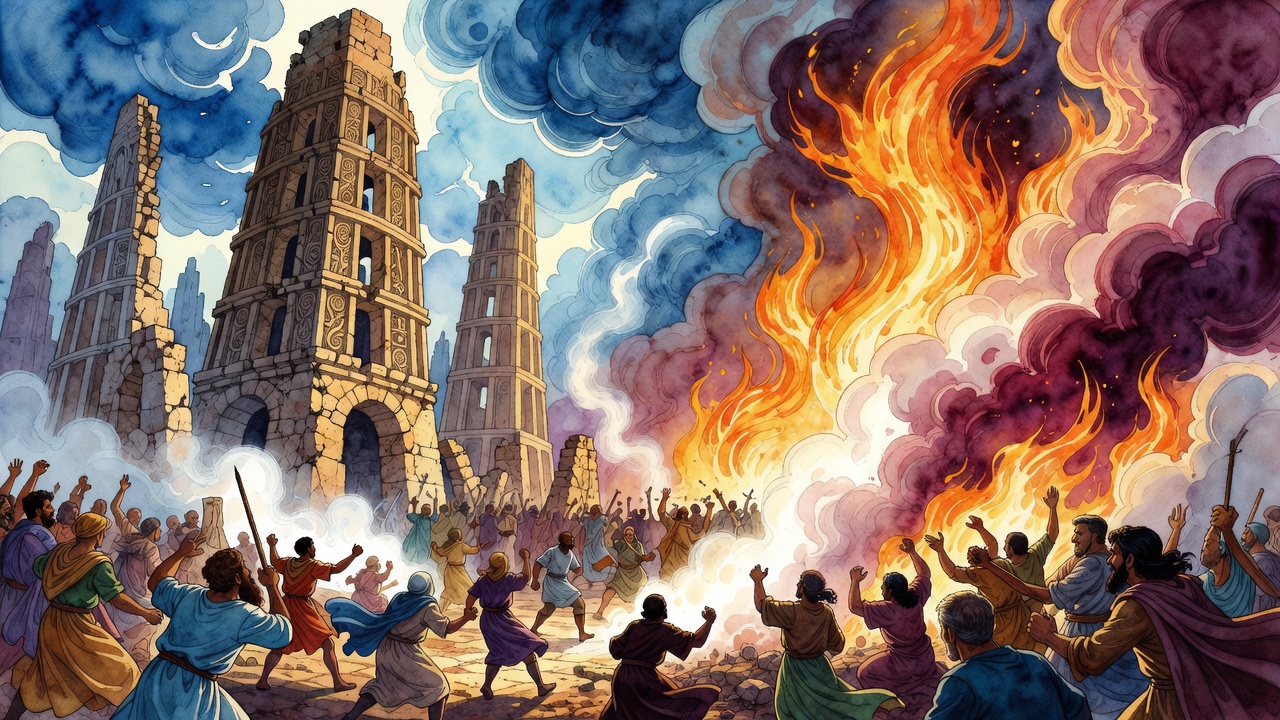
On the plain of Shinar the bricks rose fast because no one had to stop and translate a doubt. They aimed the one tongue upward like a spear.
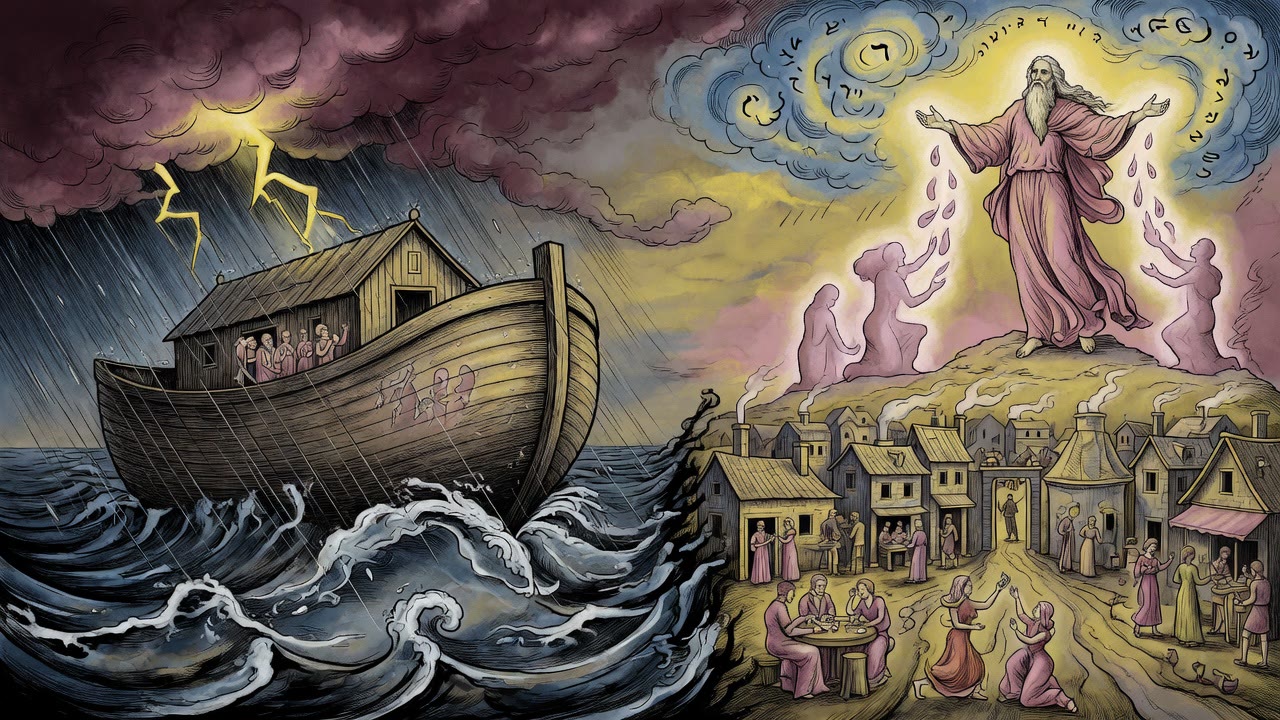
Three sons and their wives stood on the deck. Not one neighbor from the drowned streets stood beside them. Abraham left Haran with a caravan of converts.
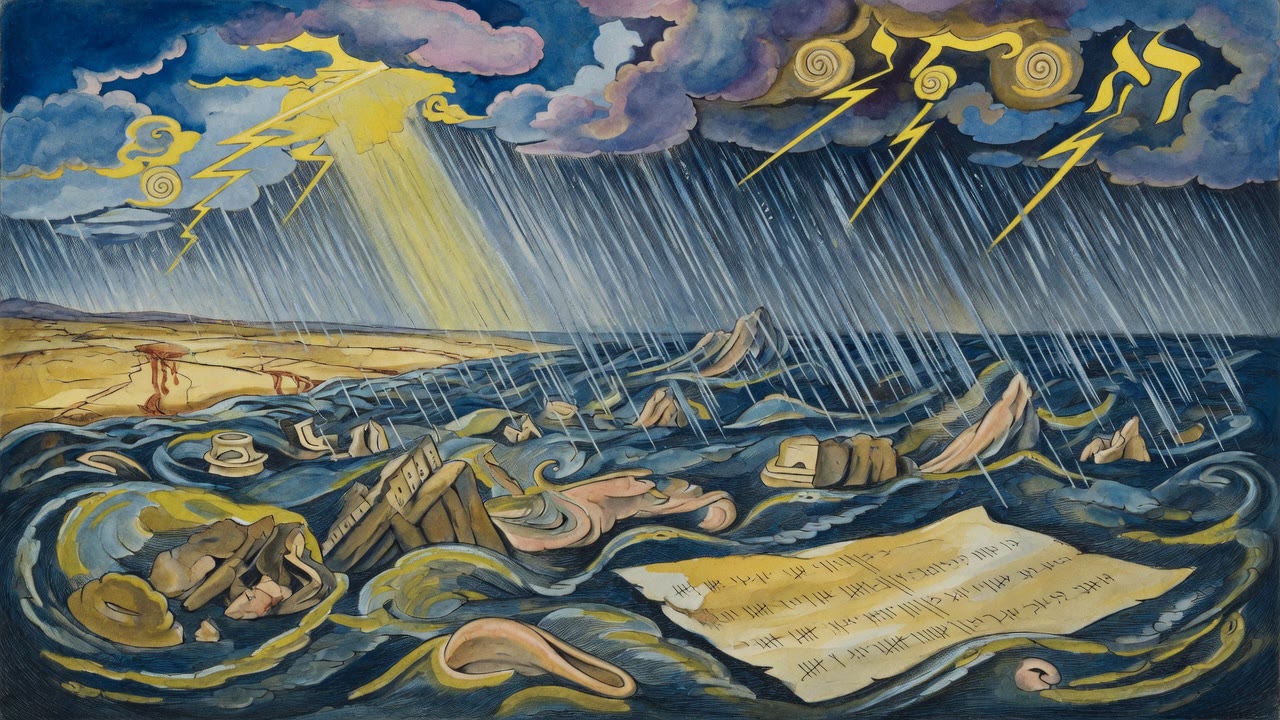
The sun and moon went out for twelve months. Noah worked by a glowing stone while the doomed clawed at the hull and tried to roll the ark over.
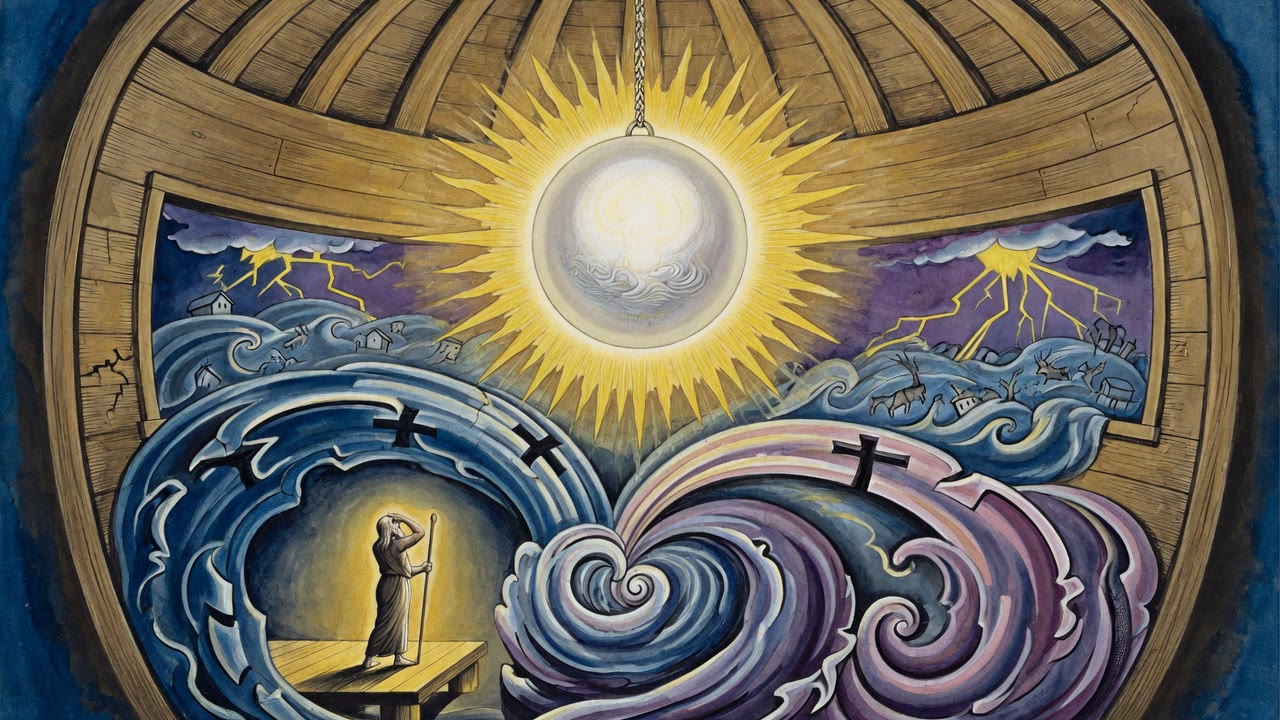
Noah rode a sealed ark while rain matched the measure of human making. God stripped the earth's face and left living seed buried for a spring return.
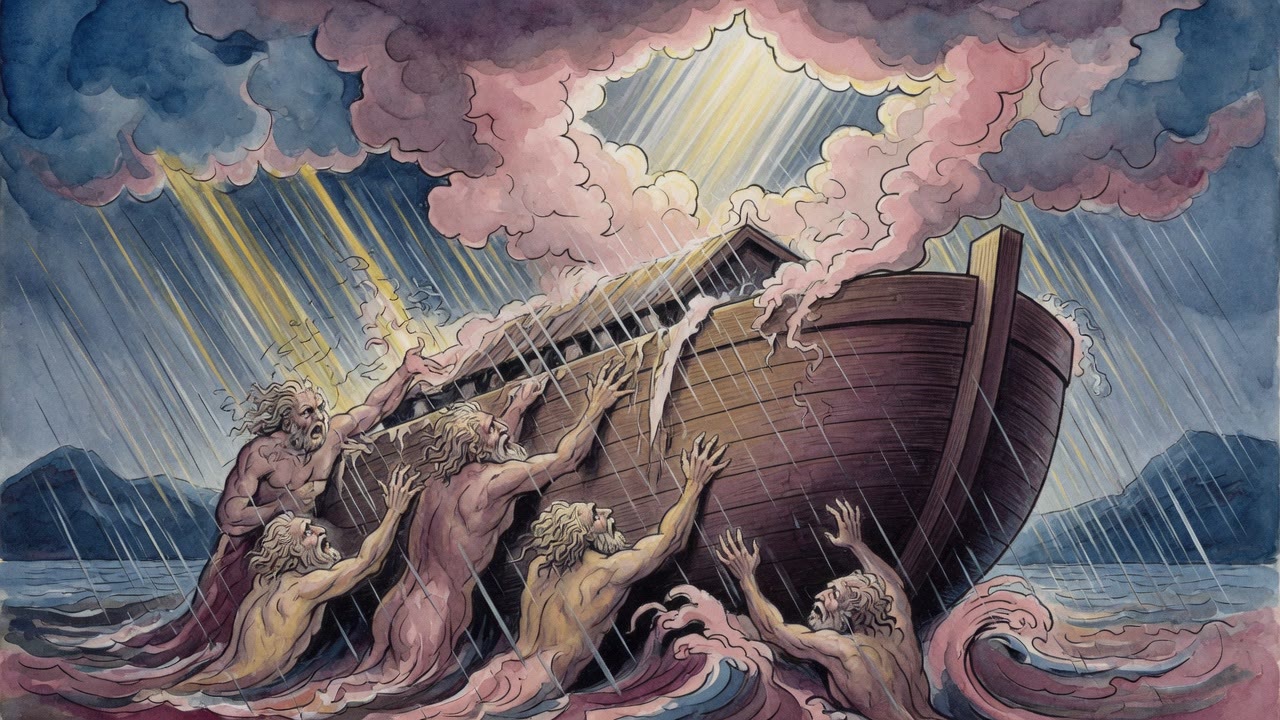
Heaven had sentenced the world to erasure, and when the scalding rain fell the giants of Noah's generation charged the ark and clawed for a seam.
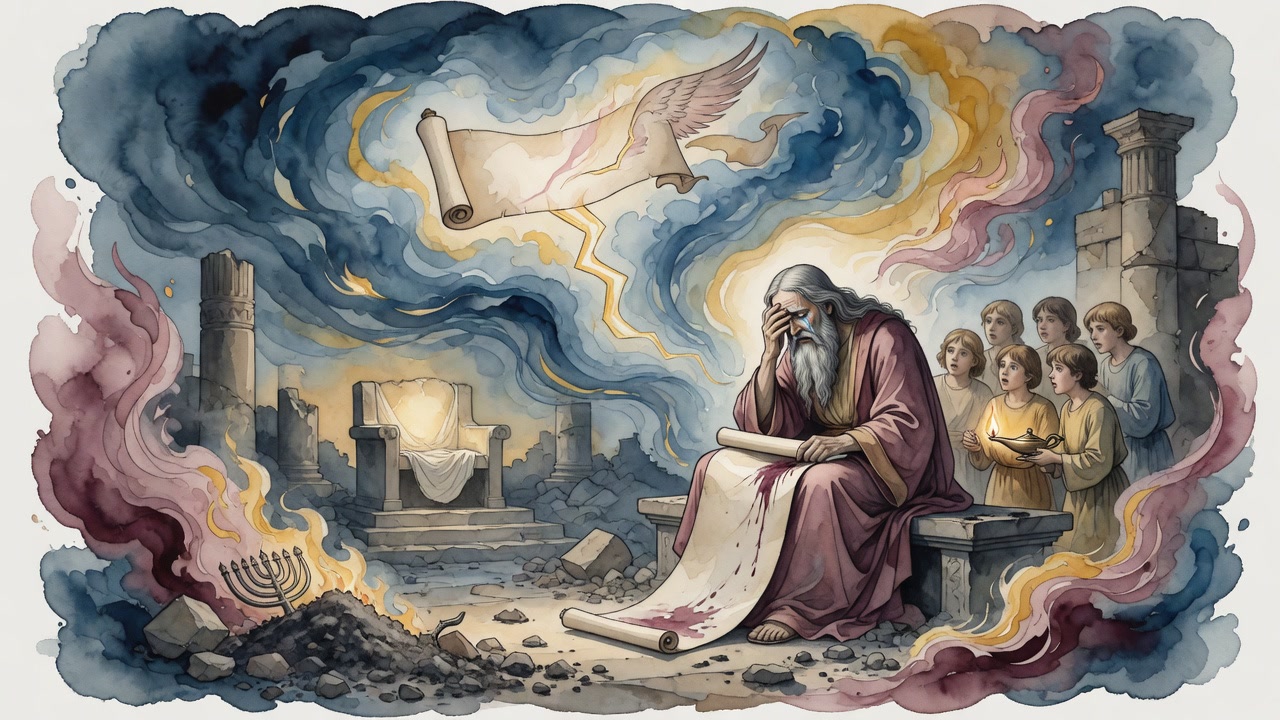
A man kills in an empty field and trusts the dark, but the heavenly tablets record every deed and the sword and fire are already coming.
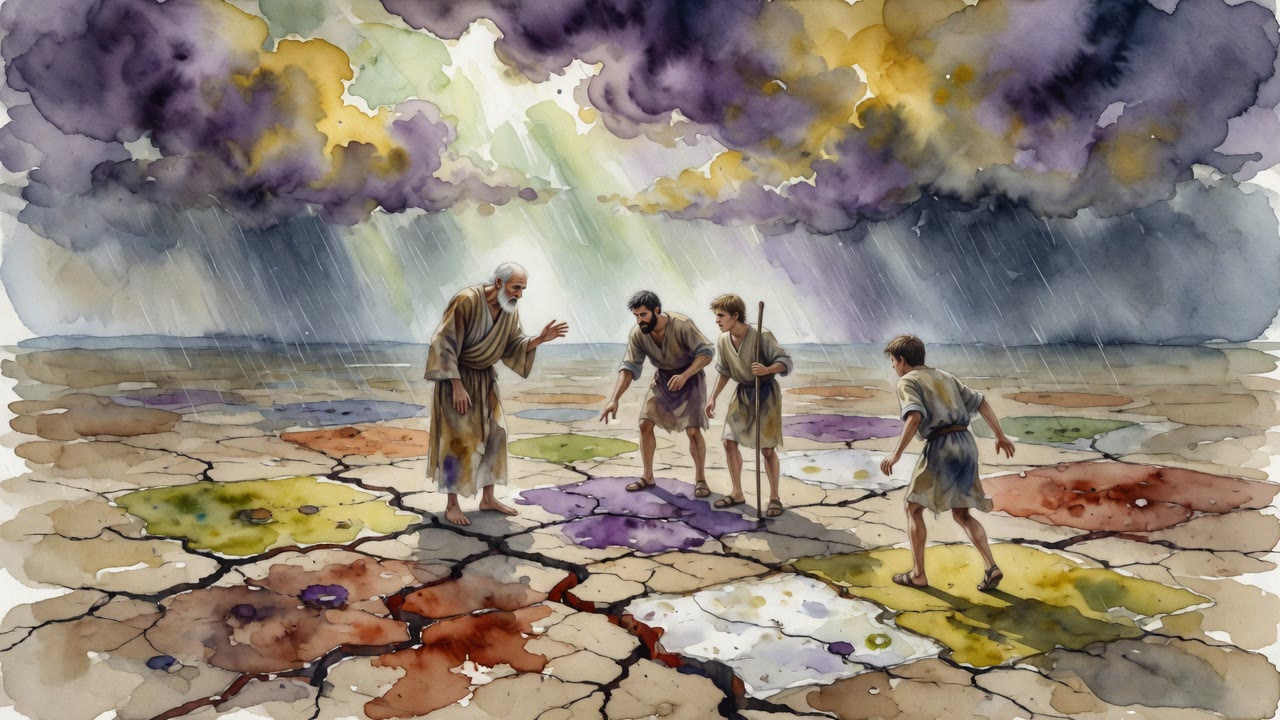
Noah drew the drained earth into lots and bound his sons with a curse. The first man to break that oath did it out of distaste for cold water.
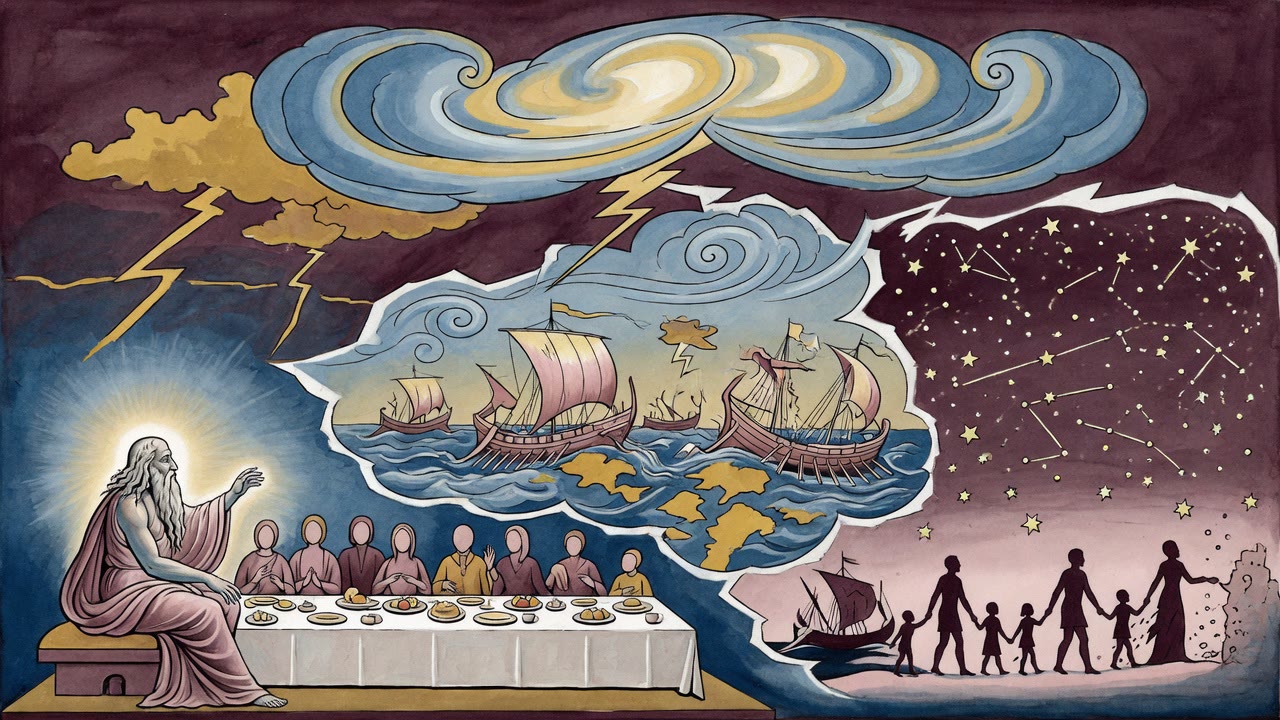
The donkey drank first. Then Abraham pressed silver into Terah's palm. His father blessed him by gods that had cooked the midday stew.
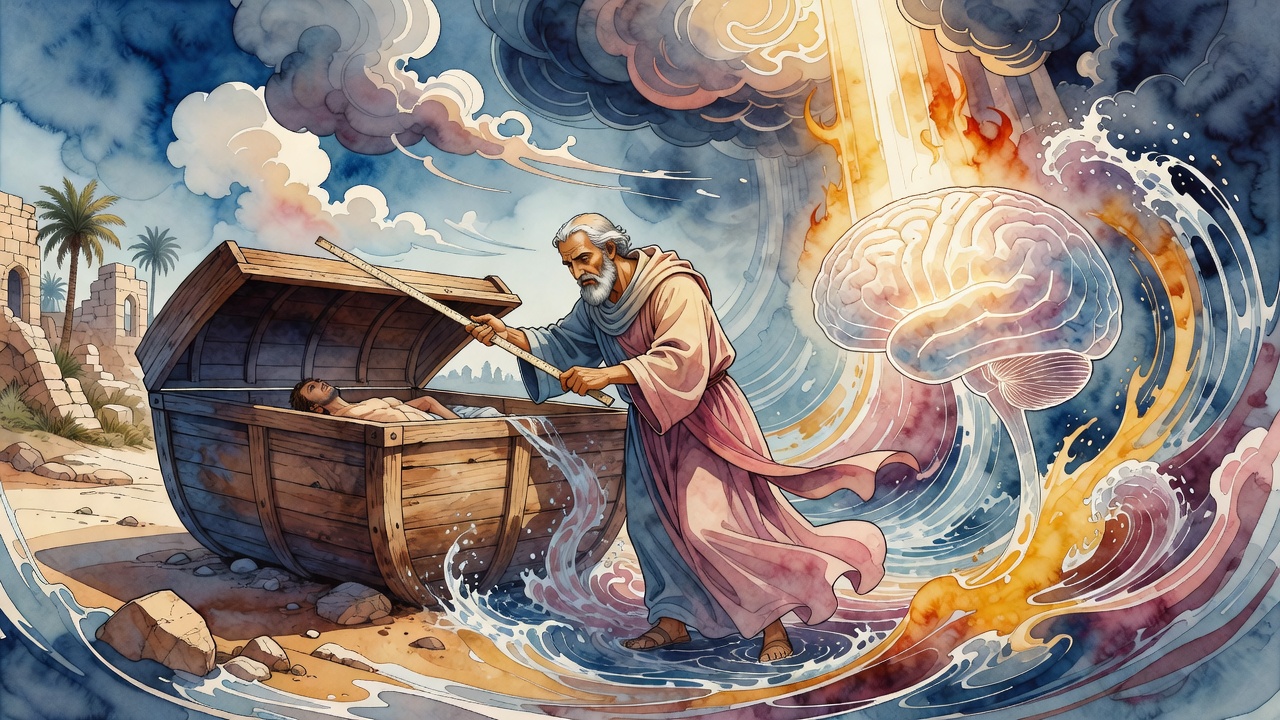
In Alexandria, Philo takes the ark's measurements and finds a human body, then watches the same water rise inside a mind that stopped ruling.
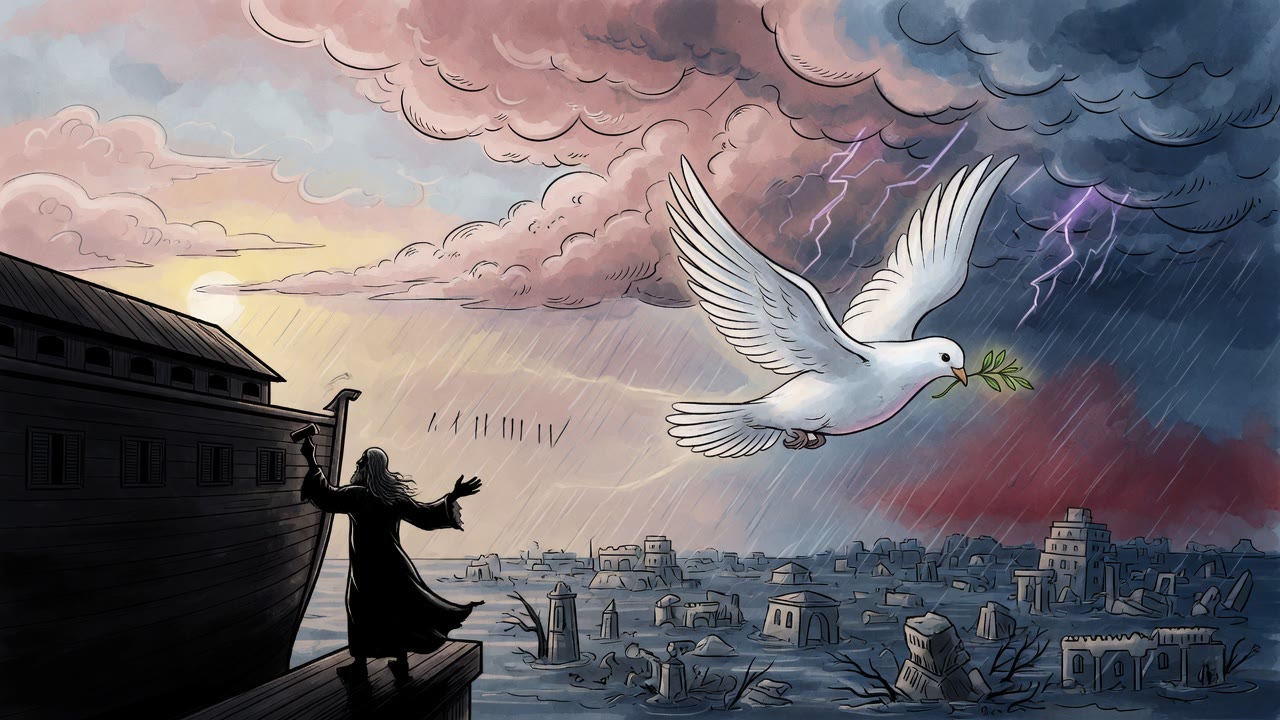
The ram's blood ran into a hollow the flood had scoured. Noah went down on his knees and buried it before his sons could eat.
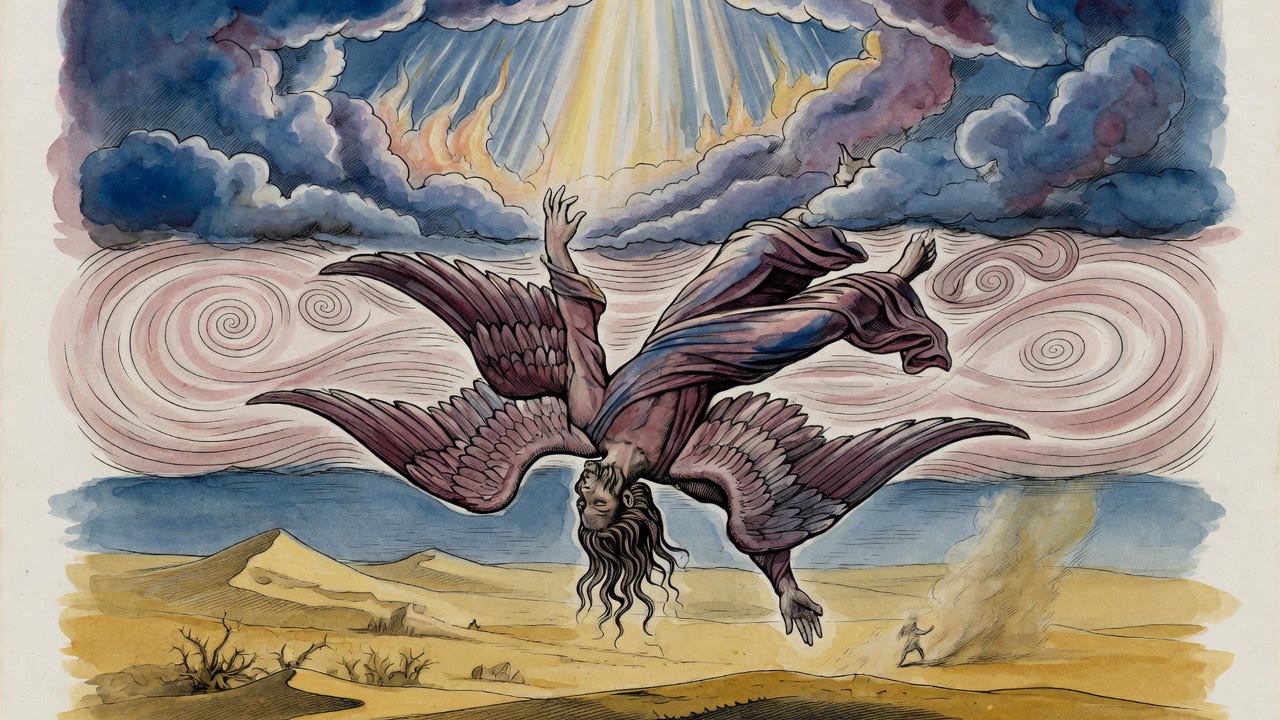
Shamchazai and Azael descended to prove angels could master the earth. One hangs in repentance between the worlds; the other became a name in the desert.
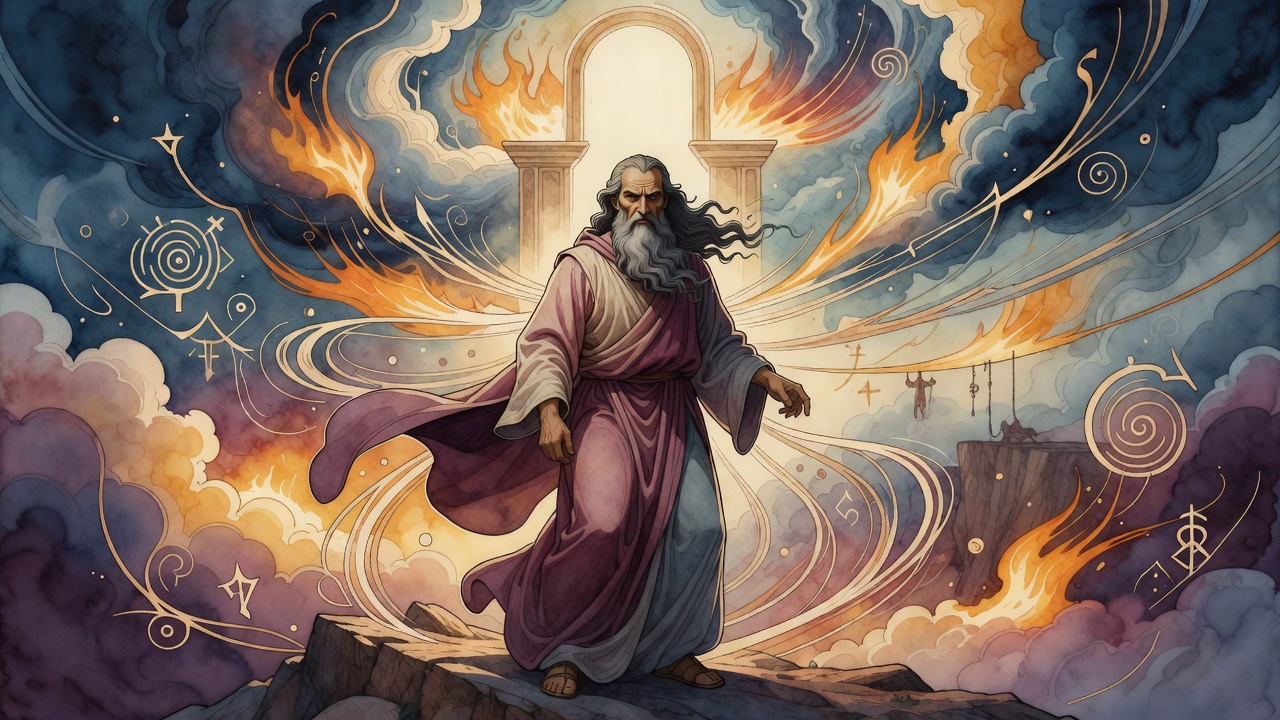
David handed out ninety thousand appointments in a single day and passed over the sharpest mind in Israel. Ahithophel kept that private until Absalom rebelled.
