David Bought the World to Come With Two Words
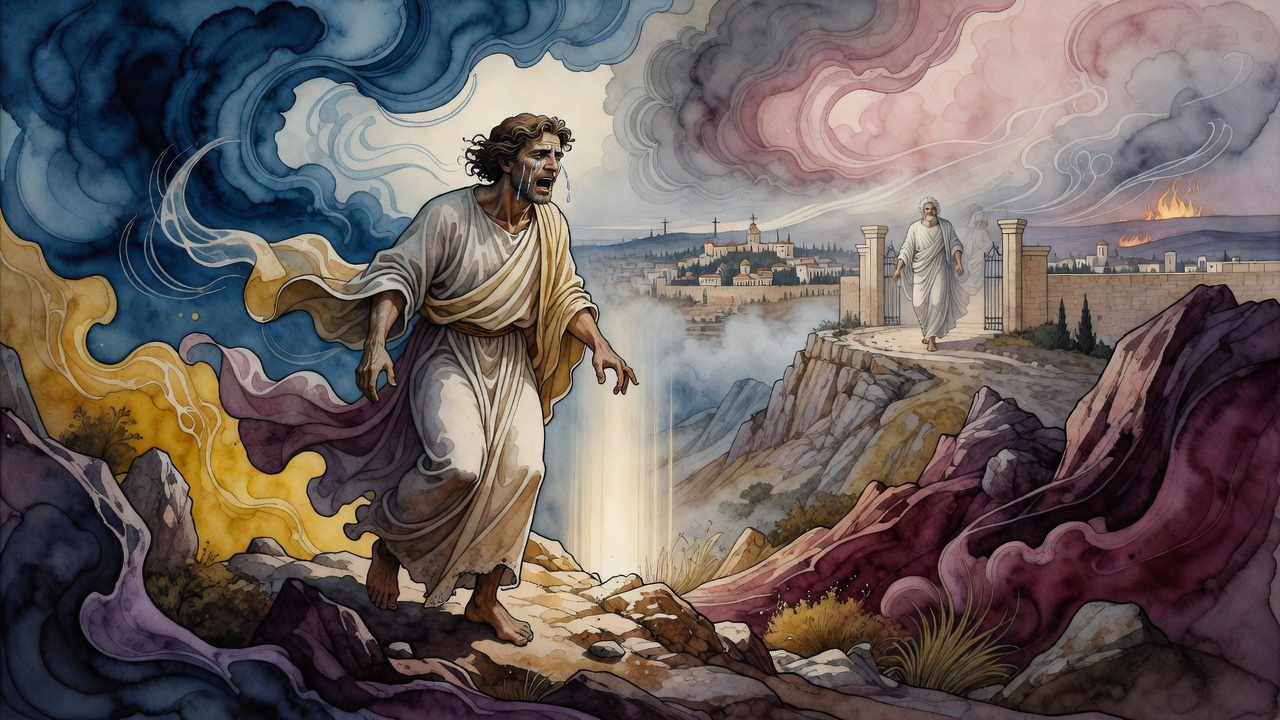
Saul confessed in the same words David used. Then he asked to be honored before the elders, and tore Samuel's robe grabbing after him.
Table of Contents
 Click for full size
The Mouth Needed a Fence
David asked whether a mouth can have a barrier. He was not being rhetorical. He had watched his own speech fail him, watched words he intended one way land another way, watched the gap between what he meant and what the listener heard widen into consequence. He wanted a gate on the mouth that would stop the wrong words before they crossed the threshold.
Midrash Tehillim 39:3 answers with a specific construction material: Torah. Proverbs says the commandment is a lamp and Torah is light, and the tree of life for those who hold it. The midrash identifies that tree with the fence David asked for. Not a lock of iron or a vow of silence. A fence made of sacred words, dense enough in the mouth that the damaging words cannot find room.
The discipline is practical. A person who fills available speech time with Torah study, with blessing, with prayer, with the words that clarify rather than wound, has less room for slander, mockery, the quick sentence that wounds before the speaker knows what is happening. The fence is not suppression. It is replacement: put something of weight in the space where something without weight would otherwise move in.
David Said Two Words That Saved His Future
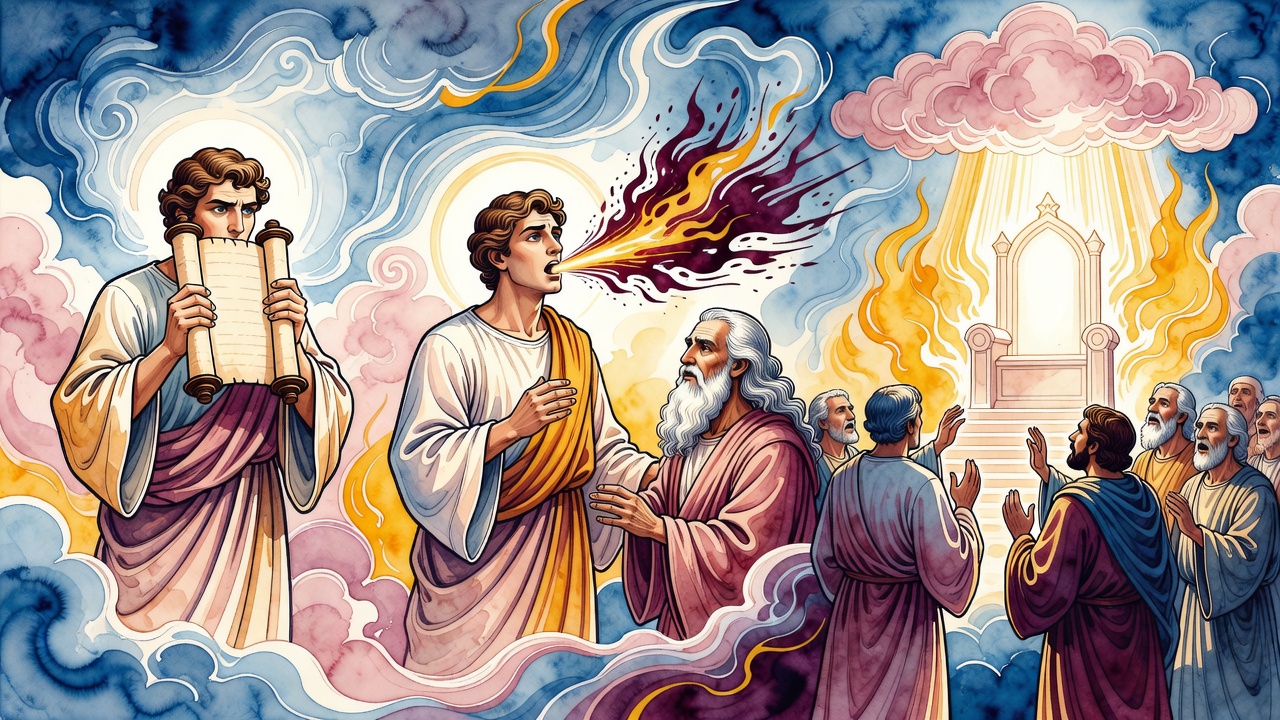
Nathan came to David after the sin with Bathsheba. He told the parable about the rich man and the poor man's single lamb, and David burned with anger at the injustice in the story. Then Nathan said: you are the man.
Midrash Tehillim 51:1 says David entered the World to Come because he said two words: chatati ladonai. I have sinned against the Lord. Nathan replied immediately: the Lord has also removed your sin. The exchange was instantaneous. The confession and the forgiveness occupied the same moment, as if forgiveness had been waiting for the words and needed only the words to complete it.
What David bought with two words was not primarily relief from consequences. He bought a relationship that survived the worst moment in his life, because the two words were unqualified. No bargaining. No saving face. No asking for something in return for the admission. The mouth that could have argued, deflected, or buried the charge under the weight of a king's authority instead opened on the shortest possible sentence and closed again.
Saul Said the Same Words With a Different Heart
Saul also sinned and was confronted. Saul also said: I have sinned. But Saul followed the confession with negotiations. He said he sinned but he wanted to be honored before the elders. He said he sinned but he wanted Samuel to stay. The words were the same and the heart was different, and the forgiveness that came in an instant for David did not come for Saul in the same way.
The difference sits entirely in what came after the admission. David let his two words stand alone, naked, with nothing attached to soften them or trade against them. Saul reached past his own confession toward the watching crowd, toward his standing, toward the prophet's robe he tore in the grabbing. Two kings spoke the same syllables. One let the words finish; the other kept talking until the words meant something less than they said.
The Judges Were Silent When Justice Needed a Voice
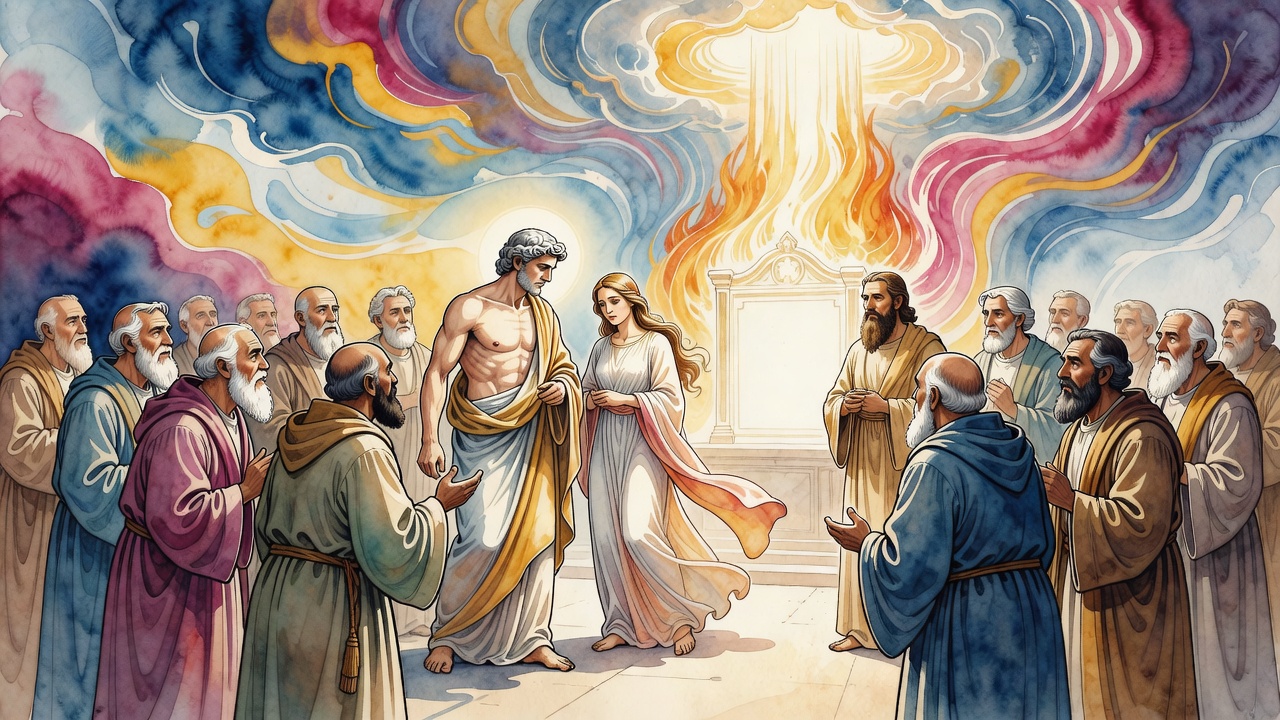
Midrash Tehillim 58:1 watches a courtroom where the verdict is already decided before the judges sit down. The wicked speak to each other. The soldiers outside carry out what the insiders arrange. The judges, who should be the voice of justice, are silent because Saul has made silence the safer option.
David asks: is there justice when you speak? Do you judge rightly, people? The questions are not hopeful. He already knows the answer. The judges are not weighing evidence. They are managing their own safety. The court that should be the place where the weak and wronged get a hearing has become the place where the powerful confirm what they decided privately.
The contrast with David's own courtroom moment is sharp. Before Nathan, David was the powerful one. He could have managed his safety. He could have dismissed Nathan's parable as inapplicable, deflected the accusation, or used his position to make the confrontation go away. He said: I have sinned against the Lord. The king who watched his own judges go silent before injustice chose speech when silence would have served him.
← All myths