David, Bathsheba, and Uriah in Rabbinic Tradition
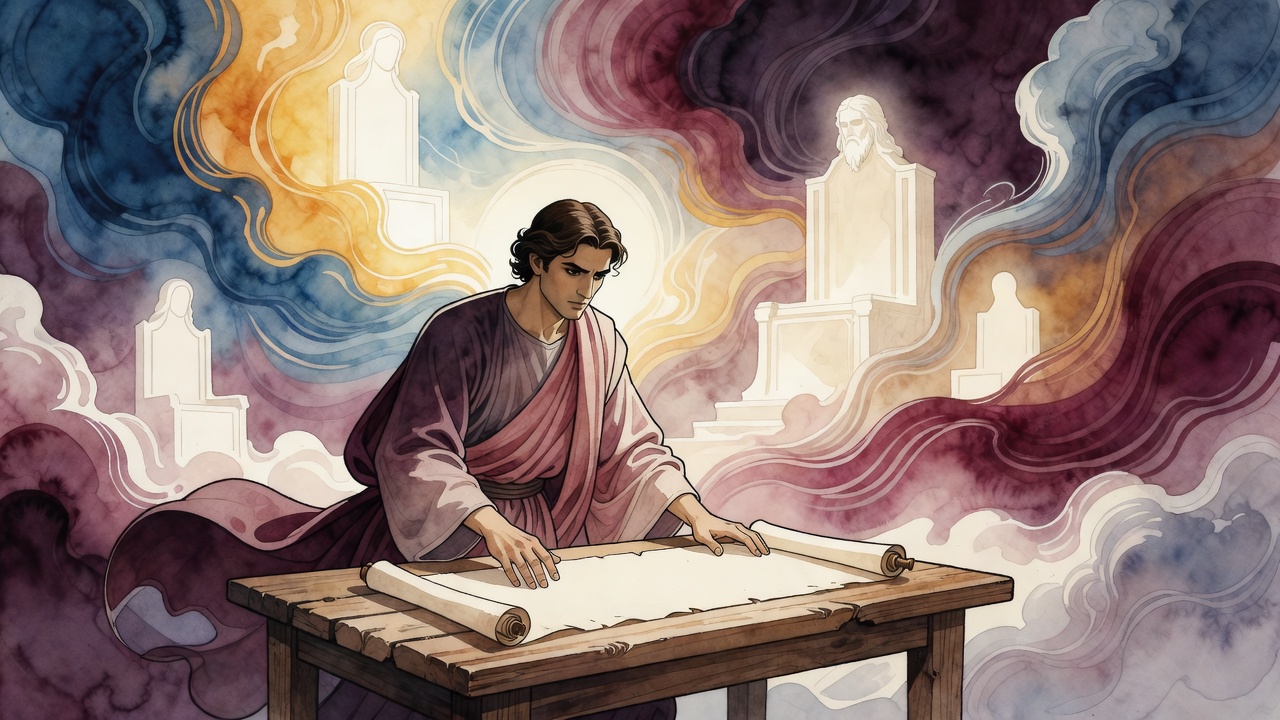
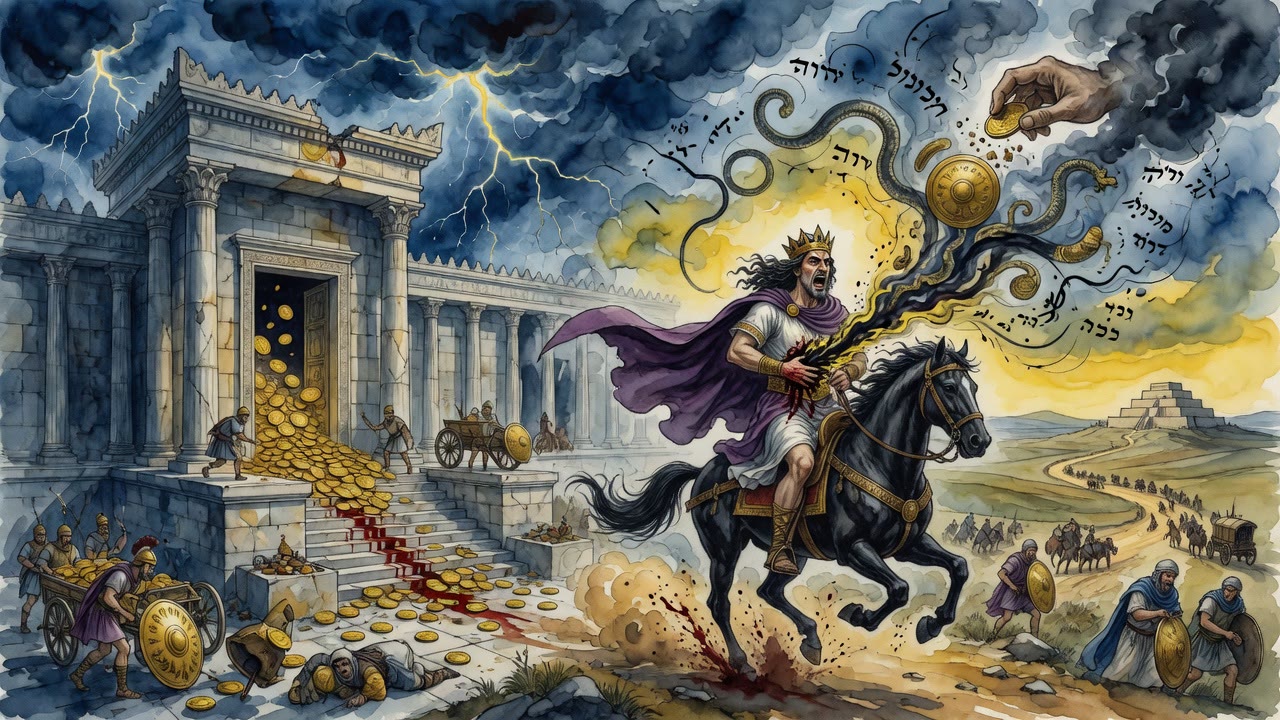
David's sin with Bathsheba was real. The rabbis did not look away. But they also asked why God would allow the most righteous king to fall this far.
Table of Contents
 Click for full size
The Roof and What David Saw
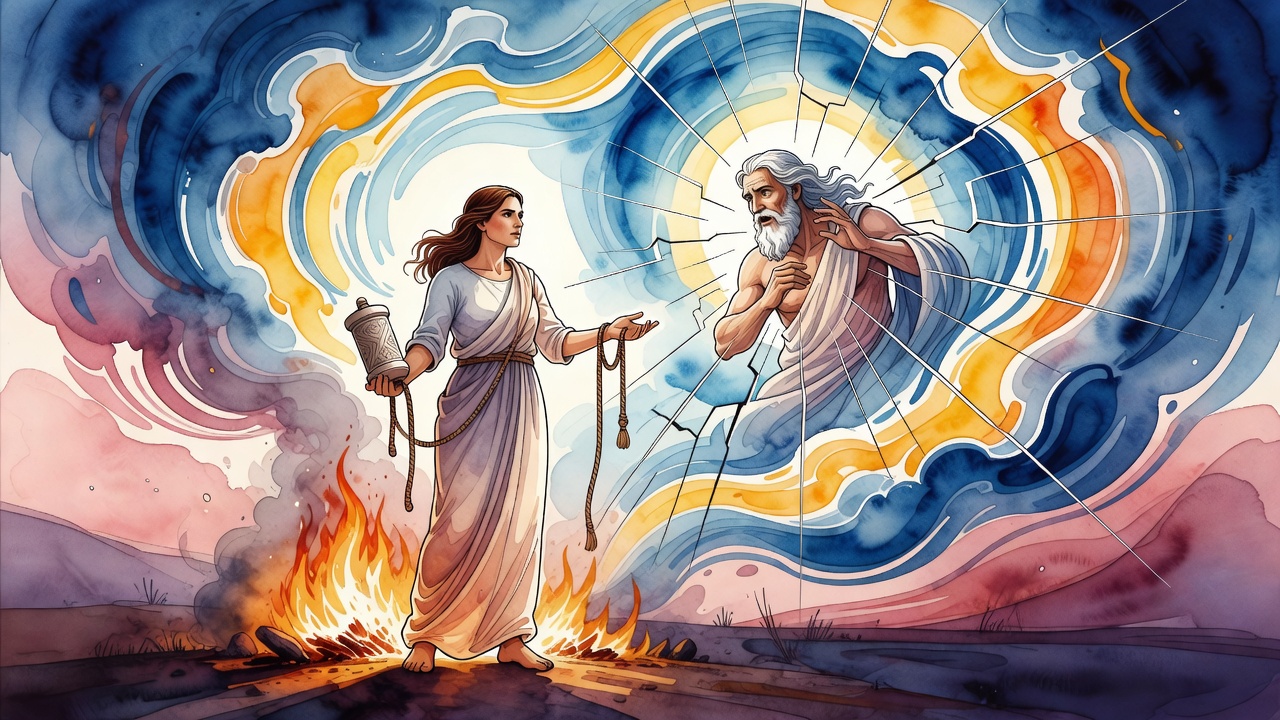
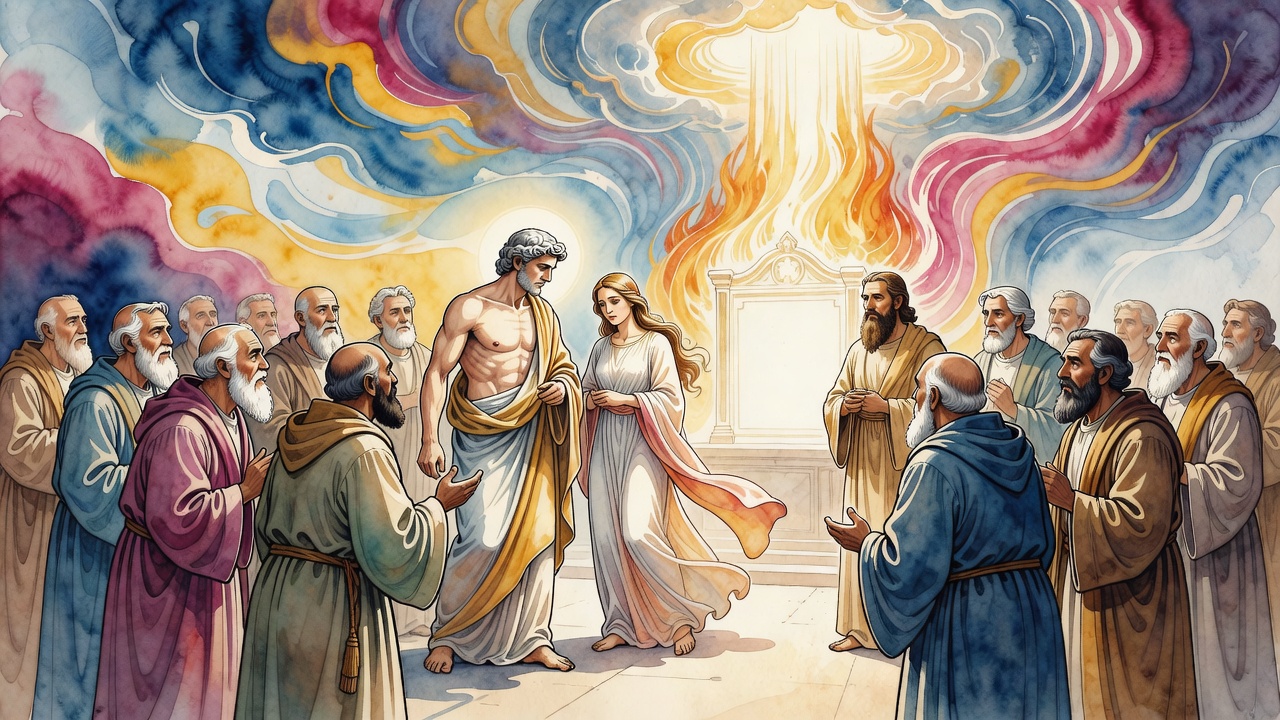
David was on his roof. It was evening. Bathsheba was bathing, and from where David stood, he could see her. He sent for her. Her husband Uriah was at the front with the army, where David had sent him, and the army was at the front where David had sent it, and David was on the roof of his palace watching the city he ruled spread out beneath him in the early dark.
What followed is the most uncomfortable story in the Davidic cycle: the summoning, the night that should not have happened, and then the cold engineering of Uriah's death to cover what had already been done. David placed Uriah in the vanguard, and Uriah died, and David took Bathsheba as his wife. The prophet Nathan came afterward with a story about a lamb, and David condemned himself out of his own mouth before he understood he was being shown a mirror.
The tradition does not look away from any of this.
Why God Permitted It
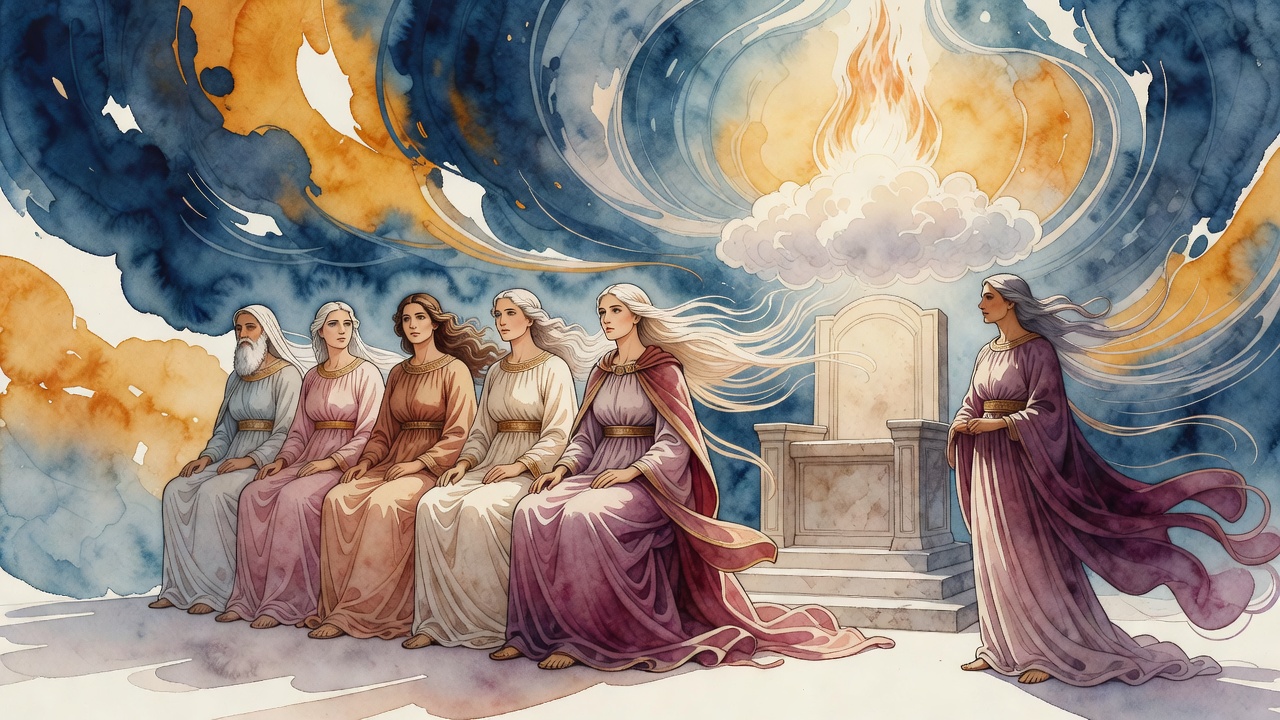
But the Talmudic sources ask a question the plain text of Samuel does not: why did this happen to David specifically? Not why did David sin, human beings sin, but why did God permit the fall to reach this depth, in this man, at this stage of his life?
The answer preserved in the aggadic tradition is extraordinary. God wanted to demonstrate the path of repentance to the world, and the demonstration required a figure whose prior righteousness was beyond doubt. When an ordinary person sins and repents, they can be told to follow that example. But the argument can always be raised: that person was never especially good to begin with. The example lacks force.
David's example carries force precisely because no one disputes what he had been before. The man who wrote the Psalms, the shepherd who had killed a lion and a bear to protect his flock, the fugitive who had refused twice to lift his hand against the anointed king even when he could have done it safely, this man sinned, and repented, and was not abandoned. That sequence is what the tradition was, in some deep sense, preserving for every person who ever needed it.
What Uriah Had Done
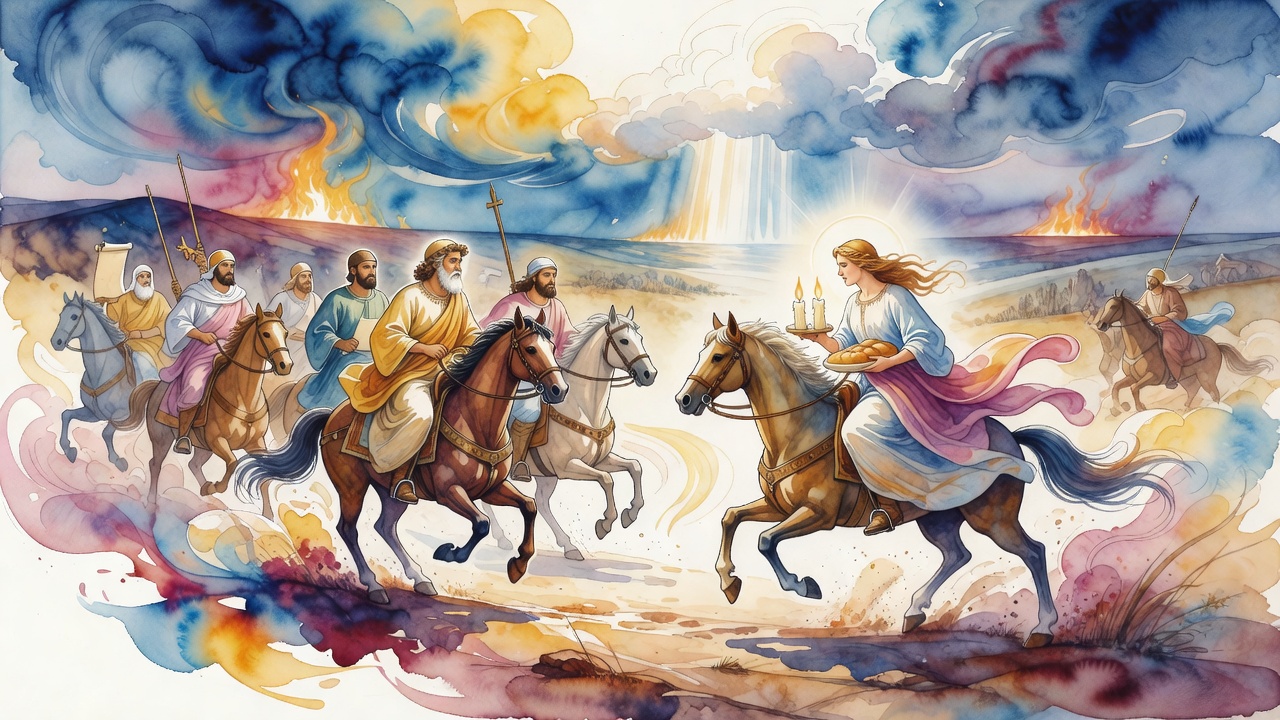
The tradition also complicates Uriah's position in the story. In the rabbinic reading, Uriah had committed a form of insubordination: he had referred to my lord Joab and to the servants of my lord before referring to the king. The deference belonged first to David, and Uriah had not given it. This was not enough, in any moral accounting, to justify what David arranged. The tradition is not claiming that Uriah deserved to die, or that his death was anything other than David's sin. But it is establishing that the story is not a simple one of an innocent man destroyed by a corrupt king. It is a story of entangled failures, played out in the space between power and obligation.
This is part of how the tradition holds the story. Not by exonerating David, but by insisting that every figure in the narrative is a full person making choices with real consequences, not a prop in someone else's moral drama.
Nathan's Parable and the Opened Eye
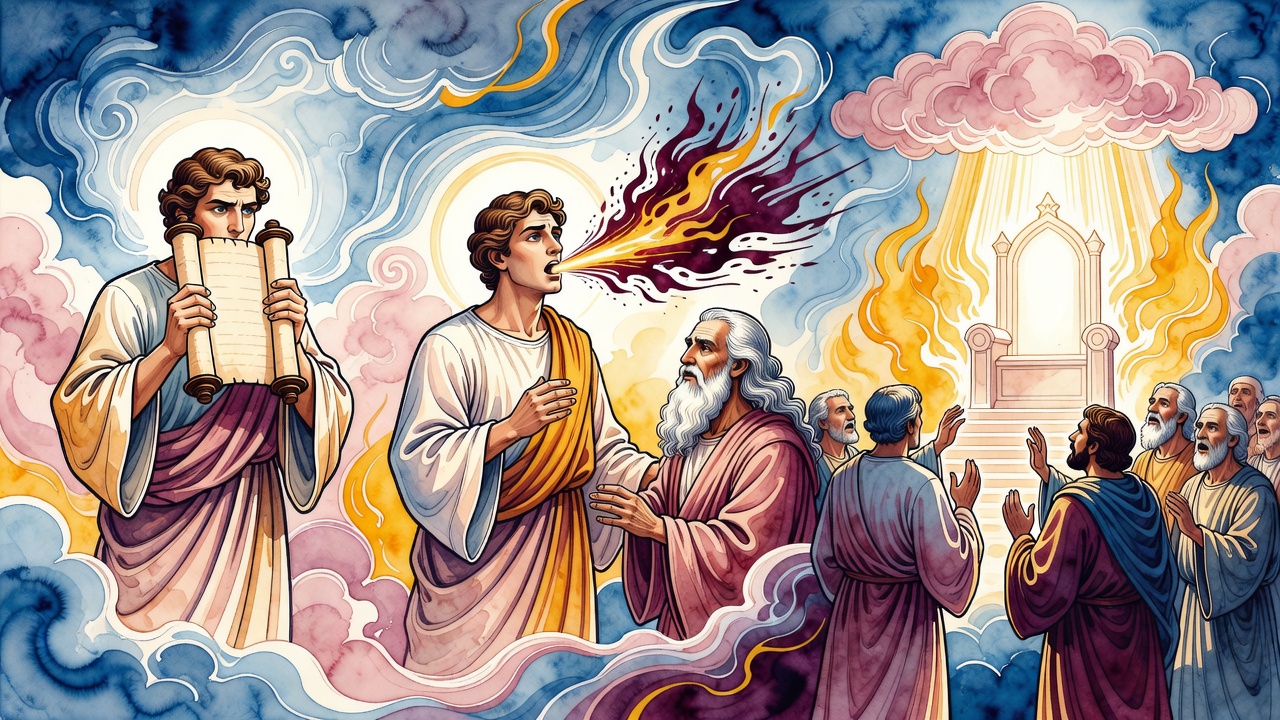
When Nathan came to David and told the story of a rich man who had taken a poor man's single ewe lamb, David's response was immediate and furious: the man deserves death. He had no mercy for the figure in the parable. He condemned him without hesitation.
Nathan said: you are the man.
What the tradition notices is that David did not argue. He did not deflect, did not offer context, did not suggest that the parable was an unfair comparison. He said: I have sinned against the Lord. Four words, and they were complete. The tradition credits him for this. The swiftness of genuine acknowledgment, when it comes, is itself a form of righteousness.
← All myths