When God Turned Kings Like Wheels at Sinai
Shemot Rabbah places Moses, David, and Solomon before a God who lifts and lowers like a wheel, then demands that Torah and mercy govern the throne.
Table of Contents
 Click for full size
The Mountain Made Kings Tremble
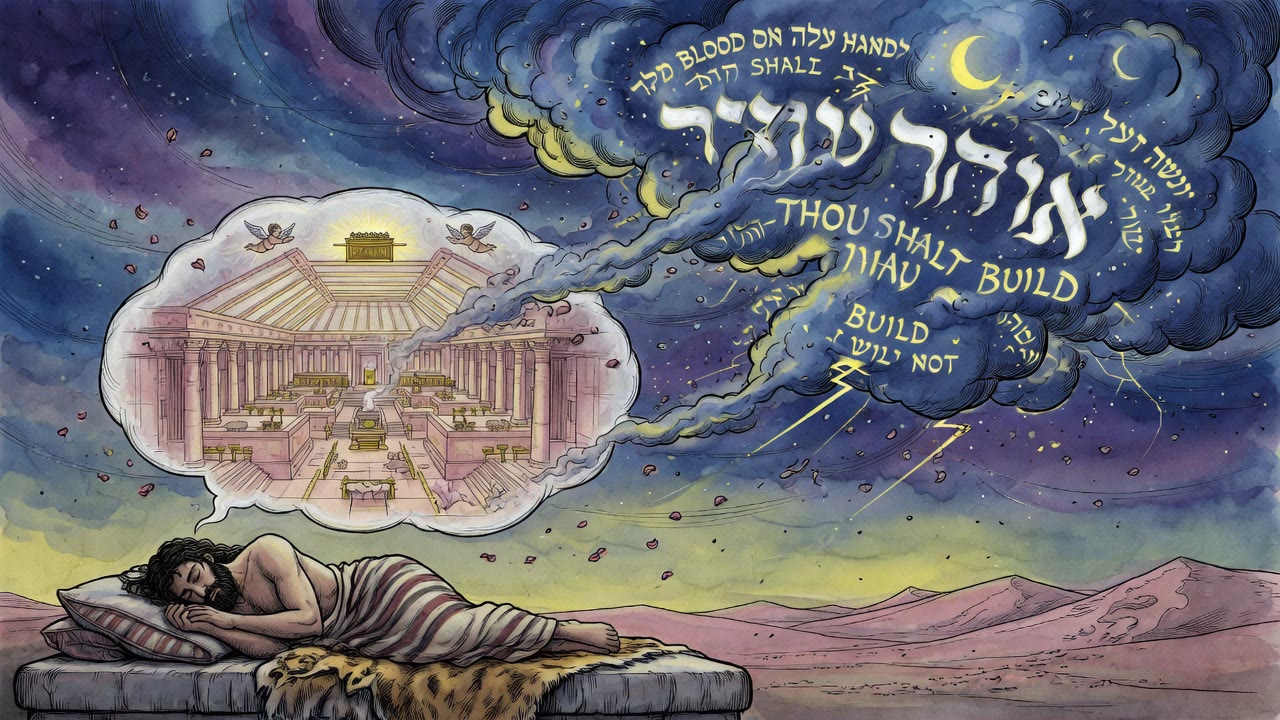
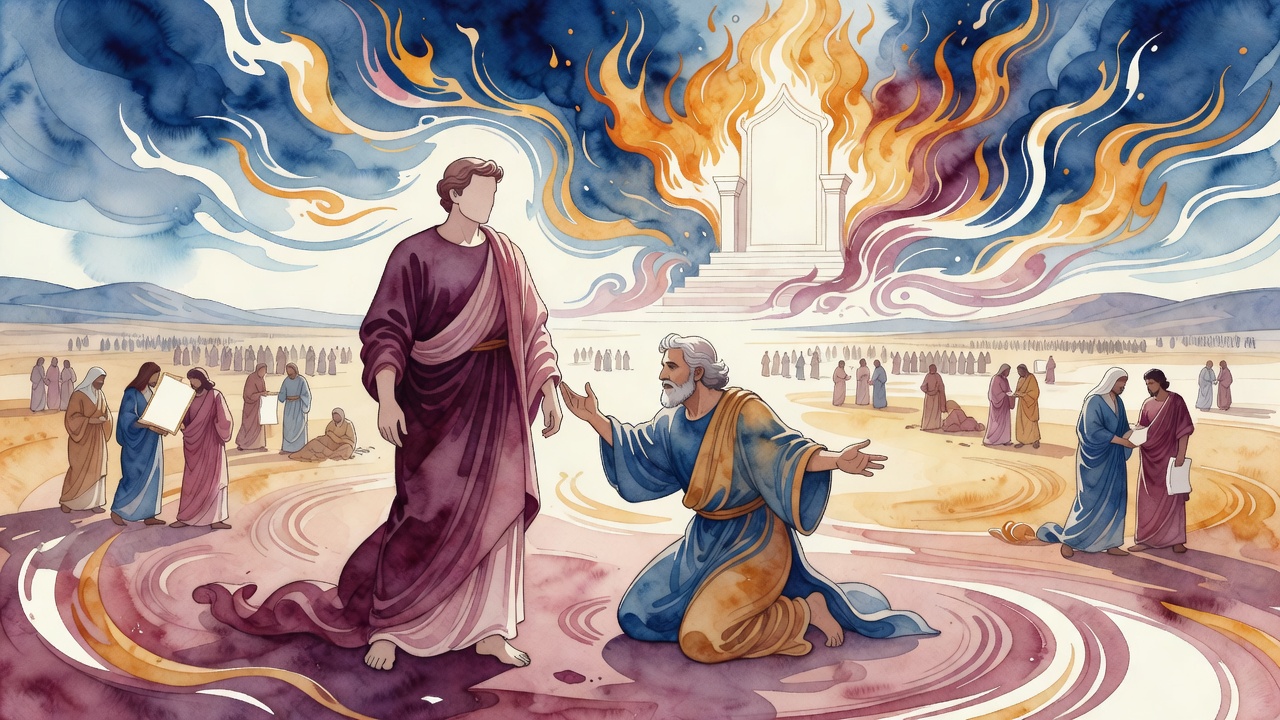
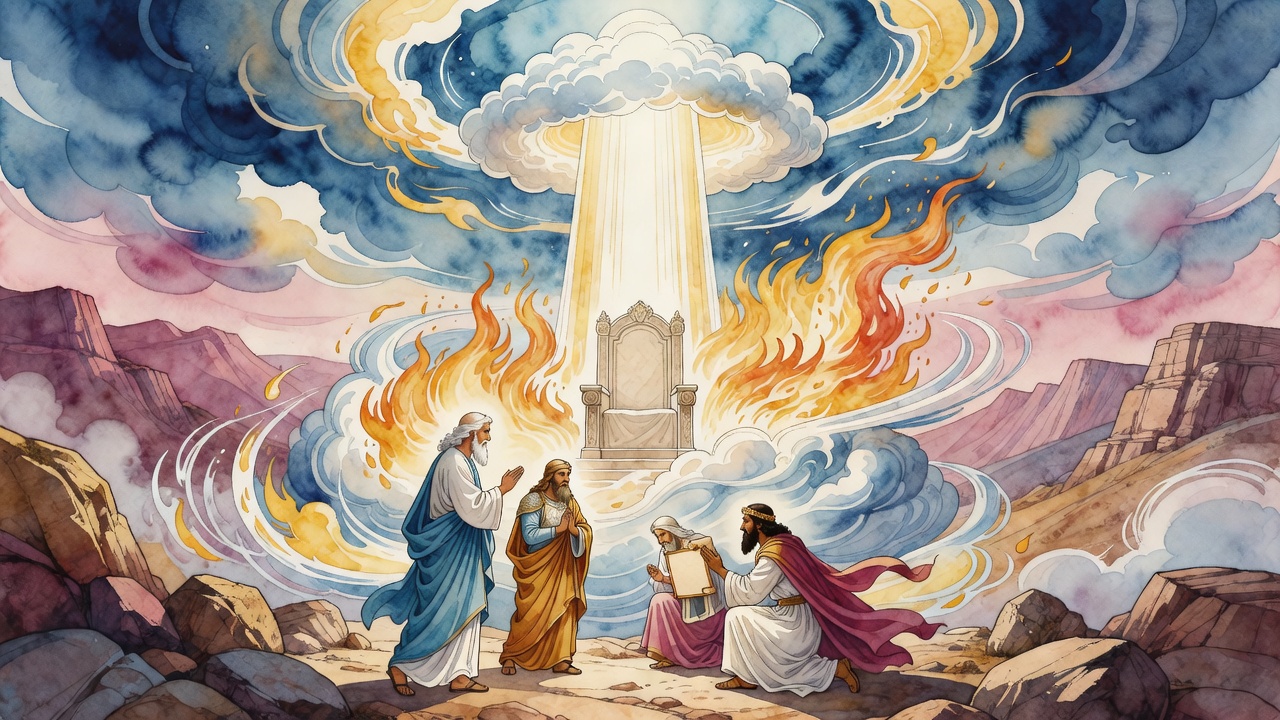
Three kings met God from different heights. Moses stood at Sinai in fire and cloud. David met him in song and battle, with a harp in one hand and blood on the other. Solomon met him at the peak of everything: a Temple built, a throne established, wisdom so famous that foreign rulers traveled weeks to test it.
Shemot Rabbah put these three together not to compare their greatness but to establish what they had in common. None of them owned their position. Moses could split seas and still plead for mercy. David could rule a kingdom and still collapse into grief before the ark. Solomon could gather wisdom from every direction and still watch it drain away from him when he turned his attention from the source of wisdom to its substitutes. The greatest men in Israel borrowed their greatness.
This is the specific theology of Shemot Rabbah: Egypt is gone. Pharaoh is gone. The people have arrived at Sinai. Now the harder education begins. Freedom requires a people who can live with a God who descends in fire and then stays, not departing after the dramatic moment but remaining in the daily terms of how courts are run and poor people are treated and Torah is taught and the Tabernacle is tended.
The Torah Arrived in Terror
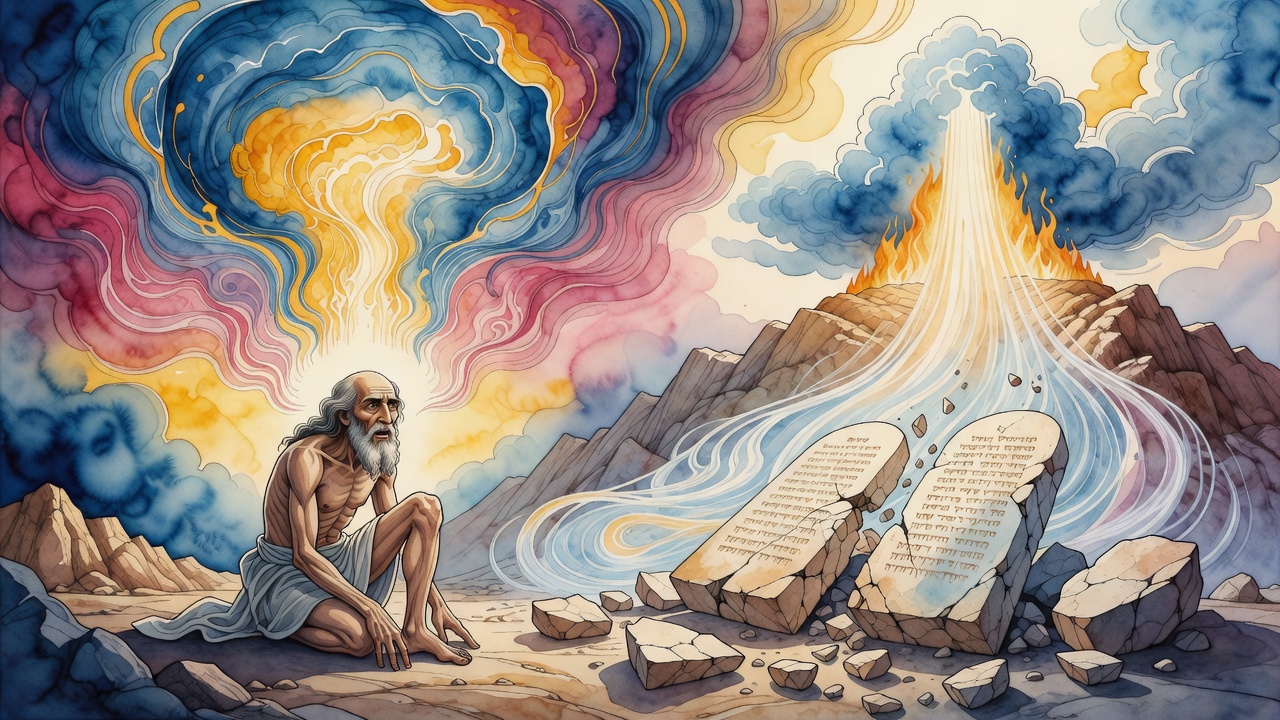
The revelation at Sinai was not comfortable. The thunder, the lightning, the trumpet blast growing louder, the mountain smoking, the people trembling and standing far off, asking Moses to speak to them directly because if God spoke any more they would die. The fear was physical and appropriate.
Shemot Rabbah read that terror as the honest response to what was happening. A God who could unmake Pharaoh's army overnight was now proposing to bind himself to a small people through law. That binding was not a reduction of divine power. It was an expression of it. The same power that had split the sea was now saying: here is what I require of you, stated in specific terms, applicable in daily life, enforceable, recallable, permanent.
The people should have been terrified. They were. The rabbis were not troubled by the fear. They were troubled when the fear wore off too quickly, when the thunder at Sinai became a distant memory before the instructions had been properly absorbed. The terror was the appropriate size for the event. What the people did with it afterward was the question Shemot Rabbah keeps returning to.
Shittim Faced Judgment
Before the Jordan crossing, Israel encamped at Shittim and the men began to go after the daughters of Moab. The women invited the men to the sacrifices of their gods. The men went and bowed down to Baal Peor. God's anger burned against Israel. A plague began. Twenty-four thousand people died.
Shemot Rabbah read Shittim as the permanent demonstration that the distance between Sinai and apostasy is shorter than anyone wants to admit. A people that had stood at the mountain could be prostrating itself before Baal Peor within a generation. The fire at Sinai had not immunized them. It had given them a standard by which their failures were now legible as failures.
The rabbinic reading did not treat this as a counsel of despair. Shittim ended. The plague stopped. The covenant continued. But the covenant did not make Israel incapable of failure. It made failure visible and the return from failure possible, which is different from preventing the failure in the first place.
Torah Turned at Once to the Poor
Torah came down from Sinai and almost immediately turned its attention to the treatment of the poor. The laws in Exodus following the Ten Commandments are full of practical requirements: do not oppress a stranger, do not take a widow's garment as a pledge, do not charge interest to the poor, do not delay the wages of the hired worker.
Shemot Rabbah read these laws as a direct extension of the Sinai theophany, not as separate domestic legislation but as the same fire that descended on the mountain now burning in the marketplace. A God who split the sea to free slaves and then allowed his covenant people to treat the poor as exploitable material had contradicted himself at the most fundamental level. The laws about the poor were not afterthoughts attached to the covenant. They were the covenant specified in the terms of everyday life.
This is the rabbinic claim about Torah's unity: the fire of Sinai and the prohibition against taking a widow's cloak as collateral are one statement. The God who descended in thunder is the same God who hears the cry of the widow and the orphan and says explicitly that when they cry to me, I will hear them, for I am compassionate.
God Lifts and Lowers Like a Wheel
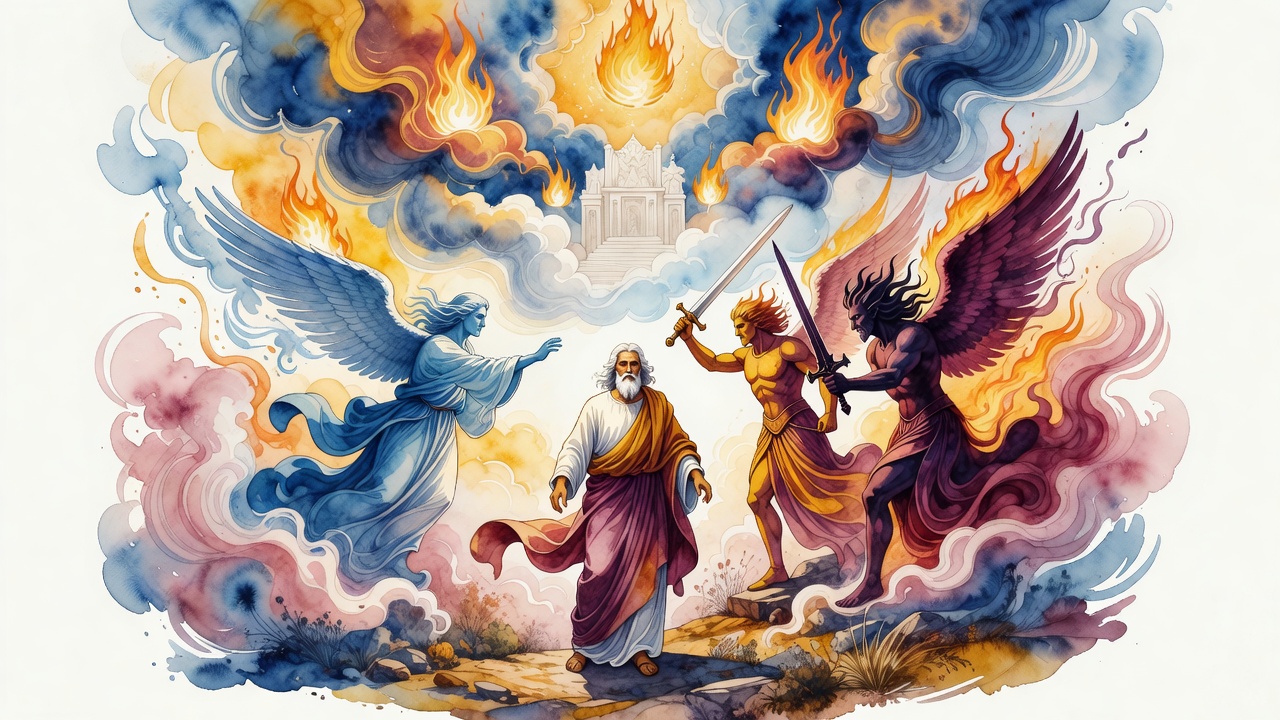
Psalm 75 says: God is the judge who puts down one and lifts up another. Shemot Rabbah imagined this as a wheel turning in God's hand. No position on the wheel is permanent. The person at the top is moving toward the bottom. The person at the bottom is moving toward the top. What determines the movement is not human strategy or merit alone. It is the will of the one whose hand holds the wheel.
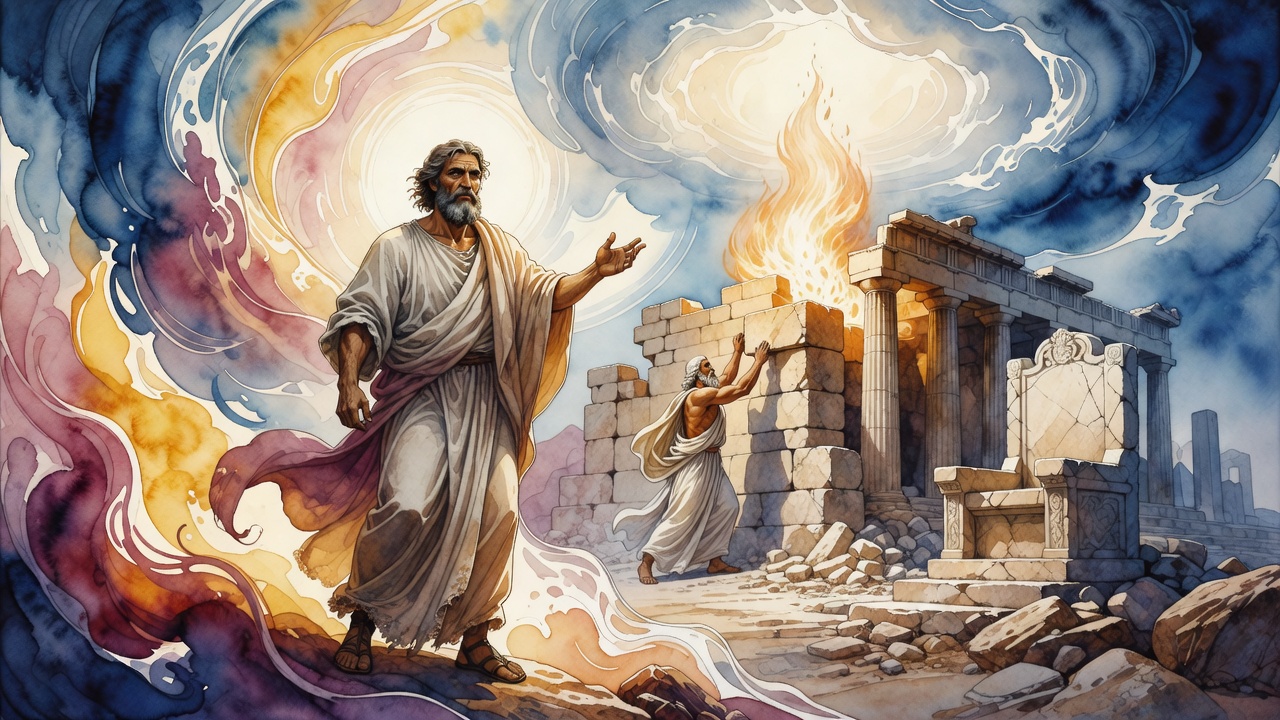
This image applied to Moses, David, and Solomon simultaneously and equally. Moses was lifted beyond any human precedent and then forbidden from entering the land. David was lifted to the throne and then devastated by the catastrophe within his own family. Solomon was lifted to the highest expression of wisdom and wealth Israel had ever seen and then watched it begin to crack from within his own household. The wheel turned for each of them.
The rabbis were not teaching fatalism. The wheel image is meant to produce a specific kind of humility in the person who is currently at the top. If you are on the wheel, do not confuse your present height with a permanent condition. Act accordingly. What you do with the position while you hold it is what will be remembered when the wheel turns and you are no longer at the top.
Torah as God's Own Presence
The Tabernacle was built to be a dwelling place. But what exactly was dwelling there? Shemot Rabbah worked carefully around this question. The Tabernacle mirrored the structure of creation: the curtains like the sky, the laver like the sea, the menorah (the lampstand) like the sun, the showbread like the produce of the land. Everything in it was a correspondence to something in the world God had made. The building was a miniature cosmos, and at its center was not an object but a meeting.
Torah was the presence. When God told Moses: take me as a gift, Shemot Rabbah read take me as the key phrase. Not take my Torah as a gift. Take me. Torah was not a body of law God was handing over as an independent document. Torah was God's own self-disclosure, the form in which the divine presence could be received and studied and lived with by mortal beings in a material world. The Tabernacle housed the tablets. The tablets were not about God. The tablets were God, in the form Israel could hold.
← All myths