David's Forbidden Census and Joab's Hidden Resistance
Joab told a father of five to hide two sons in the house. He spent nine months on a count he could have finished in weeks.
Table of Contents
"Either thou art king and I am the general," David said, "or I am king and thou art the general."
 Click for full size
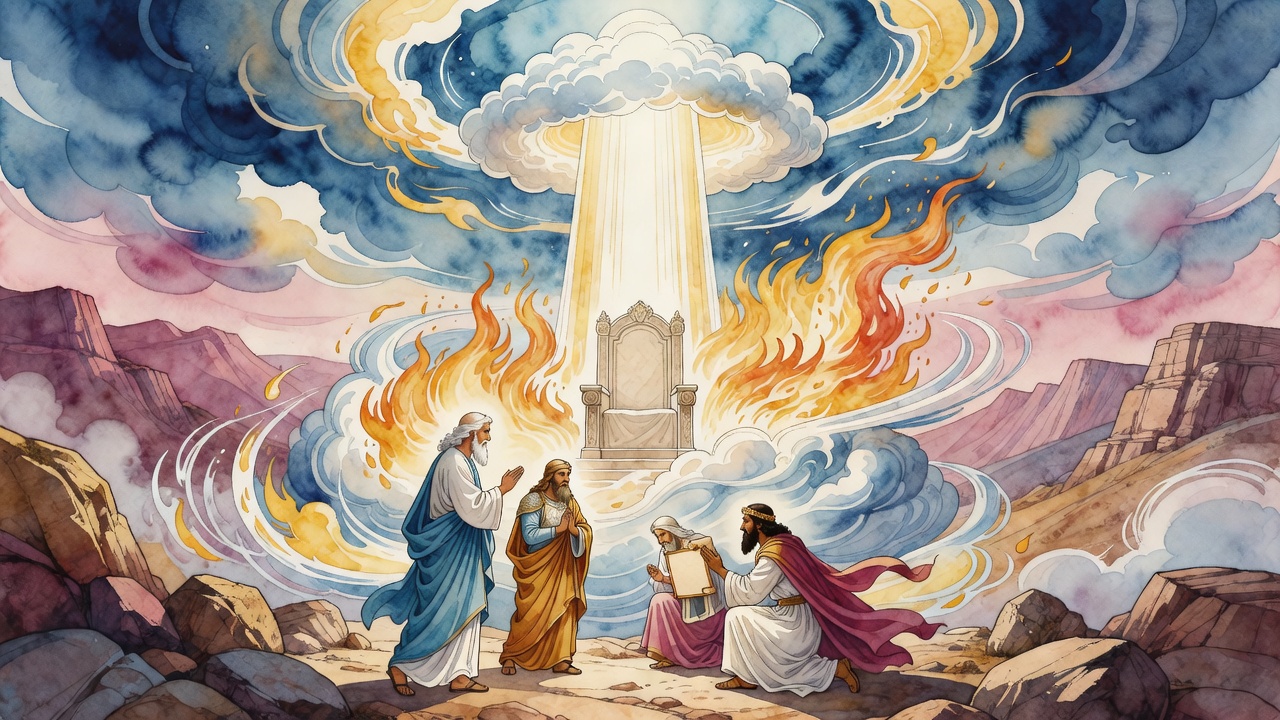
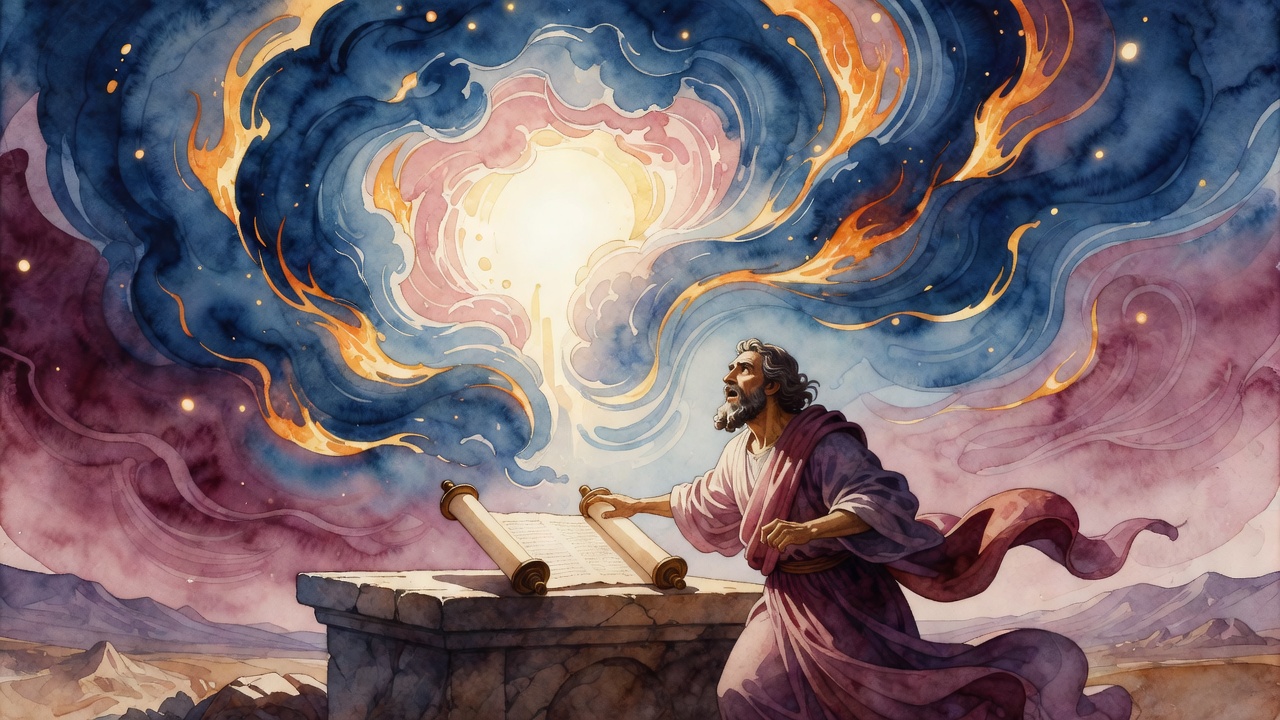
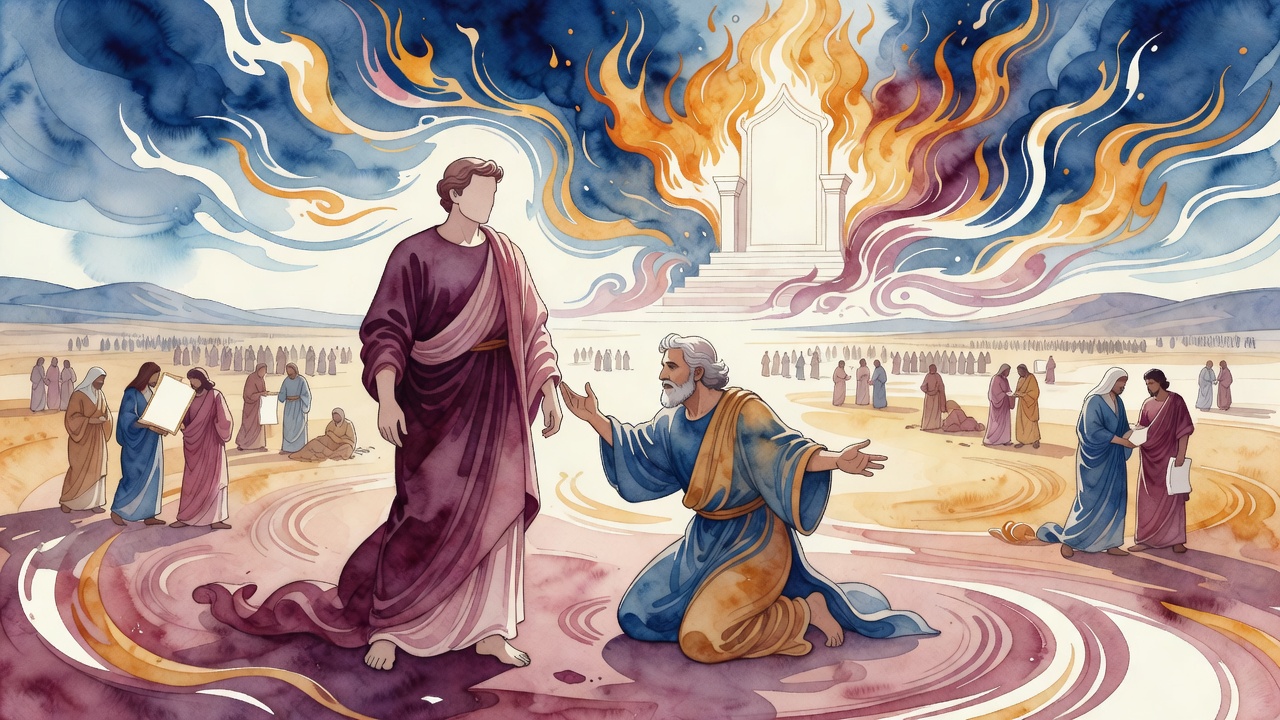
Joab had already asked him to stop. He asked again. The room did not move. David wanted every fighting man in Israel written down, tribe by tribe, city by city, as if the people were a store of swords he could inventory.
Joab went out to count them. He did not go quickly.
Either You Are King
Moses had numbered the wilderness generation under a command, and every name had paid a half-shekel as a ransom, a recognition that the life being written did not belong to the one holding the pen. David had given no such instruction. No half-shekel. No ransom. Only a count.
Joab knew what the older arithmetic was. The sword Moses carried held seventy names of God, one for each nation under heaven. Israel was not a number a king owned. Joab said so in the only language David would still hear. He refused the job until David made it a question of who sat on the throne. Then he took it, and he set out to ruin it from the inside.
Gad First, Then Dan
He went first to Gad. The Gadites were stubborn. If any tribe would tell a king's officer to go home, it would be them, and David would have to drop the plan. Gad did not refuse him. Joab folded the names and walked on.
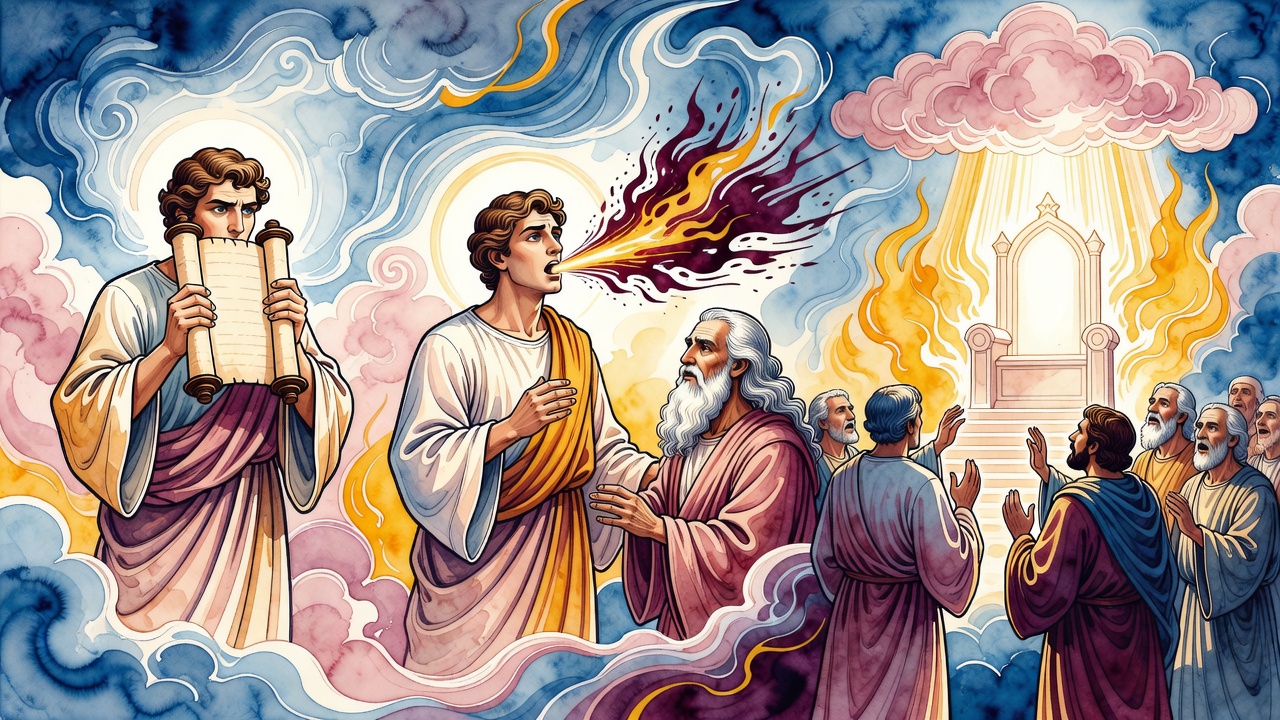
He went next to Dan, hoping that if punishment came it would fall on a tribe already stained with idolatry, not on Judah, not on Jerusalem. Dan let itself be counted too. The dread in Joab's mouth did not lessen. He spent nine months on a task he could have finished in far less. He warned households as he went. If he found a father of five sons, he told the man to hide a few of them before the tally reached the door.
He omitted Levi, as Moses had, because the Levites were not a military resource. He omitted Benjamin, a tribe already cut down, because he was afraid of what another subtraction would do to it. The ledger that reached the palace would not be the people as they stood.
Two Notes in the Sleeve
When the months were done he did not bring David one number. He made two notes, two petakim, one large and one small. If the king accepted the smaller without suspicion, Joab would keep the larger in his sleeve and never hand it over. Samuel's book would later write Israel as eight hundred thousand. Chronicles would write a million and a hundred thousand. Joab had both figures on him at once.
The count itself softened what it touched. Once the people were numbered, their strength went slack, like a body written down as if it were already spent. Joab felt it as he walked the last road back to the throne. He had delayed. He had hidden sons. He had skipped two tribes. It was not enough.
David took a number. The palace did not get to keep it long.
Three Days of Plague
God sent the prophet Gad to David with a judgment that was also a choice. Seven years of famine. Three months of flight before enemies. Three days of plague. David had to pick.
He said, "Let me fall into the hands of God, whose mercy is great, rather than into the hands of men." He chose the plague.
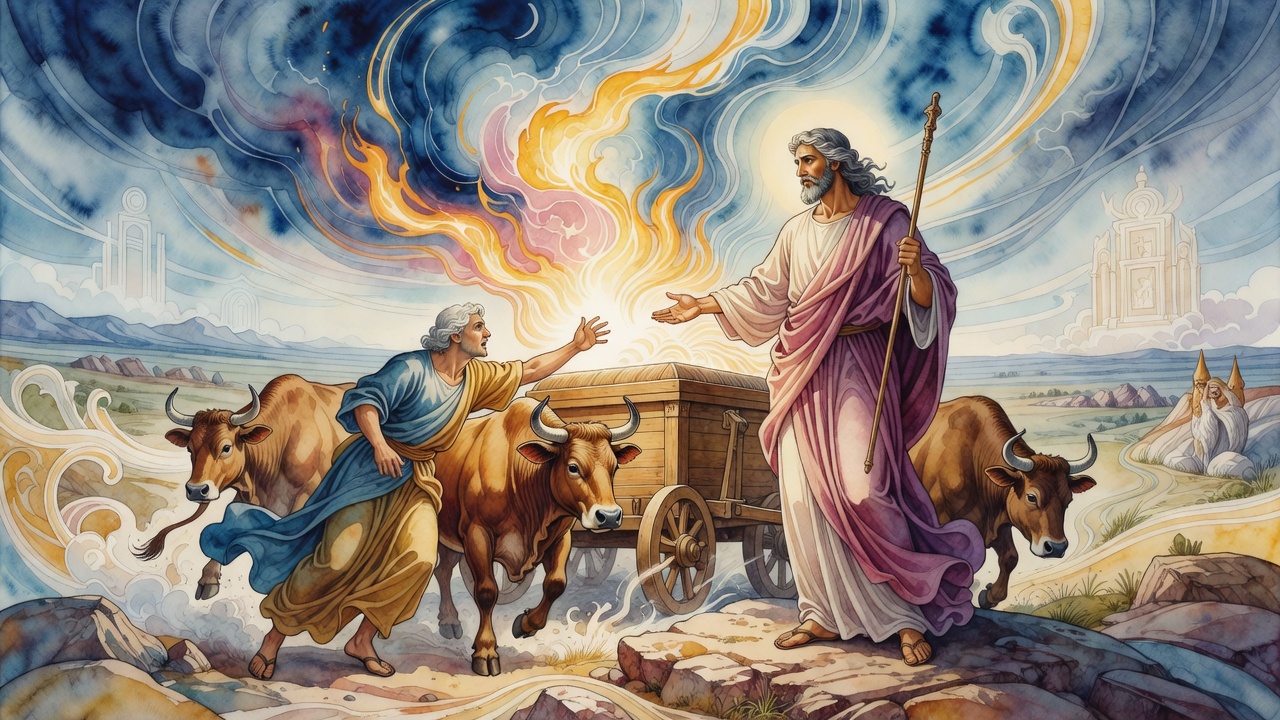
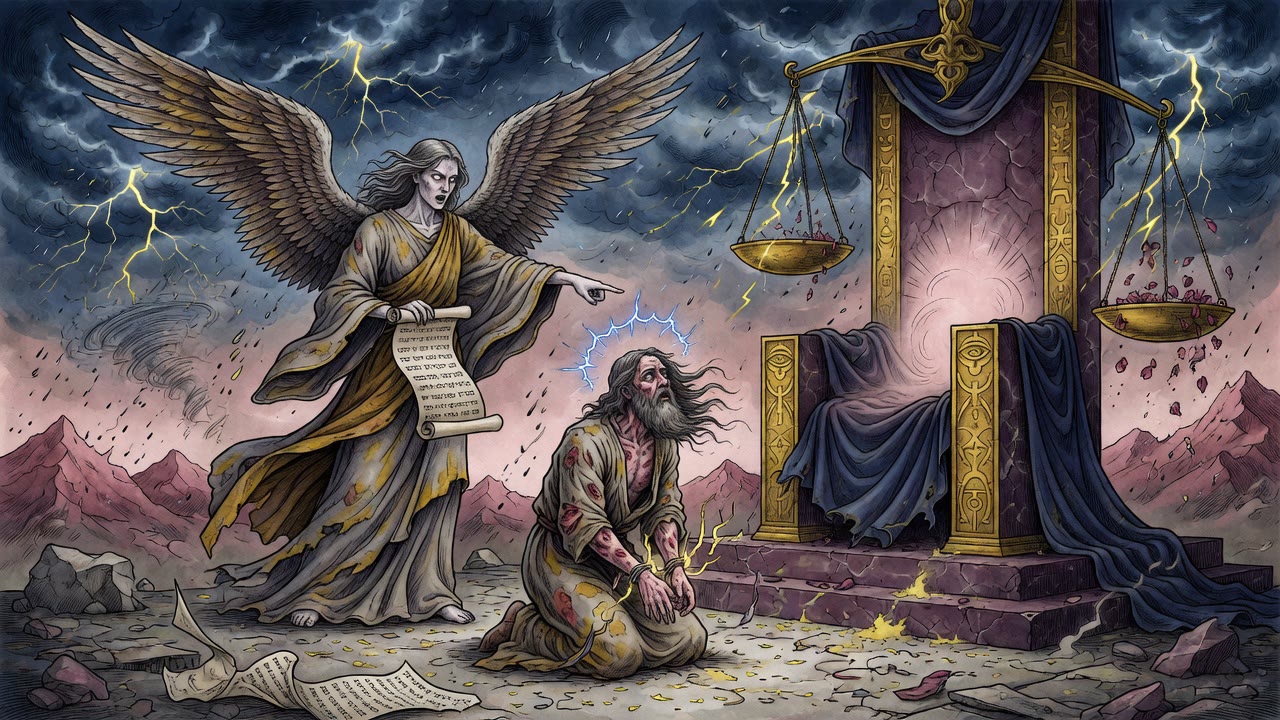
Seventy thousand people died in three days. The angel of destruction moved from Dan to Beersheba. David watched it. When the angel stood over Jerusalem with its hand stretched toward the city, God said enough. Pull back your hand. The killing stopped at the edge of a threshing floor that belonged to Araunah the Jebusite.
The hidden sons Joab had pushed indoors did not undo the seventy thousand who were not hidden. The two notes in the sleeve did not undo them. David had wanted a number. He got one.
The Floor That Stopped the Angel
David went down to Araunah. The Jebusite offered the floor as a gift, the oxen for sacrifice, the threshing sledges for firewood, everything free. David refused. "I will not offer to God what costs me nothing," he said. He paid the full price. He built the altar. He offered the burnt offerings and the peace offerings, and the plague stopped.
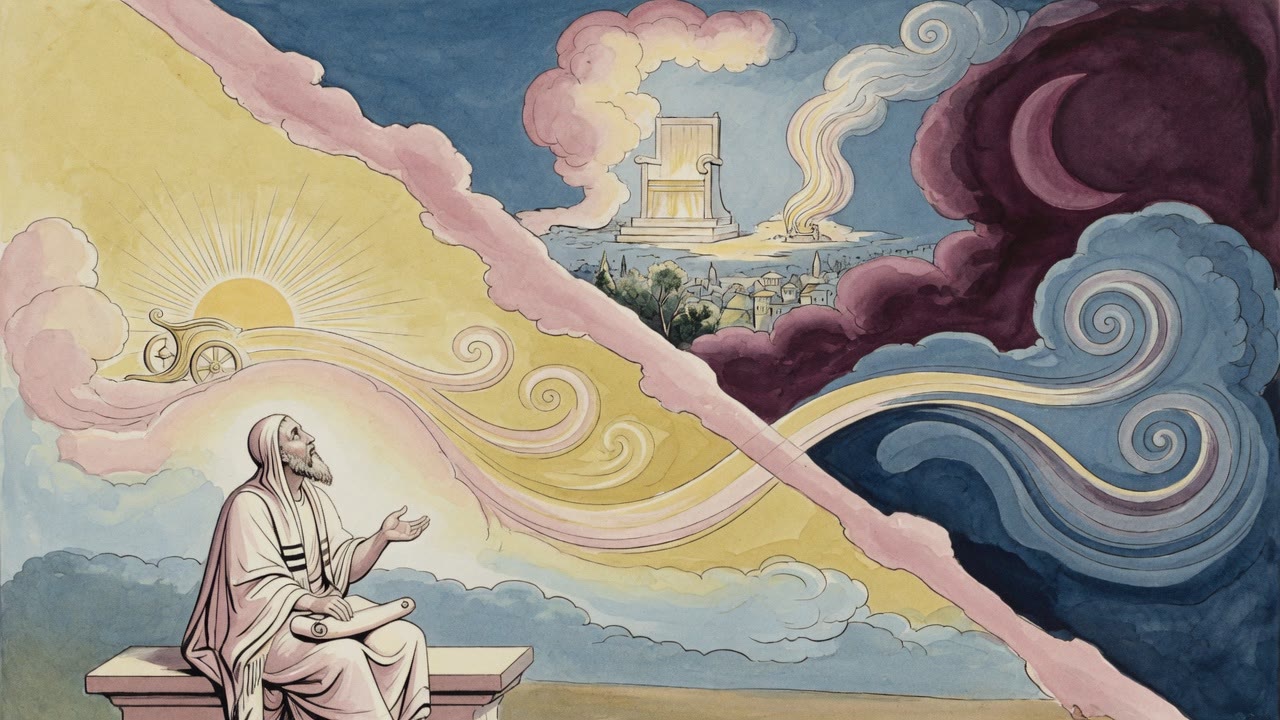
That threshing floor became the site of the Temple. The place where the angel's hand was pulled back became the place where the divine presence would dwell in Israel. Joab's slow road had not saved the count. It had only shown that the catastrophe was a choice. David had insisted. The floor at the edge of the city was what was left of the insisting.
← All myths