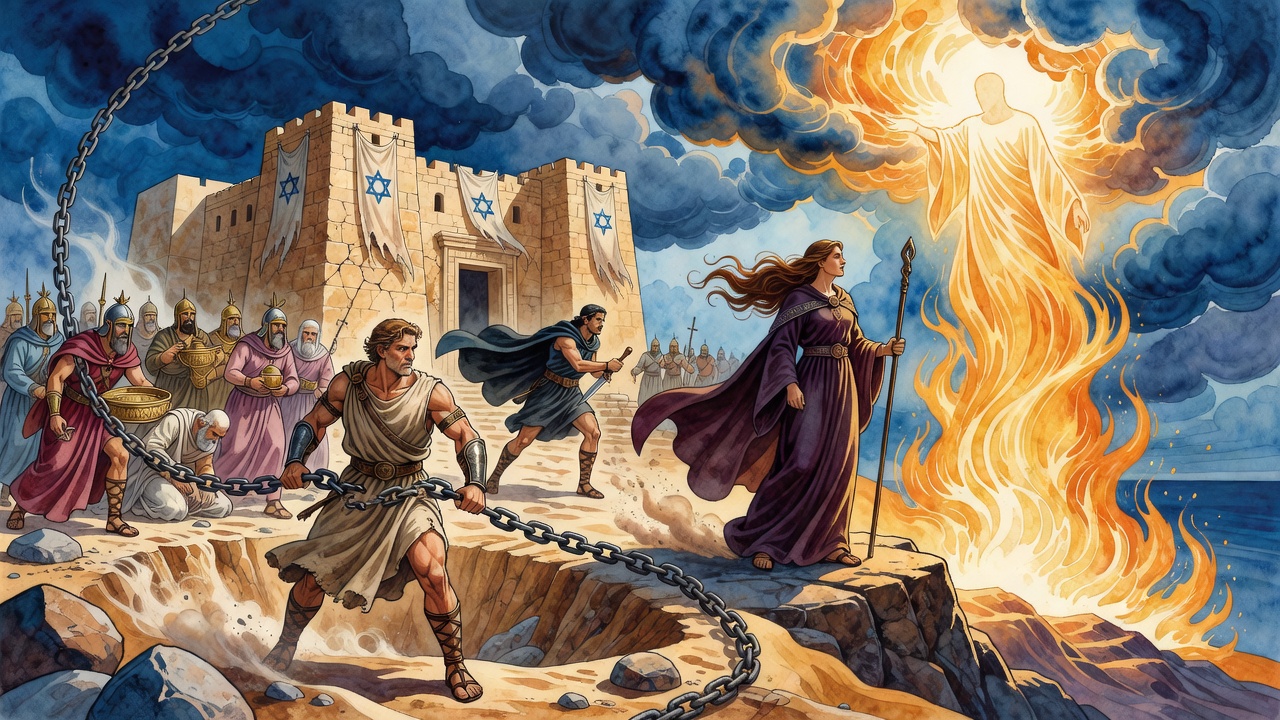
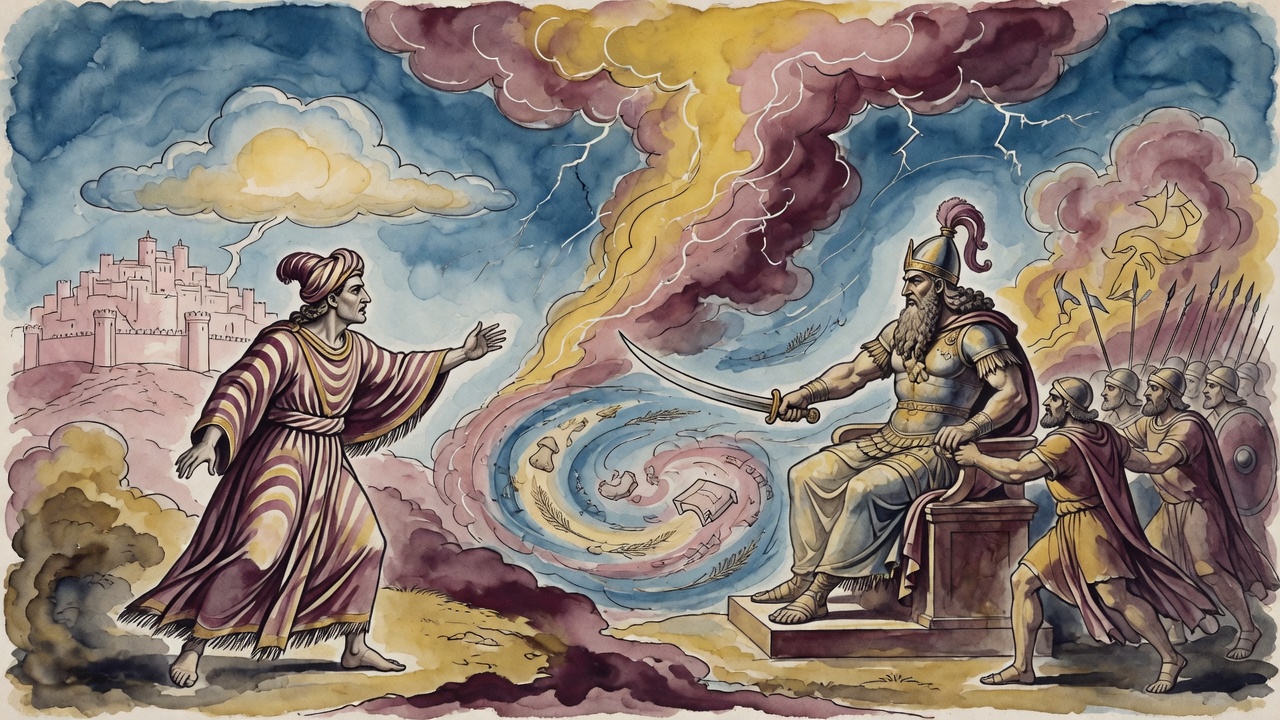
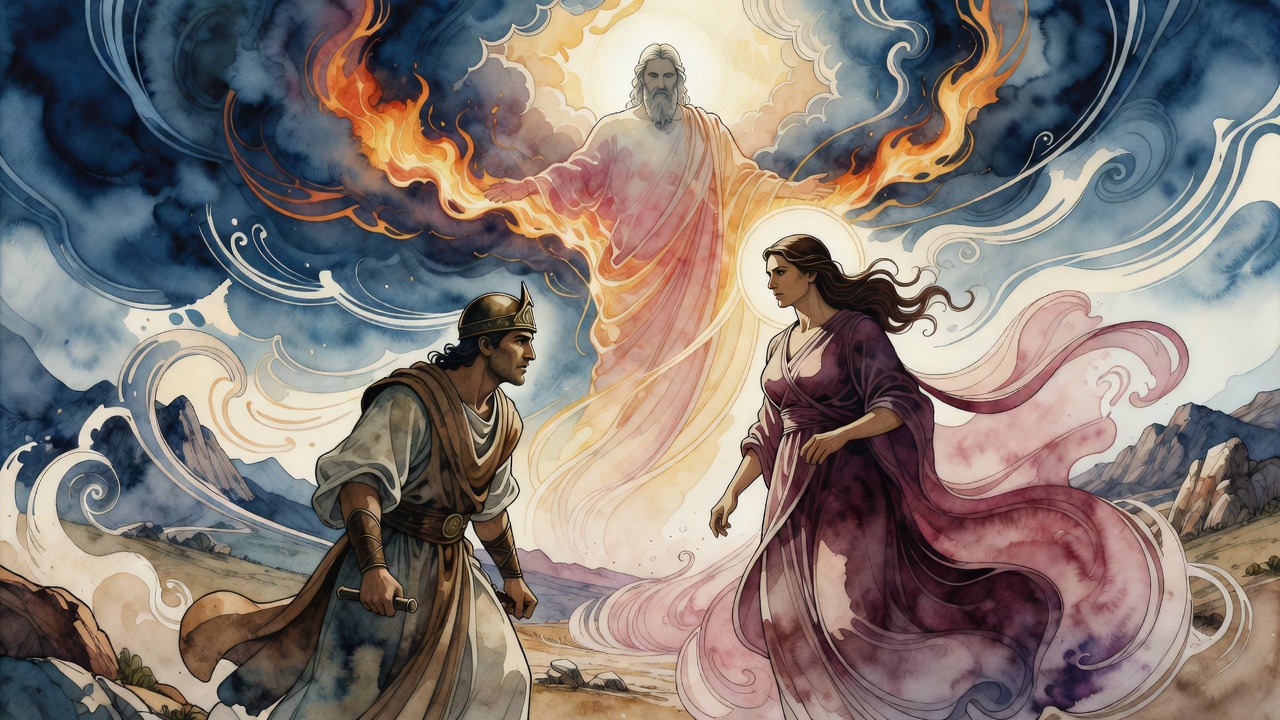
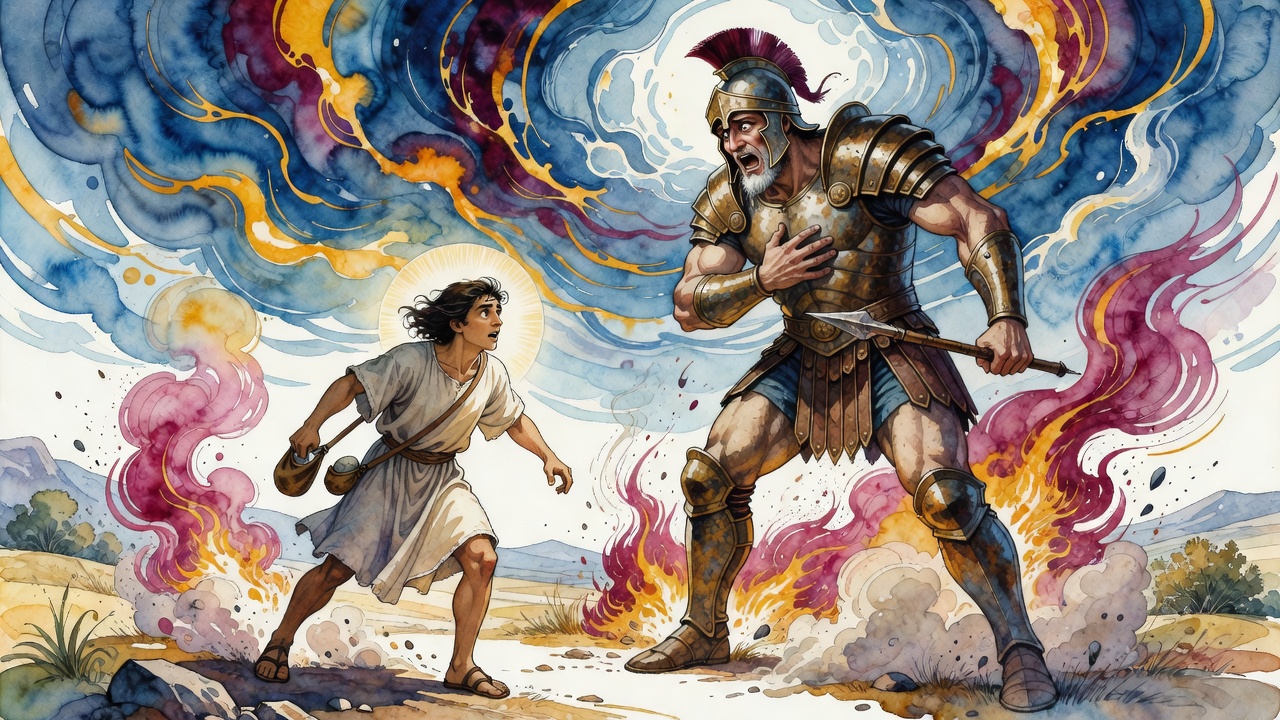
Adoni-Bezek Kept Seventy Kings Crawling Under His Table
They took his thumbs and his big toes. He did not curse Judah. He said God had paid him in the same coin he had used on seventy kings.
Table of Contents
 Click for full size
Kings Crawled Under the Table
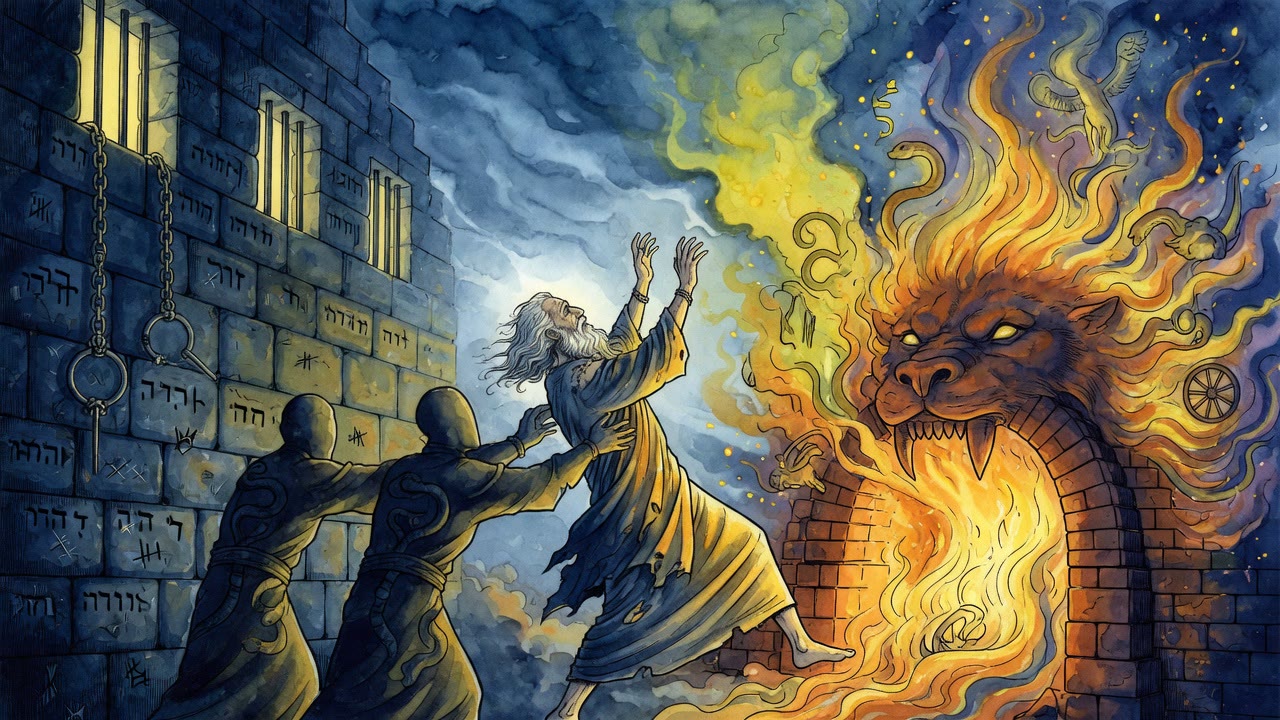
Adoni-Bezek ate above them. Under the boards, seventy kings moved on their knuckles and their heels.
He had taken their thumbs. He had taken their big toes. A hand with no thumb cannot close on a sword. A foot with no big toe cannot plant for a charge. He kept them alive on purpose. Scraps fell. They gathered the scraps. A visitor brought into that room before the meat was carved understood, without a word, what resistance in that country produced.
He was not counted among the great kings of Canaan. He did not need to be. A small throne had been enough to empty seventy others and arrange them as furniture.
Judah Called Simeon Up
After Joshua died, the Canaanites were still in the land. Israel asked who should go up first. The answer was Judah.
Judah did not go alone. He sent to Simeon: come up with me into my lot and fight, and I will come up with you into yours. Simeon came. They found Adoni-Bezek at Bezek with ten thousand men and struck them down.
The king ran. They caught him. Then they did to his hands and feet what his table had been teaching for years. Thumbs. Big toes. The same cuts, in the same order, on the man who had invented the display.
He Named the Measure Himself
They put him on the ground. The knife came for the thumbs first. He watched his own hands change. He did not curse Judah. He did not ask for a different sentence.
He looked at what was left. The same shape he had given seventy other men. The same helplessness he had served as a mealtime show.
"Seventy kings, with their thumbs and their big toes cut off, gathered their meat under my table," he said. "As I have done, so God has repaid me."
They brought him to Jerusalem. He died there. The confession traveled farther than the body. He had named the payment while the blood was still running, and he had not pretended the books were wrong.
The Door Hidden in the Almond Tree
Othniel's forty years began with that victory. After Bezek, Israel turned toward Luz. The city had one way in. A cave. The path to the cave ran inside a hollow almond tree. Armies had walked past the tree and seen only a tree.
A man came out of Luz. They caught him and offered him his life if he showed the door. He put a hand on the bark, then on the dark behind it. Israel went in. Luz fell.
The man and his family were spared. He left and founded another Luz among the Hittites. That second city was left untouched when Sennacherib came. It was untouched when Nebuchadnezzar came. The Angel of Death had no power inside its walls unless a resident grew tired and walked out. Death waited at the gate the way Adoni-Bezek's kings had waited under the table. It was not allowed in until someone chose the road.
Judah and Simeon kept moving. Adoni-Bezek's table sat empty. The crumbs were gone. The measure he had named was the last true thing he got to say.
← All myths