The Flood Came Because Injustice Filled the Earth
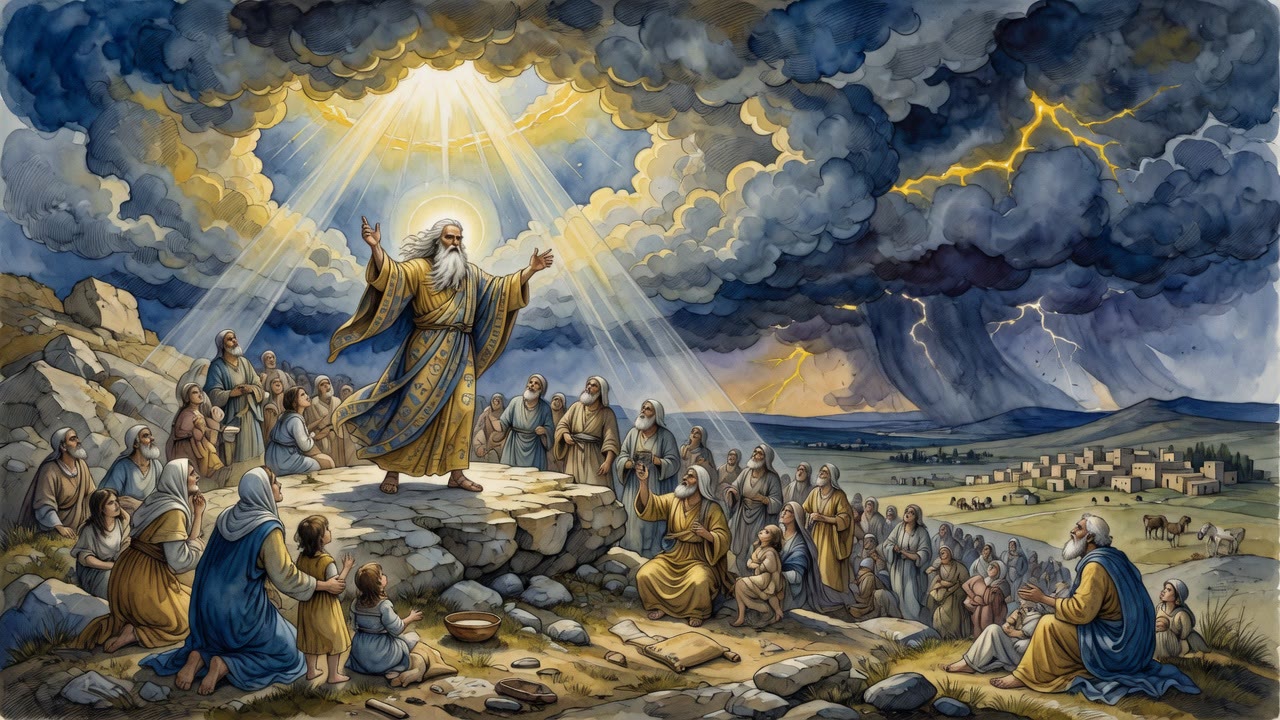
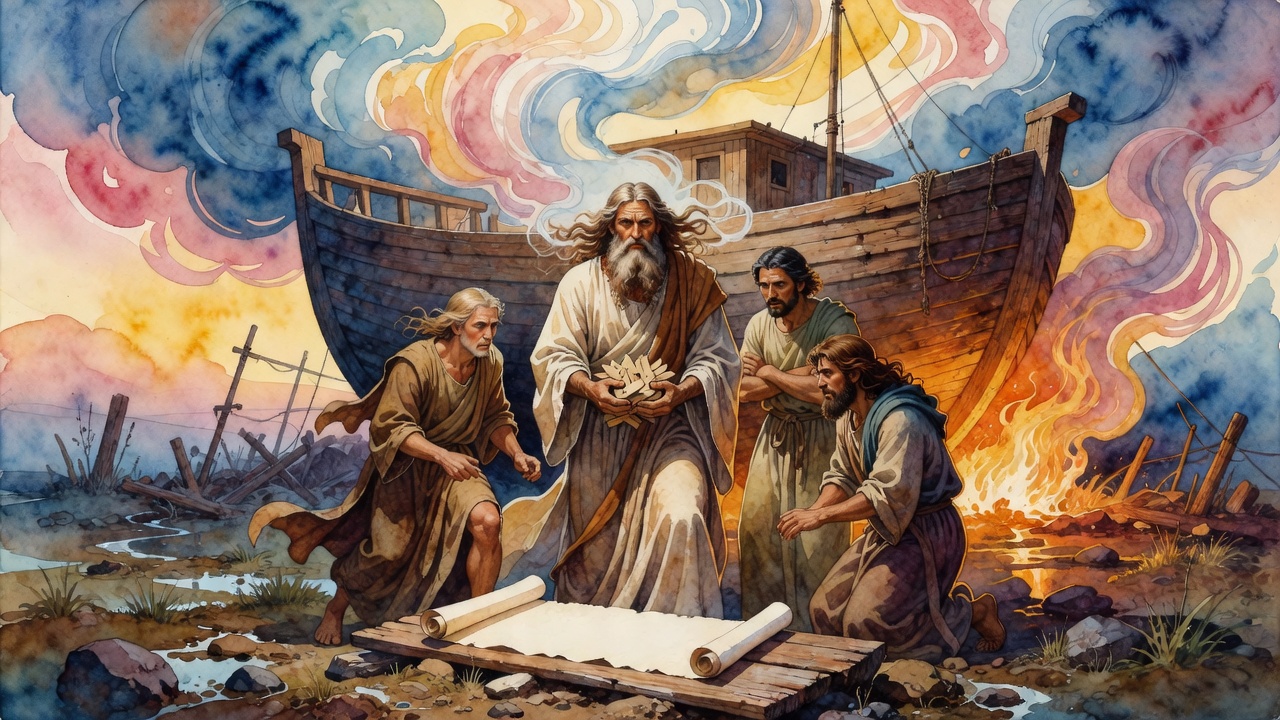
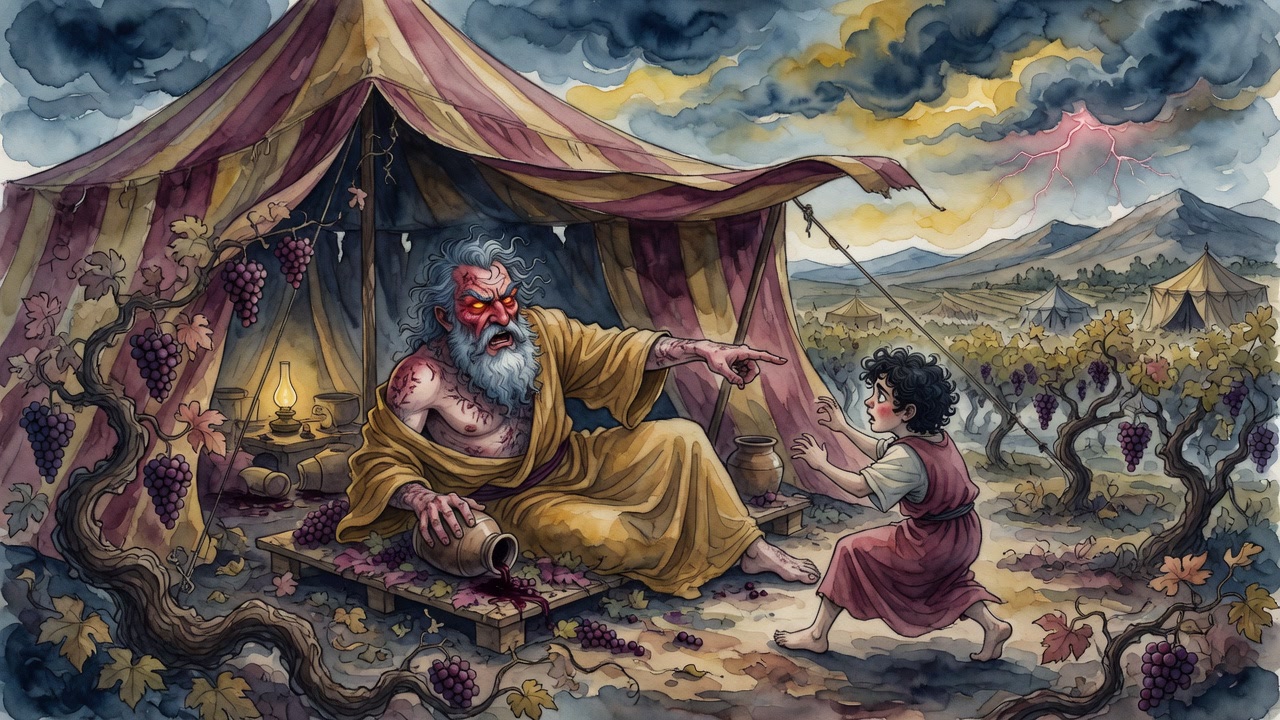
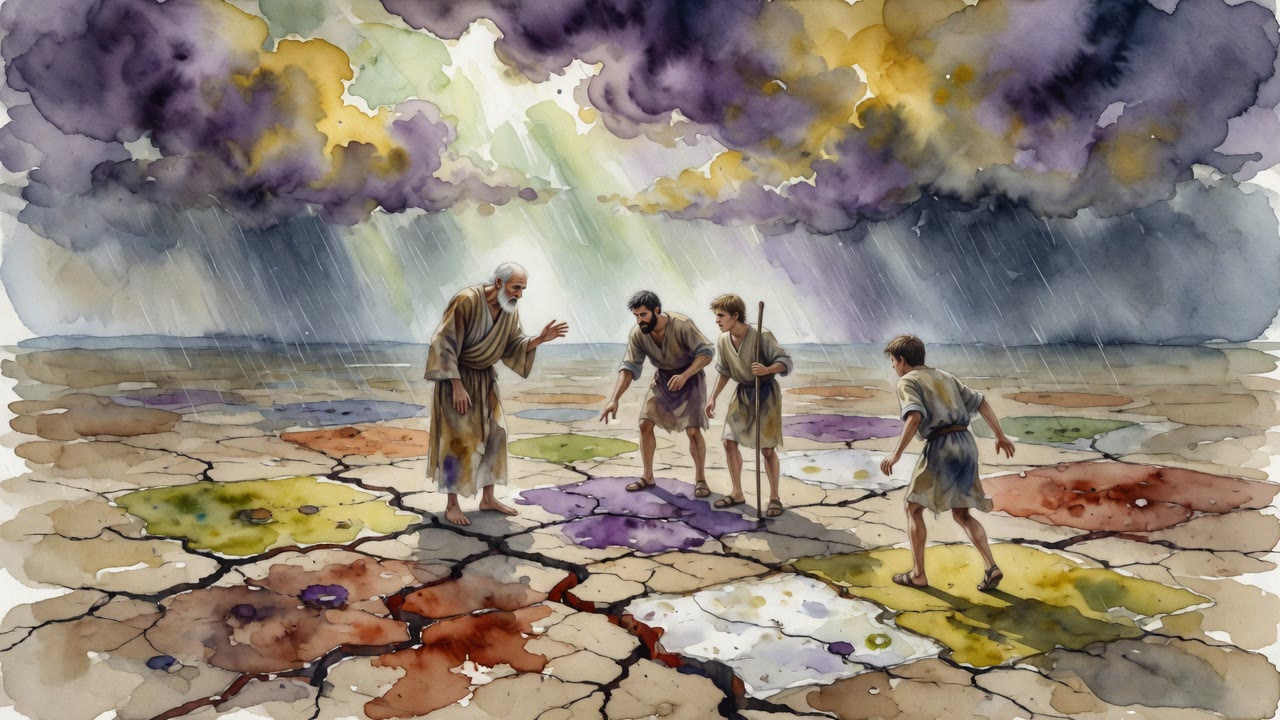
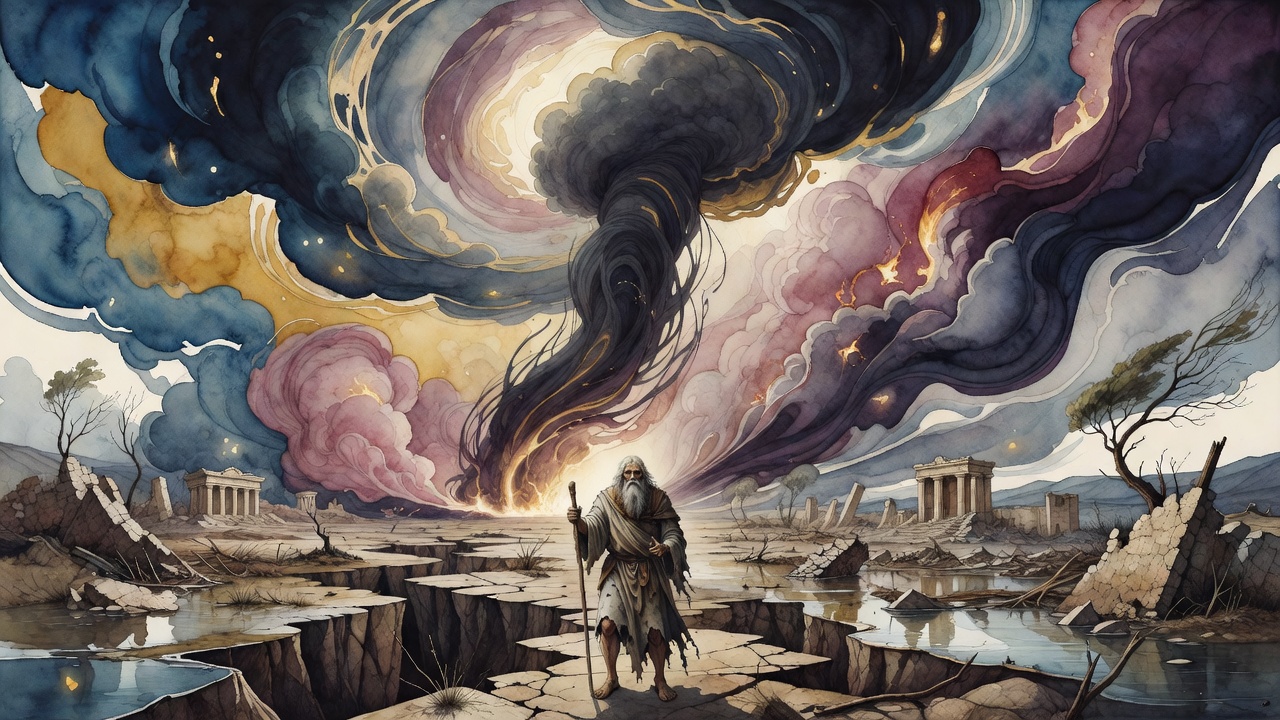
Noah stands at the edge of a ruined world while God names what broke it, injustice so thick it became the rod that struck creation down.
Table of Contents
 Click for full size
The Rivers Already Knew
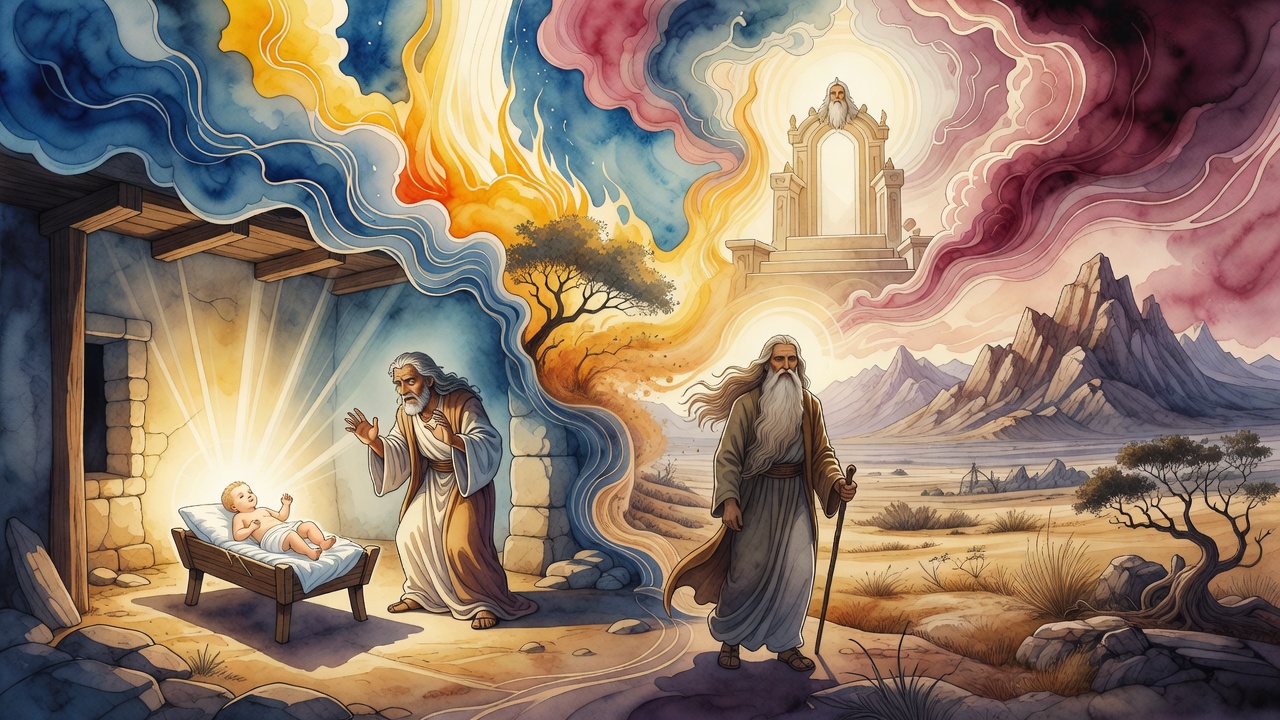
Before any nation arose, before any people drew borders or built cities, the rivers of Eden named them. Genesis places the Gihon winding around the land of Kush, but Kush would not be born until long after the garden was sealed. The rabbis of Bereshit Rabbah saw the difficulty and held it to the light. The Torah, they said, tells the outcome from the outset. God sees time whole, and what God sees, creation already carries. A river can circle a land that has not yet been founded because the river was not running through geography. It was running through prophecy.
The Tigris named Ashur before Ashur breathed. The Euphrates bent toward futures no human eye had seen. The garden's waterways were not description. They were anticipation, tributaries of a story that had not yet begun to be lived. When God planted a garden in Eden and set rivers flowing from it, those rivers already knew what the earth would look like when it was full of people, full of violence, full of the injustice that would make the waters return.
What the Violence Became
Noah is seventy years from the flood when the word arrives. God speaks to him plainly: the end of all flesh has come before Me, because the earth is filled with injustice because of them. God will destroy them with the earth. Not despite it. With it. The earth itself has been implicated.
Bereshit Rabbah turns to Ezekiel for the mechanism. Injustice rises up into a rod of wickedness. The teachers read this with care. The violence the generation of the flood inflicted on others became the instrument of their own destruction. They raised their hands against the weak, against strangers, against one another in the slow accumulation of daily theft and harm that the tradition calls chamas, a word that carries the weight of organized, habitual wrongdoing. And that wrongdoing hardened into something that could be wielded. It became the rod. When God brought the flood, the flood did not fall on innocent people from an arbitrary sky. It fell with the shape of what they had built.
This is not a theology of mere punishment. It is a theology of consequence become structure. The rabbis are not content to say God was angry. They want to understand what made the world into a place that could be drowned. Injustice, they say, did not merely make God act. It filled the earth the way water fills a vessel, until the vessel could not hold any more, and the waters broke free of every boundary at once.
Reish Lakish Loved a Troubled Town
Generations after the flood, a different argument about dwelling runs through Bereshit Rabbah. Reish Lakish was studying Torah in Tiberias when a student pressed him: of all the places to sit and learn, why here, where the air is difficult and the ground is hard? Reish Lakish answered from Genesis. When God spoke to Noah's descendants and said be fruitful and multiply and teem on the earth, the rabbis heard in that command something stranger than simple demographic encouragement. They heard a covenant for all climates. Wherever a person dwells, God plants the favor of that place in the eyes of its residents. No one is forced to love a harsh city. But God arranges it so they can.
Reish Lakish loved Tiberias because loving a place is not sentiment. It is covenant. The same God who measured the flood by the quantity of injustice also arranged for people to find blessing in difficult soil. The flood did not make God indifferent to specific places and their people. If anything, it sharpened the attention. After the waters receded and Noah built an altar and the smell of sacrifice reached heaven, God bound Himself to the ground again. Never to flood it again. To let it bear fruit. To let its residents love it.
The Prophet Stood Between the King and Death
The rabbis of Bereshit Rabbah are drawn to a moment in Genesis where a king might die. Avimelech, king of Gerar, has taken Sarah into his household, not knowing she is Abraham's wife. God appears to him in a dream and speaks with urgency: return this man's wife, for he is a prophet, and he will pray for you and you will live. If you do not return her, you will die.
The rabbis notice the power concentrated in that word, prophet. Abraham does not save Avimelech through force, through negotiation, or through threat. He saves him through prayer that only a prophet can properly direct. A prophet holds something between the living and the dead, not by prophecy alone, but by the accumulated weight of a life turned toward heaven, so that when a prophet prays, the prayer lands differently than other prayers do. Bereshit Rabbah lingers over this. It is not comfortable with simple chains of event. It wants to know where the spiritual gravity is, who holds it, and what it does when it is applied.
But the passage carries a shadow. The same capacity that lets the prophet pray a king back to life can be withheld. There is something in the tradition called a curse from the righteous, and the rabbis treat it as seriously as a blessing. Elisha, they recall, did not cure every leper. Elijah did not preserve every widow. What a prophet can give, a prophet can withhold, and that withholding is not cruelty. It is the weight of a life responsible to what heaven has placed in it.
The Earth That Forgot and the Earth That Remembered
Bereshit Rabbah reads the flood not as God's despair but as the world returning to a state it had already chosen. The generation of Noah did not trip into violence. They organized it. They turned it into habit, then institution, then atmosphere. By the time the rain began, injustice was not a transgression anyone noticed committing. It was simply the texture of ordinary life, the way transactions were conducted, the way the weak were treated, the way neighbors looked away.
The rivers of Eden had named all of this. Not because the flood was inevitable, but because God's creation was built to respond to what was done on it. A world that bears prophets who can pray kings back from death is also a world where injustice accumulates into something heavy enough to bring every mountain under water. Creation is morally alive in Bereshit Rabbah. It feels what people do. It carries memory. The flood came because the earth had been filled with a weight it could no longer bear, and when the waters rose, they were only returning what the generation of the flood had already put into the world.
← All myths