215 myths · Page 1 of 8
Each story names the sources it was written from.
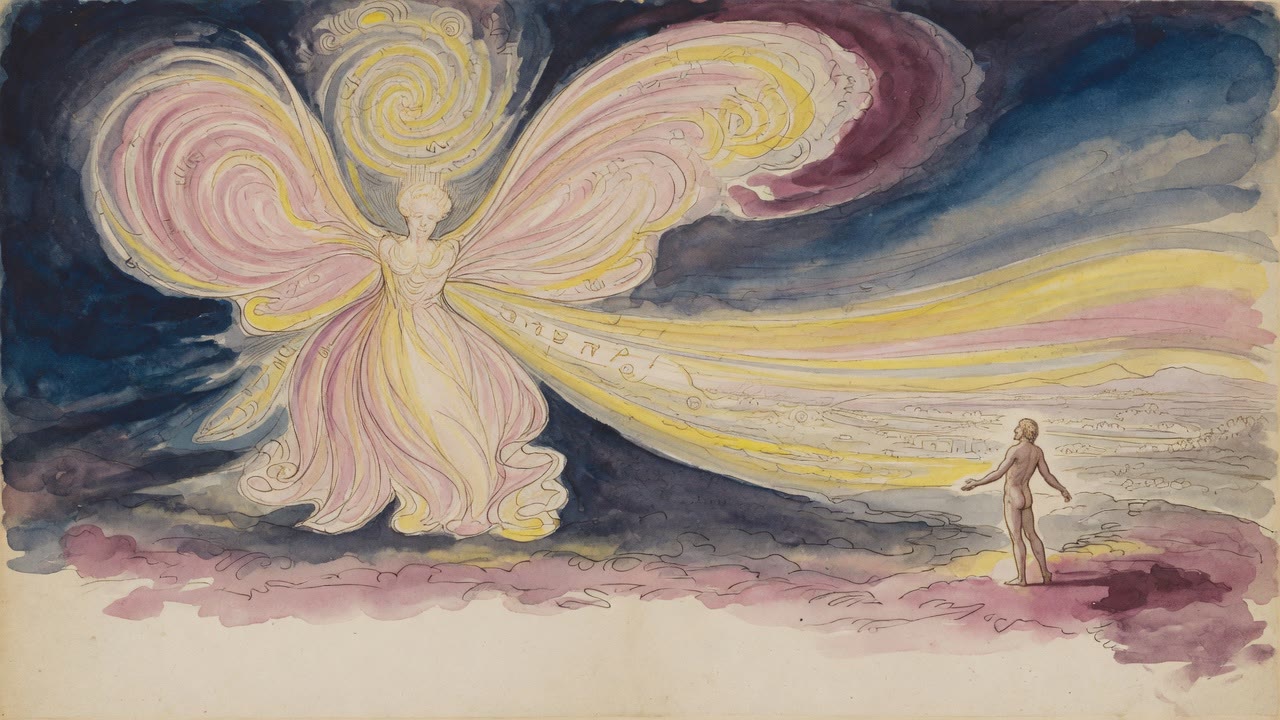
The Hebrew alphabet was etched across the garment, black fire on white fire. Adam saw from one end of the world to the other by it, until it was hidden away.
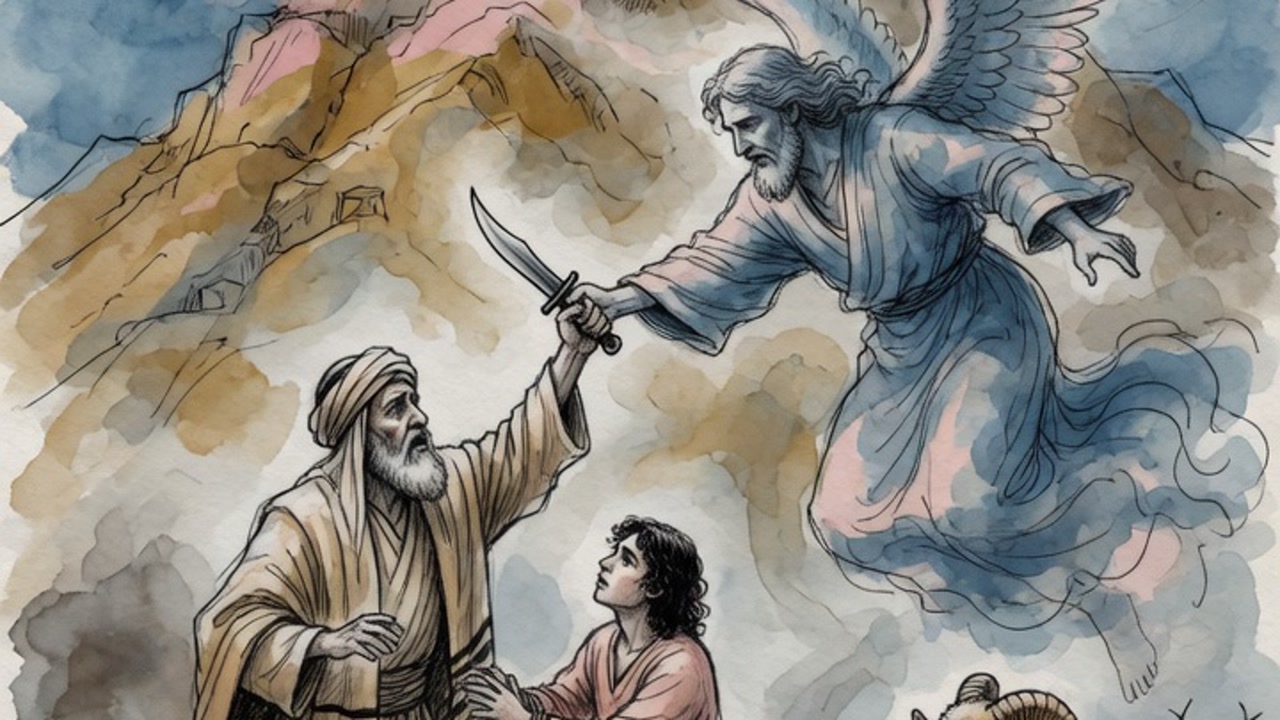
Isaac was thirty-seven and stronger than his father. He stacked the stones himself and asked for the rope, because he did not trust his own body.
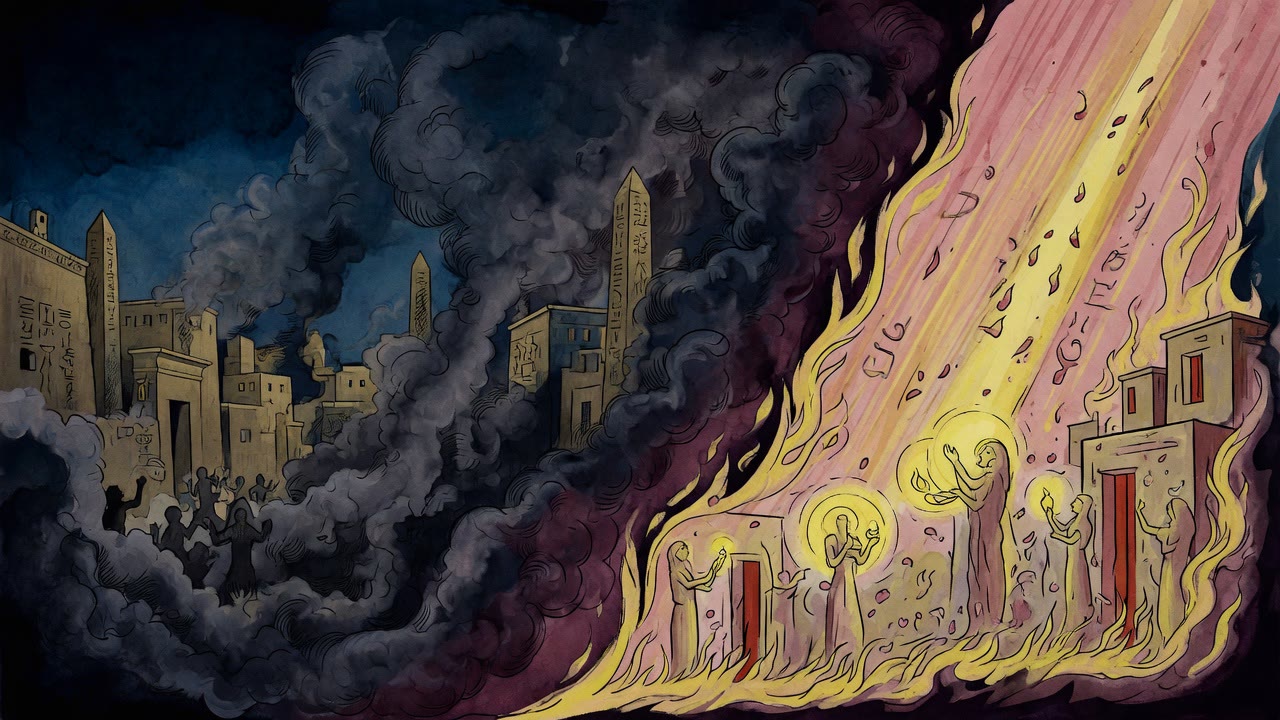
A darkness fell on Egypt so thick a man could touch it, pinning bodies where it found them while Israel walked free with light.
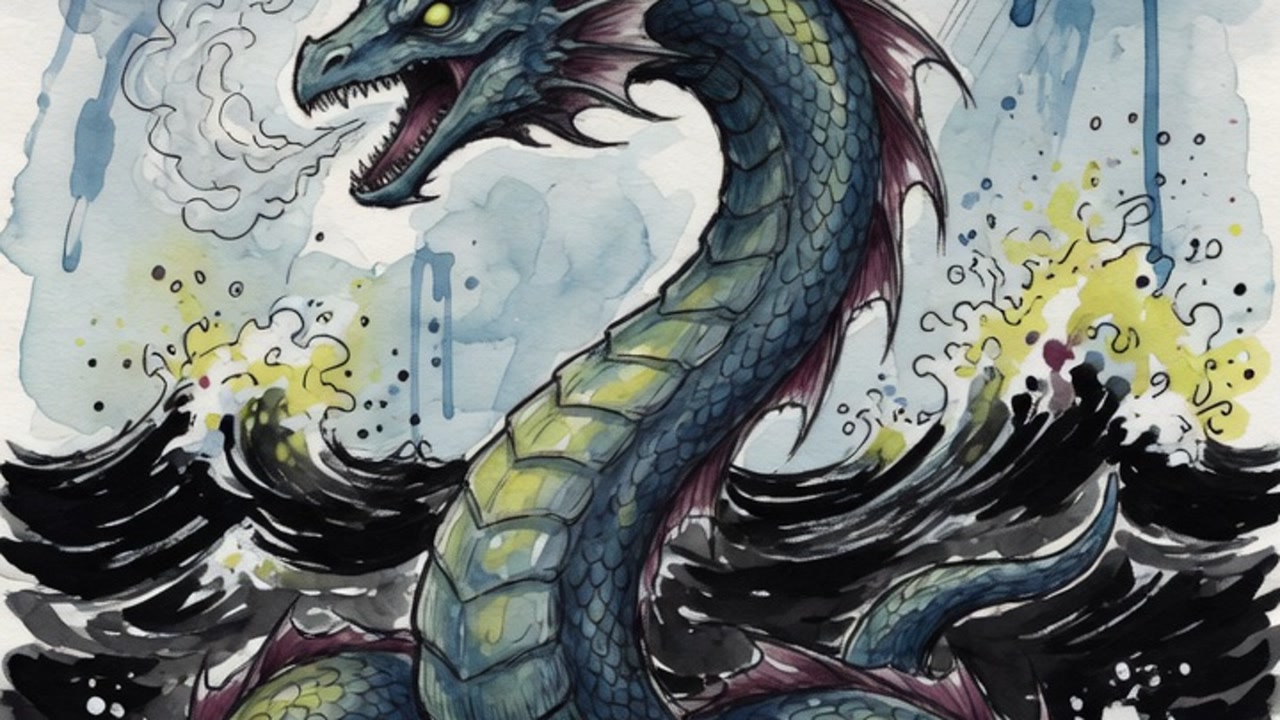
There were two of them on the fifth day, male and female, circling slow as drifting continents. God looked ahead at their young and saw mountains with teeth.
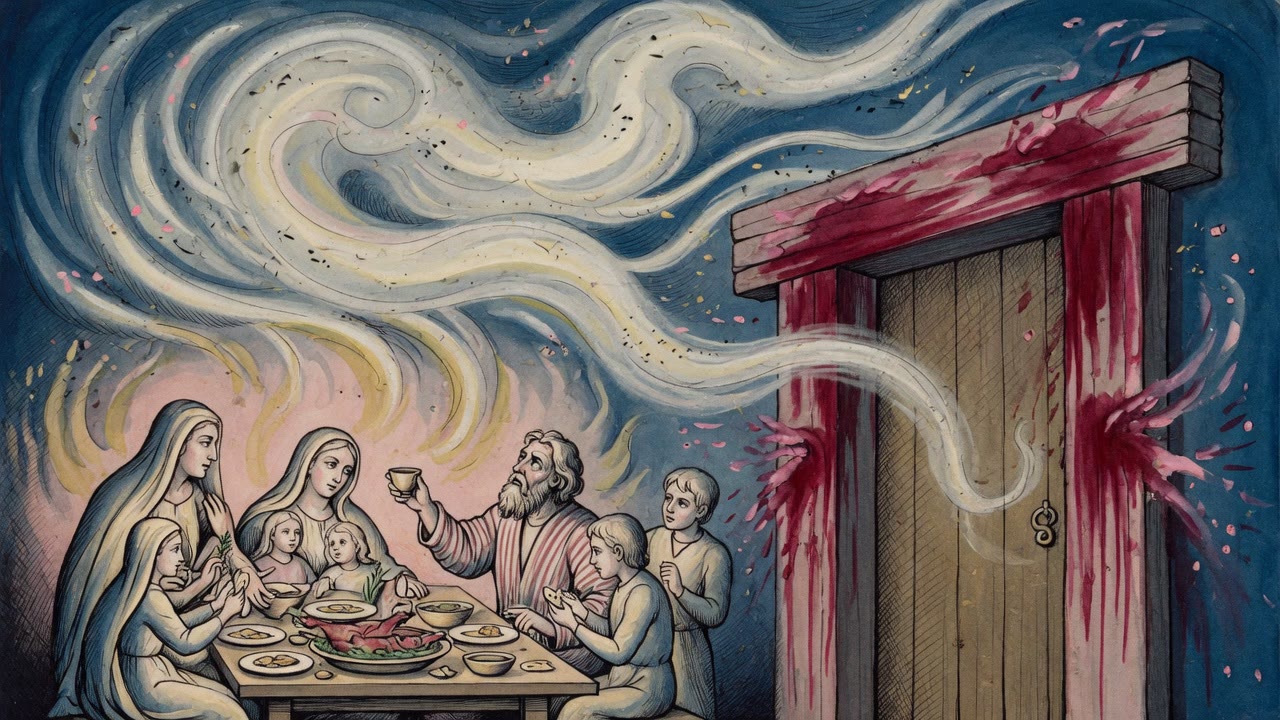
The lamb was gone and the staffs were in hand. Still the doors stayed shut, because Moses would not let Israel leave Egypt like thieves.
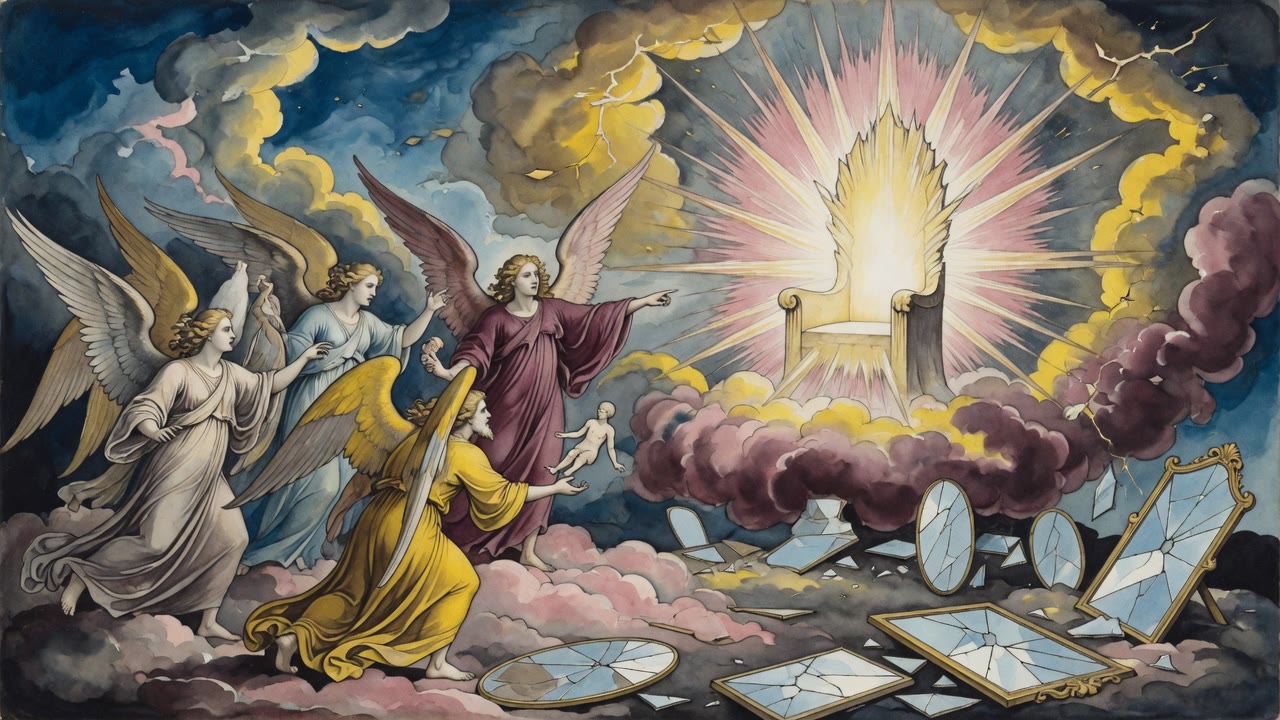
The angels voted. Love said yes, Truth and Peace said no. God overruled them, threw Truth to the ground, and created humanity anyway.
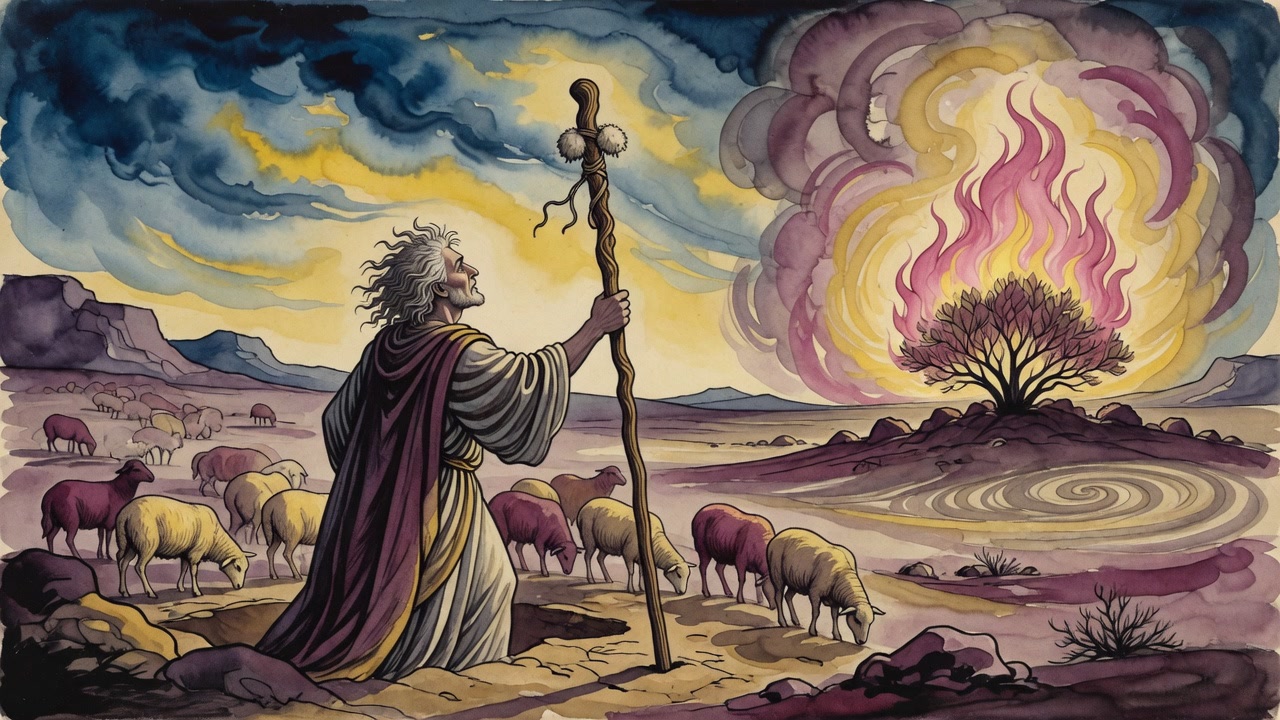
A sacred staff, seven years in a pit, and forty years with sheep turned Moses from fugitive prince into the shepherd who could face the bush.
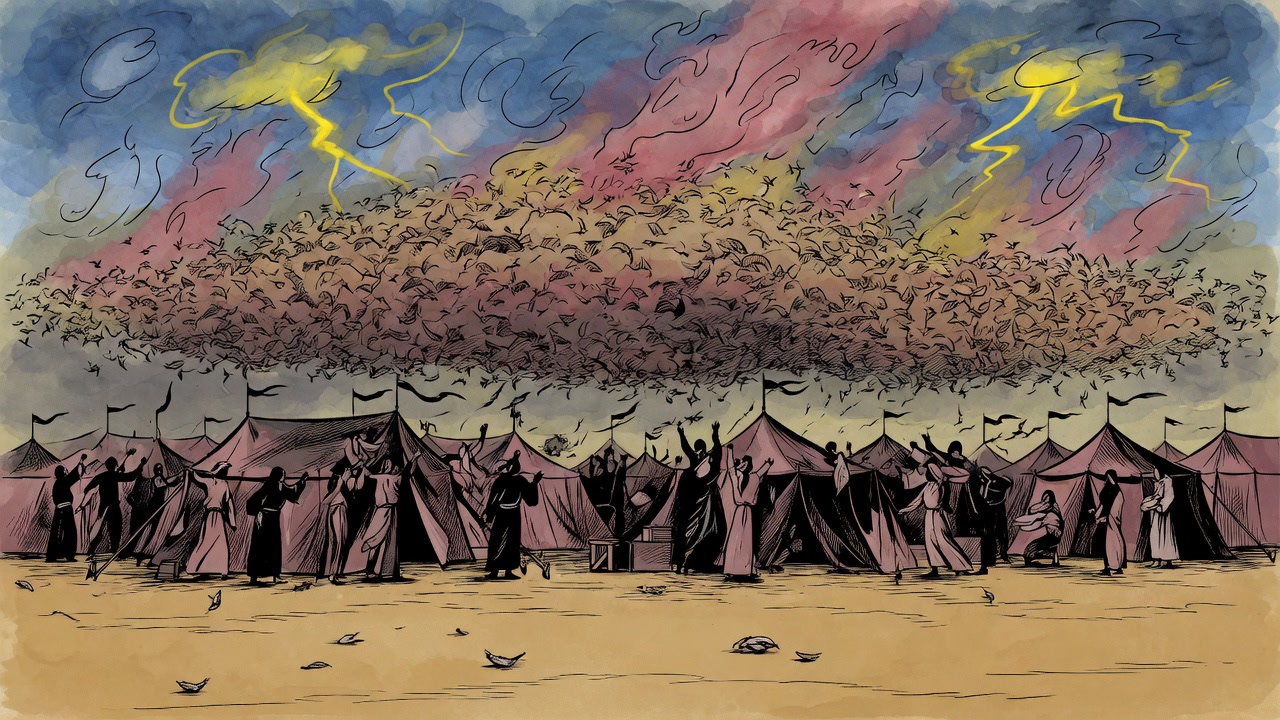
The camp was not starving. Manna still covered the ground. They wanted meat anyway, and the birds came in so low a tired man could grab them.
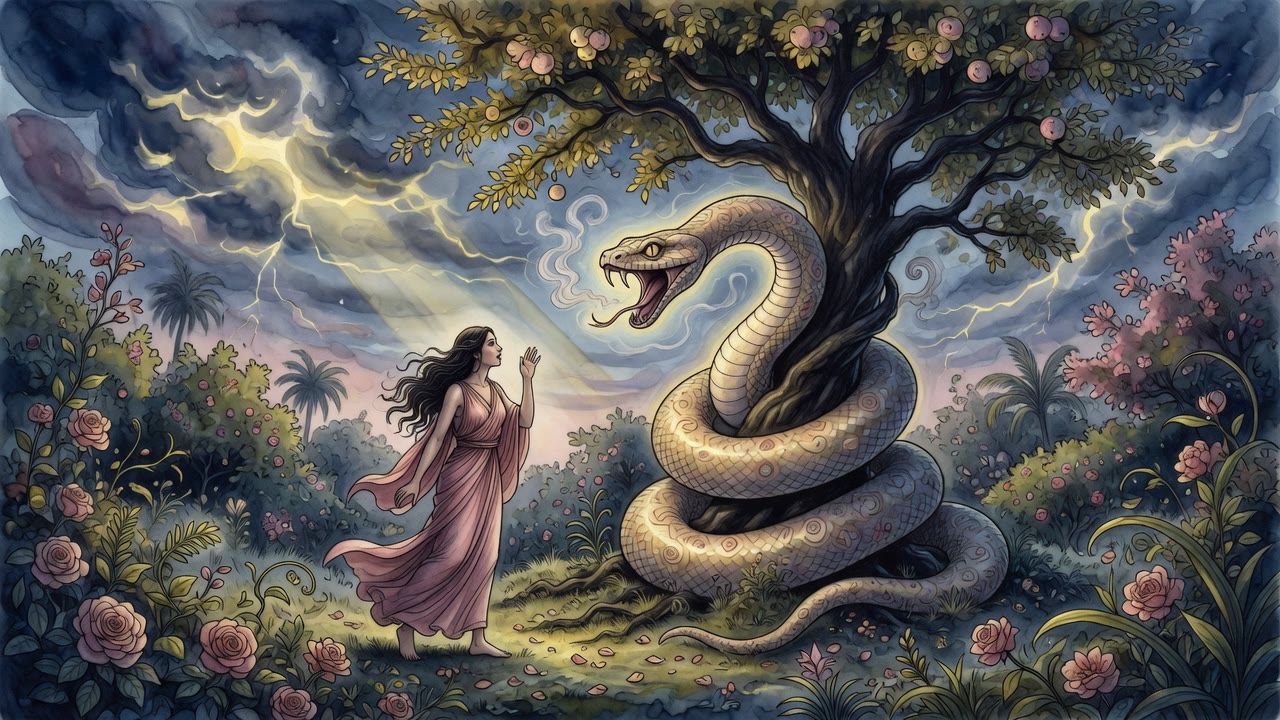
Fiery serpents tore through the camp, so Moses raised a bronze serpent on a pole and told the bitten to lift their eyes and live.
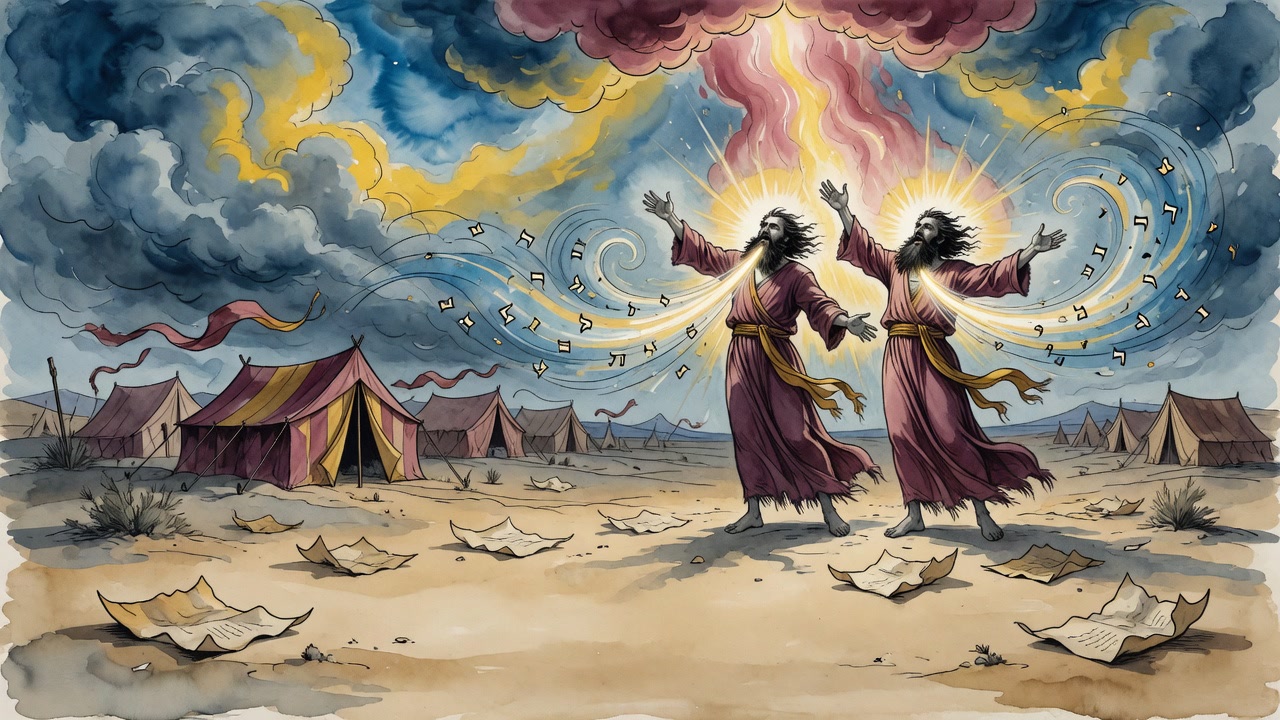
Seventy slips said elder, two were blank, and the lottery never reached Eldad and Medad. So the spirit found the two men where they stood.
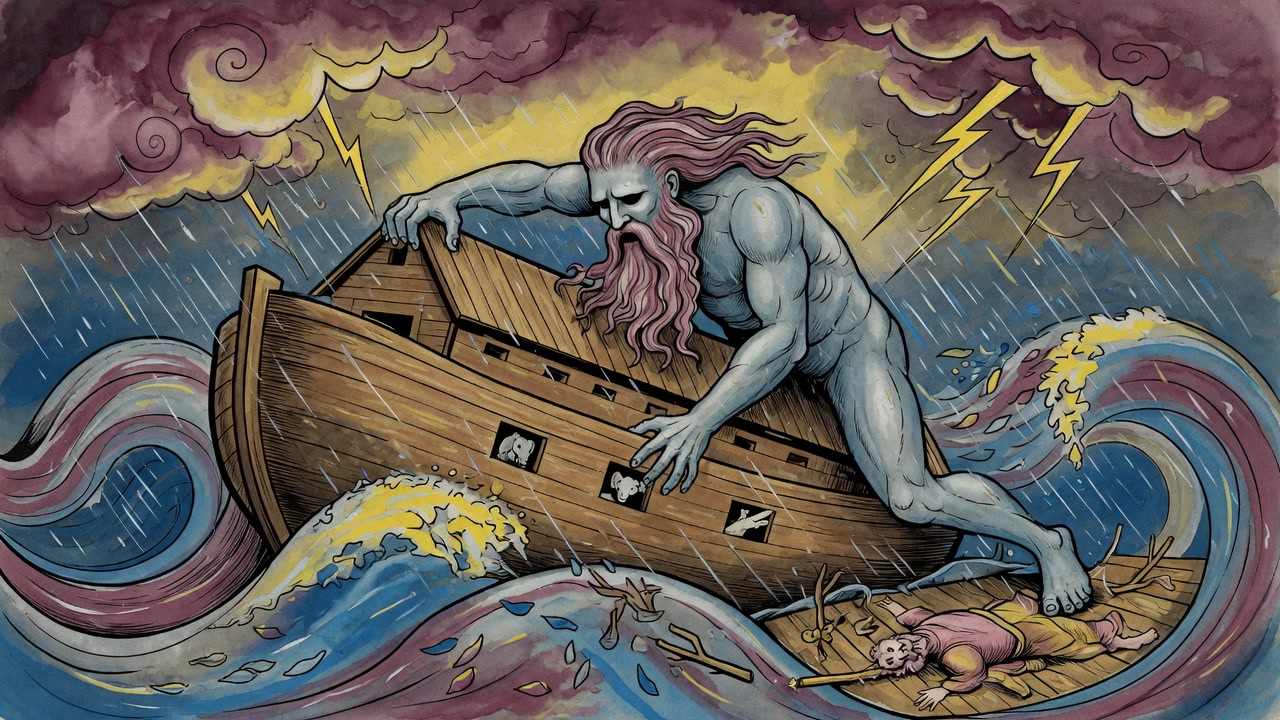
Seven hundred thousand people beat on the ark's door and drowned in the rain. One giant was already on the roof, fed through a hole in the pitch.
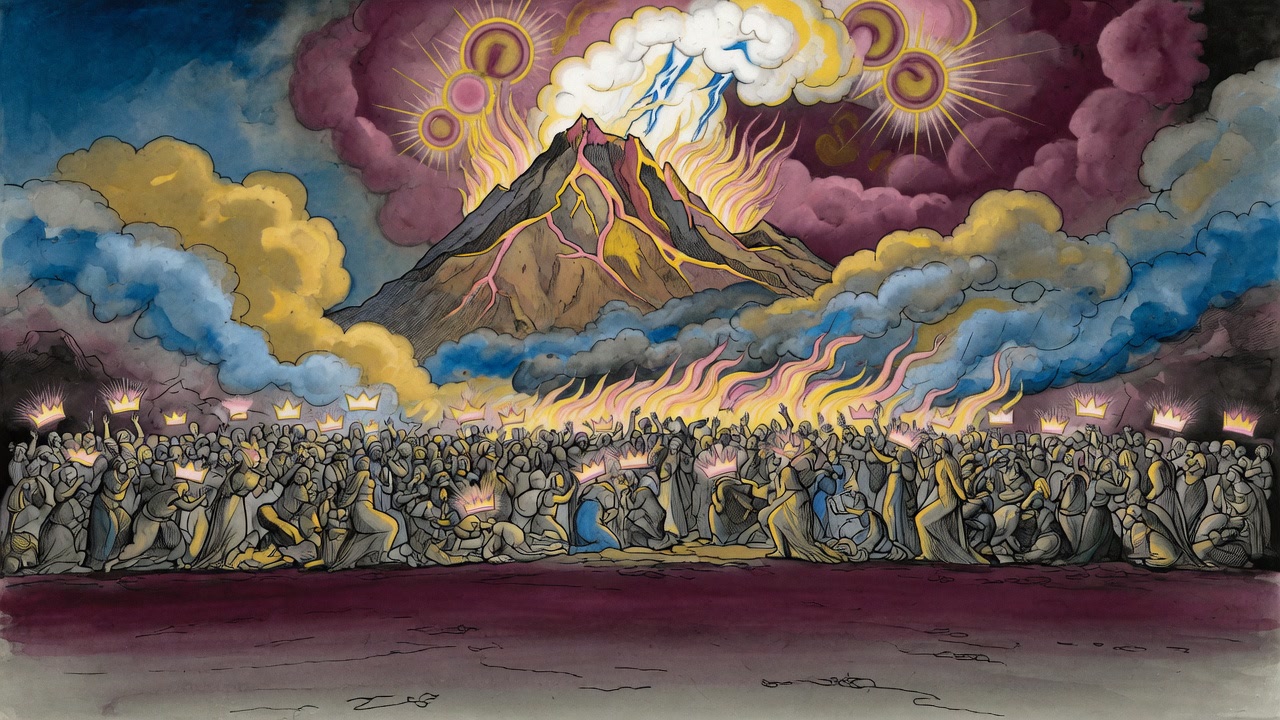
At Sinai, Israel said na'aseh v'nishma, doing before hearing, and heaven answered with crowns, terror, and a mountain overhead.
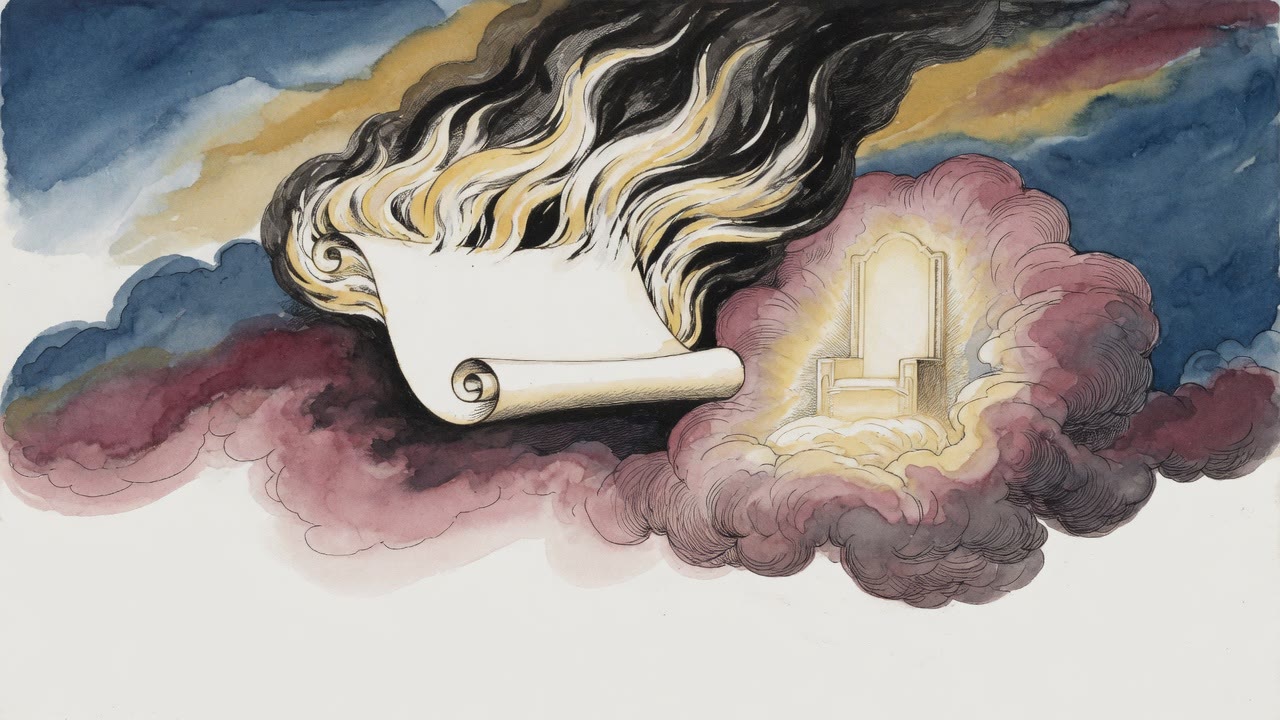
Before sky, sea, or soil, the Torah burned in black fire on white fire as God held the blueprint that would become the world.
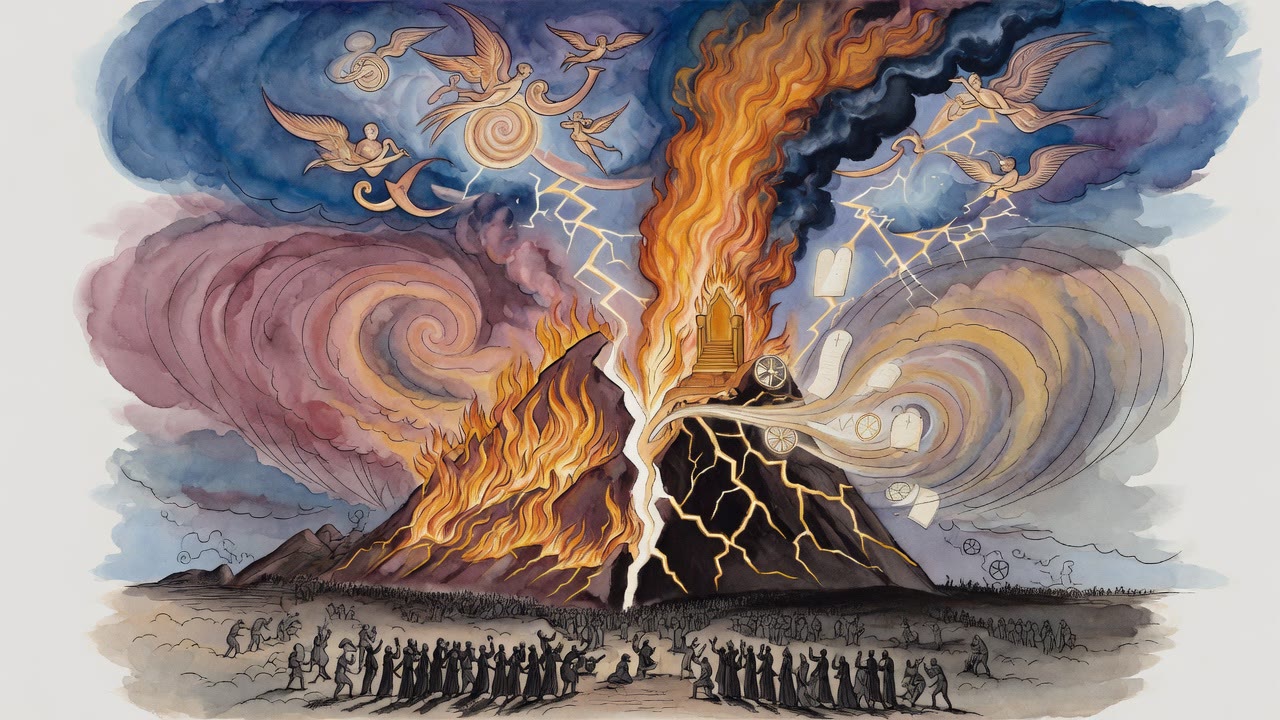
The first word emptied them. Angels pushed the bodies twelve mil back to the mountain. Dew had to fall before they could hear the second.
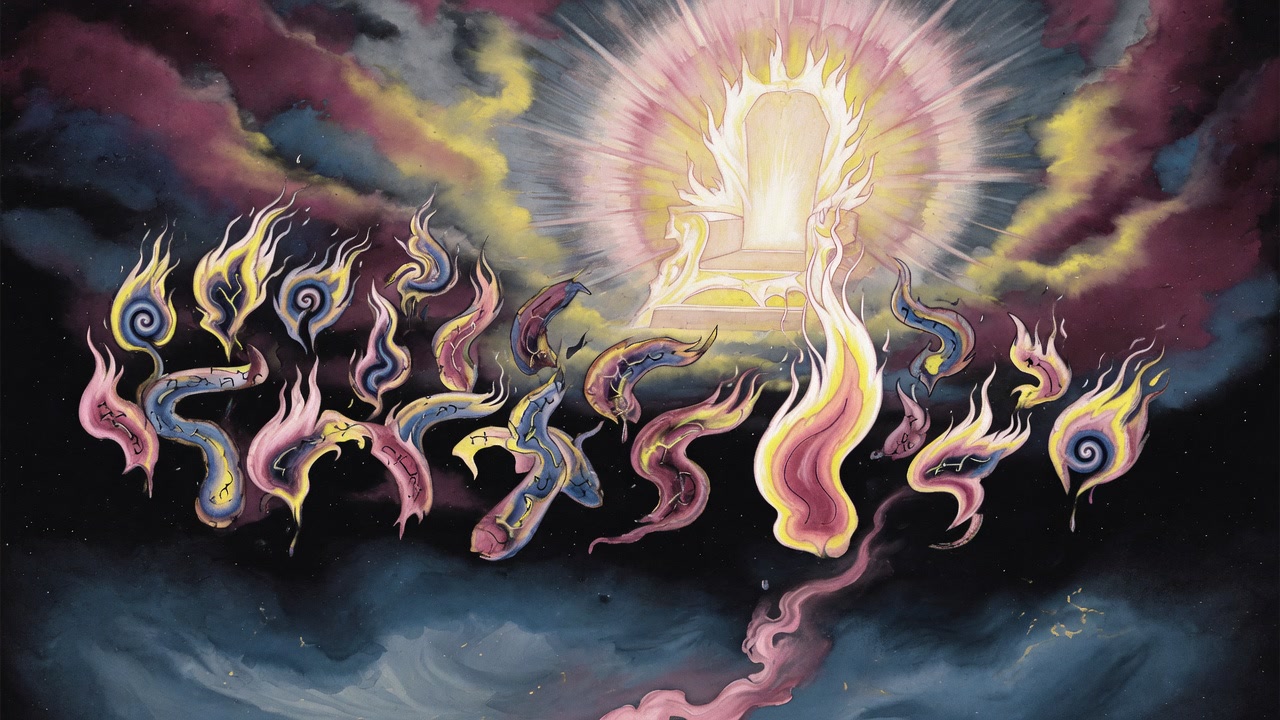
Tav claimed the first morning of the world. God sent it back. Death already sat in that letter, waiting to be pressed into a forehead.
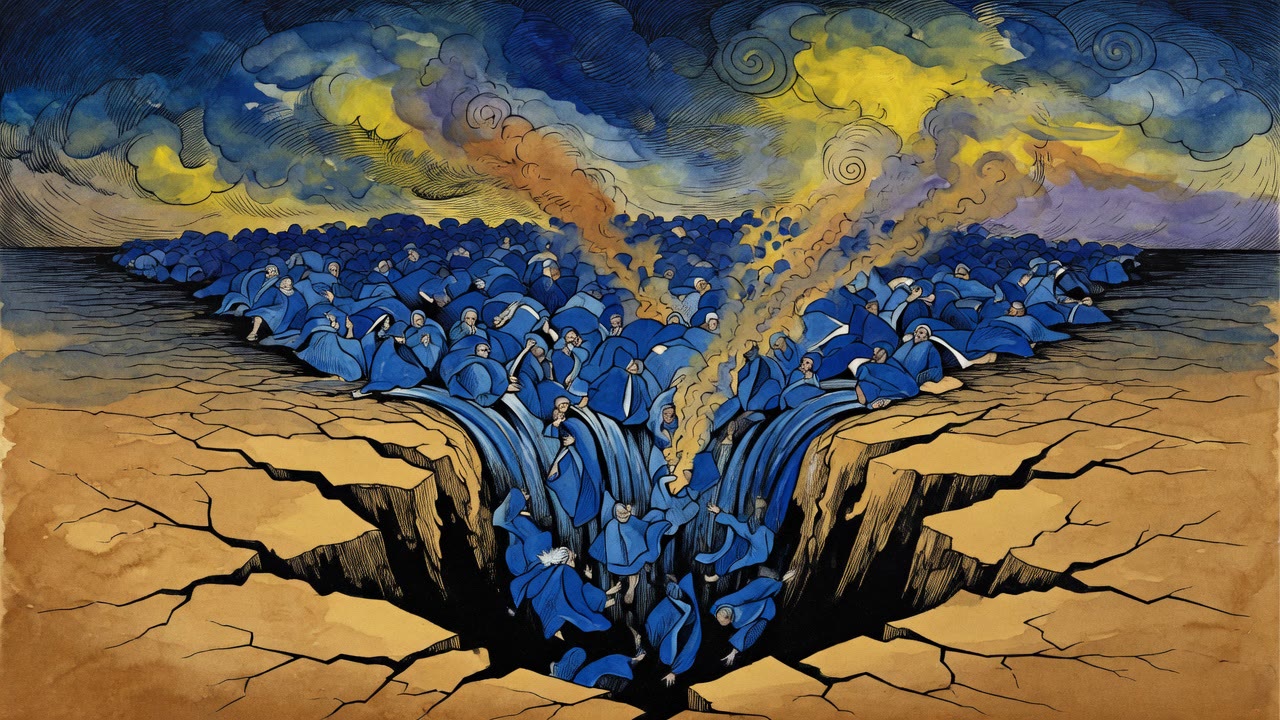
The looms ran for days and the wool came off the color of the sky just before dark. Korah ran the cloth through his fingers. He knew what one thread was worth.
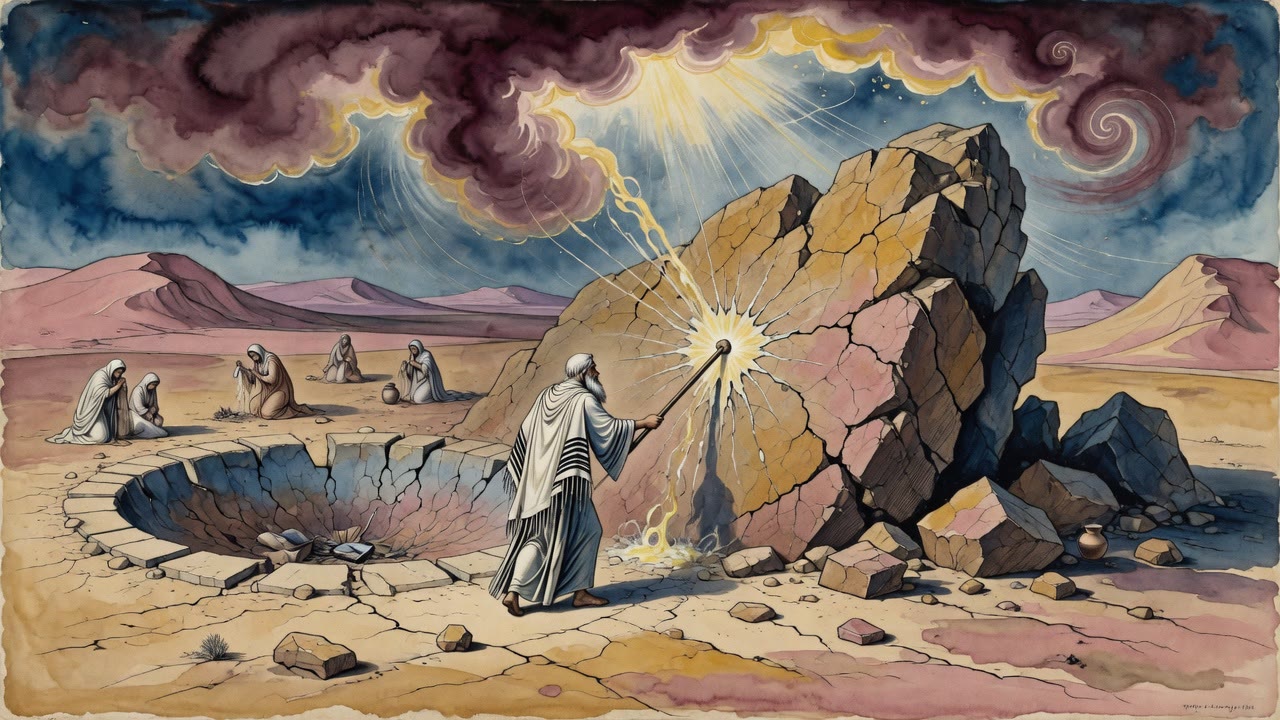
The animals went to drink and found stone. Moses was away from the camp, mourning his sister. He wept six hours before the thirsty crowd came for him.
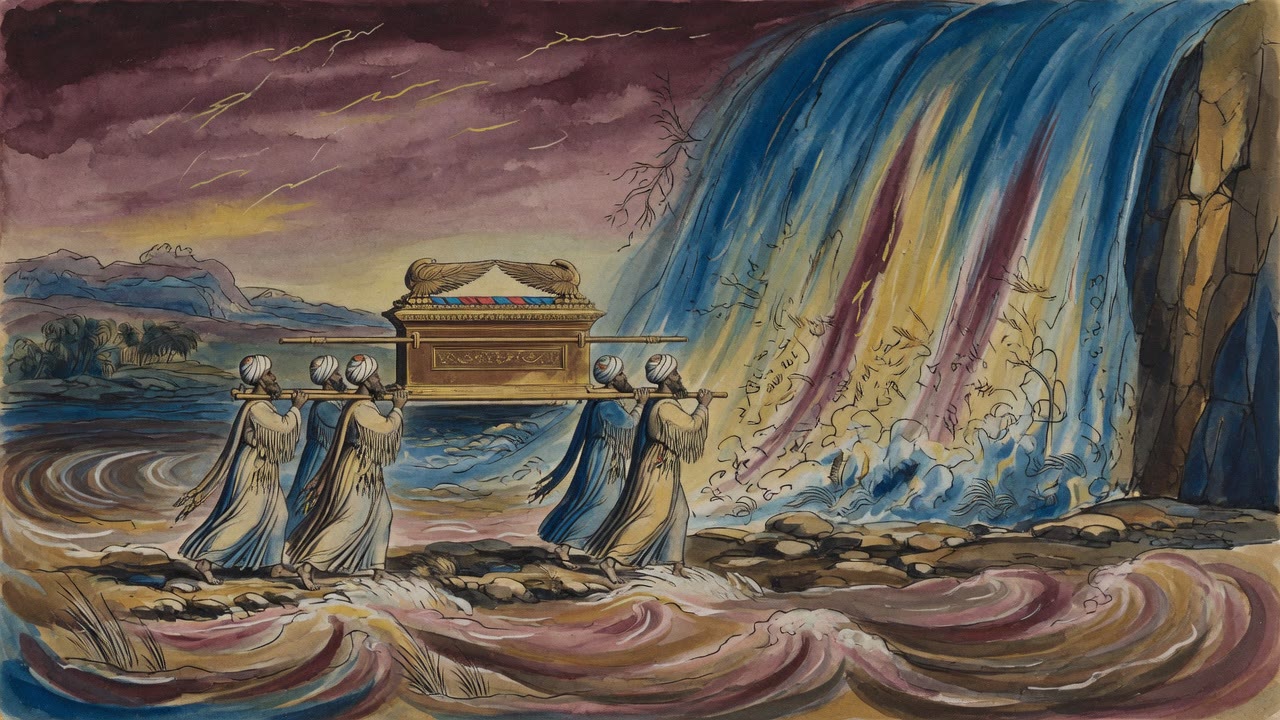
The priests carry the Ark to the flooded Jordan and stop at the edge. The river will not part until their feet touch the water first.
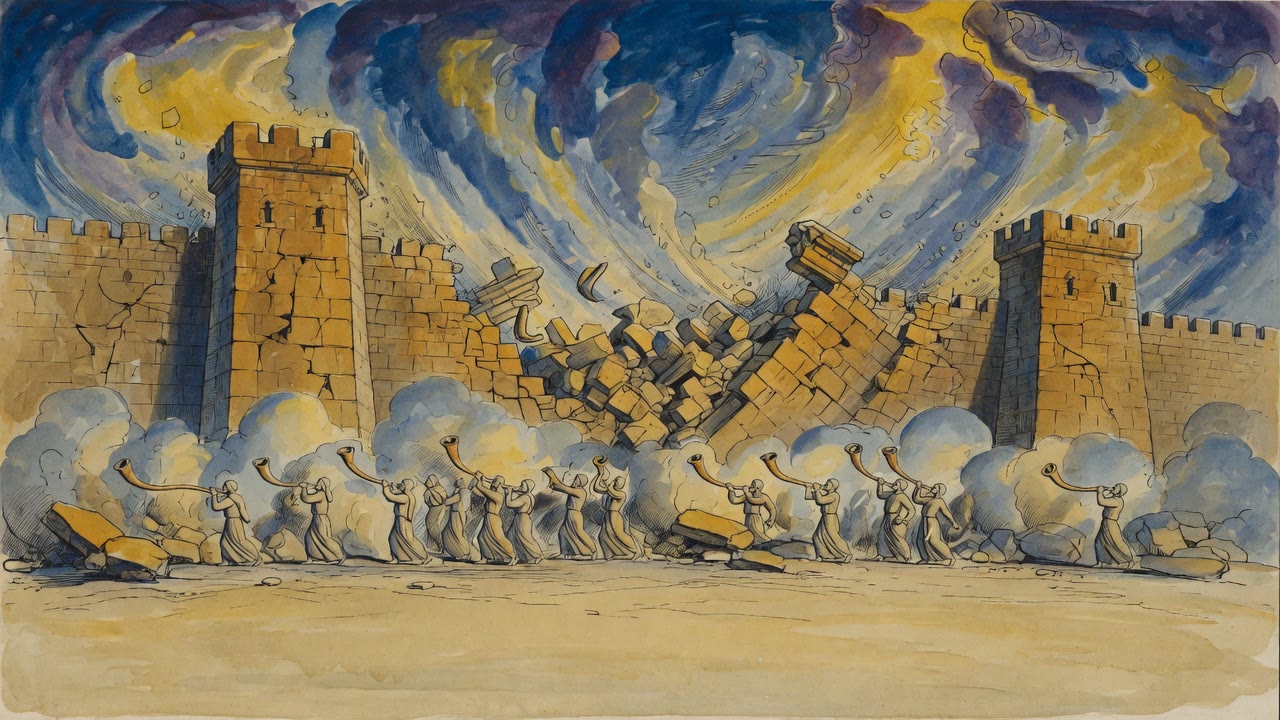
Seven nations shut themselves inside Jericho because whoever held it held the country. Israel walked around it for six days and said nothing.
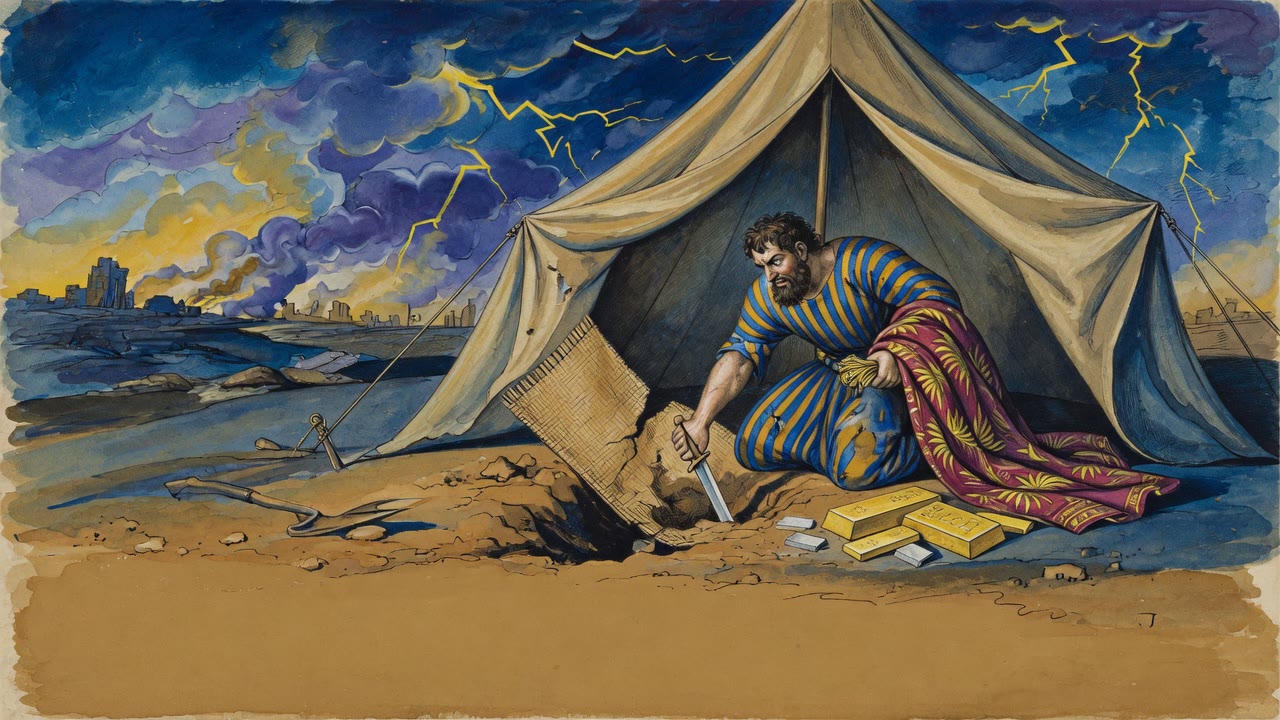
Jericho fell without a siege, so its spoils were sacred. One man decided otherwise, buried them in his tent floor, and thirty-six men died at Ai.
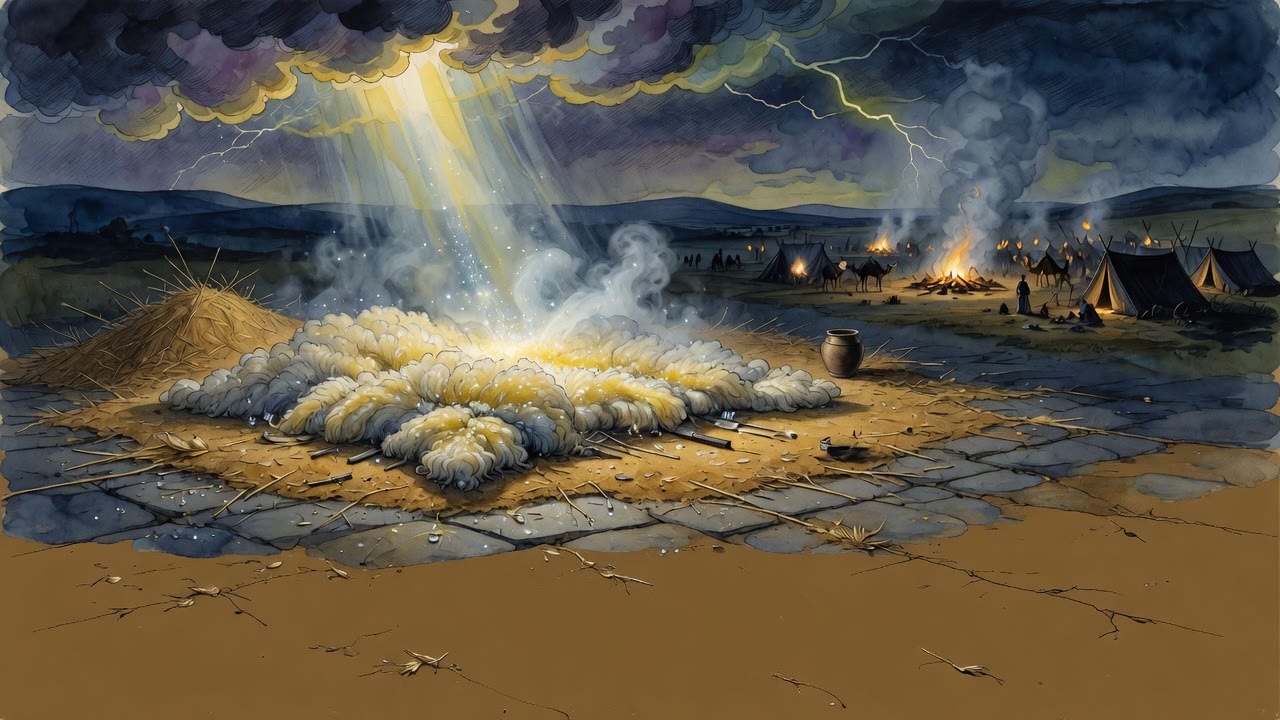
He was threshing wheat in a winepress so Midian would not smell the food. That is where the angel found him and called him a mighty warrior.
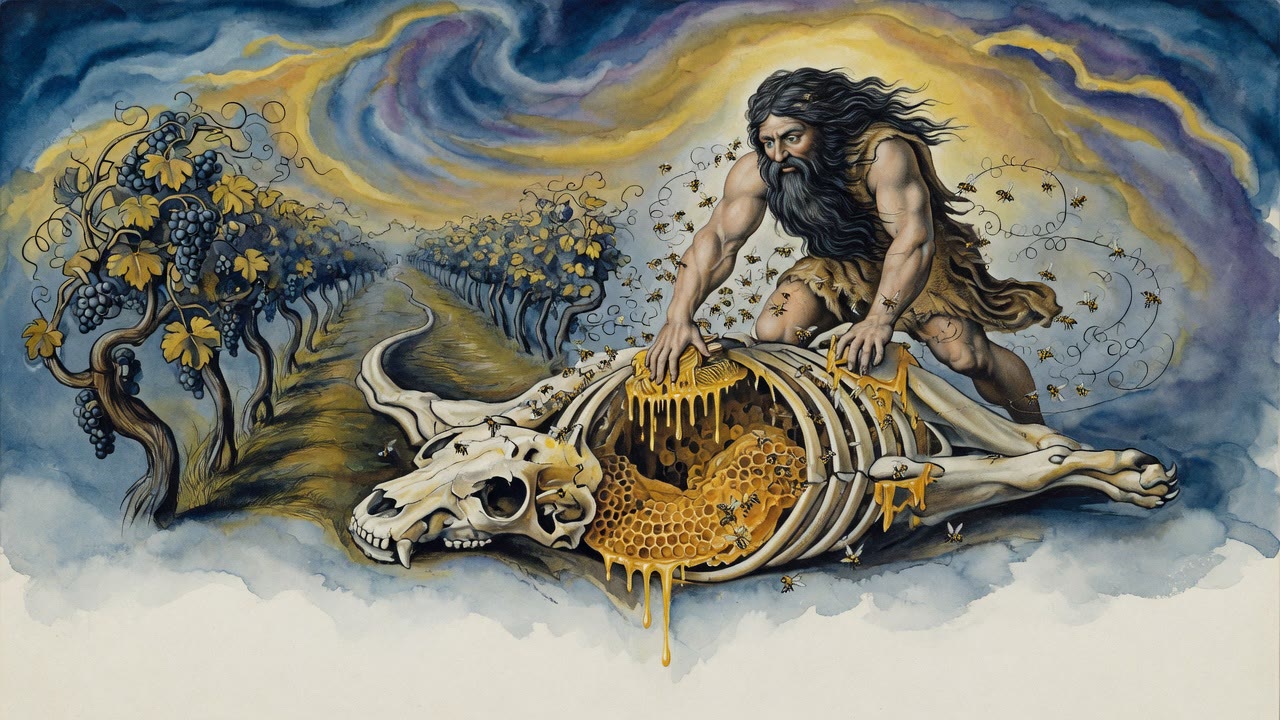
Samson tore the lion apart and told no one. Months later he scooped honey from the ribs and let his parents eat it in ignorance.
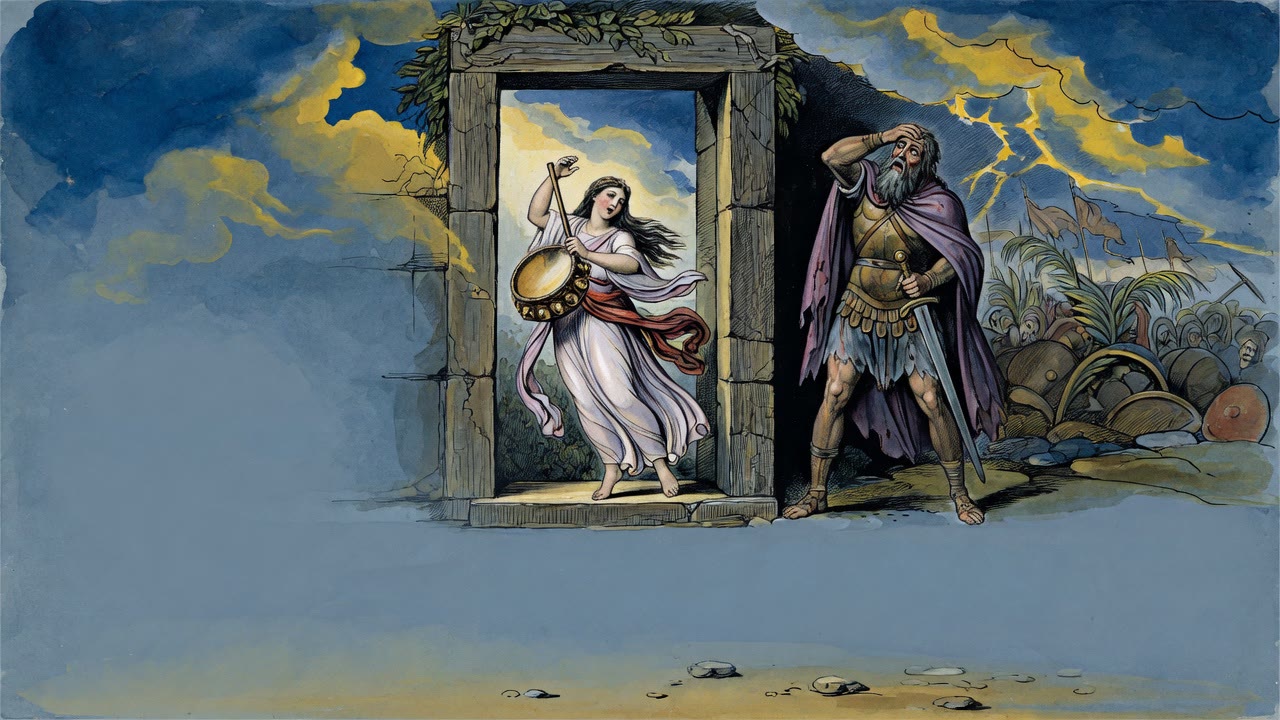
Sheilah put her case to every sage in Israel and not one could answer her. God said afterward that he had shut their mouths himself.
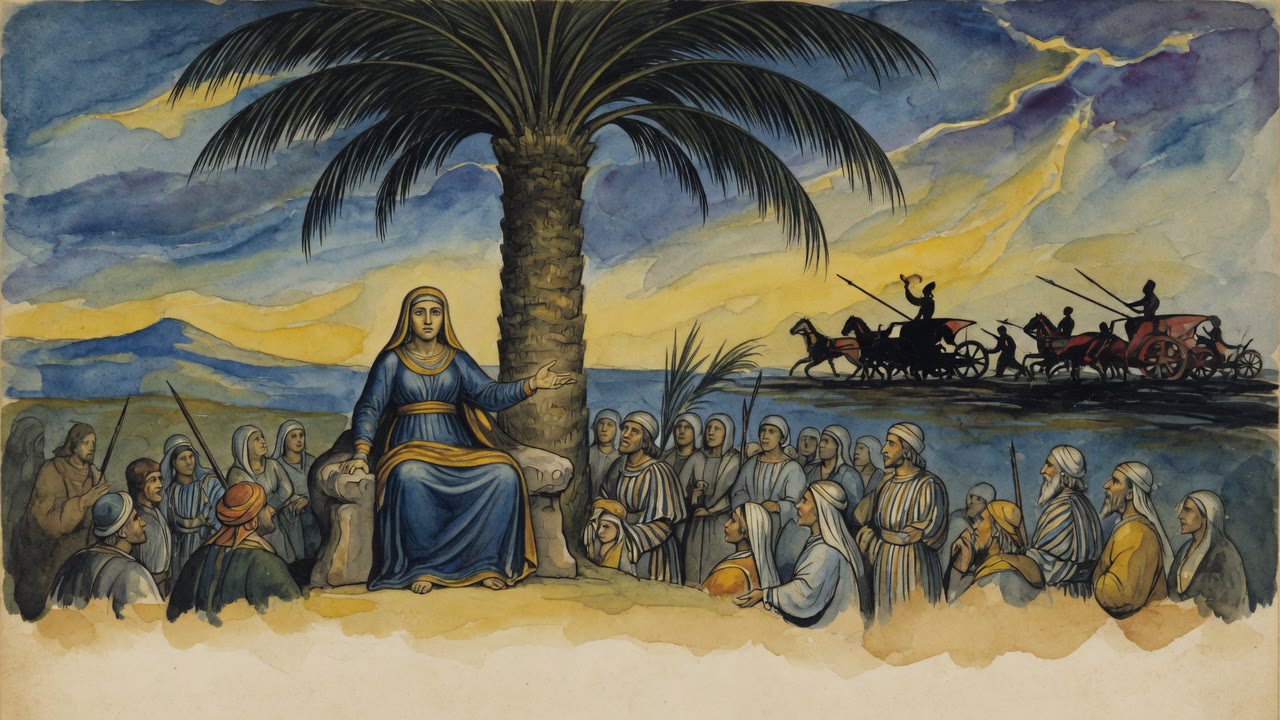
Barak would not face nine hundred iron chariots unless Deborah came with him. She came, and a hailstorm sank the chariots in the Kishon mud.
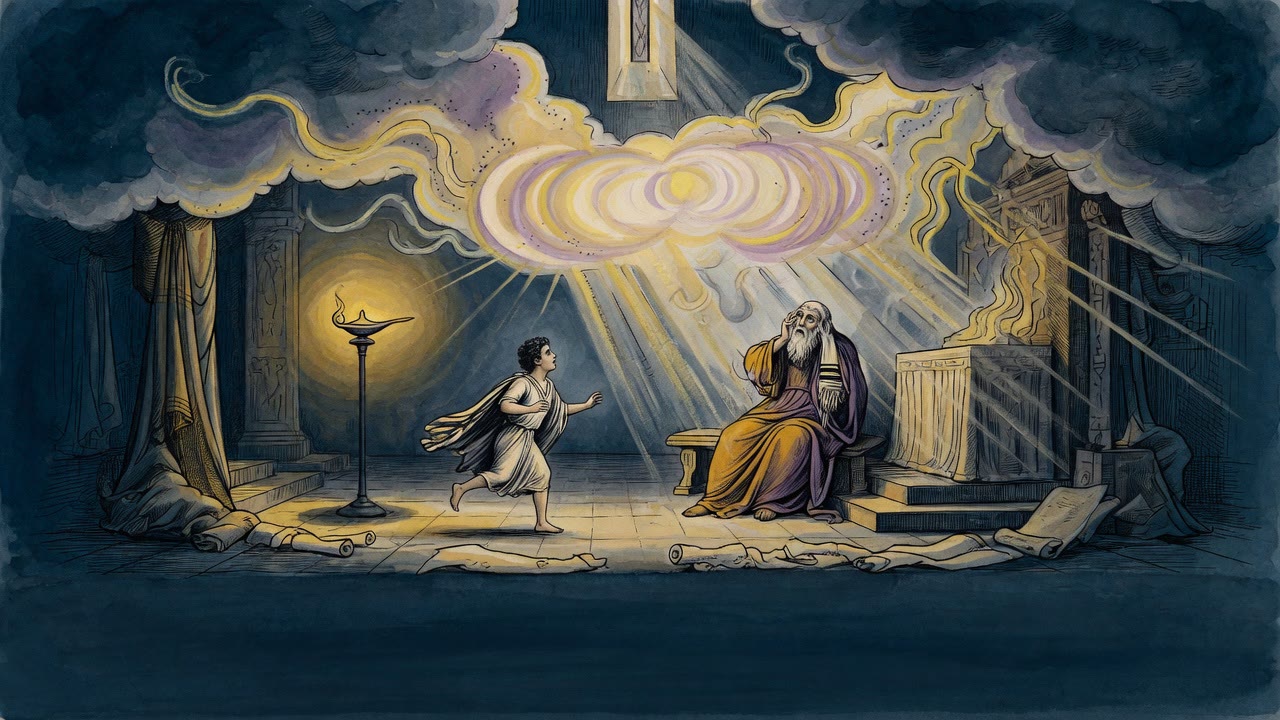
Samuel heard his name in the sanctuary night and ran to Eli three times before the old priest taught him how to answer God.
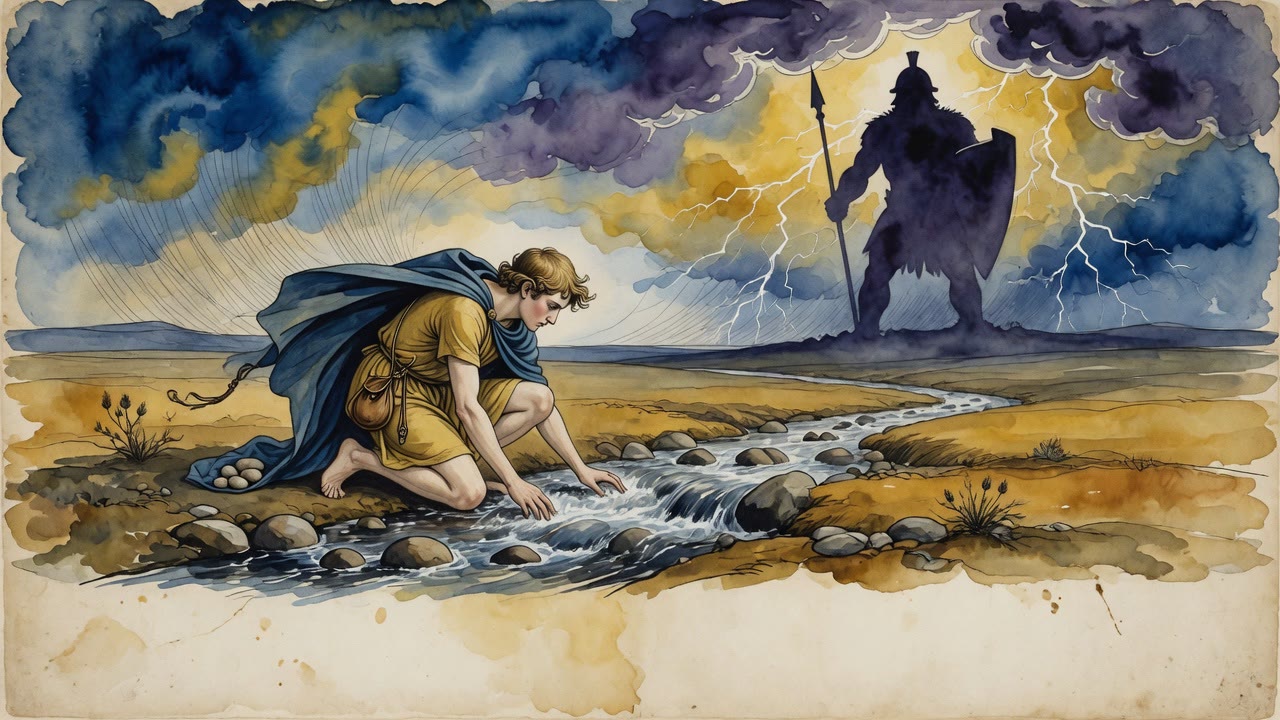
David chose five stones at the brook, but the midrash makes the whole created world hurry into his hand before Goliath fell.
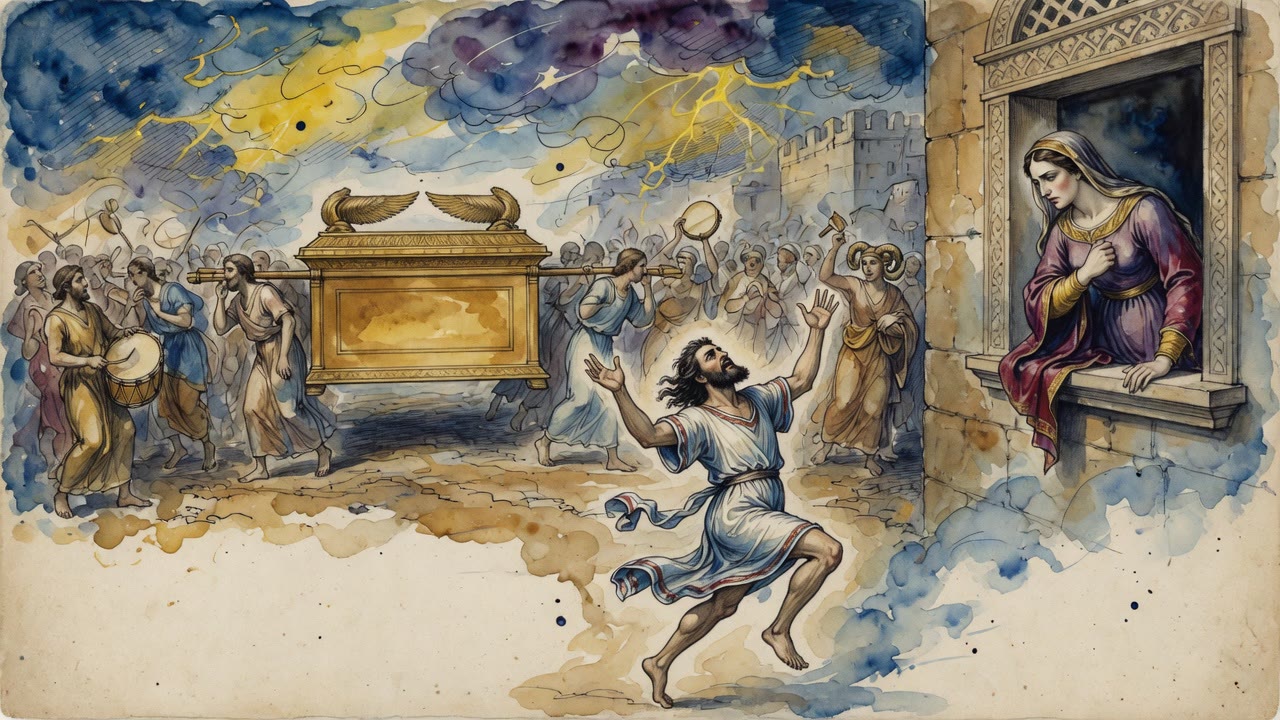
No one ever saw a handsbreadth of palm or heel uncovered on a king of Saul's line, Michal told him. David answered with the word she had chosen.
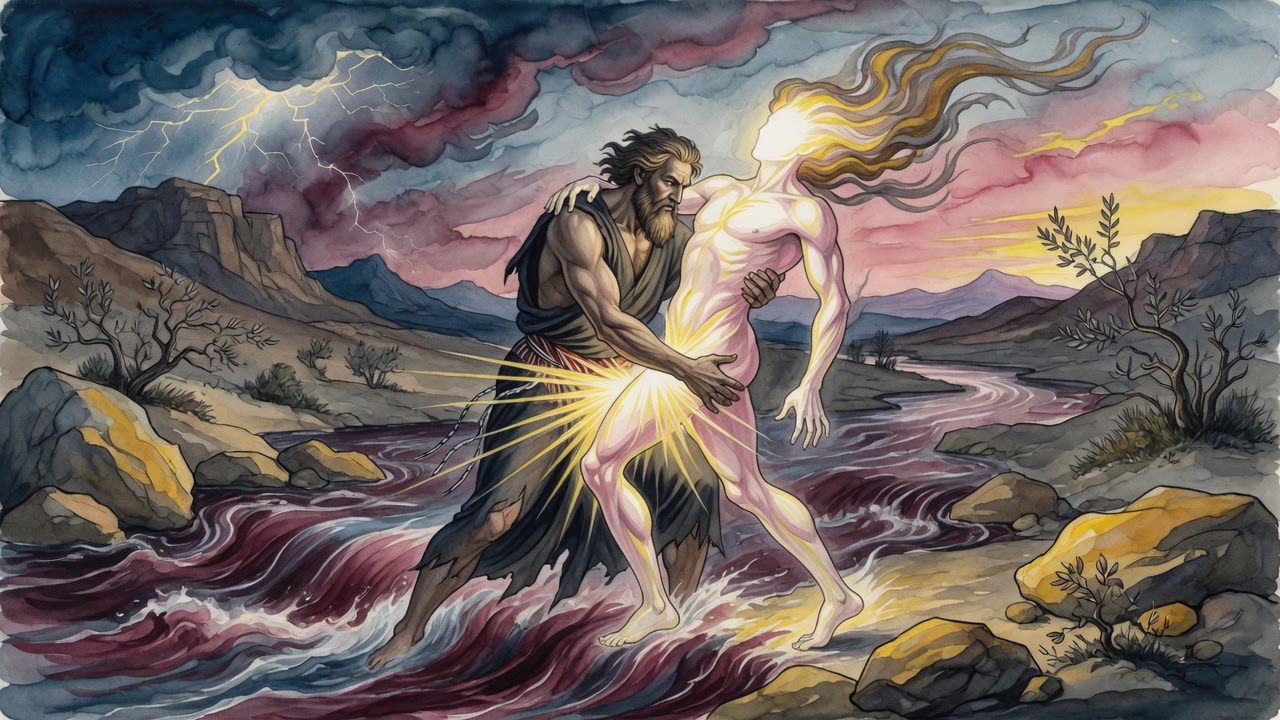
The angel had to be back in heaven before sunrise or the morning song could not start. Jacob had him by the throat and a question about Esau.
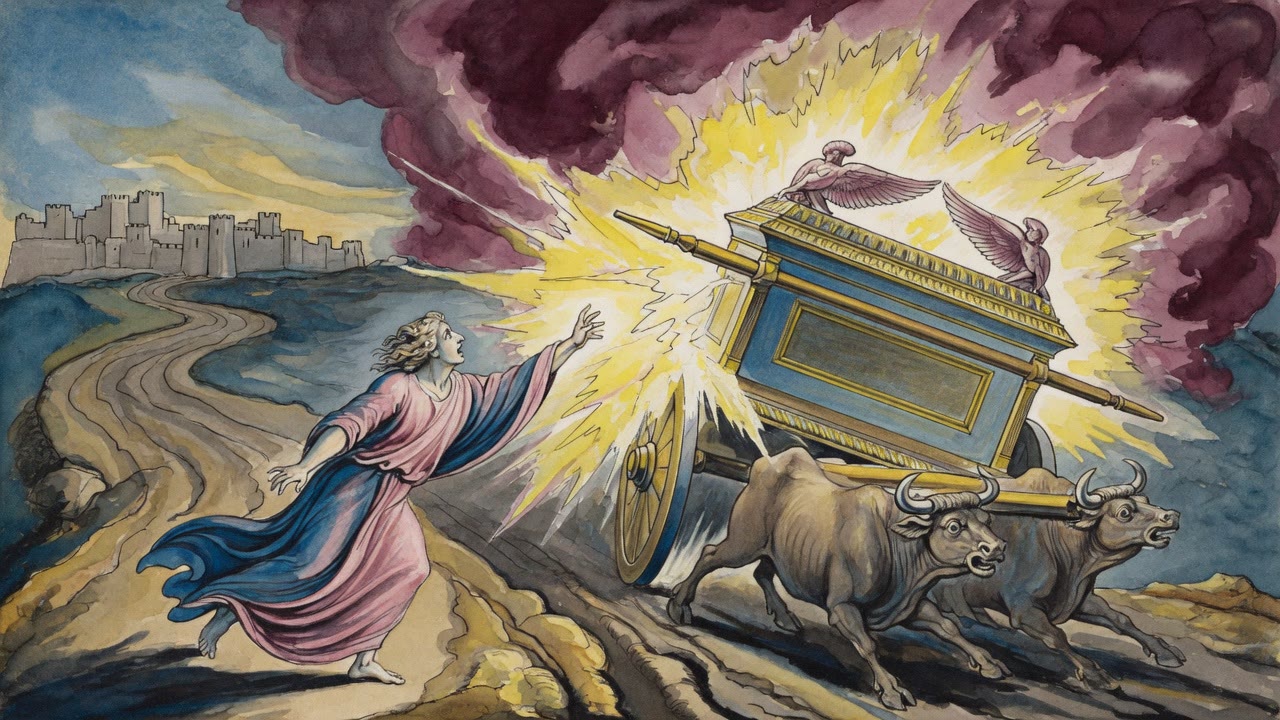
The oxen dropped. Uzzah's hand met the chest. David stopped the music, and the road took a new name from the man who tried to save it.
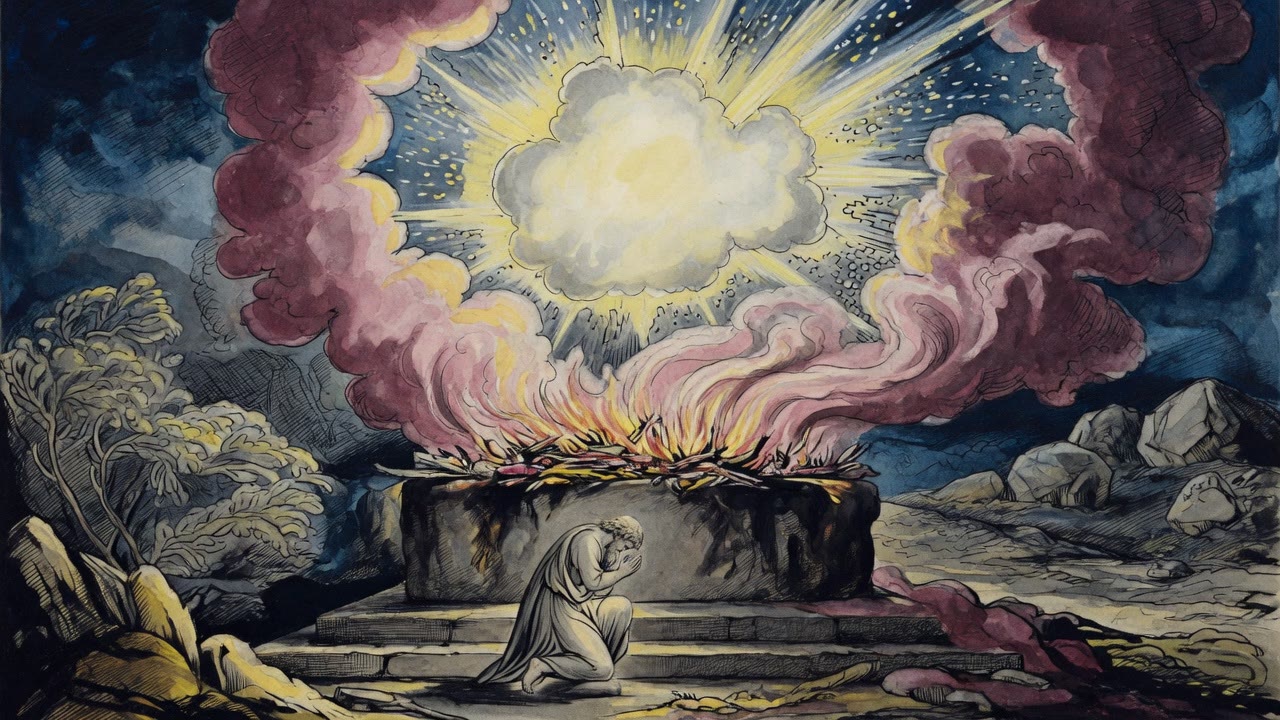
At Gibeon, God told the young king to ask for anything. Solomon could have named riches or long life. He asked for an understanding heart instead.
