God Asked the Angels Before Making Human Beings and Moses Objected
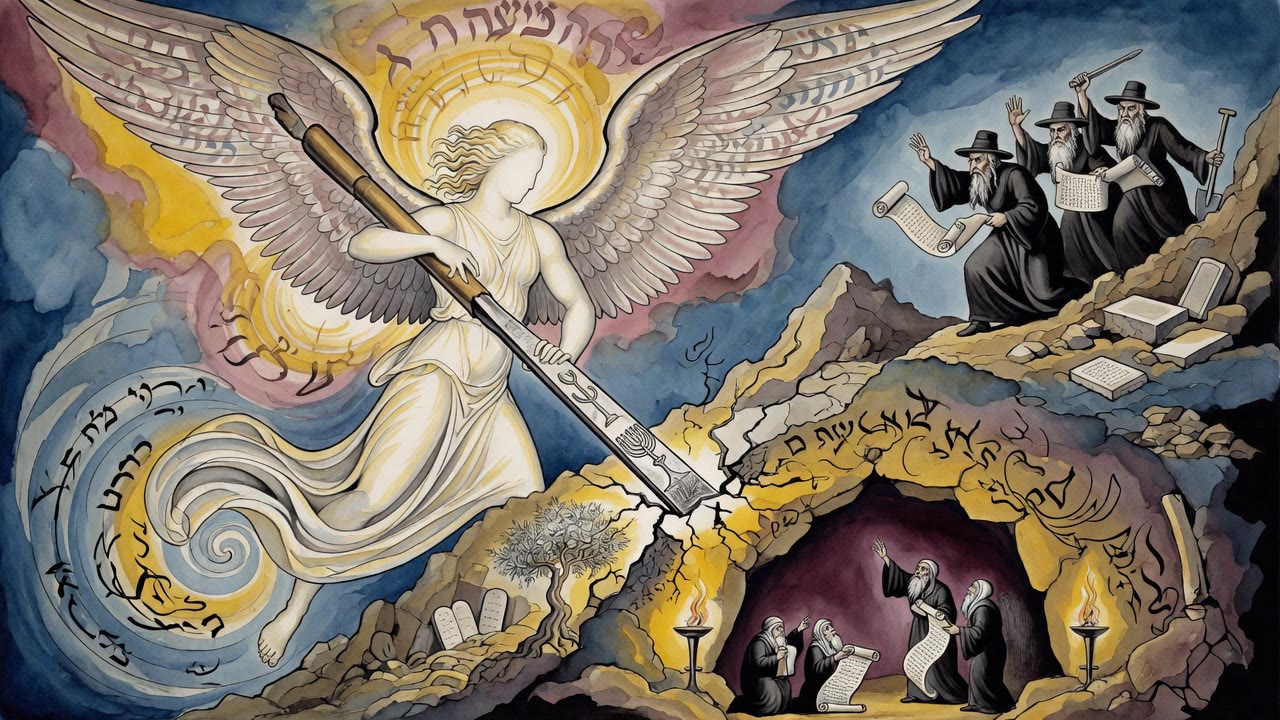
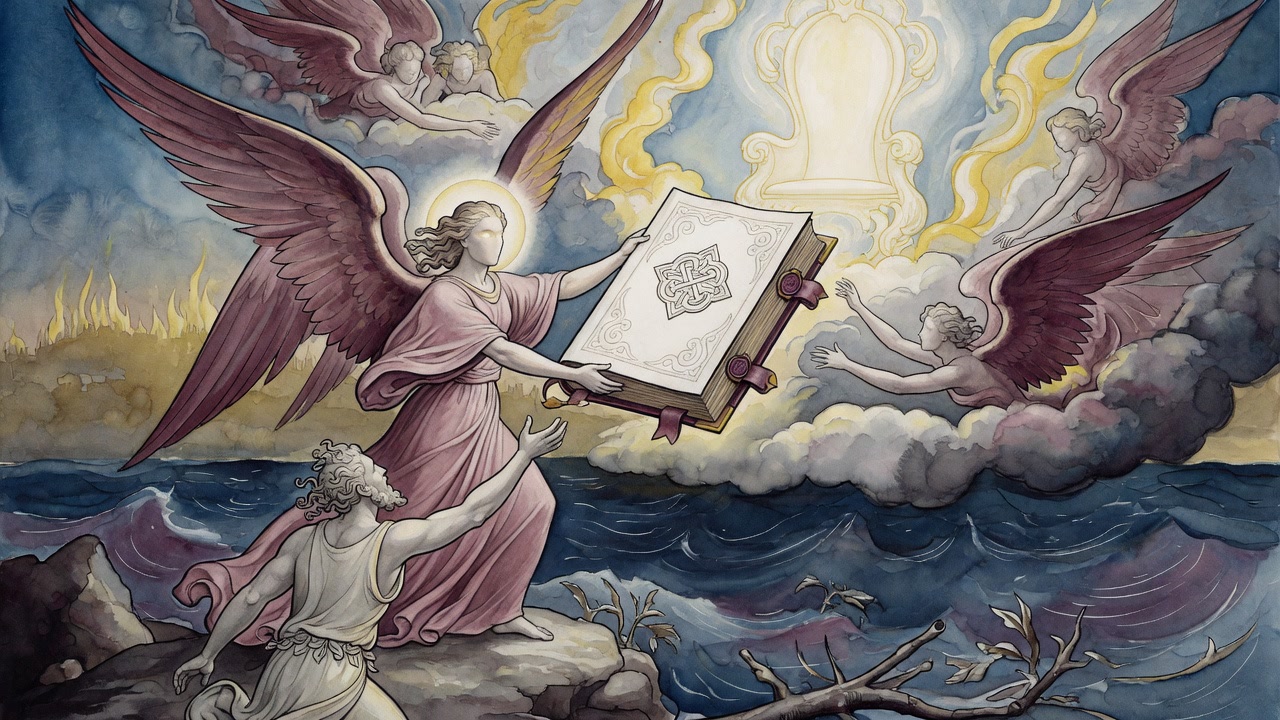
God dictated the words let us make man, and Moses stopped writing. Heretics will read that and claim there are two powers, he said.
Table of Contents
 Click for full size
Moses Put Down the Pen
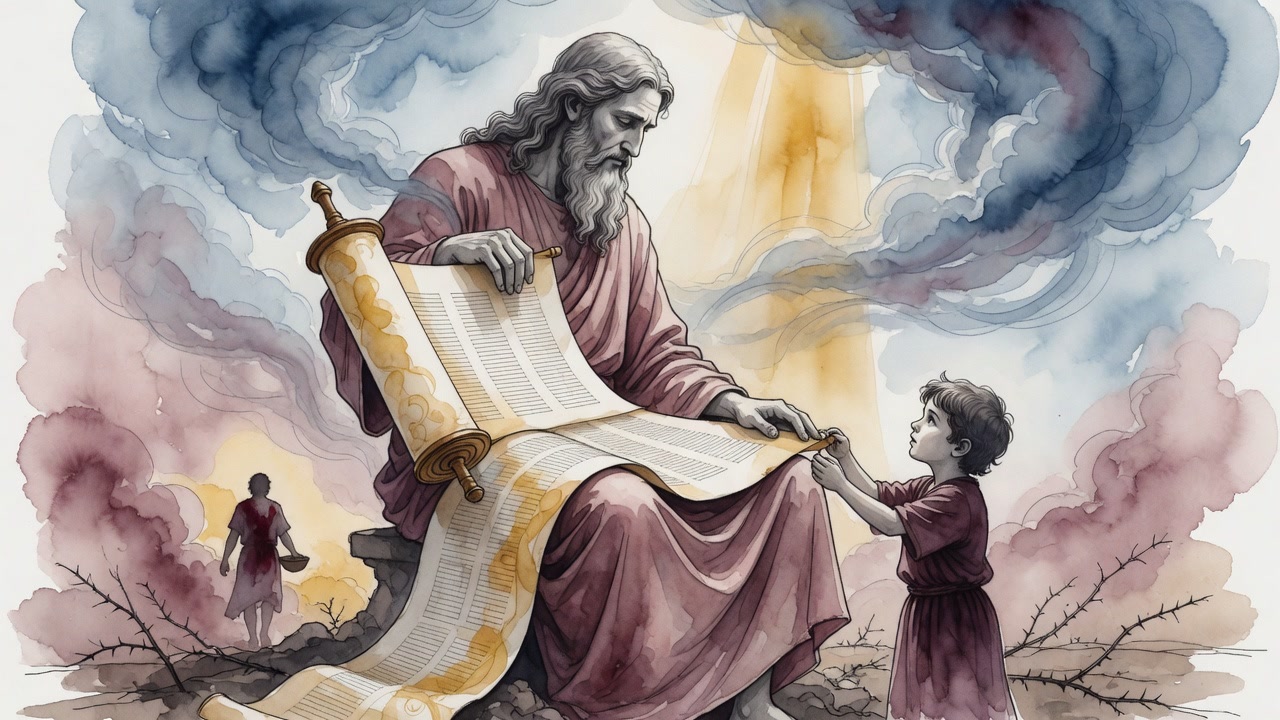
God dictated and Moses wrote it down, line after line, and then the dictation reached the sixth day and Moses stopped.
Let us make man in our image, after our likeness.
Us. Our. Moses had spent his life telling a nation of former idol-worshippers that there is one, and here was the plural, going into the permanent record in his own handwriting.
"Master of the Universe," he said, "why are You giving heretics an opening? They will read this and say there are two powers."
"Write what I tell you."
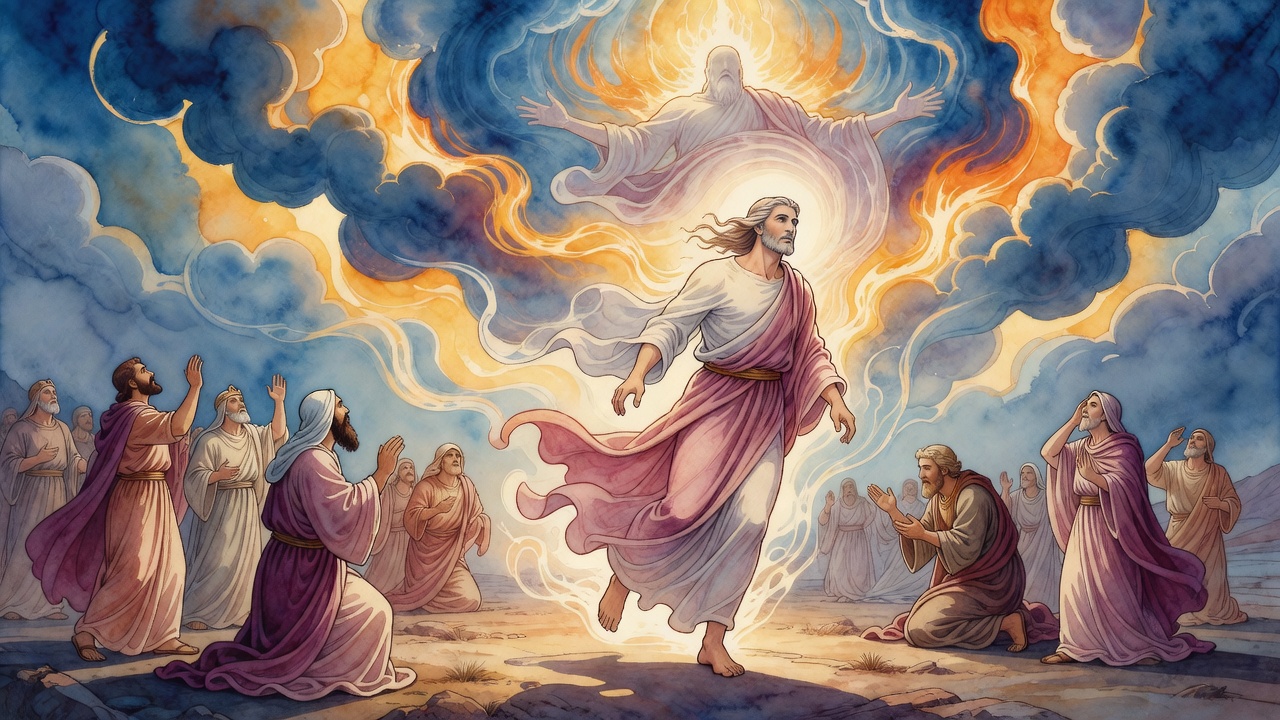
Whoever wants to stumble, God said, will stumble. And let everyone who comes into the world learn this from Me instead: when a great one sets out to do a great thing, he asks the counsel of someone smaller than himself. When I came to make a human being, I took the advice of My ministering angels.
Moses wrote it. The plural is still there.
What the Council Signed Off On
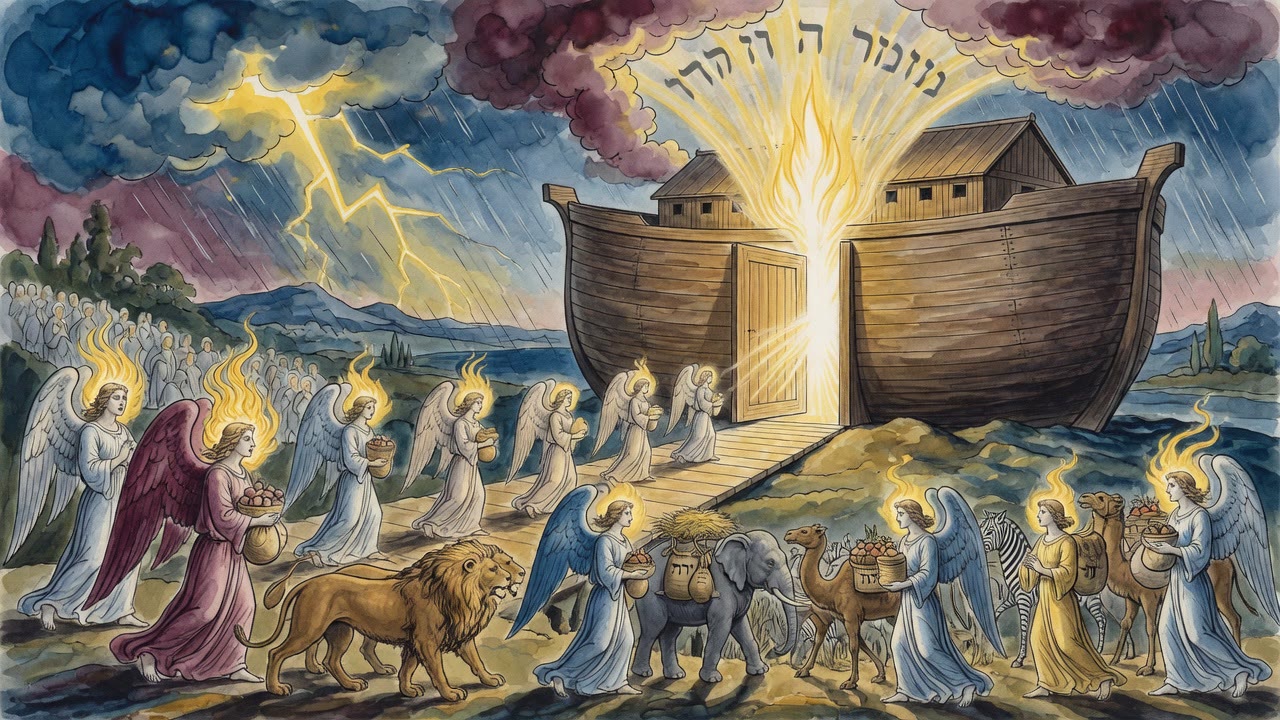
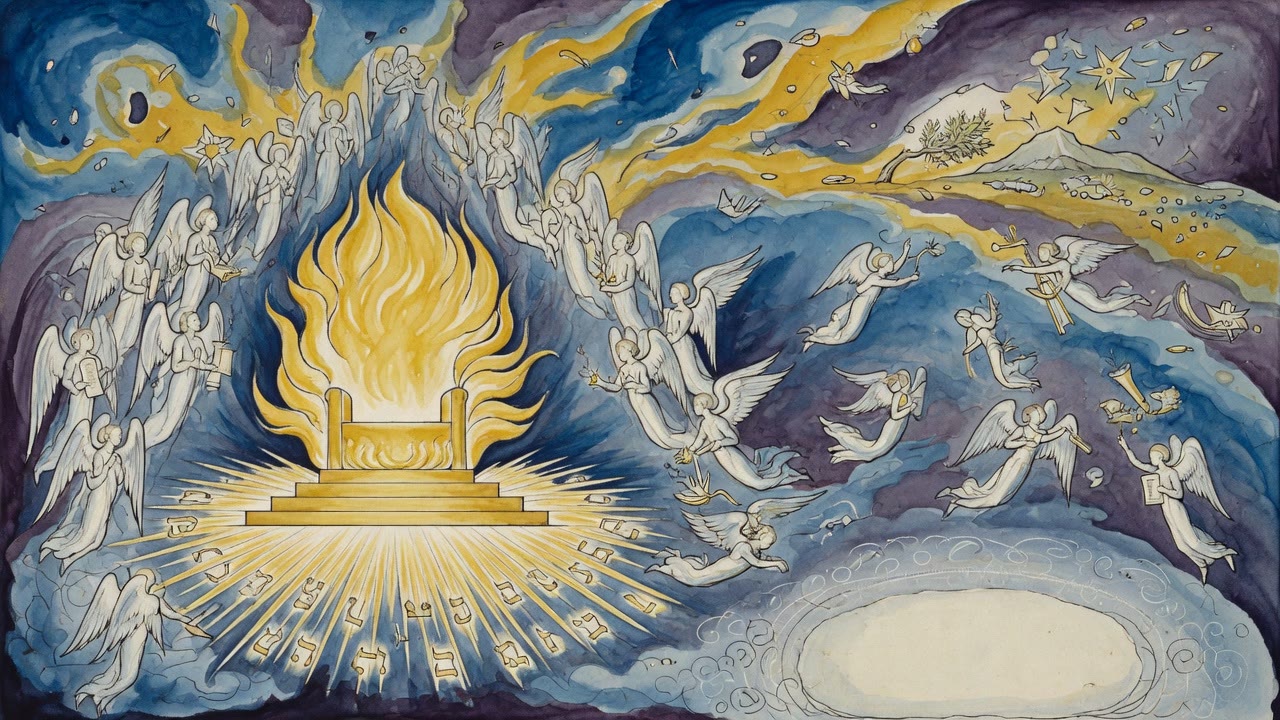
The angels were not asked to vote. They were shown a plan, the way a court is shown one, so that heaven would be on record as having deliberated before the thing was let loose.
What was shown to them was not a man. Rabbi Yirmeya ben Elazar said the first creature was made male and female in one body. Rabbi Shmuel bar Nahman went further: it had two faces, one at the front and one at the back, joined, and afterward God sawed it down the middle and finished the two raw sides into backs. Somebody objected that the verse says a rib was taken. He answered that the word also means a side, the way the Tabernacle has sides.
Others said the thing lay unformed and stretched from one end of the world to the other, east to west, top to bottom, filling even the empty places, and had to be pressed down to a workable size.
Then it was made last, after the water swarmed and the earth brought out its creatures. And so, said the sages of that generation, a man who has earned it is told: you came before the ministering angels. And a man who has not is told: the fly came before you. The gnat came before you. This earthworm came before you.
The Frog Carried the Scorpion Across
Nothing in the world is spare. Not the flies, not the fleas, not the gnats. Errands get run through all of them.
A man standing on a riverbank watched a frog swim across with a scorpion riding on its back. He watched it climb out on the far side and let the scorpion off. Then the wailing started in the town, because a scorpion had stung somebody and the man was dead. And the frog swam back over with the scorpion on its back again and put it down where it had found it.
Rabbi Yanai sat teaching at the city gate and saw a snake coming at him. He drove it off to one side and it came round the other. He drove it off there and it came round again. "This one is on an errand," he said, and let it go by, and the report went through the town within the hour that a snake had bitten so-and-so and he had died.
Rabbi Elazar was sitting in the outhouse when a Roman came in and made him get up and took the seat. "That did not happen for nothing," Elazar said. A snake came out and killed the man where he sat.
At Caesarea, Elazar found a thighbone rolling along the shore. He buried it. It rolled back out. He buried it again and it came out again, so he left it alone. Some days later an imperial courier tripped over that bone and died on the road, and when they went through his bag they found the letters he was carrying against the Jews of Caesarea.
The Smallest Thing I Made in Six Days
Titus went into the Holy of Holies with his sword out and cut the two curtains. He brought two prostitutes up onto the altar. He came out with the blade wet, and some say that was the blood of the offerings and some say it was the blood of the goat of the Day of Atonement, and he held it up and said this is the blood of their God.
He bundled every vessel in the Temple into the curtain, slung it over his shoulder, and went down to his ship saying that beating a king out in the wilderness is nothing, but beating him inside his own palace is something.
A wave came up at him in open water. He laughed at it. Their God only has power over water, he said. He drowned the generation of Enosh with water, He drowned the generation of the flood with water, He drowned Pharaoh in water. In His own house He could not stand up to me, and now He waits for me out here.
Then God swore an oath. Wicked one, by your life, I will take you with the smallest creature I made in the six days of creation.
The sea went flat. Rome came out to cheer him home. He went to the bathhouse, and he came out and they poured him a cup, and a gnat went up his nose.
It stayed there and it chewed. For years. When they finally opened his skull the thing inside had grown to the size of a bird weighing two pounds. Rabbi Elazar bar Rabbi Yosei said he saw it in Rome himself, set on a balance against a two-pound weight, and the scales stood level. They put it in a bowl. As it dried out, Titus dried out with it, and when it flew off, so did he.
The Bow Is Pointed the Other Way
All that restraint at the start of the world was not decoration.
Every generation before Noah fathered children at a hundred years, or two hundred. Noah waited five hundred. His fount was stopped on purpose, because sons born earlier would have grown up in the generation of the flood and been swept off with it, and even Japheth, the eldest, was not yet old enough to be held accountable when the water came. He was planted in the house of the Lord and his blossoms came late so that they would open after the storm.
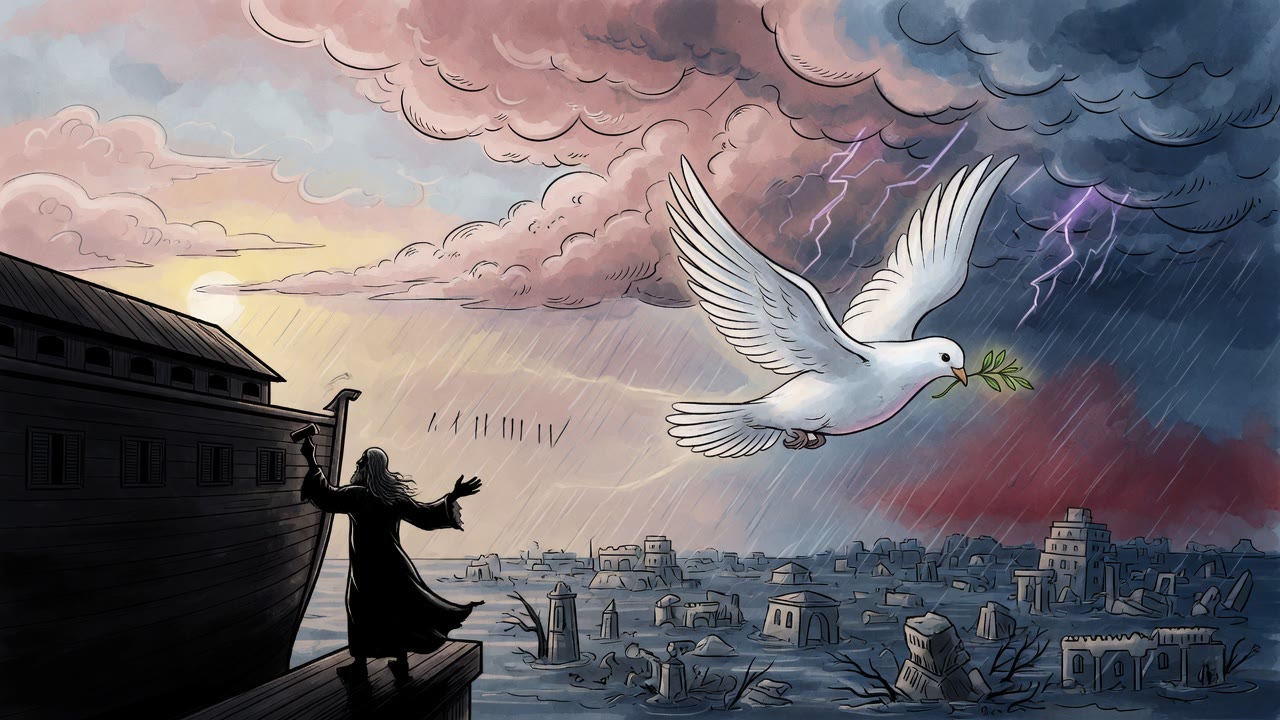
Then a bow went up in the cloud. My bow, kashti. Some heard in it kishuti, my likeness, something made to resemble Me, and then pulled back from what they had just said, because to give God a shape visible in the sky is the beginning of idols. It is like the straw of the grain, they decided. Attached to it. Nothing like it.
What is left is the shape itself. A man with a hot iron in his hand comes down toward his son with it and brings it down on his servant instead. At the sea, the strict justice that had been drawn up in front of Israel swung around and stood behind them, and fell on Egypt. And the bow that hangs in the cloud hangs with its back to the ground and its string toward the earth, so that whatever it is loaded with is pointed away from the people below it.
← All myths