Korah's Sons Became Lilies After the Fire
The camp called them thorns, the same as their father. When the fire came they named themselves lilies, and the ground left them a ledge.
Table of Contents
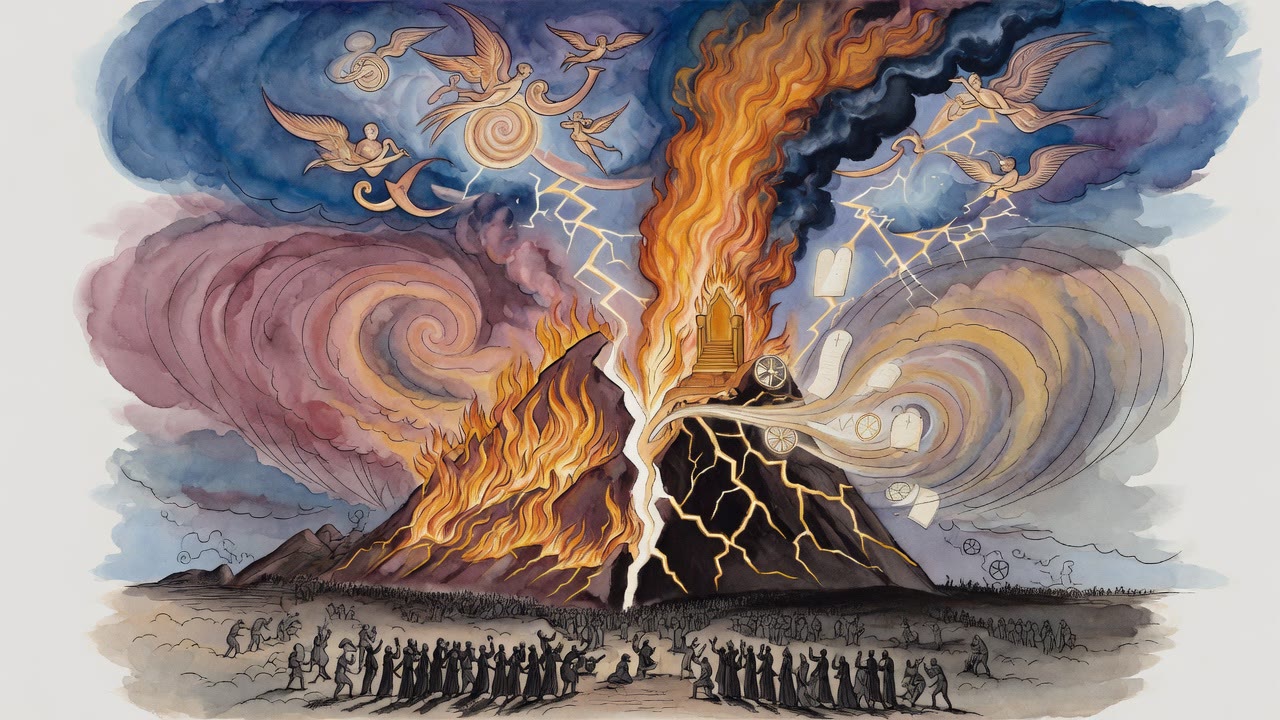
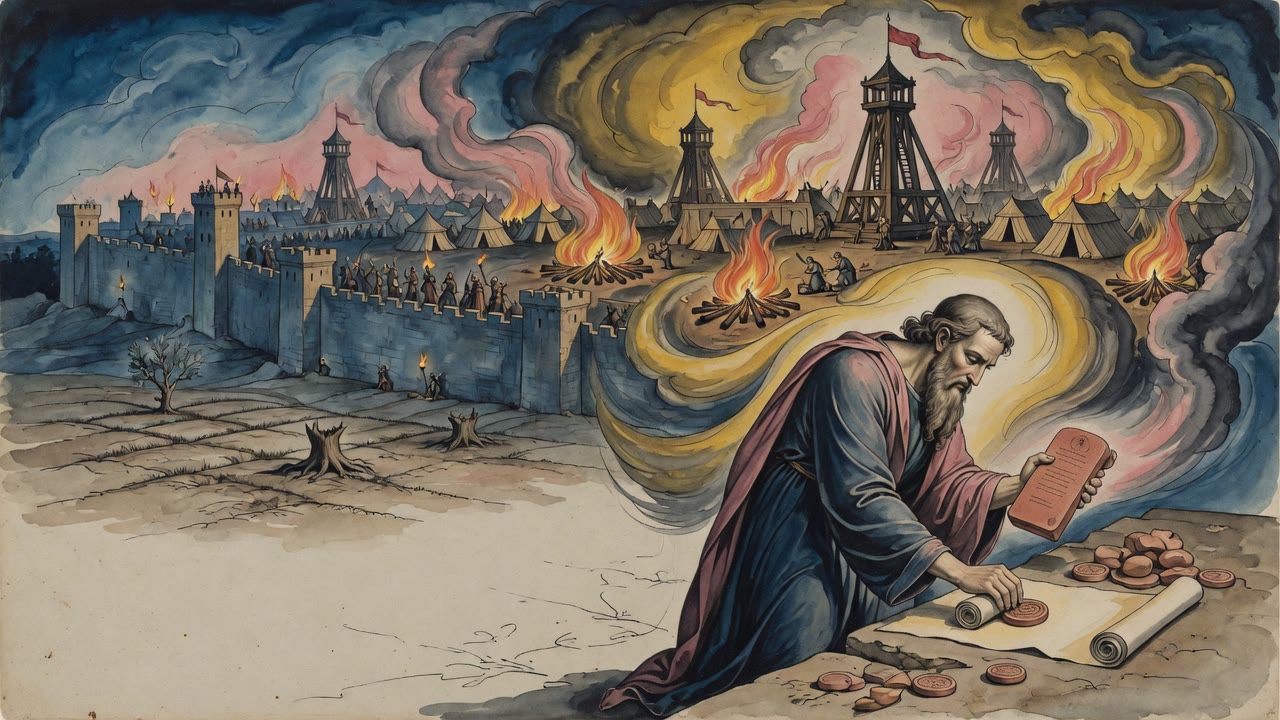
The camp already knew what the name Korah meant. Fire had come out from before God. The earth had opened its mouth. Anyone who looked at the sons said they were thorns. Thorns sprout like grass, and the fire takes them. That ending was already written on their faces before they spoke.
 Click for full size
The Ground Left a Ledge
When the earth heaved, the sons did not go down with their father. A place had been prepared in the hollow, a ledge the punishment did not finish. Dust came up where the men had been. The noise of everything above going down filled the dark. They sat there while the ground swallowed the tents, and they waited.
They could not change the father. They could refuse his company. They felt the tilt. They heard the camp scream. They kept their mouths shut on the rebellion that had just eaten the men standing over them. The earth that opened for Korah closed short of his children.
Later they came up into air that still smelled of burned wool. The crack in the wilderness did not close in the mind of the camp. People walked around it. The sons walked out of it.
We Are Lilies
Korah and his assembly had talked like men beating gold into a crown. They said the Holy One wanted vessels you can weigh, incense you can see, rank you can count. God answered them from the old line. The silver is Mine, and the gold is Mine. Even the incense can be an abomination. What am I asking for? Lilies.
The sons spoke when the fire had already chosen its food.
"We are lilies."
God said, "You have been victorious."
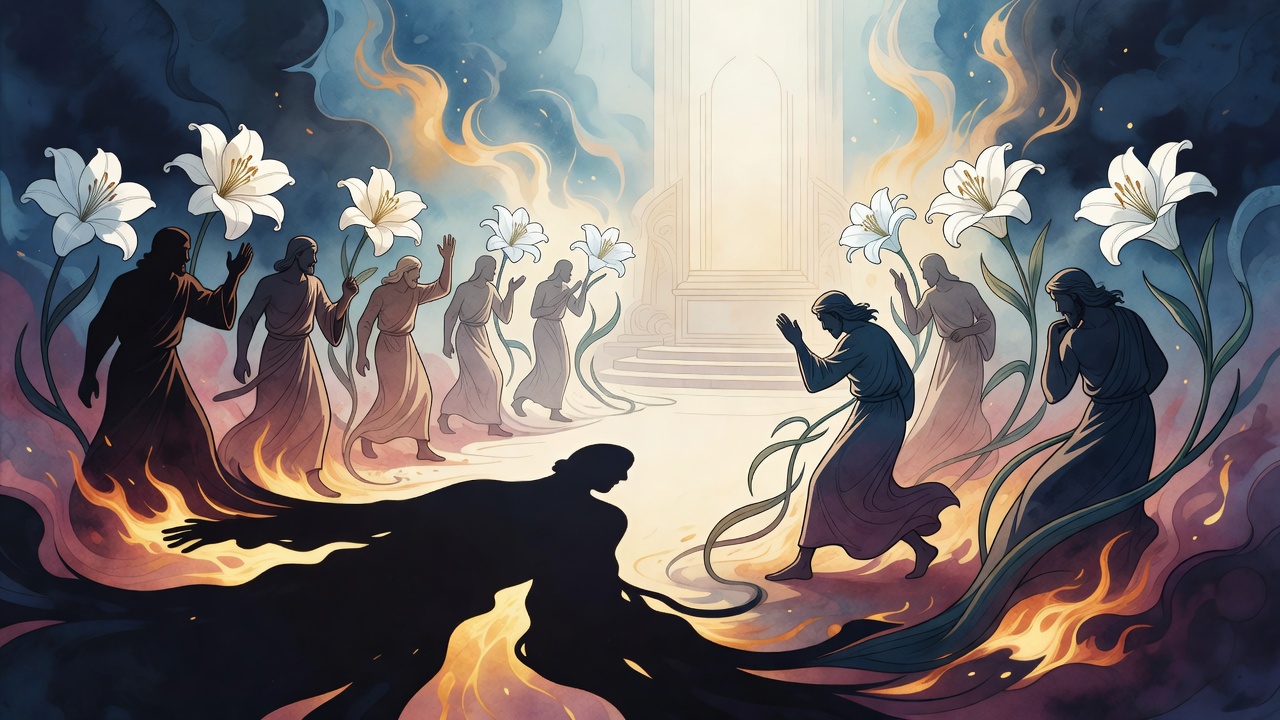
A king enters a country, and the people rush out with gold and pearls for a crown, then stop in the road and tell one another the king does not want that. There are lilies here. The country rejoices. Korah reached for the gold. The sons named themselves the thing God had asked for, and the fire that ate thorns passed them by.
The Psalm Took Their Name
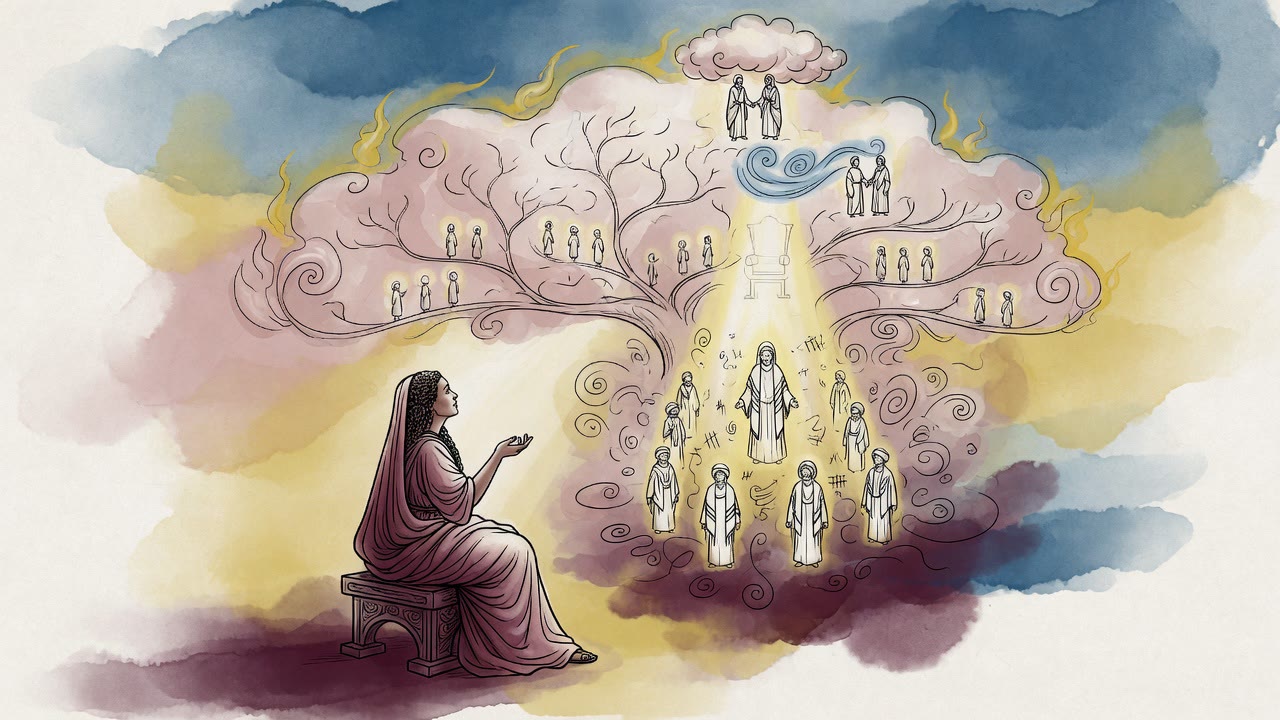
Psalm 45 opens on white lilies, a maskil of the sons of Korah. The name that should have condemned them is the name that introduces the song. They were chosen from among the thorns so they would not be consumed with them. The Holy One saved them, and the poem kept the flower in the first line, so no one could call them thorns again without lying.
Lilies are not a decoration on a rebel's grave. They are what survived because they were not the fire's food. The camp had predicted grass and smoke. The psalm predicted a white flower, and then the sons had to live long enough to sing it.
Moses Asked to See What Remained
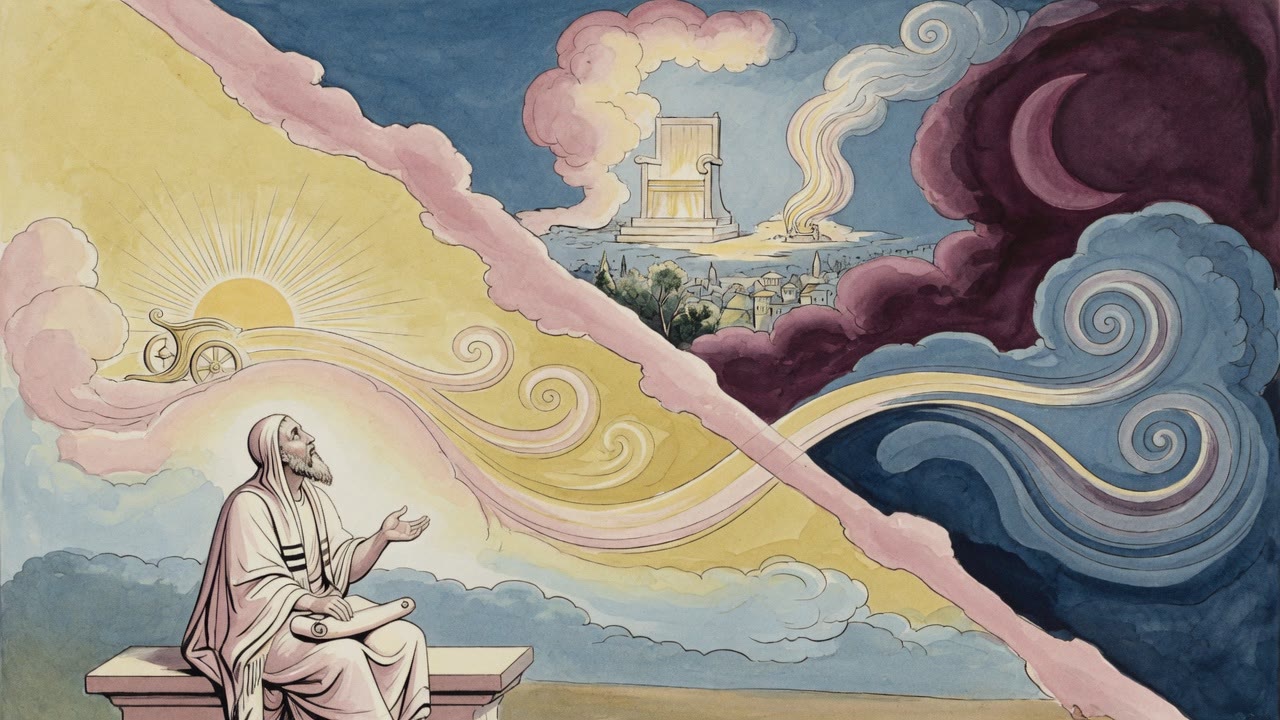
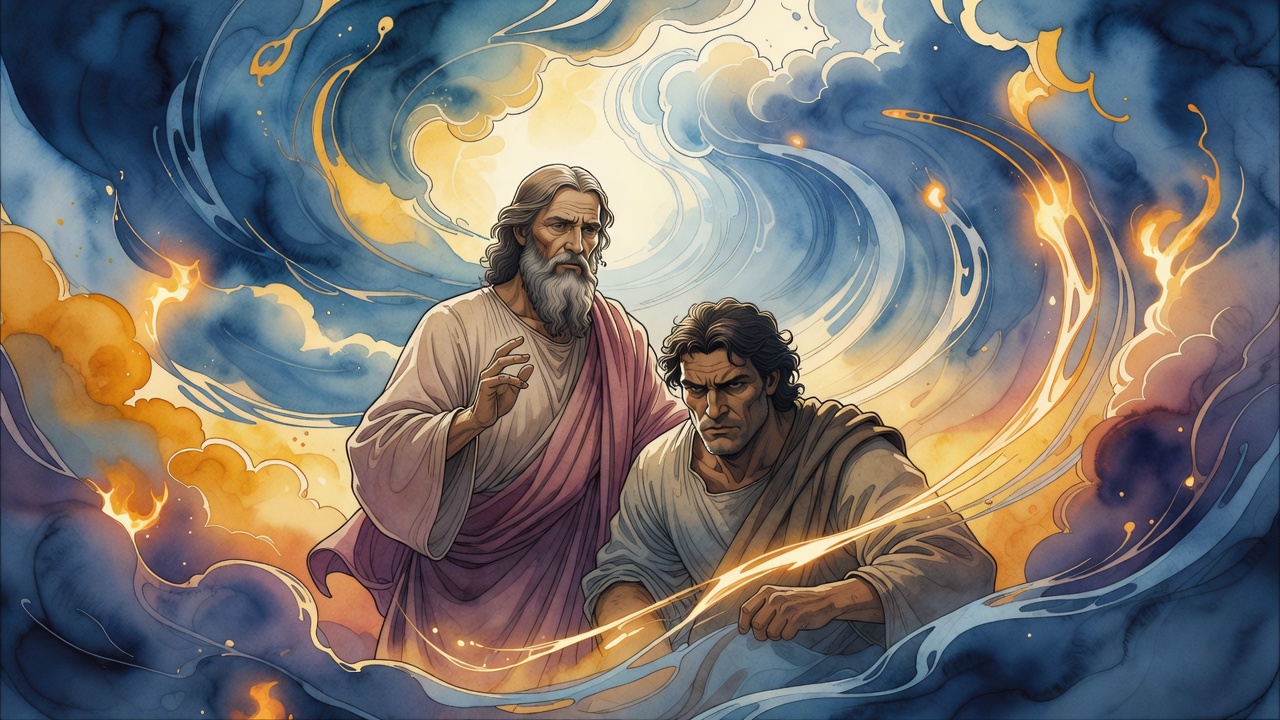
Moses stood at the edge of the crack after the noise stopped. He had received Torah mouth to mouth, and still he asked for opened eyes. "Open my eyes, that I may behold wonders from Your Torah" (Psalm 119:18). The wonder was not a hidden letter. It was a family the camp had already burned in its mind, standing up afterward with a song in their mouths.
He had told Israel they were a holy people, chosen, and that they had chosen back. God said, you are My portion. Israel said, the Lord is my portion. The sons of Korah made that choosing visible in one sentence. We are lilies. The wilderness still held the split in the earth. The psalm held the flower. Moses looked from one to the other and asked to see it clearly, because a man can watch a punishment and still miss the people it did not take.
← All myths