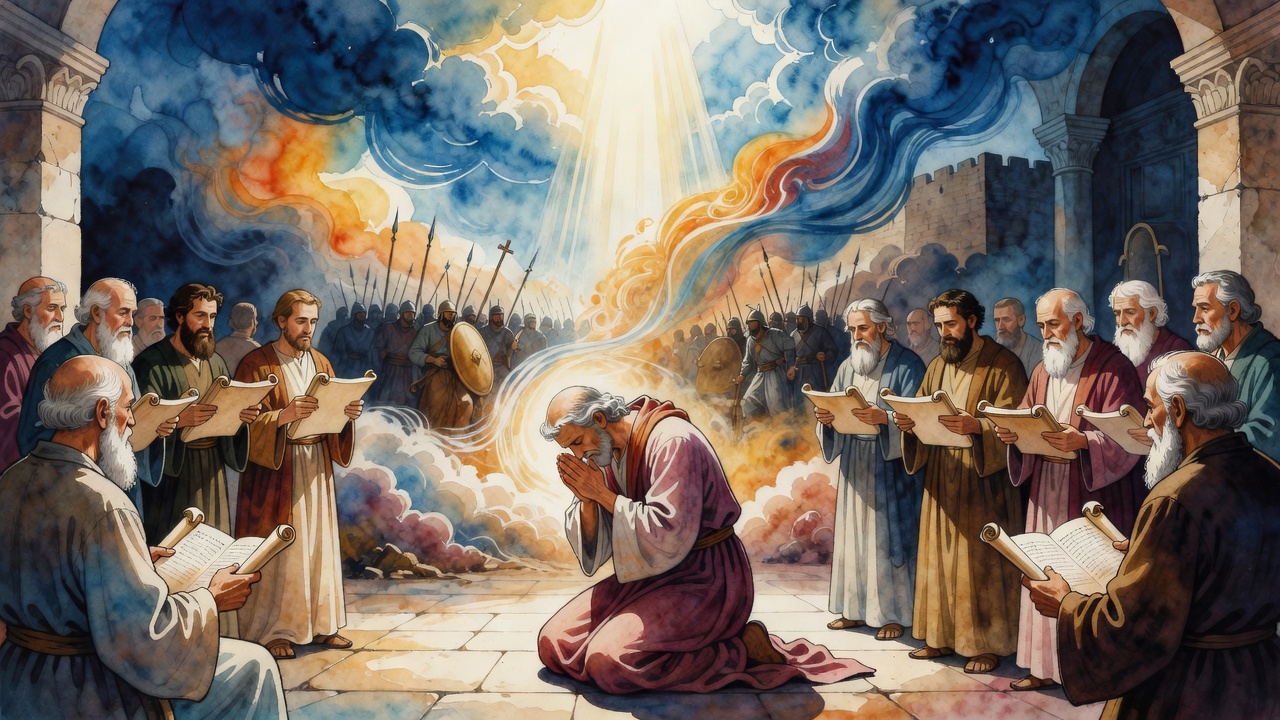
Ahaz the Wicked King Kept Dodging Isaiah in the Streets
He changed his clothes at the palace door. The prophet was in the city, and the king would not walk any street that led to him.
Table of Contents
Ahaz left the palace in a servant's cloak. Isaiah was somewhere in Jerusalem, and the king would not be seen by him.
 Click for full size
He had passed his own son through fire. He still hid from a prophet.
The Long Way Around
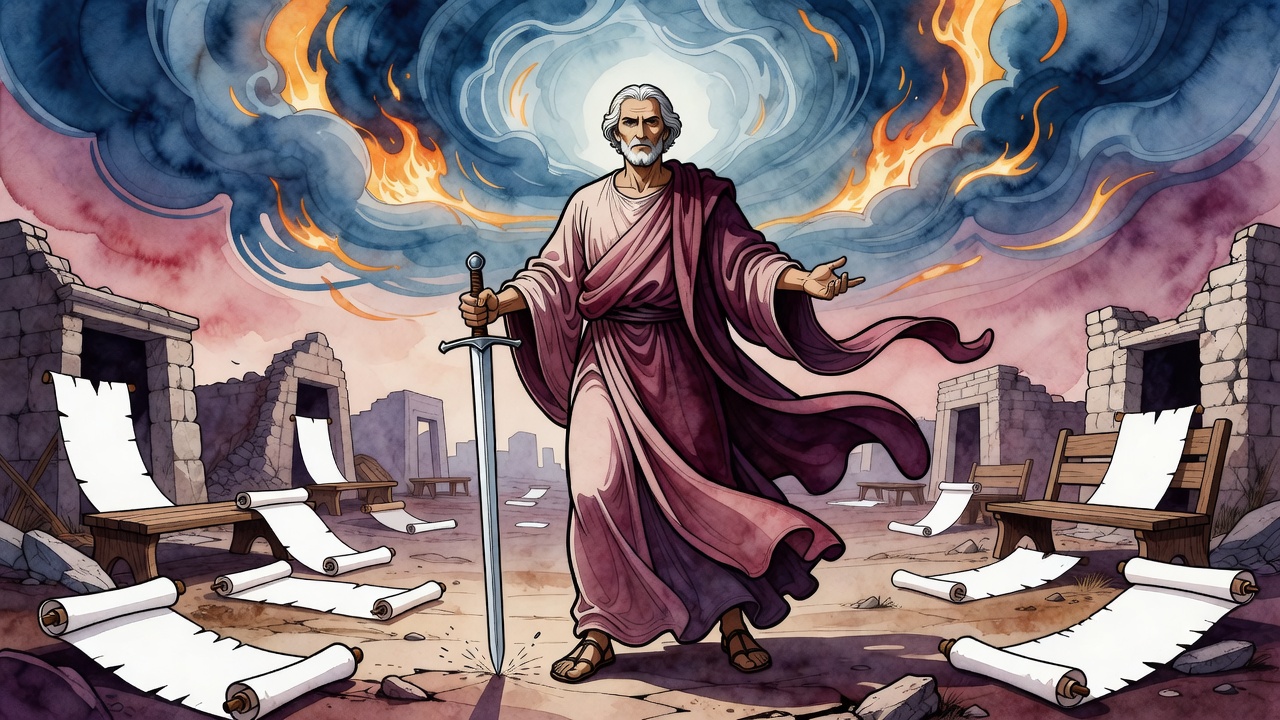
When Isaiah was in the city, Ahaz changed his route. He altered his garments. He took alleys that added half a morning to a short walk. A man who thinks a prophet is a fool stays in the room and argues. Ahaz did not argue. He disguised himself and went the other way, which meant he believed every word Isaiah would have said.
He was a wicked king. The dodging was not courage. It was the one fear he would not drop.
He Closed the Schools First
His father Jotham had ruled Judah twenty-five years while leprous Uzziah still lived, too impure for the throne. Jotham's piety was counted so heavy that, joined to two other men, it could atone for every sin from the hour of creation to the end of time. Ahaz was not that son. From first to last he was a sinner.
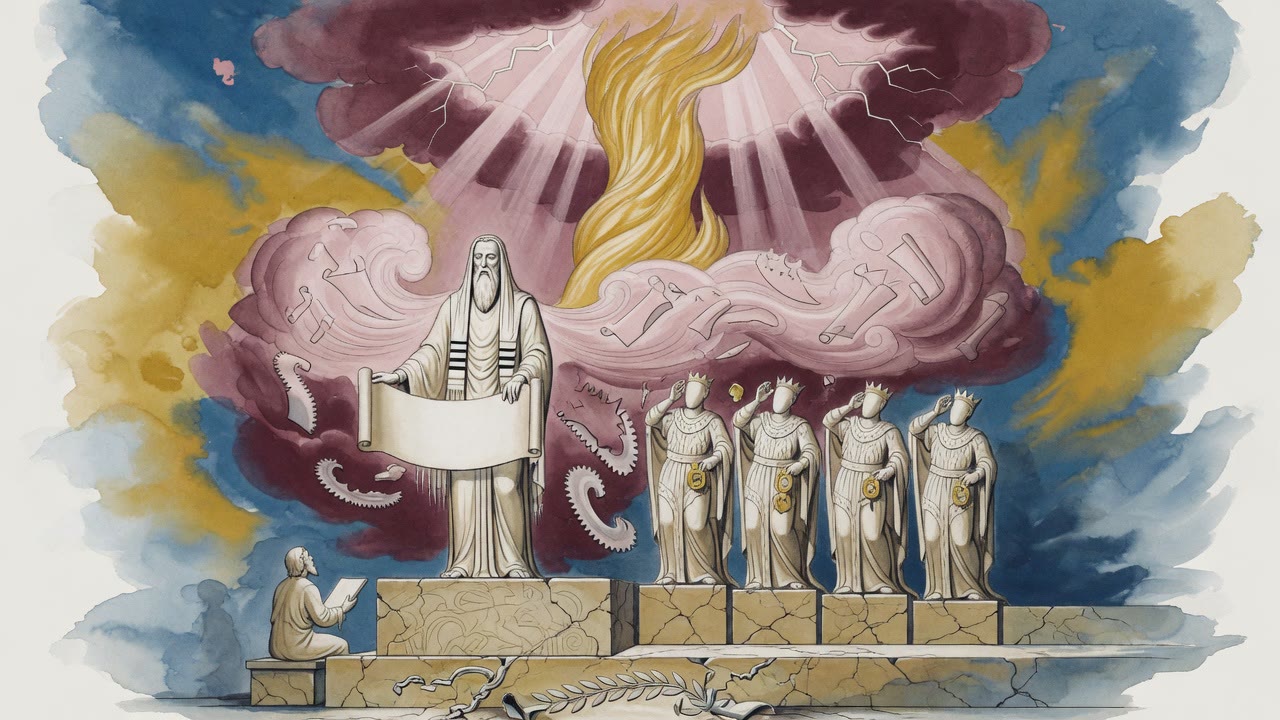
He forbade the study of Torah. He set an idol in the upper room of the Temple. He put aside the marriage laws. He stripped the sacred vessels and sent them to Assyria as tribute. He built the altar of Damascus in the precincts and had the Israelite altar moved to make room (2 Kings 16:10). The schools closed before the Temple doors were sealed. Stop the children first, and within a generation the books belong only to a few.
Isaiah Offered a Sign
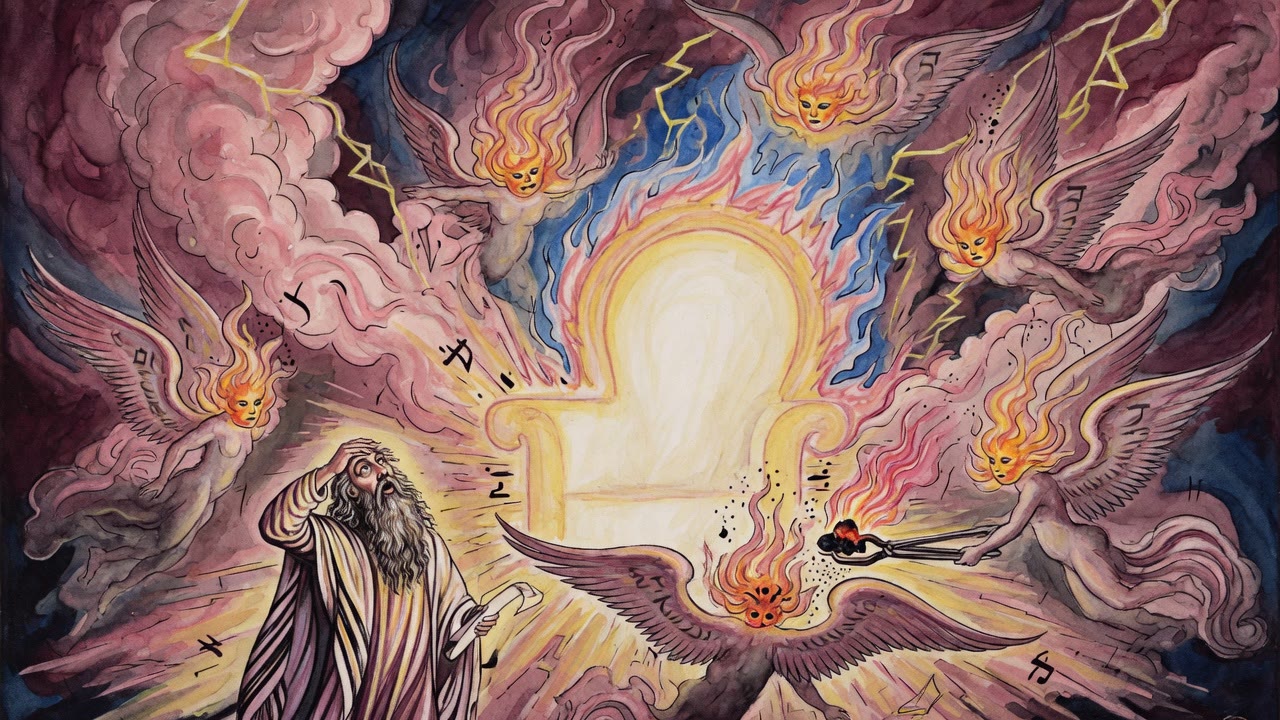
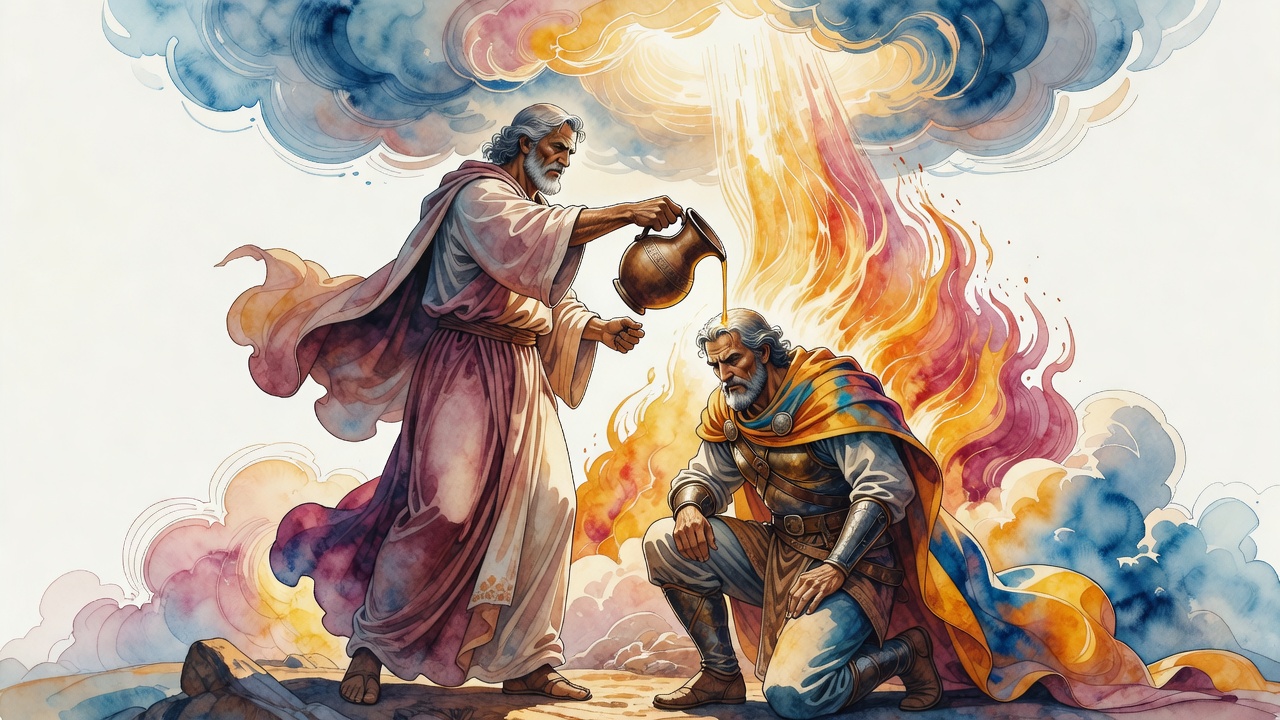
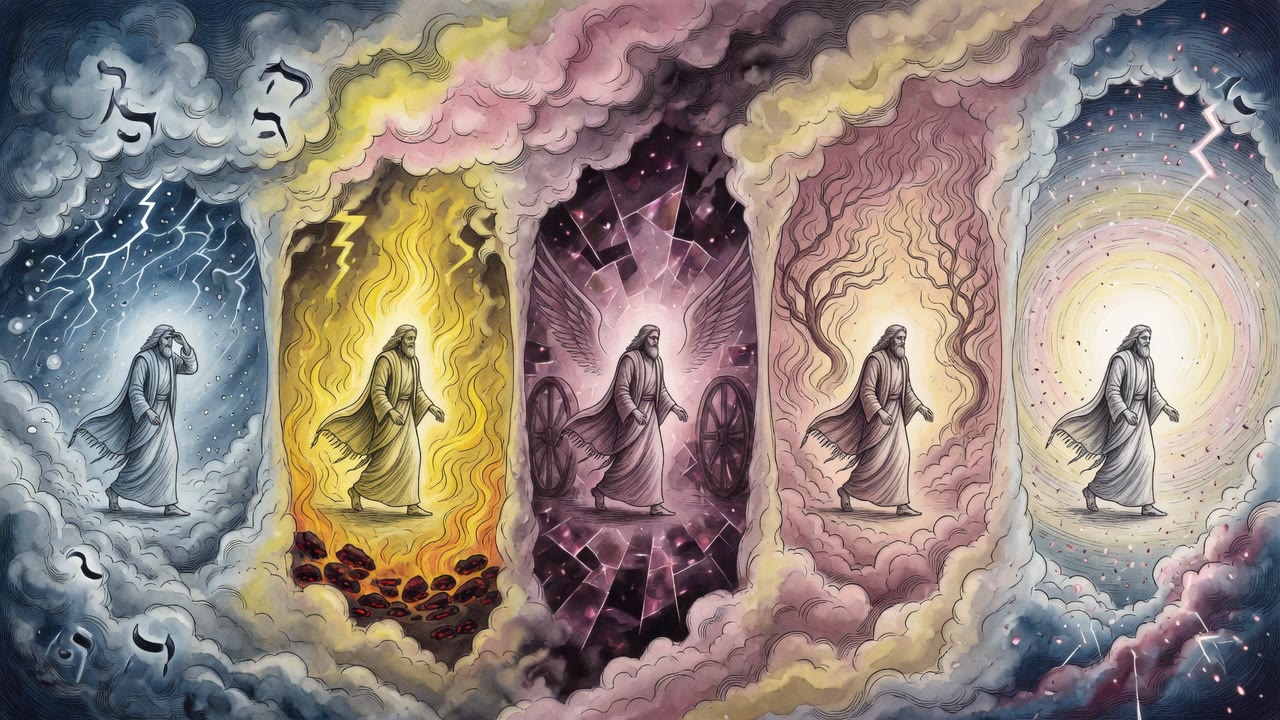
Isaiah stood in front of him anyway, on a day the cloak did not work. "Ask a sign of God," the prophet said. "Ask that the dead should arise. Ask that Korah come up from Sheol (שאול), the underworld. Ask that Elijah descend from heaven."
Ahaz did not say the prophet lacked power. He said the opposite. "I know thou hast the power to do any of these, but I do not wish the Name of God to be glorified through me."
He knew the grandeur and refused the glory. That is a colder sin than ignorance. He still would not walk the street where Isaiah waited to describe him.
Salamander Blood on an Infant
Among the children he brought to the Moloch fires was his infant son Hezekiah. His wife acted before the flame took hold. She rubbed the child with salamander blood, which holds against fire because the creature is born from it. The infant lived. Ahaz did not try that son again.
The boy who survived his father's fires grew up to reopen the schools, restore the Temple, and refuse his father a royal funeral. Hezekiah buried Ahaz as a poor man of no rank. On the day of that burial, daylight lasted two hours. The body went into the ground while the earth was already dark. God had made the shortness of the day a sign: this king was not to be honored on his way out.
The Portion He Kept
In the war against Pekah of the north, Ahaz lost his first-born, a hero in his own right. The blow landed on the king and on the father. He did not escape punishment. He also did not forfeit his share in the world to come.
The hiding was the reason. He was the son of a pious man and the father of a pious man, and he respected Isaiah enough to change his clothes rather than hear himself named. Contempt would have stayed in the room. Weakness took the long way around. The door that does not close completely is a thin door. It was still a door.
Hezekiah later walked the same streets without a disguise. The schools were open. The Temple doors were open. The man who had tried to erase a tradition had raised the man who put it back, and the prophet Ahaz would not face had lived to see both.
← All myths