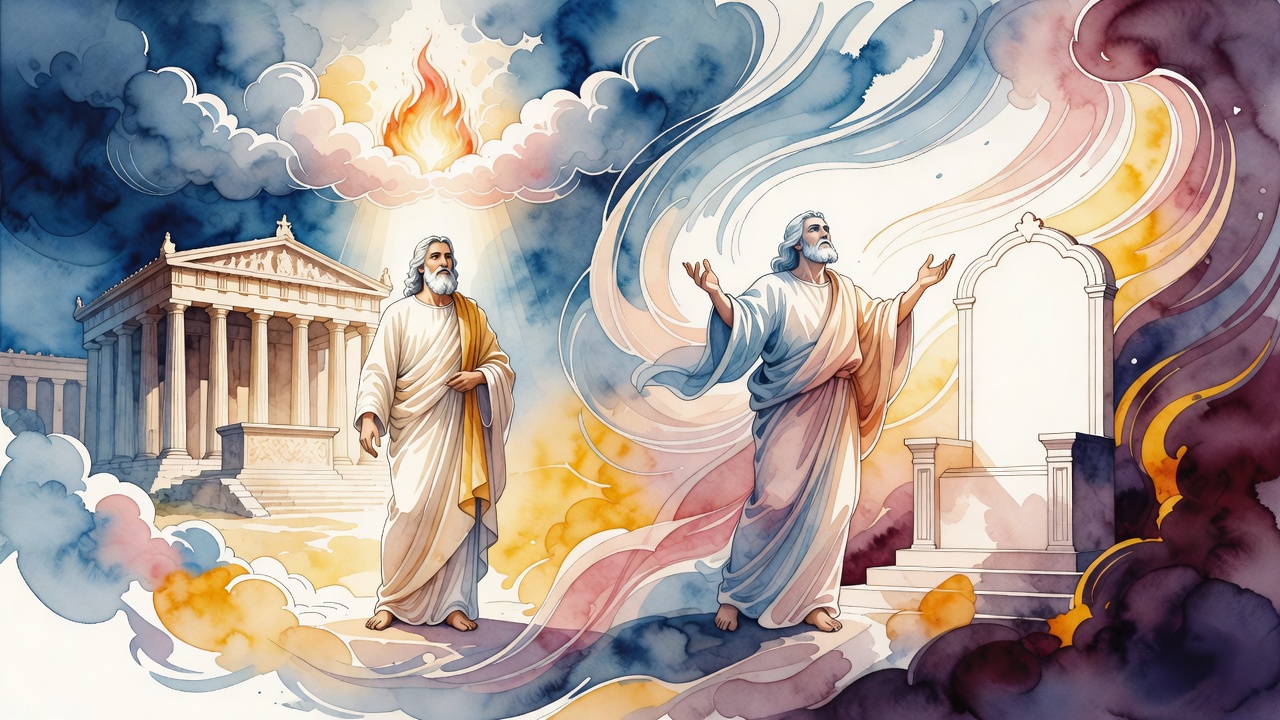
Isaiah Heard the Angels Sing and Could Not Open His Mouth
Isaiah stood before the divine throne as the seraphim sang, but guilt sealed his lips. What he failed to do in that moment nearly cost him everything.
Table of Contents
 Click for full size
The Seraphim Were Already Singing
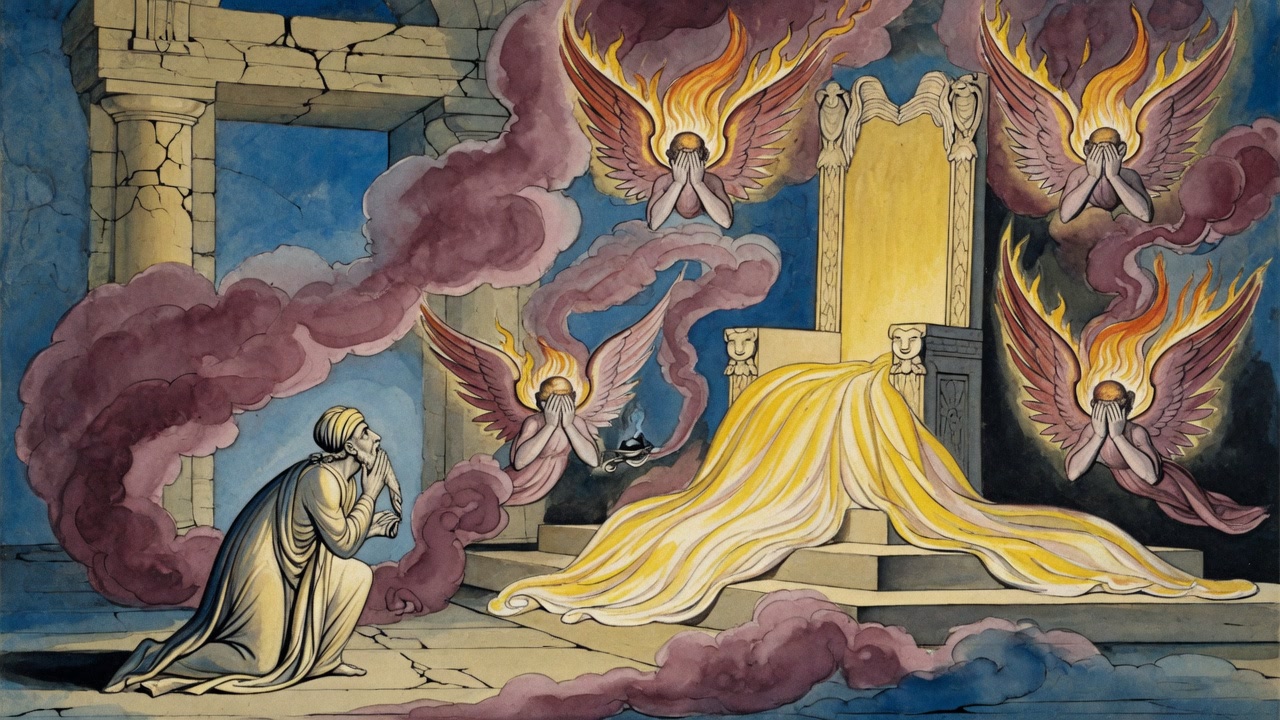
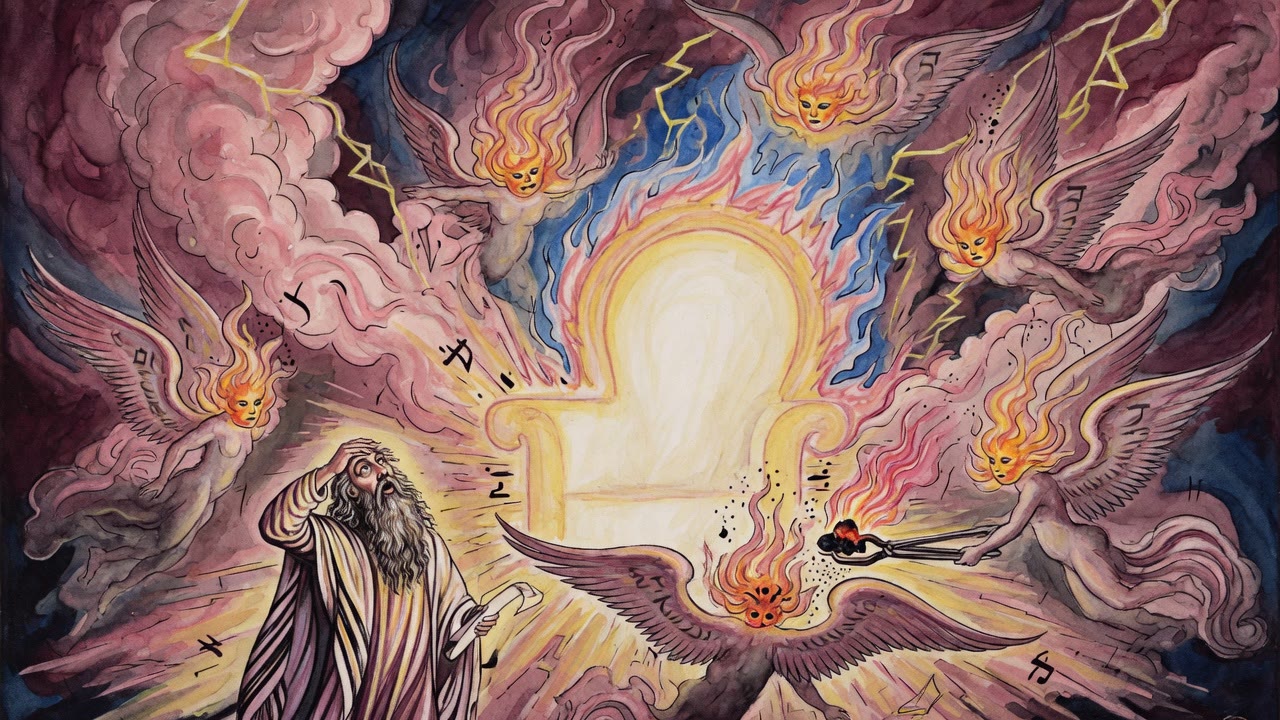
The six-winged creatures cried to one another above the smoke-filled chamber, their voices shaking the doorposts of heaven: Holy, holy, holy is the Lord of Hosts. And Isaiah, standing below the trailing hem of God's glory, said nothing.
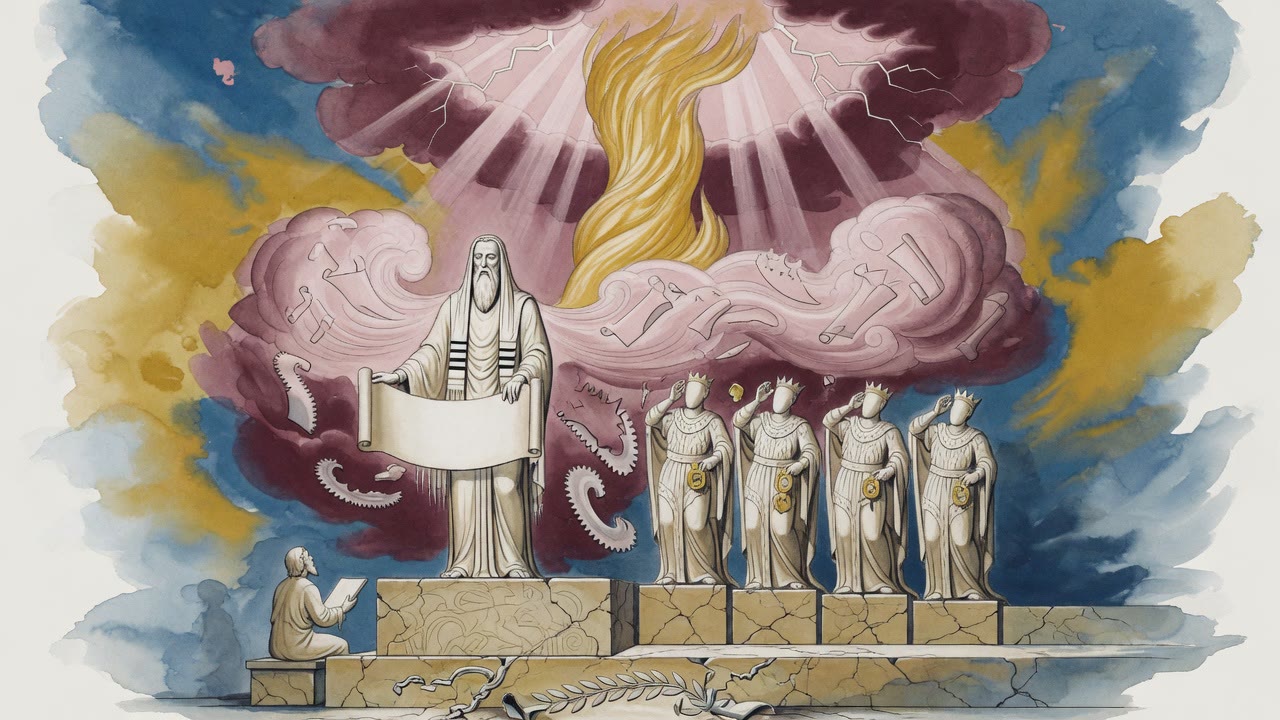
He had come into the throne room carrying a burden he had not set down. For years he had served as a prophet under Ahaz, a king whose impiety corroded Judah from within. The people had strayed. The priests had compromised. Isaiah knew this. What shamed him now was that he had not rebuked them loudly enough. He had softened his words when the words needed edges.
Around him, the seraphim sang the Kedushah without hesitation, without shame. Isaiah understood what he was missing. To join that chorus, he believed, was to step out of mortality. The song was a gate. He stood at the gate and could not move through it.
The Coal From the Altar
One of the seraphim broke from the formation. It descended to the altar, took a burning coal in its tongs, and pressed it against Isaiah's mouth. "Your guilt is removed," it said. "Your sin is purged."
The text of Isaiah chapter 6 records this as a cleansing and a commission. But older traditions press deeper into the wound that the coal closed. Isaiah had not merely sinned in some general sense. He had spoken about his own people with a phrase that could not be unsaid. Earlier in the same vision he had cried: Woe is me, for I am lost, for I am a man of unclean lips, and I dwell among a people of unclean lips.
The rabbis noticed the sequence. He described himself first, then the people. That ordering mattered. A prophet who catalogues his own nation's failures without first cataloguing his own has substituted accusation for witness. Isaiah had done exactly this. The coal burned the mouth that had done the damage.
The Offer He Almost Did Not Make
Then God spoke directly, for the first time in the vision: Whom shall I send, and who will go for us?
Every other major prophet either fled this question or argued against it. Moses listed his inadequacies. Jeremiah protested his youth. Jonah boarded a ship heading the wrong direction. The standard credential for prophecy was reluctance. But Isaiah, the coal still cooling against his lips, said: Here I am. Send me.
The traditions preserved in Legends of the Jews want to know what made him say it. Part of the answer is that the coal had done its work. The guilt that had sealed him was gone. But part of the answer goes further back, to the years under Ahaz, to the accumulated pressure of watching a people go wrong and not saying what needed to be said. Isaiah had stored up something that needed release. The moment the seal was lifted, the words rushed out.
What the Mission Actually Cost
God's response to the offer was not congratulation. It was a warning: Go and tell this people: Hear continually, but do not understand; see continually, but do not perceive.
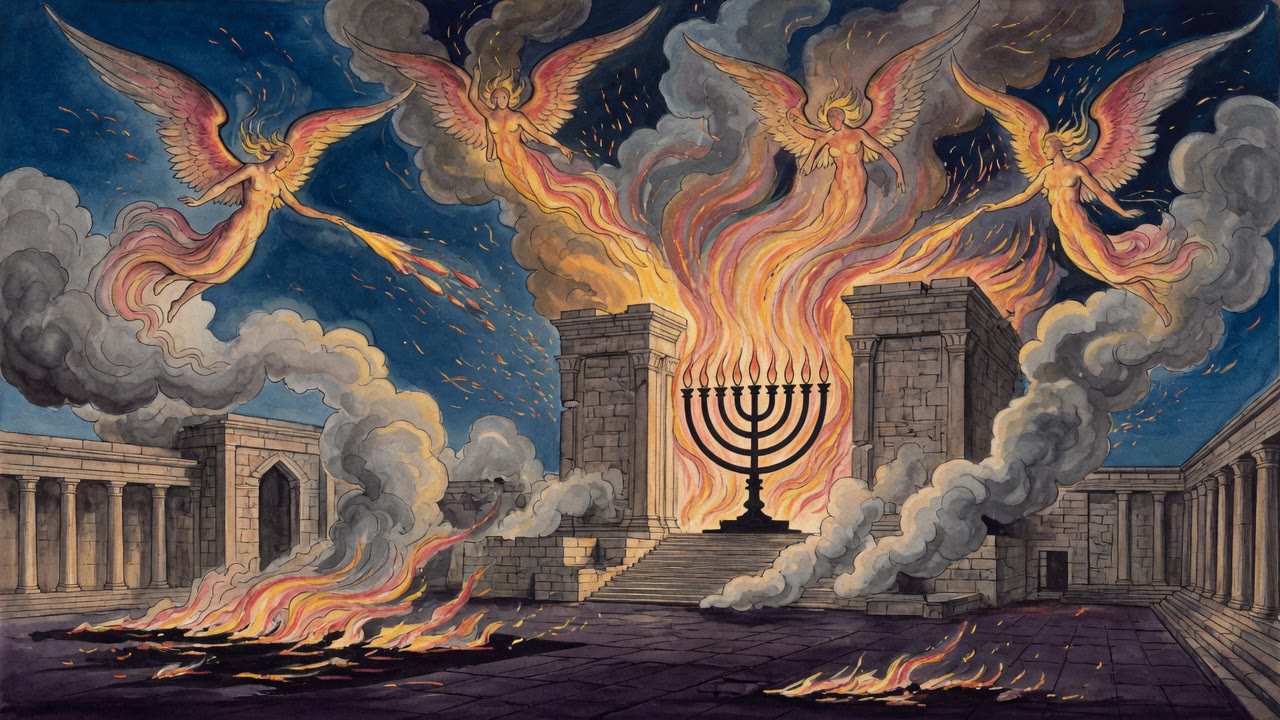
Isaiah would preach to people who would not change. He would speak clearly into a deafness that had made itself permanent. His words would be accurate and irrelevant. The tradition records that he understood this and agreed to it anyway. He asked only one question: how long? And God answered with the whole history of the destruction yet to come.
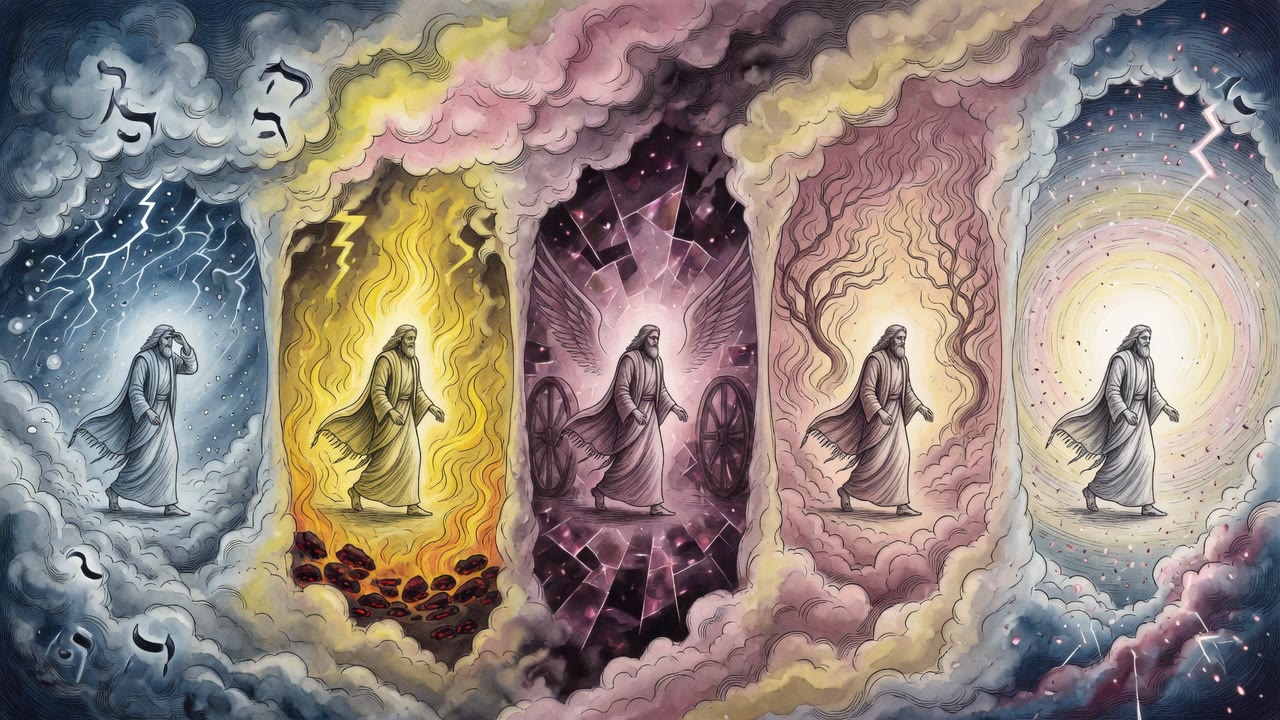
One midrashic strand, preserved in the account of Isaiah's righteousness in Legends of the Jews, adds that Isaiah's earlier silence at the singing of the angels had cost him something permanent. He had been standing at the threshold of immortality. When a human being joins the angelic chorus in that song, something crosses over. Isaiah missed it. He remained mortal. He would eventually be killed, the traditions say, by the very king whose impiety he had not challenged sharply enough.
The coal purged his lips. It did not change his fate. It only made him capable of speaking the truth that had always been there, and then being destroyed by the people who could not bear to hear it.
← All myths