Hezekiah and Isaiah Argued Over Who Should Visit Whom
Hezekiah had stripped gold from the Temple for Assyria. Now his own skin peeled, and still Isaiah would not walk to the bed.
Table of Contents
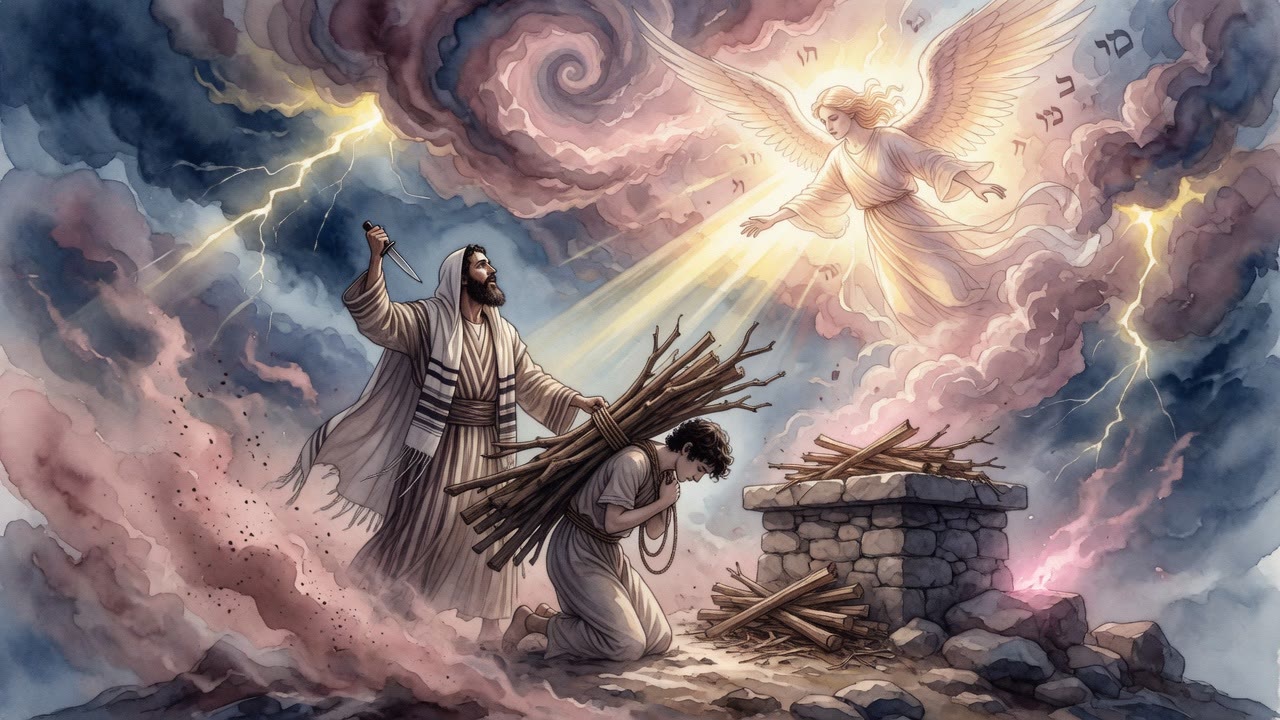
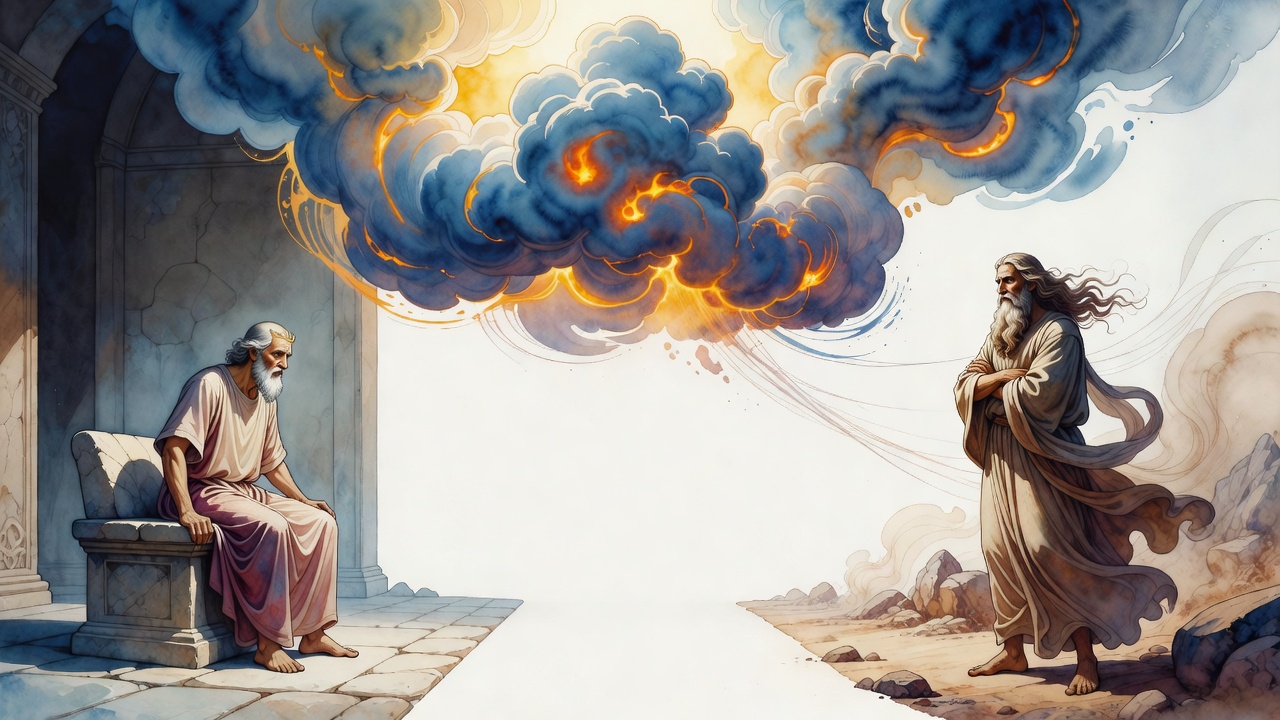
Isaiah stood in his own doorway and did not put on his sandals. God had already told him to go to the king with a death sentence. The prophet waited for the king to come to him instead.
 Click for full size
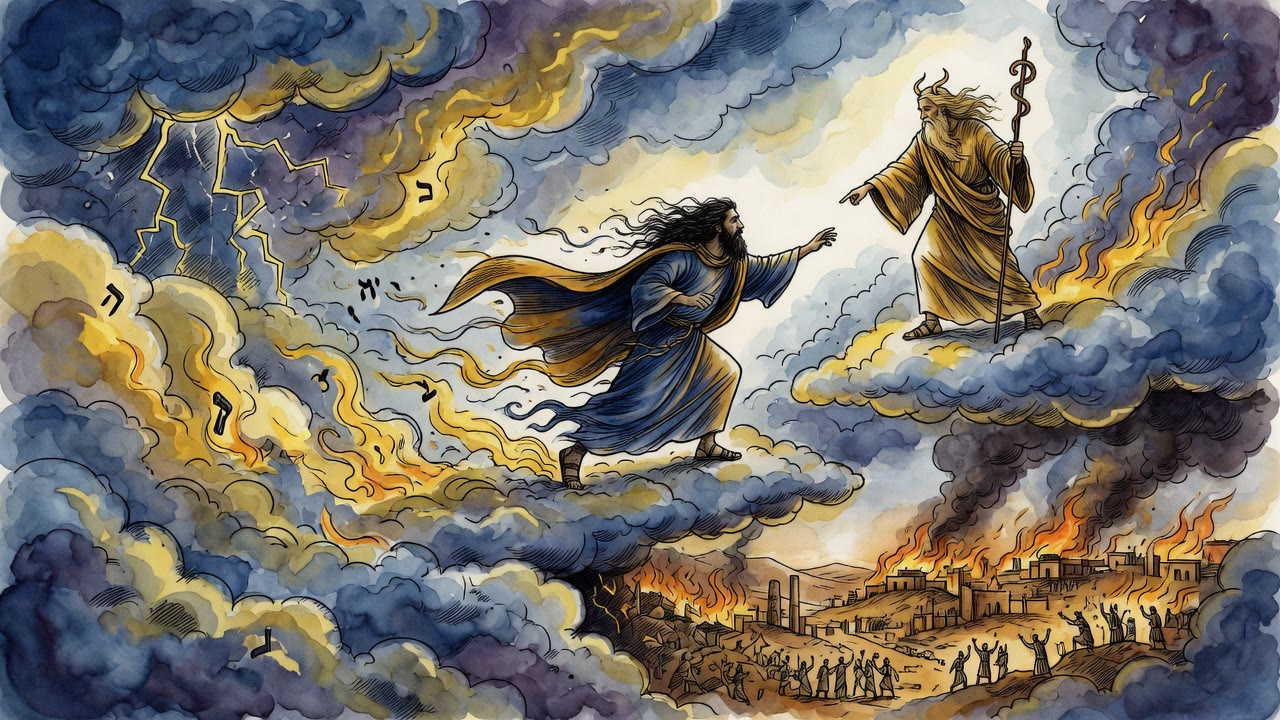
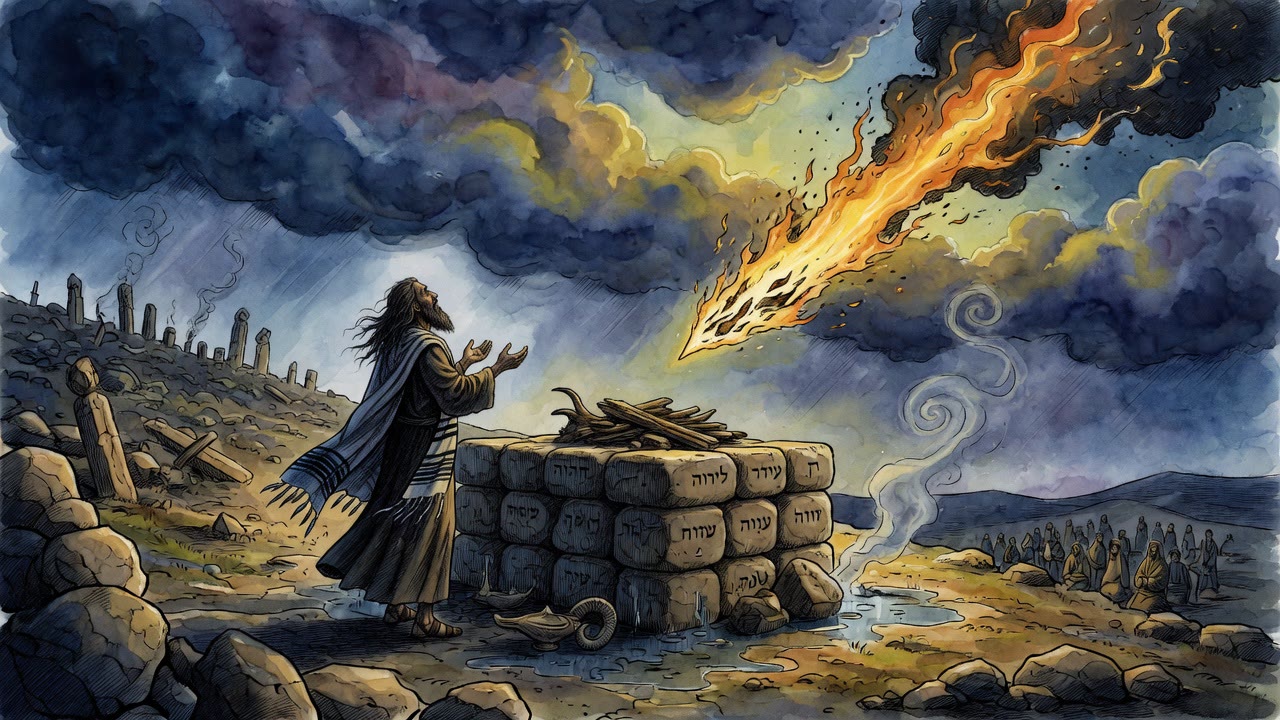
Hezekiah lay on the palace bed and did not call for a litter. He had Elijah in his mouth: a prophet walks into a king's face, as Elijah walked into Ahab's. Isaiah had Elisha in his. Three kings had climbed to a prophet's door, and that prophet had not spent a step. Each man held a holy precedent like a shield. Neither moved.
The Gold Came Off the House
Shevna had already tried to give Jerusalem away. He wrote surrender small enough to tie to an arrow and shot it toward Sennacherib's lines, because he had more of a crowd in the city than the king did. Hezekiah, to keep the walls standing, stripped gold from the Temple and sent it out as a bribe. The gold left the doors. The army still came.
Then one hundred eighty-five thousand of them died in a night, and the camp outside went quiet (2 Kings 19:35). Hezekiah had spread Sennacherib's letter on the Temple floor and prayed over it. When the answer came that large, he did not sing. He slept on the miracle.
So the sickness arrived to wake him. His skin peeled the way the gold had been peeled from the house. He could not stand. He could not dress. He could not walk across Jerusalem to a prophet's door. God told Isaiah to go, because a man this sick was not going to come.
Death in Both Worlds
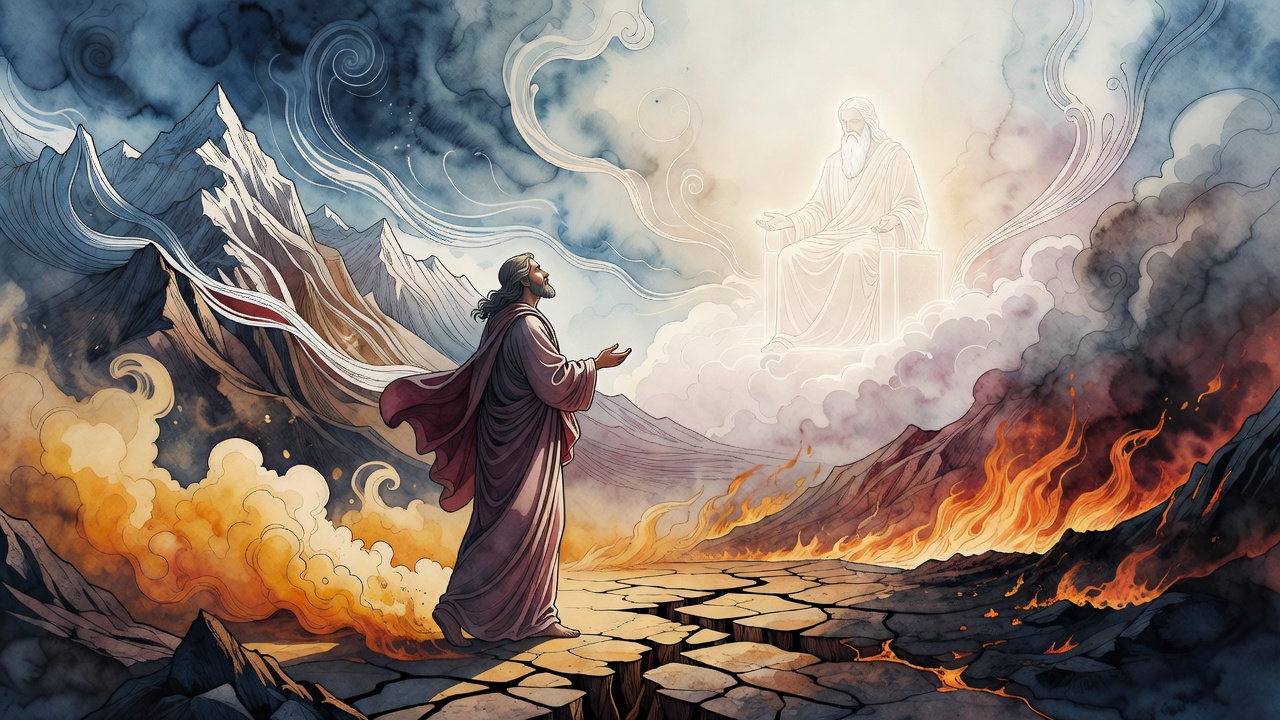
Isaiah entered the room and did not soften the sentence. "Set thine house in order, for thou wilt die in this world and not live in the next."
The second death was the one that landed. Hezekiah had taken no wife. He had seen, in the holy spirit, sons who would be wicked, and he had decided not to father them. If the children were going to ruin the kingdom, better they never arrive. Isaiah did not accept the defense.
"Why dost thou concern thyself with the secrets of the All-Merciful? Thou hast but to do thy duty. God will do whatsoever it pleases Him."
Fruitfulness sat in front of the peeling king. The future of those souls did not belong to him. He had been using a dark vision as a reason to skip a commandment, and Isaiah would not let him hide there.
The Sword at the Throat
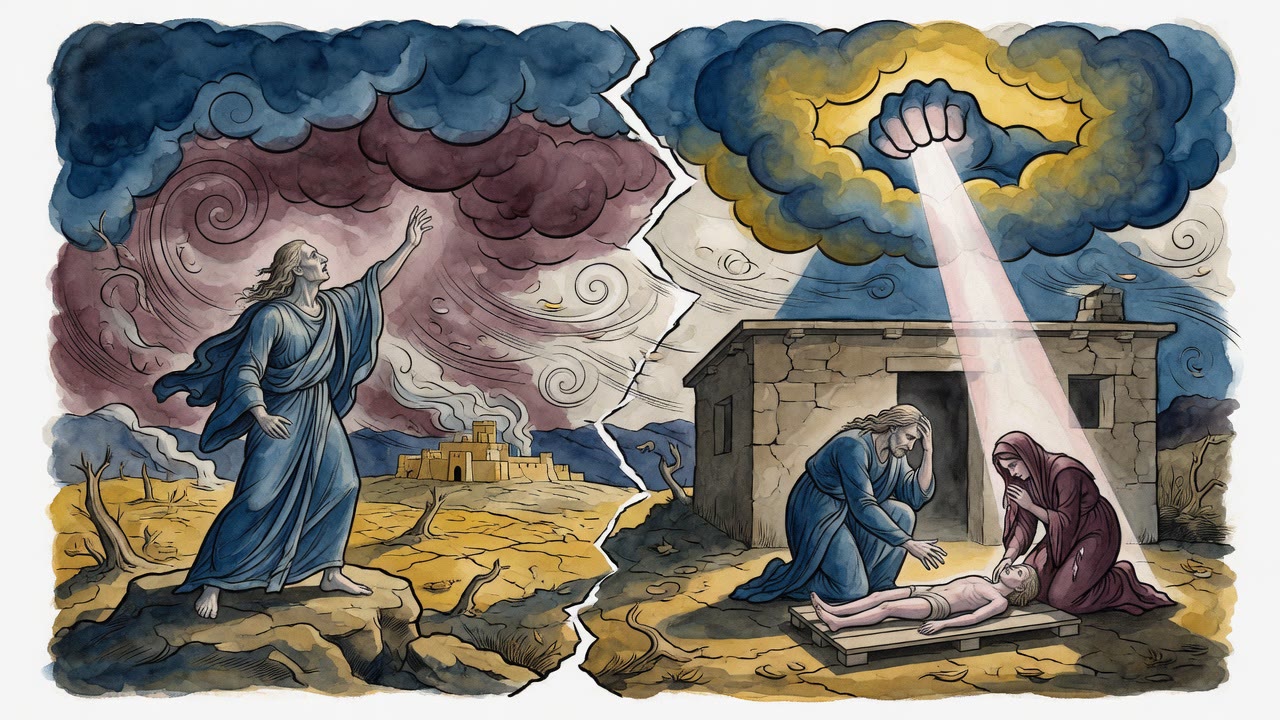
Hezekiah turned his face to the wall, away from the prophet, away from the numbers, toward the only address left. He prayed from the house of David. Even if a sharp sword rests at a man's throat, he may not stop asking. He told God he had walked before Him with a whole heart. He asked those years to be counted while the skin still came off in sheets.
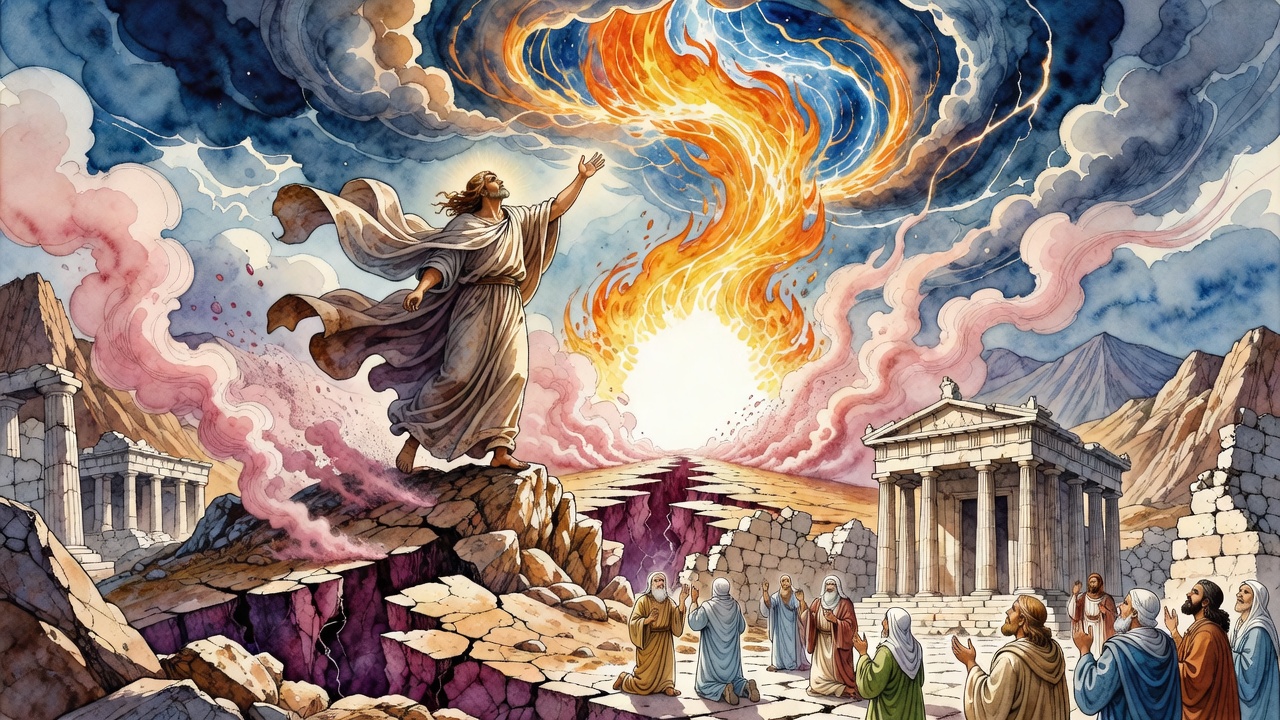
Isaiah had not left the courtyard. The stones were still under his feet when a second word caught him. Go back. Fifteen years. And as a sign, the shadow on the sundial will walk backward ten degrees.
They watched it happen. The shadow retreated across the marks as if the day had changed its mind. Time, at least as the courtyard measured it, ran the wrong way, because a king on a bed had refused to treat a sword at the throat as the end of speech.
The Daughter He Asked For
Hezekiah asked for Isaiah's daughter. Combined merits, he said, might make the sons better than the vision. Isaiah first refused, because a death decree had sounded finished. Then the years were given, and the marriage was made.
The sons he had feared were coming. One of them would be Manasseh. The king who would not walk to a prophet, and would not father a child, now had to do both. The skin would heal. The song he had withheld after the Assyrian night would have to be sung awake, because the sleep in which he had skipped praise had already been priced in flesh.
Isaiah left the bed at last. The sundial in the courtyard kept ordinary time again. Fifteen years sat on the king like a debt that would come due in a son.
← All myths