When the Body Abandons Torah, the Spirit Flies Away Like a Bird
Jonah's ship was the human body. The sailors were the limbs. The captain was the heart. And the Torah was the soul that kept the whole vessel from going under.
Table of Contents
 Click for full size
A Ship That Cannot Steer Itself
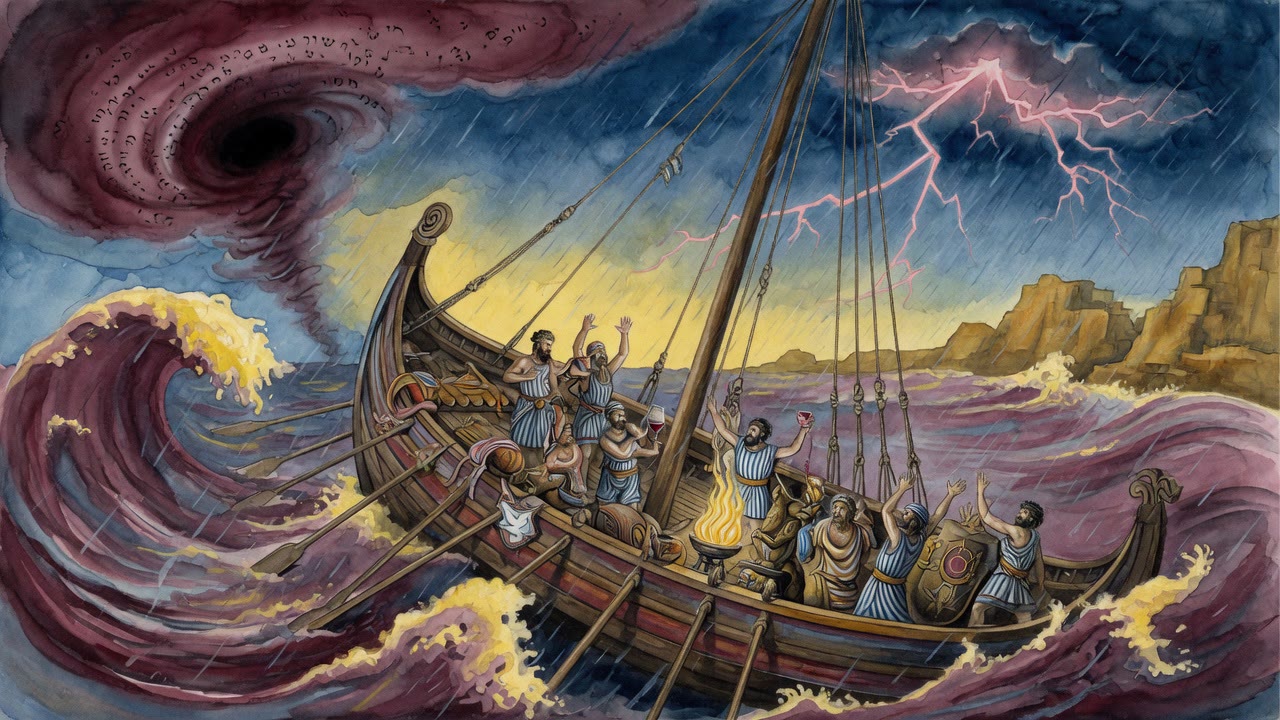
The ship was heading for Tarshish when the storm hit. It was a working vessel with a full crew, experienced sailors who knew what to do when weather turned bad. They threw cargo overboard to lighten the load. They prayed to their gods. They did the things that sailors do. None of it helped. The storm kept building. The ship kept threatening to break apart.
The Tikkunei Zohar, the mystical compilation of thirteenth-century Castile, looked at this vessel and its crew and saw the human body in a storm: planks and ropes and sails that go nowhere without a guiding principle, manned by a crew that performs its functions until something goes wrong at the level of direction, of soul, of the animating intelligence that tells the body what all its motion is for.
The Sailors, the Captain, and the Soul
The sailors are the limbs, the Tikkunei Zohar says. They are performing their functions: throwing cargo, pulling ropes, calling on their gods, doing what bodies do when they are in motion and the motion has purpose. The captain is the heart, the organ that gives the orders, the one who comes down to the sleeping prophet and says: rise, call upon your God. The heart commands. The limbs execute. This is how the body works when it is working.
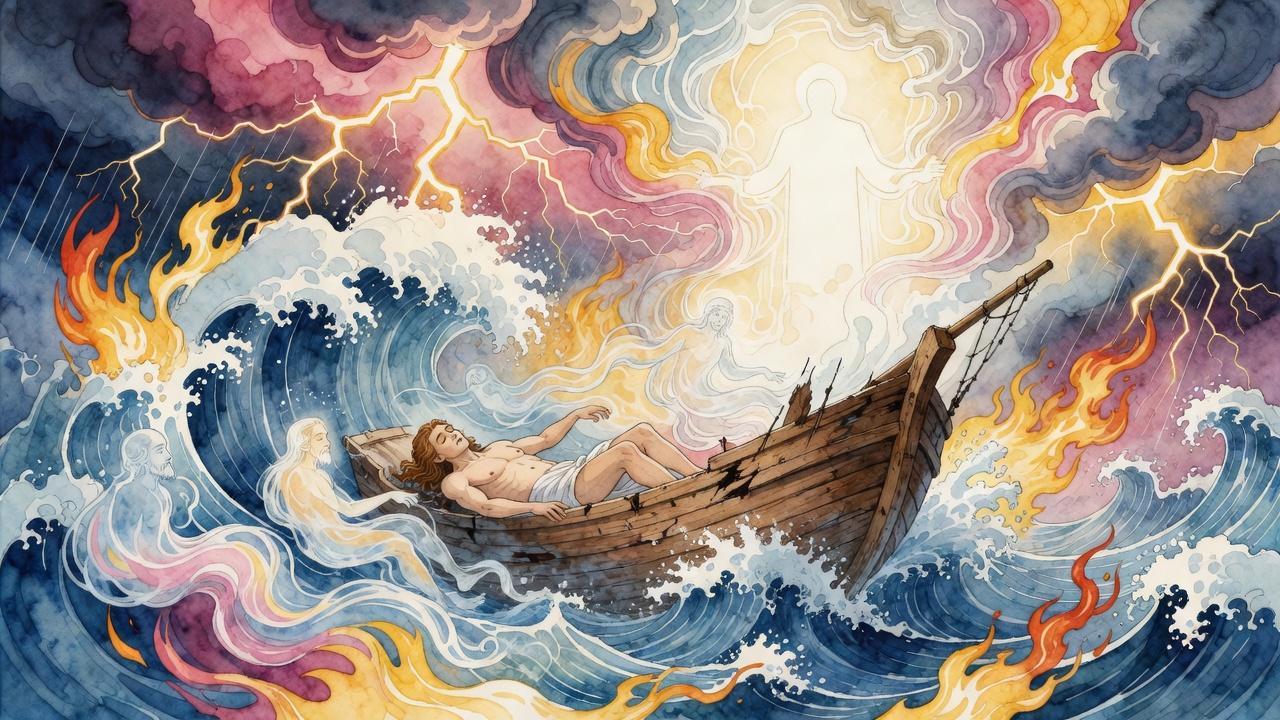
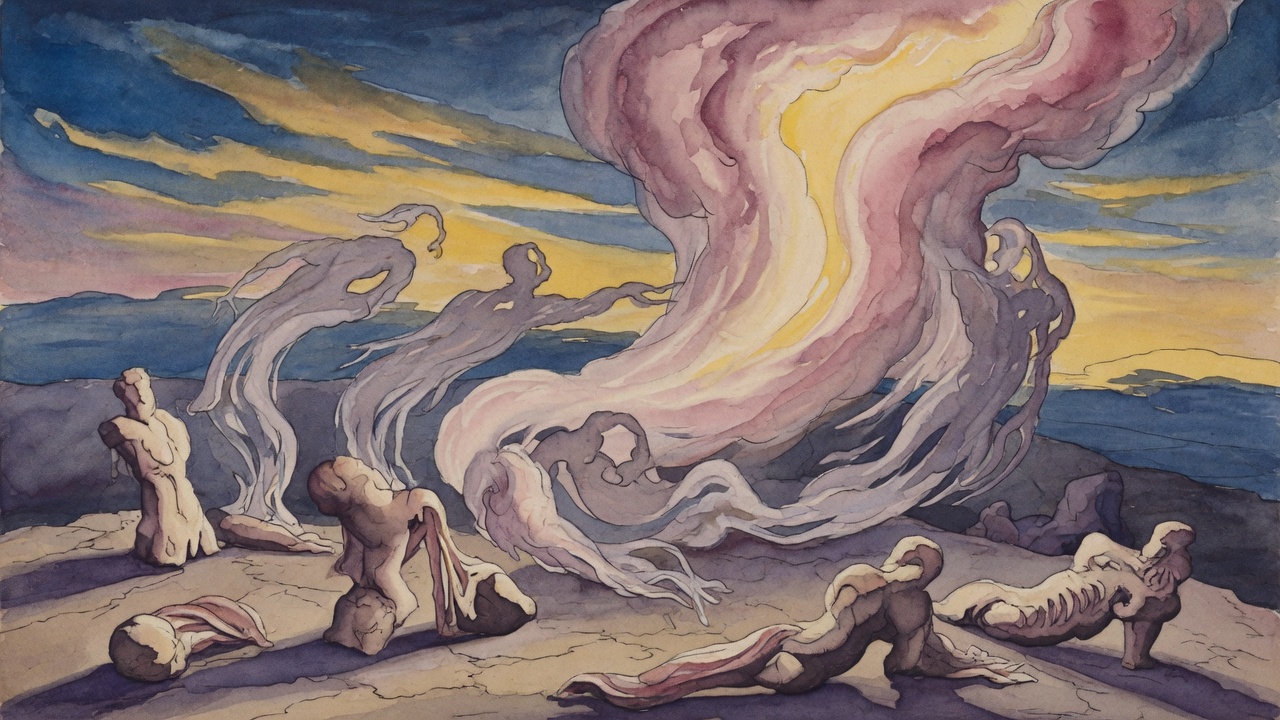
The Torah, the text says, is the nishmata, the soul, the animating divine intelligence that gives all this activity its direction and meaning. Without the soul, the body continues its mechanical functions for a while. The heart pumps. The limbs move. The captain shouts orders and the sailors throw cargo into the sea. But the spirit, the ruach, has flown away from between them, and a body from which the spirit has fled does not know where it is going. It takes on water in a storm it cannot understand because understanding requires the soul that has departed.
When the Limbs Stop Obeying the Soul
The Tikkunei Zohar states the principle directly: if the limbs of the body, who are the masters of the ship, are not conducting themselves in accordance with the Torah, which is the soul, and the commandment, which is the animating vital force, then the spirit flies away from between them. The body does not immediately collapse. It keeps going, momentum carrying it forward. But the directing intelligence is gone, and without it, the body is a ship with no heading, at the mercy of whatever storm appears.
Jonah in the hold is the soul's absence made visible. The body of the ship is still functioning. The sailors are working. The captain is commanding. But the one who was supposed to carry the prophetic mission, the one who was supposed to bring the Torah's word to Nineveh, is asleep below deck, having withdrawn from the function that would have given the whole voyage its meaning. His presence in the hold is not rest. It is the vacancy at the center of a body that is all function and no soul.
Torah as Medicine for Body and Soul
The tradition that Torah is medicine for both body and soul runs through the Tikkunei Zohar's reading of Jonah. The connection is not merely that Torah is spiritually beneficial. It is that Torah is structurally necessary to the human organism the way a soul is necessary: not a supplement that improves the body's performance but the animating principle without which the body cannot perform at all, cannot find its direction, cannot survive the storms that will inevitably come.
A body that abandons the Torah is not a body that has chosen a different direction. It is a body that has chosen no direction. The sailors can throw all the cargo overboard and pray to every god they know, and none of it will help, because the problem is not the weight or the wind. The problem is the vacancy in the hold, the prophet who ran instead of going, the soul that withdrew from the body that needed it to navigate.
What Happens When the Spirit Returns
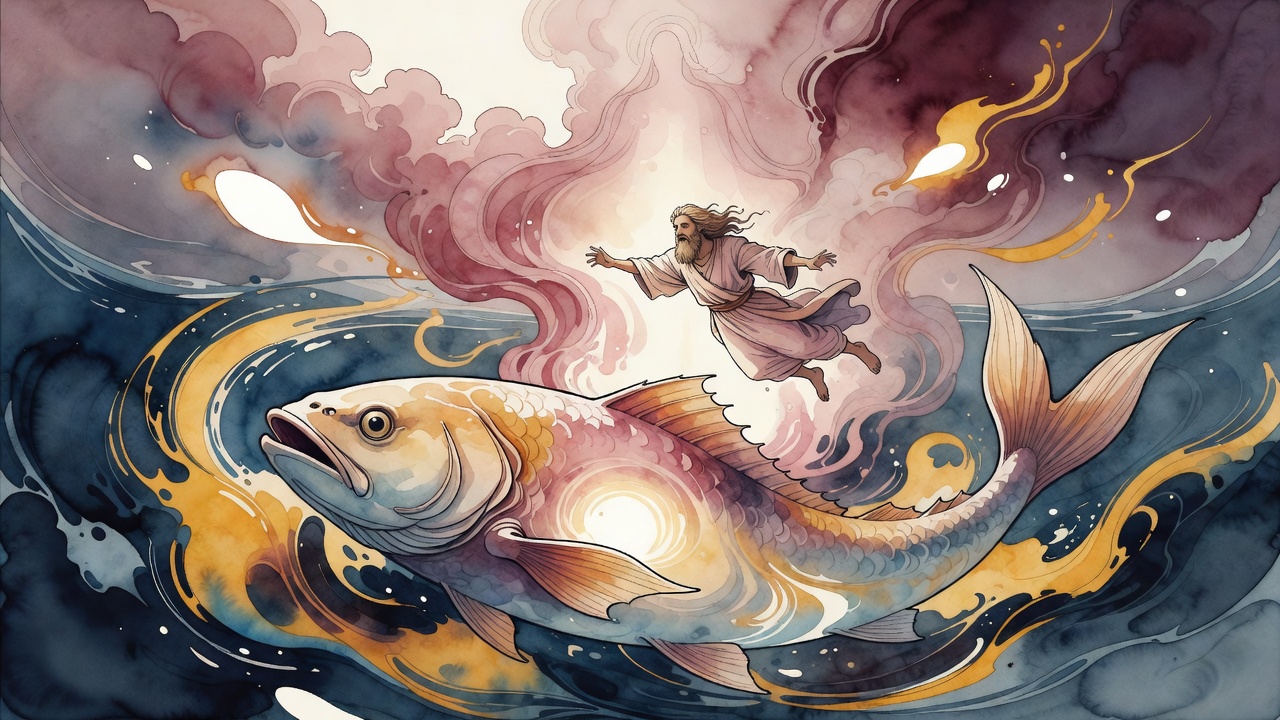
The sailors wake Jonah. He acknowledges what he has done. He tells them to throw him into the sea, that he is the reason for the storm. They try to row to shore instead, these decent pagan sailors who do not want a man's death on their hands. They cannot. They throw him in. The sea stops raging immediately. The stopping is the evidence: the problem was precisely and only Jonah, precisely and only the flight of the soul from its proper function. When he enters the water, the mechanism resets. The spirit returns, in a different and more terrible form, in the belly of a fish, in the darkness of what the sea contains, where there is nowhere left to flee and the prayer that could not be spoken on the ship finally comes.
Three days in the dark. Then the fish vomited Jonah onto dry land. Then the word of God came to him a second time: go to Nineveh. This time he went. The body that had been a ship without a soul had been given back its soul at the bottom of the sea, in the place where nothing else was possible, and with the soul restored, the body knew where it was going.
← All myths