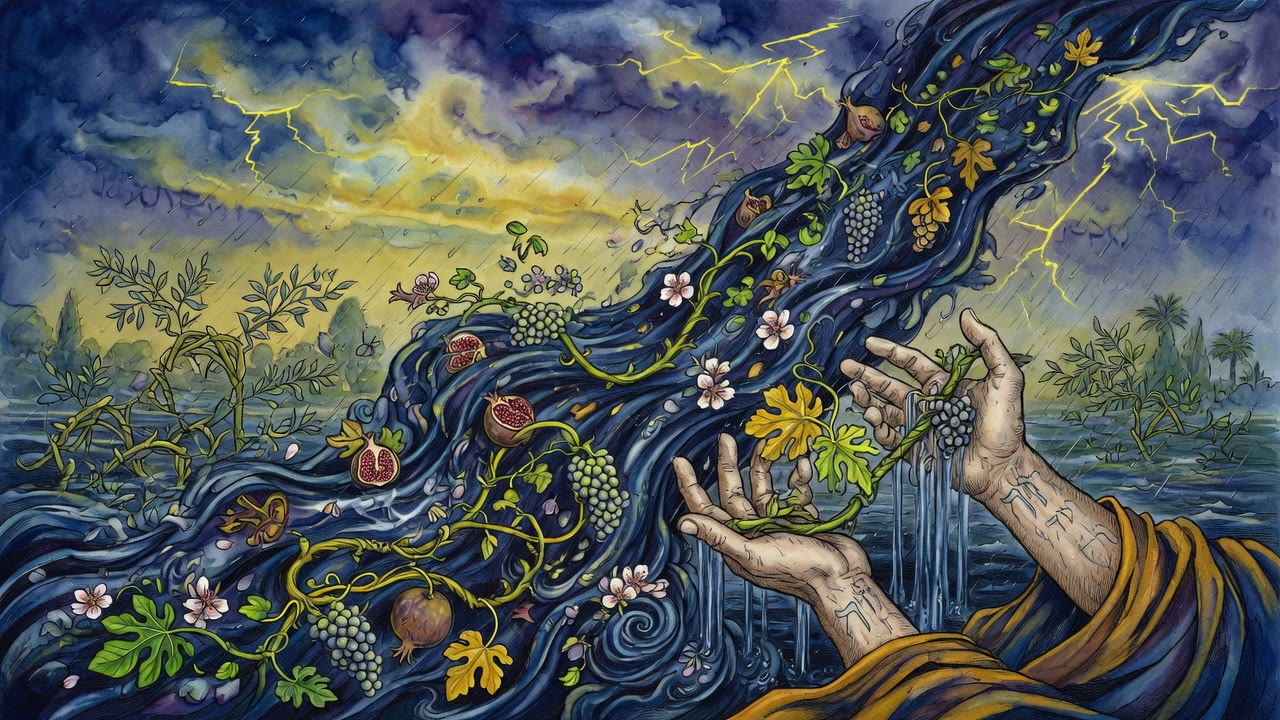
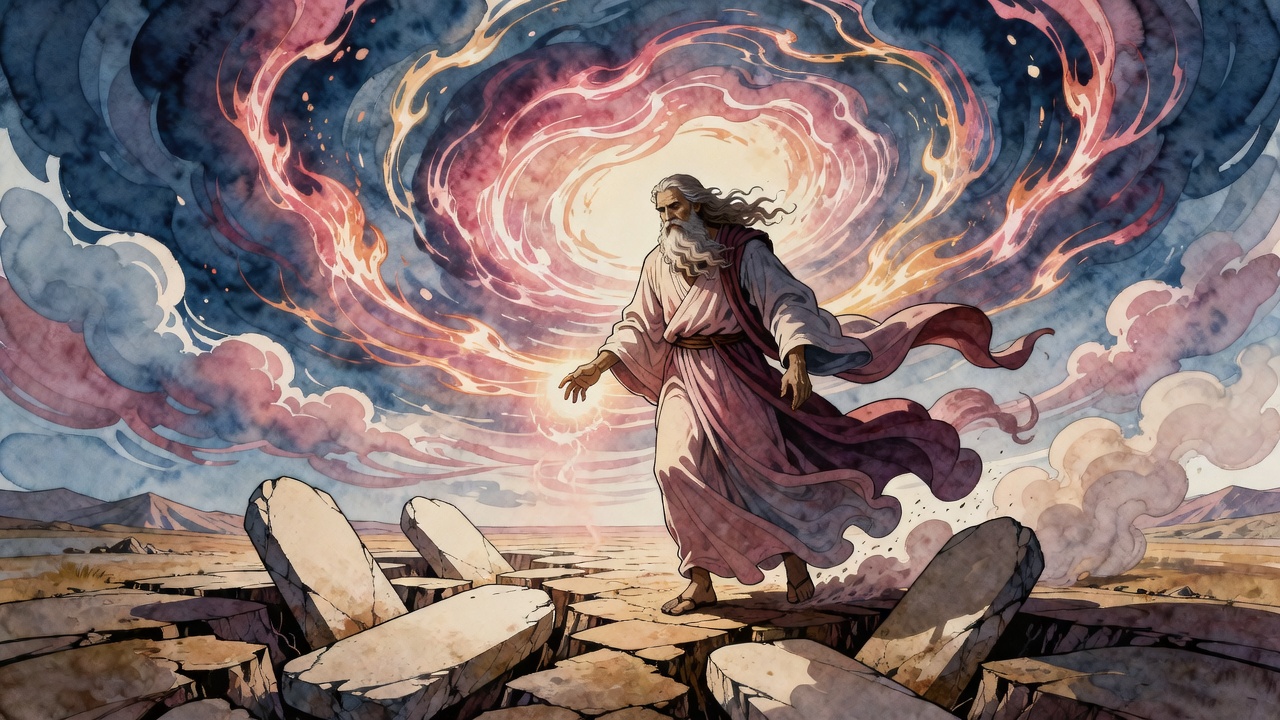
After Enoch Left, Methuselah Took Up His Sword Against the Demons
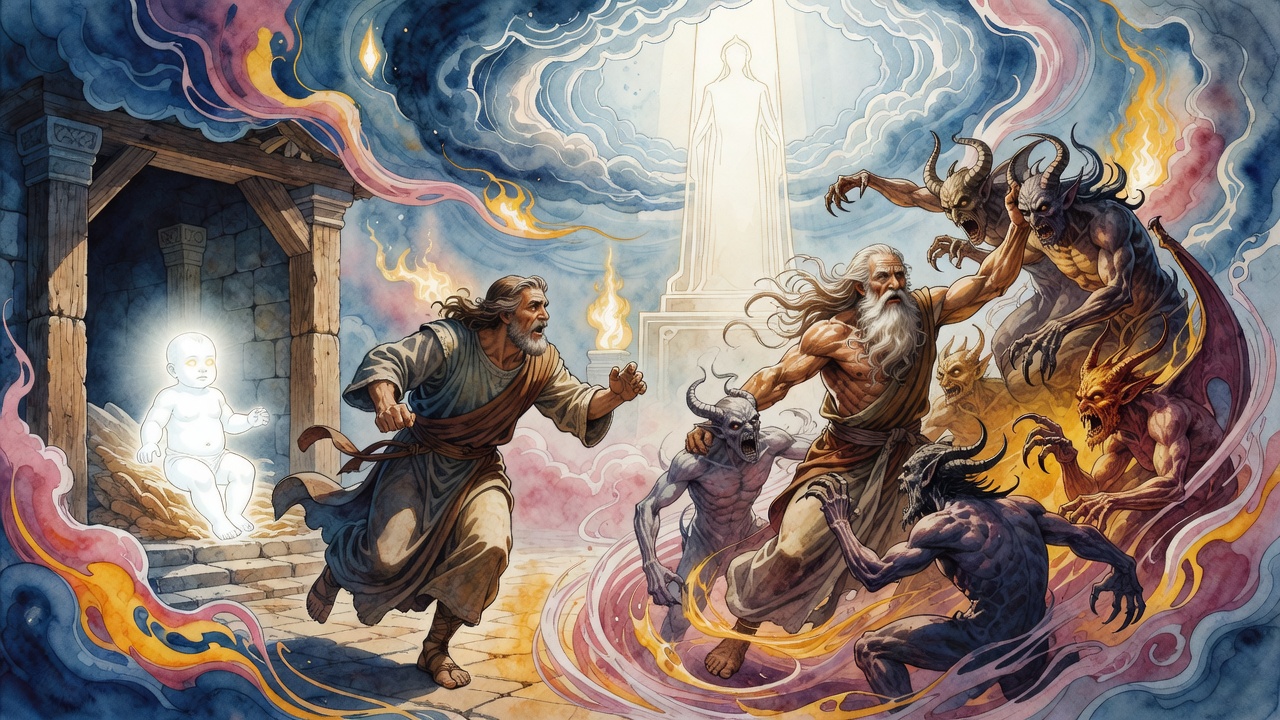
After Enoch ascended, Methuselah ruled the earth. His first task was the demons, Adam's children by Lilith, which he cleared with a sword bearing the Name.
Table of Contents
 Click for full size
The World After Enoch
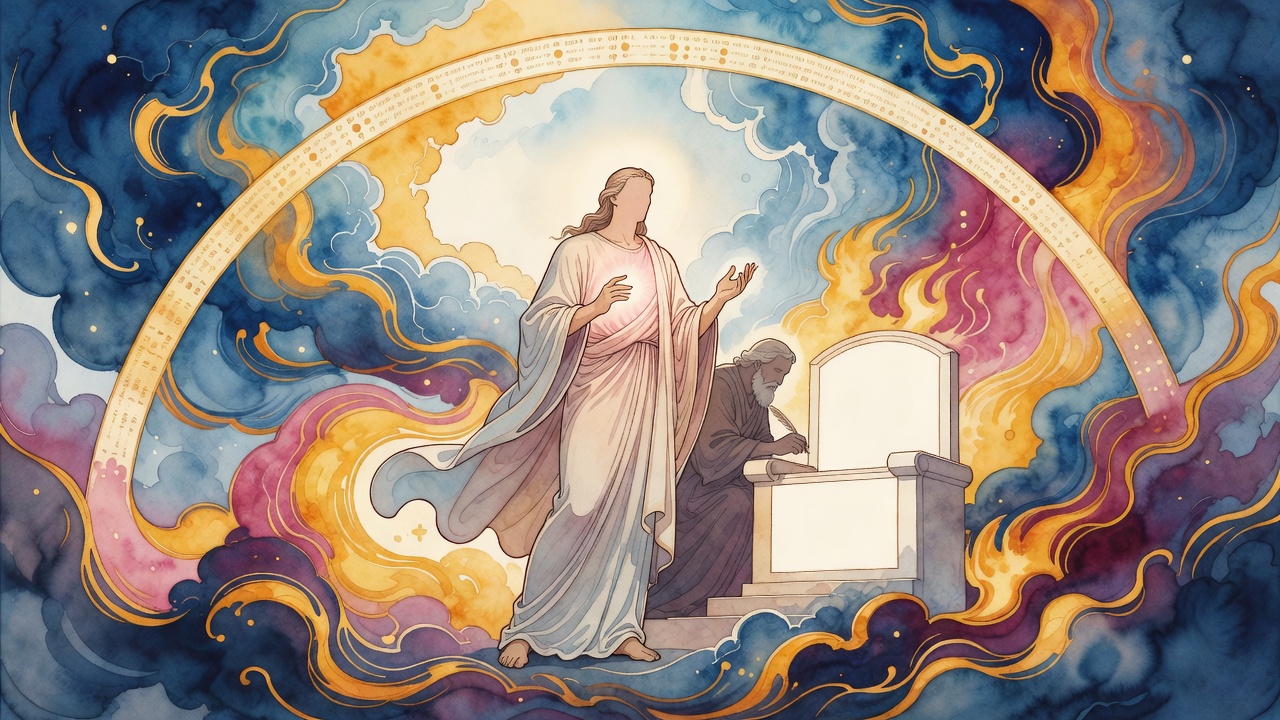
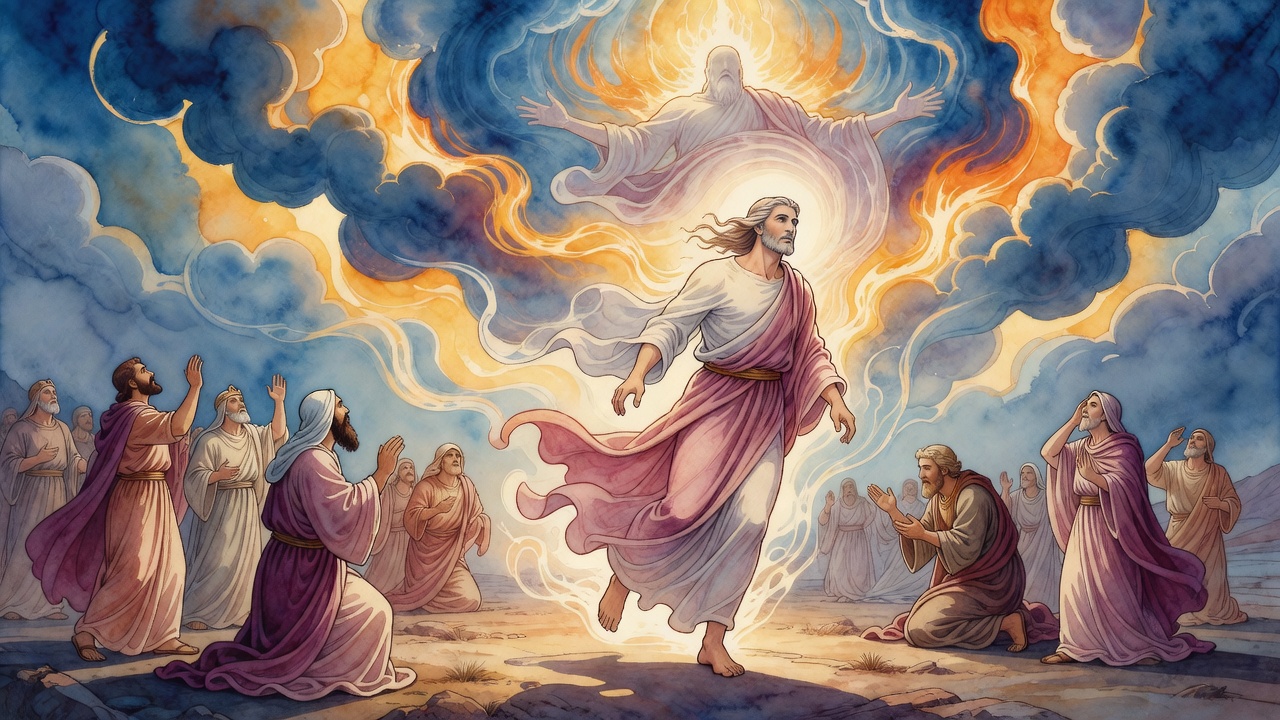
When Enoch was taken, the world did not become quiet. It became exposed. The peace he had maintained for two hundred and forty-three years had not solved the underlying problems of human nature; it had simply held them in check through the force of his presence, his teaching, and the authority that came from a man who visibly walked with God. When that presence departed, what had been held in check began to move again.
The kings who had submitted to Enoch still had their territories and armies. The generation before the Flood needed someone who could hold the visible world in order while also facing what moved under it, in the unseen places where the dangers were older and stranger than any human ambition.
They chose Methuselah.
The Ruler Who Followed His Father
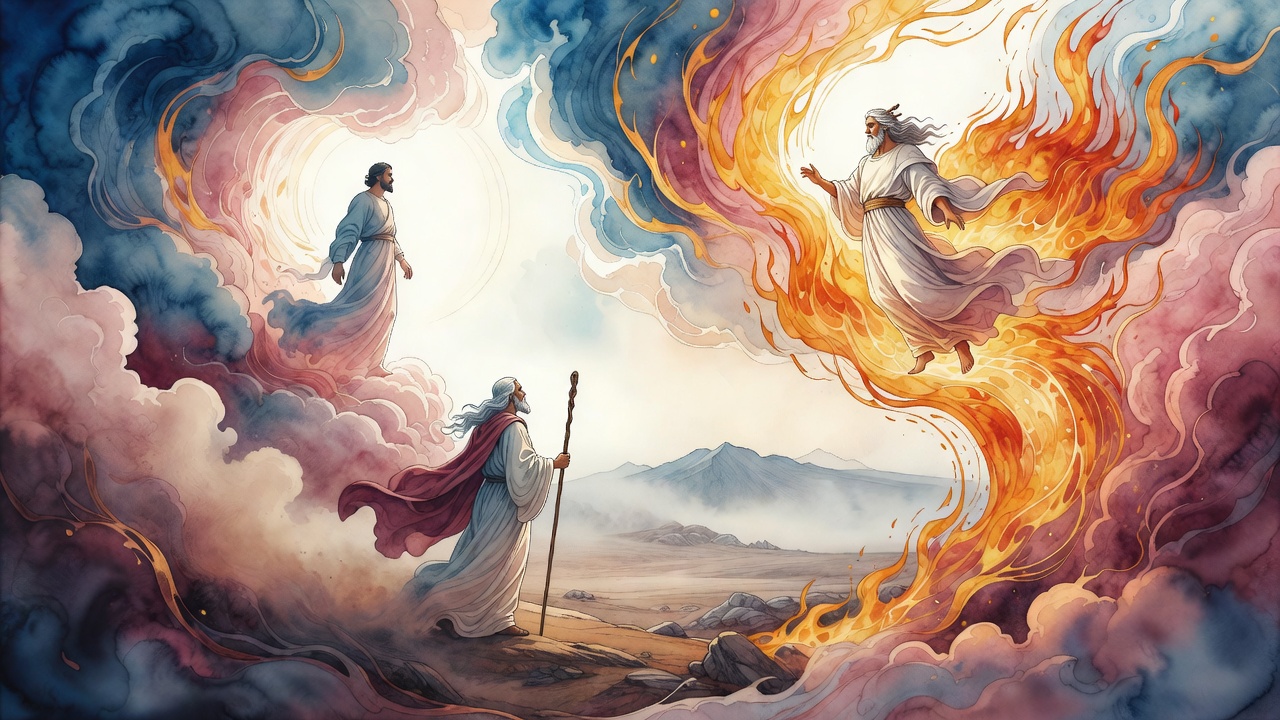
He had grown up in the household of a man taken by God, which means he had grown up understanding what was at stake in every decision. Methuselah took the throne the kings offered and governed the world the way his father had governed it: through teaching, through justice, through the knowledge of God that Enoch had passed to him directly before ascending. He did not turn from the path to the right or the left. He was, by every account, the most faithful possible continuation of what Enoch had begun.
But Methuselah faced a problem his father had not publicly confronted: the demons.
Adam's Children by Lilith
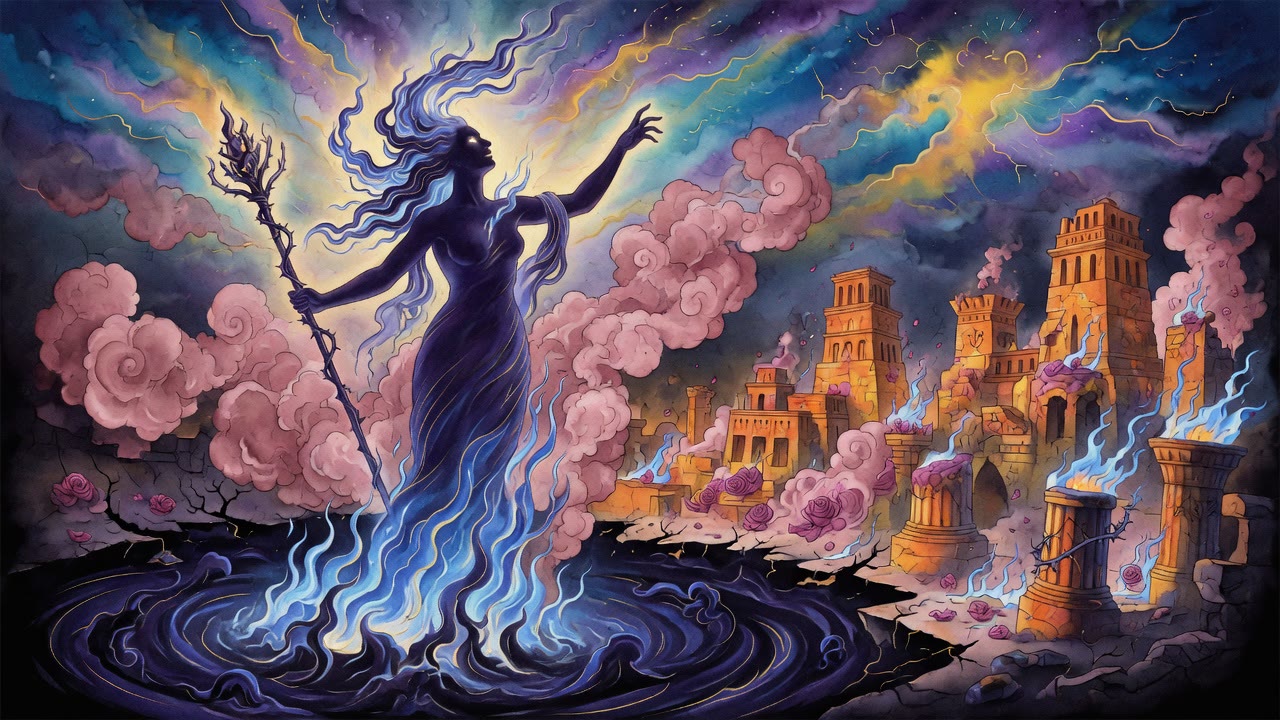
They were old. Older than the flood, older than the generation that brought it on, older in some ways than human civilization itself. The legend traced their origin to the hundred and thirty years when Adam was separated from Eve after Abel's murder, the long silence between them when neither could bear to be present to the other. During that silence, the tradition says, Adam had unions with Lilith, the night-creature, and from those unions came the demons: beings of pure spirit, without the anchoring substance of a body, capable of harm, present in every dark corner of the world the living moved through.
Ninety-four myriads of them.
The Sword With the Name
Methuselah received a sword. It had been made before the world, or in the first days of the world, one of the things created in the twilight between the sixth day and the first Sabbath, when God completed the last necessary objects and gave them to the world as preparation for everything that would follow. On the blade was engraved the Name.
He went out with the sword and he used it. The accounting preserved in the legend is precise in its scale if not in its details: ninety-four myriads of demons delivered. The world after Enoch was safer not because the problem of human wickedness had been solved, but because one man had gone into the dark corners with the right instrument and reduced the population of what lived there.
The Teacher Who Also Fought
The tradition presents this combination without embarrassment: Methuselah as teacher of truth and knowledge and fear of God, and Methuselah as demon-slayer, both attributes natural to the same man. Ben Sira, listing the figures worthy of remembrance, pairs Enoch and Noah and leaves Methuselah as the bridge between them, the one who kept the line intact through the most dangerous generations before the Flood. He did not just preach his way through those generations. He cut through them.
His name appears in the genealogies as the oldest person who ever lived. Nine hundred and sixty-nine years. The tradition does not read this as coincidence. A man who received Enoch's teaching directly and wielded a sword engraved with the divine name earned the kind of life that lasted long enough to watch the world he had protected finally drown, and to have his own grandson ready on the ark when the water came.
← All myths