God Left the Idol Baal-zephon Standing to Lure Pharaoh to the Sea
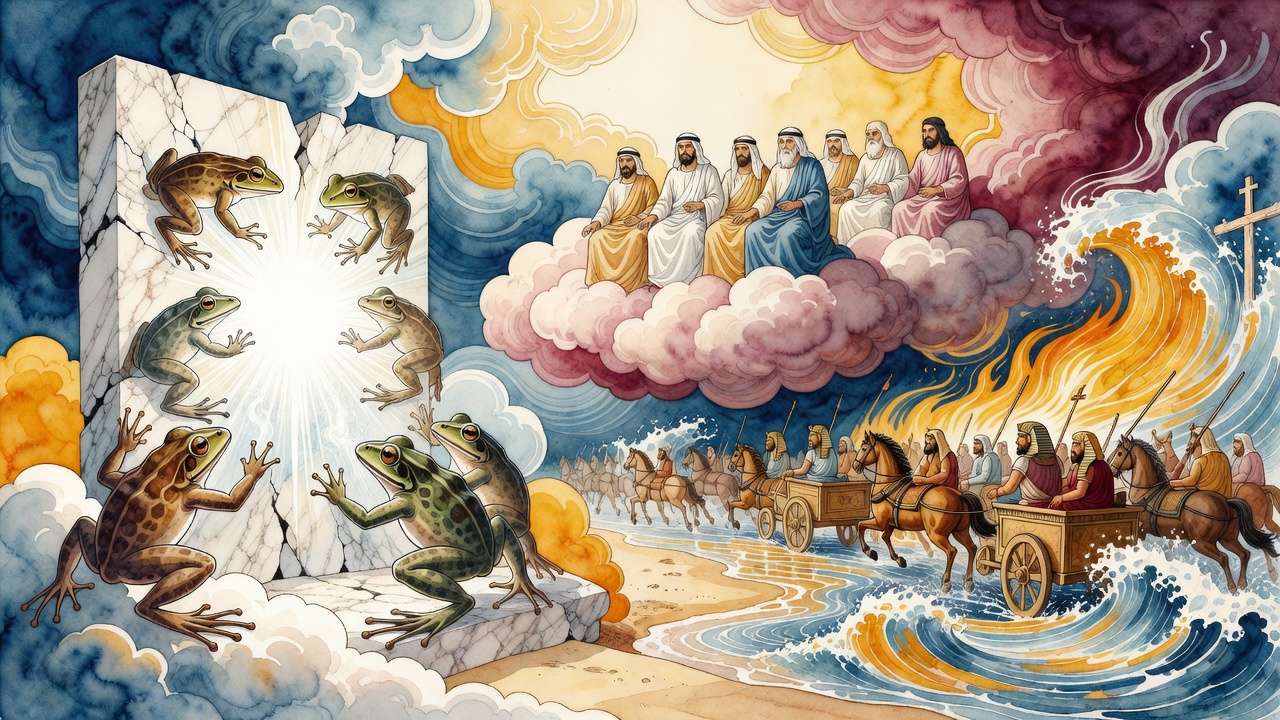
Every Egyptian idol fell during the plagues, but Baal-zephon still stood. God left it standing so Pharaoh would pray there, trust the sign, and charge.
Table of Contents
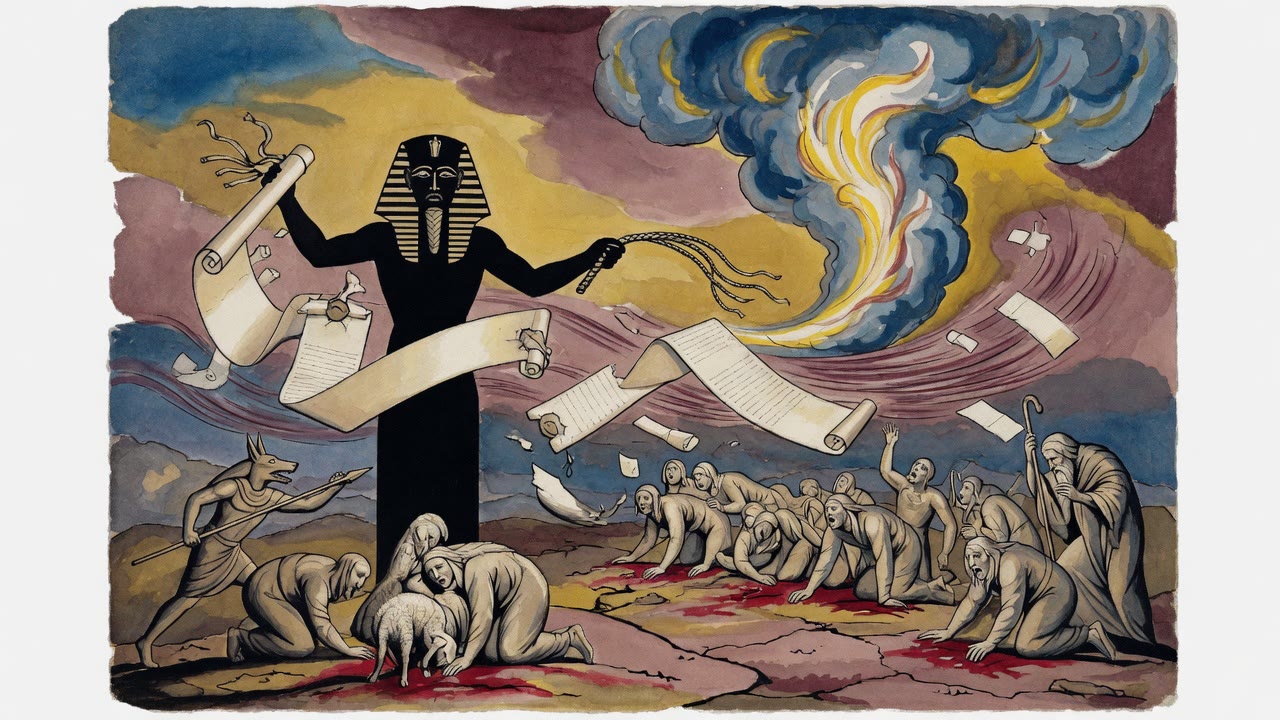
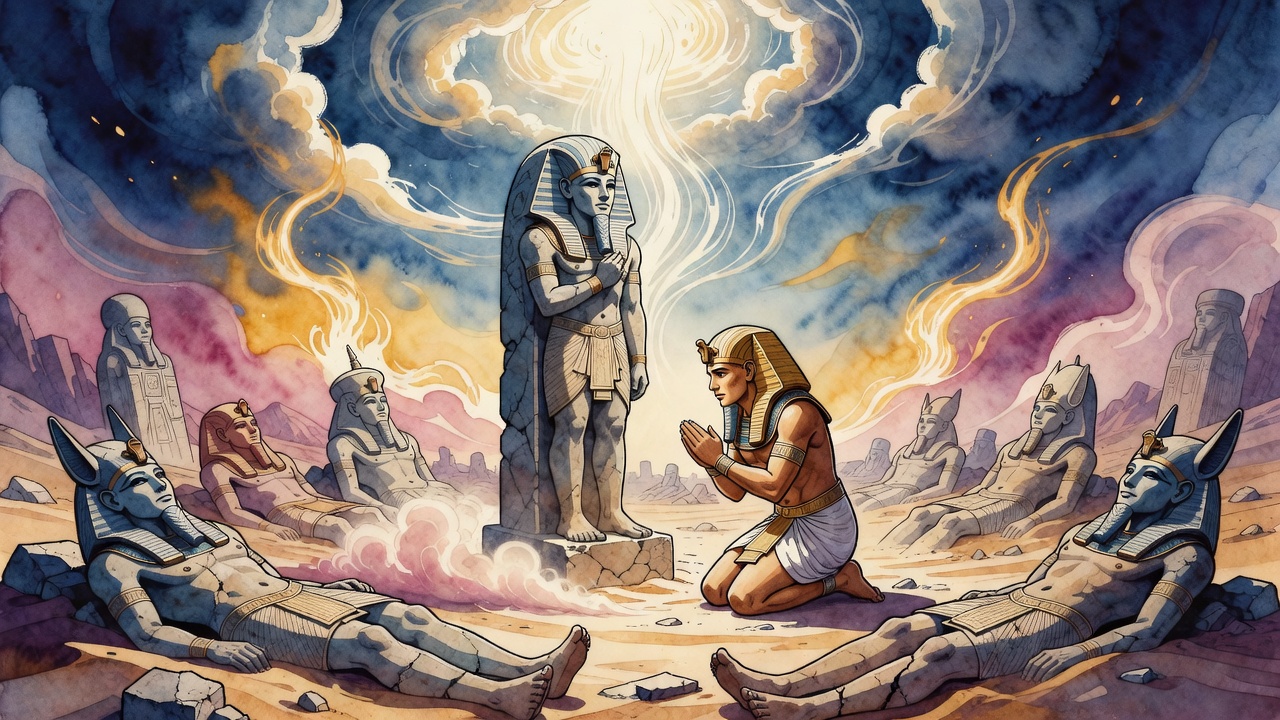
Nine plagues had torn through Egypt. The Nile had run red. The firstborn were dead in every house. And now, at last, Pharaoh had released the Israelites and they were gone. The altars of Egypt were rubble. The carved faces of the gods lay cracked in the dust of their own temples. Every idol in the land had been shattered or desecrated, the divine images brought low as though the plagues themselves had been aimed not just at Pharaoh but at the theology that had built him.
 Click for full size
Every idol except one.
At the sanctuary near the sea, Baal-zephon still stood. Pharaoh found it on the march, intact, untouched, its stone face unchanged while everything around it had been overturned. He stopped the column. He looked at it. Of the whole Egyptian pantheon, this one god had survived. He took that as a message addressed to him personally.
The King Drops to His Knees at the Shore
Pharaoh offered sacrifices. He bowed his head. The idol had endured the ten plagues and stood gleaming at the margin of the sea, and so the king read it as permission, as a warrant from heaven itself: chase them, the sea will be your ally, this is the moment the victory comes. He rose from the altar with his decision made.
What he did not know was that Baal-zephon had been kept standing for exactly this reason. Every other idol had fallen because God had permitted it to fall. This one had been held upright like bait in a snare, preserved through the plagues so that it could do one final piece of work: get Pharaoh to the water's edge with his confidence unbroken.
The trap was not sprung at the sea. It was laid at the beginning of the plagues.
Moses at the Precipice, Boxed In
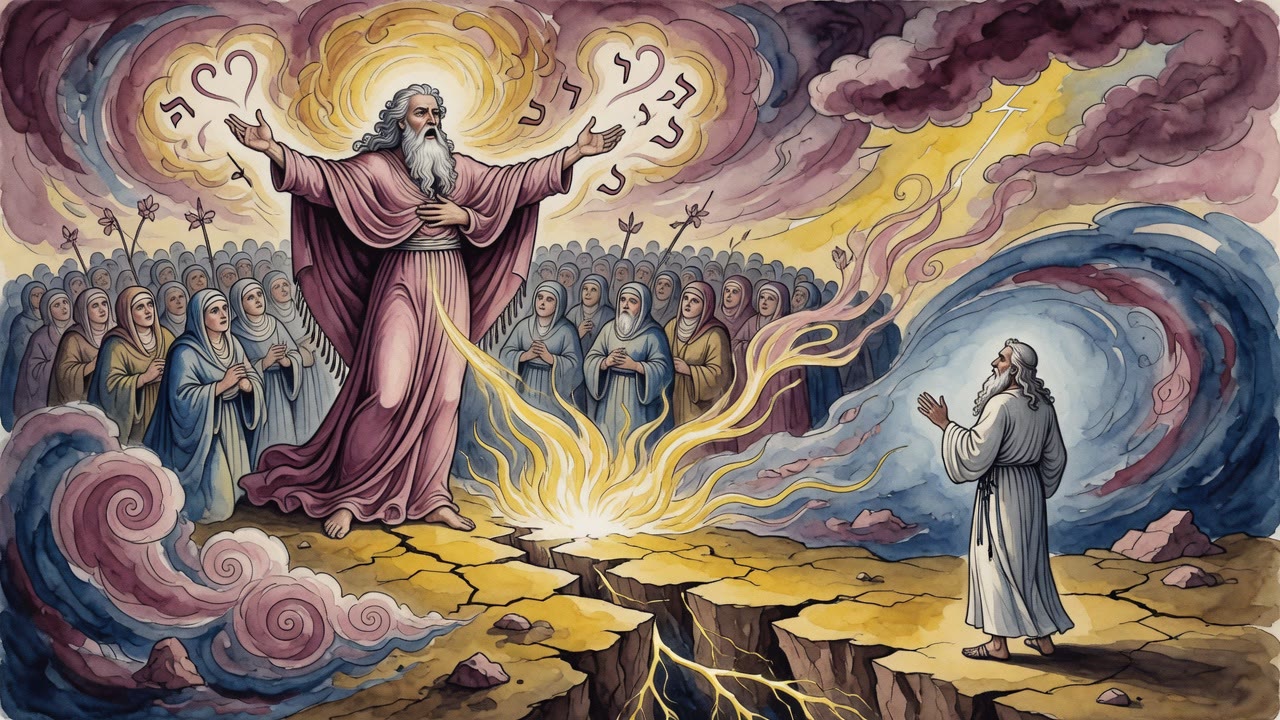
On the other side of the pursuit, at the shoreline, Moses stood with nowhere left to go. Behind them: Pharaoh and his chariots. To the south: the sanctuary of Baal-zephon. To the north: the fortified tower of Midgol. Ahead: the sea, deep and moving and impassable. He spread his hands toward heaven and did not present a plan because he had none. "Thou knowest," he said, "that it is beyond human strength to surmount the difficulties standing in our way" (Exodus 14:15). It was not a prayer so much as a formal acknowledgment of helplessness.
The camp had splintered into factions. One group wanted to fight. Another wanted to walk back to Egypt, back to the brick pits and the mud, to any situation that was at least a known one. A third group was ready to throw themselves into the sea and be done with it. A fourth wanted to cry out to God and wait. Four different answers to an impossible situation, and none of them the right one.
God's answer to Moses was short and not gentle: stop crying out, move.
A Man Walks In Before the Waters Part
Before the sea divided, God showed Moses the angel hosts assembled on the horizon, armies of heaven massed at the water's edge, the divine war-camp made visible for one man so that he would understand the scale of what was being done. An extraction by force, the way a surgeon reaches inside a living body. Not clean. Not distant. God was not issuing commands from a throne room; God was in the field.
Moses raised his staff. And then, before the walls of water had appeared, before the miracle had made itself unambiguous, a man named Nachshon ben Amminadav, prince of the tribe of Judah, walked into the sea. He went in to his ankles, to his knees, to his waist. He kept walking. The water reached his neck (Psalms 69:2). Only then did the sea split, the walls rising on either side, the seabed between them opening dry.
The miracle did not arrive before the commitment. It arrived after it, by the margin of one man's throat.
Pharaoh Pushes Into the Corridor
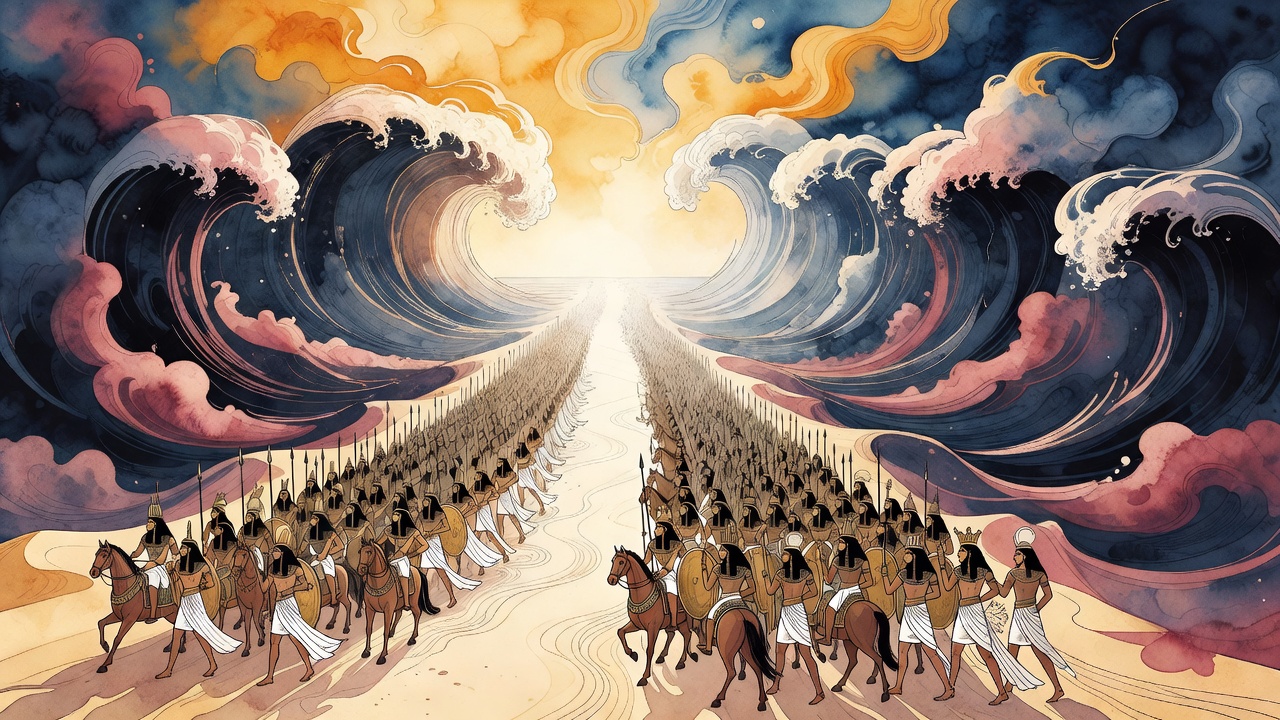
Pharaoh saw the sea divide and did not slow. He had his idol's blessing and his chariots and a gap in the water wide enough to drive an army through. He drove his army through it. The Israelites were moving fast on the far side. Pharaoh pressed forward.
The pillar of cloud and fire that had stood between the two camps all night, disorienting the Egyptians, confusing their horses, keeping them from advancing, had kept the army awake and rattled. Now it moved. And Pharaoh, who had taken every sign as confirmation of his own success, took this sign the same way.
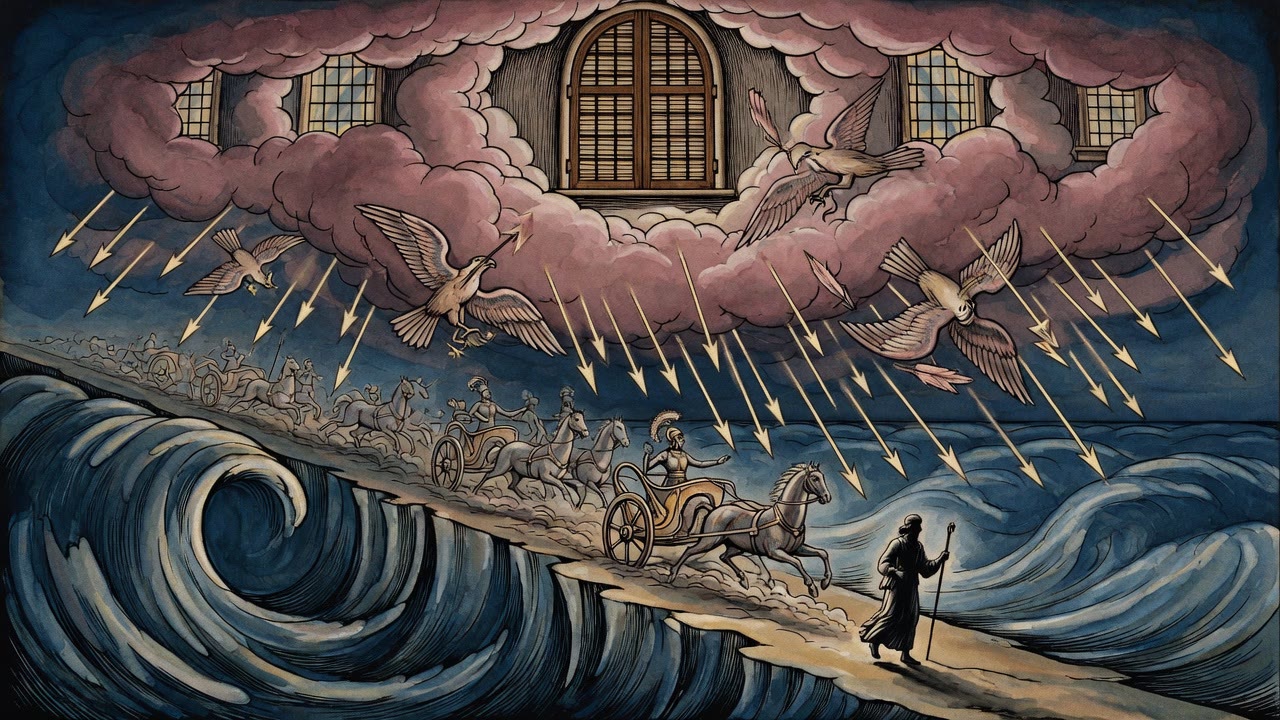
Inside the corridor of water, the chariot wheels began to stick. The horses screamed and pulled sideways. Men at the front of the column looked up at the walls of water and understood what was about to happen, and tried to turn back, and found the men behind them still driving forward because Pharaoh was at the rear still pushing, still certain (Exodus 14:25). The column folded on itself.
The Idol's Work Was Finished
The sea closed.
Baal-zephon had done what it was kept standing to do. It had given a frightened, furious king the one thing that could destroy him: certainty. The idol survived the plagues not because it had power but because it was useful. It was the last door in a trap that had been built around Pharaoh for ten plagues, spring-loaded and waiting for the moment his grief would harden back into pride.
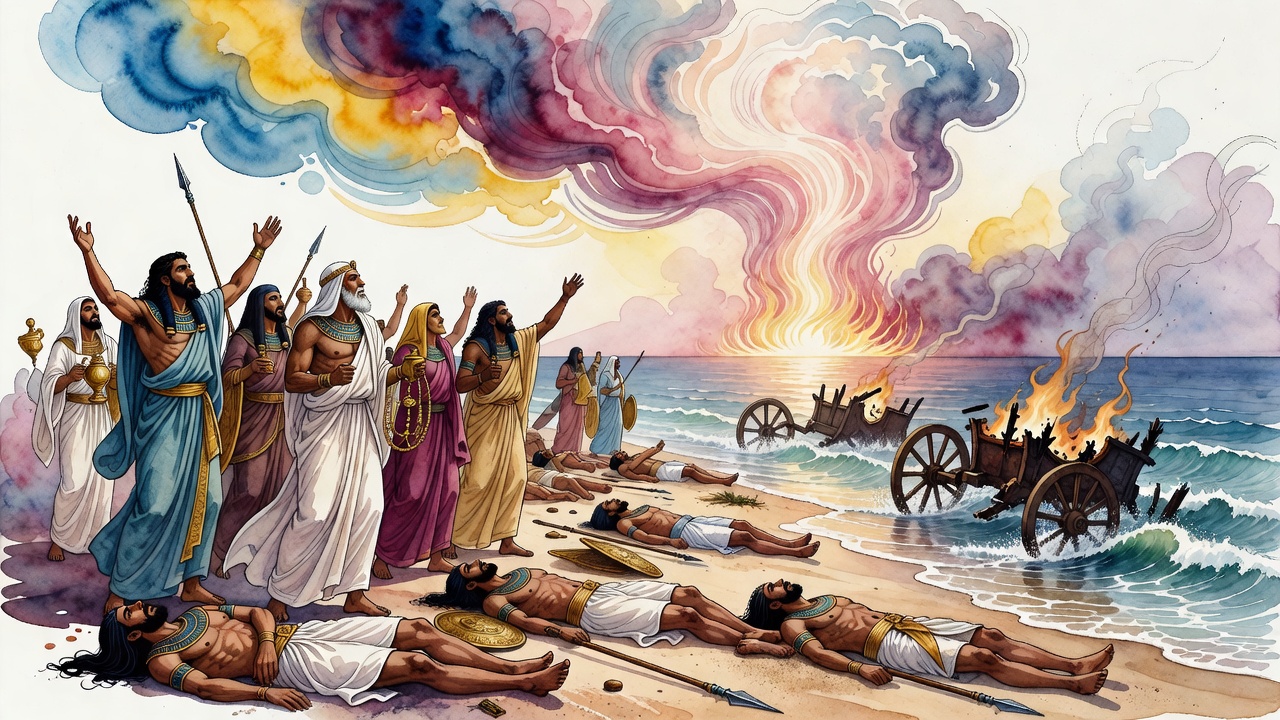
On the eastern bank, Miriam took up her tambourine and the women danced (Exodus 15:20). The song they sang was not about the sea or the walls of water or the chariots. It named the horse and rider thrown into the sea. One by one, the names of what Egypt had been.
← All myths