116 myths · Page 2 of 4
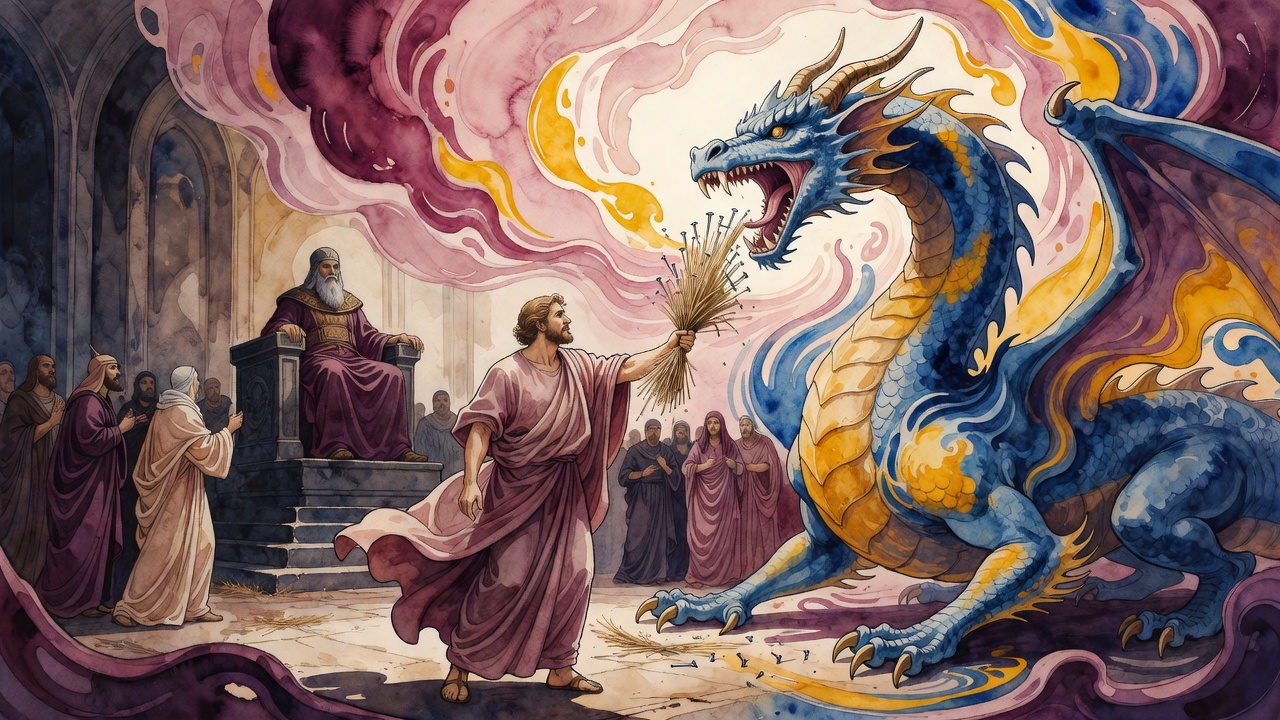
Nebuchadnezzar presented Daniel with a living dragon the court worshipped. Daniel asked to approach it without a sword and fed it straw packed with nails.
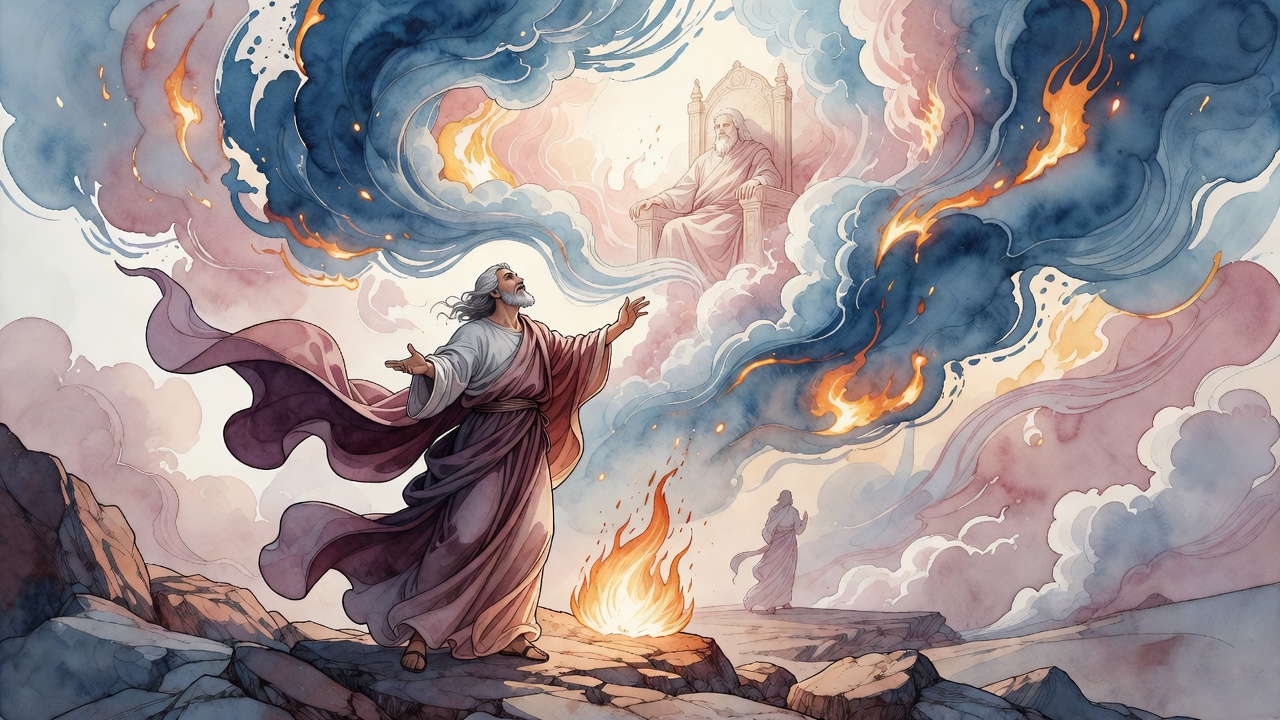
Three hundred years before Josiah was born, a prophet called him by name. The king who arrived had been expected all along.
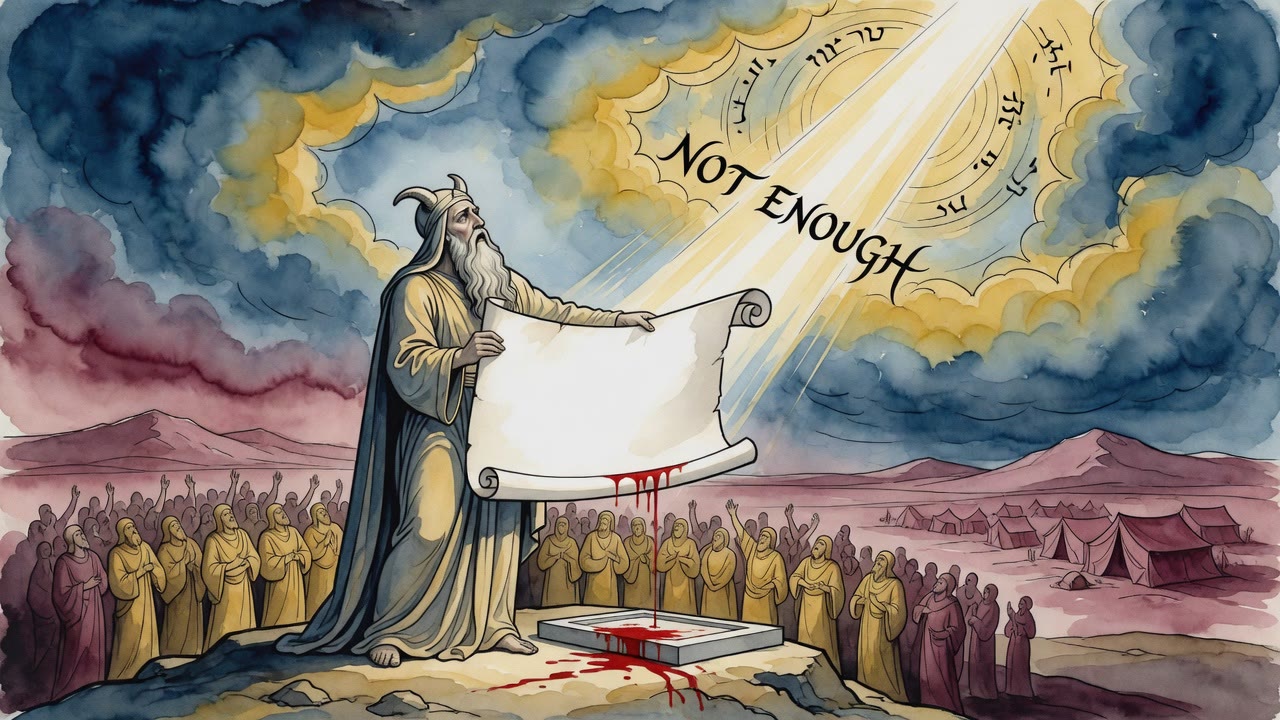
Laban's household god was a salted human head set into a wall with a gold plate under its tongue. It answered questions. Rachel grew up with it.
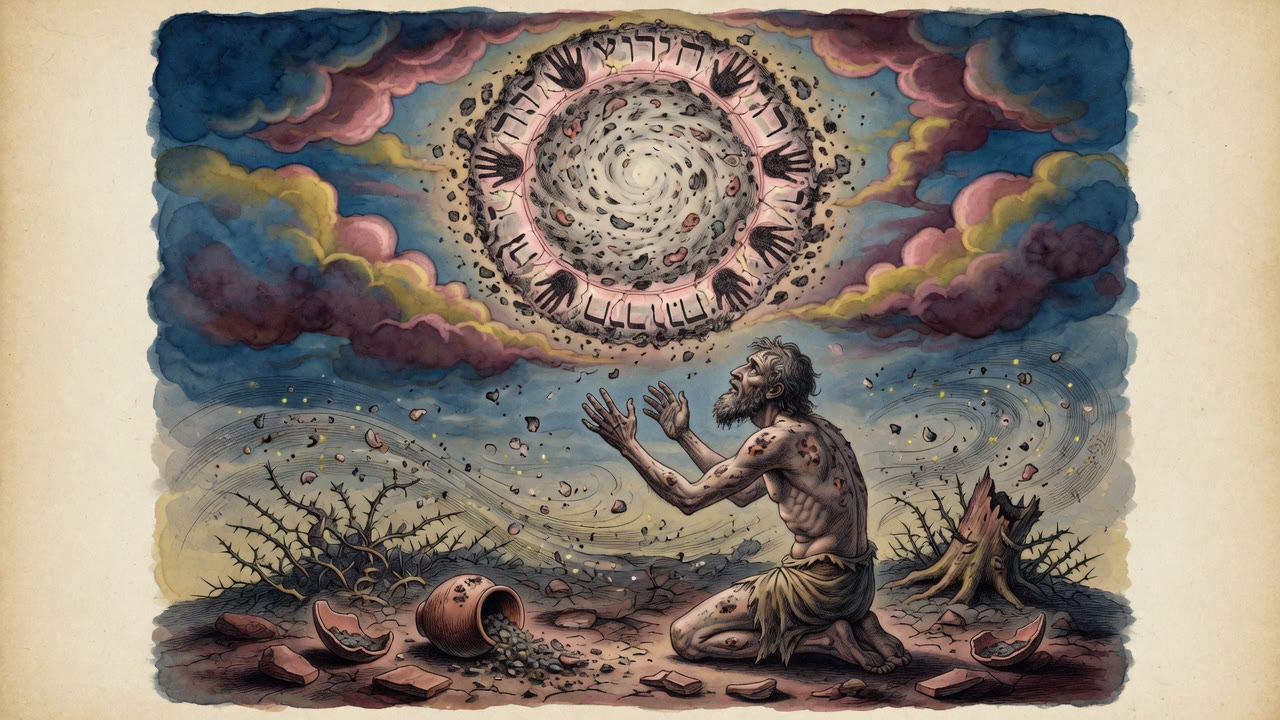
Old women priced the linen high. A girl behind the curtain poured wine and set Peor's idol beside the cup. Bow first, she said, then you may stay.
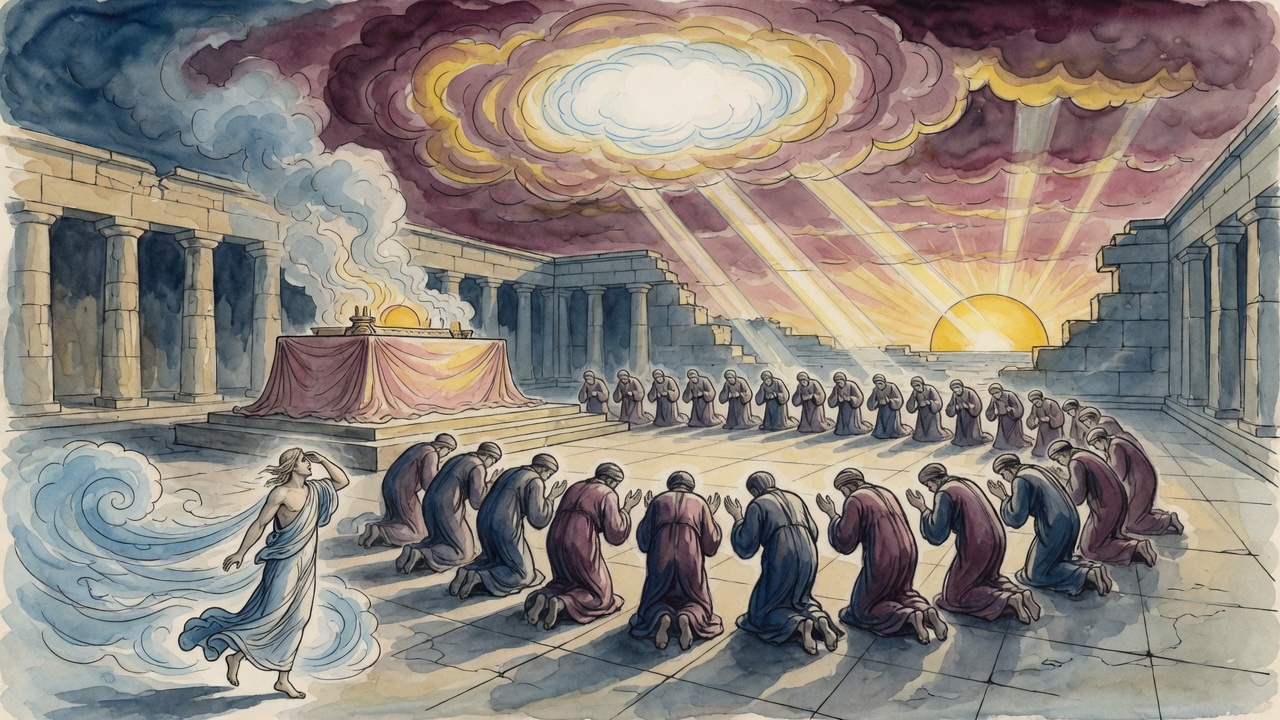
Ezekiel was a priest by a canal in Babylon with no altar to serve. The sky opened over the ditch, and four creatures came out of the fire.
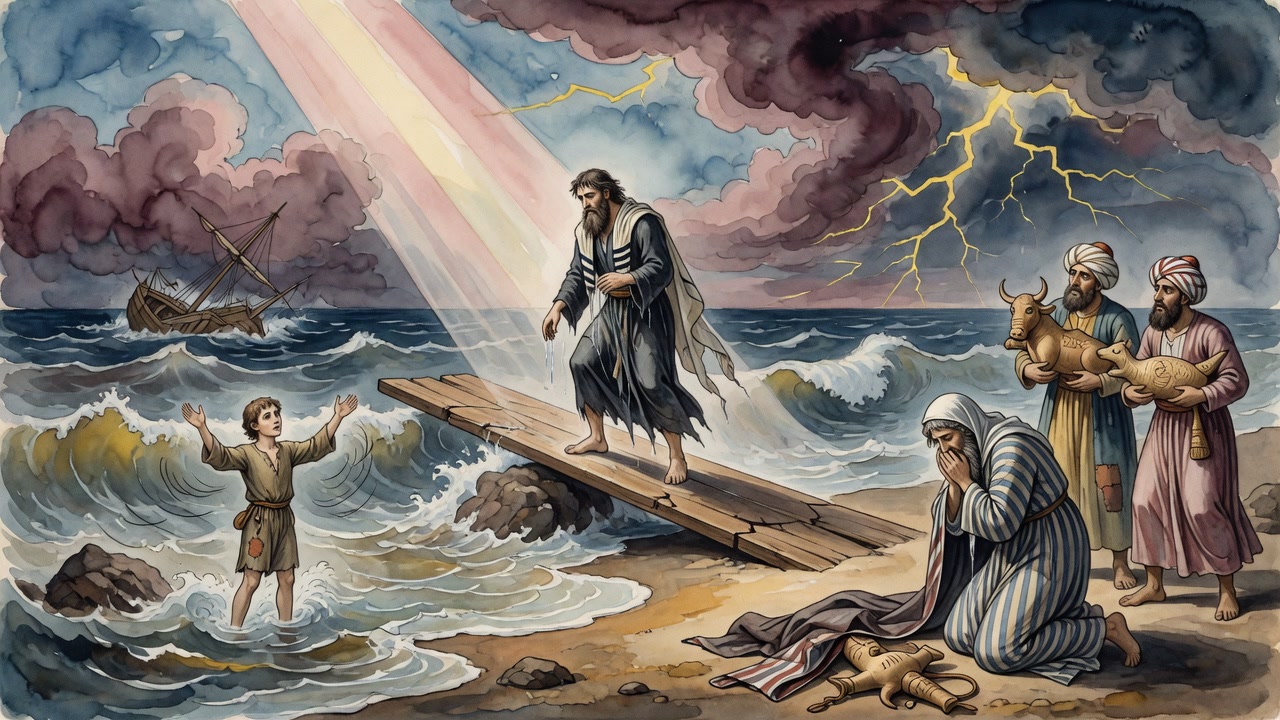
The nations gave their gods armies, taxes, and the fat of sacrifices. Rabbi Yehudah said a reckoning was coming and the gods would have nothing to show for it.
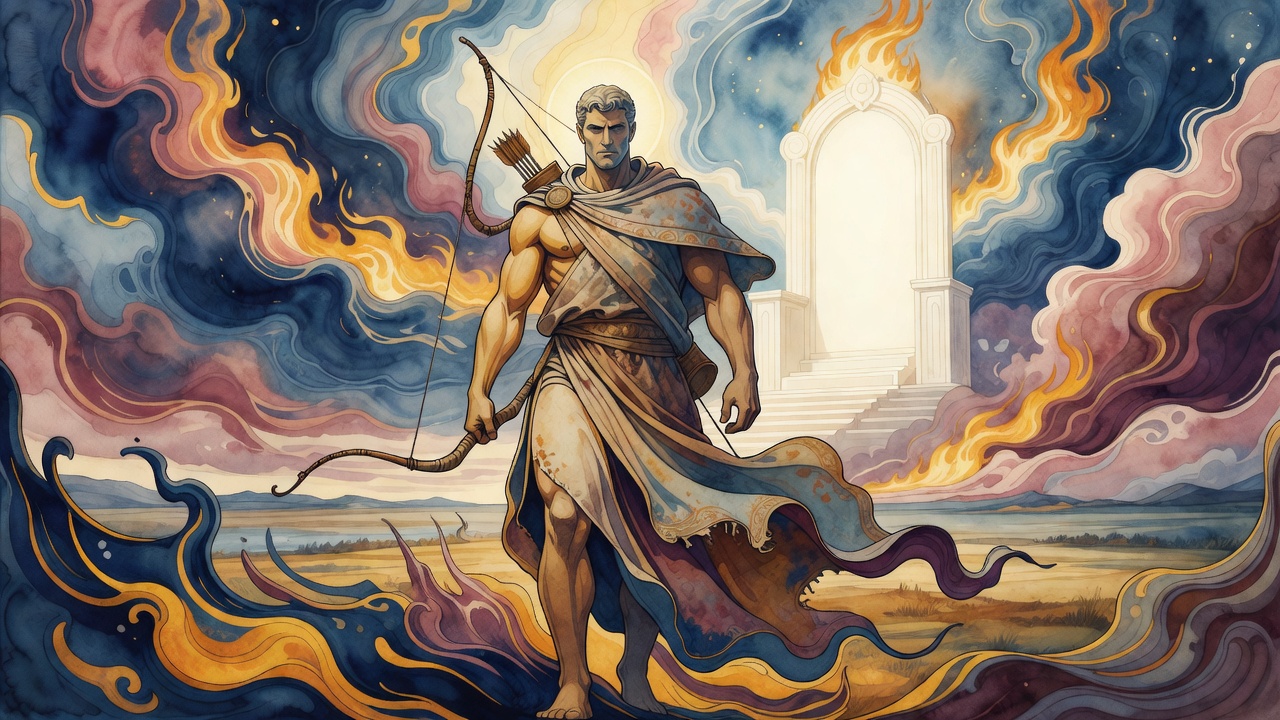
Genesis calls Nimrod a mighty hunter. The ancient Aramaic translators called him the first rebel in history, and Adam's garments made him powerful.
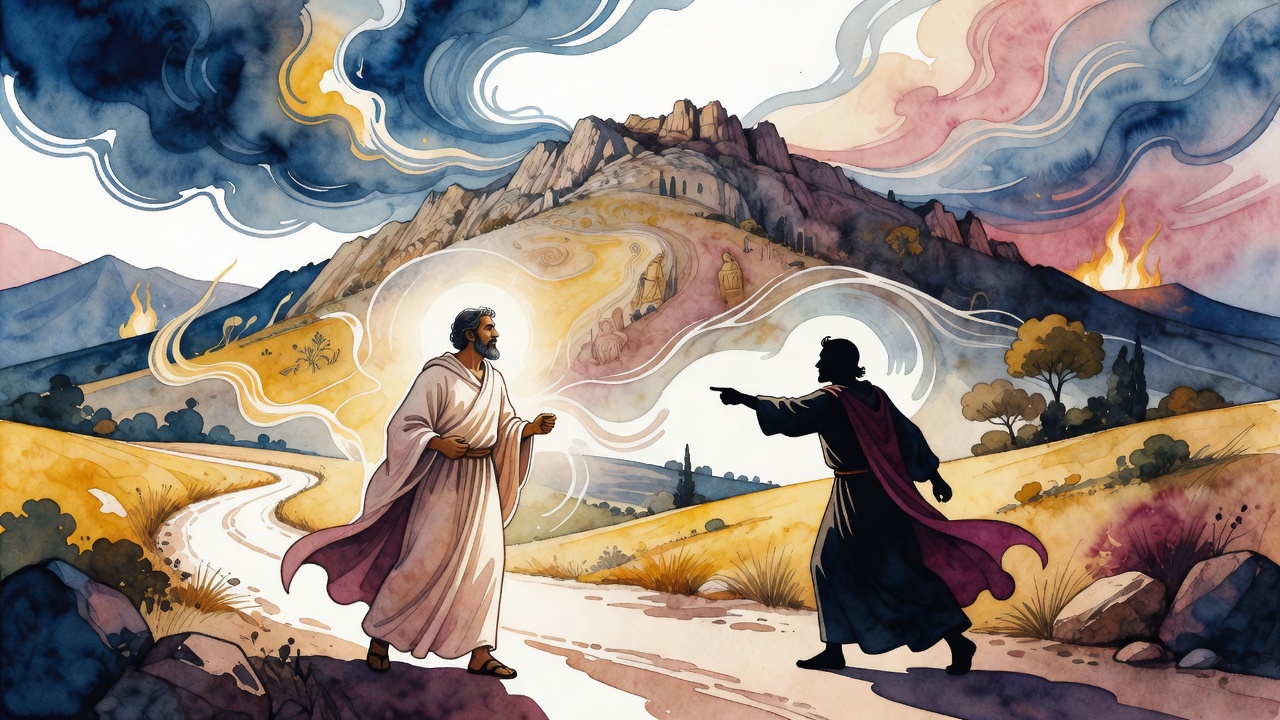
A man on Gerizim asked why walk to Jerusalem's ruins. Rabbi Ishmael named the refuse under the mountain, then ran for his life after dark.
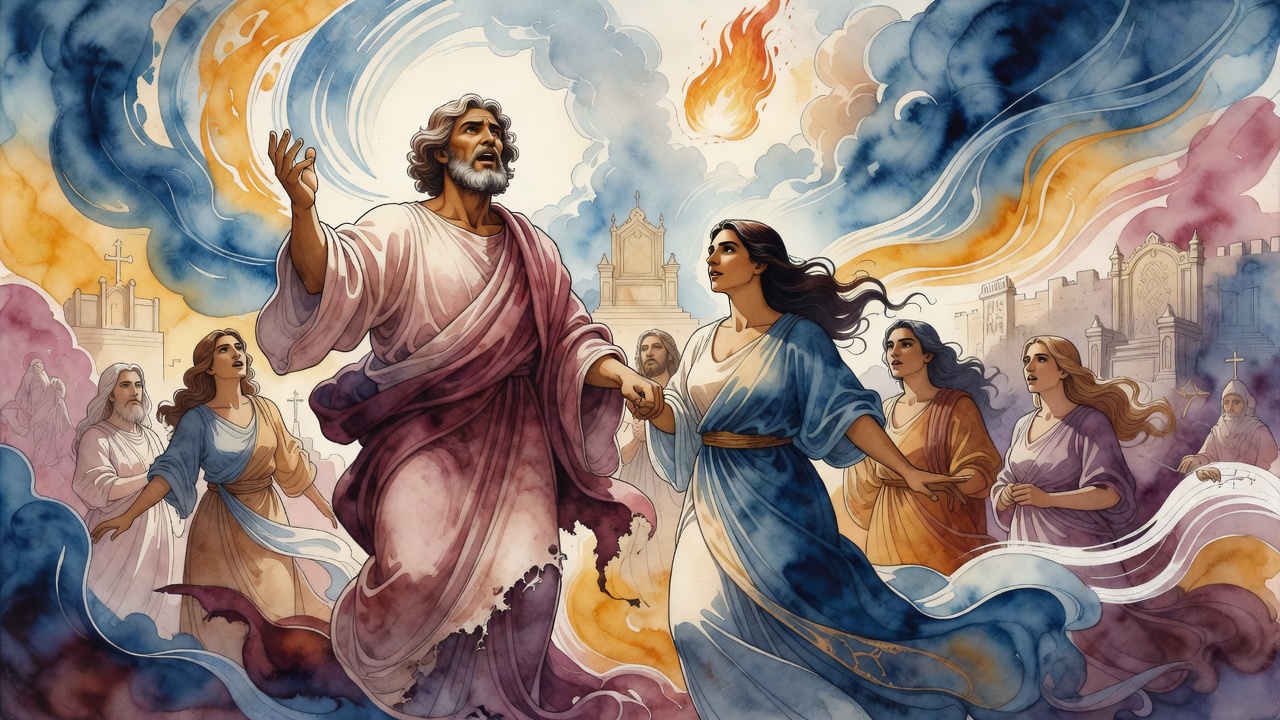
One of his wives asked him to bow to her father's idols. He had already ruled that women do not count, she said, so what harm was it? He bowed.
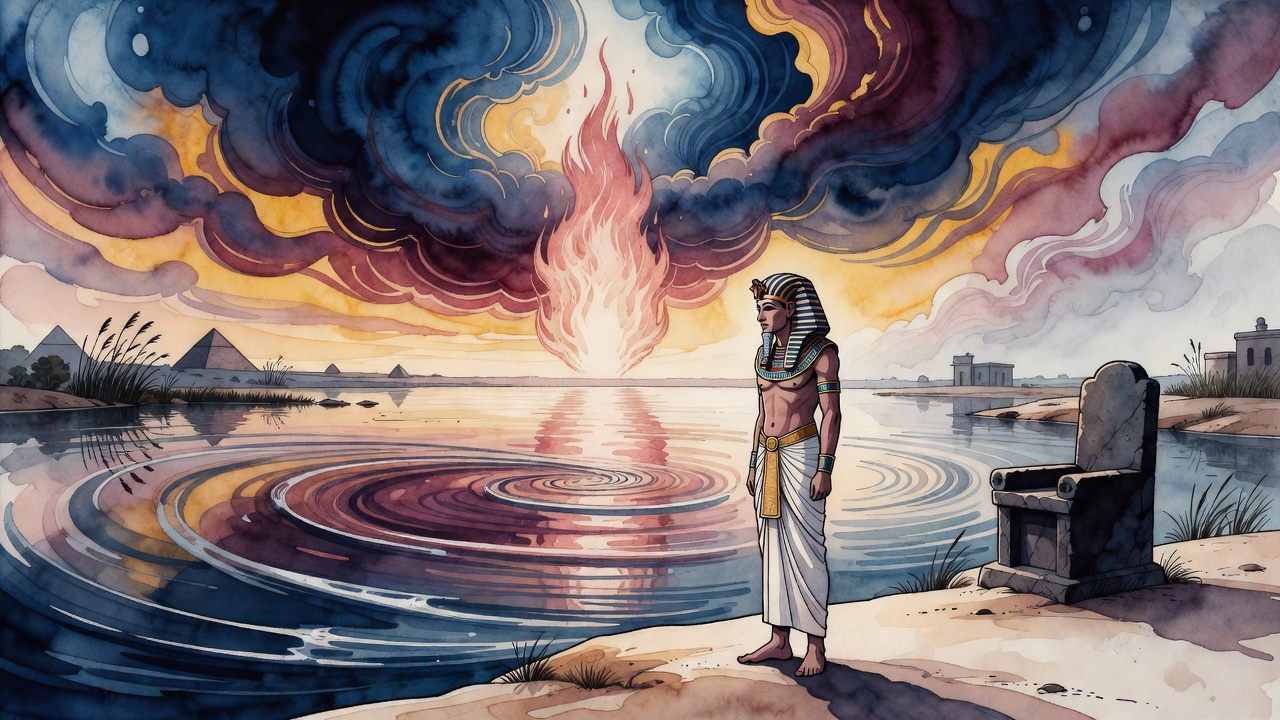
Before the court woke, Pharaoh walked to the Nile alone. A god, he told Egypt, does not need a bathroom at dawn.
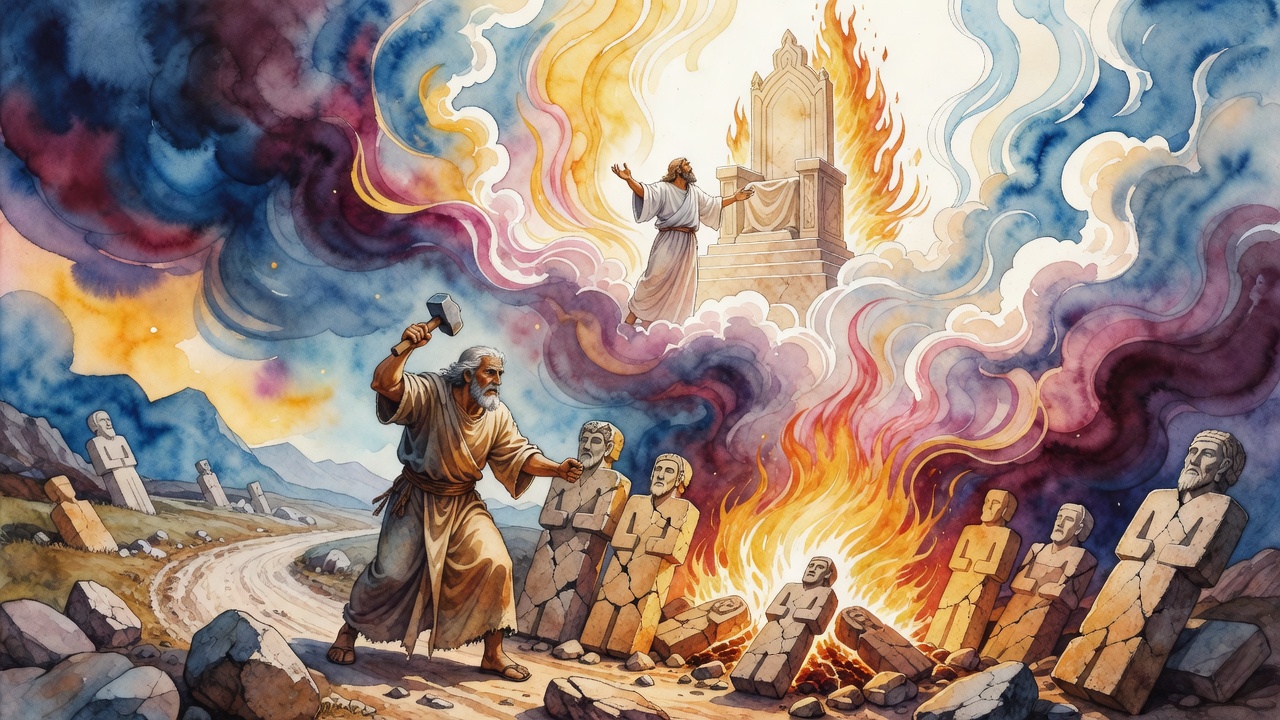
Terah's donkey threw five wooden gods into the road. Three shattered. Abraham threw the fragments in the river, and the river did not answer.
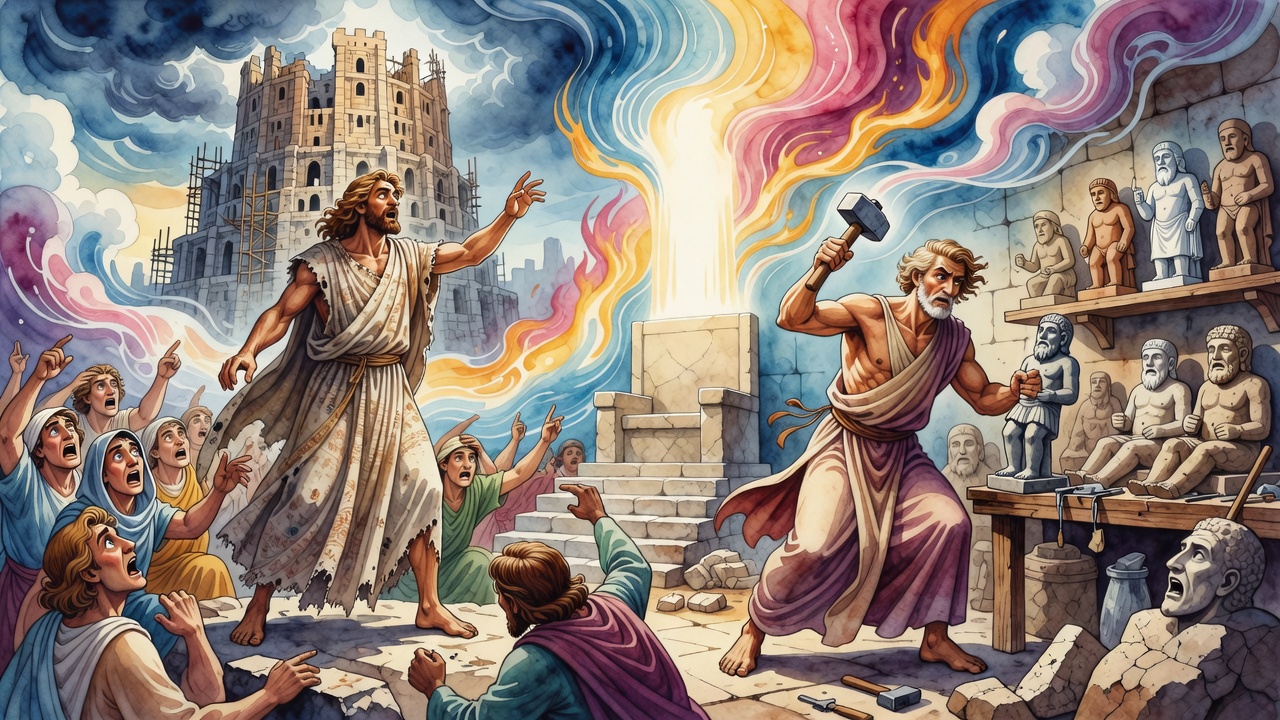
A brick fell off the tower and the whole work line sat down and wept. A man fell the same morning and nobody turned his head.
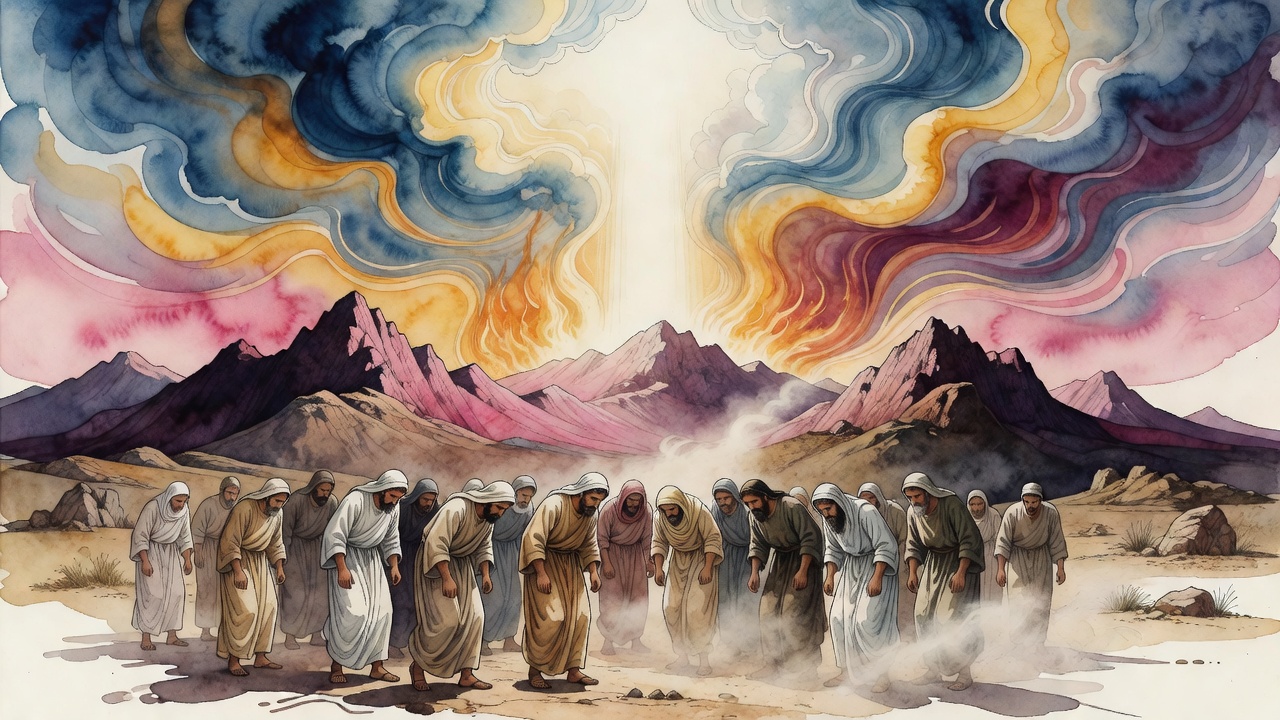
The mountains where they had burned offerings still stood every morning. Jeremiah brought that shame upstairs. God did not wait for them to climb.
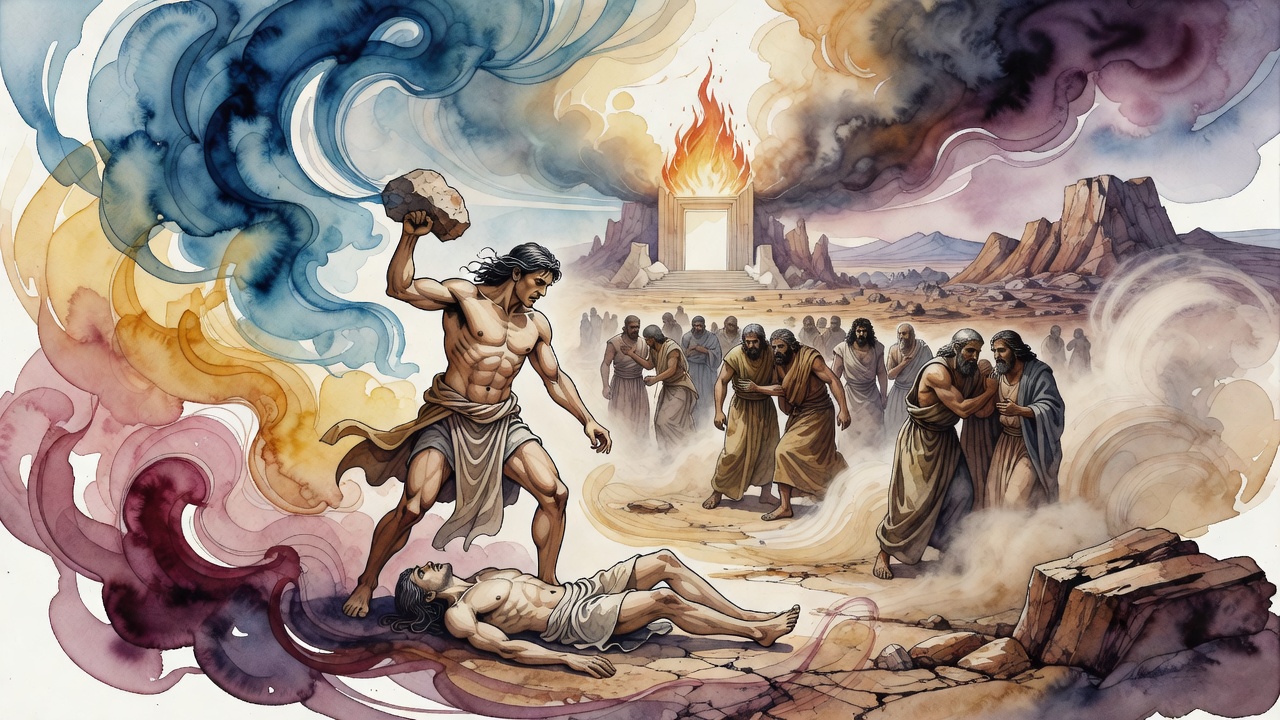
Abel had his brother pinned in the field and let him up. God did not count one death afterward. He counted every child Abel would never father.
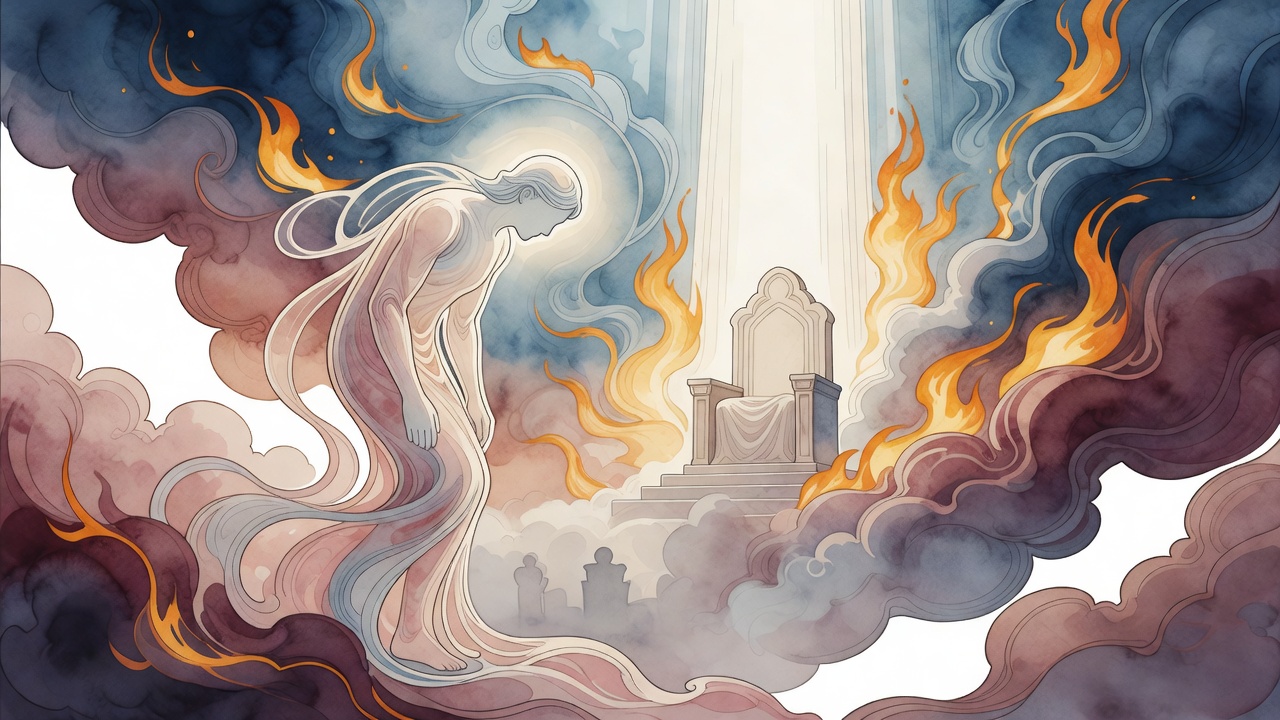
The soul opened her mouth and asked to stay. God sent her down anyway. A boy in Ur would forget that plea before his first cry.
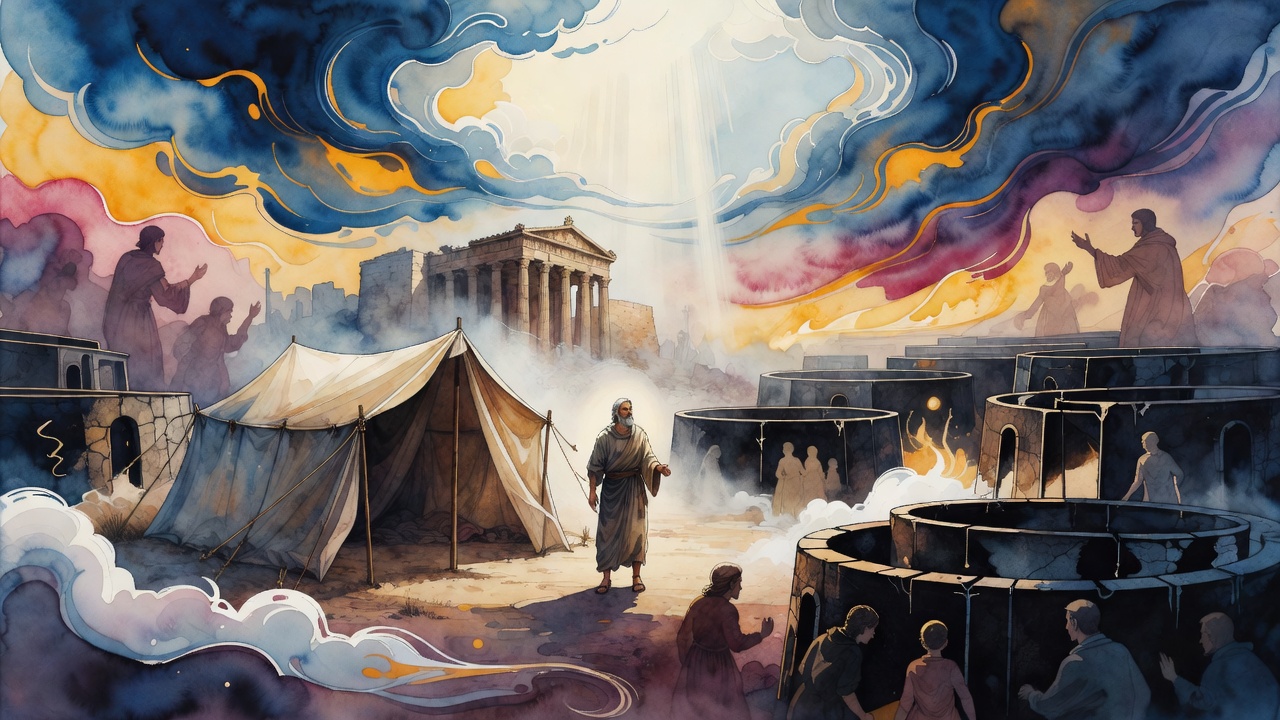
Hannah left her weaned son under curtains instead of a roof. South of the city, a father walked seven doors toward bronze hands.
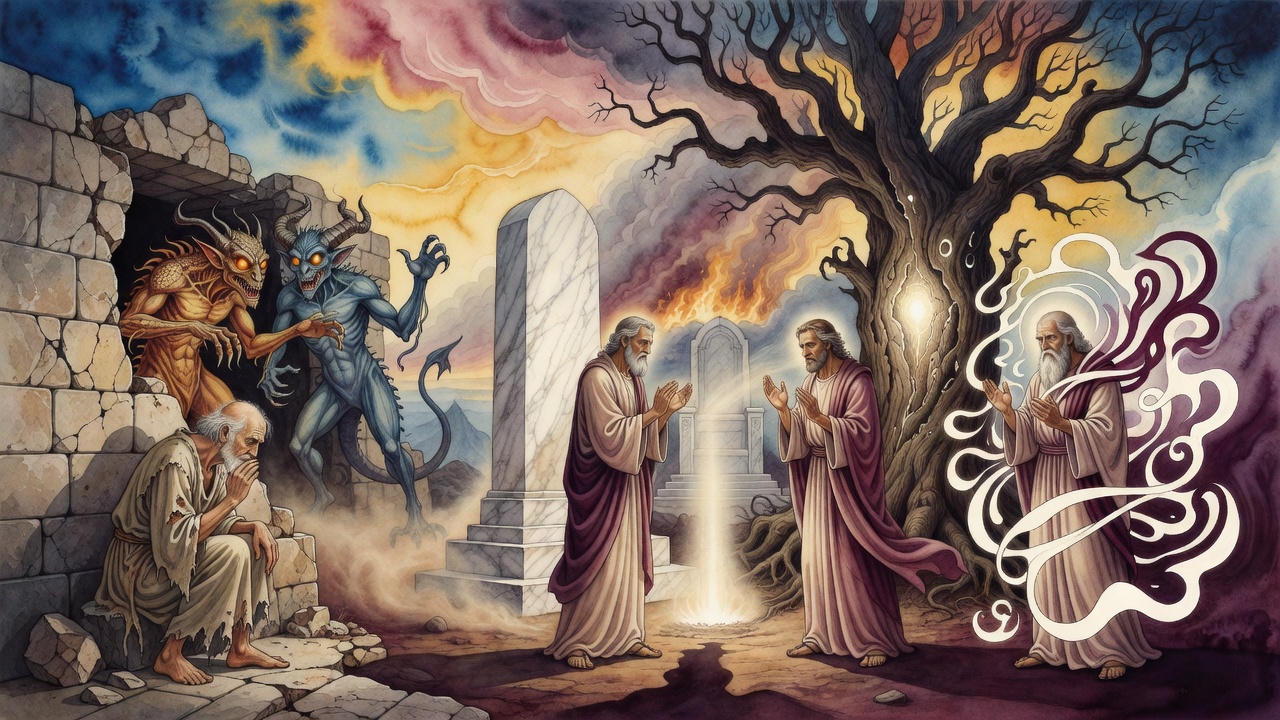
A ruined believer overhears demons boasting their secrets, while three other men face marble, a haunted tree, and a Shabbat spell.
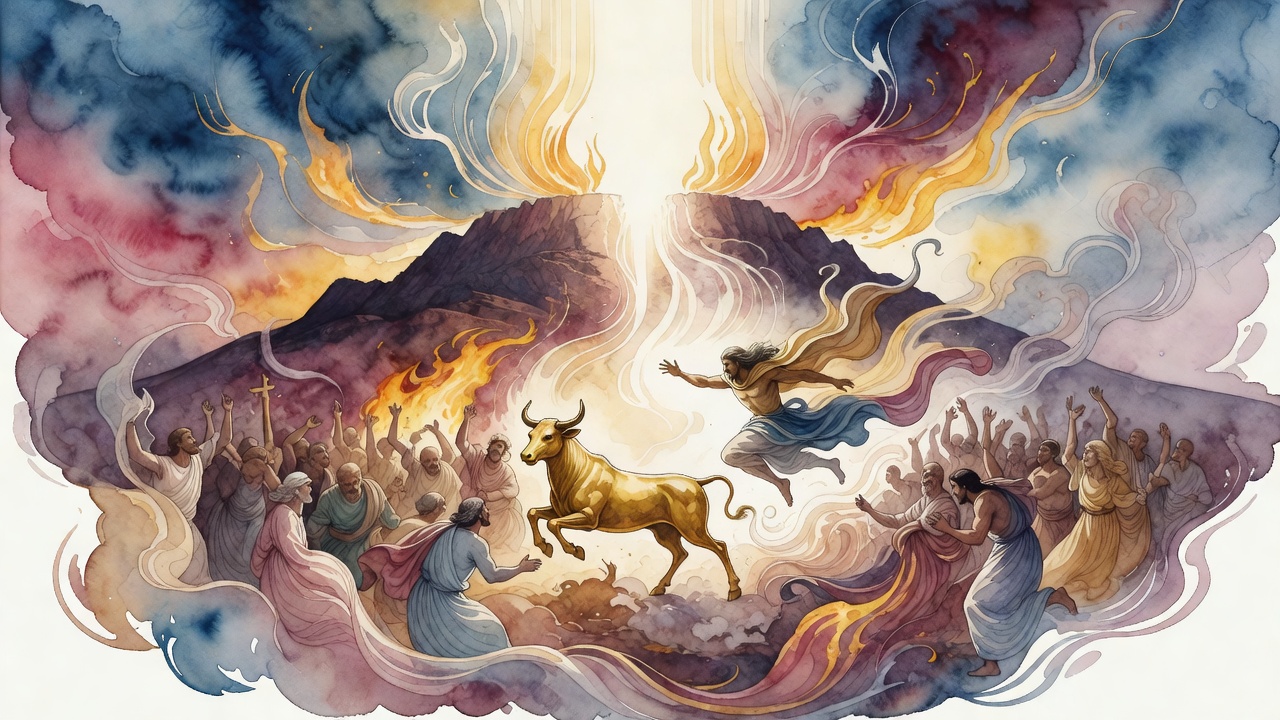
A bier hung in the air at noon, and the face on it was Moses. The camp pointed up and asked Aaron for a god they could carry.
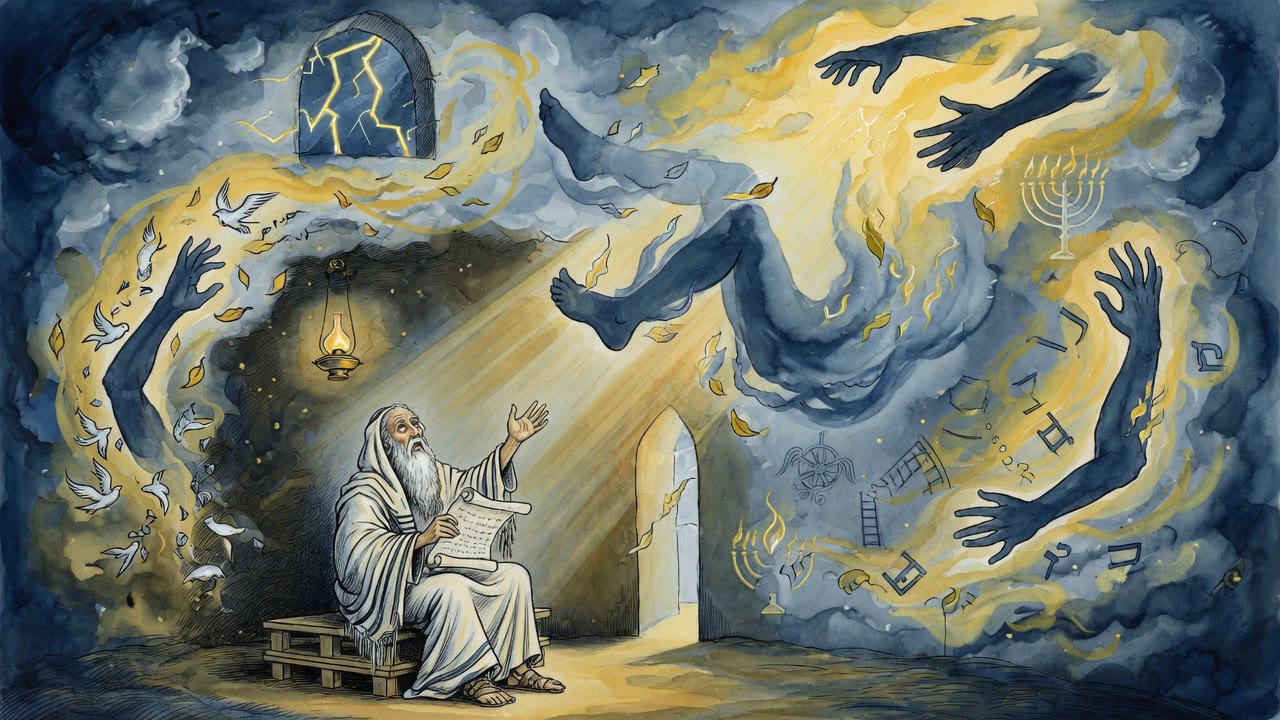
A hidden scroll in Jerusalem held one line no one would say aloud, that King Manasseh dragged the prophet Isaiah to trial and had him sawn apart.
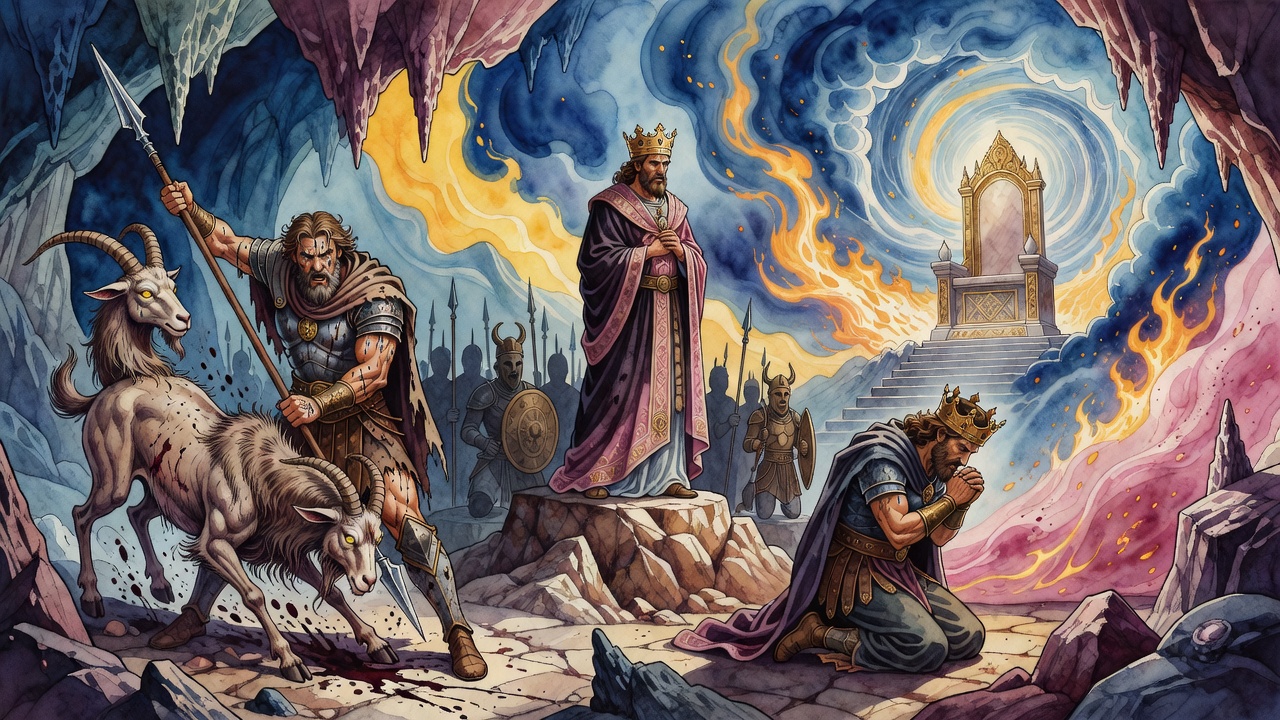
Esau's grandson Zepho slays a half-goat beast in a mountain cave, is crowned king of Kittim, then begs the God of Abraham to save his idol army.
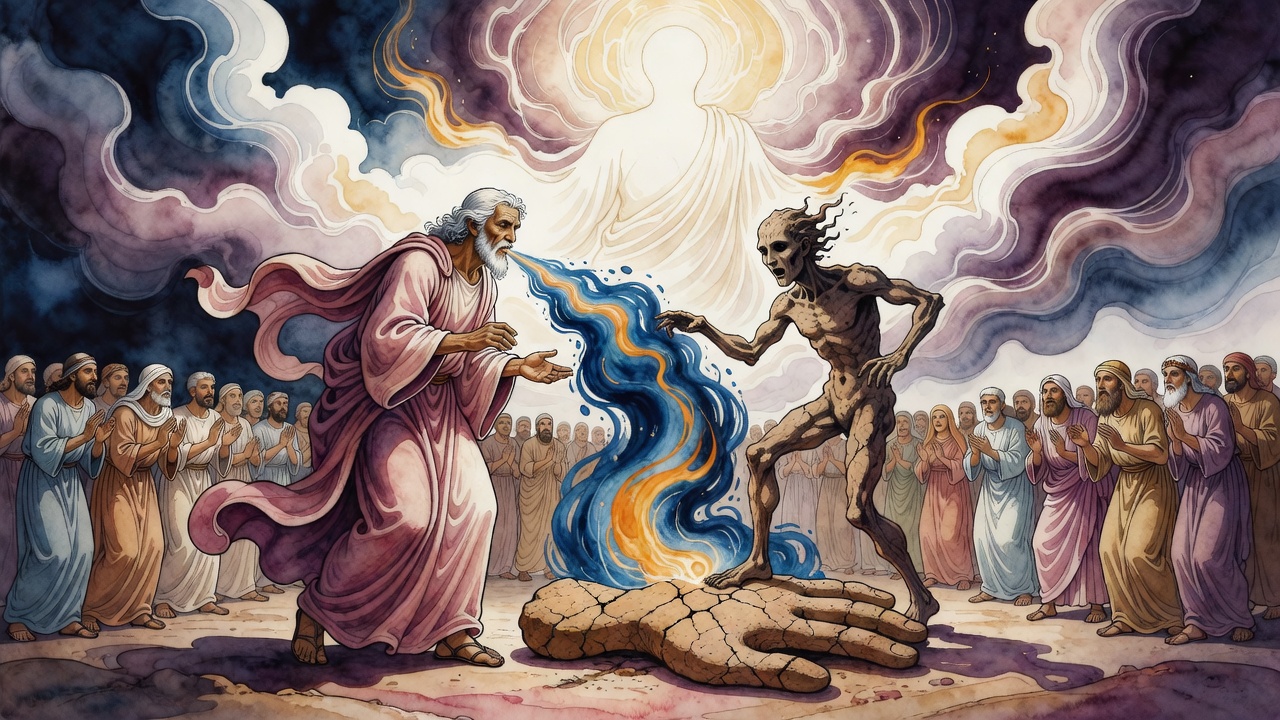
When the crowd demands proof of how God made man, Enosh breathes into clay, Satan enters it, and the first idol rises to its feet.
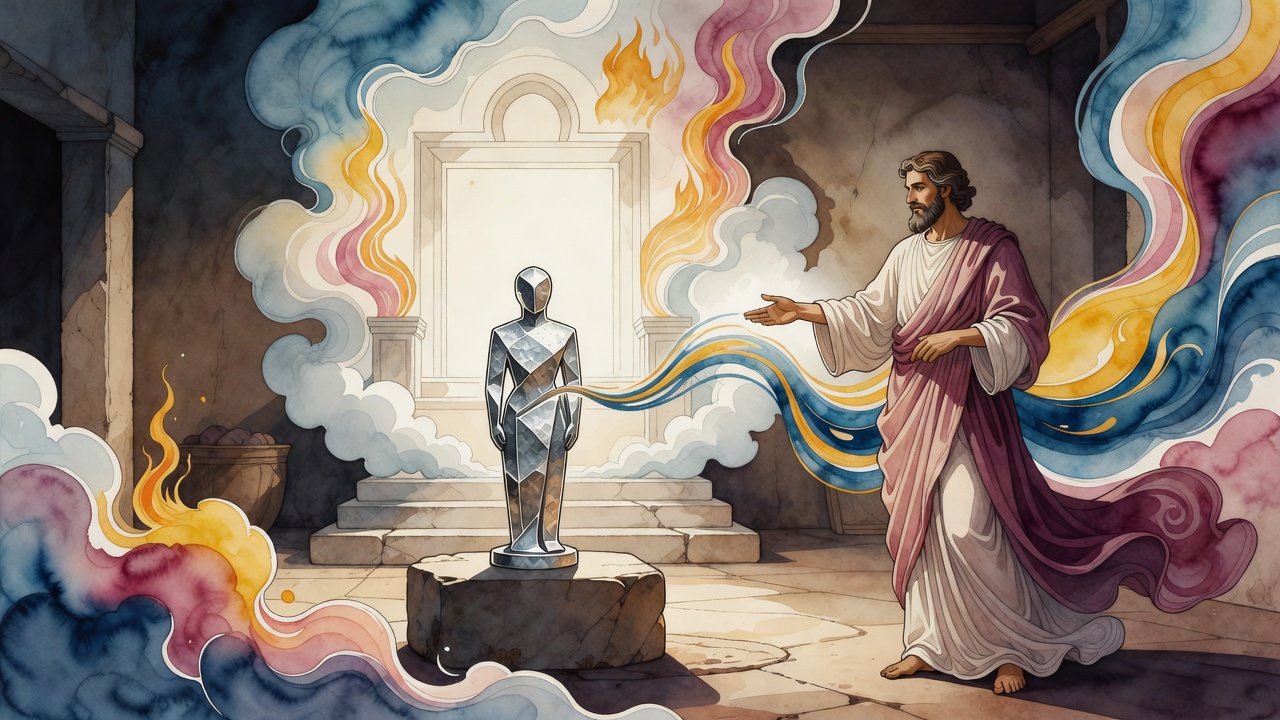
Moses pulled a child out of an Egyptian wall. Years later that child melted Delilah's silver into a god three miles from Shiloh.
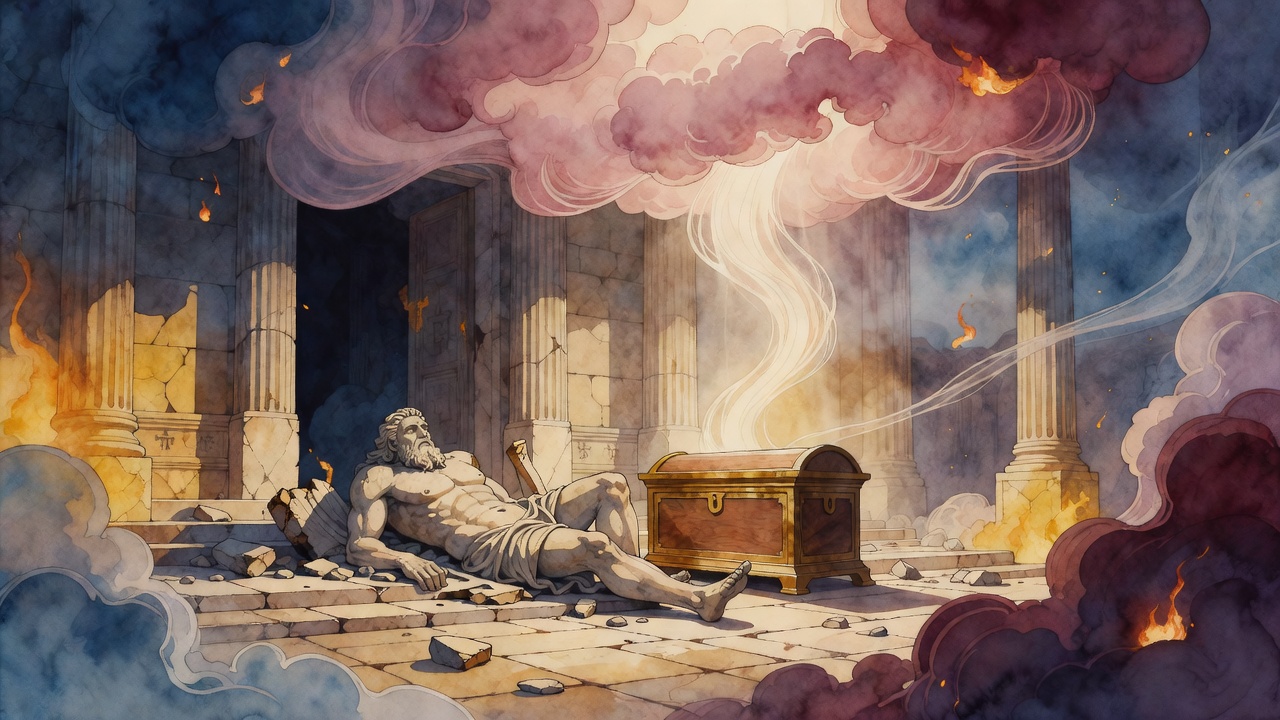
The Philistines locked Israel's captured Ark beside Dagon as a trophy, and by the second dawn their god lay headless and handless on his own threshold.
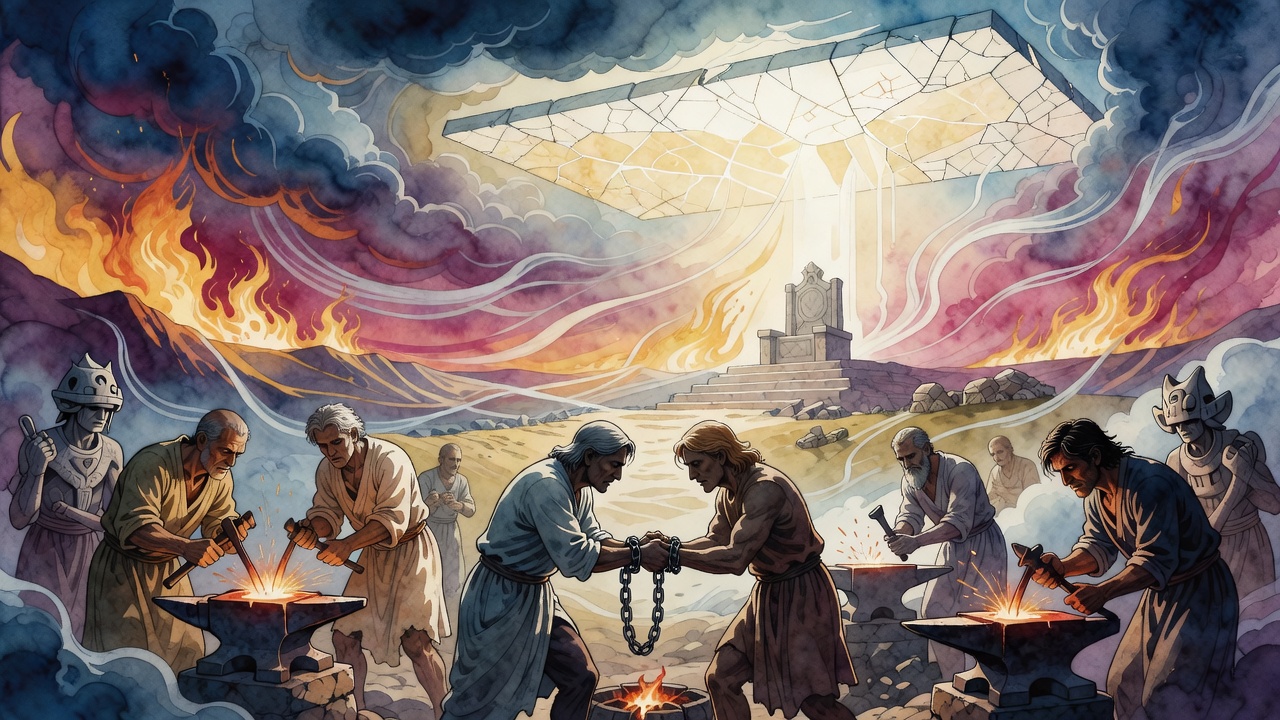
'Ur named his new city after himself so every passerby would speak it. In the same workshops men poured metal into molds and bowed to the faces they made.
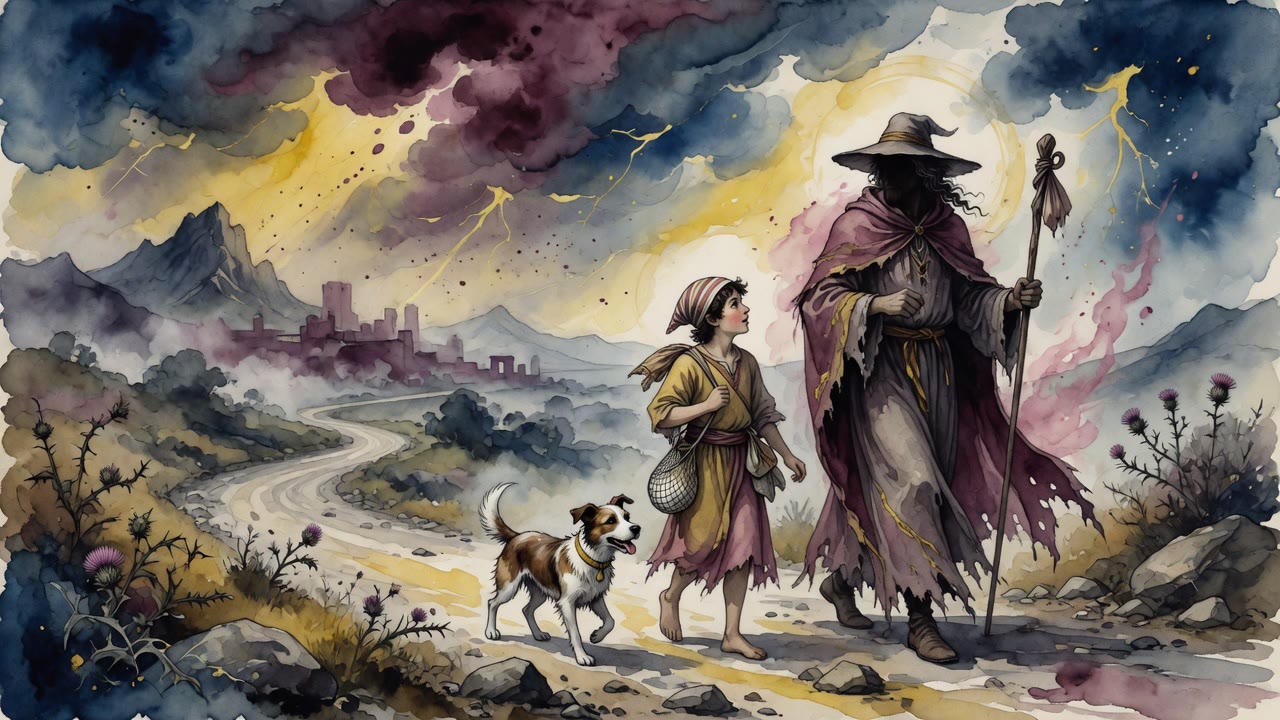
The boy was hidden in the Holy of Holies and lived. Years later his princes called that proof he was a god, and Joash believed them.
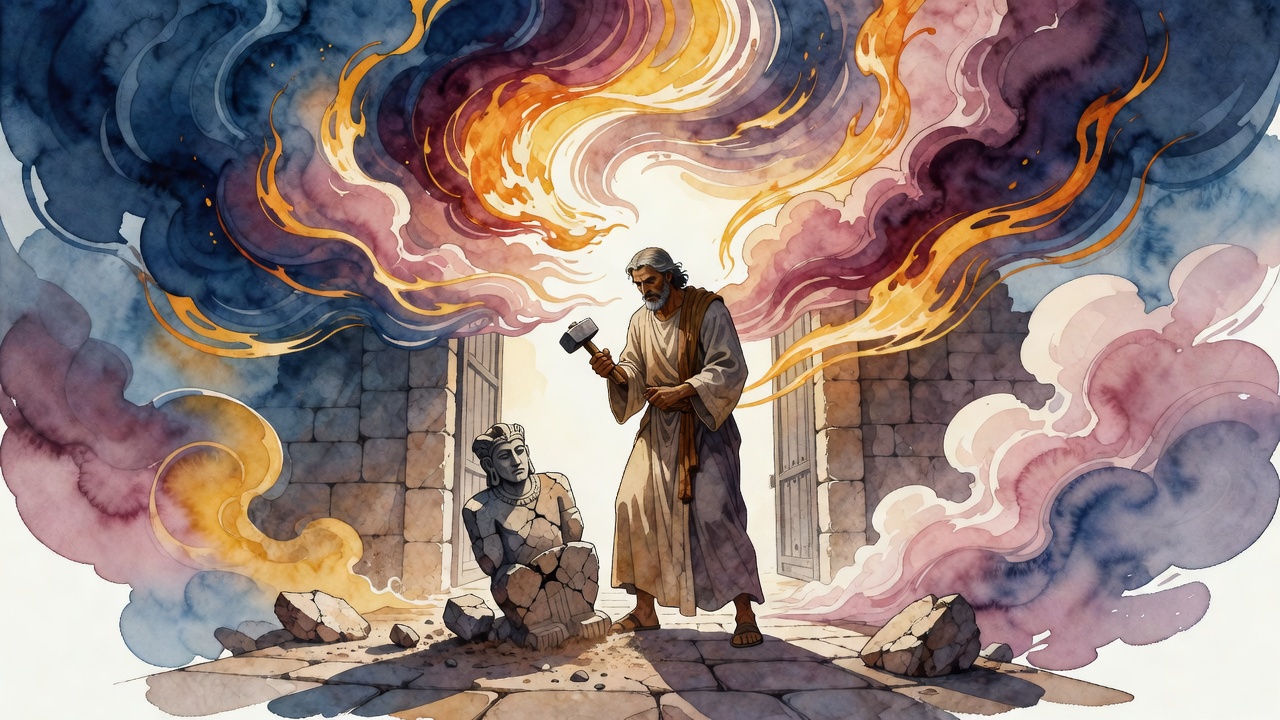
An archangel woke King Jobab in the dark and told him the idol his people fed was the tempter's handiwork. He took fifty men up and broke it.
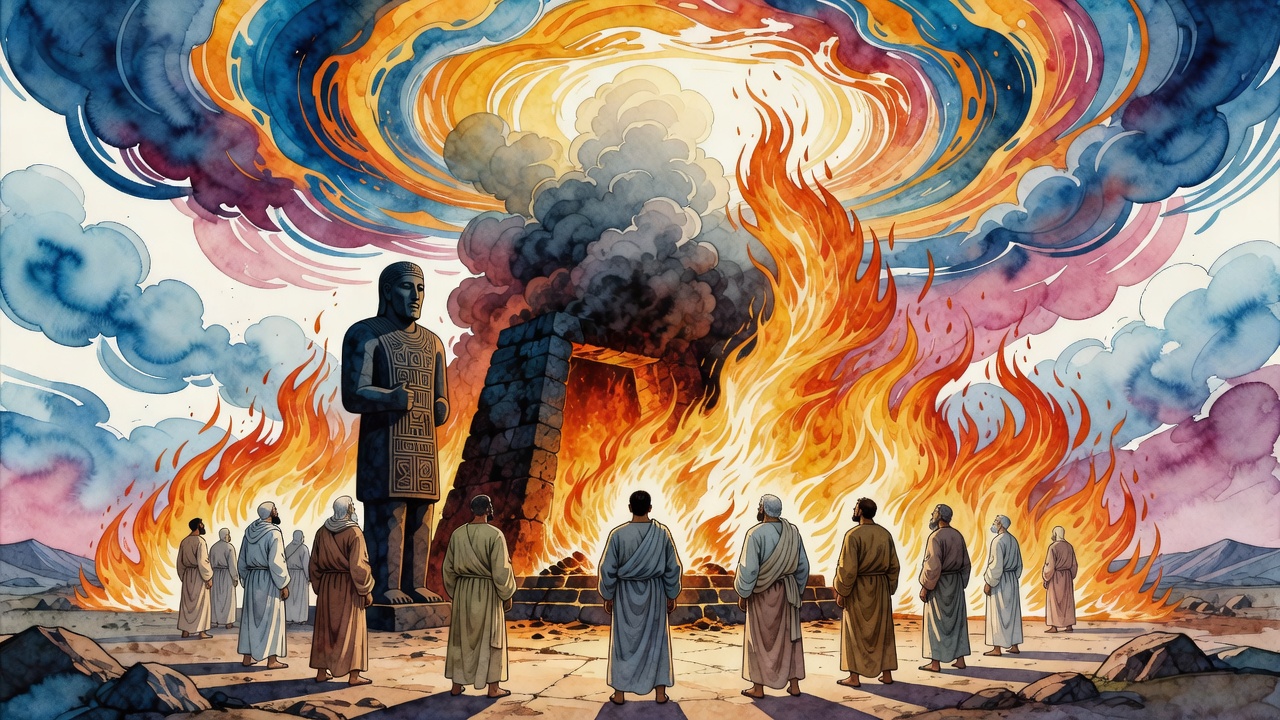
An idol, a furnace, and seven men who would not bow, until heaven sent the lord over fire to turn the tyrant's flames back on his own servants.
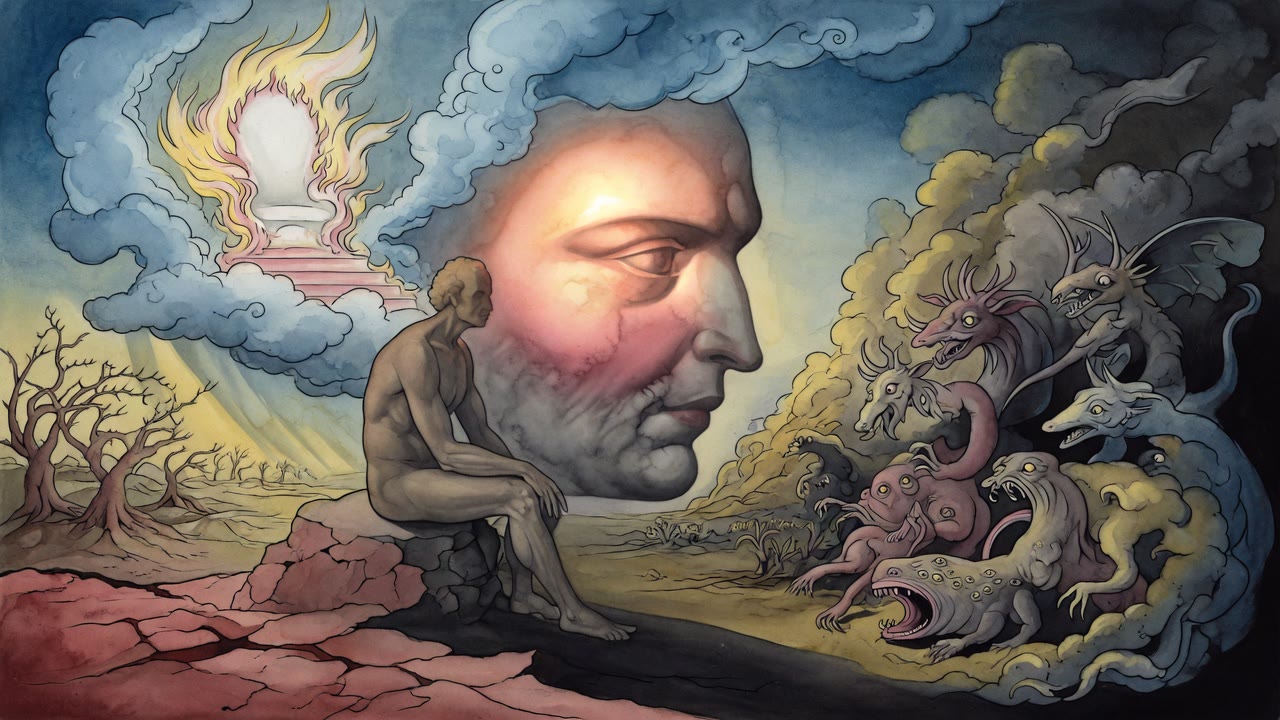
Adam wore the divine image like a lamp in his face, and for three generations it held, until the light dimmed and monsters crawled into the gap.
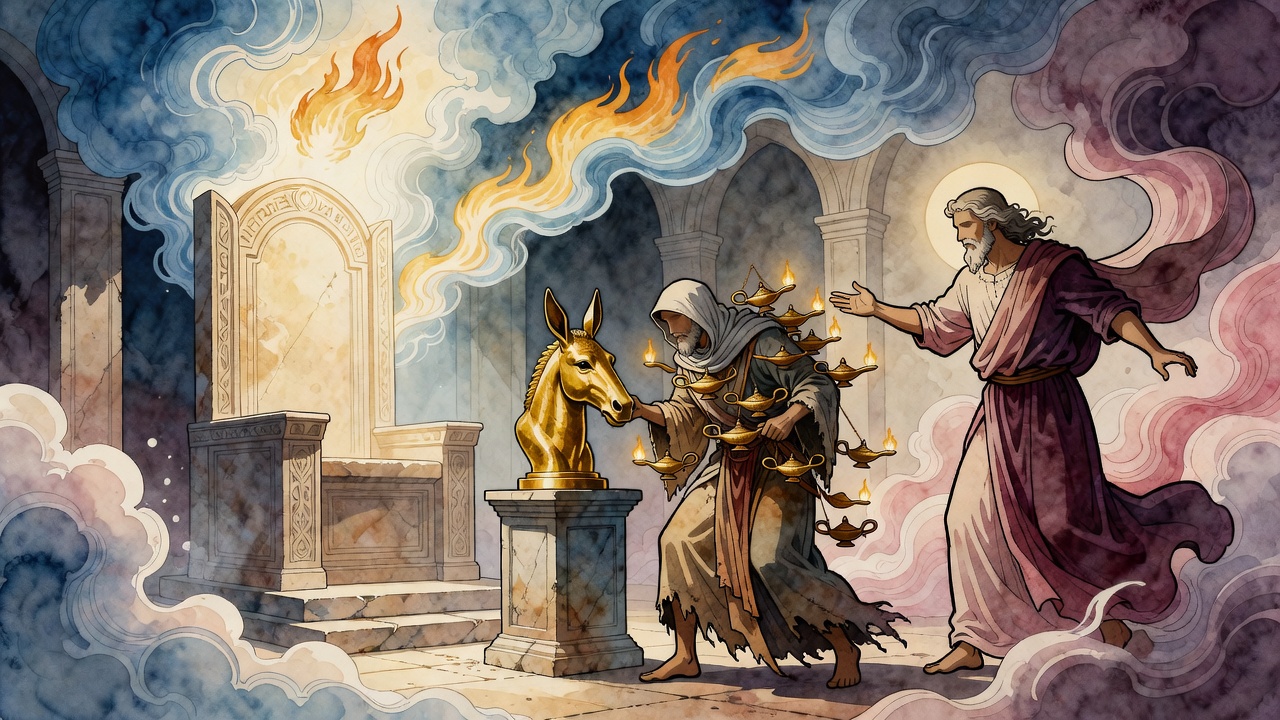
A schemer wrapped himself in lamps to steal a golden ass from the Temple, and Josephus answered by putting the accusers' own gods on trial.
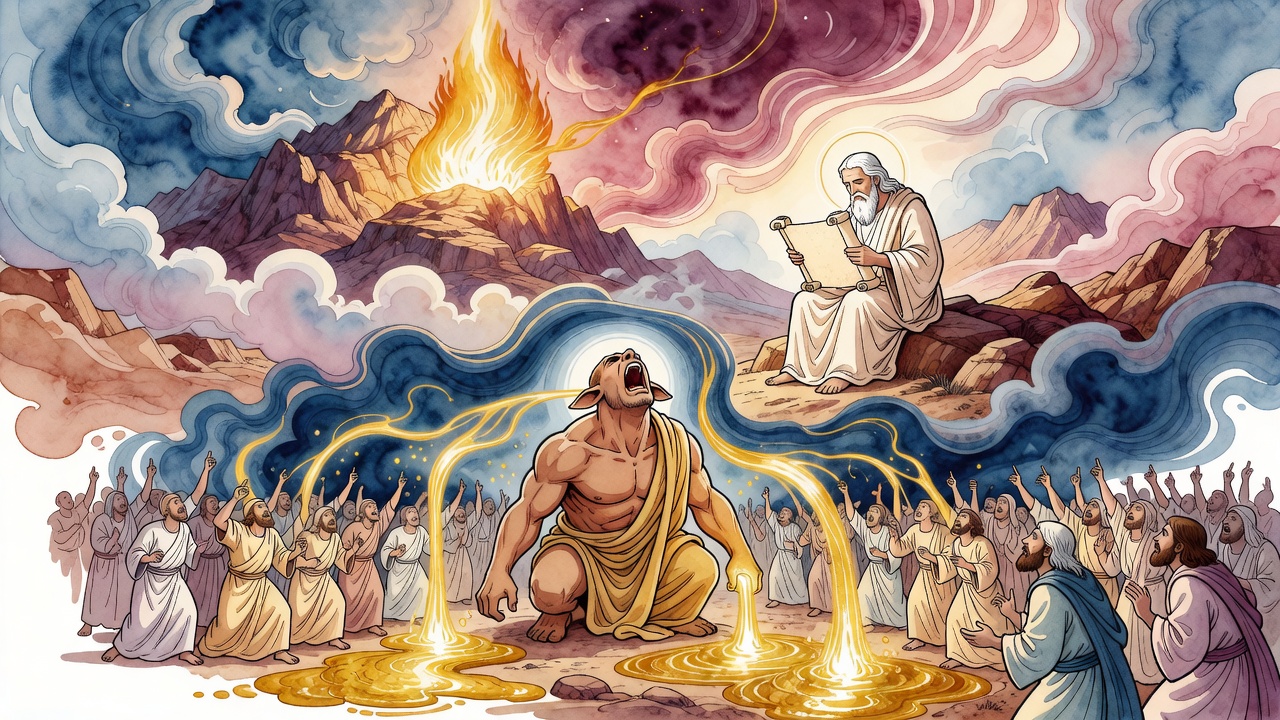
While Moses learns the blueprint of a holy life on Sinai, Samael lows like an ox in the camp below and turns Israel's fear into gold.
