Abraham Walked Into the Fire Before Daniel Did
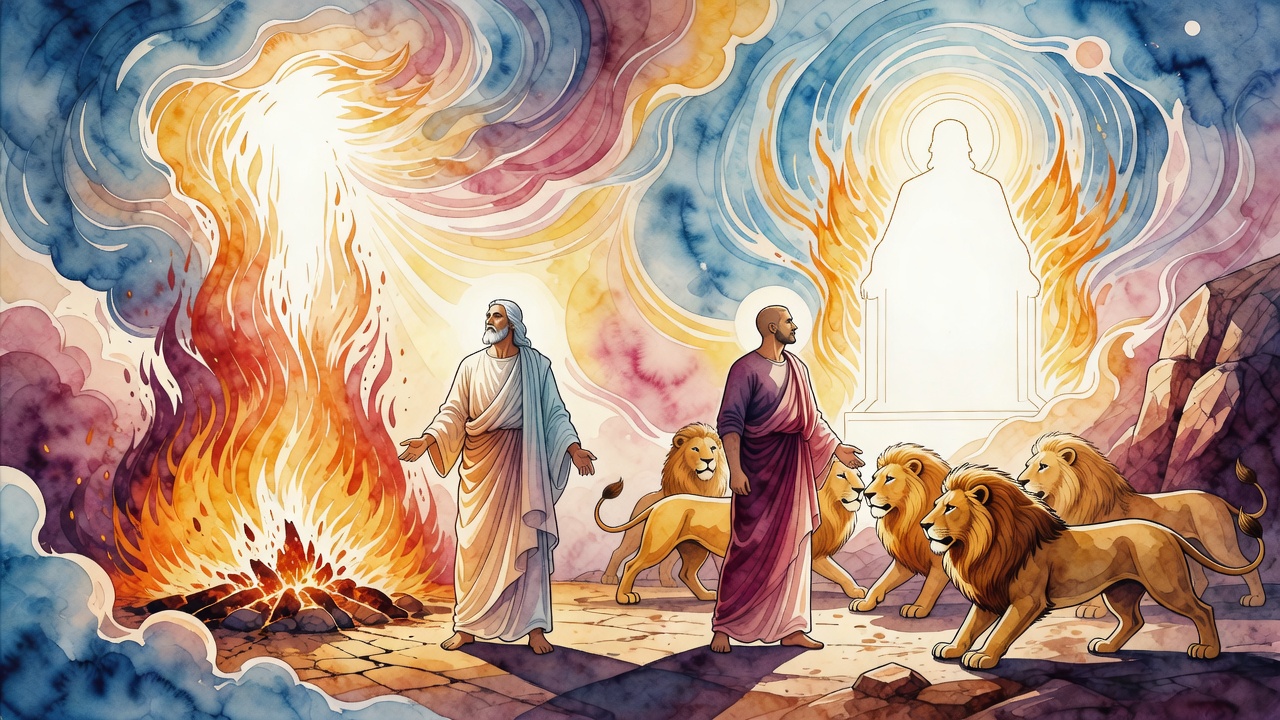
Abraham faced Nimrod's furnace before Daniel faced the lions. Both were the same divine test given to men prepared for it.
Table of Contents
 Click for full size
The Fire That Came First
Most people know the lion's den. Fewer people know the furnace. And fewer still know that the furnace came first, by more than a thousand years, in a story almost never told alongside Daniel's.
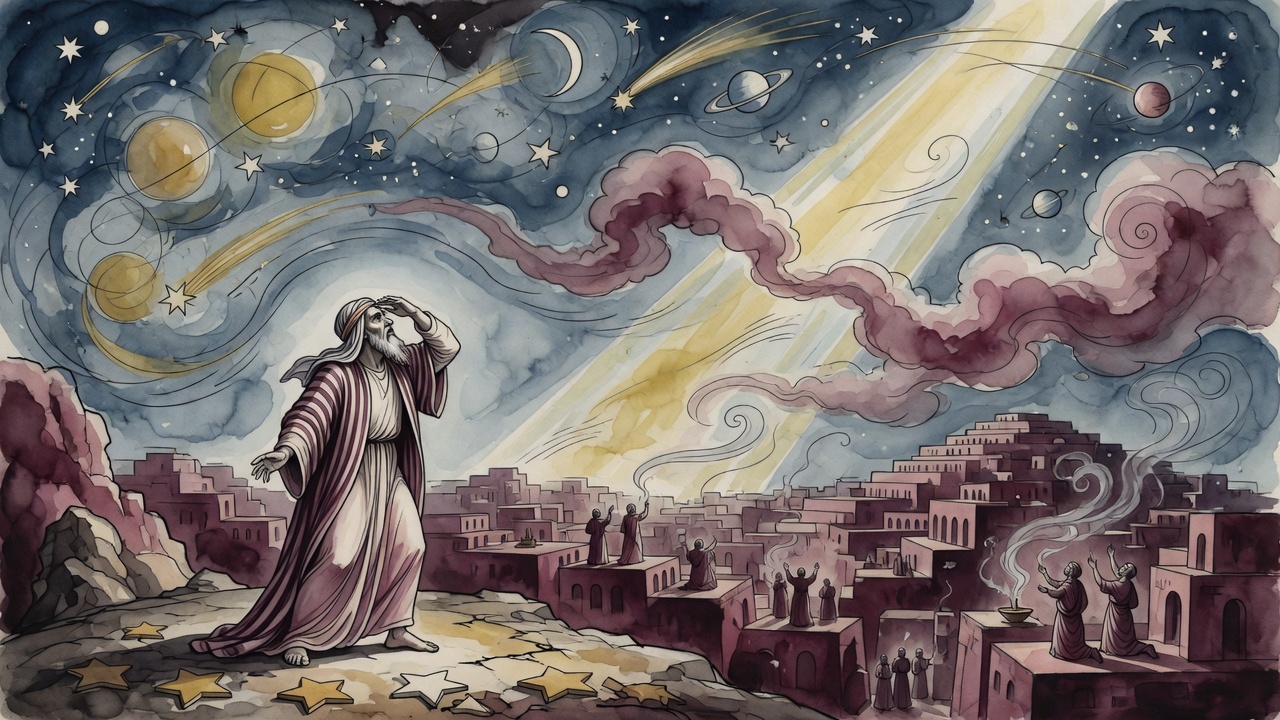
Abraham was born in Ur of the Chaldeans into a world organized around Nimrod's power. Astrologers read the sky on the night of his birth and brought a report to the king: a star had swallowed four other stars, which meant a boy had been born whose descendants would inherit the earth. Nimrod understood the math. He sent men to Terah, Abraham's father, and offered gold and silver in exchange for the child. Kill the baby before he becomes the problem.
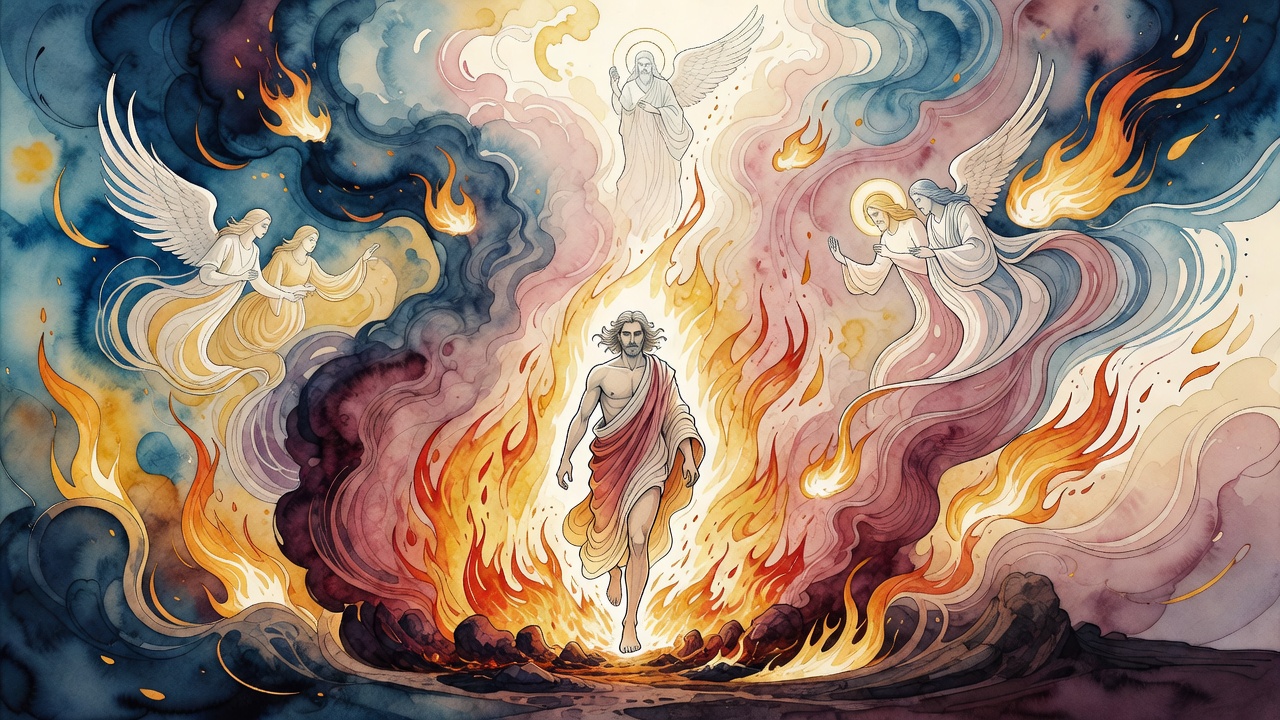
Terah hid his son in a cave for years. When Abraham emerged and confronted the idols his father made, and smashed them, and refused to bow before anything that was not the living God, Nimrod's answer was the furnace. Days of burning. A fire so hot the ground around it scorched. Abraham went in. Abraham came out unharmed. No one who watched it could explain it. Nimrod could not explain it. And the story went mostly untold because the people it frightened were the ones who survived to tell stories.
The Second Man in the Fire
Daniel's test was framed differently but built from the same materials. The First Book of Maccabees, compiled from older traditions in the 2nd century BCE, places Daniel in a line of proof. What happened to Abraham happened because faithfulness meets a specific kind of reward. What happened to Daniel happened for the same reason. The repetition was not coincidence. It was the universe confirming its own rules.
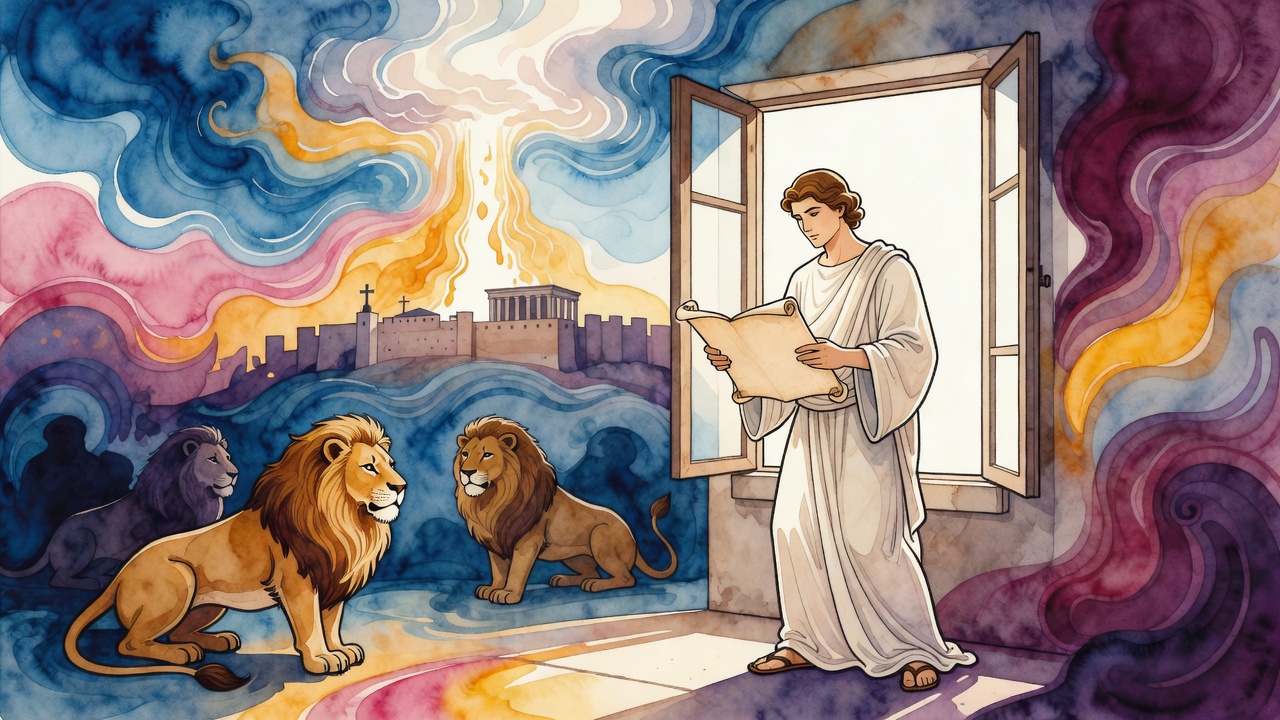
Daniel studied Torah. In Babylon, in the court of the most powerful king in the world, he held to prayer three times daily, facing Jerusalem. His accusers knew the habit and used it. The lions' den was the sentence. The accusers assumed the sentence was also the outcome.
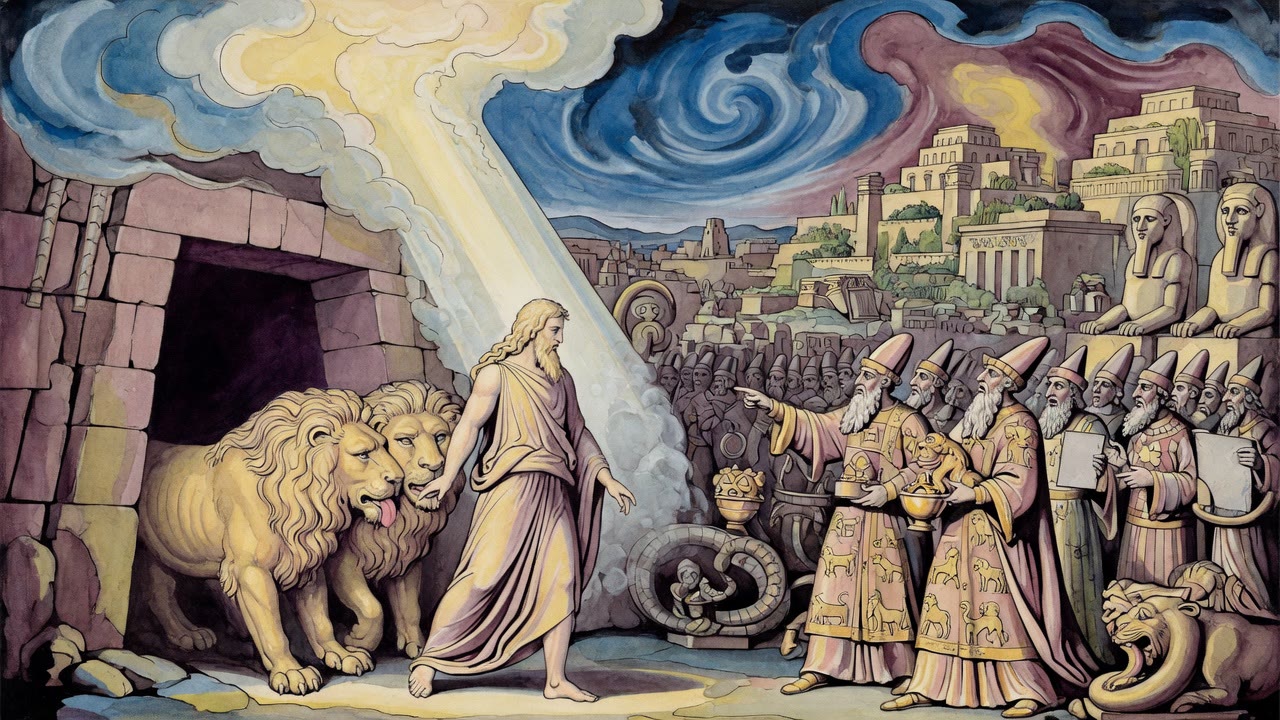
Belshazzar had ordered the palace doors locked on the night he profaned the Temple vessels. The Ginzberg account adds the detail that even the king could not enter his own locked palace that night. Locks could be moved by forces that had nothing to do with keys. Daniel's guards were not in the end in charge of the den. And in the morning, Daniel walked out and his accusers were thrown in after him.
The Pattern Behind Both Tests
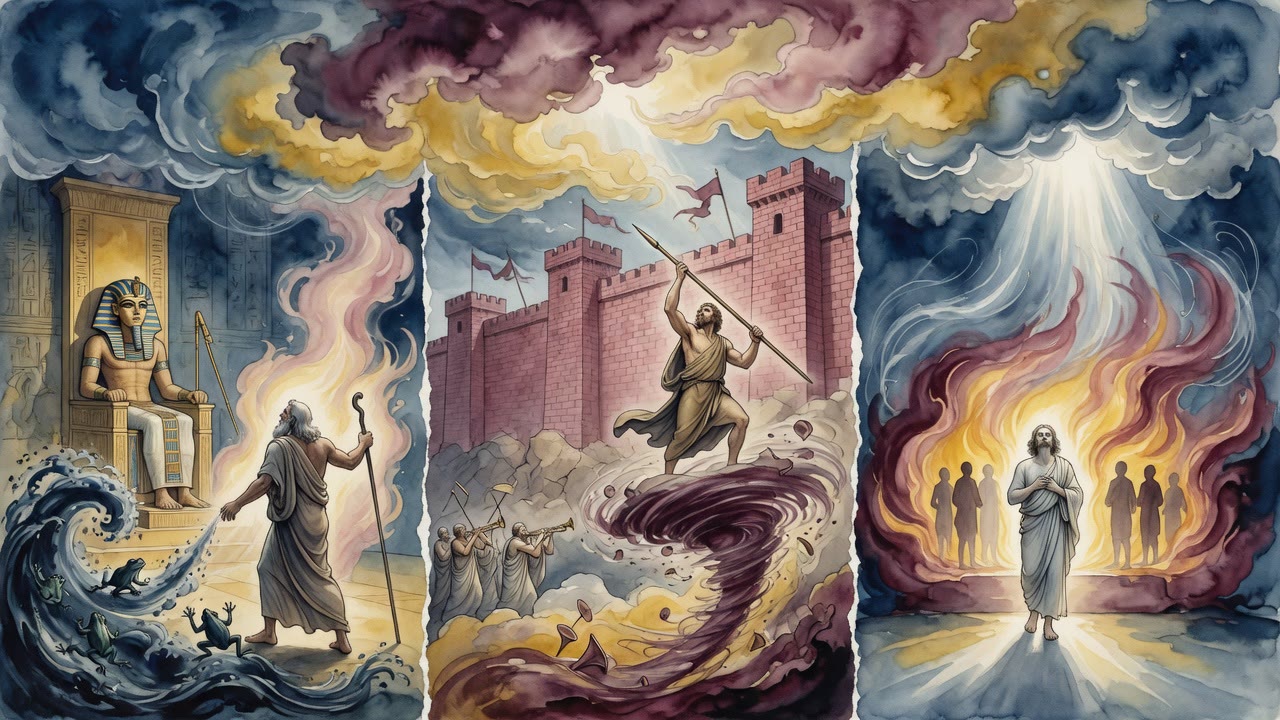
The First Book of Maccabees is explicit: these are not isolated incidents. Abraham in the furnace, Daniel in the den, David against Goliath. The pattern is a teaching about what faithfulness does in the presence of overwhelming power. It does not calculate odds. It does not negotiate. It stands in front of the fire and the fire does not kill it.
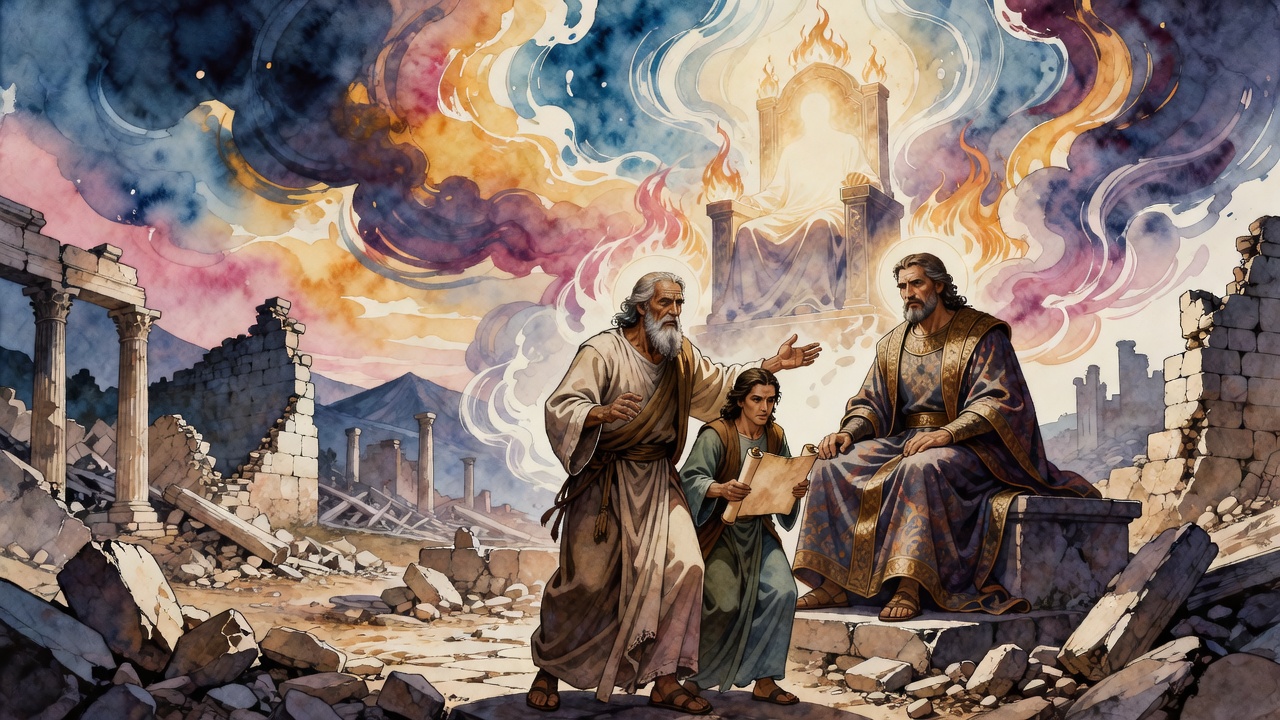
The Maccabees themselves were living inside this pattern at the time the book was written. Antiochus had defiled the Temple and was demanding that Jews bow before his gods or face precisely the kind of death that Nimrod had threatened Abraham with and that Babylon had threatened Daniel with. The text was reaching backward across a thousand years to say: this test has been given before. It has an established outcome. Those who stand in the fire without bowing come out the other side.
What Was Decided Before the Tests
The deepest layer of the tradition is not about the tests themselves but about what preceded them. The tradition in Legends of the Jews holds that certain souls were prepared before the world for the roles they would play. The man who would be Abraham needed to be the kind of person who could face the furnace. The man who would be Daniel needed to have been shaped, by years of daily Torah study, into someone the lions would not touch. The tests were given to men who had been built for them, not to random subjects whose endurance was uncertain.
Nimrod and Belshazzar, the two kings who administered the tests, had the same fundamental misunderstanding. They believed that because they controlled the fire and the den, they controlled the outcome. They did not control the outcome. They controlled only the entrance.
← All myths