Esther Told Ahasuerus That Real Kings Listen to Prophets
The king asked whose daughter she was and got nothing, again. When she finally answered him, she used the same breath to ask about Vashti.
Table of Contents
 Click for full size
The One Thing He Could Not Get Out of Her
Ahasuerus asked her again. "Whose daughter are you?"
He had crowned her. He had held a banquet in her name and remitted taxes across a hundred and twenty-seven provinces for her sake, and he still did not know what people she came from or what house. Mordecai had told her to say nothing and she had said nothing, and the not-knowing had worked its way under the king's skin, where it stayed.
Every other woman in that palace had a father the court could name.
The Silence She Had Inherited
She came from people who were good at this.
Rachel had stood in her father's house on the night of her own wedding and watched Laban send Leah in to Jacob instead of her. She had the whole thing in her hands. One sentence in the dark would have ended it. She did not say the sentence, and she did not say it afterward either, and she carried the loss of her wedding night with her mouth closed.
Saul went out to look for his father's lost donkeys and came home anointed king of Israel. His uncle asked him where he had been. Saul told him about the donkeys. He told him what Samuel had said about the donkeys. About the oil that had been poured over his head and the kingdom that had been put into his hands he said nothing at all, and his uncle went away satisfied.
Both of them were paid for it. Rachel and Saul were given a descendant who would need exactly what they had, and she was standing in the harem at Susa keeping her mouth shut about her father.
I Am a Queen, the Daughter of Kings
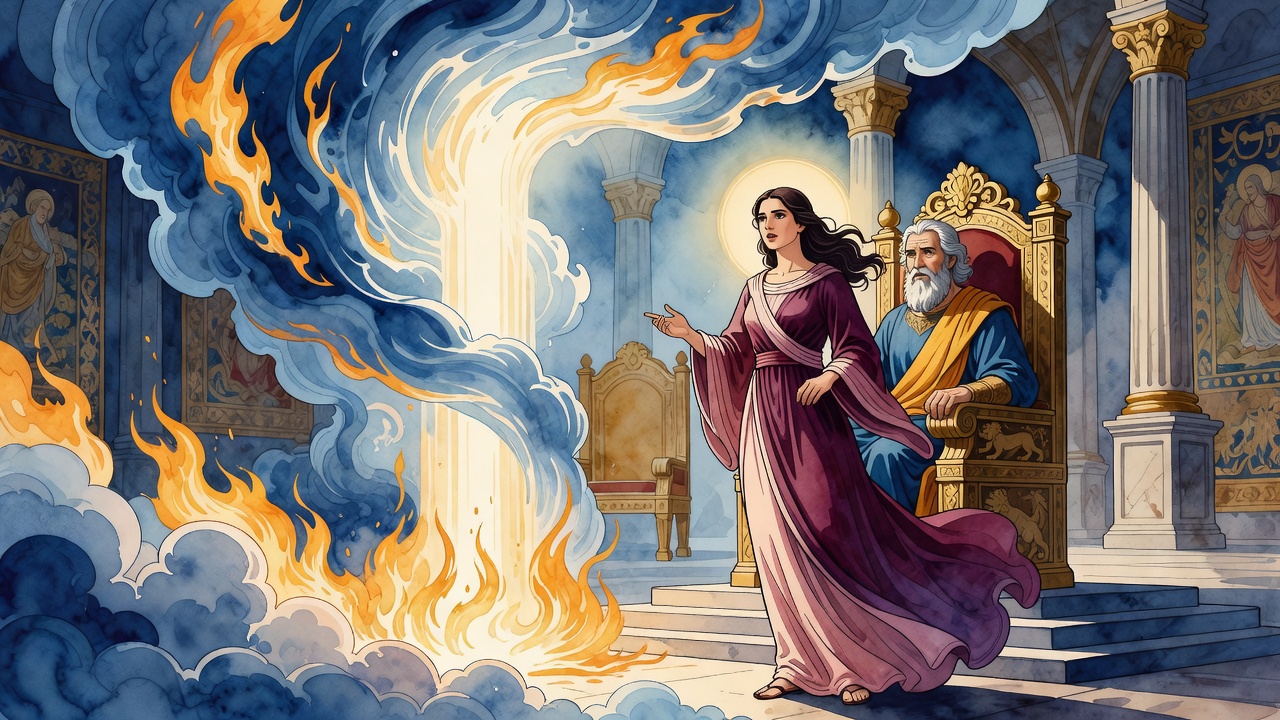
Then she answered him, and she did not answer him small.
"I am a queen," she said. "The daughter of kings. I come from the royal house of Saul."
Every word of it was true and every word of it was a rank. The man had married a foundling with no relations and had spent his marriage wondering what he had brought into the palace, and she had just told him she outranked him in the only currency he understood. She was not a prize picked out of a province. She was the line of the first king of Israel, sitting in his bedroom, saying so out loud for the first time.
And in the Same Breath, Vashti
She did not stop there. She went on in the same voice, without a pause between the two.
"If you are truly a real prince, how could you have put Vashti to death?"
The court remembered how that had gone. Seven days of drinking. The king sending for his queen to be brought out and displayed to the officers, and the queen refusing to come. Seven princes of Persia and Media on their feet before the wine was cleared, explaining that if this stood, no wife anywhere in the empire would obey a husband again. And the order going out that night.
Nobody had asked the king that question since. Nobody in that palace was in a position to ask it.
It Was Not My Own Wish
He answered her. That is the strangest part of the whole exchange. He did not have her removed. He explained himself.
"It was not to please myself," he said. "It was on the advice of the great princes of Persia and Media."
He had handed her the argument.
The Kings Who Sent for Daniel
"Your predecessors," Esther said, "did not take their counsel from ordinary intelligences. They were guided by prophets."
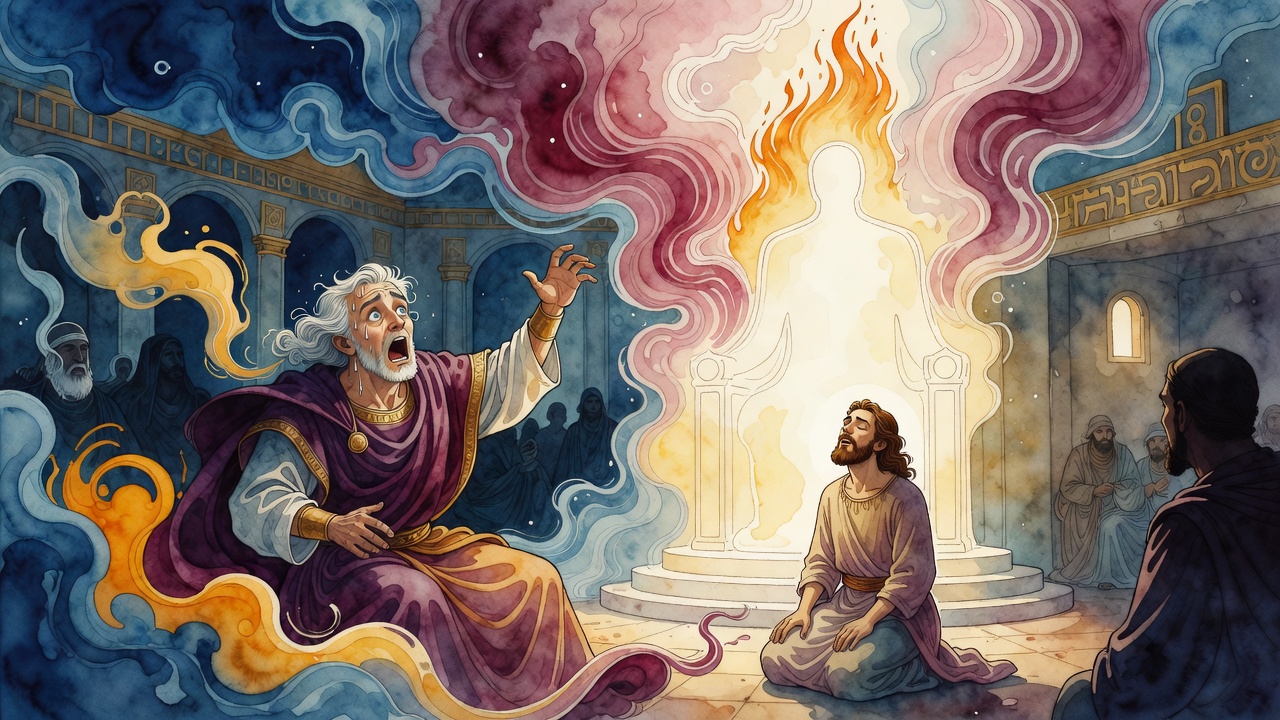
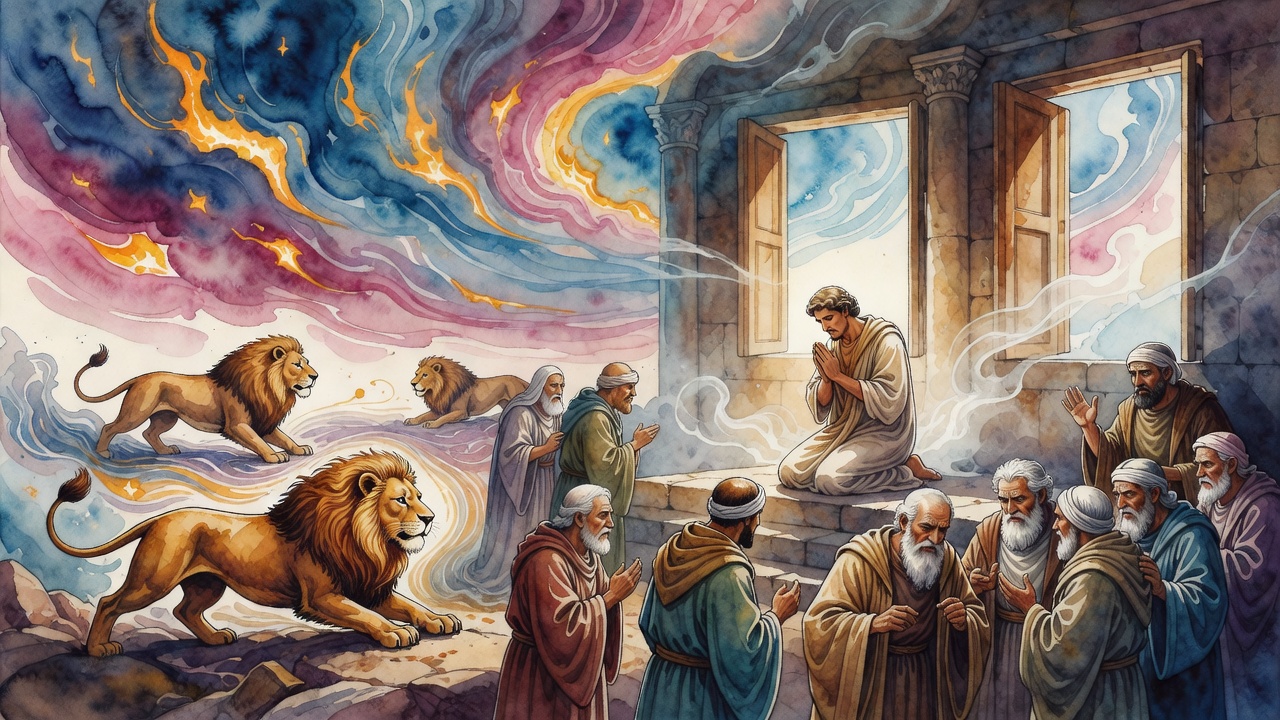
Then she gave him the cases. Arioch had brought Daniel in front of Nebuchadnezzar when the king's own magicians could not produce the dream, let alone read it. Belshazzar had summoned Daniel to the wall in the middle of a feast when the writing appeared over the plaster and every wise man in Babylon stood there with nothing. Twice the throne of that empire had needed something its experts did not have, and twice it had sent for a Jew.
Ahasuerus had astrologers, chamberlains, and seven princes with opinions about household discipline, and the result of consulting them was a dead wife.
It was the first thing Esther had ever told him about herself, and she made him pay for it inside the same conversation.
← All myths