Samuel Prayed All Night Before Killing Agag
Samuel prays through the night, and the prayer strikes before the sword does. Agag lives one day too long and fathers the line that will become Haman.
Table of Contents
 Click for full size
The Prophet Comes to Gilgal
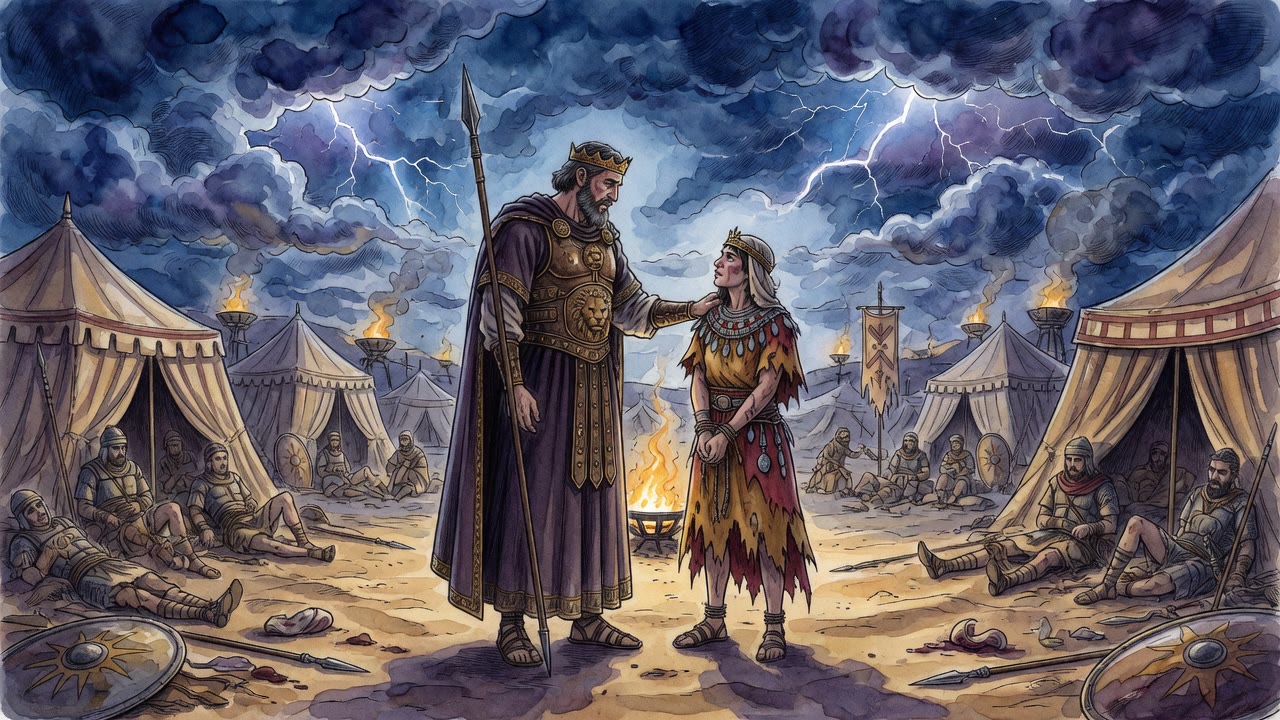
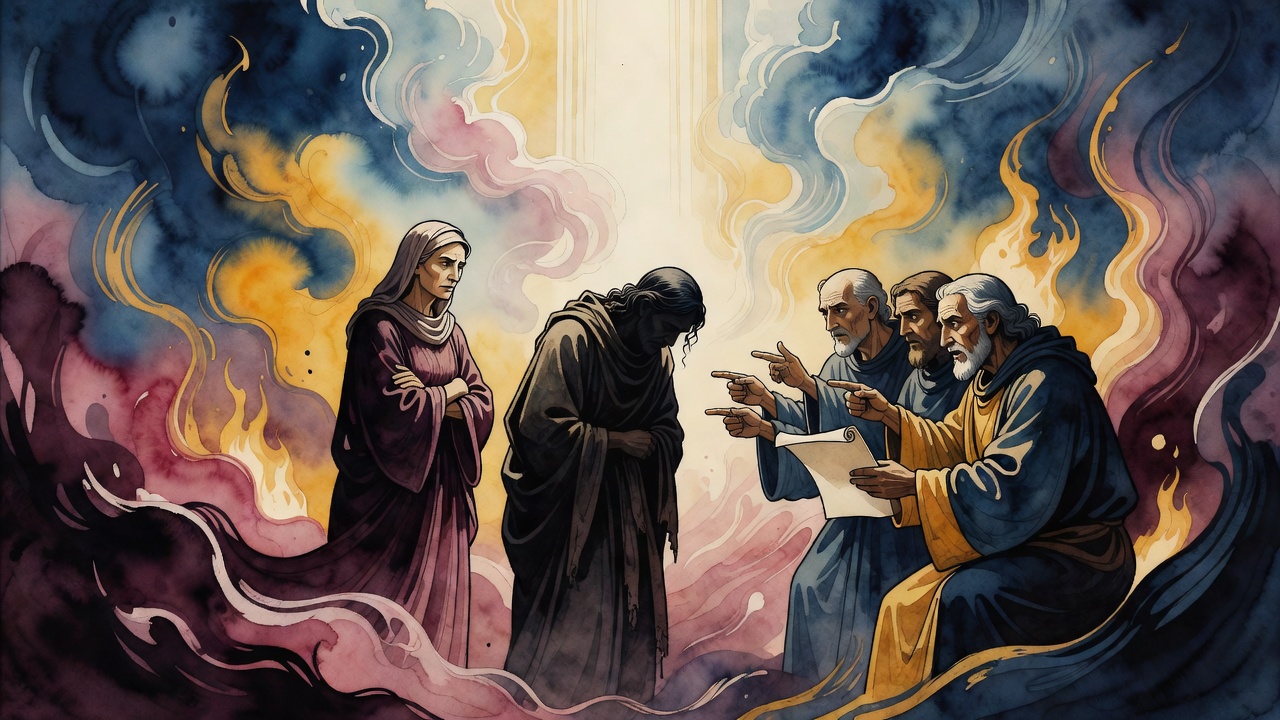
Samuel walks into the camp and finds the animals alive. He hears them before he sees Saul, their lowing carrying through the morning air, the sound of a man who could not finish what God had started. Saul is standing there ready with words. The best of the flock, he says, were kept for sacrifice. The king of Amalek was spared because mercy seemed right in the moment, because the people wanted this, because there are degrees of obedience and Saul believed he was close enough.
Samuel has heard this kind of talk before. He knows what partial compliance sounds like when dressed in priestly language. He knows that a man who confuses his own hesitation with devotion is harder to reach than a man who simply refuses. Saul has not disobeyed cleanly. He has entangled the disobedience with religion until it cannot be pulled free without pulling the religion too. That is what Samuel has to cut through before he lifts any blade.
Does the Lord delight in burnt offerings as much as in obeying the voice of the Lord? Behold, to obey is better than sacrifice. The word falls on Saul like a verdict. Saul has tried to purchase forgiveness with an offering he was never authorized to give.
Prayer Struck Before the Sword
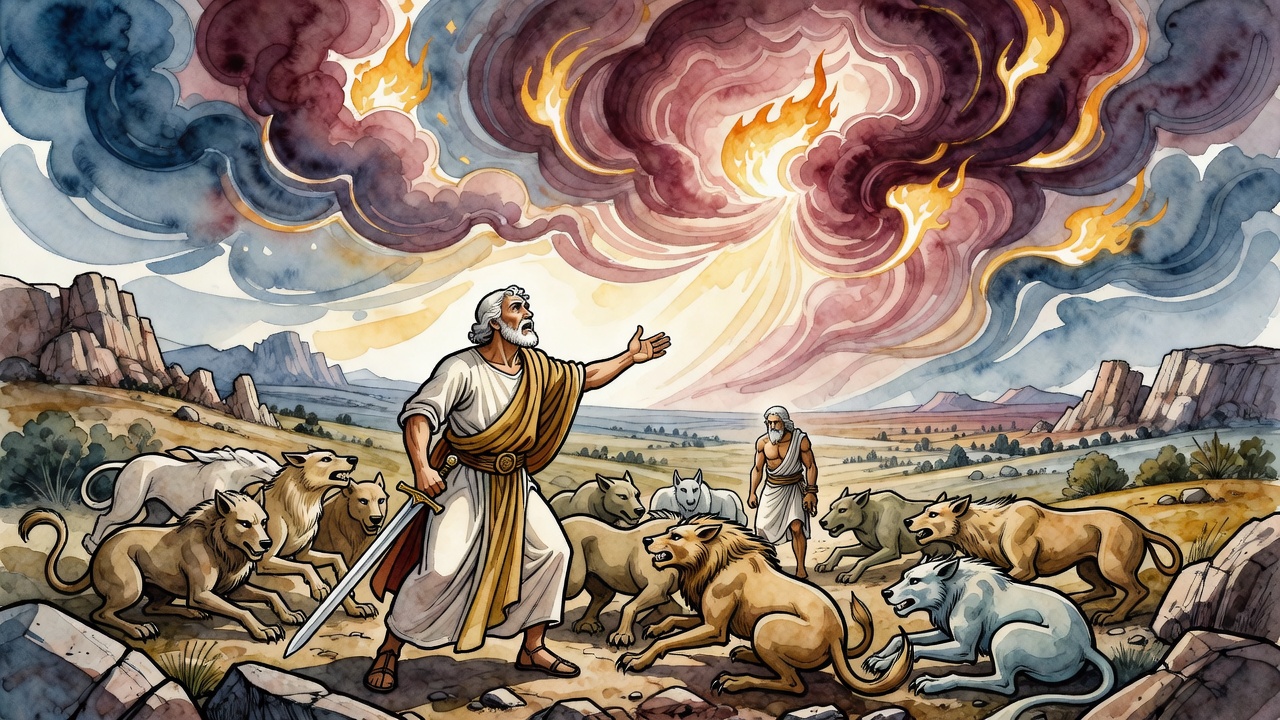
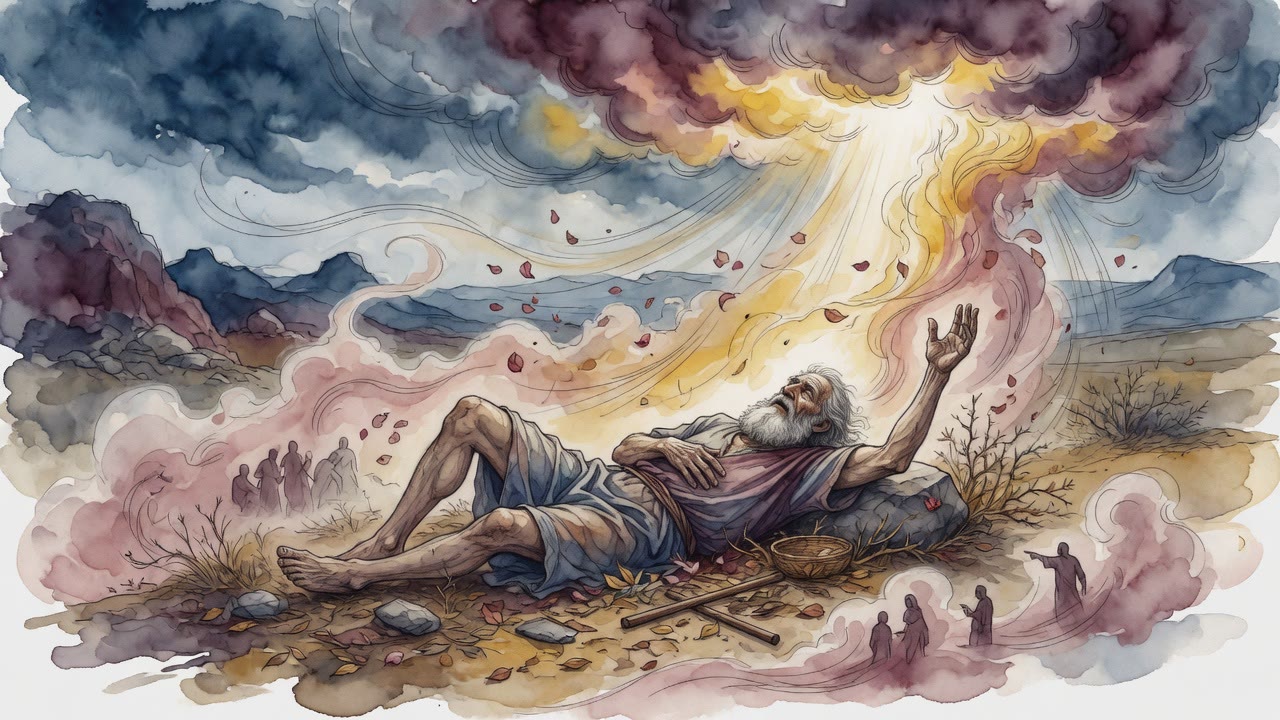
What the tradition preserves that the plain text does not is the night before. Samuel spent it in prayer. Not a brief petition before sleep but a sustained, hours-long standing before God, the prophet pressing until the divine answer came down not as instruction but as action. His prayer destroyed the power of Agag's children to harm Israel. That is the first blow in the scene. The sword that comes later is the second.
This detail reshapes everything. The execution of Agag is not a prophet's rage made flesh. It is the visible completion of something God already enacted in the dark. Samuel prays all night so that by the time he enters Gilgal, the act is already answered from Heaven. He is the instrument finishing a work that prayer began.
That is why the confrontation with Saul has to happen before the execution. Samuel is not simply reporting bad news. He is establishing who authorized what. Saul's sacrifice was not authorized. Samuel's execution is. The distinction matters because this is not a story about who has more power. It is a story about who speaks for God in a moment of incomplete obedience.
Agag's One Night of Hope
Agag is brought forward. The Amalekite king has had enough time to believe he might survive. One source says he came cheerfully, thinking the bitterness of death had passed. He is wrong in two directions: wrong that Saul's mercy means safety, wrong that a king of Amalek can outlive the divine command against him.
Samuel hews him down. The verb is violent, precise, deliberate. This is not battlefield killing in the heat of battle. It is an execution carried out by a prophet who prayed all night to be certain he was doing what God required. The cruelty of the act, if cruelty is the right word, lives in the care taken with it.
The Line That Kept Running
Agag's survival, even for that one night, is not without consequence. The tradition understood that he fathered a child in that window between Saul's mercy and Samuel's blade. The line continued. Generations passed. Amalek did not disappear because its king died at Gilgal. It moved through names and exiles until it arrived in Shushan wearing Persian robes.
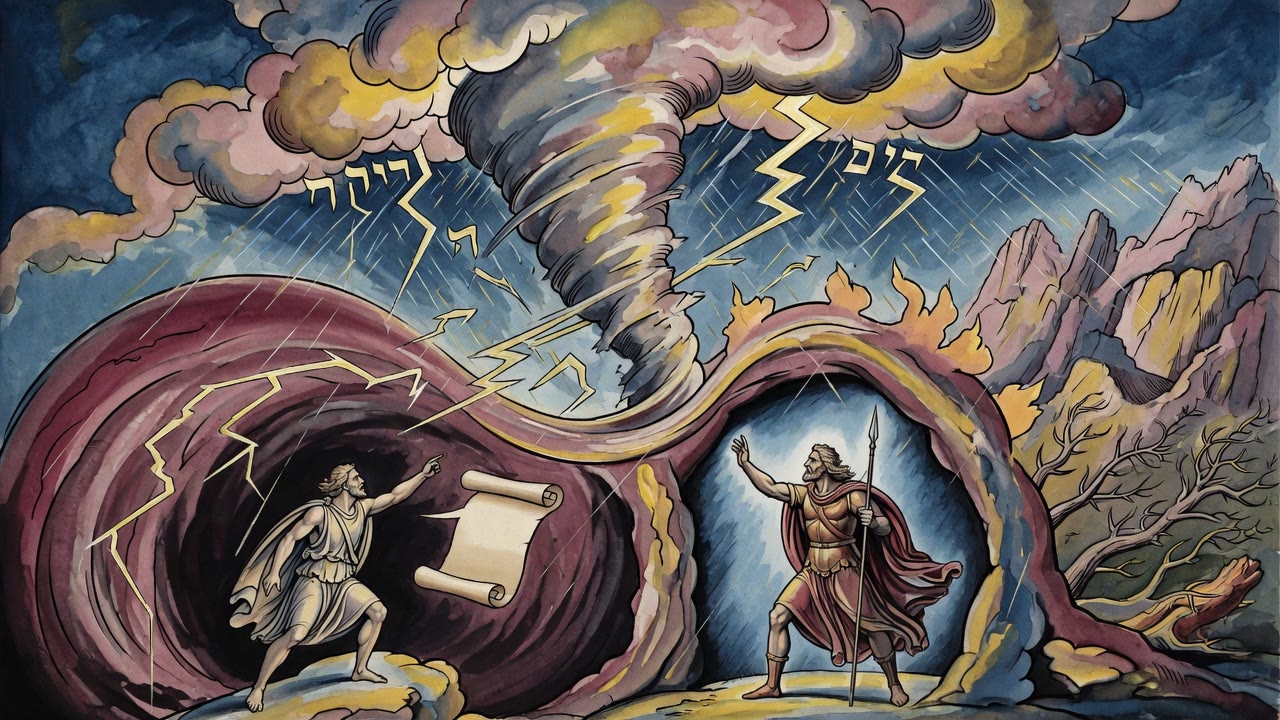
Haman the Agagite. The connection runs directly from Saul's failure to execute through Agag's single night of survival to the man who will nearly erase the Jewish people from the Persian empire. The Purim story begins here, in the mercy Saul chose for reasons that sounded holy and were not. When Esther stands before Ahasuerus, she is correcting a mistake that was made five hundred years before she was born.
Israel does not forget Amalek. It records the forgetting that nearly cost everything. Samuel understood that the command was total, not because God takes pleasure in total destruction, but because incomplete obedience in this case meant a remnant of Amalek would find its way into every generation that followed. Prayer was not softening the command. It was making certain the one who carried it out understood its full weight before the sword moved.
← All myths