Daniel Recommended Executing Vashti and He Had His Own Reasons
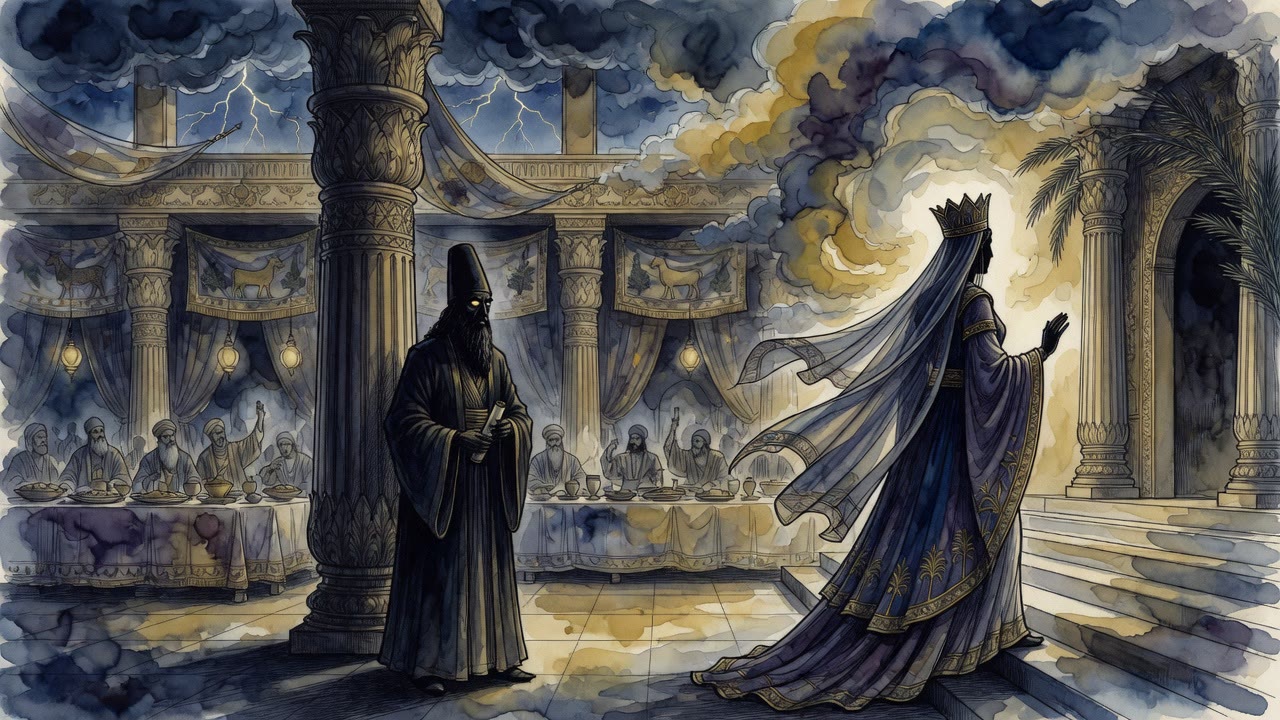
Vashti would not walk into a hall where Daniel stood. He had read her father's ruin off a wall in Babylon, and he was not finished with her house.
Table of Contents
 Click for full size
The Queen Who Would Not Come Out
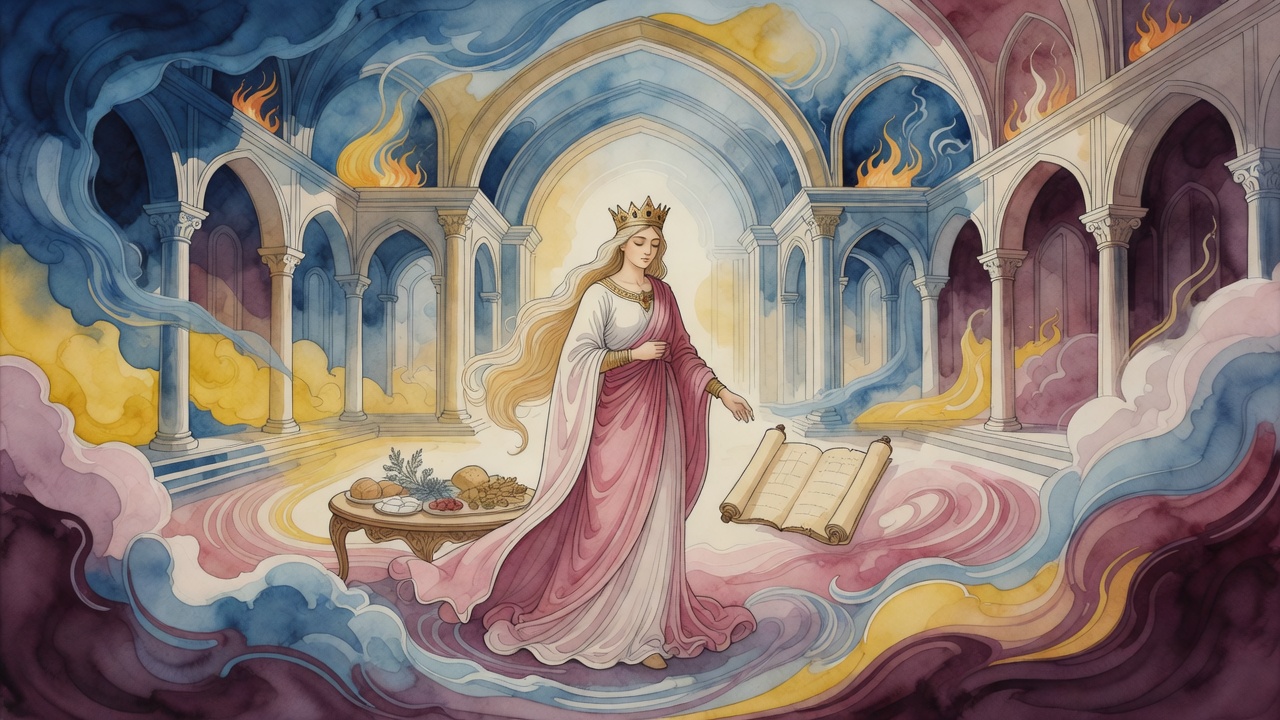
The seven chamberlains came back from the women's house without Vashti. The wine in the great hall had been running seven days, the king had asked for one thing, that his queen walk in and be looked at, and she had sent back a refusal with no reason attached to it.
She had a reason. Daniel was standing in that hall.
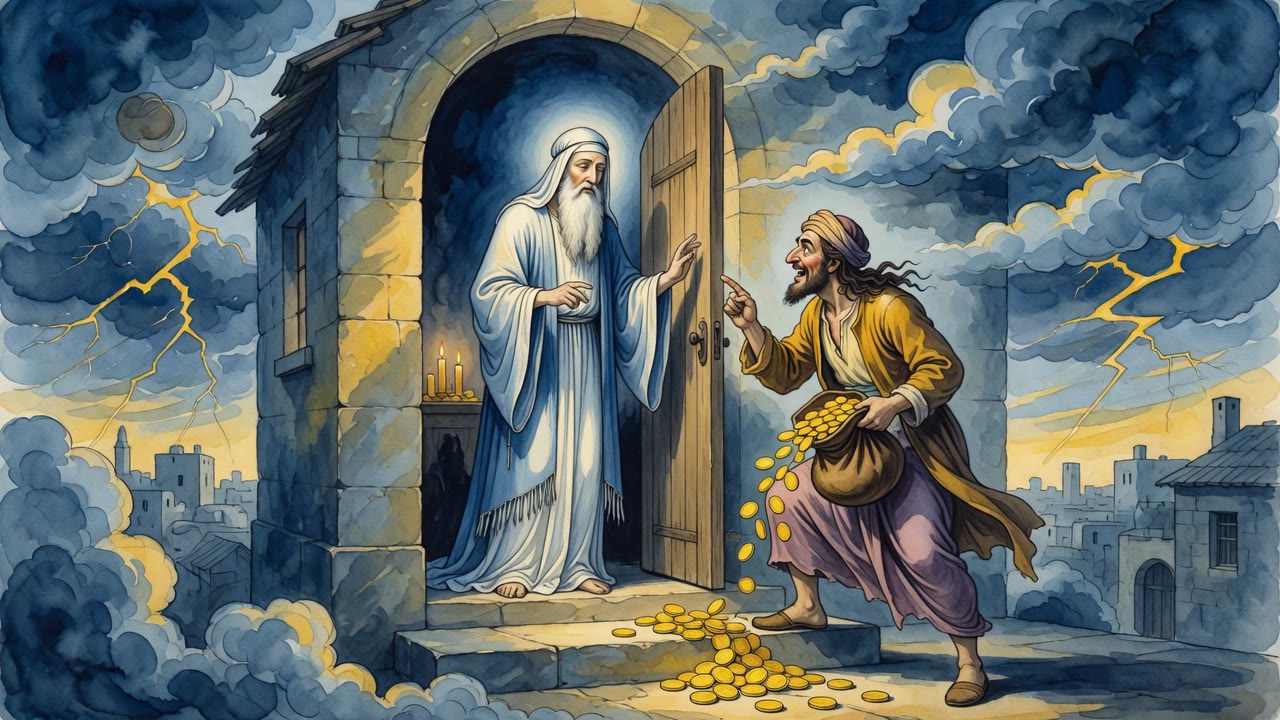
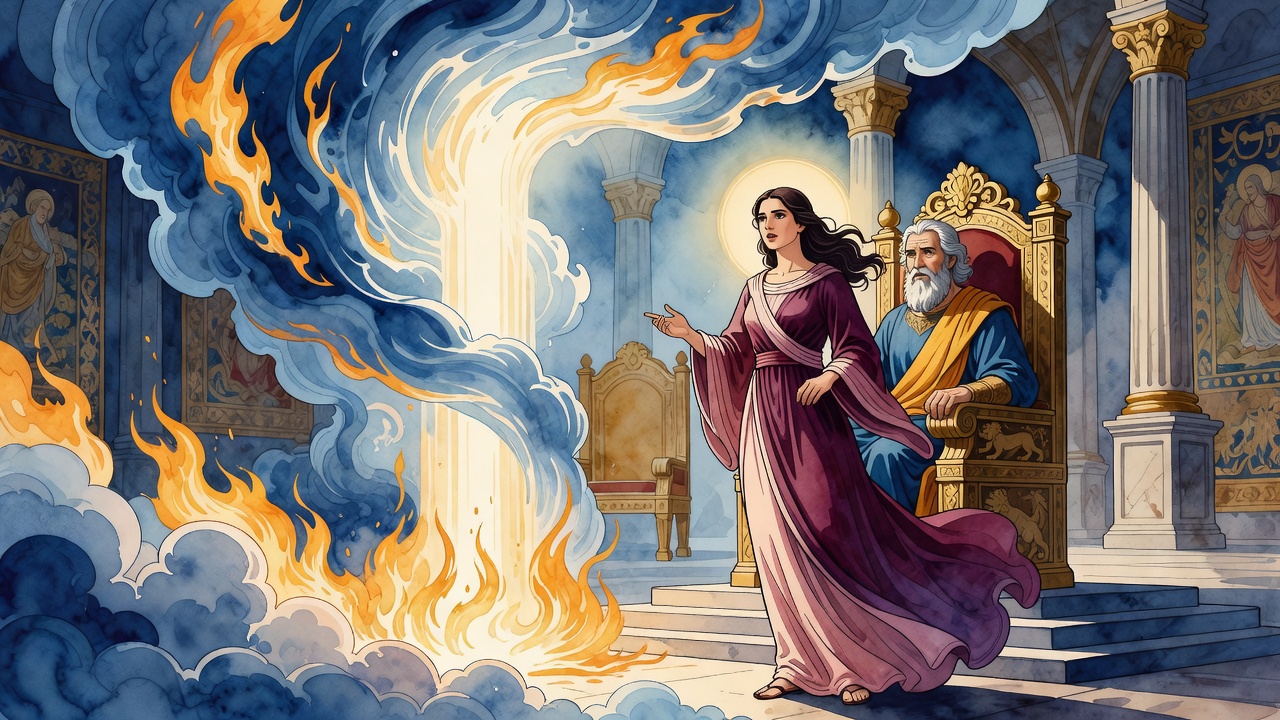
Years before, in Babylon, he had stood in front of her father while a hand finished writing on the plaster, and he had read the writing out loud: the reign was counted, weighed, and already divided. Belshazzar was dead before morning. Vashti wore a crown that had come down to her through a house Daniel had watched end, and she would not put herself in a room where he could look at her.
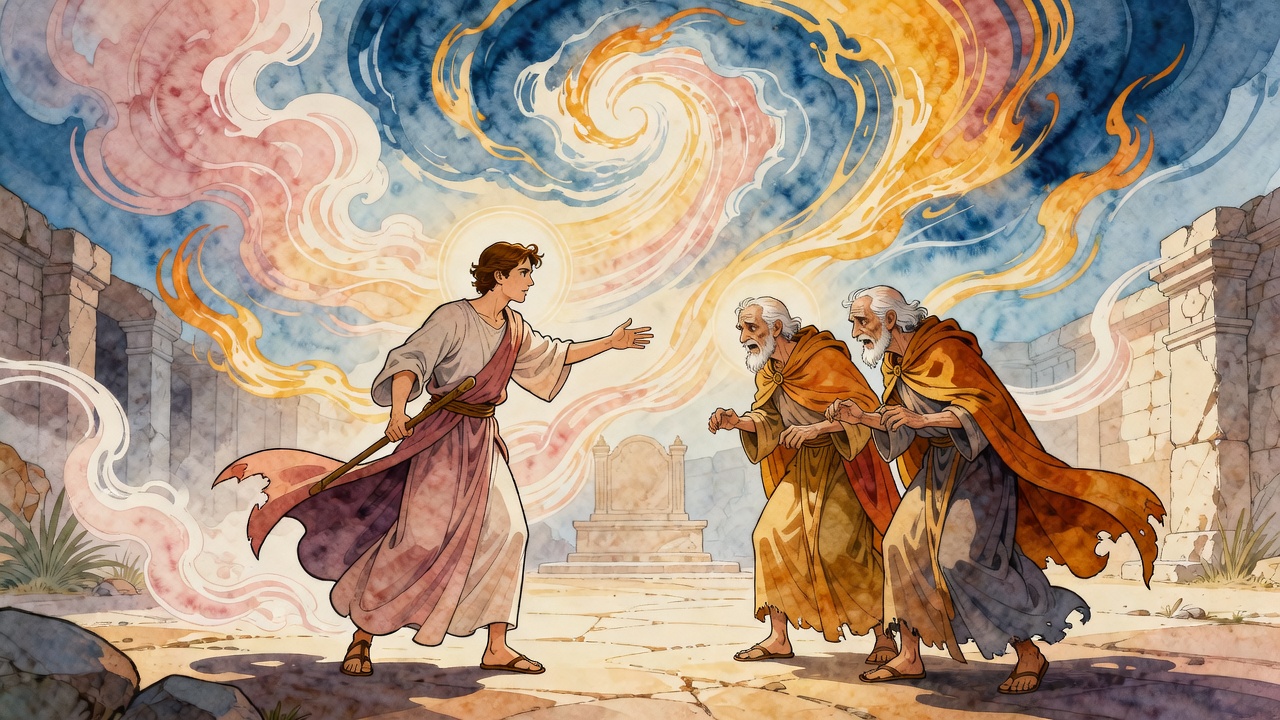
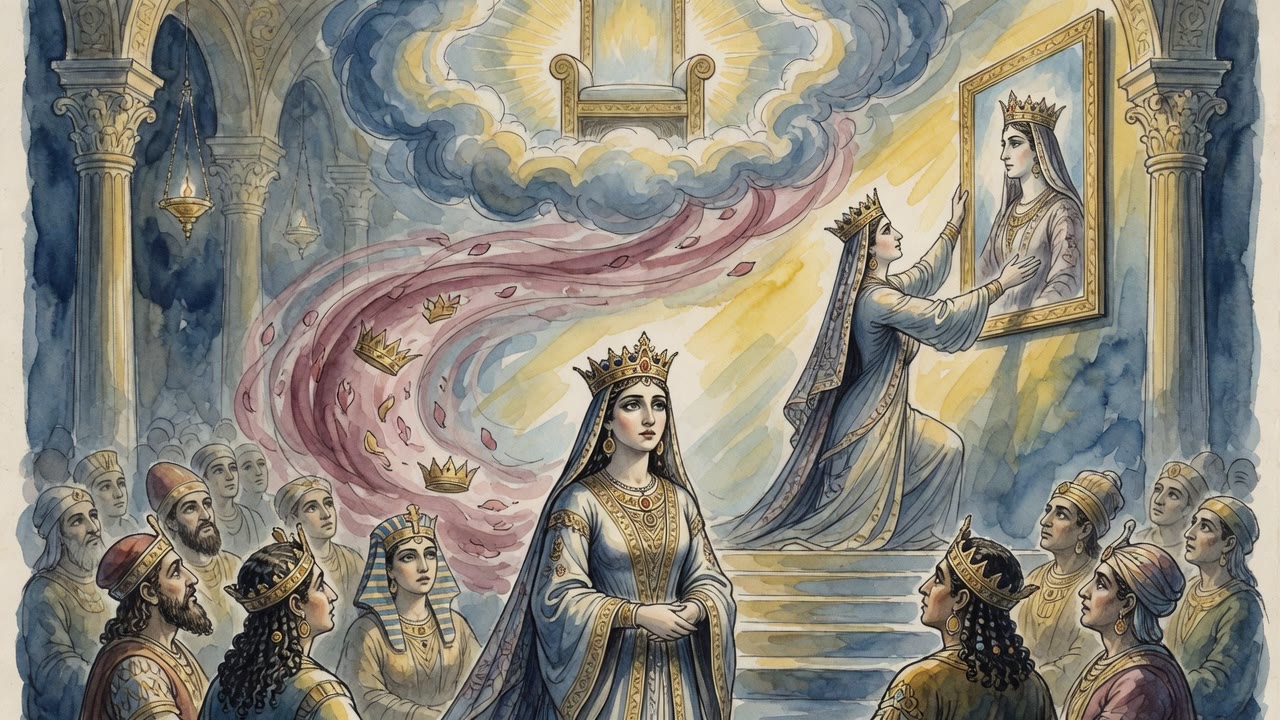
There was the other thing. Daniel had spoken the Name of God over her, and her beauty had gone out of her face. The skin was marred. Whatever the princes saw when those doors opened, it would not be the queen the king had spent a week boasting about.
The Smallest Man on the Bench Speaks First
Ahasuerus laid the charge before seven princes: Carshena, Shethar, Admatha, Tarshish, Meres, Marsena, and Memucan. Each of them had come from a different country, and each of them ran a different part of the household. The animals belonged to Carshena, the wine to Shethar, the land to Admatha, the palace to Tarshish, the poultry to Meres, the bakery to Marsena. Memucan supplied whatever anyone inside the palace needed, and his wife kept the house.
His name sat last on the list because he ranked last, and that is exactly why he spoke first. A Persian court passing a death sentence began the vote at the bottom of the bench, and the Jews kept the same custom, so that the youngest judge would not sit there swallowing his own opinion after his betters had given theirs.
Memucan took the first word.
The Appointed One
He was not Persian. He had come out of Jerusalem, and Memucan was not the name he was born with. It means the appointed one, and the court had been calling him that for years without knowing what he had been appointed to do.
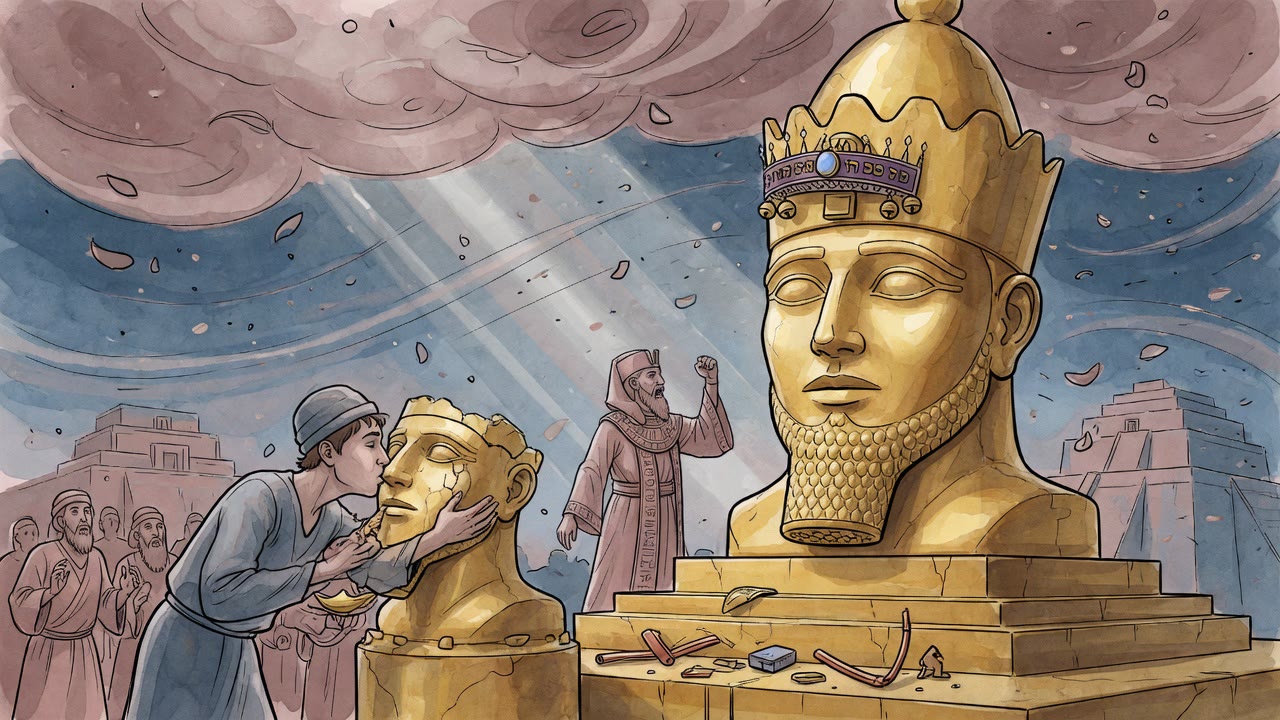
Memucan was Daniel. He had refused a Babylonian king's table and lived. He had gone down into a pit of lions and come back up. He had told a queen's father the hour his kingdom would end and been right about it. Now he stood in a hall of drunk noblemen holding the first vote in a capital case, and the woman on trial was the woman who could not stand the sight of him.
The Wife Who Would Not Speak His Language
Daniel had married a wealthy Persian. She kept one rule in her own house and never bent it. She spoke her own language and no other, to him, every day, for years. A man who could stand in front of any throne between Babylon and Susa and hold his ground sat down to supper with a wife who would not give him one word in his own tongue.
So when the question reached him, the question of what a queen's refusal would do to every husband in the empire once the story got out, Memucan did not have to imagine the house he was describing. His reasons were sitting at his own table, and they were personal.
The Oath He Made the King Swear
Memucan did not advise the king to put Vashti away. He recommended execution. The hangman, so that she could never do anything again, and a decree carried into every province making obedience the wife's duty. The other six endorsed it. Ahasuerus approved it.
Then Memucan did the thing that shows what he knew about kings. He made Ahasuerus swear, by the most solemn oath the Persians had, that the sentence would be carried out immediately. A king who sobered up and wanted his queen back would go looking for the adviser who had told him to kill her. Daniel wanted her dead while the wine was still in the room.
She was dead by then. The couriers rode out to a hundred and twenty-seven provinces with a law about husbands and wives, and buried in it was a clause nobody in that hall had asked for. A wife must speak the language of her lord.
Daniel had gotten an imperial decree out of an argument at his own table.
← All myths