Zerubbabel Met the Messiah Then Got Punished for Criticizing Daniel
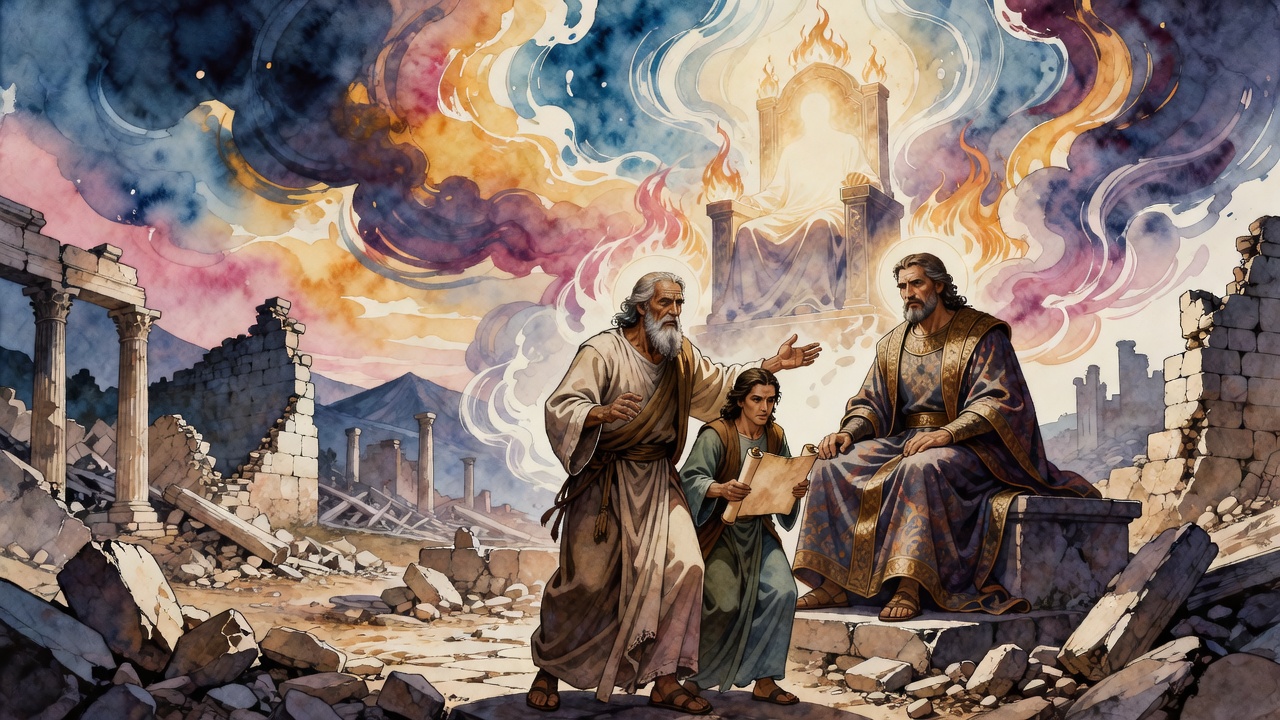
The archangel Metatron showed Zerubbabel the hidden Messiah and the shape of the future. Then Zerubbabel made one comment about Daniel and suffered for it.
Table of Contents
 Click for full size
The Davidic Prince and His Guide
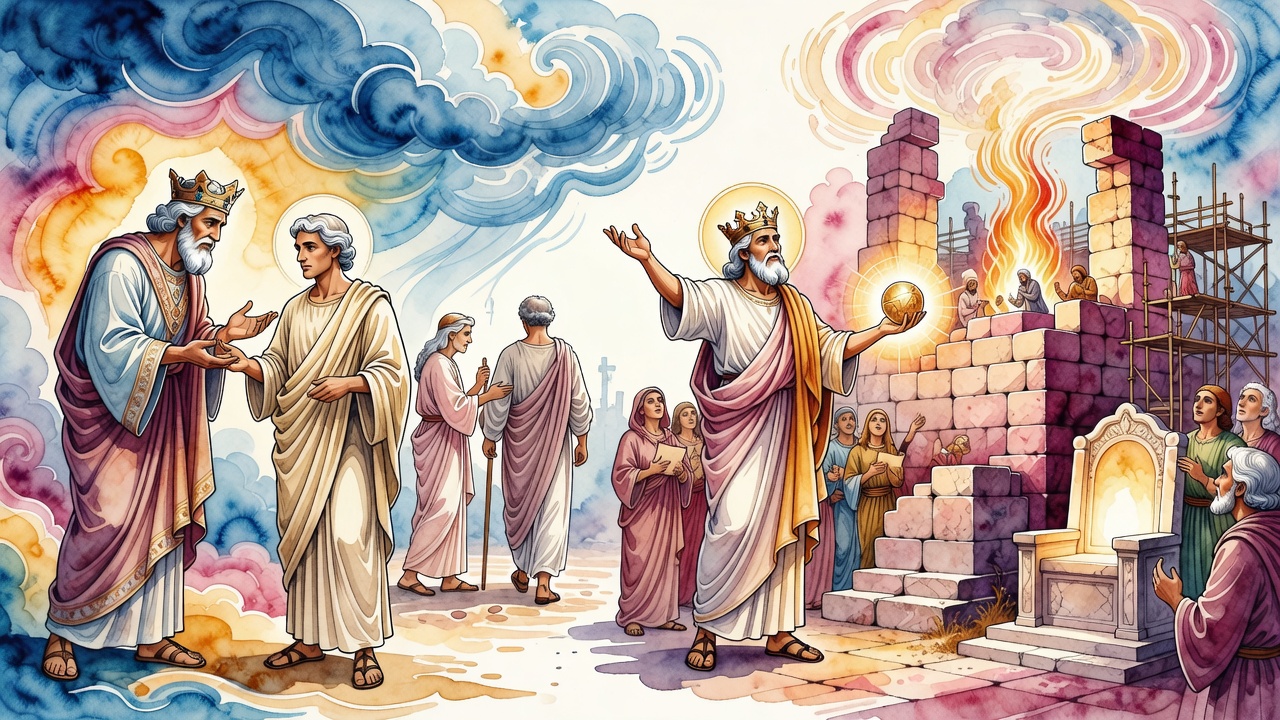
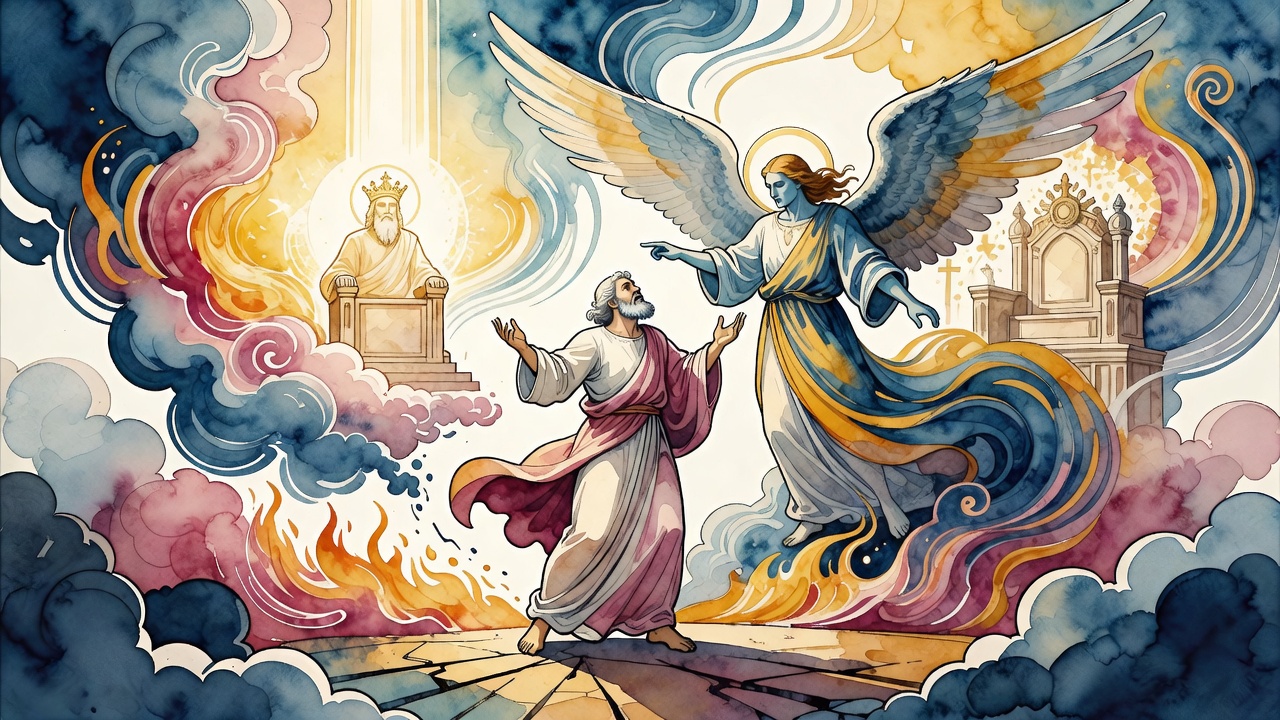
Zerubbabel was a man given gifts large enough to require care. He was a Davidic prince descended from the royal line, the man who would lead the first group of returning exiles back to Jerusalem and begin the work of building the Second Temple. He was not a prophet in the formal sense, but the traditions around him give him access to knowledge that prophets received: the shape of things to come, the hidden architecture of Jewish history as it would unfold toward its conclusion.
His guide into this knowledge was the archangel Metatron.
Metatron is the figure in Jewish tradition identified as the highest of the angels, sometimes described as the transformed soul of Enoch, the one human being who was taken directly into heaven without death. He stands nearest the divine throne, carries messages between the heavenly and earthly realms, and in the traditions functions as something like a divine concierge, escorting select mortals through knowledge they could not reach alone. For Zerubbabel, Metatron was both guide and gatekeeper.
The Meeting with the Messiah
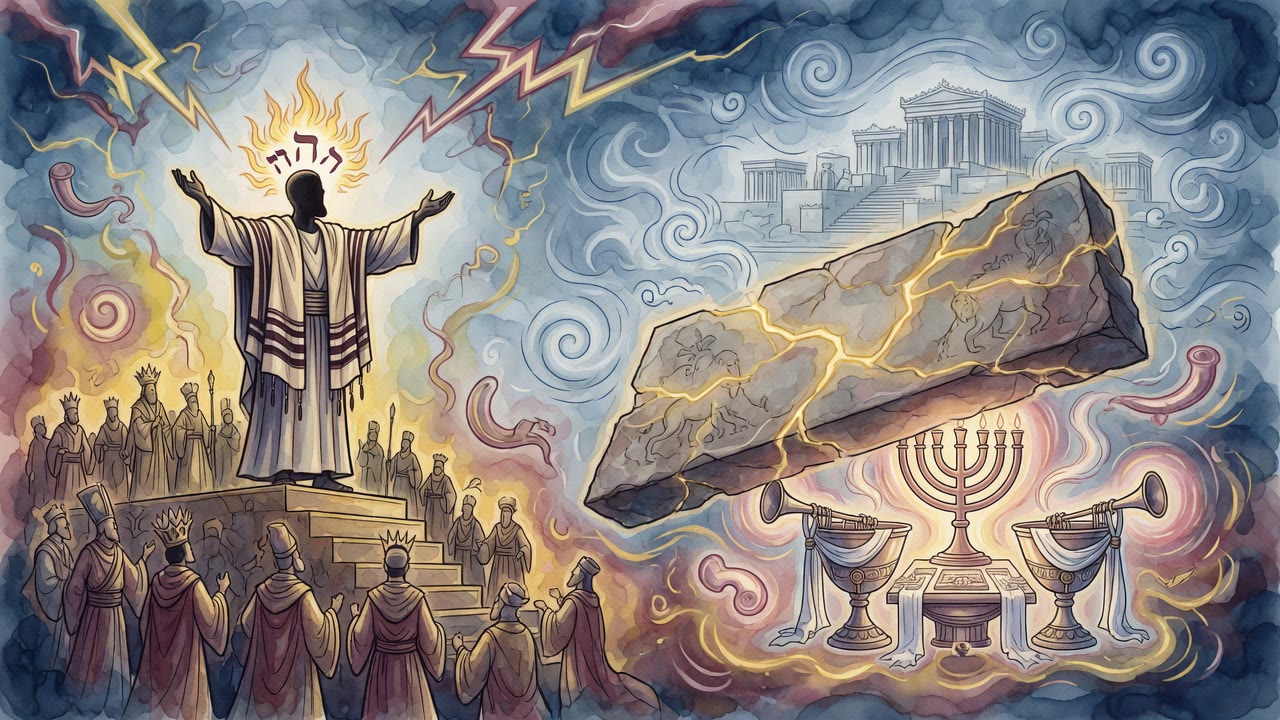
The encounter that Metatron arranged for Zerubbabel was unlike anything granted to his contemporaries. He was shown the Messiah: not as an abstract promise, not as a theological concept, but as a figure with presence and particularity. The tradition records that the Messiah was in a condition of waiting, like an object hidden in the world until the moment of its revelation, present but not yet disclosed.
The Zohar, the foundational text of Kabbalah first circulated around 1280 CE in Castile, Spain, develops the tradition of Metatron as divine intermediary at length, the being who escorts humans through the borders of accessible divine knowledge. In Zerubbabel's case, the escort was to a glimpse of Jewish history's destination, the point toward which all the exile and return and second destruction and long waiting was moving. What exactly was said in that encounter, what Zerubbabel asked and what the Messiah answered, the tradition does not fully record.
What it records is that Zerubbabel was shown the future and returned to the present.
The Comment About Daniel
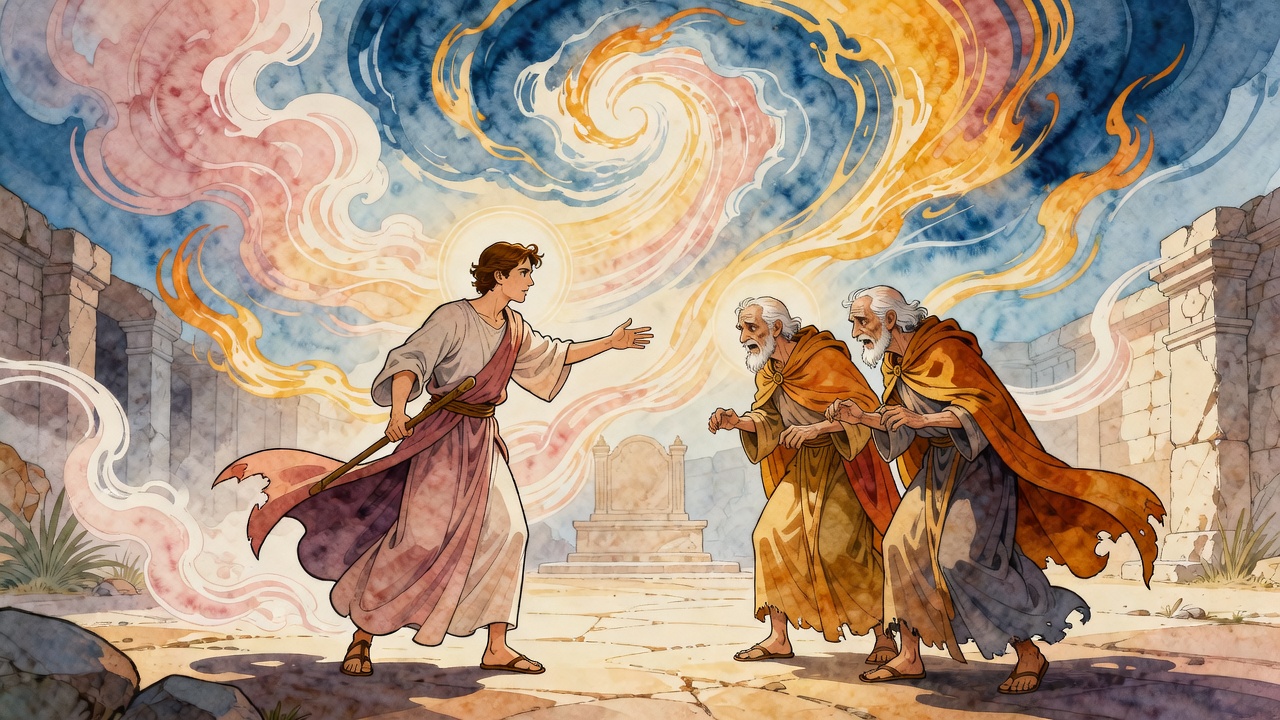
Then Zerubbabel made a mistake. He said something critical about Daniel.
The tradition does not always specify what the criticism was. In some versions it was a comment about Daniel's age, suggesting that so old a man was no longer the most capable leader for the work of restoration. In others it was a comment about Daniel's standing relative to his own, a prince of the Davidic line measuring himself against a man whose lineage was distinguished but not royal. Whatever the content, the substance was this: Zerubbabel suggested, with the casual confidence of a man who had just been shown the future by an archangel, that Daniel was perhaps not quite the figure people made him out to be.
This was the ordinary mistake of a man given extraordinary access. He had been escorted to the hidden Messiah by the highest angel, had received knowledge no one else in his generation possessed, and the experience had not made him more careful about speaking of other people. If anything, it had made him less careful. The man who had seen the end of history felt entitled to opinions about its current participants.
The Punishment the Rabbis Assigned
The consequences came in the form of rabbinic judgment rather than divine lightning. The tradition records that the rabbis took the criticism seriously enough to note it, to pass it down alongside the story of Zerubbabel's great gifts, as a cautionary element attached to everything else he received. He had been shown the Messiah. He had built the Second Temple. He had been guided by Metatron. And he had said something thoughtless about the man whose work before Cyrus had made the Temple possible in the first place.
Daniel had spent decades in the courts of Babylon and Persia, positioning himself so that when the moment came to request the return decree, there was someone present with the standing and the relationship to make the request. Zerubbabel, who benefited from that work, had criticized the man who did it.
← All myths