The King Who Admitted He Needed Help and the Exile Who Won a Riddle
Darius asks Daniel how to govern. Daniel trains his replacement and retires. Zerubbabel wins a riddle contest and uses the prize to rebuild the Temple.
Table of Contents
 Click for full size
The King Who Asked for Help
When Darius settled onto the throne of Babylon, his first act was not a military campaign or a political purge. He sent for Daniel.
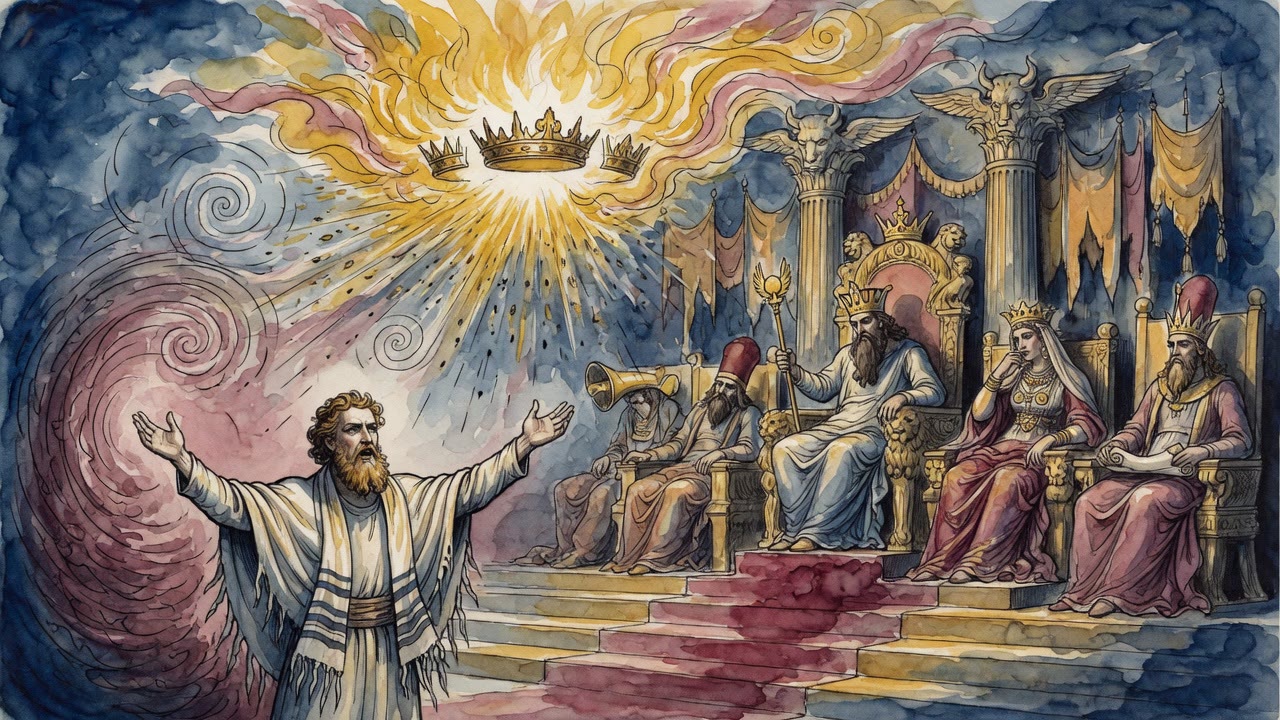
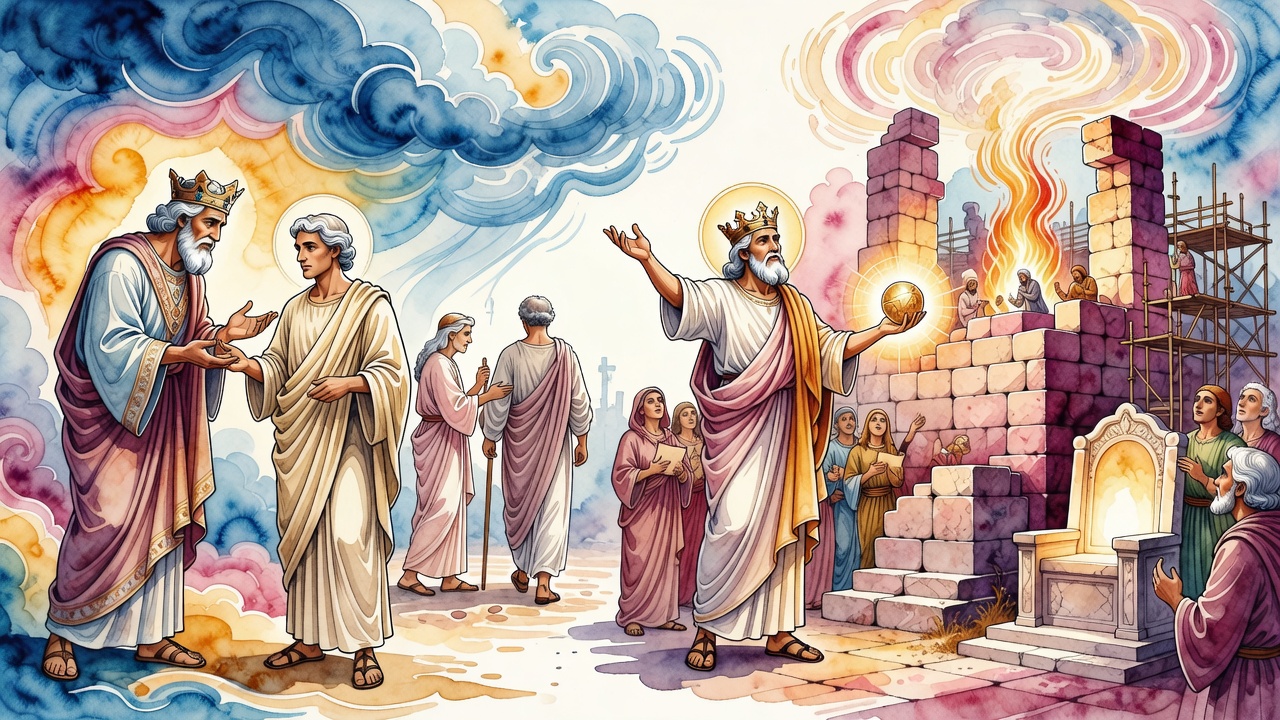
The aging king had a second throne placed beside his own and made the kind of admission no monarch in the ancient world was supposed to make in public. He was too old and too tired to govern alone. Continual wars had made him faint. He could no longer bear the burden of his people, no longer judge between man and man, no longer reward the righteous and punish the wicked. Give me counsel, he said to the Jewish exile sitting beside him, because the spirit of the God of heaven is with you.
Daniel's response was practical and immediate. Appoint three officers of valor and truth to share the weight of governance. Let only the cases too weighty for the judges rise to the throne. Darius followed this exactly: appointed two princes with Daniel above them, then issued a decree commanding his subjects to honor the God of Daniel as the great God over all other gods.
Daniel Asks to Go Home
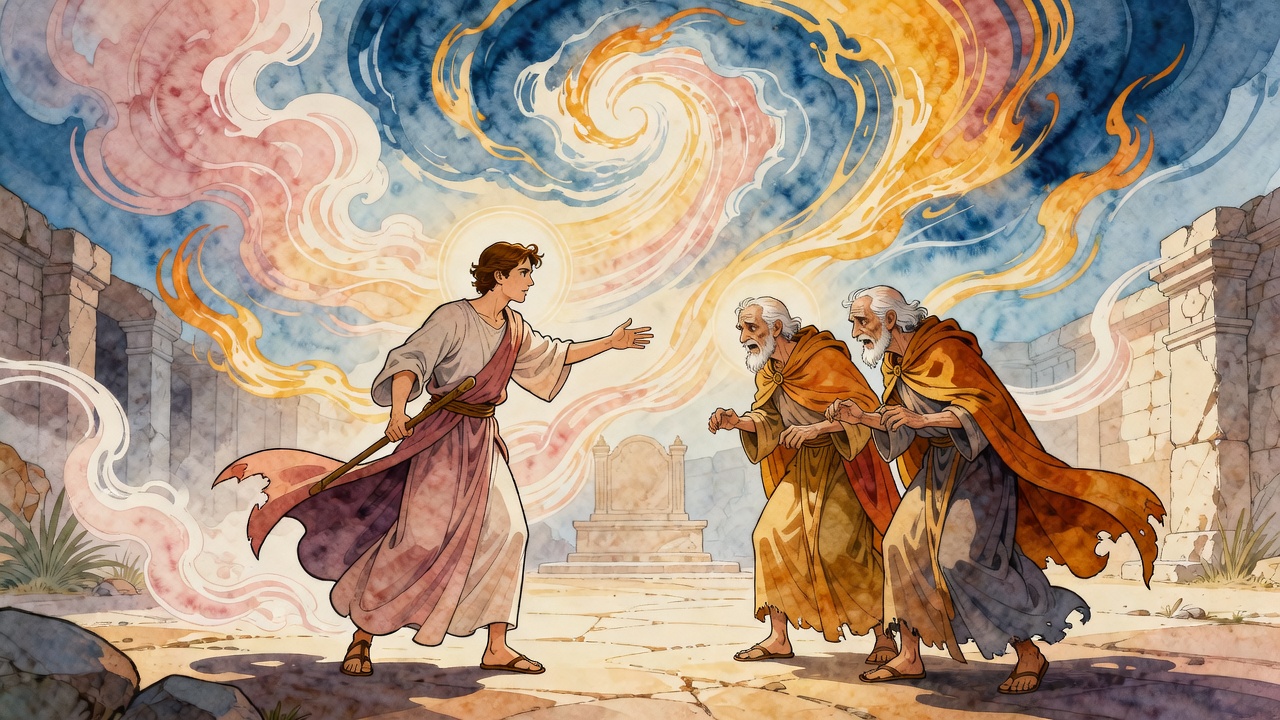
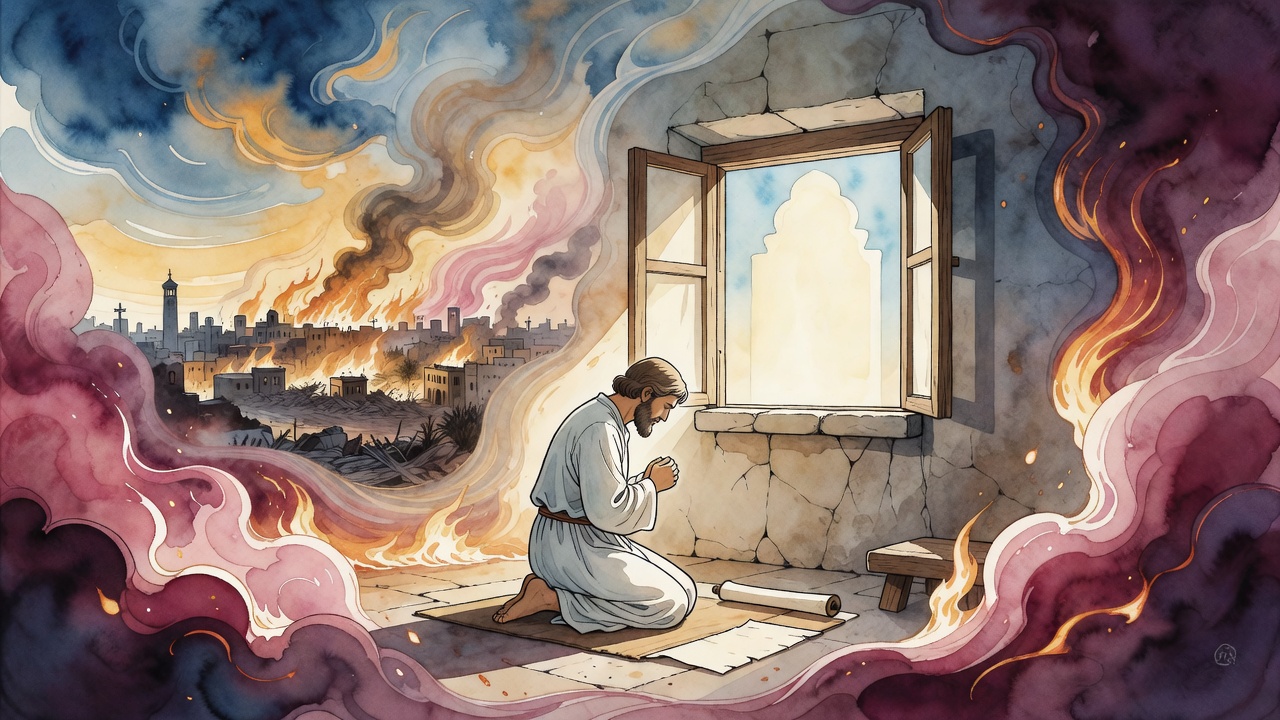
Daniel grew old. He came before Darius one last time and made a request that was also a demonstration of everything he had taught the king about good governance. He no longer had the strength for active service. He had been thrown to the lions twice. His three friends had been cast into the fiery furnace. Through all of it, they had not abandoned their God. He wanted to go home, to return to his native city and worship in peace.
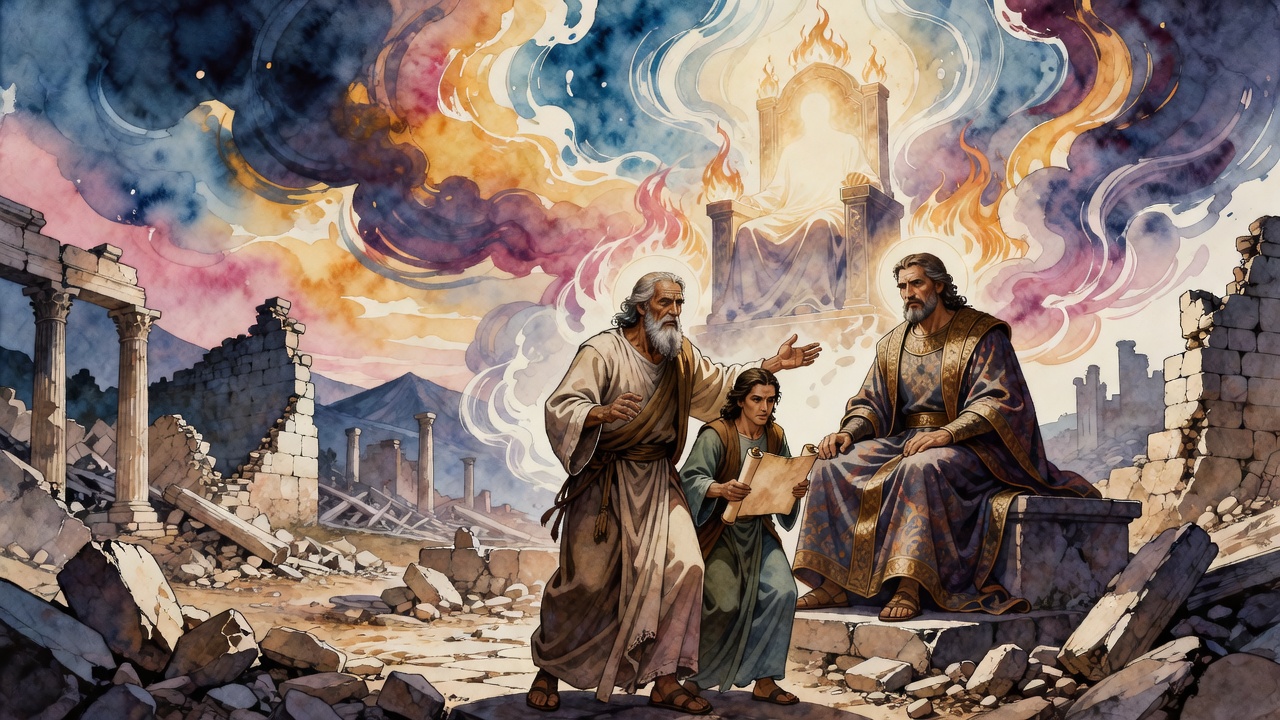
The king was reluctant. If you leave me, he said, how can my kingdom remain sound? But he agreed under one condition: find your own replacement from among your people. Daniel went to the assembly of the exiles and found Zerubbabel, son of Shealtiel, grandson of Jehoiachin, the last king of Judah before the exile. He brought Zerubbabel before Darius and retired.
The Riddle About the Strongest Thing
Some time after this, the king hosted a competition. He asked three of his bodyguards to each write down what they believed was the strongest thing in the world. He would reward the one who gave the best answer. The first wrote wine. The second wrote the king. Zerubbabel wrote women, and then added: but above all things, truth prevails.
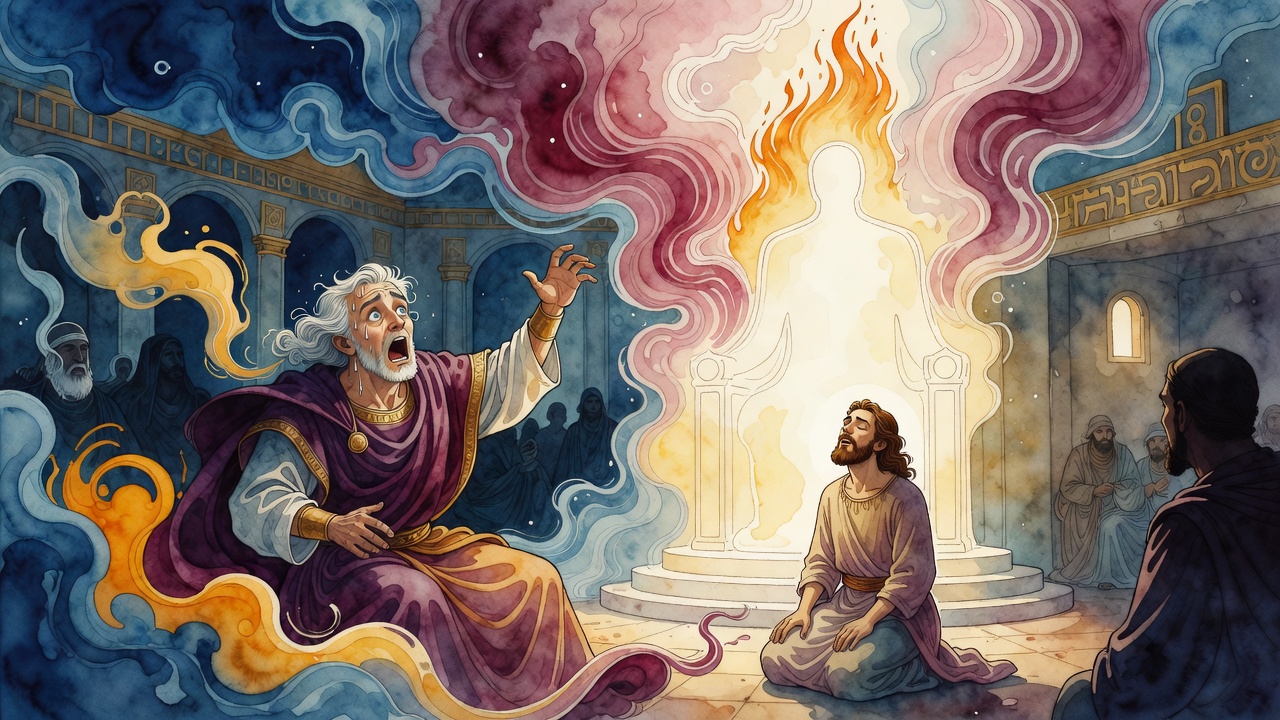
When Darius read the answers, Zerubbabel was summoned to explain his reasoning. He did so methodically. Wine makes men forget strength and wisdom. The king rules by force, but even kings are ruled by women: a man builds a house, amasses wealth, sails seas, fights wars, all for the woman he loves. He illustrated this with Darius himself, and the king did not dispute it. And truth, Zerubbabel continued, is permanent. Wine passes. The king passes. Women pass. Truth endures when everything else is gone.
Truth Buys the Temple Back
The king offered him whatever he wished. Zerubbabel asked for one thing: the fulfillment of the vow Cyrus had made to rebuild the Temple in Jerusalem and return the sacred vessels that Belshazzar had desecrated at his feast. Darius honored it. Zerubbabel left Babylon with the sacred vessels and the permission to build.
← All myths