Three Men Who Outlasted the Empires That Tried to Break Them
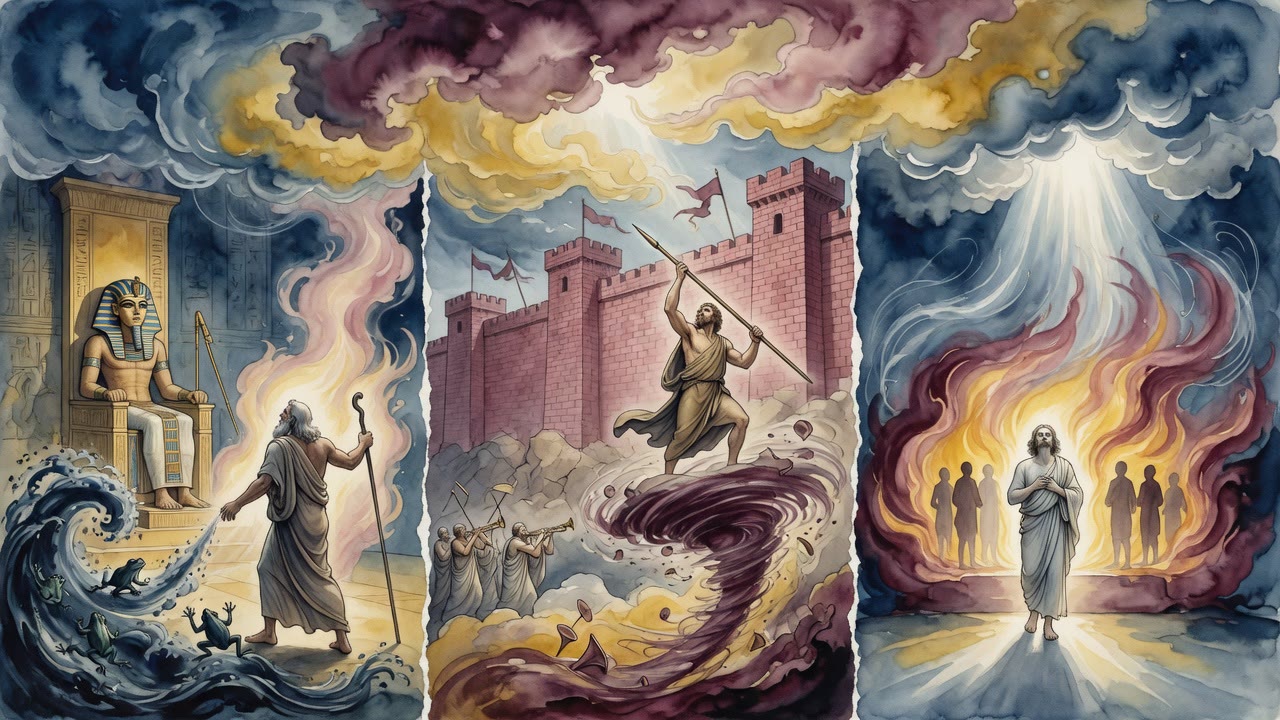
Moses said let my people go ten times. Joshua raised a javelin at Ai. Belshazzar locked the palace doors and then could not get out himself.
Table of Contents
 Click for full size
Moses Inside the Empire He Would Destroy
Moses grew up inside Egypt. He ate at Pharaoh's table, wore Egyptian linen, received an education that was the finest available in the ancient world. According to the Legends of the Jews, he was considered so impressive that Pharaoh's daughter presented him to the king as a potential heir. He was, by every outward measure, a product of the civilization he would one day confront.
When he stood before Pharaoh demanding the release of the Israelites, Moses was not confused about who he was. The decades in Midian, the burning bush, the formation that comes from forty years in the wilderness: all of it had done something to his identity that the Egyptian court could not undo. He walked into the most powerful throne room in the ancient world and said let my people go. He said it ten times. He said it through plagues and silence and a grief that extended across both nations. Pharaoh refused ten times and Egypt was broken.
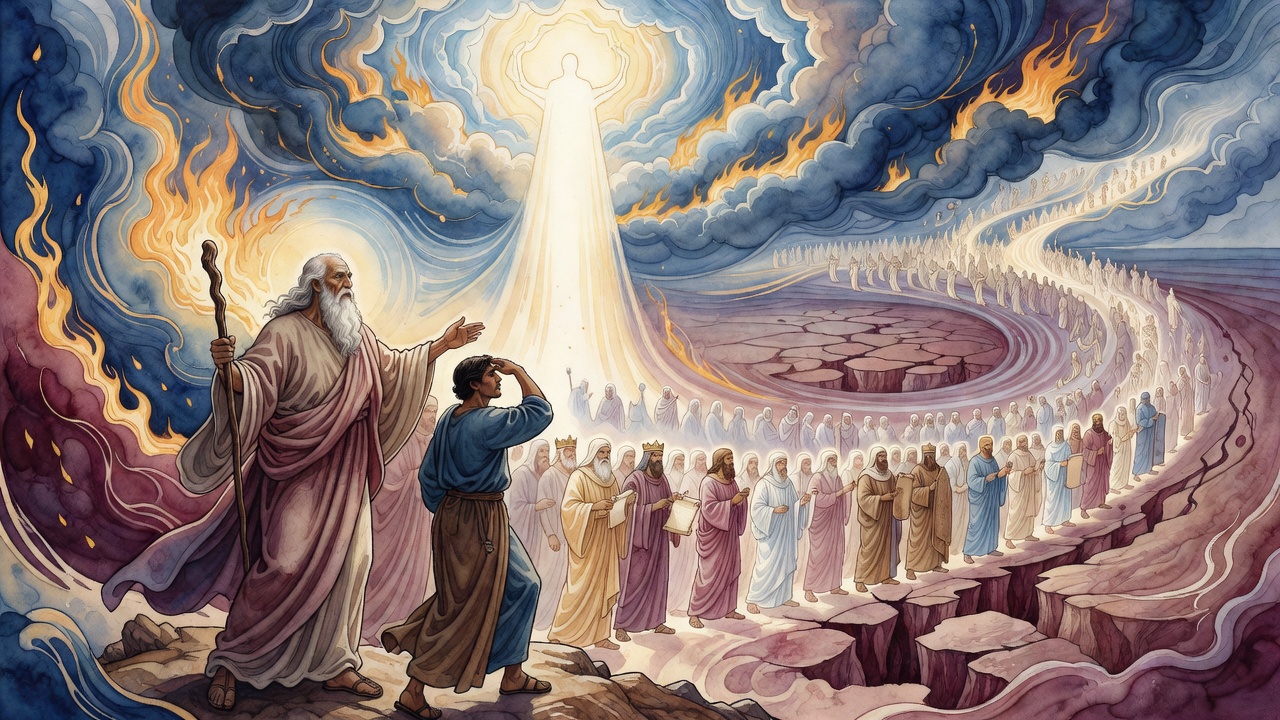
Moses never saw the Promised Land. But he outlasted Pharaoh, outlasted the Egypt that had enslaved his people, outlasted every voice that told him to stop. He died on a mountain looking at a horizon he would not cross, and the tradition considers this not a failure but the specific cost of what he had carried. God showed him the entire future of Israel from that mountain, all the judges and prophets and generations that would come after him. He saw everything he had worked for and could not enter any of it. That is what outlasting an empire can cost.
Joshua and the City That Needed a Sign
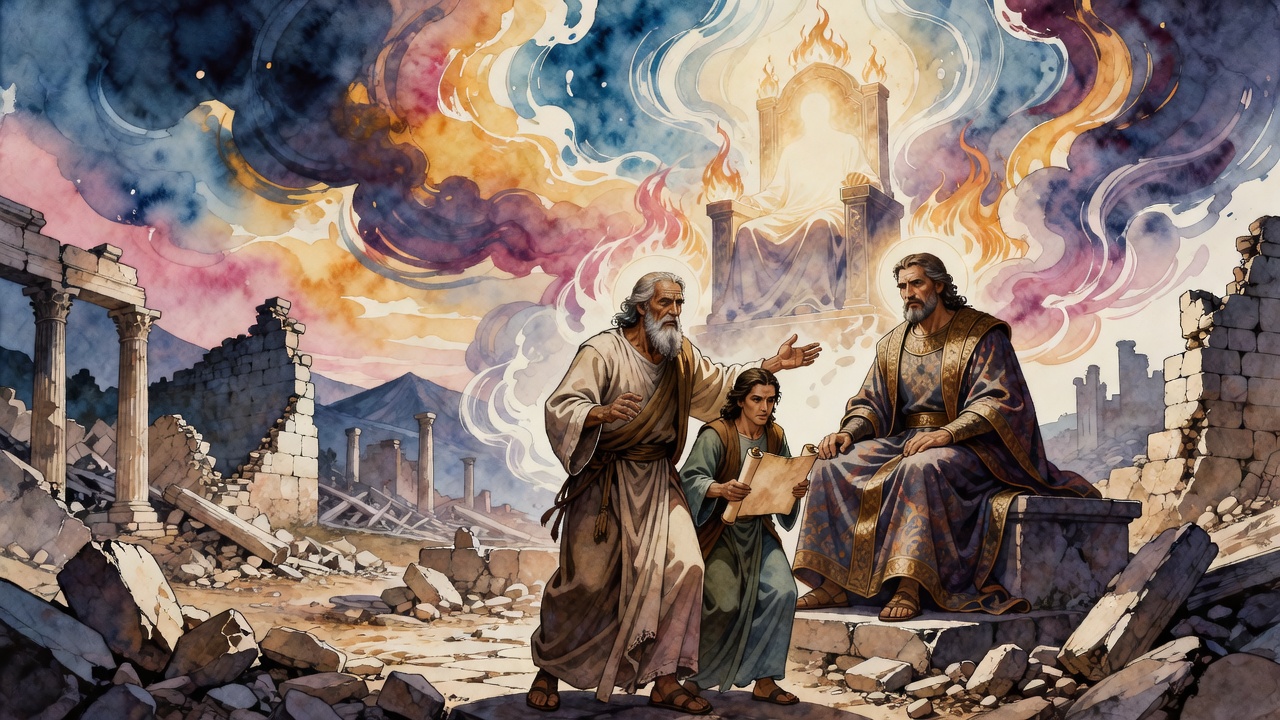
Joshua inherited what Moses could not finish. He crossed the Jordan and began taking the land city by city. The book of Ben Sira, the wisdom text from the second century BCE, preserves a portrait of Joshua that is unmistakably physical: when he raised his hand against a city, the mountains trembled. The tradition does not present this as metaphor. Joshua's raised javelin against Ai was the signal for the ambush that would end the battle, and the Midrashic reading held that the gesture itself had power, that the arm which God had appointed to complete what Moses began carried something that a military gesture alone could not fully explain.
Before Joshua was appointed, God had shown Moses the complete succession: every judge, prophet, and leader who would guide Israel from Joshua onward to the end of time. Moses asked to know who would come after him. God showed him the panorama. Moses saw Joshua and all those who would follow, and he saw that each leader would have their own spirit, their own specific gifts, their own distinct form of knowledge. No successor would have everything Moses had. But Joshua would have what Joshua needed for what Joshua had to do.
Daniel at the Door No One Could Open
Belshazzar had ordered the palace doors locked on the night he profaned the vessels of the Temple of Jerusalem. His command was total: no one entered or left, even if they claimed to be the king himself. He was celebrating his sense that the God of Israel had been defeated, that the vessels carried away from Jerusalem were his to use as drinking cups, and he wanted no interruption.
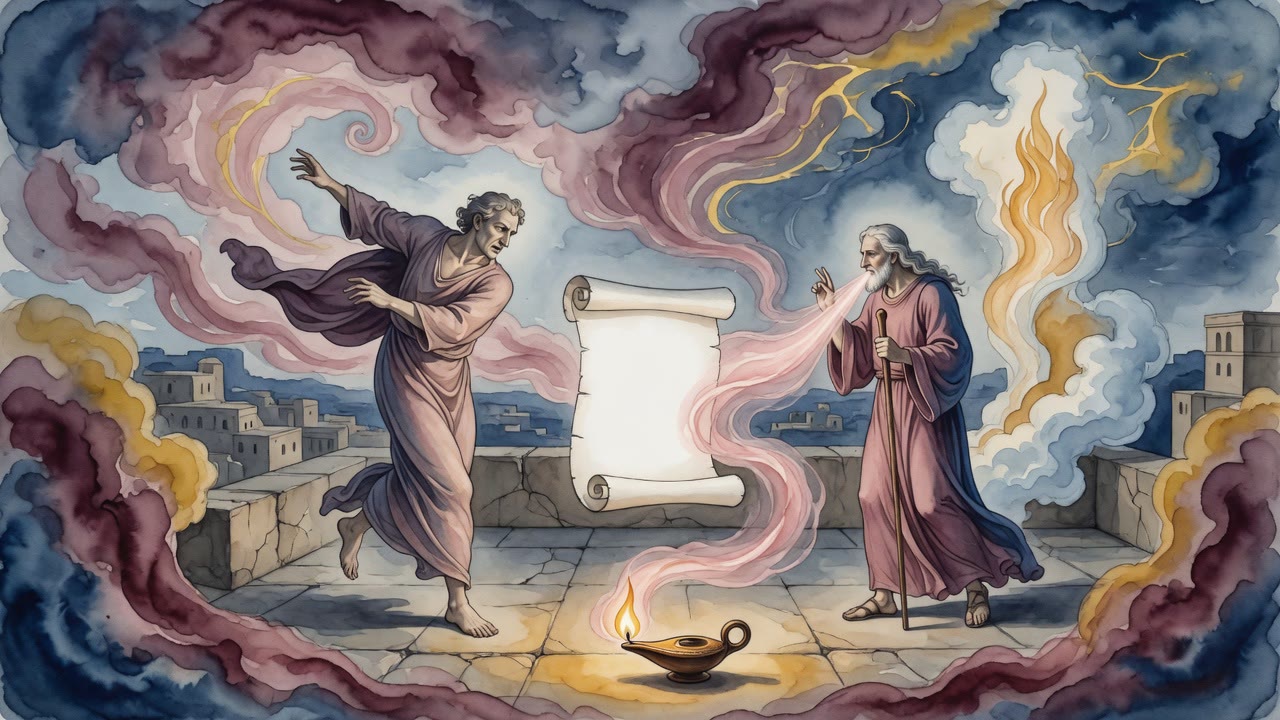
The command trapped him. He could not get out to respond to the handwriting that appeared on the wall that night. He could not summon who he needed. According to the Legends of the Jews, Daniel was brought through the locked door without the door opening. He appeared inside the sealed palace while the doors remained sealed, transported in a way the text does not explain mechanically but presents as the natural response of the divine to a man who was where he was needed.
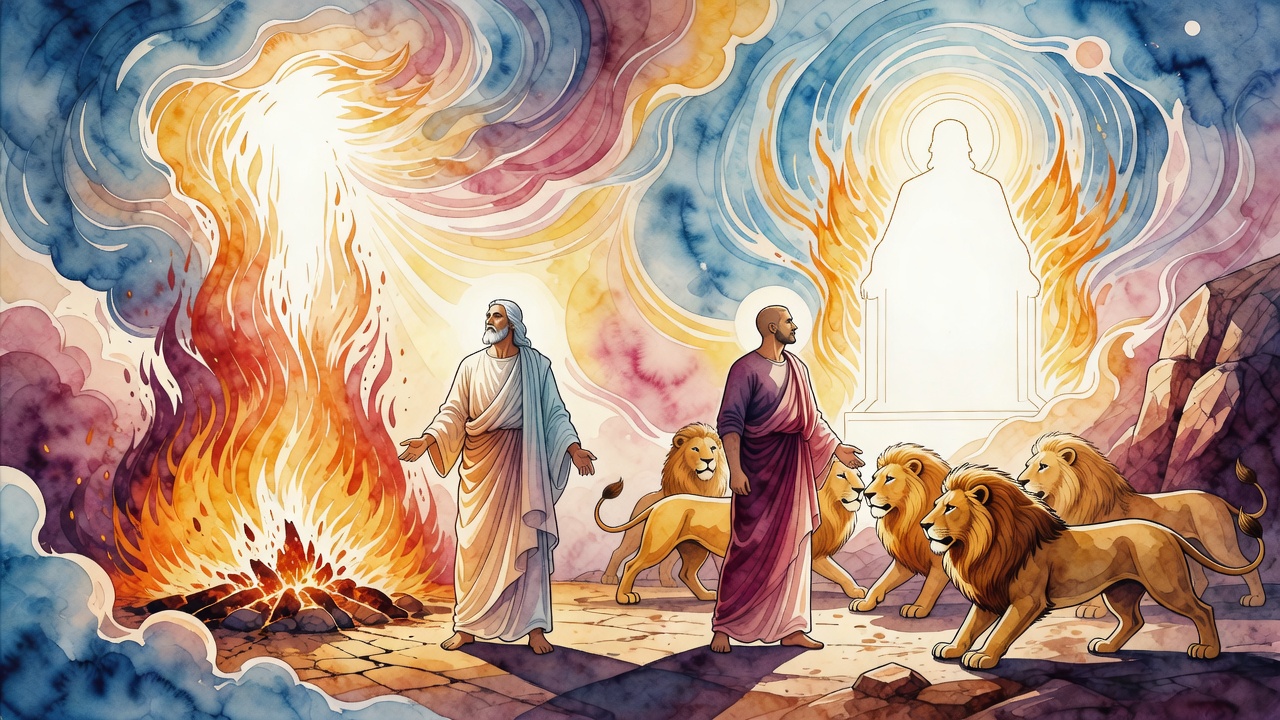
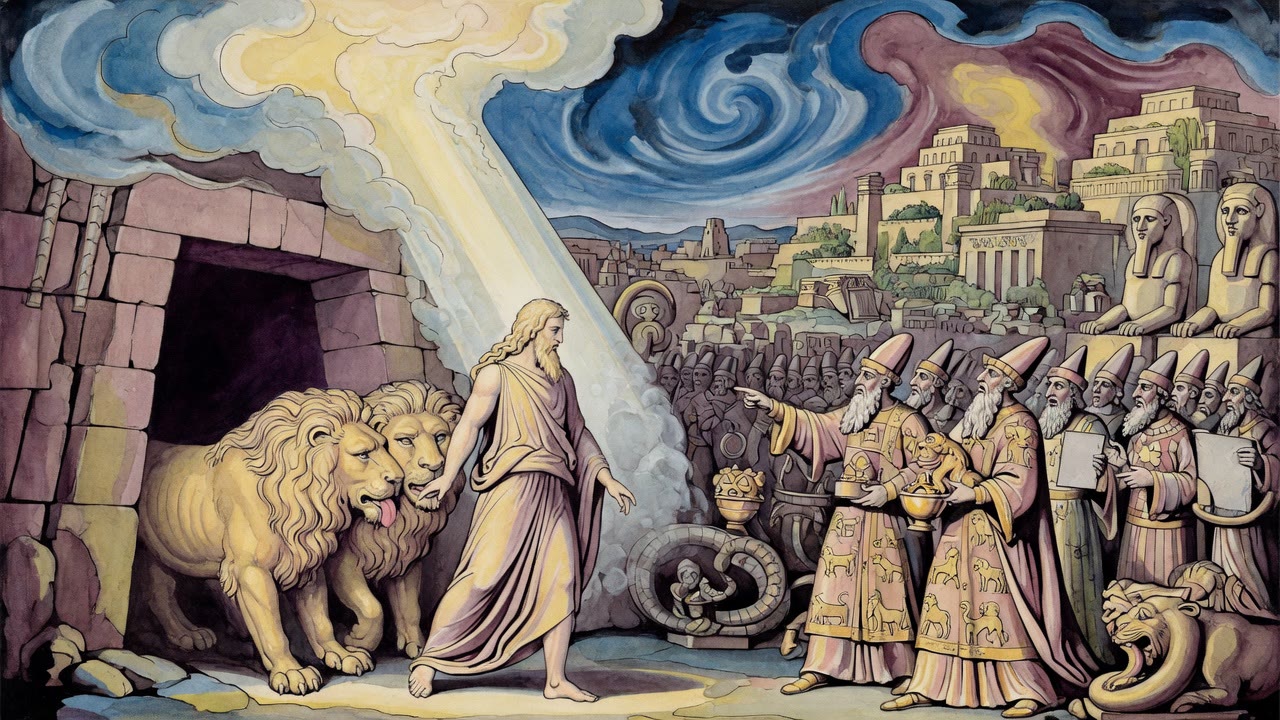
Daniel read the inscription. MENE MENE TEKEL UPHARSIN. The empire had been weighed and found insufficient. The night it was written, Belshazzar was killed. Daniel, who had spent his career in the courts of empires that had enslaved his people, who had survived the lion's den and the fires that could not touch the men who refused to bow, outlasted Babylon the way Moses had outlasted Egypt and Joshua had outlasted the resistance of Canaan. Not through political power but through the particular endurance of someone who knows that what they serve is not reducible to the empire surrounding them.
What They Shared
The tradition does not put these three men together casually. Moses, Joshua, Daniel: three different eras, three different empires, three different forms of confrontation. What connects them is that none of them treated the empire as the final authority. Each had access to something the empire could not reach: Moses to the voice at the burning bush, Joshua to the commission he had received directly from his predecessor, Daniel to the prayer practice he refused to stop even when it was made capital.
The empires they faced were genuinely powerful. Egypt was the great power of the ancient world. Canaan was a network of fortified cities. Babylon had reduced Jerusalem to rubble and carried its population away in chains. None of these powers was weak or easily defeated. The tradition's insistence that all three men outlasted the empires they confronted is not naive. It is a statement about what survives when two kinds of power meet and one of them is rooted in something that predates and outlasts any particular political arrangement.
← All myths