114 myths · Page 1 of 4
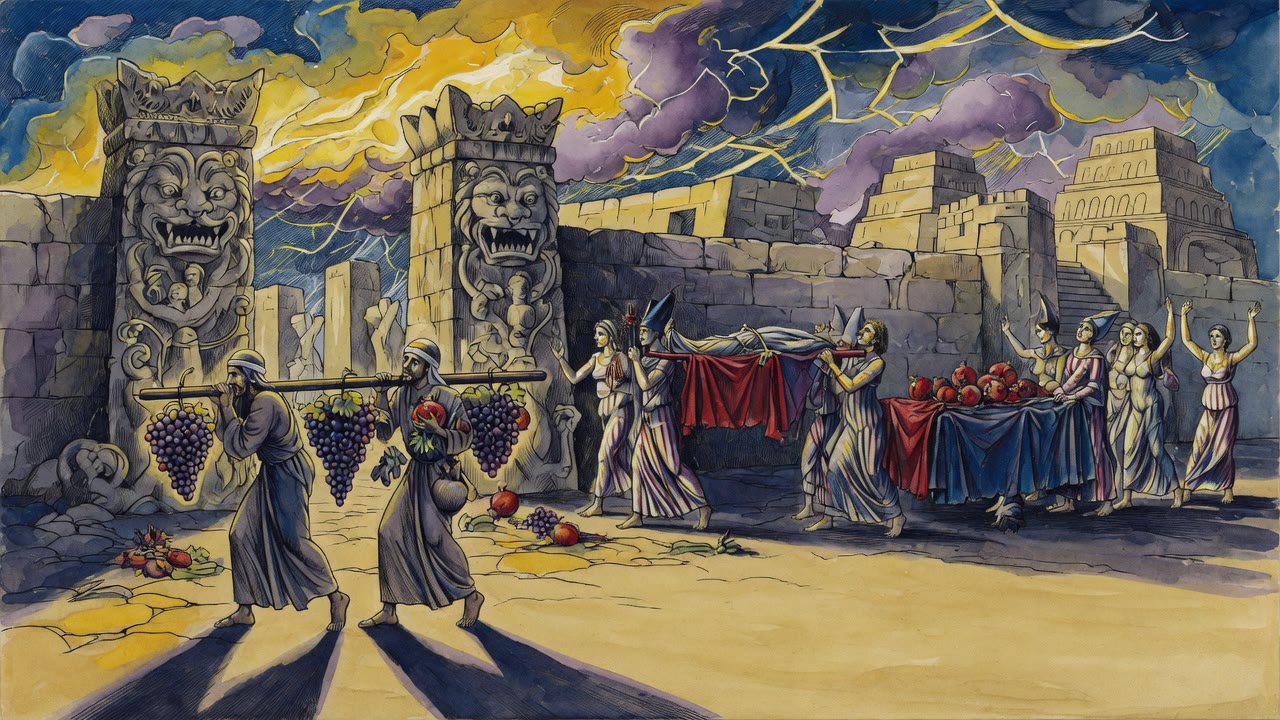
Twelve spies slipped through Canaan's open gates while the cities buried their dead, then came home swearing the land devoured its own people.
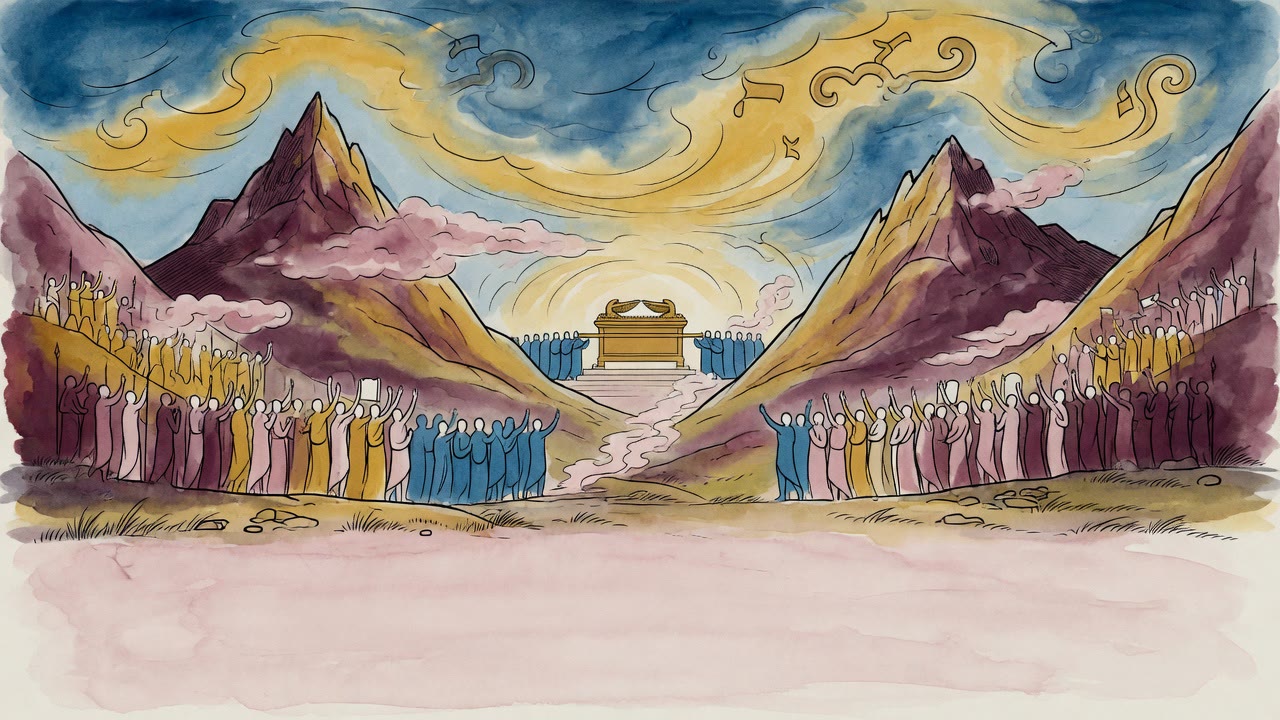
Six tribes climbed Gerizim, six climbed Ebal, the Ark stood in the valley, and Israel had to shout Amen twelve times across the gap.
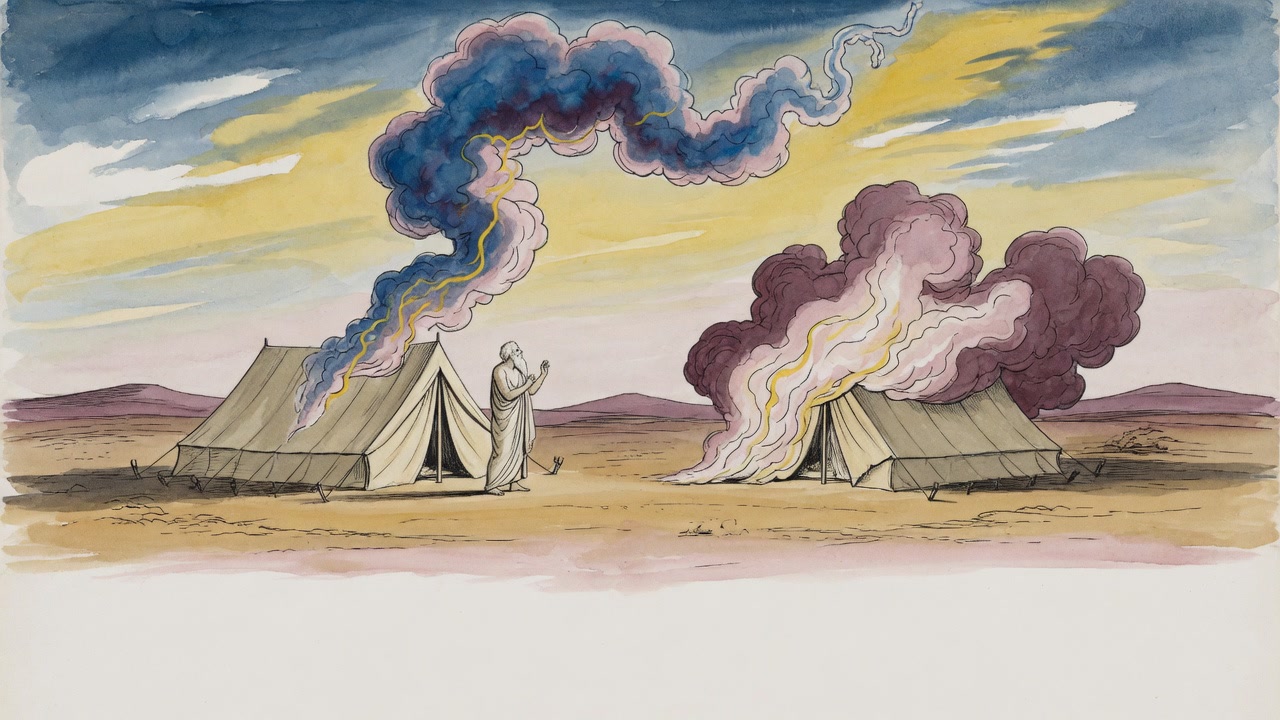
For forty years the cloud stood over Moses. On his last morning it left his tent and hung over Joshua's while Moses was still alive.
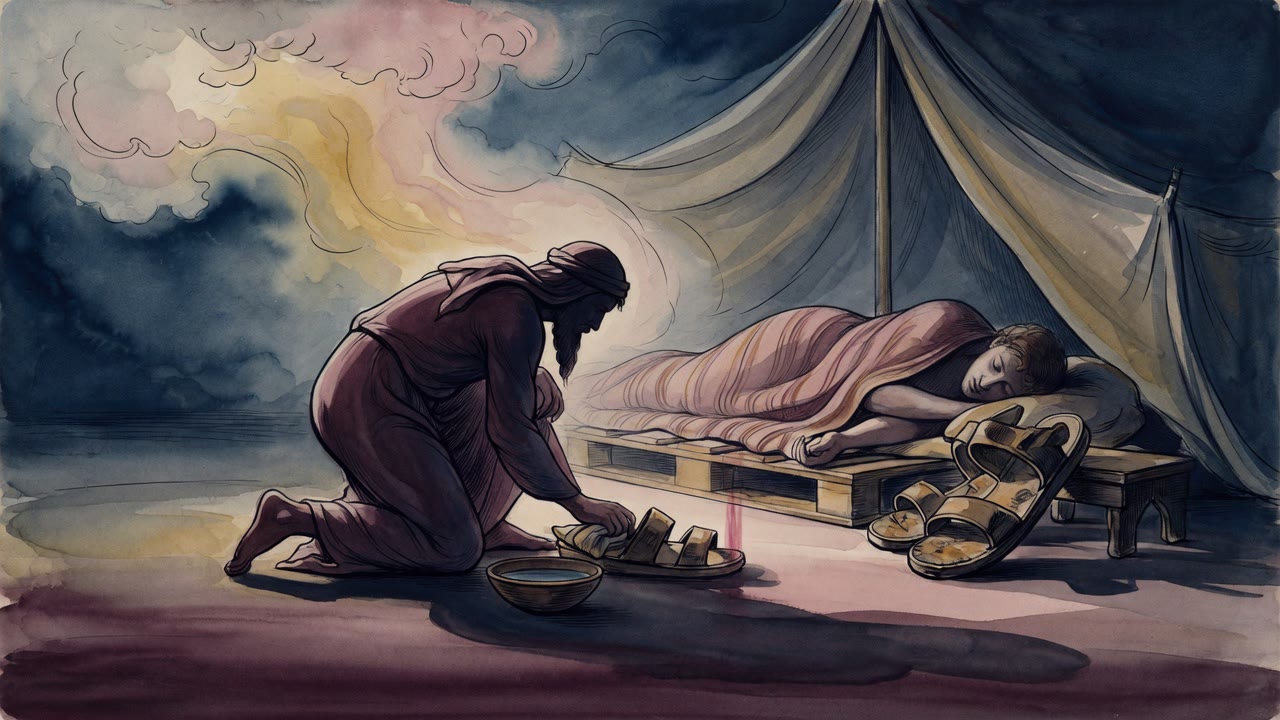
Joshua woke to a folded shirt by the pillow. The shoes sat clean beside the bed. He never saw who had knelt there in the dark.
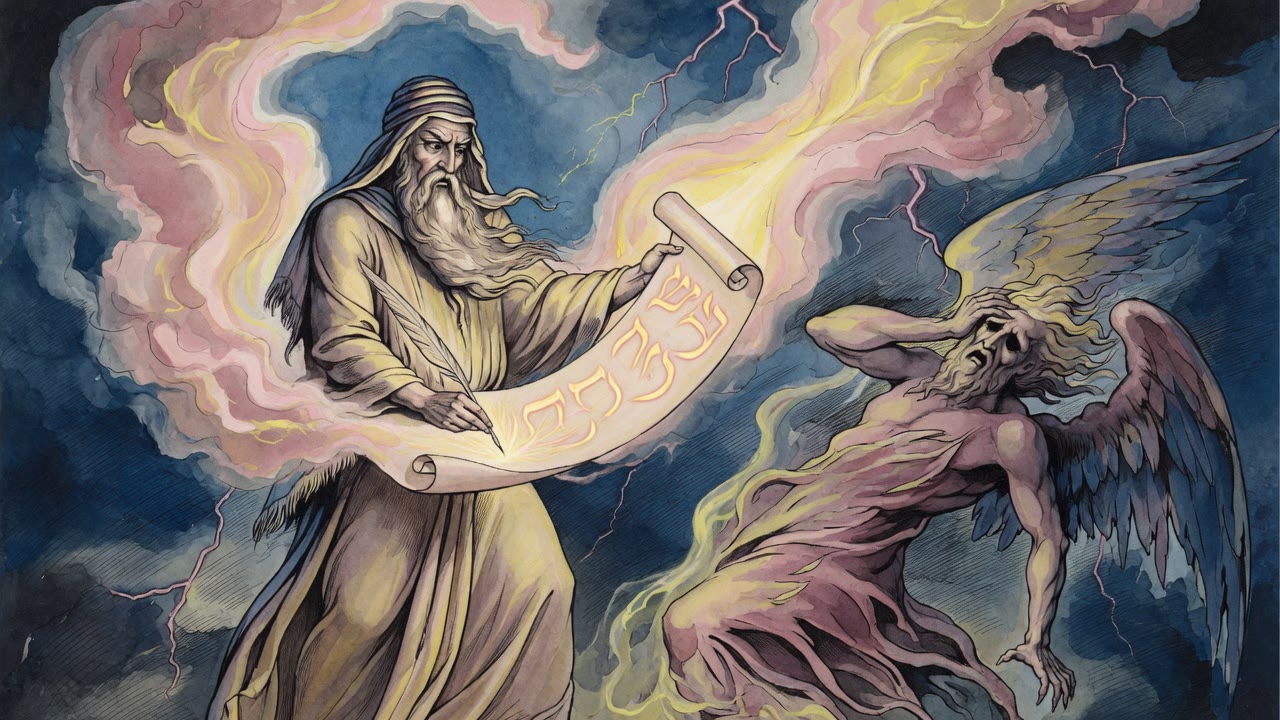
Joshua cast lots to divide Canaan among the twelve tribes. The rabbis said the lots already knew the answer. Jacob had written it four centuries earlier.
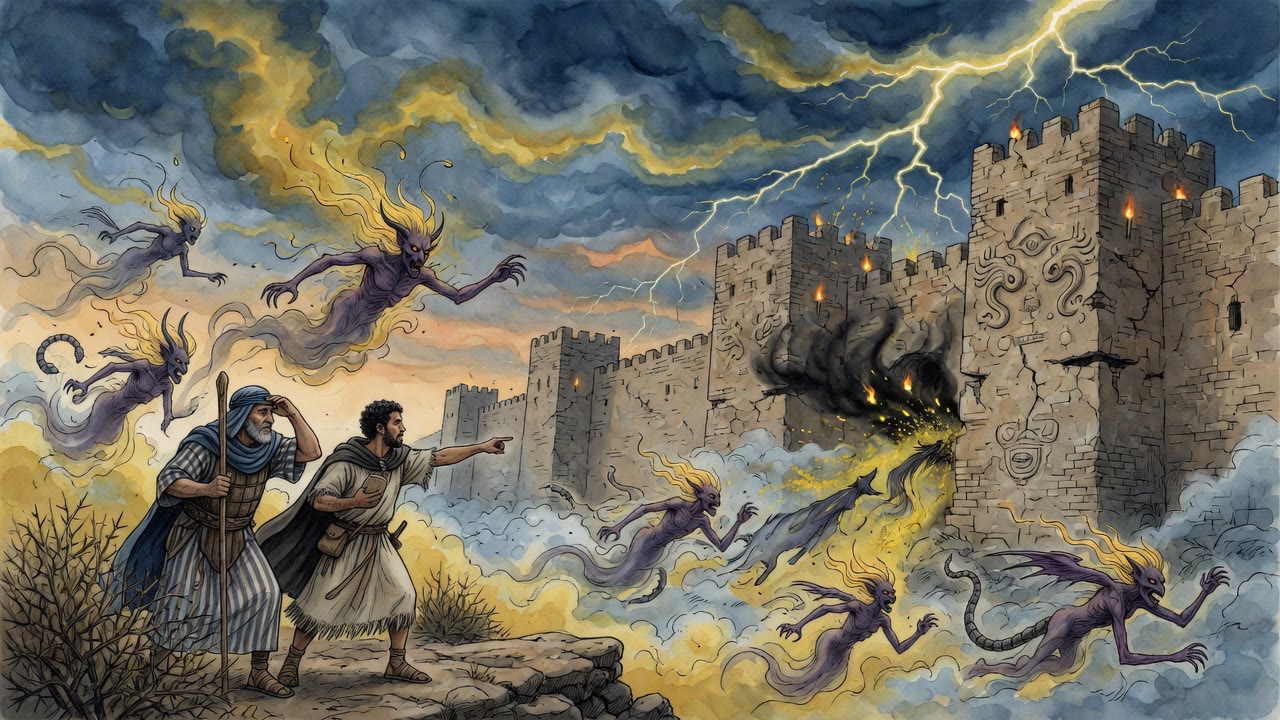
Two demons offered to scout Jericho for Joshua. He would not trust a word they said, so he twisted their faces and sent them ahead to scare the city.
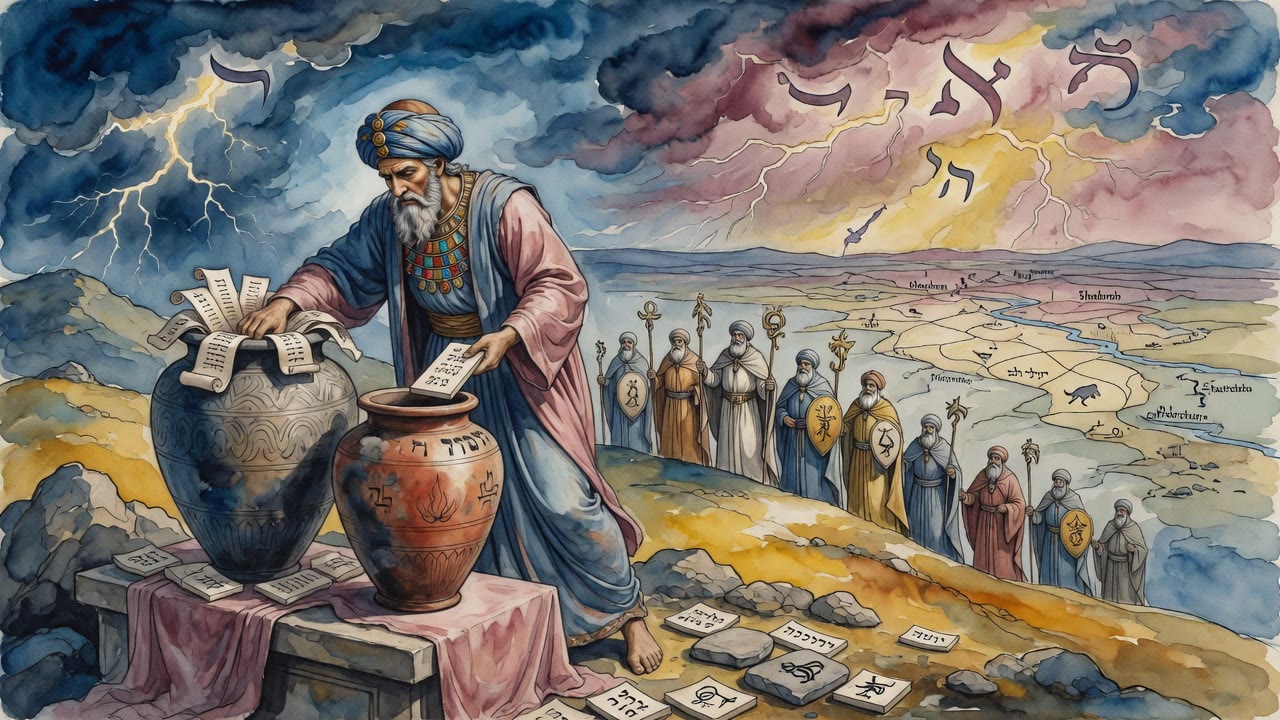
Eleazar named Judah and the south while the camp held still. Then his hand came up from both urns with those same names.
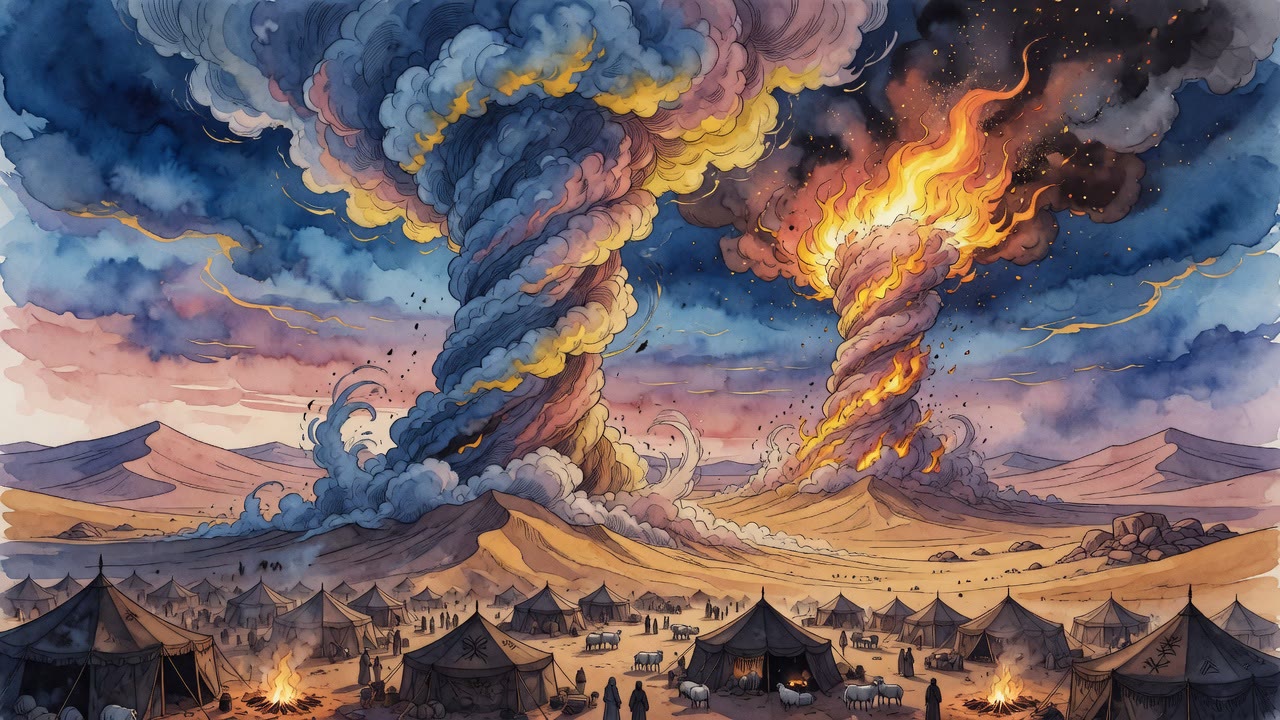
Moses blessed Dan as a lion leaping from the Bashan. The Sifrei Devarim reveals this was a prophecy: the tribe would divide and claim two separate territories.
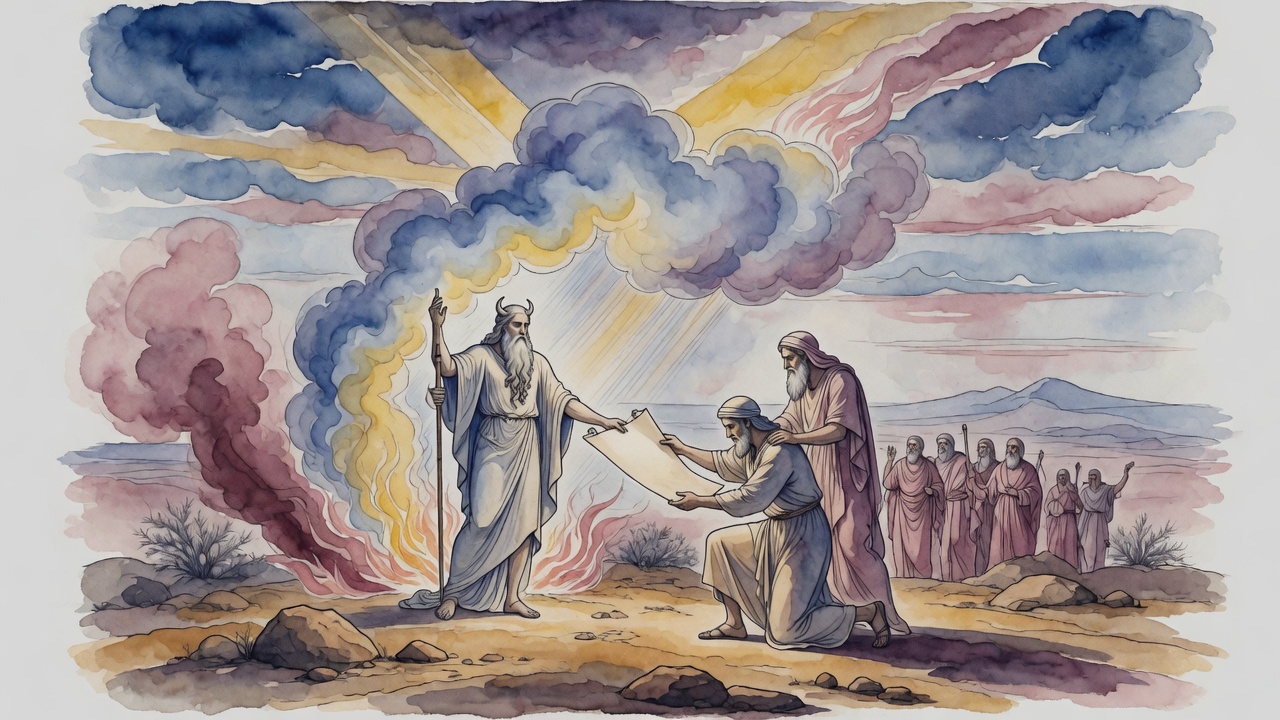
Moses wanted one of his sons to inherit the burden of leadership. God chose Joshua instead, then made Moses strengthen him in public.
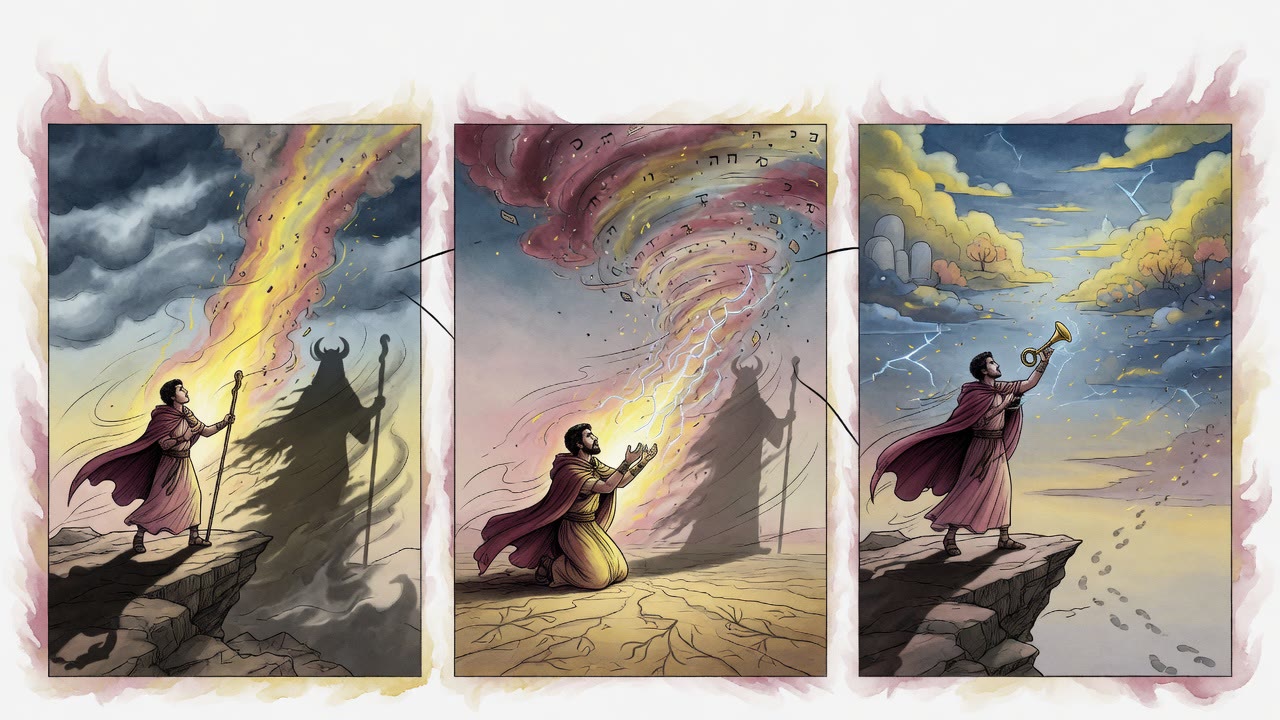
Moses called him an equal and sent him downhill. Later two men said Moses would die in the desert. Joshua wanted them locked away.
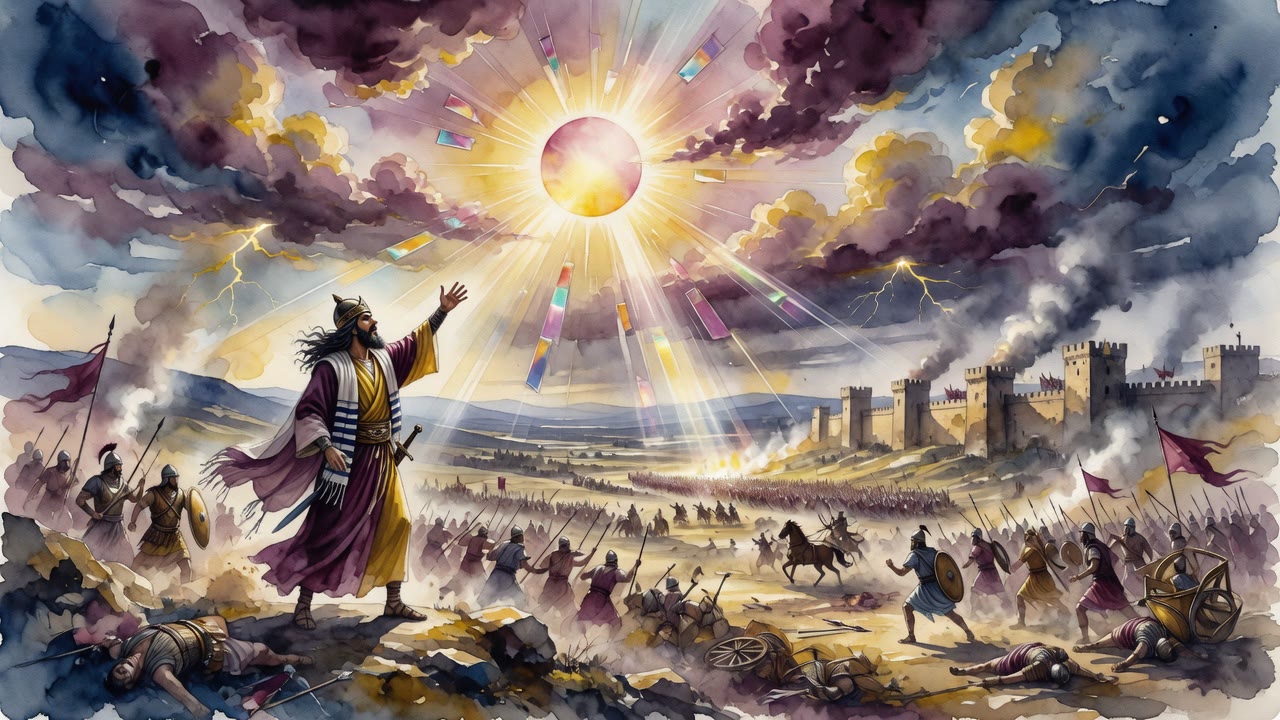
The sun refused Joshua's command at Gibeon, insisting it was older than any man. Joshua answered it, and the sun stood still.
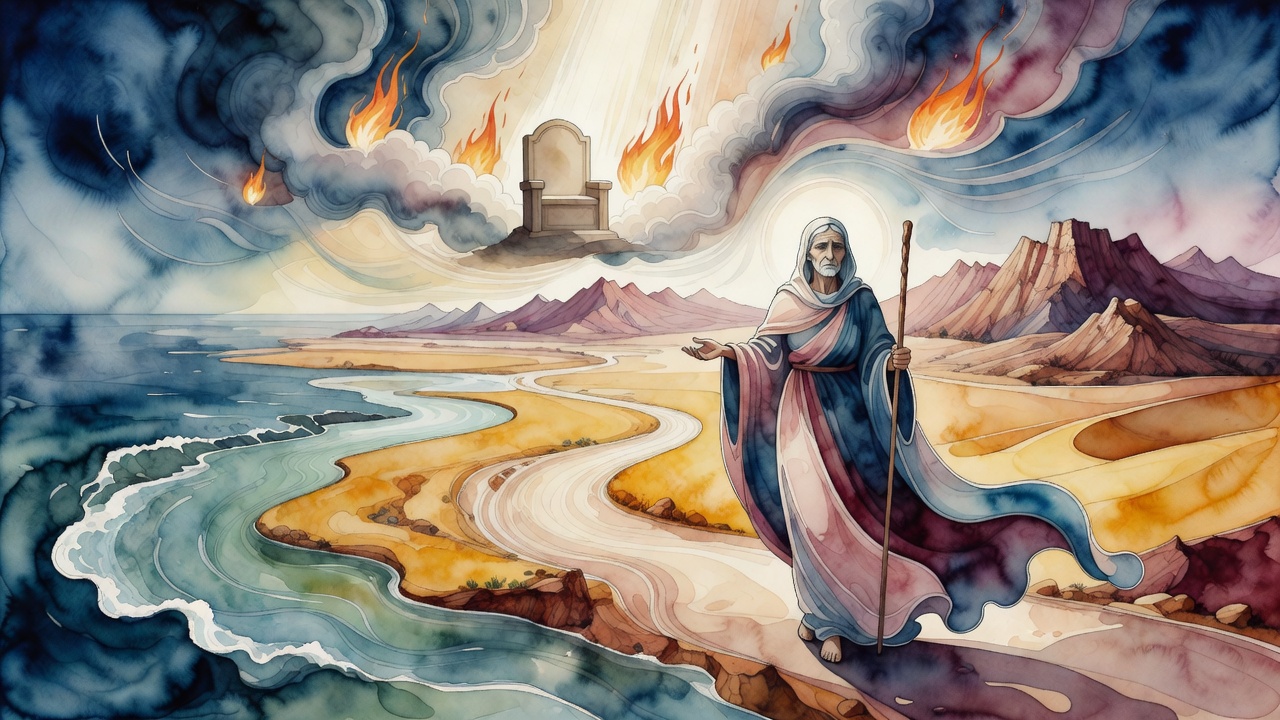
Jochebed walked to Egypt, the Nile, the sea, the desert, and Sinai, asking each landmark where Moses had gone after he died on Nebo.
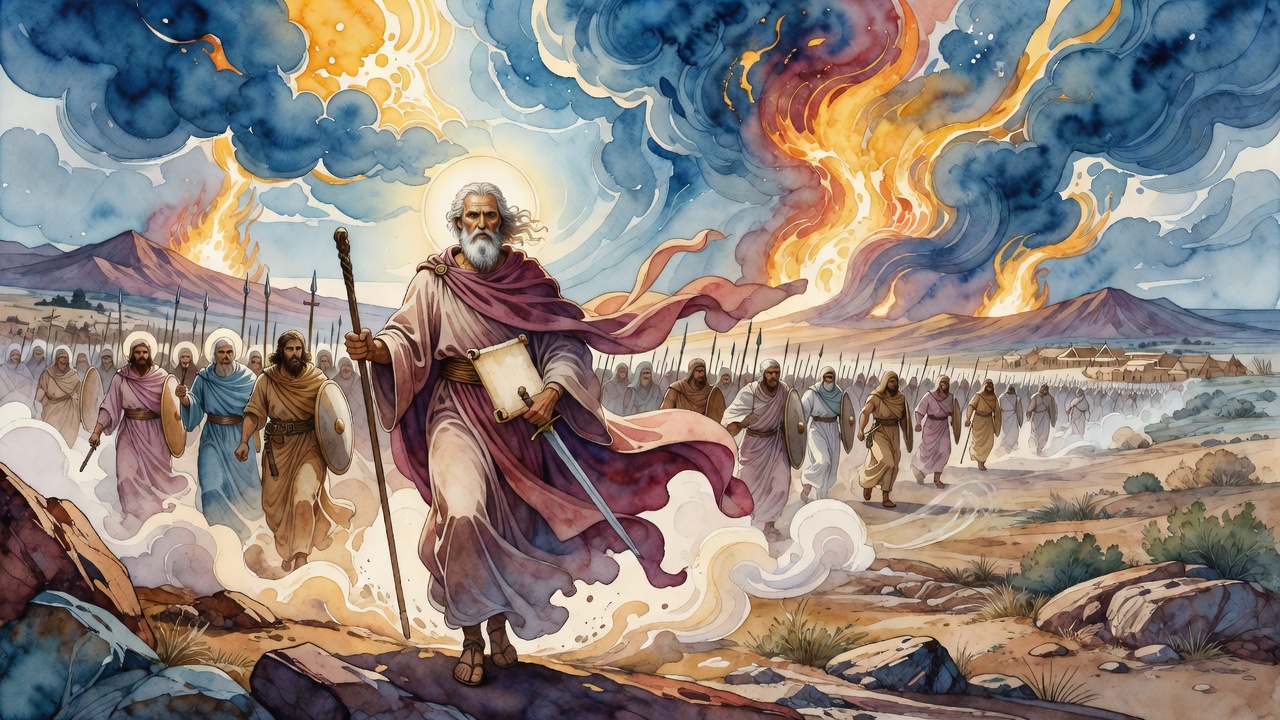
Moses could have kept himself alive for years by stalling the campaign against Midian. He gave the order the same day. Then his soldiers sat down.
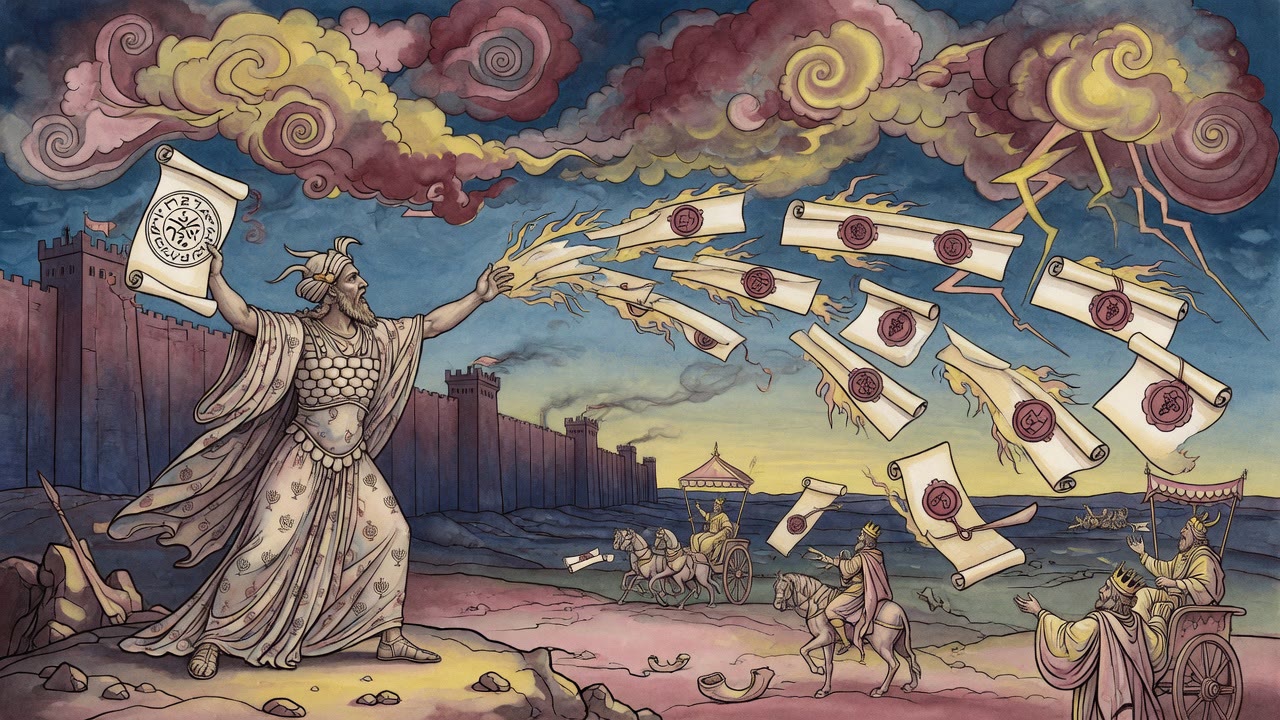
Three choices went out ahead of the army. Leave, make peace, or fight. The Girgashites packed and left their graves behind.
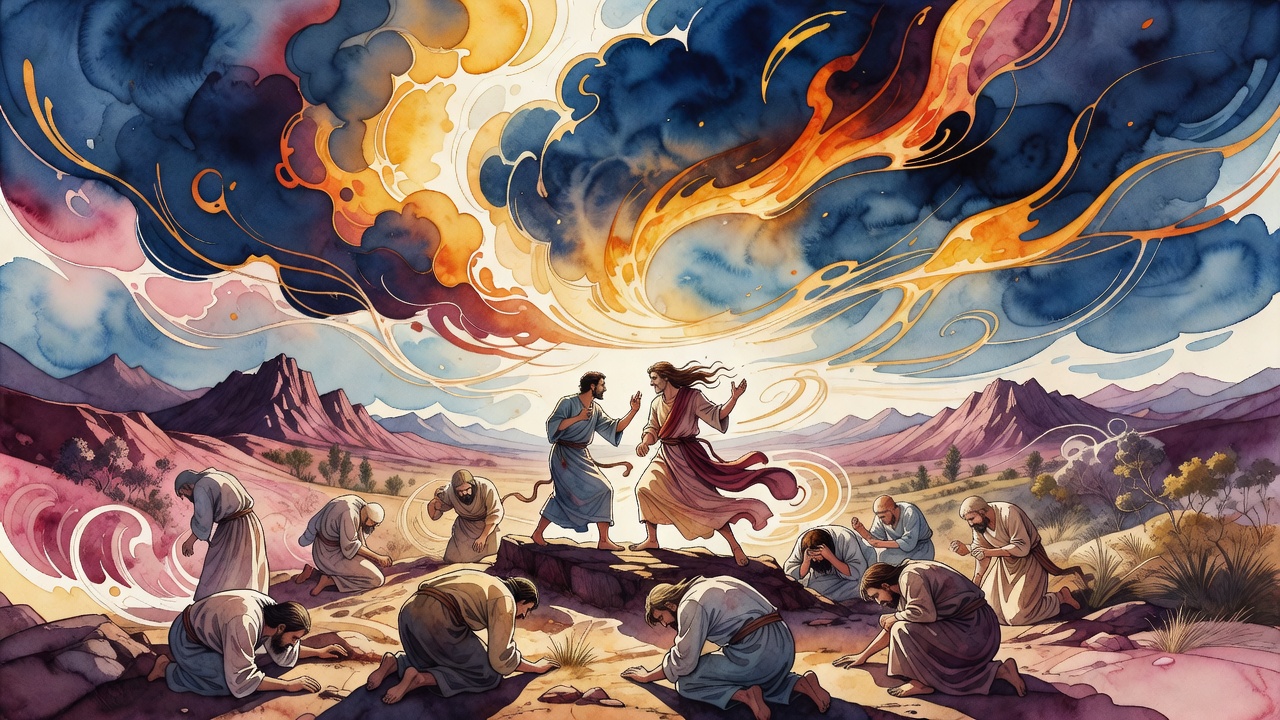
Ten spies saw the same Canaan and came back broken. Two saw the same land and held. Ben Sira says it was the greatest act of faithfulness in Israel's history.
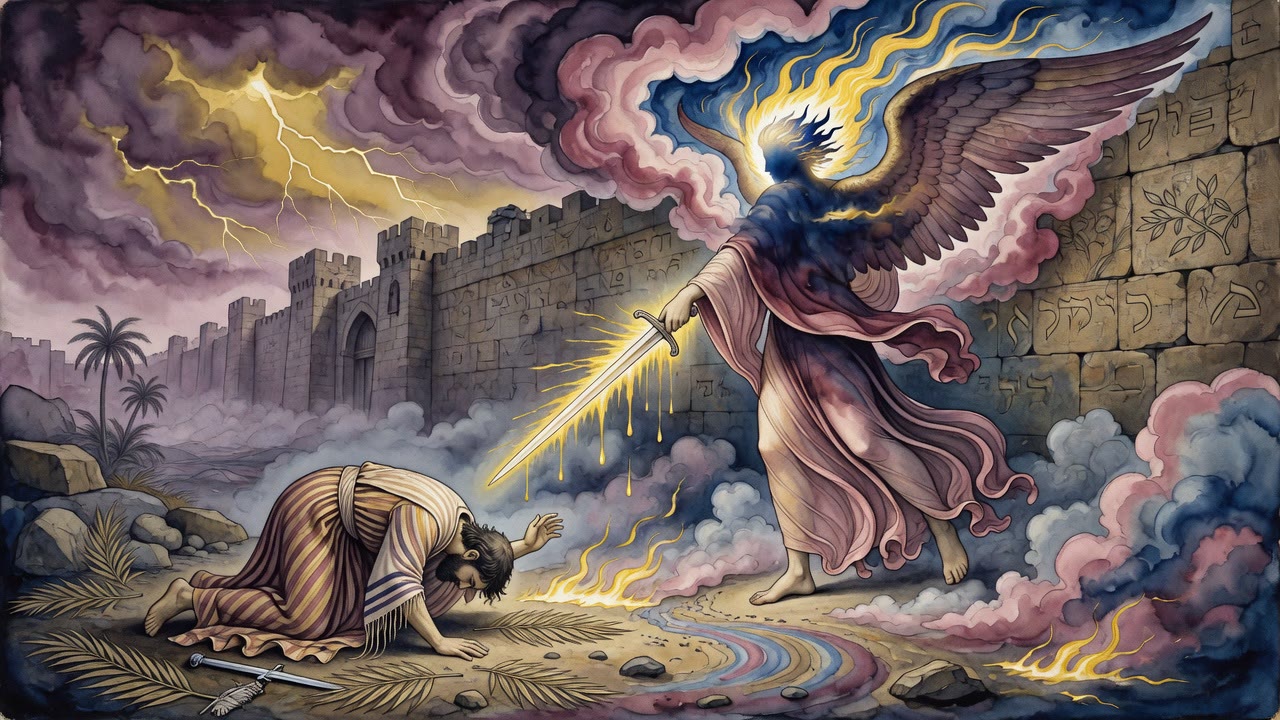
The drawn sword outside Jericho carried an old refusal. Moses had turned away the angel, but Joshua bowed low enough to receive him.
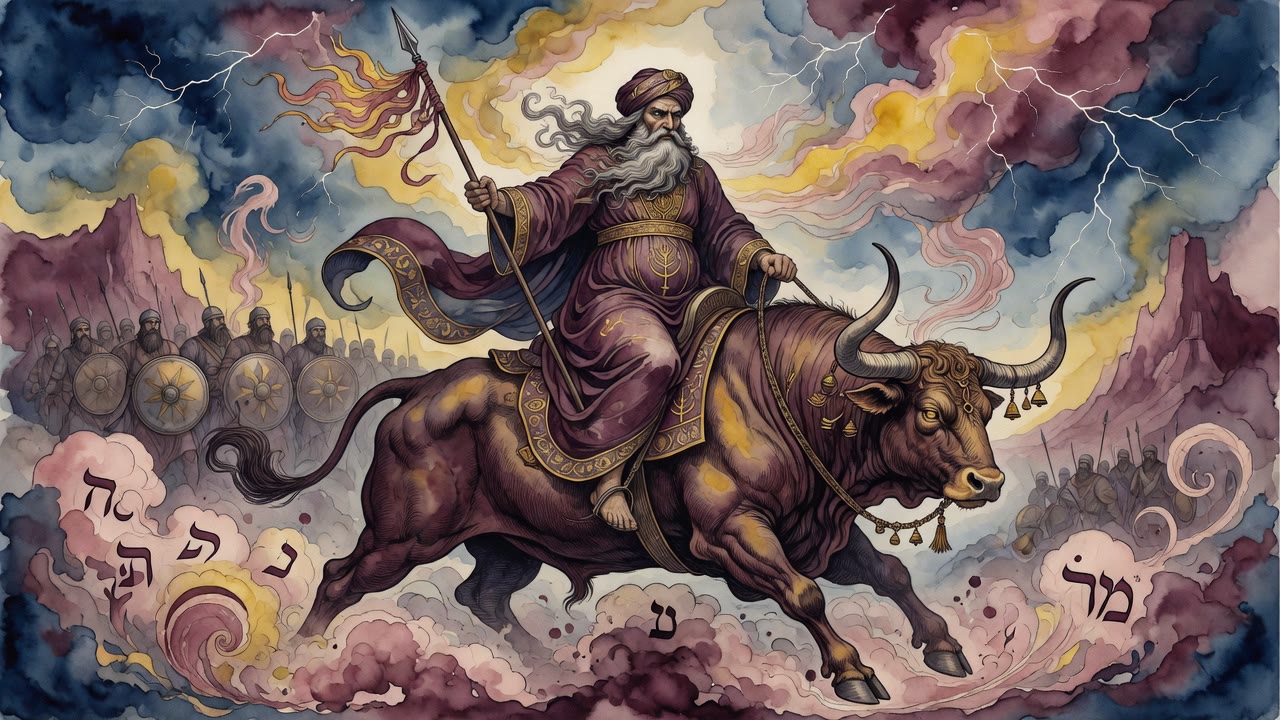
The horse's knees folded in the dust outside Jericho. Joshua came off its back hard. Later he kissed the only animal that held.
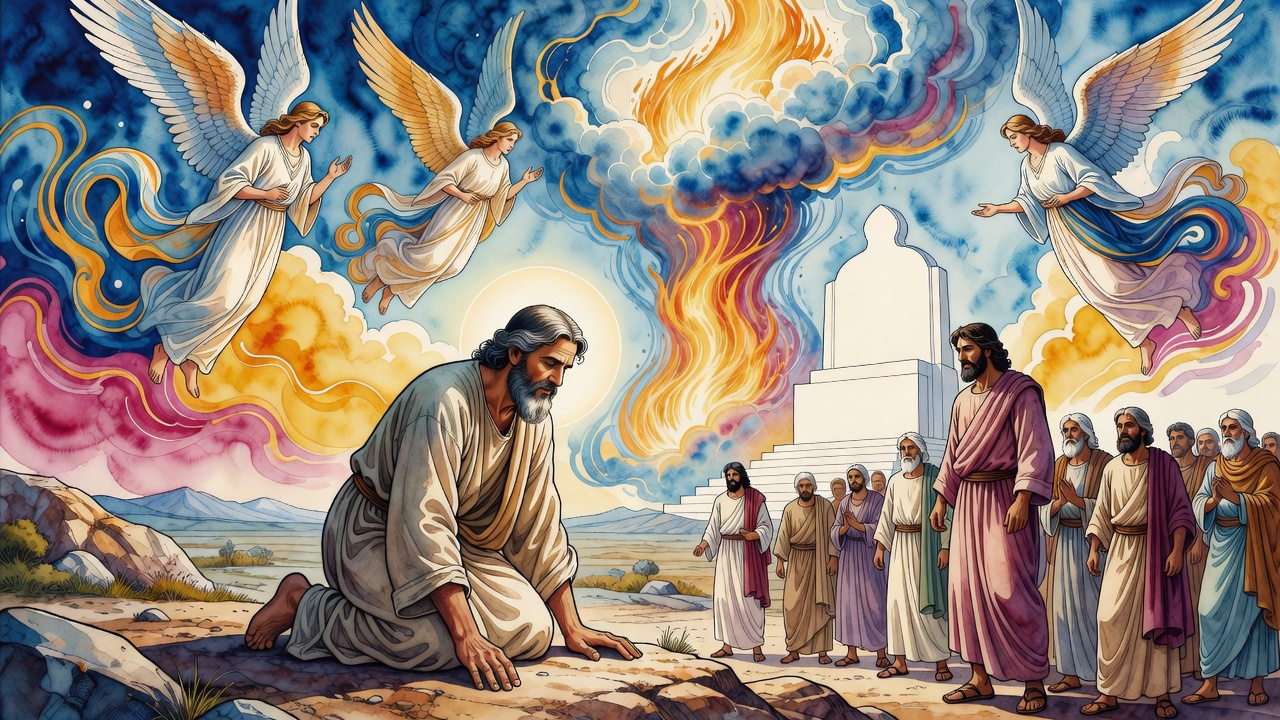
A false oath knocked letters off the shard over the abyss. The angel Yaasriel waited with seventy pencils to write them back.
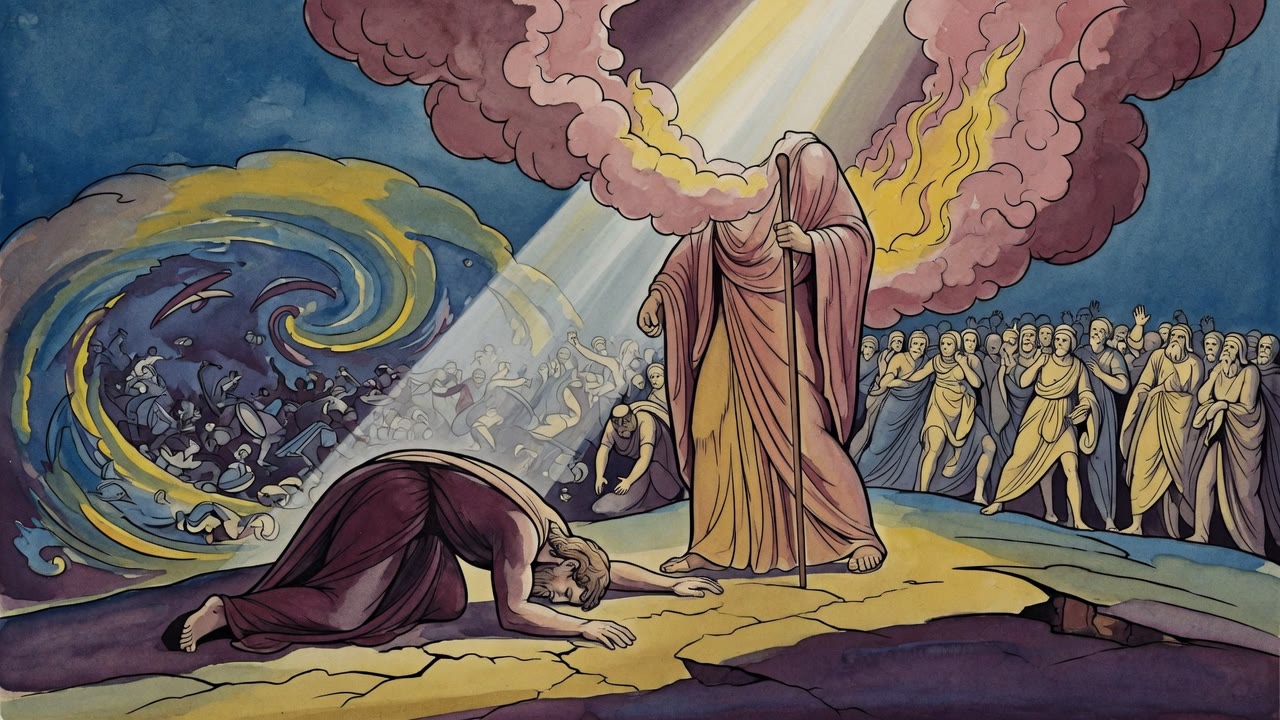
Moses tried to comfort him with wet eyes. Joshua asked who would pray when the Amorites smelled that the defender was gone.
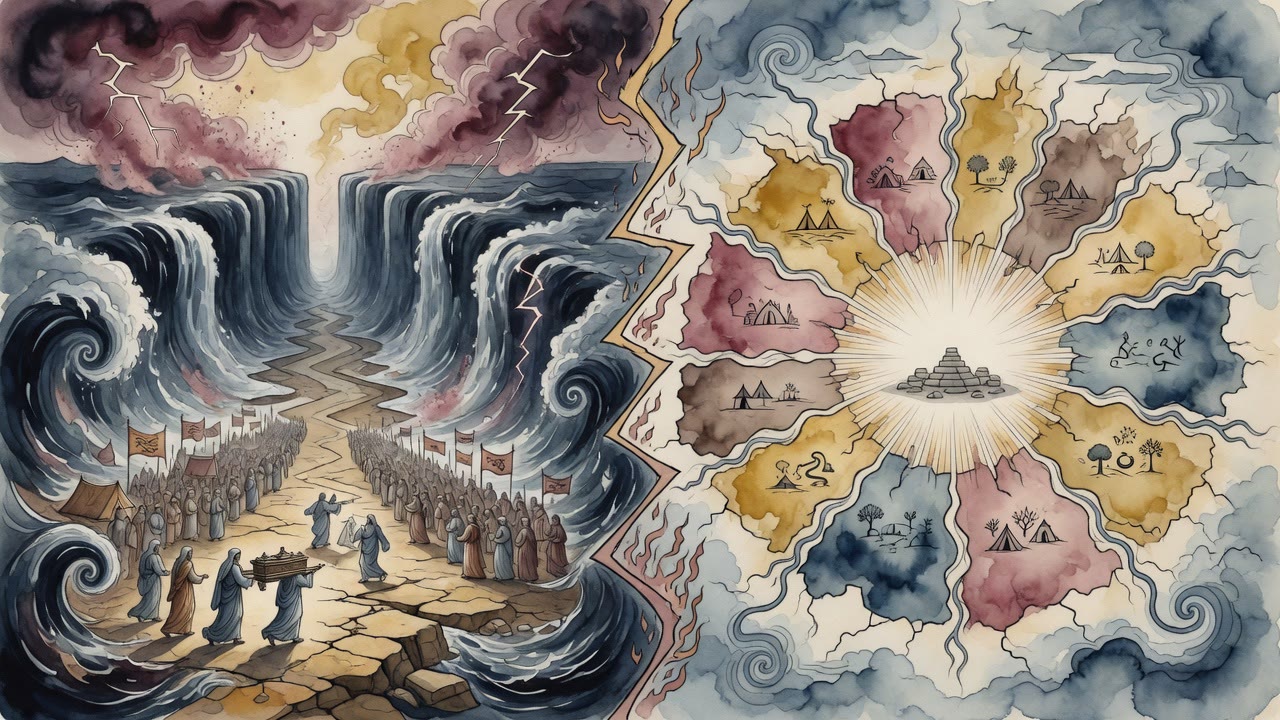
Fifty thousand men crossed the Jordan to fight for land they would never live on. When they went home and built an altar, Israel armed against them.
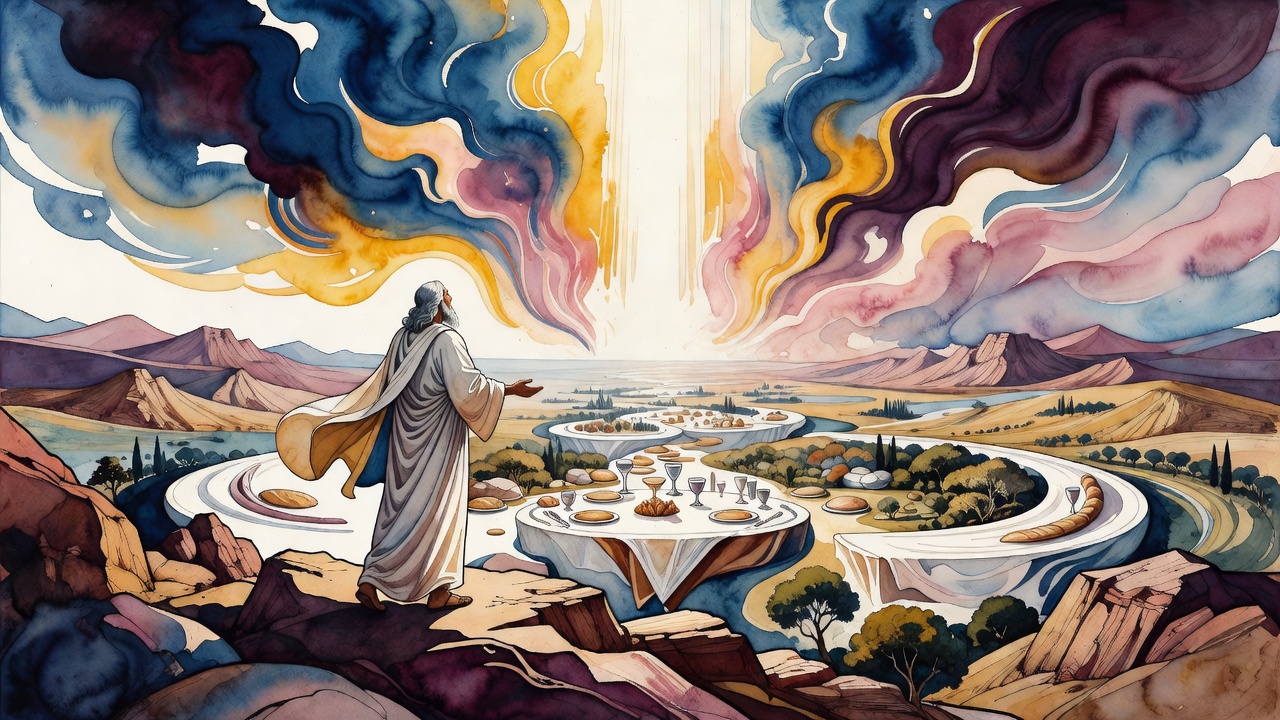
From Mount Nebo, God showed Moses every corner of the promised land like a set table. Moses's first question was who would lead after him.
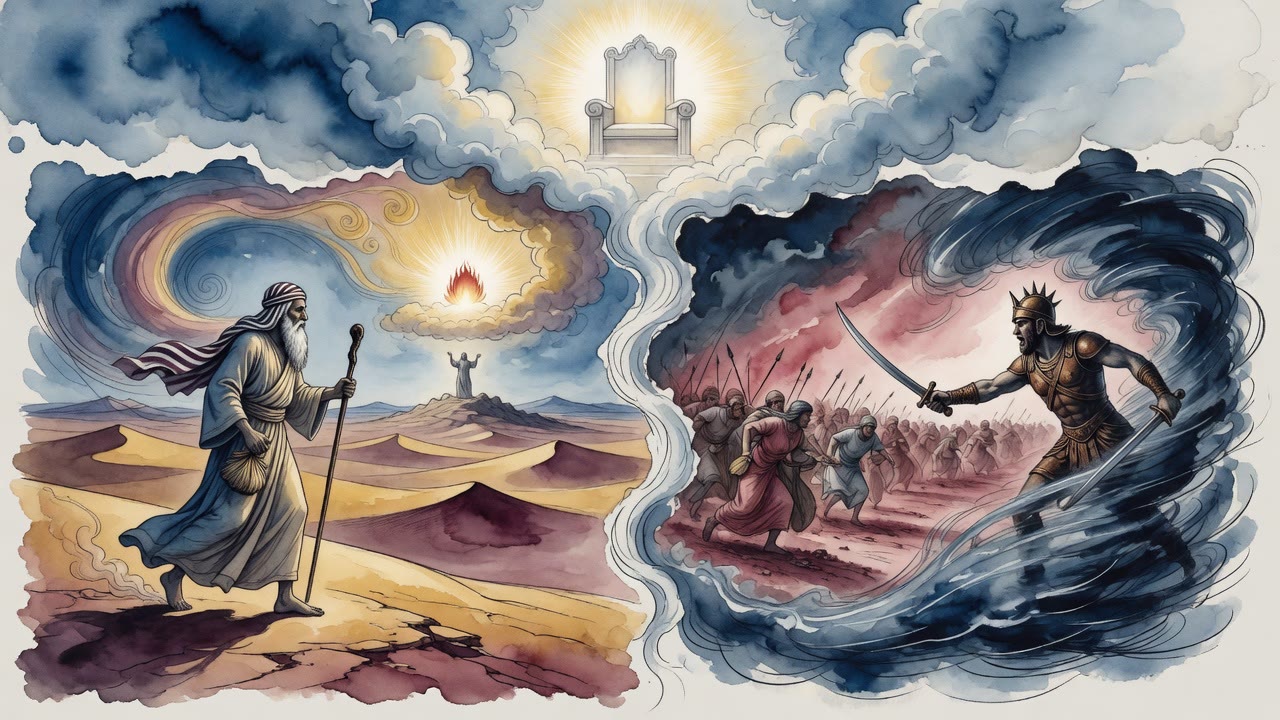
The cloud stopped at the tent door and would not come in. Moses said to Joshua the same words God had just spoken, then left him holding them.
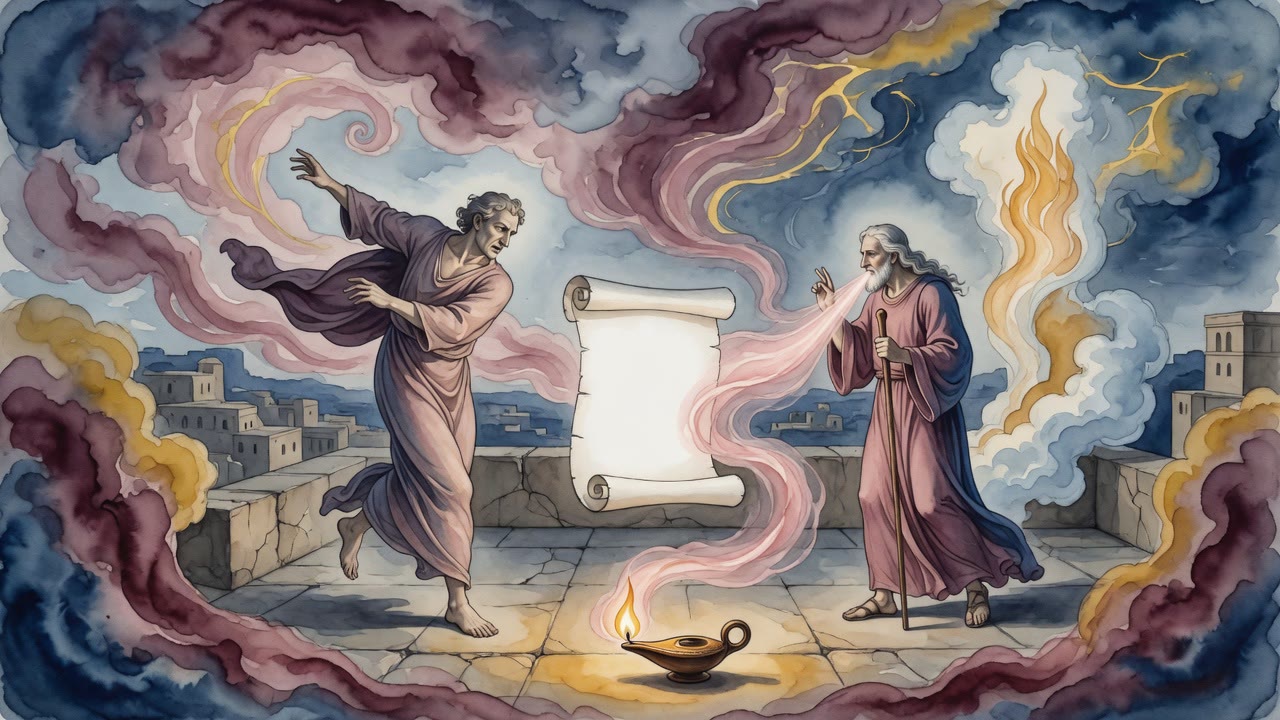
Gershom and Eliezer were grown. Their father asked who would lead Israel. God named the man who had spread the carpets at dawn.
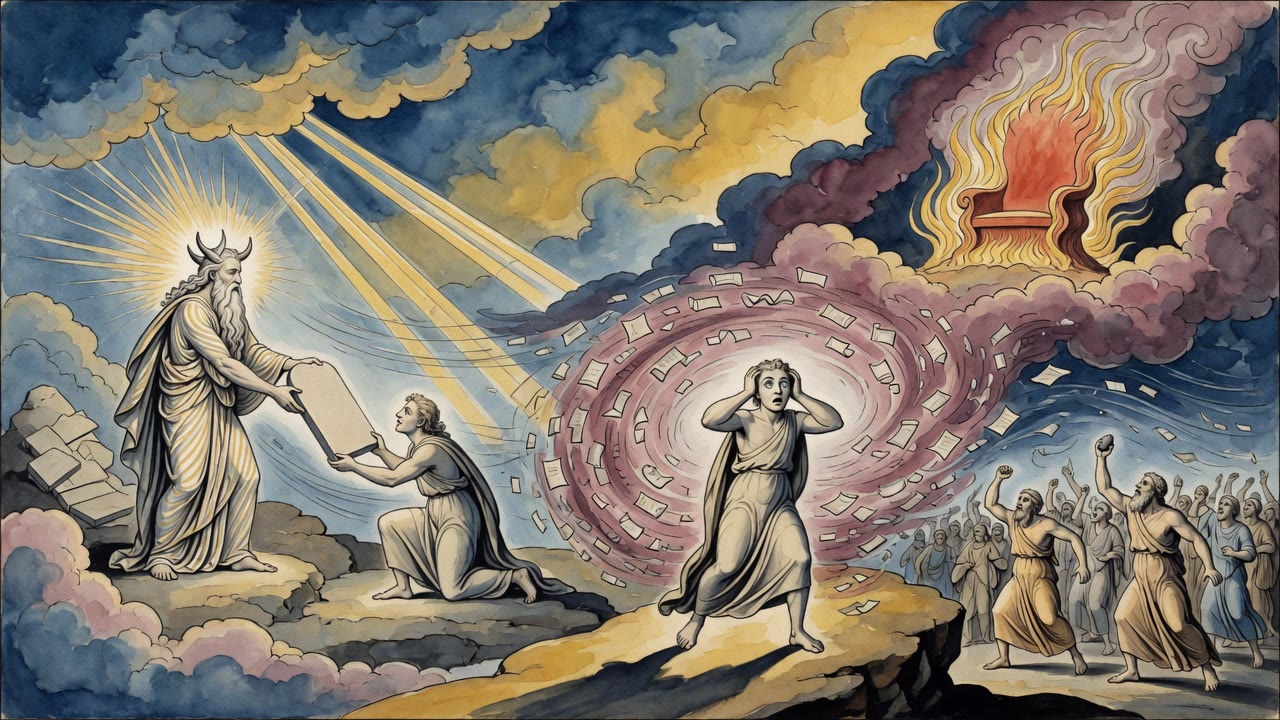
Moses named Joshua his successor. Joshua declared he had no questions. Within moments he had forgotten hundreds of laws and nearly been killed for it.
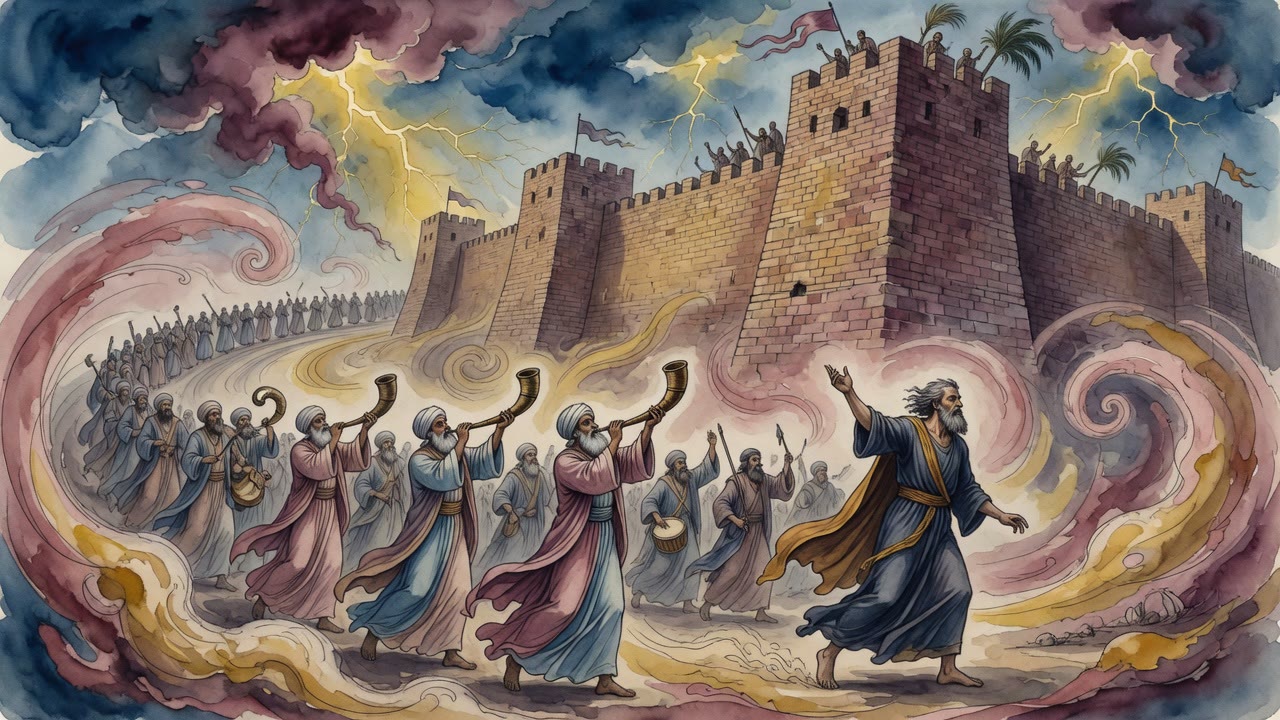
The priests' feet hit floodwater. The river climbed three hundred miles. Joshua walked the nation down onto dry stones and read the terms there.
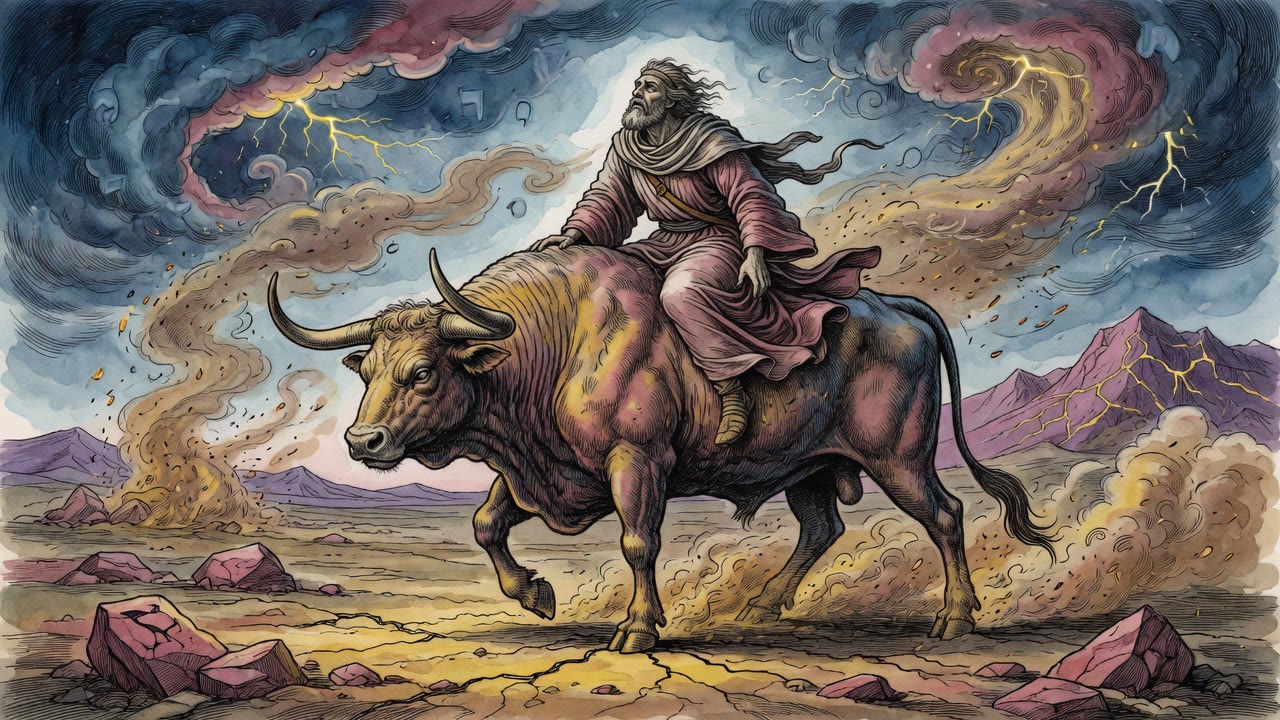
Word reached Canaan ahead of the army. Men pried up their own floors and packed silver into the walls. One nation harnessed its carts instead.
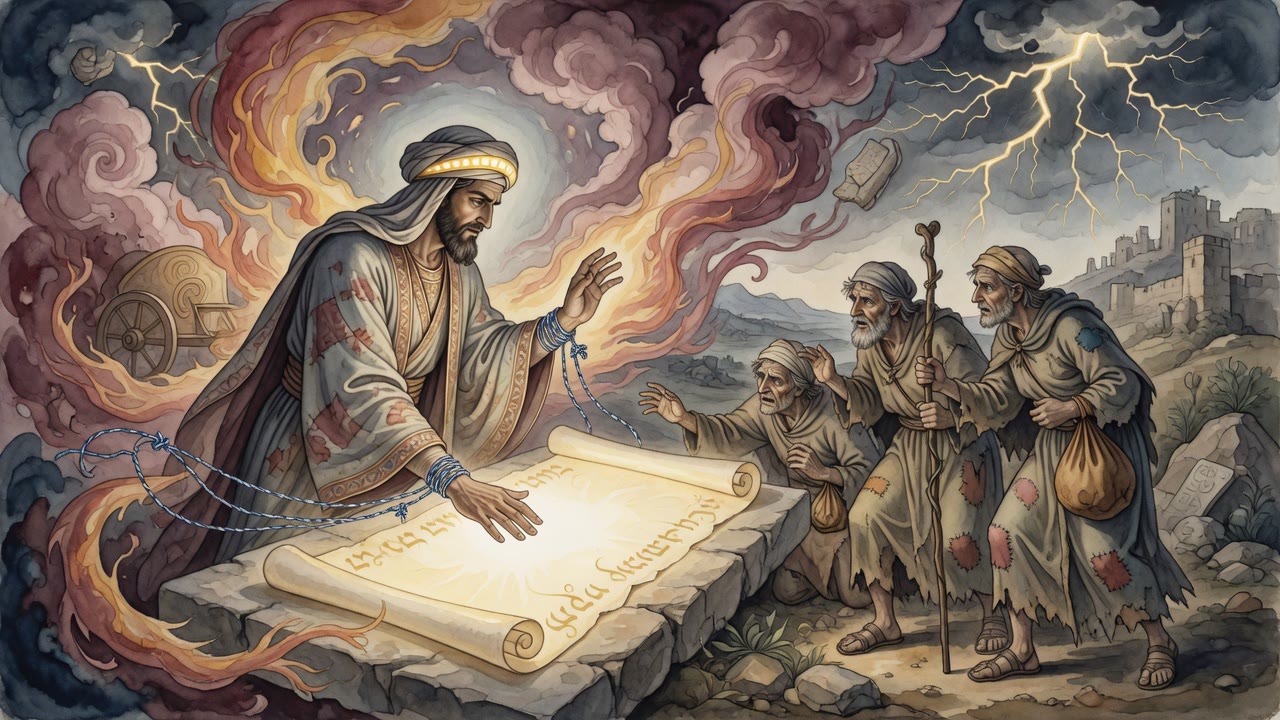
The bread was still warm when they left home. Three days later Israel found the camp next door, and the princes wanted blood.
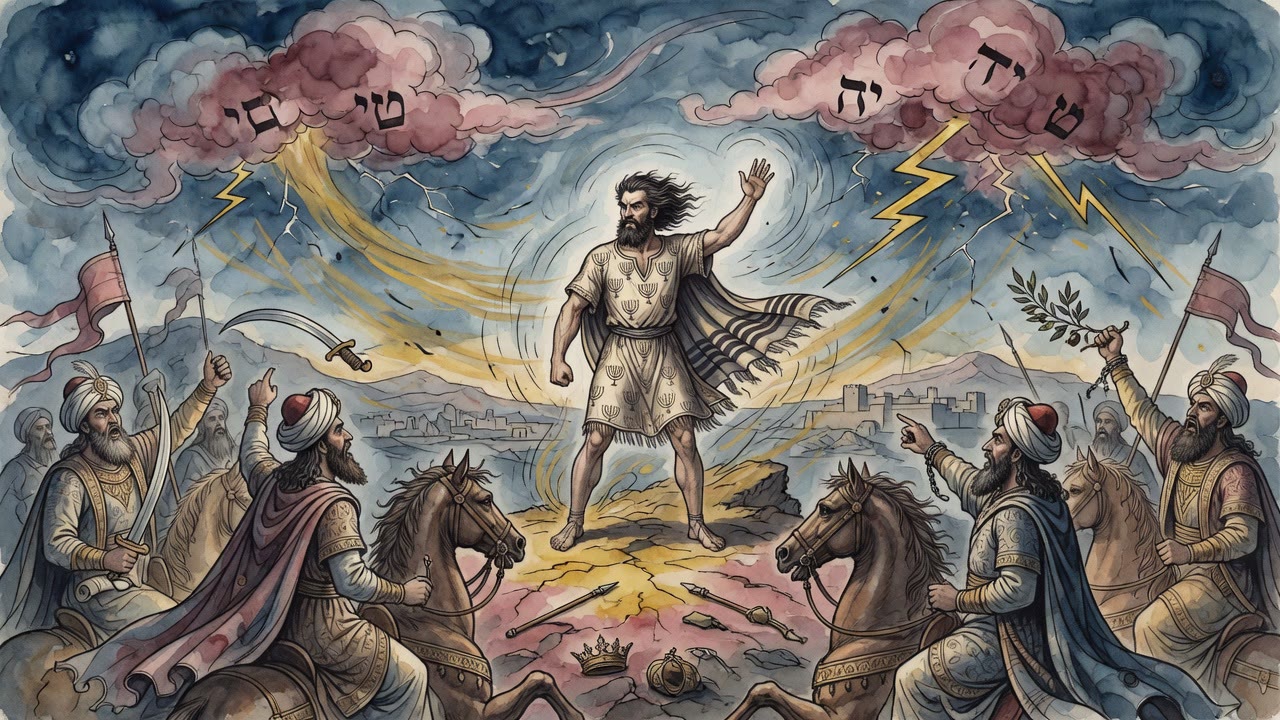
Shobach's letter called Joshua a wolf of the desert and gave him thirty days. Joshua took it to the elders, who put his whole conquest on trial first.
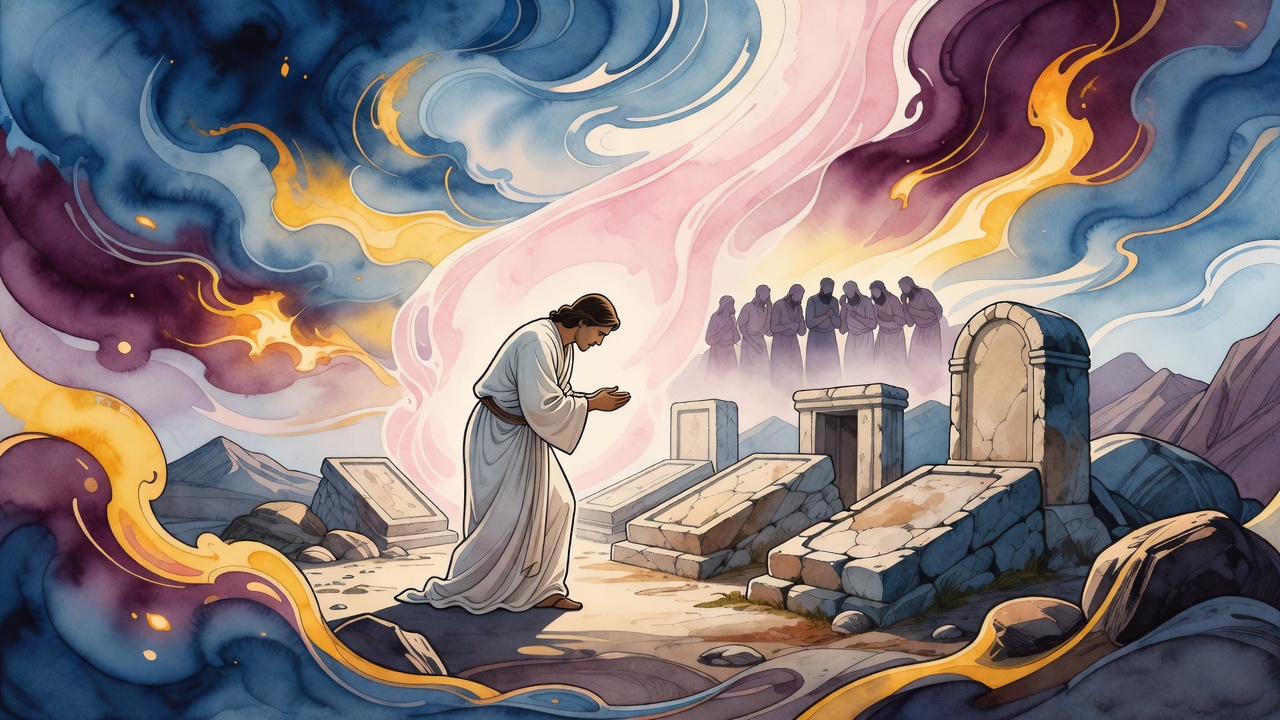
The ten had already chosen their report. Caleb left camp at night and stood at the graves in Hebron, asking bones to keep him from their counsel.
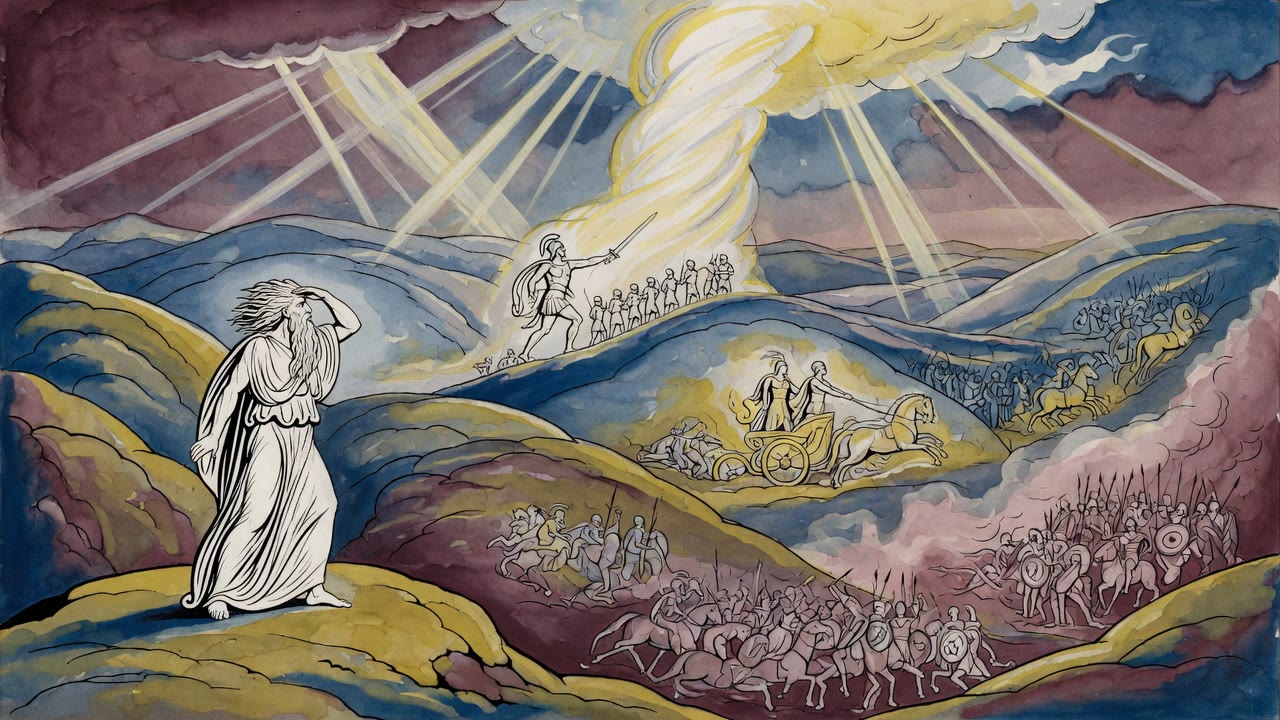
Joshua stood to speak and the camp shouted him down. He had no sons, they said. Caleb came in as if he were about to strike Moses.
