How Caleb Tricked a Crowd Into Letting Him Speak
Joshua stood to speak and the camp shouted him down. He had no sons, they said. Caleb came in as if he were about to strike Moses.
Table of Contents
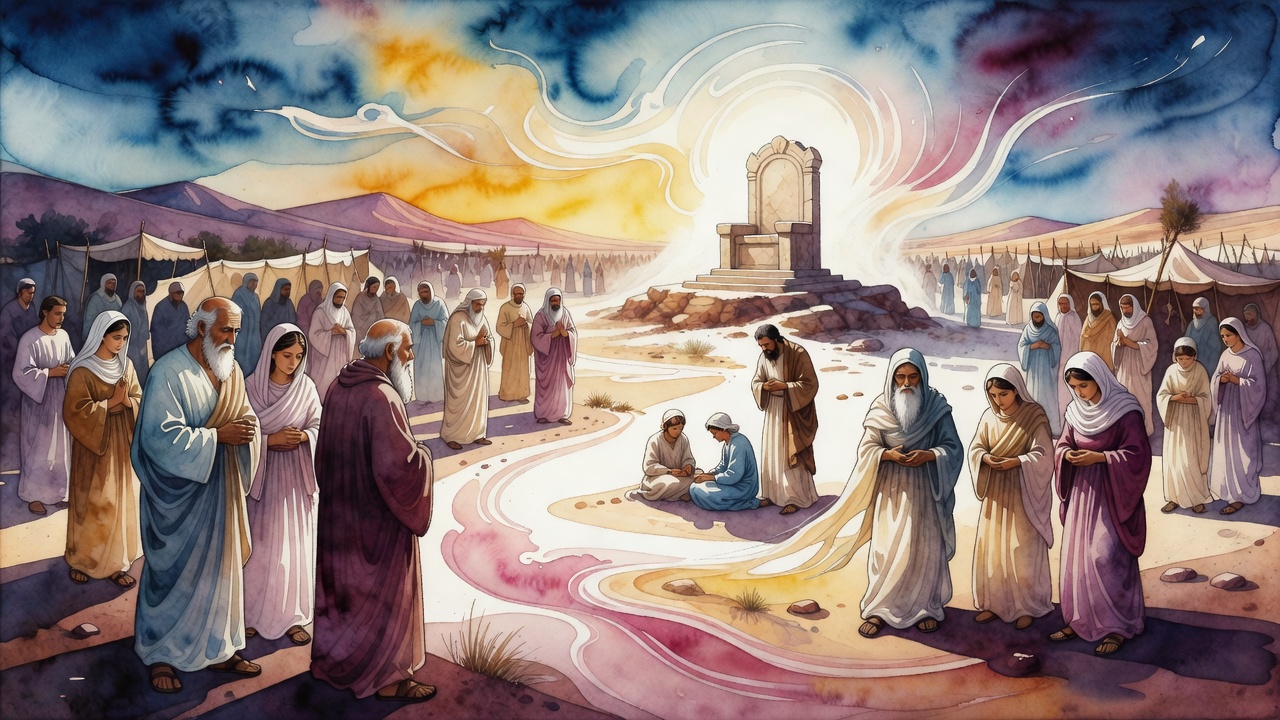
The ten scouts had just finished. Giants in the land. Fortified cities. We cannot prevail. The crowd erupted, fear turning into rage before a single counter-word could land, and Joshua stood up to say what he had seen.
 Click for full size
He did not get far.
They Would Not Let Joshua Finish
The camp turned on him with a specific line.
"By what right dost thou, foolish man, presume to speak? Thou hast neither sons nor daughters, so what dost thou care if we perish in our attempt to conquer the land? We, on the other hand, have to look out for our children and wives."
The challenge was not an argument about Canaan. It was a revocation of Joshua's standing. He had no sons. He had no wives depending on him. He had nothing to lose, they said, so of course he would be reckless. They shouted until every gap he tried to speak into filled with noise. He sat down against his will.
Caleb watched from where he stood. He understood what had happened. Deny the speaker the right to be heard before he can say anything. Joshua had tried to address the land. They had buried him before he reached it.
Caleb Came as an Enemy of Moses
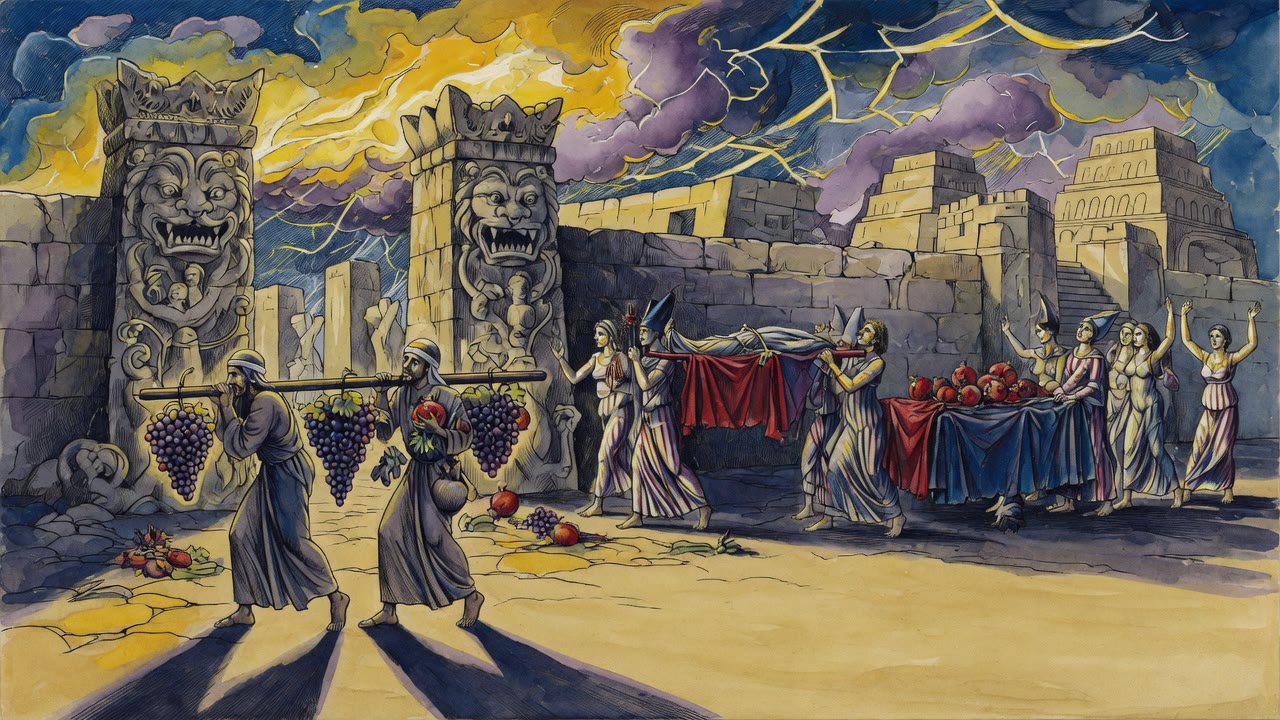
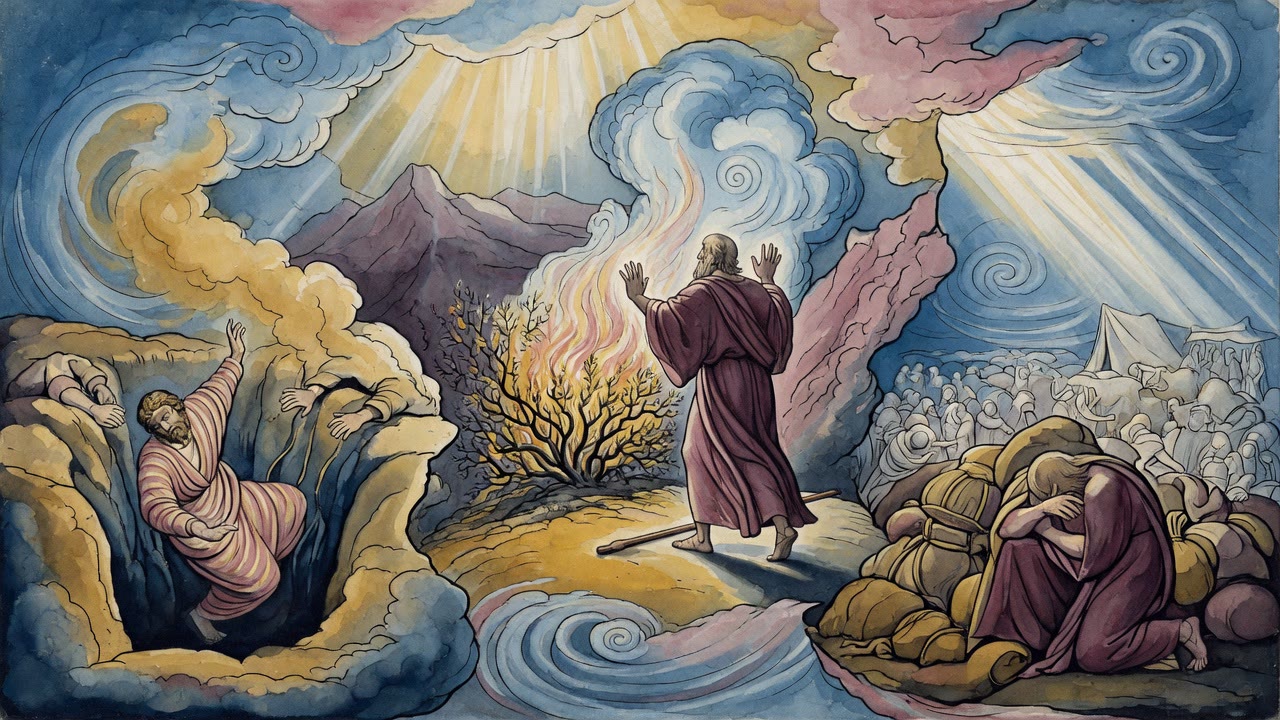
Caleb pushed through the crowd. Not as a man who disagreed with the other scouts. Not as Joshua's defender. He came in as a man who had heard something scandalous about Moses and needed everyone to know it now.
At first he had seemed to be with the ten in counsel. They trusted him. They thought he would echo the slander. He had been waiting for the moment their trust would open a mouth-shaped hole in the noise.
He had their attention within seconds. The crowd that had just silenced Joshua leaned toward Caleb. He had the posture of a man about to confirm their worst suspicions about the leadership. The camp that had been refusing to listen was suddenly listening hard.
The Crowd Leaned In
Then Caleb said what he had actually come to say. He praised Moses. He named the sea crossing and the water from the rock and what Moses had done while they complained. The crowd was trapped. They had opened for an attack and received a defense. By the time they understood, Caleb had already said it.
He had entered as if his allegiance were with their grievance. He had borrowed their trust before spending it. Joshua had stood up as a dissenter, and they had identified him as such before he spoke. Caleb had entered as something else, and the identification came too late.
The weapon they had used on Joshua, the charge that he had no stake, had nothing to grip. Caleb was not arguing Joshua's standing. He was putting Moses's record in the air while they were still leaning in for a knife.
We Will Ascend
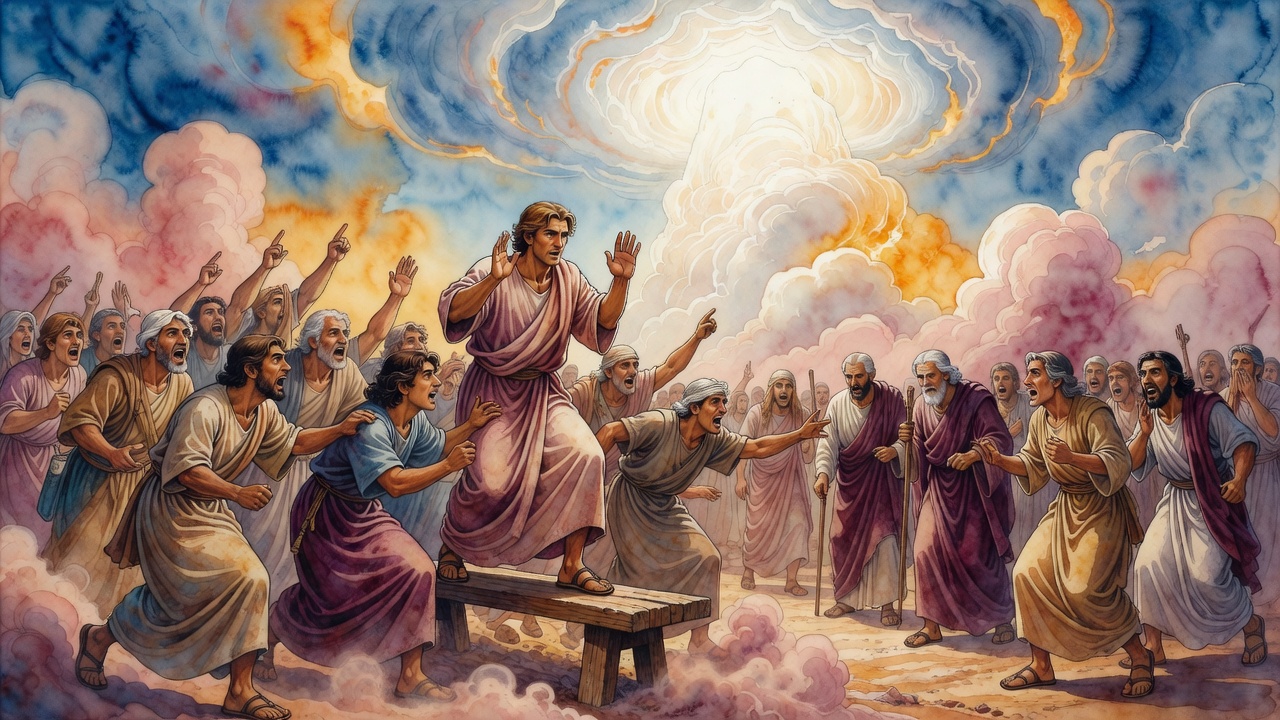
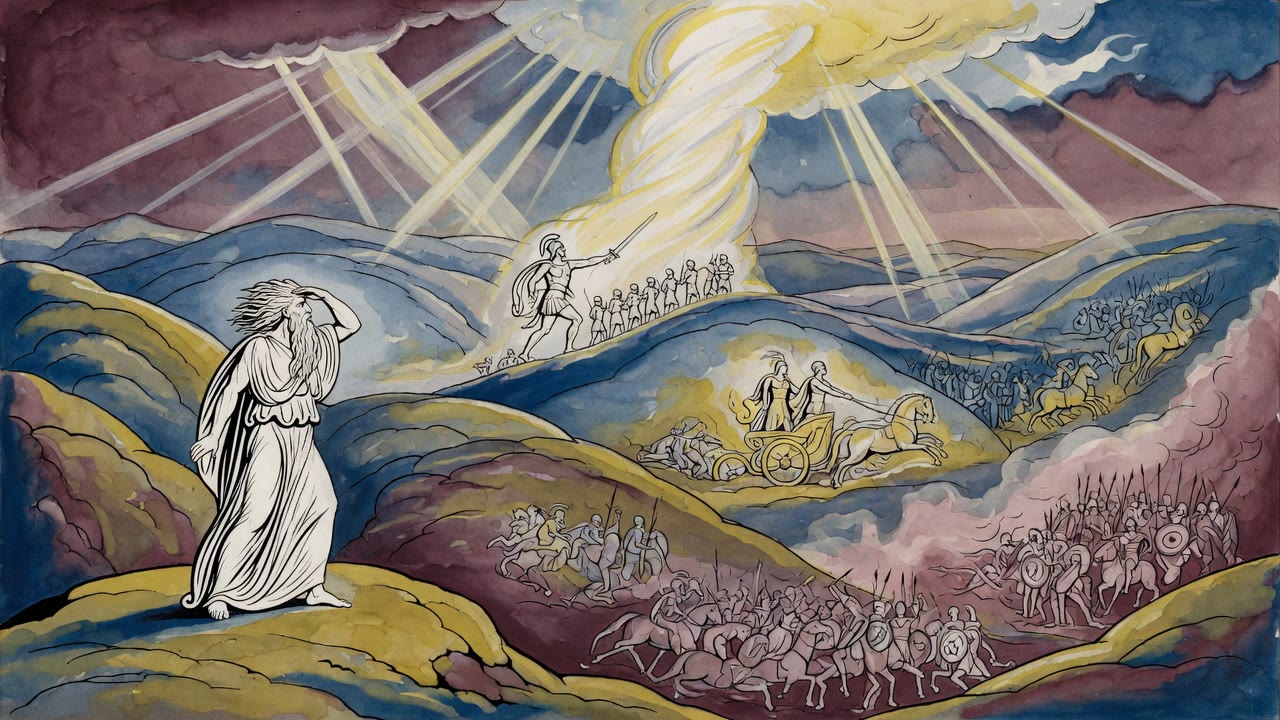
He stood on the bench and silenced all of Israel, who were shouting at Moses.
"We will ascend, and inherit it, for we can prevail over it" (Numbers 13:30).
He had climbed. The word used for what Caleb did is not the word for standing. It is the word for going up. He went up in the camp's geography, toward the place from which Moses spoke, onto the bench, and from there he said the word that had been in his heart when the ten were dissolving everyone else's.
They disputed at once. "We will be unable to ascend against the people." The ten still had volume. They no longer had silence. Another report was in the air, and it would not sit down.
Another Spirit Was With Him
God named it later. "But My servant Caleb, because another spirit was with him" (Numbers 14:24). The other spies had gone up with him and melted the people's heart. Caleb had returned the word that was in his heart, not the word that would have kept him popular.
"I returned word to him as it was in my heart. My brethren who went up with me dissolved the heart of the people" (Joshua 14:7-8).
Joshua sat in the noise he could not break. Caleb had used the noise. The land was still ahead. The giants were still real. The cities were still fortified. One man had made the camp hear that they could go up. The crowd had silenced Joshua. Caleb had silenced the crowd long enough to speak, and the speech he spent that silence on was not the betrayal they had leaned in for.
← All myths