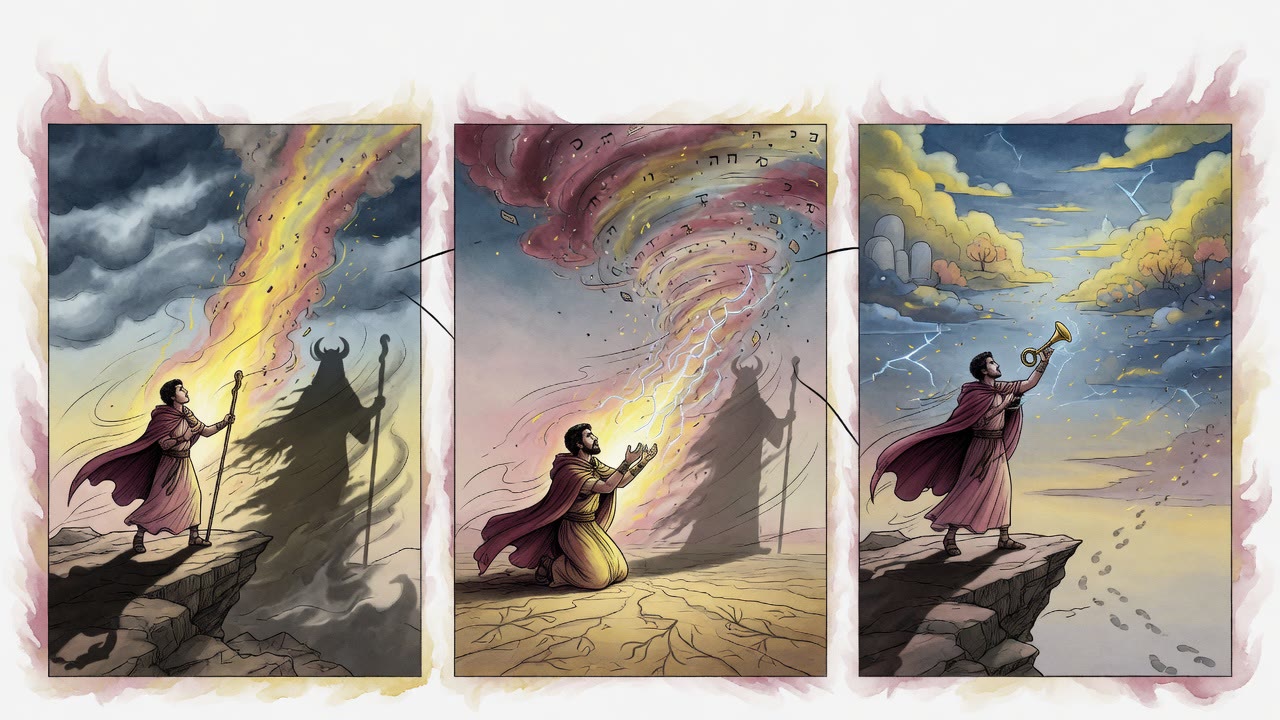
On His Last Day Moses Asked Who Would Lead Israel After Him
A herald went through the camp calling everyone to gather around Joshua, and not one Israelite came. They hung back, shaking, complaining of headaches.
Table of Contents
 Click for full size
He Asked Who Would Take Them
On the last day of his life Moses asked for one thing, and it was not the river.
"Tell me who takes them when I am gone," he said, and then he described the man he wanted. Someone whose spirit could hold the spirits of six hundred thousand people at once, so that when he opened his mouth every single Israelite heard it in the terms that Israelite could understand. Not a good administrator. Not a good soldier. That.
"You asked to be told about your immediate successor," God answered. "I will do more than that."
Every Leader Israel Would Ever Have
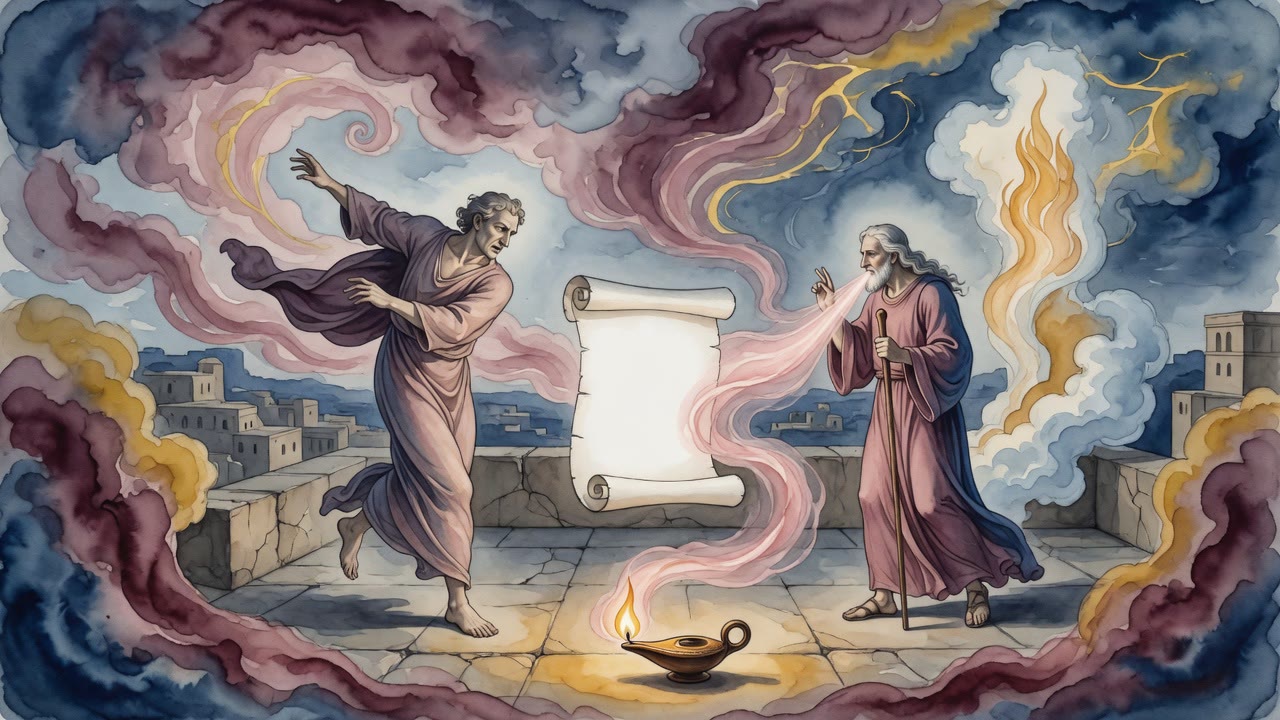
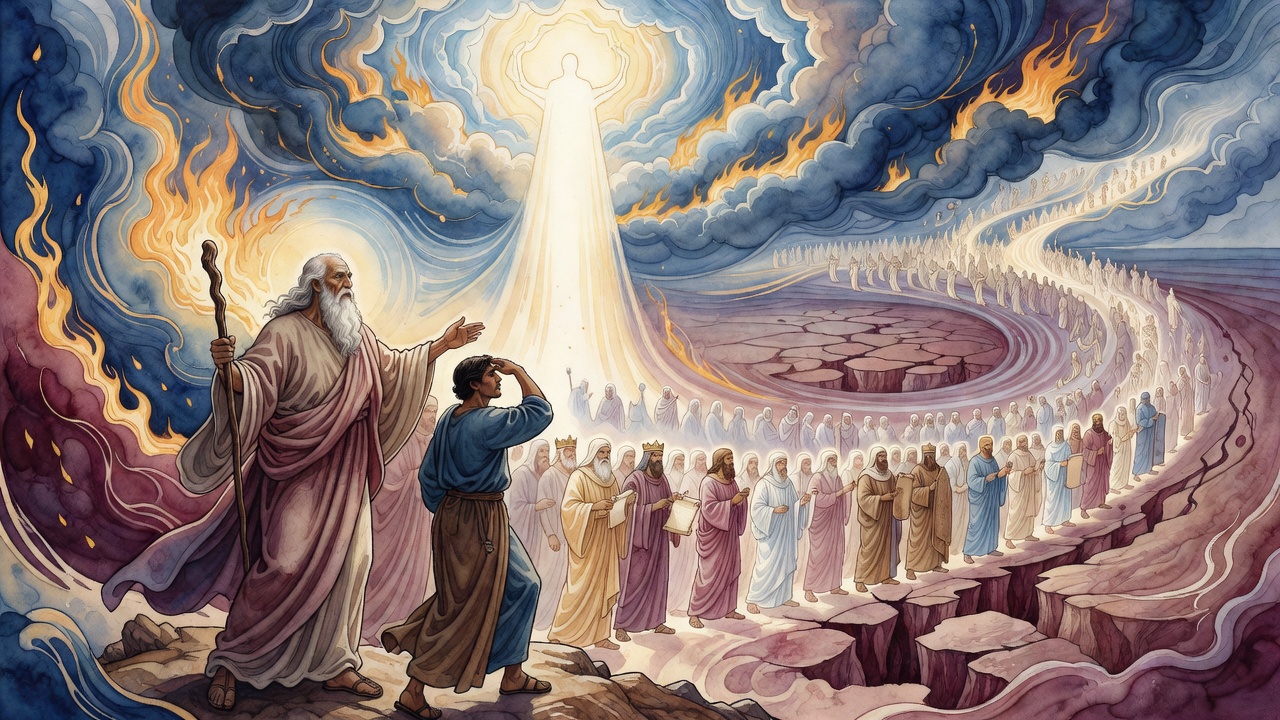
He showed him Joshua. Then he showed him Joshua's successor, Othniel, and then the judge after Othniel, and the judges after him, and the prophets behind the judges, the whole line running out past the kings and the burning of the Temple and the exile and the coming back, and further out than that, all the way to the resurrection of the dead.
Moses stood on the mountain and watched every leader his people would ever have walk past him.
Then came the part he had not asked for. "Each of these," God said, "will have his own spirit and his own knowledge. The man you just described to Me, whose spirit contains the spirits of sixty myriads of Israel so that he can speak to each one according to his own understanding, that man does not arrive until the end of time. The Messiah will be given a spirit that contains the spirits of all mankind."
So Moses came down the mountain knowing the thing he had asked for was real, and that it was not going to be issued to the camp standing at the bottom.
The Herald Called and Nobody Came
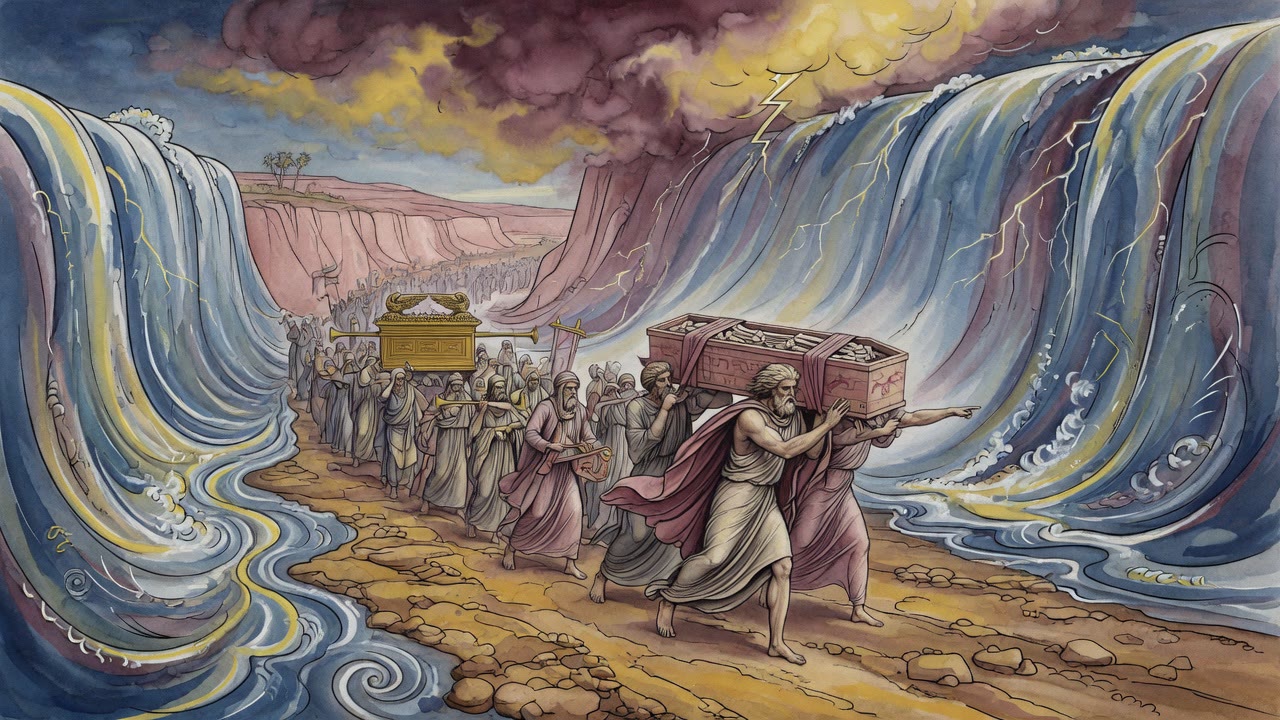
A herald went out through the camp calling the people to come and stand around Joshua.
Not one man came.
They hung back in the tent doors. They shook. They found that their heads hurt and said so, loudly, to anyone taking names. Some of them wept and said the proverb to each other across the ropes. "Woe to you, land, when your king is a boy." They had been led out of Egypt and through the sea and around the desert for forty years by one man, and the herald was asking them to walk over and look at a different one.
The Ground Spoke Up for Joshua
A voice came out of heaven. "When Israel was a child, then I loved him."
Then the earth opened its mouth. "I have been young," it said, "and now I am old, and I have never seen the righteous abandoned."
After that the men with something to lose came out. The elders. The heads of the troops, the princes of the tribes, the captains of thousands and of hundreds and of tens. They walked to Joshua's tent and stood in front of it and waited.
Moses, with hours left, went down the line and set each man in his place according to his rank. He put the camp in order for someone else, and that was the last piece of administration he ever did.
The Man Who Had Told the Truth About the Land
Canaan sits higher than every other land on earth. Nobody goes in to it. They go up to it, and everyone who had been there spoke about it that way afterward. Caleb said it standing in front of the whole nation. "Let us go up and take it."
Twelve men went up to look. Two came back saying the land was good, Caleb and Joshua, and the nation would not go up, and forty years went by in the sand because of it.
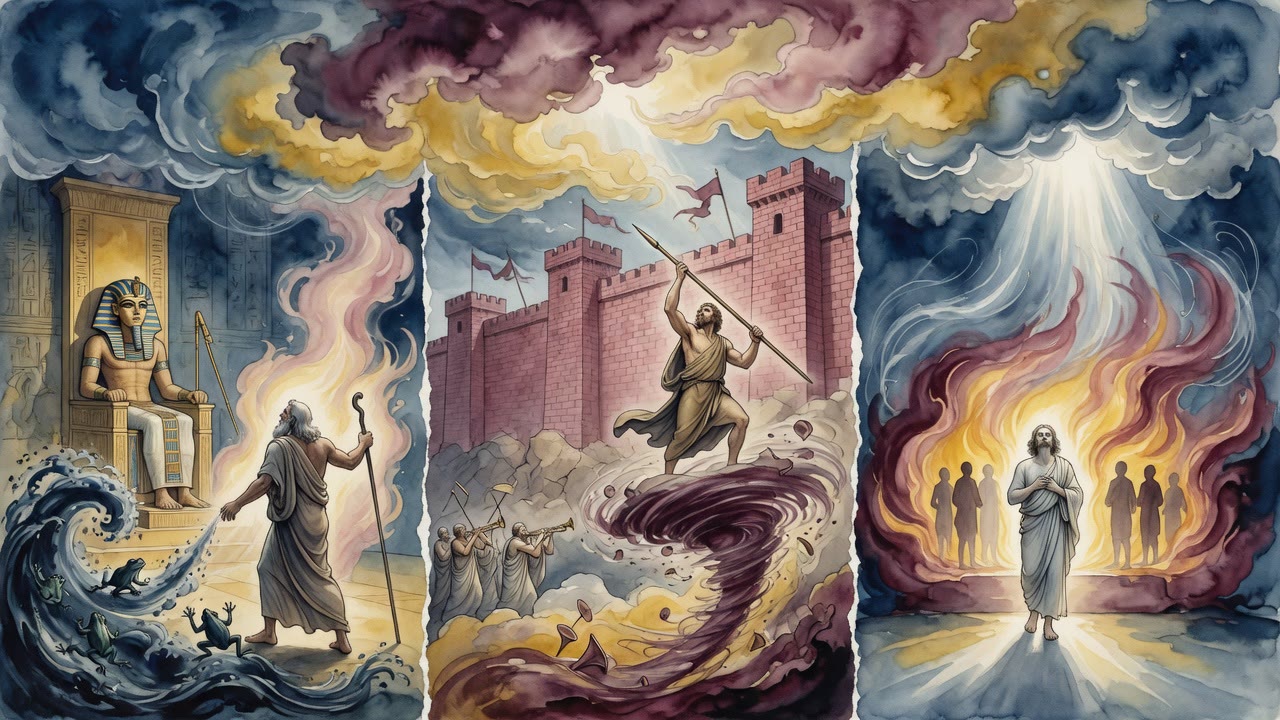
When Joshua had the command and needed his own two scouts, he picked Caleb, and Pinhas the priest with him. The two of them crossed the river and went into Jericho carrying pottery, shouting up and down the street. "Pots here. Come and buy. Anyone who wants a pot." Two tradesmen with clay on their hands are nobody.
The king found out anyway, and Rahab moved to hide them both. Pinhas told her not to waste the effort on him. "A priest is like an angel. When he wants to be seen he is seen, and when he does not want to be seen he is not. Hide the other one."
She hid Caleb. The verse afterward says she hid him, one man, not them.
The soldiers came through the house and searched it and went out again. One of the two men they were hunting was hidden somewhere in that building. The other one was standing in the room while they looked.
← All myths