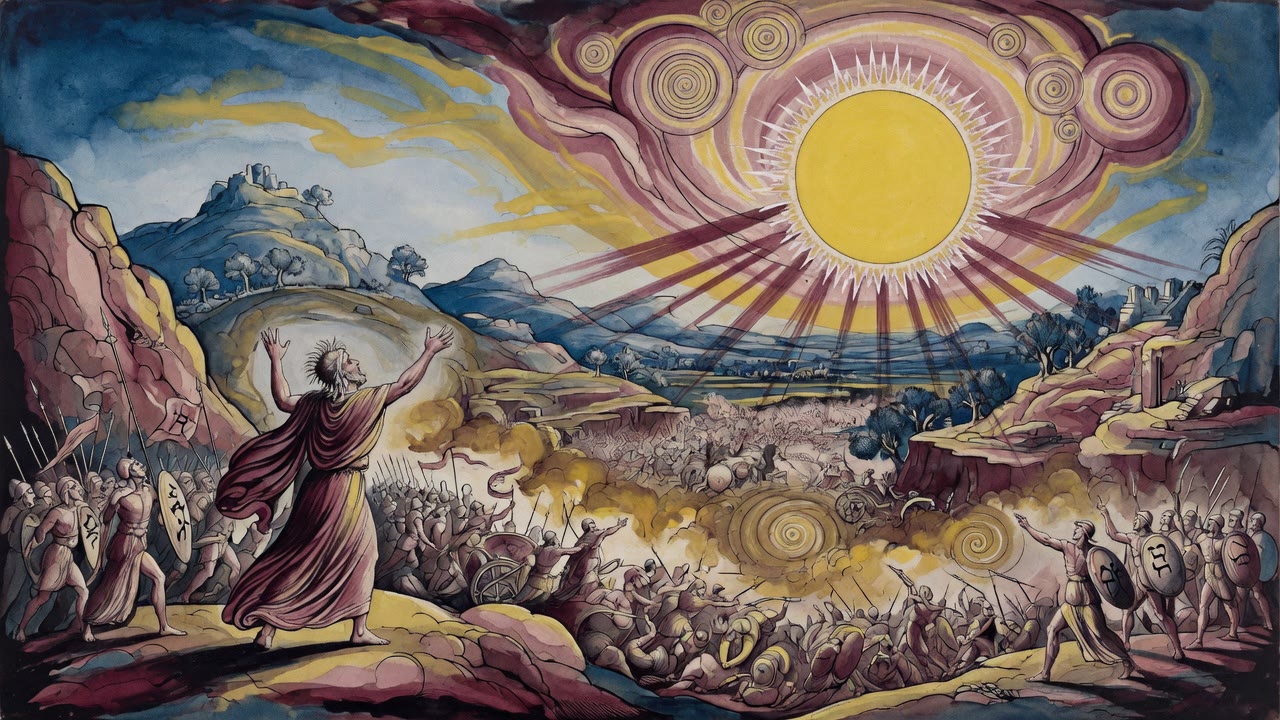
Joshua's Defiant Reply to the Enemy Kings After the Feast
The letter named forty-five kings and thirty days. Joshua read it on the eve of the feast. He put it away until the last offering was done.
Table of Contents
 Click for full size
The Letter That Arrived Before the Feast
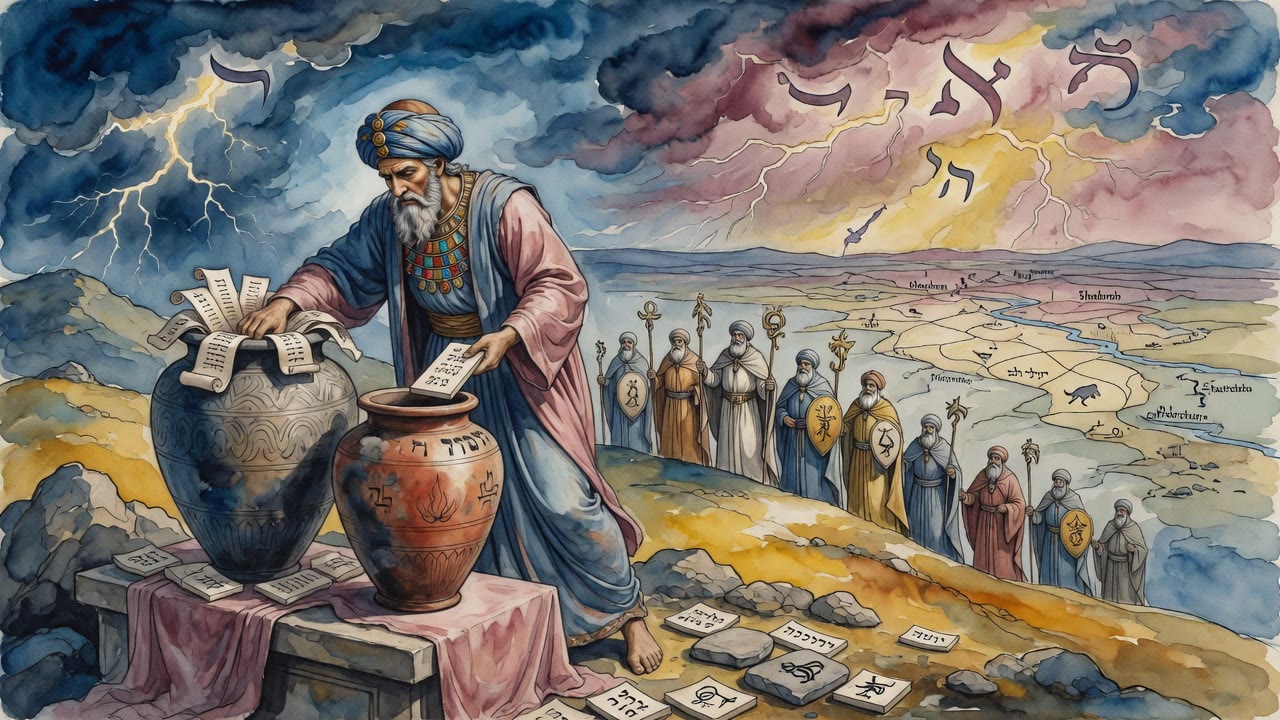
The messenger reached Joshua on the day before the Feast of Weeks, when all of Israel stood ready to celebrate. The letter was not a diplomatic inquiry. It was a declaration of war wrapped in contempt, sent by enemy kings who believed that a man who had crossed the Jordan and watched Jericho's walls fall could still be frightened if the threat was large enough.
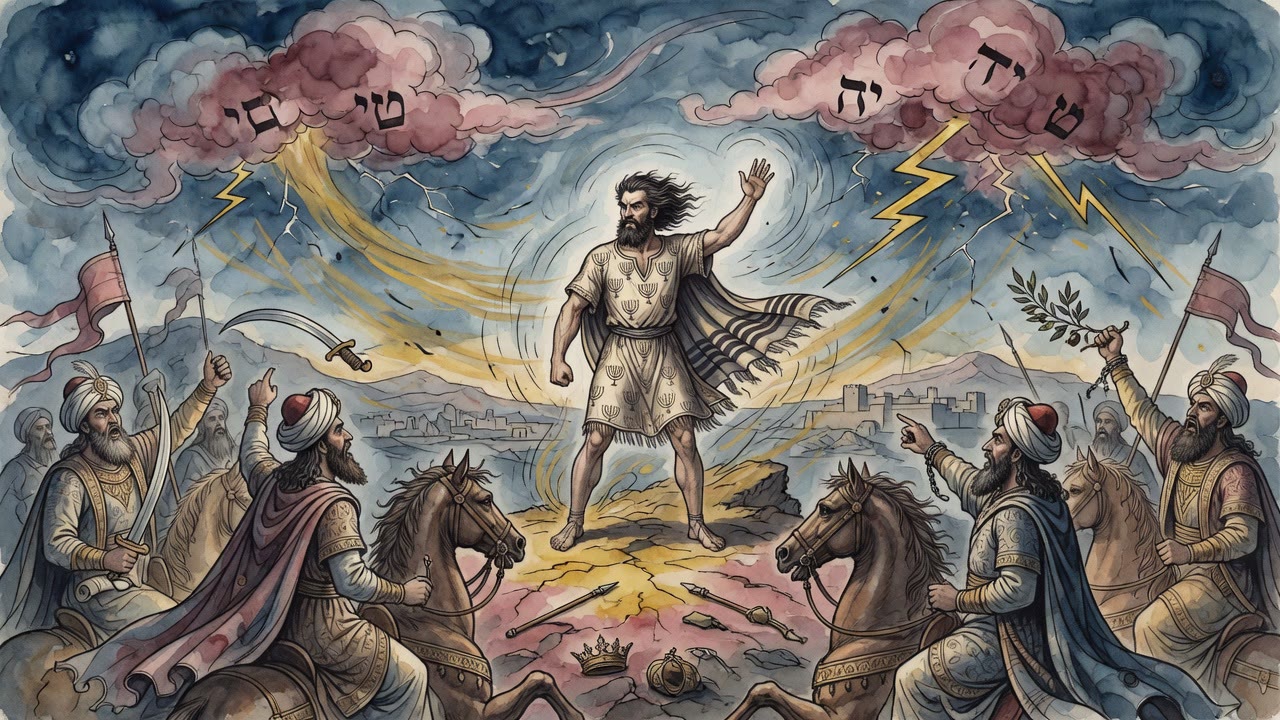
"Thou wolf of the desert," they wrote. "We know what you did to our kinsmen. You destroyed our palaces. You slew young and old. You turned their cities into desert. Know, then, that in thirty days we shall come to you, we the forty-five kings, each with sixty thousand warriors, armed with bows and swords, and with us the hero Japheth. Prepare for combat, and do not say afterward that we took you unawares."
Joshua read it. The paper shook in his hand. He folded it and said nothing.
He Let Israel Sing
He did not drive his people into a storm because the storm had already been dated thirty days out. He watched the celebrations. He watched the singing and the offerings. He held the knowledge of what was coming the way a man carries fire in a closed hand, careful not to let it catch anything around him until he chose to open his fingers.
Israel sang that God had saved them from those who rose against them, that the wicked would be like chaff on the wind. Joshua stood among them with the letter against his ribs and let them finish the song. The timing of the threat had been deliberate. A holiday is when a people lets its guard down. A holiday is when a threat lands with maximum disruption. He refused the disruption. He let the feast be a feast.
The last songs were sung. The offerings were completed. Then Joshua opened his hand.
The Defiant Reply
He told the people what had reached him, a message so large that even he, a veteran of the thirty-one kings of Canaan, trembled at the heralded approach. Then he sat down and wrote his reply.
"In the Name of the Lord, the God of Israel, who saps the strength of the iniquitous warrior and slays the rebellious sinner. He is the God of Abraham, Isaac, and Jacob. God is the Lord of war. From me, Joshua, the servant of God, and from the holy congregation, to the nations who bow to images: No peace unto you, saith my God."
He did not bargain. He did not ask for more time. He named what they had done by sending the letter at all.
"You acted foolishly to awaken the slumbering lion, to rouse the lion's whelp, to excite his wrath. I am ready to pay you your recompense. Be prepared to meet me, for within a week I shall be with you to slay your warriors to a man."
Thirty Days Against Seven
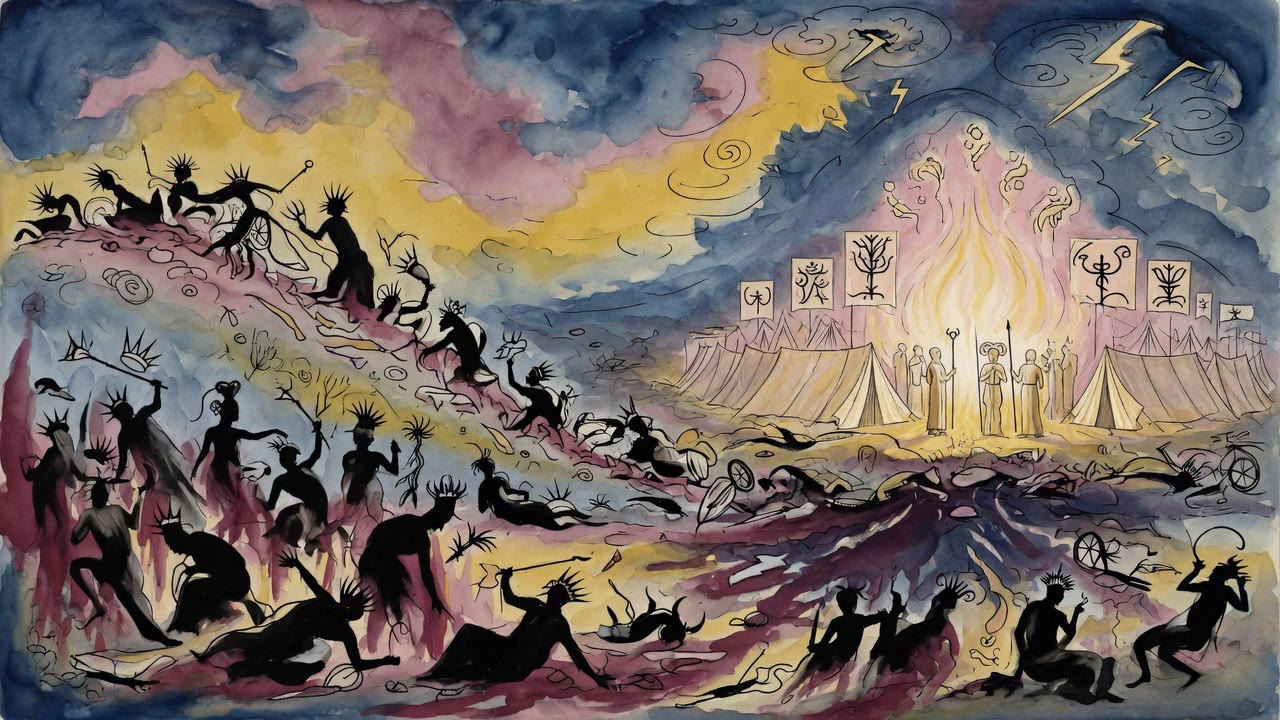
They had given him thirty days. He gave them seven. The arithmetic was the answer. Forty-five kings and sixty thousand men each is a number meant to stop a heart. A week is a number meant to start a march. Joshua's silence through the feast had already been a message: you are not the crisis you think you are. The week was the second message: I will be in your camp before your own calendar says I should have packed.
The kings who sent the letter belonged to a long habit of miscalculation. Each generation of enemies had looked at Israel and decided the people could be crushed if the army was large enough and the hour was inconvenient enough. Jericho's walls had already answered that. The Jordan had already answered that. Joshua's folded letter answered it again, not with panic, but with a date shorter than theirs.
He went out from the feast with the reply in a rider's bag. The people who had sung that morning still had the taste of the offering in their mouths. The enemy kings would learn, inside a week, that a holiday in Israel is not a gap in the line. It is where the line remembers who holds it.
← All myths