Forty-Five Kings Came for Joshua and Lost
Shobach's letter called Joshua a wolf of the desert and gave him thirty days. Joshua took it to the elders, who put his whole conquest on trial first.
Table of Contents
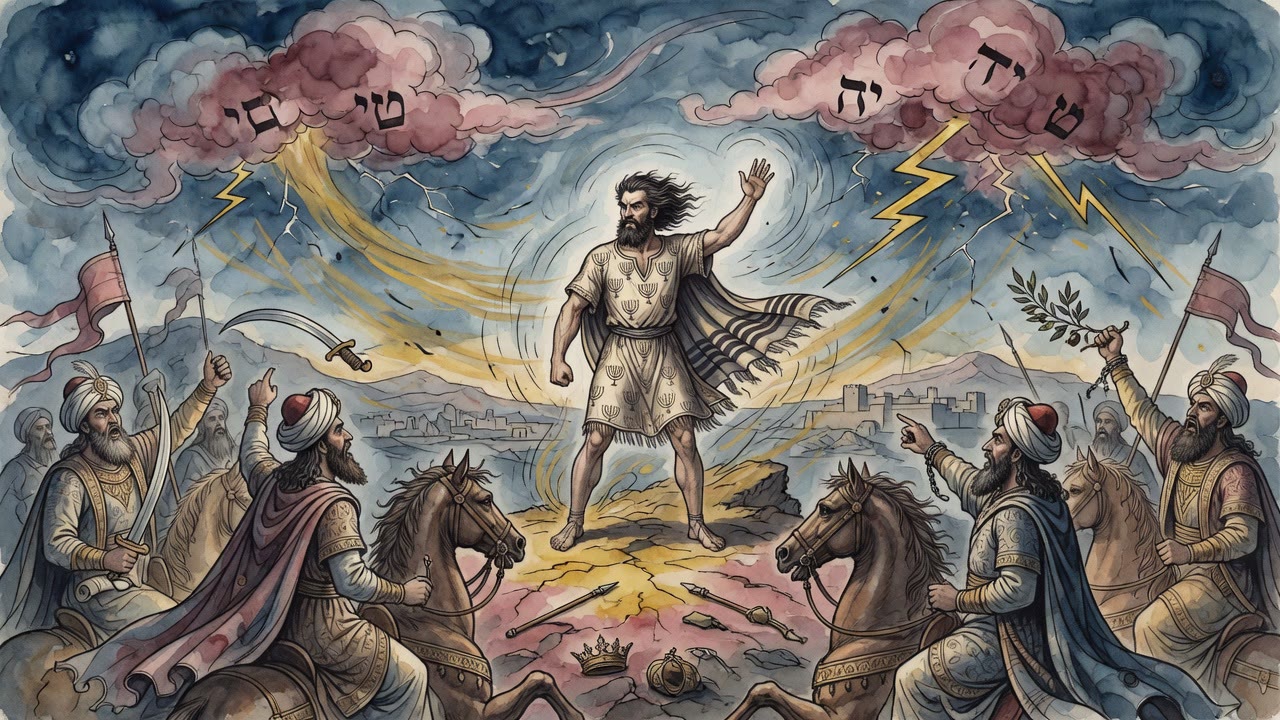 Click for full size
The Letter From Armenia
Thirty-one kings were dead. The land had been divided among the twelve tribes, the borders drawn in the aftermath of campaigns that had taken years. Israel had sung its victory song, the song of thanksgiving for everything God had done since Egypt, and it seemed, in the specific quiet of that moment, as if the wars were over.
Then the letter arrived from Armenia.
The son of one of the thirty-one kings had spent years building something. Shobach, who had become king of Armenia after his father's death, had traveled to the courts of Persia and Media, making his case, calling in debts, building relationships with rulers who had their own reasons to fear what was happening in Canaan. He assembled forty-five kings plus the warrior Japheth, all pointed at the same target. The coalition took years to build and a single letter to deploy.
Shobach's Letter
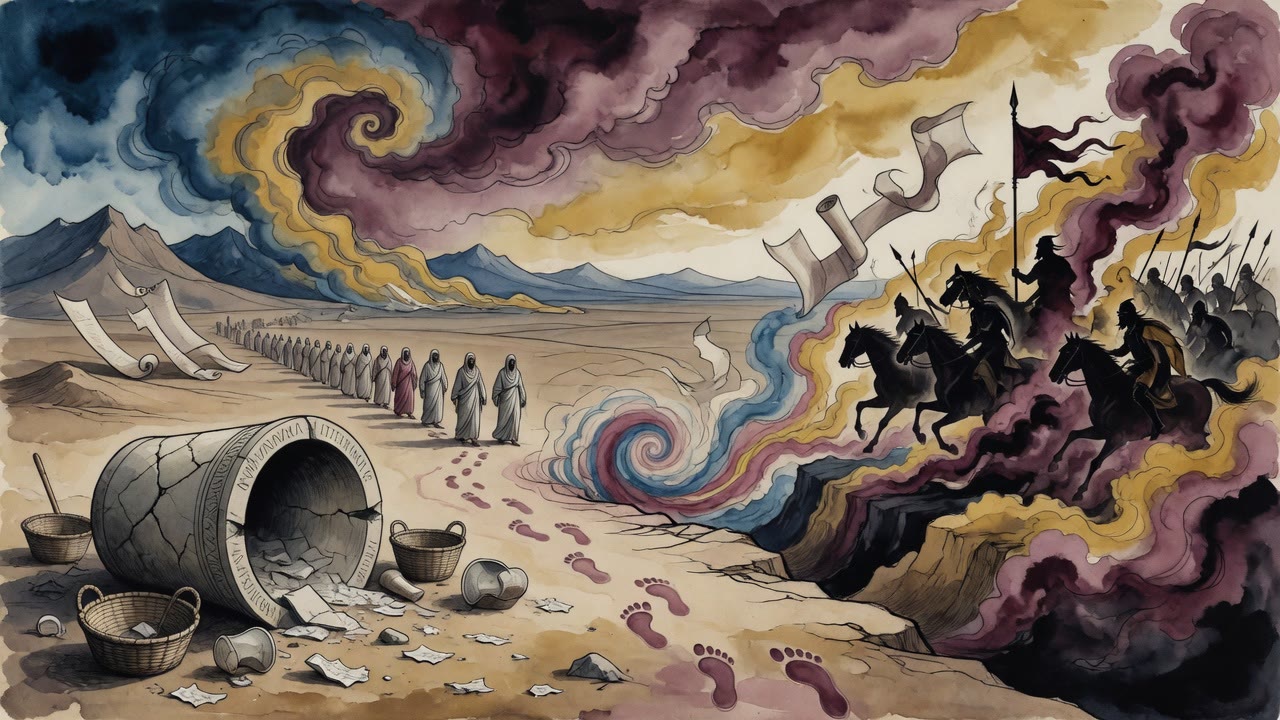
The letter's language combined contempt with scrupulous fairness. It called Joshua "thou wolf of the desert," which was not diplomatic. It then reviewed, with apparent precision, everything Joshua had done: the king of Jericho, the king of Ai, every defeat of every nation in the conquest. It named the specific tactics, the specific betrayals where applicable, the specific methods that had won each campaign. The letter was the work of a man who had spent years studying his enemy with concentrated hatred.
It ended with a thirty-day deadline. "Prepare yourself," it said. "We are coming."
Joshua read it and did not reply in kind. He brought the letter before the elders of Israel and sat with them in council. What the tradition records next is not a military planning session but a legal proceeding.
The Trial of Joshua
The elders called Joshua to account. Not for the coming battle but for the past one. They reviewed his conduct of the conquest, every campaign, every king, every alliance made and broken, every decision that could be questioned. Was the conquest just? Had Joshua acted within the boundaries of what God had commanded? The charges that Shobach's letter implied were examined one by one.
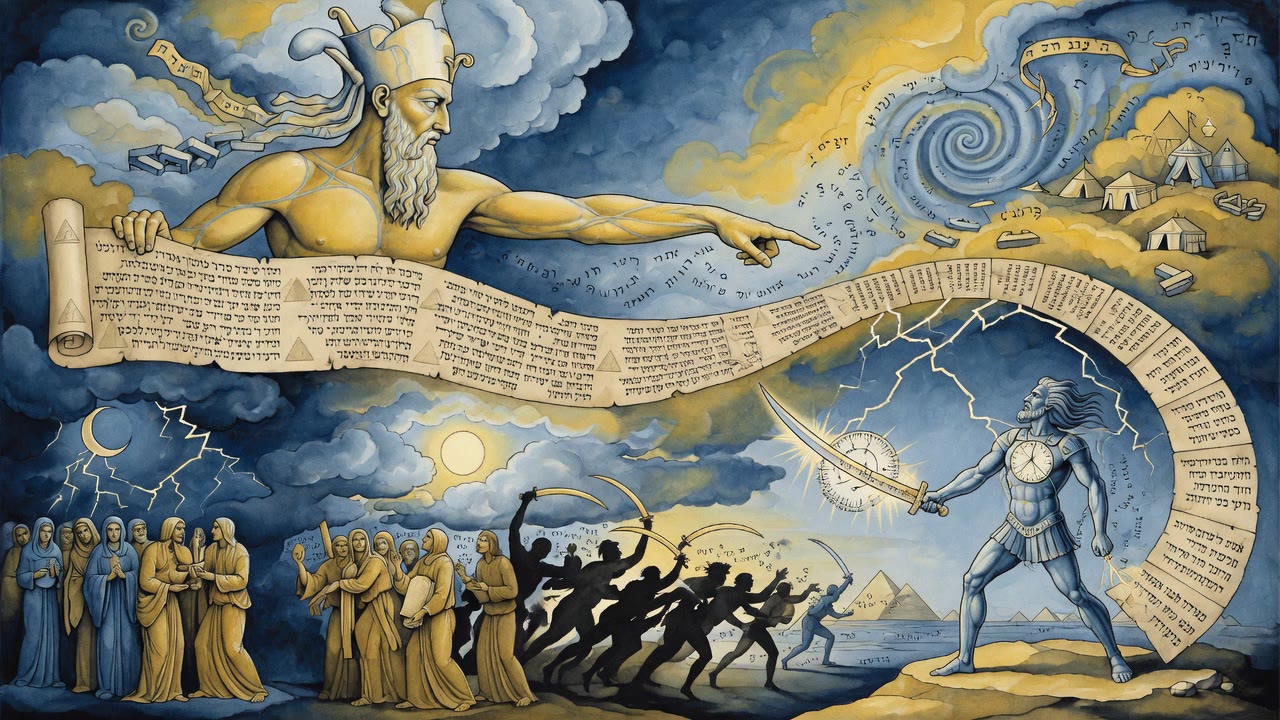
The angels came. The tradition records that the heavenly court convened alongside the earthly one, that the examination of Joshua's conduct happened simultaneously in two places, and that the verdict was the same in both: Joshua had acted faithfully. The conquest had been conducted within the terms God had set. The thirty-one kings had received their advance warning. The nations that had chosen peace had been permitted to leave. What followed had followed from their own choices.
Joshua was acquitted. The elders confirmed it. The heavenly court confirmed it. The coalition from Armenia had expected to find a man morally weakened by the accounting of his deeds. Instead they found a commander who had just been formally vindicated by the highest available authorities.
The Battle
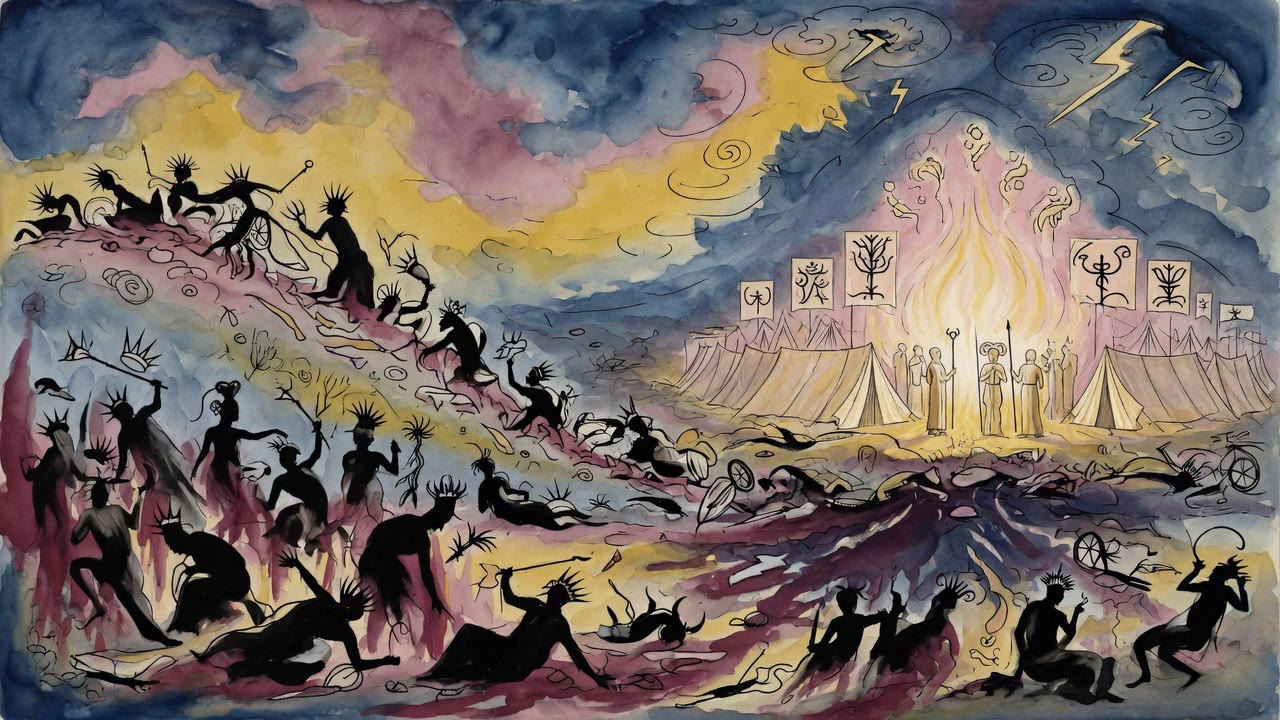
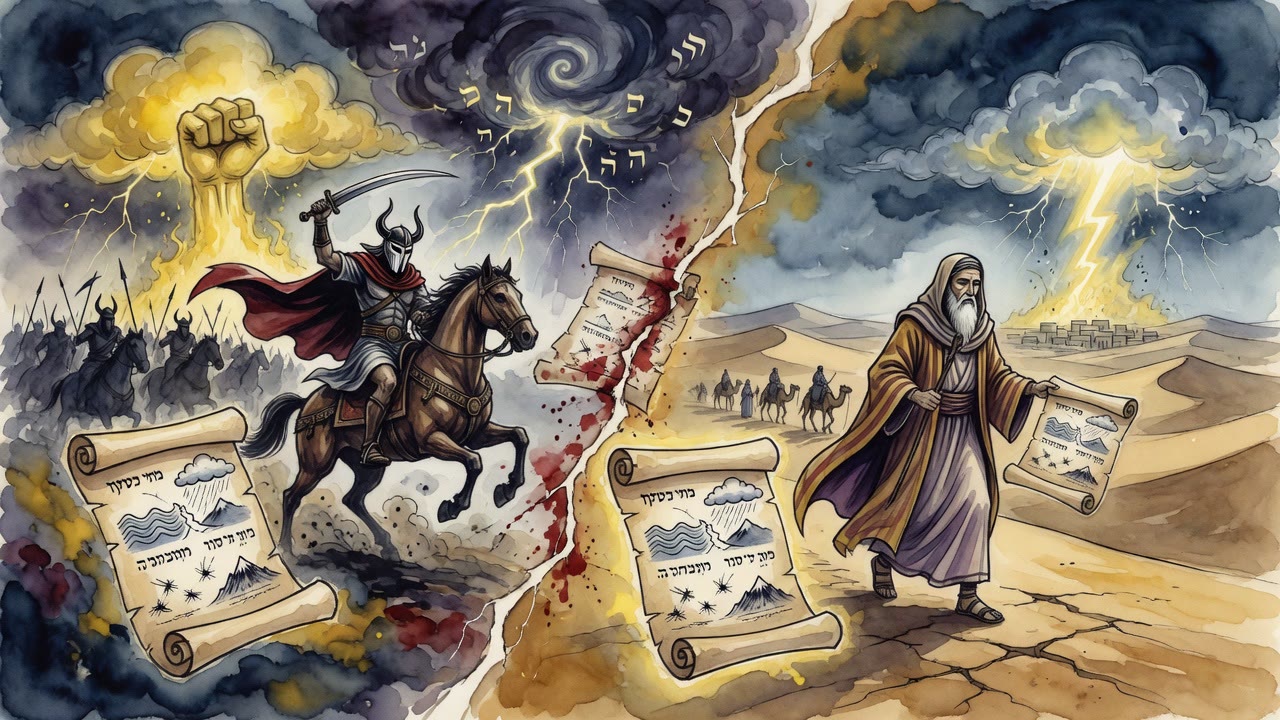
The forty-five kings came. Joshua met them. The tradition does not preserve every detail of the campaign, but the outcome is clear: the coalition that had taken years to assemble was defeated. The thirty days of warning expired, the armies arrived, and what Shobach had built with years of diplomatic labor collapsed in battle against a people whose leader had just been acquitted in two courts at once.
The tradition reads Shobach's defeat as a consequence of the timing. He had sent his letter, unknowingly, at exactly the moment when Joshua's legitimacy was being examined and confirmed. The acquittal preceded the battle. The man who marched against Joshua marched against someone who had just been declared righteous by the court of heaven, and the tradition does not suggest he had a serious chance of winning.
← All myths