99 texts · Page 2 of 3
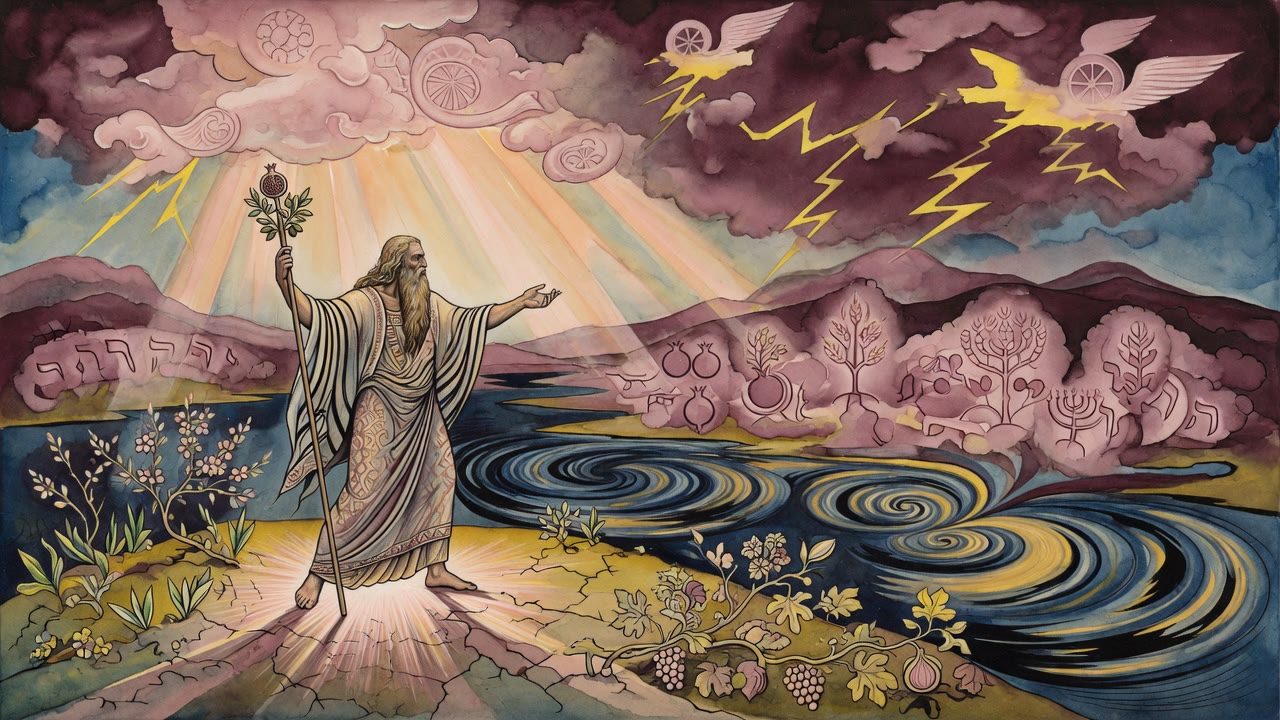
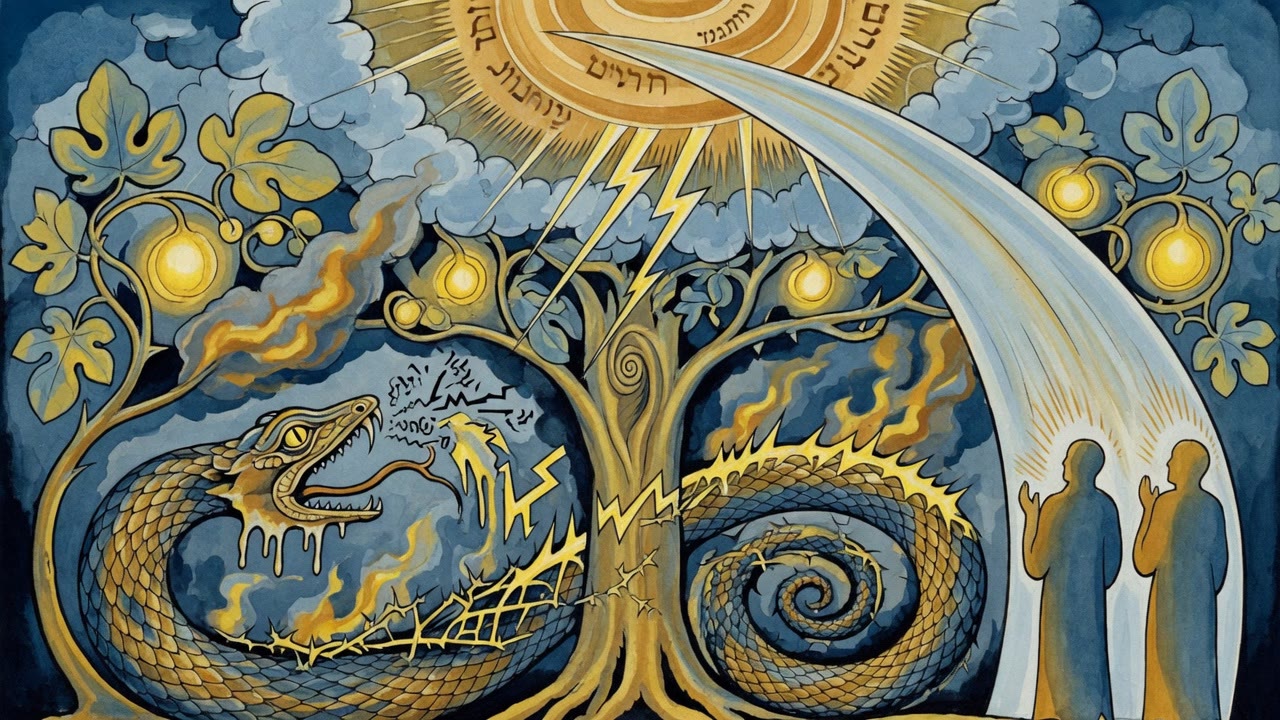
The Mekhilta records a debate about what tree God showed Moses at Marah to sweeten the bitter waters. The verse says simply "And the Lord showed him a tree" — but which tree? The r...
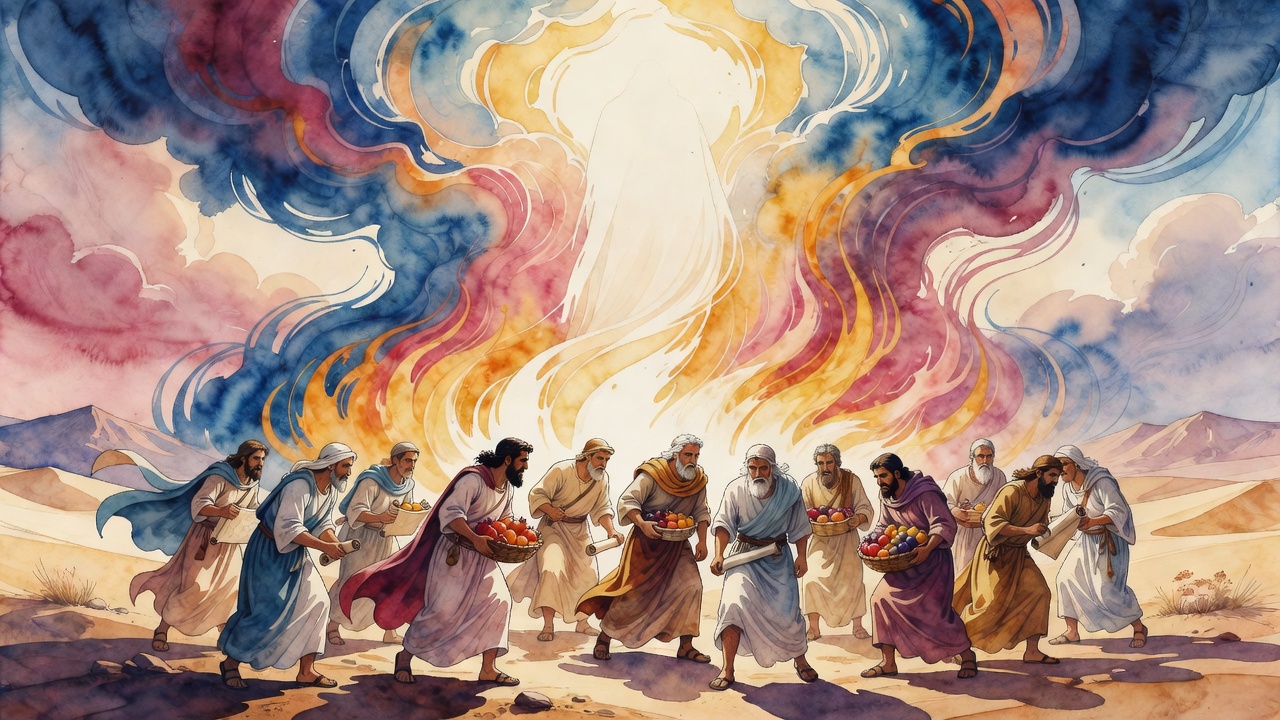
The Mekhilta DeRabbi Yishmael offers a precise description of how the manna appeared to the Israelites in the wilderness, drawing its details from the verse "and, behold, on the fa...
The Mekhilta DeRabbi Yishmael offered a remarkable tradition about Joshua the son of Nun and his unique relationship with the manna. (Psalms 78:25) says "He sent them sustenance to...
When God commanded that a jar of manna be preserved, the instruction was specific (Exodus 16:33): "Put therein a full omer of manna and place it before the Lord as a keeping for yo...
Three miraculous gifts sustained Israel in the wilderness, and each one was tied to a specific leader. Rabbi Yehoshua teaches that when Miriam died, the well that had followed the ...
How seriously should a student revere a teacher? The Mekhilta answers with a statement that sounds almost blasphemous: the fear of one's teacher is to be equated with the fear of H...
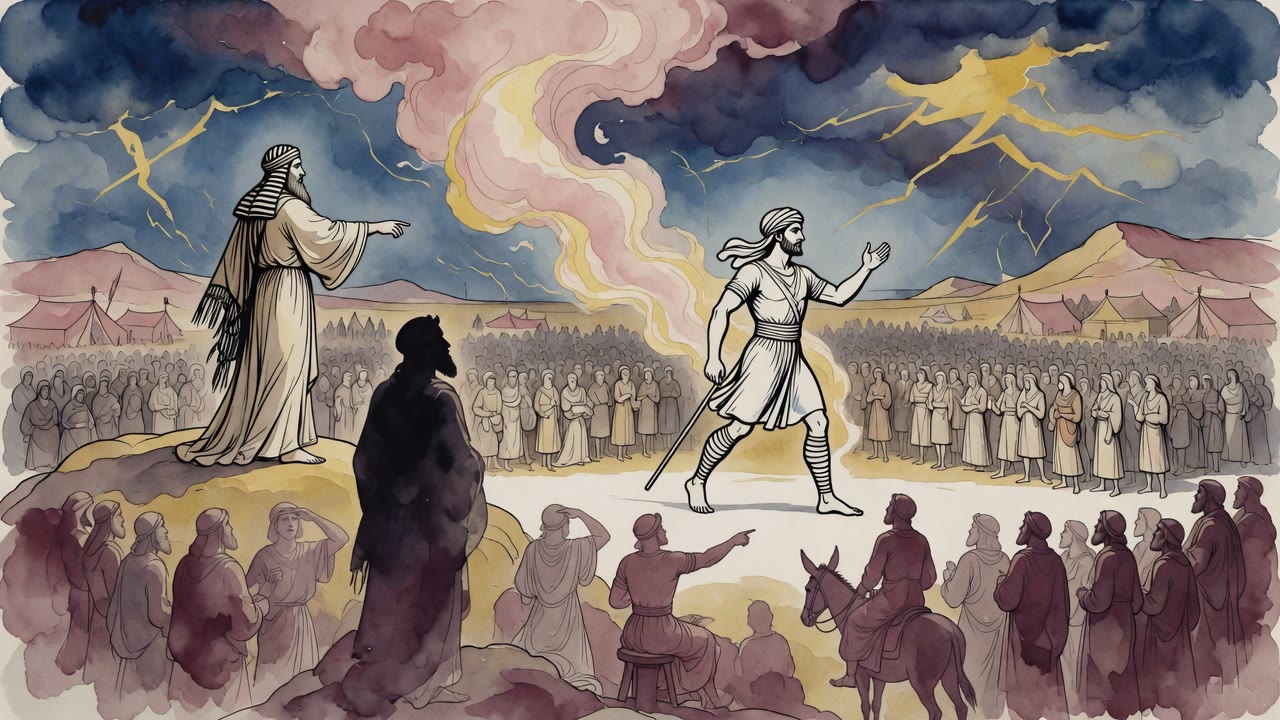
When Amalek attacked the Israelites at Rephidim—the first nation to wage war against the newly freed slaves—Moses turned to his student Joshua with a command (Exodus 17:9): "Choose...
Rabbi Eliezer Hamodai offered a different interpretation of why Moses told Joshua to "go out" and fight Amalek—and his version cuts deeper. According to Rabbi Eliezer, Moses challe...
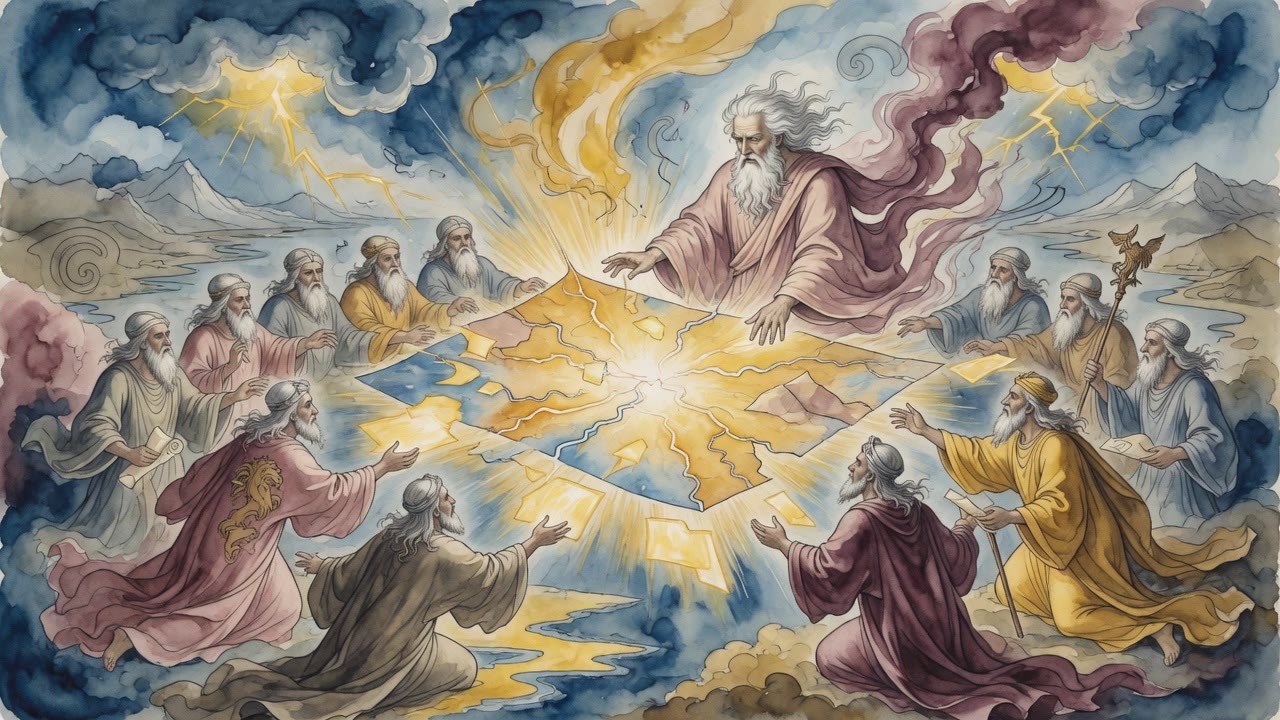
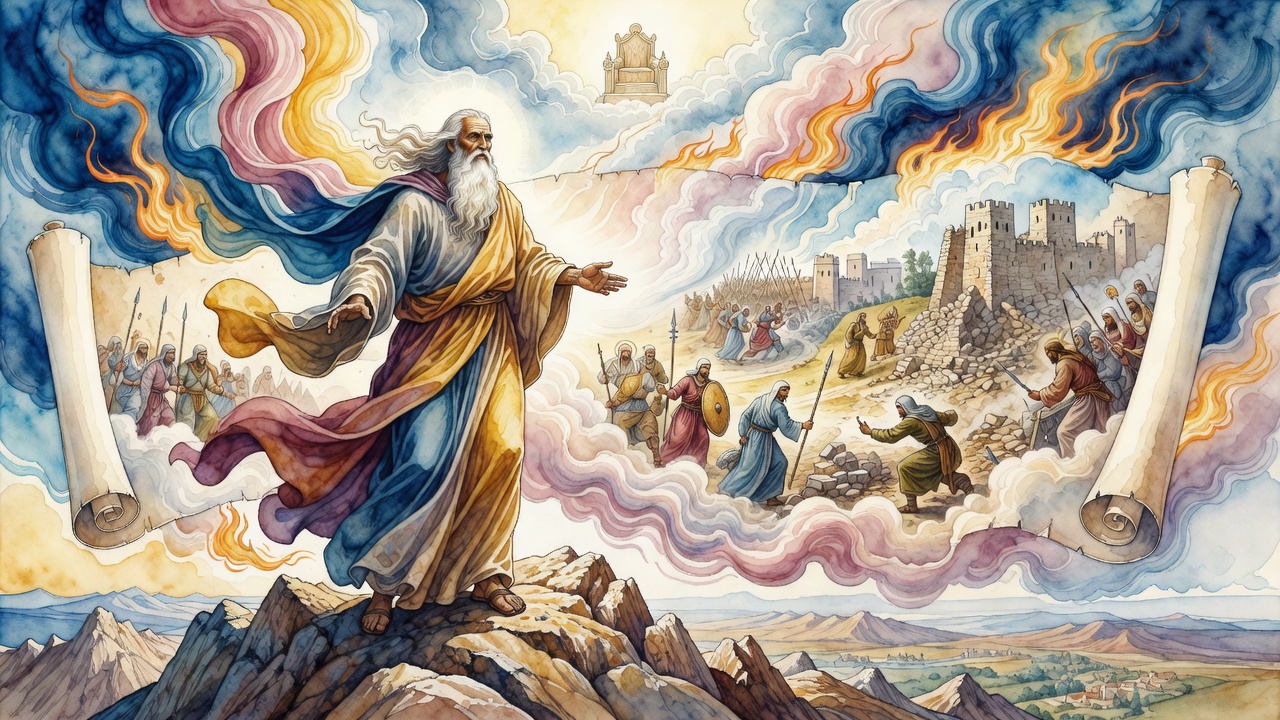
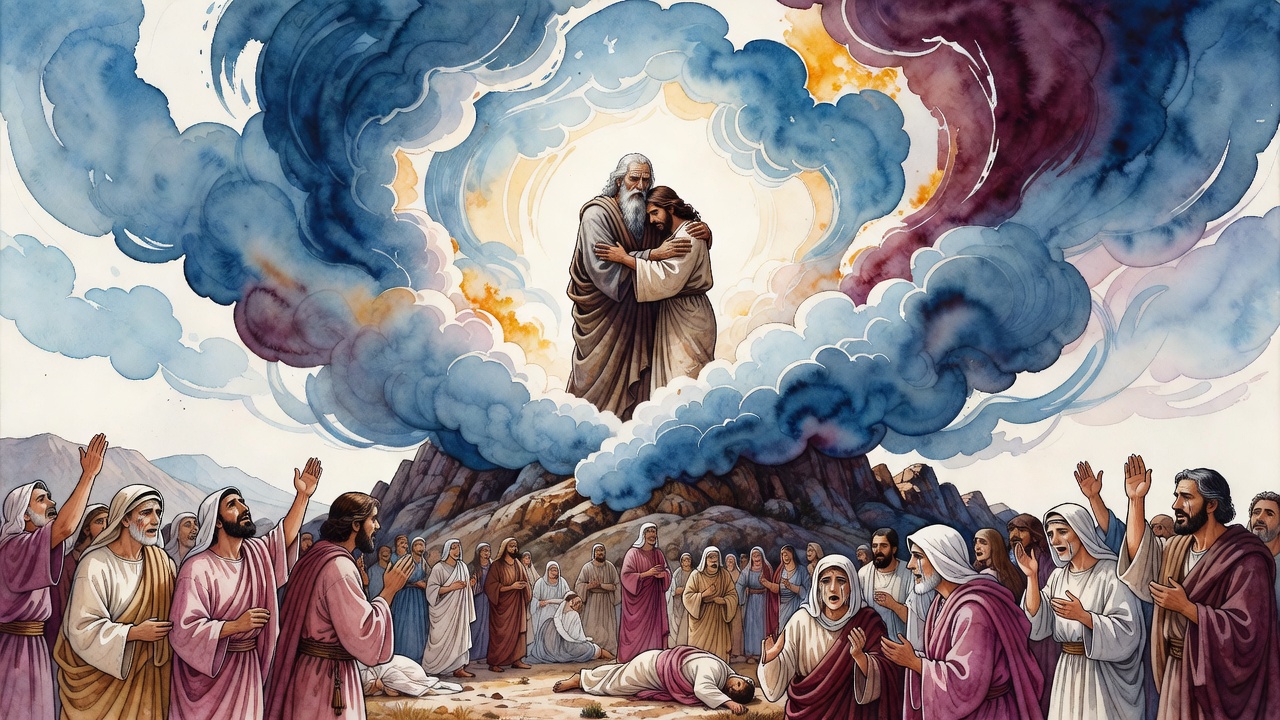
Before Moses died, God showed him the future of every tribe of Israel, a panoramic vision of the land and its leaders stretching across generations. The Mekhilta asks: how do we kn...
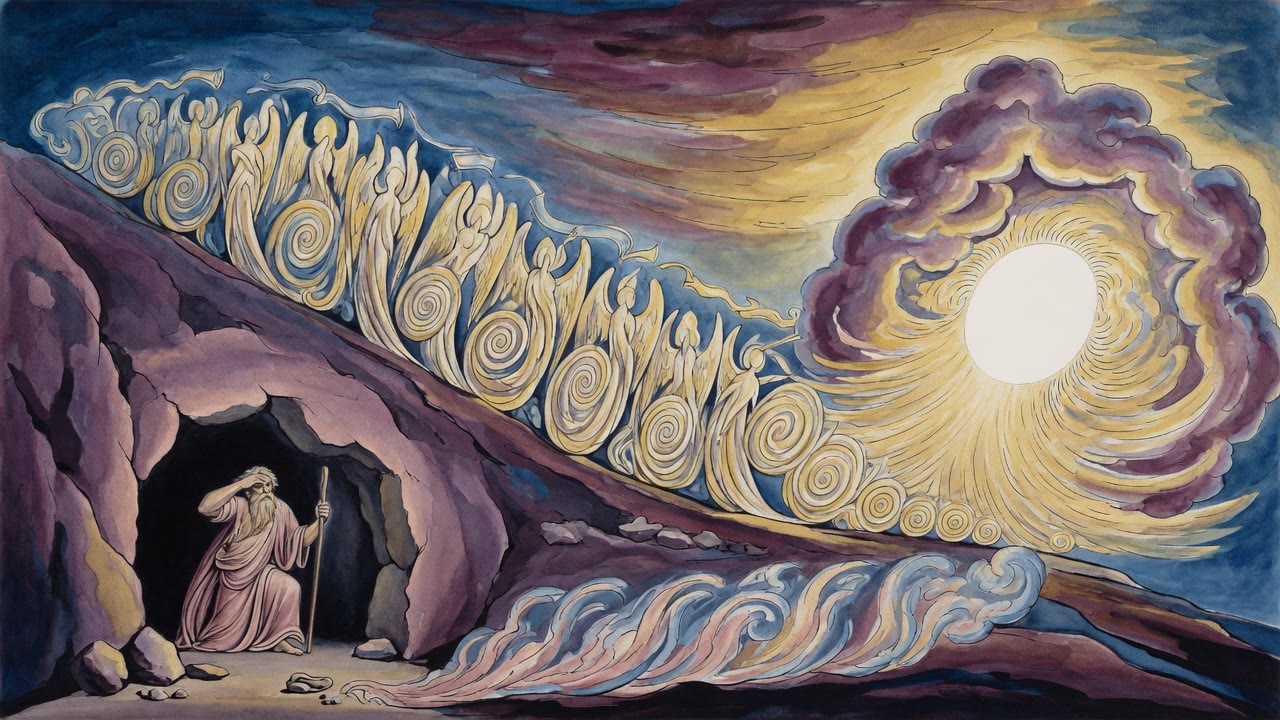
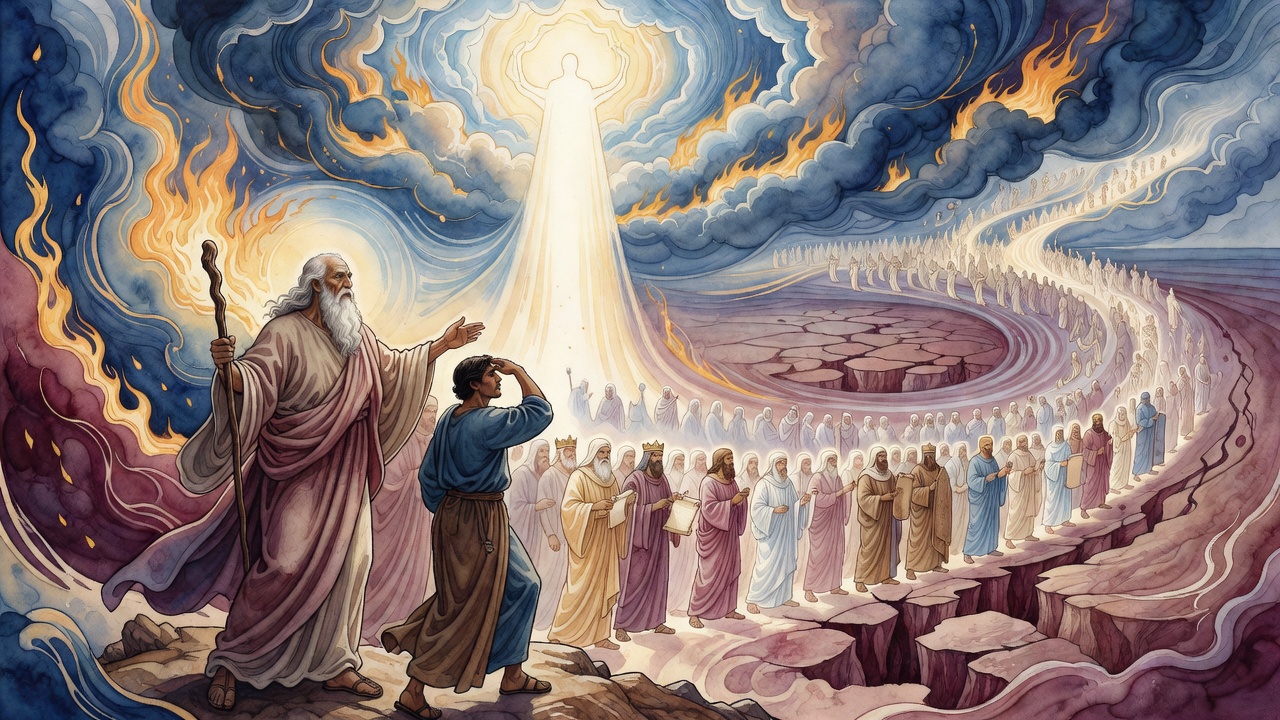
Before Moses died, God took him to the summit of Mount Nebo and showed him the entirety of the Promised Land — every region, every valley, every corner of the territory his people ...
Moses stood on the summit of Mount Nebo, and God showed him the entire Land of Israel. The Torah specifies that he saw "the valley of Jericho" (Deuteronomy 34:3). The Mekhilta find...
The Mekhilta deepens the significance of Yithro's confession by pointing out that he was uniquely qualified to make it. "There was no idolatry in the world that Yithro did not come...
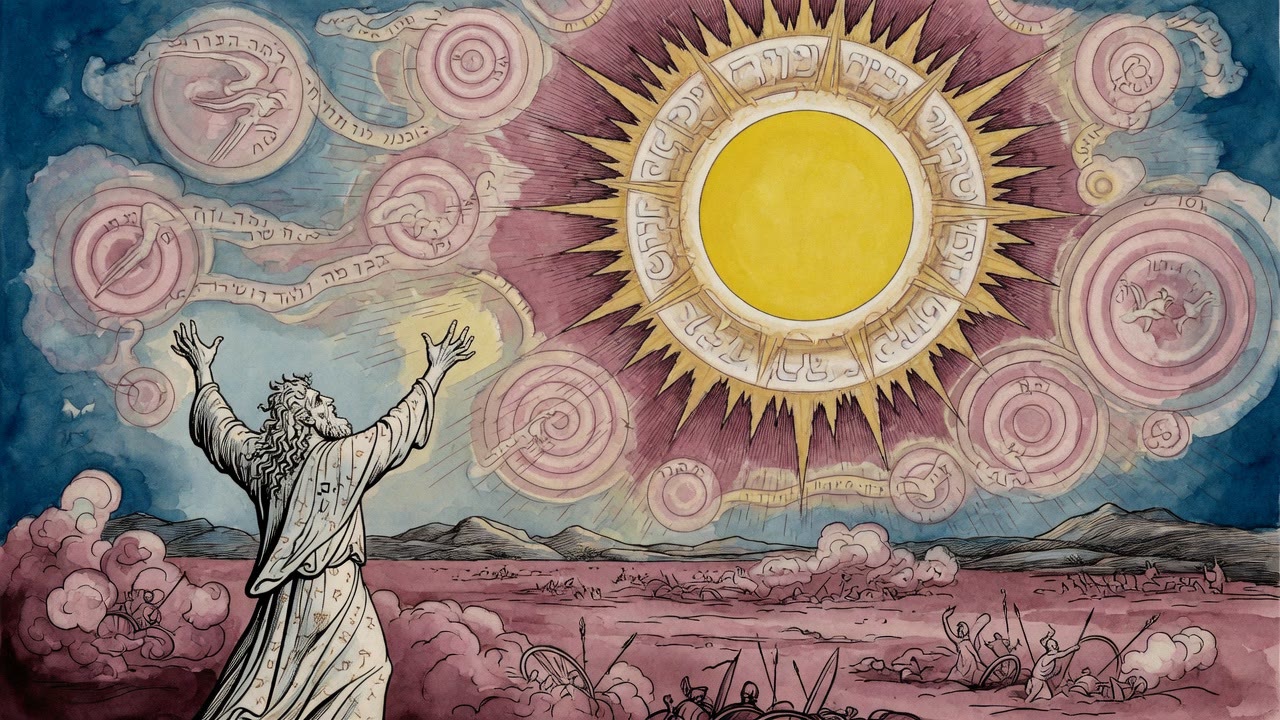
The verse "day by day he utters speech" (Psalm 19:3) isn't just about the sun rising and setting. It's about each day possessing its own individual character, its own set of wonder...
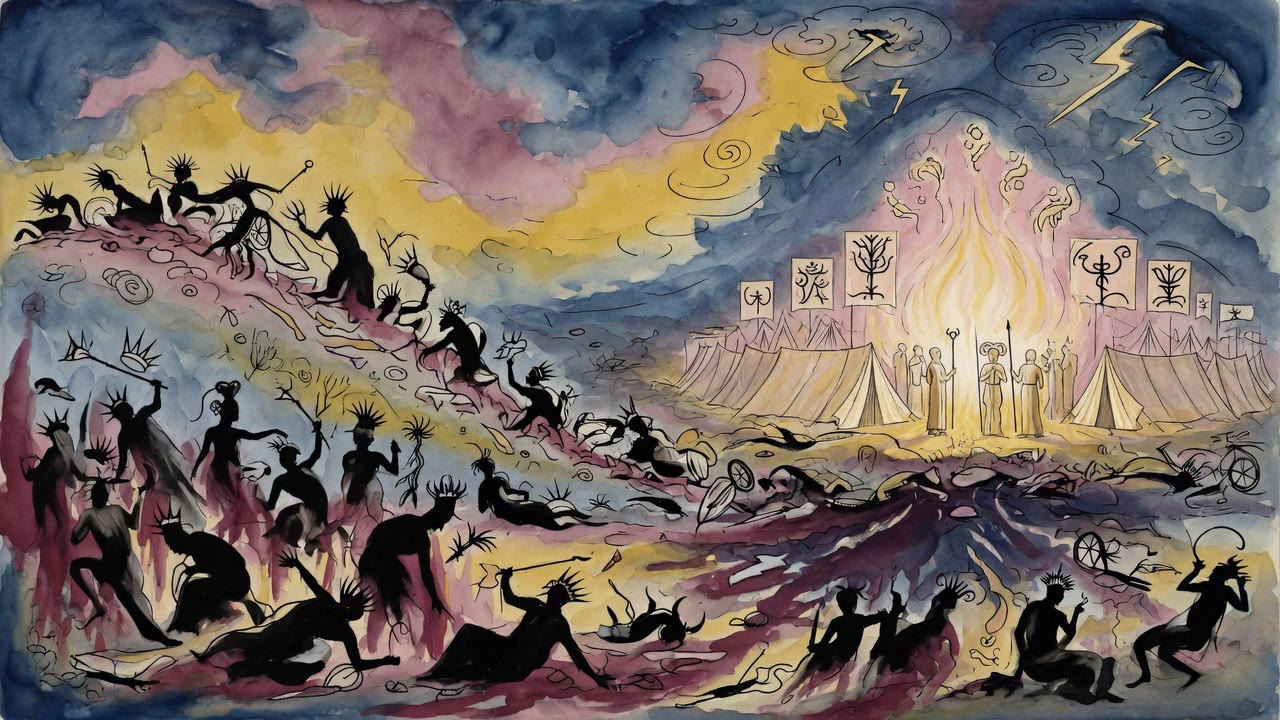
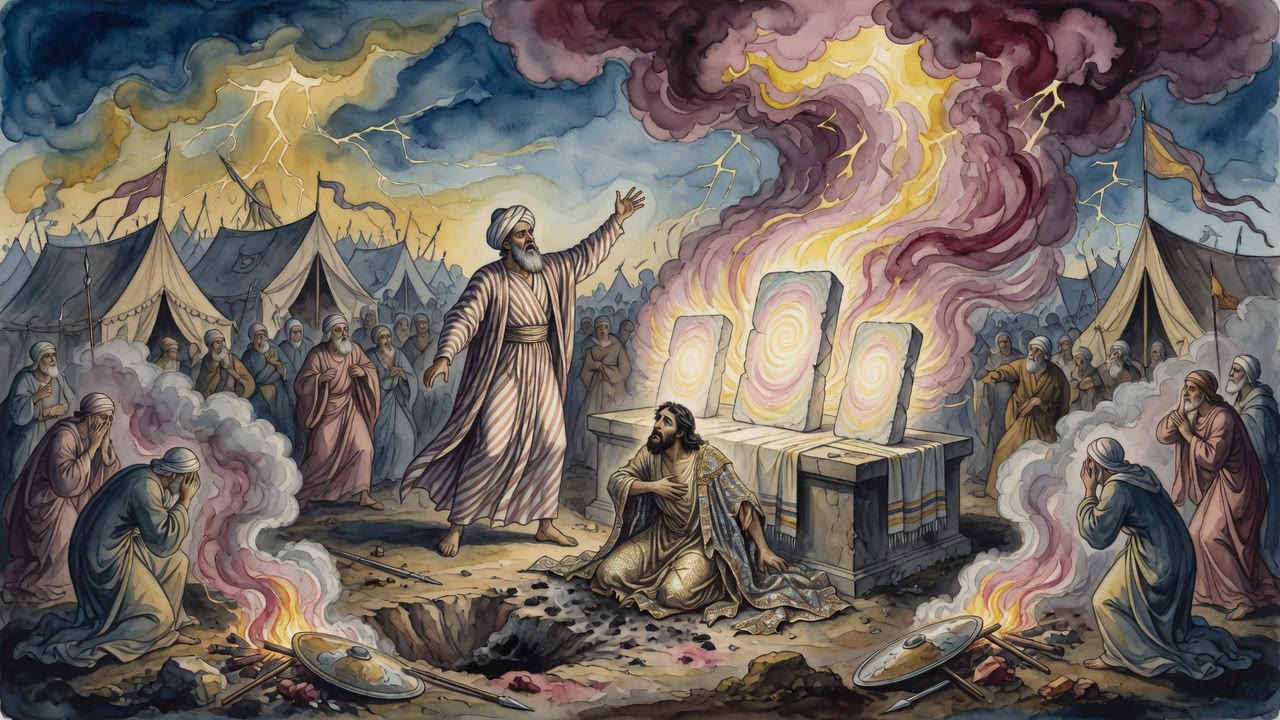
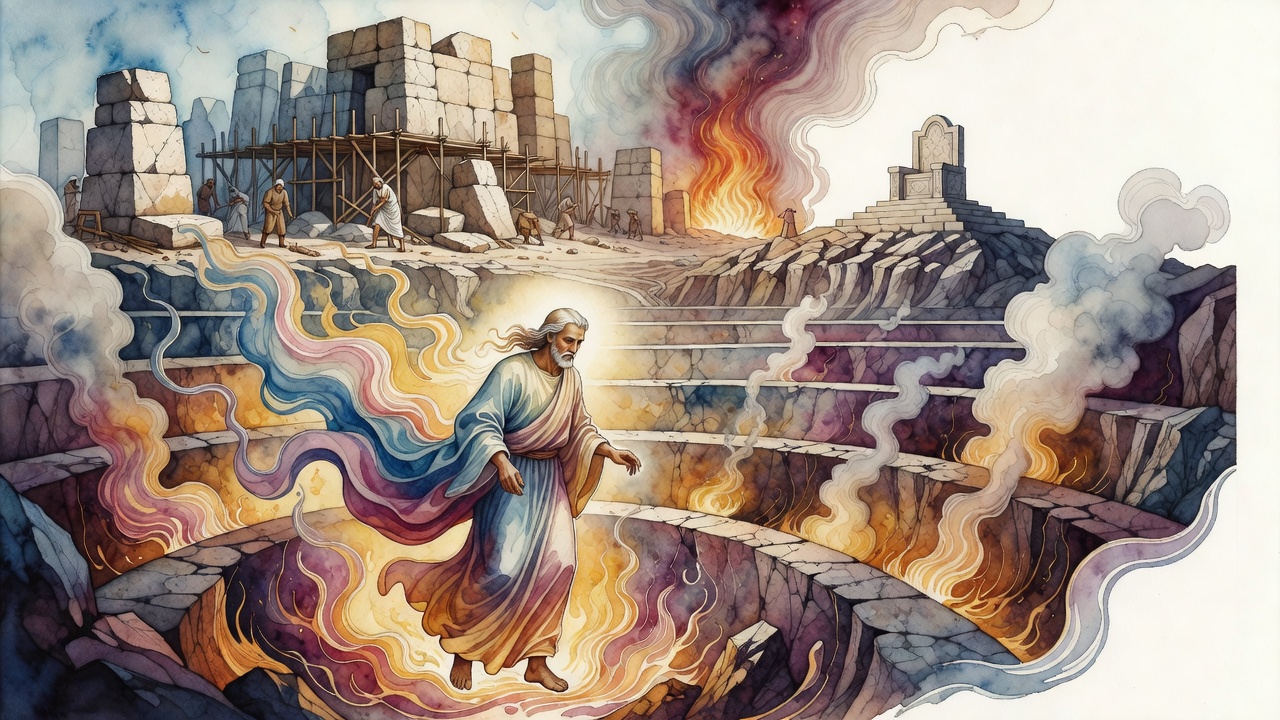
The story of Achan, found in the Book of Joshua, gives us a pretty stark answer. And it's a story echoed and expanded upon in Pirkei DeRabbi Eliezer, a fascinating early medieval t...
The Torah provides a fascinating and compassionate solution: cities of refuge, places where an unintentional manslayer could flee and find sanctuary. But how did these cities work,...
We often think of it as a simple transfer of power, but in Jewish tradition, it's so much more nuanced than that. It's about legacy, about diminishing brilliance, and about the uni...
It paints a picture of the Israelites poised on the edge of the Promised Land, a moment brimming with both anticipation and uncertainty. In Devarim 1:7, we hear the call: "Turn and...
That’s the vibe I get from a beautiful passage in Sifrei Devarim (a rabbinic commentary on the book of Deuteronomy). It’s all about understanding the gift of the Land of Israel. Th...
The Sifrei Devarim, a collection of early rabbinic legal interpretations on the book of Deuteronomy, gives us a fascinating glimpse into just such a moment. Imagine this: a wedding...
That’s kind of what's going on in this tiny, but fascinating, passage from Sifrei Devarim. We're diving into Deuteronomy, specifically (Deuteronomy 11:30). A seemingly simple quest...
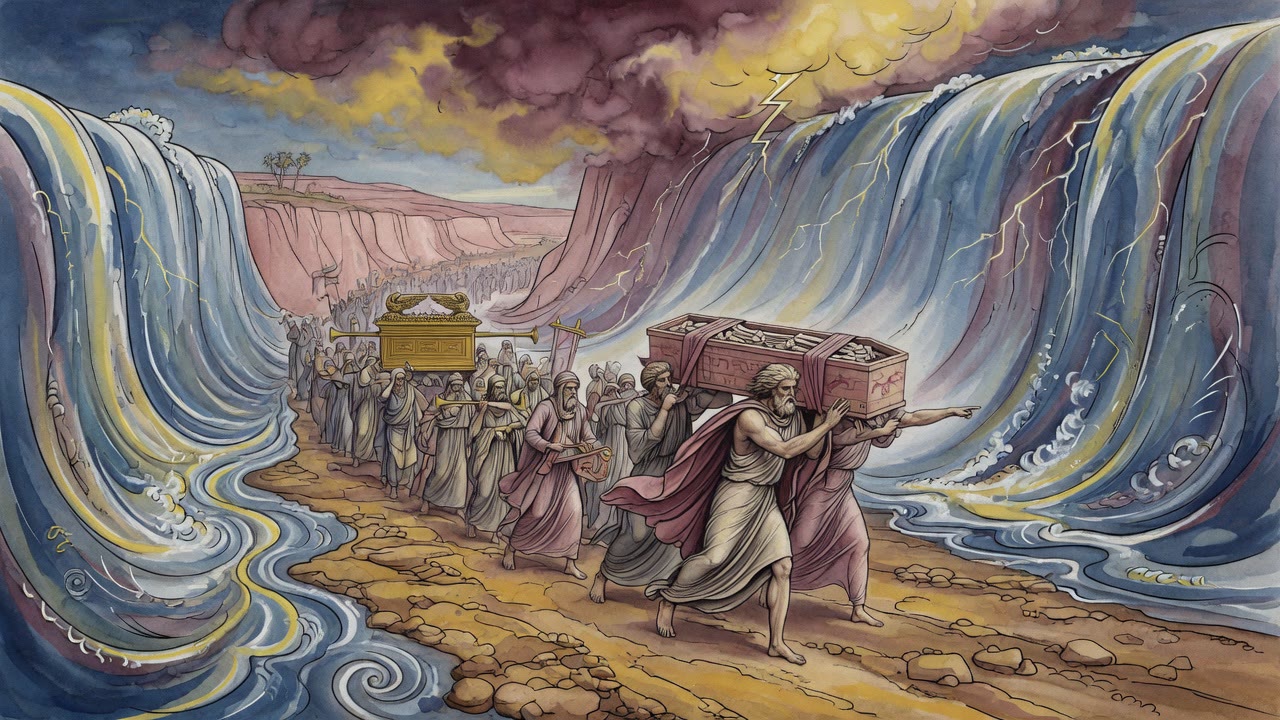
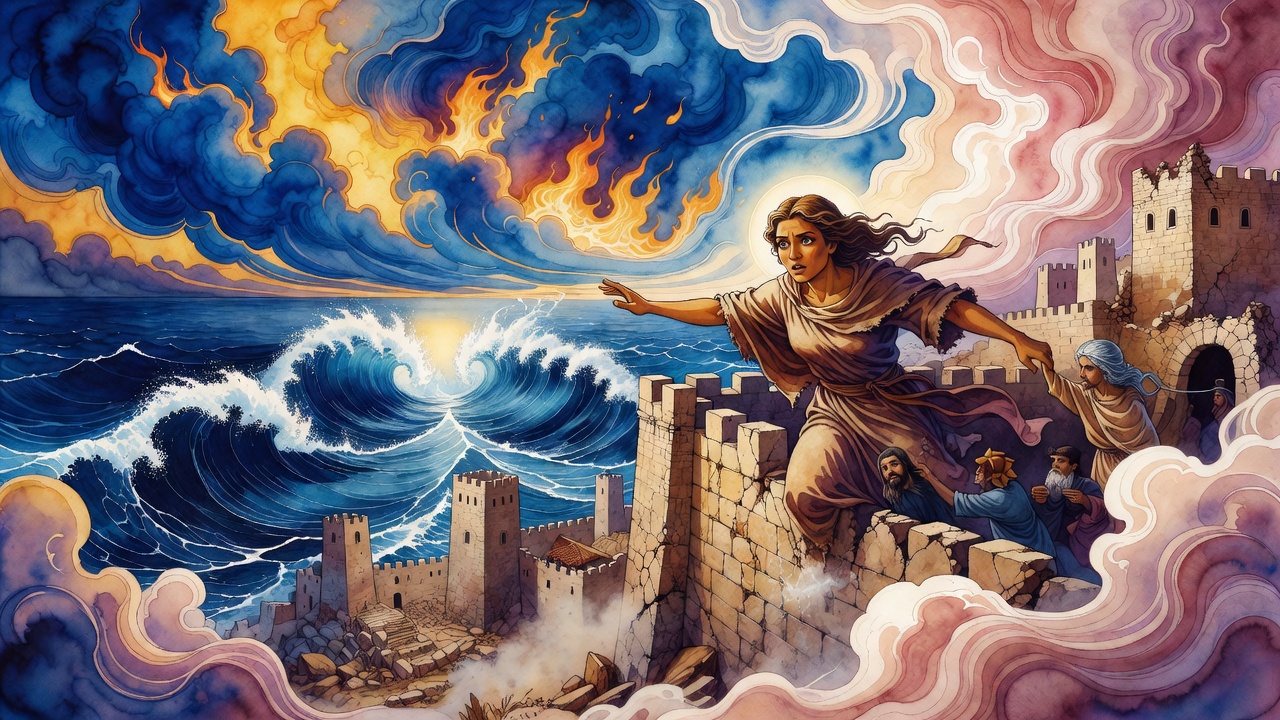
I’m talking about Jericho, the ancient city whose story is far more than just walls tumbling down. It’s about oaths, consequences, and a chilling fulfillment of prophecy. We all kn...
Ever stumble upon something that just feels... wrong? Like a violation of an unspoken rule? Well, Jewish tradition grapples with that feeling in some fascinating ways, especially w...
Jewish tradition certainly does, and it tackles this head-on when discussing the complex and often painful issue of mamzerut, or bastardy. It’s a heavy topic, loaded with legal and...
It’s not just brute strength, or flashy charisma, but something more… nuanced. Let’s turn to the ancient text of Sifrei Devarim to unpack this a bit. It speaks of Joshua, Moses' su...
“They still bear fruit in old age” (Ps. 92:15). Rabbi Yehoshua ben Korḥa said: [The verse refers to] one who produces foolish behavior (nivim). There was an incident involving a ma...
Our Rabbis have taught: "The night has four watches," so says Rabbi. R. Nathan says "Three." What is R. Nathan's reason? It is written (Judges 6:19) "And Gidon, and the hundred men...
The daughter of the Emperor said to Rabbi Joshua: “Your God is a builder, so let Him build a tent here." She became leprous and had to be placed in a tent as they do in Rome. She a...
The Emperor asked Rabbi Joshua whether the dead came to life and being dust, how could dust live ? The daughter of the Emperor replied: “There are two makers of things in our place...
In the dark years of Roman persecution, when teaching Torah was a crime punishable by death, two students of Rabbi Joshua went into hiding. They disguised themselves and moved care...
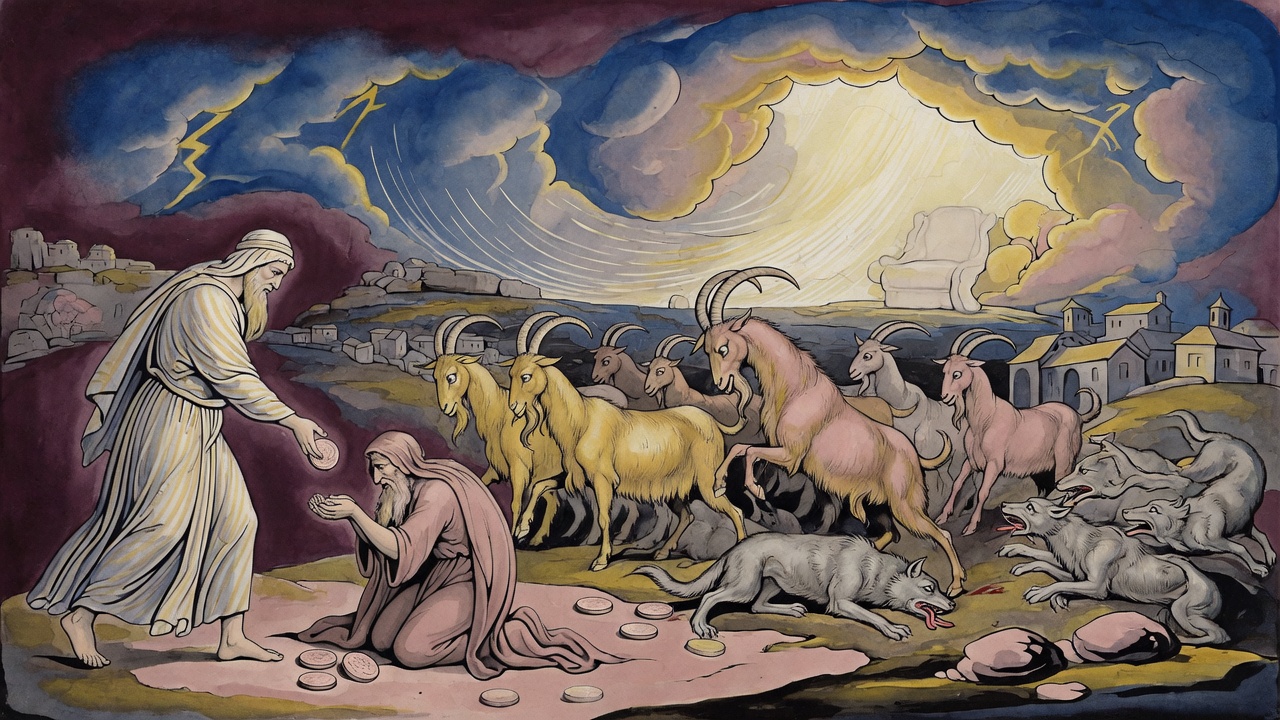
Rabbi Shimon ben Antipatros had a reputation that troubled the sages of Israel. Travelers who stayed at his house reported something alarming: their host beat his guests. Not robbe...
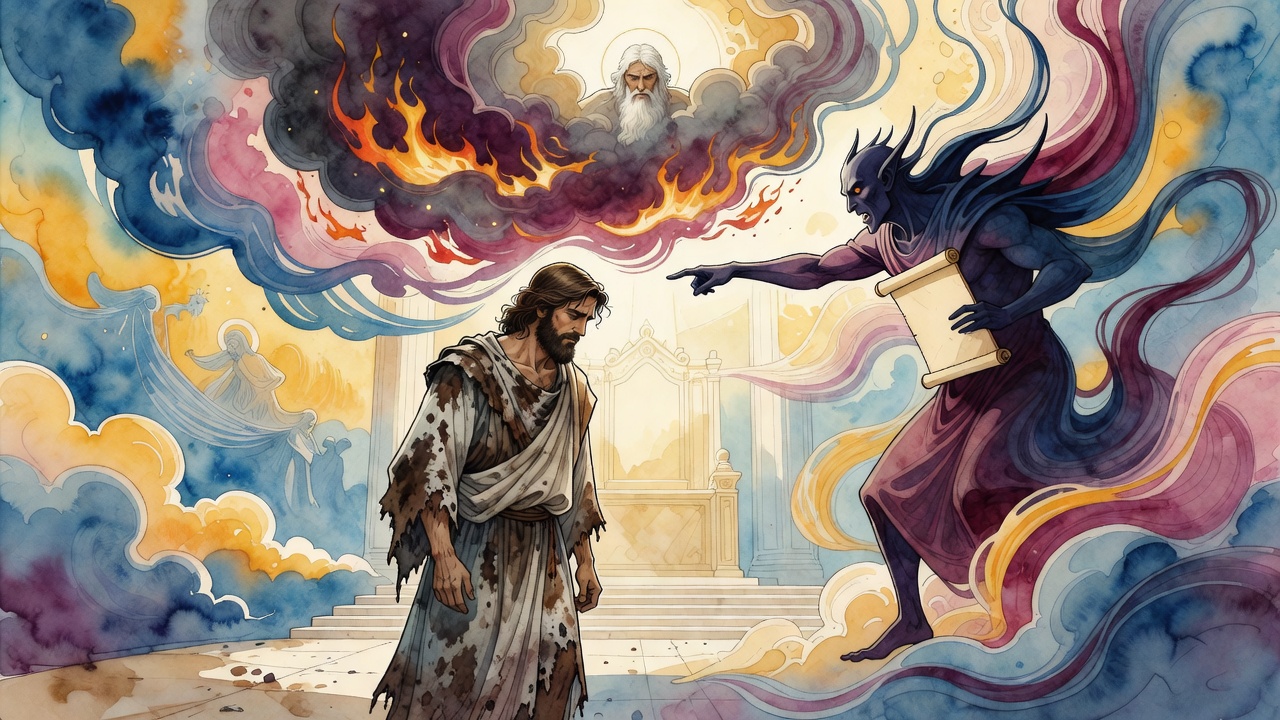
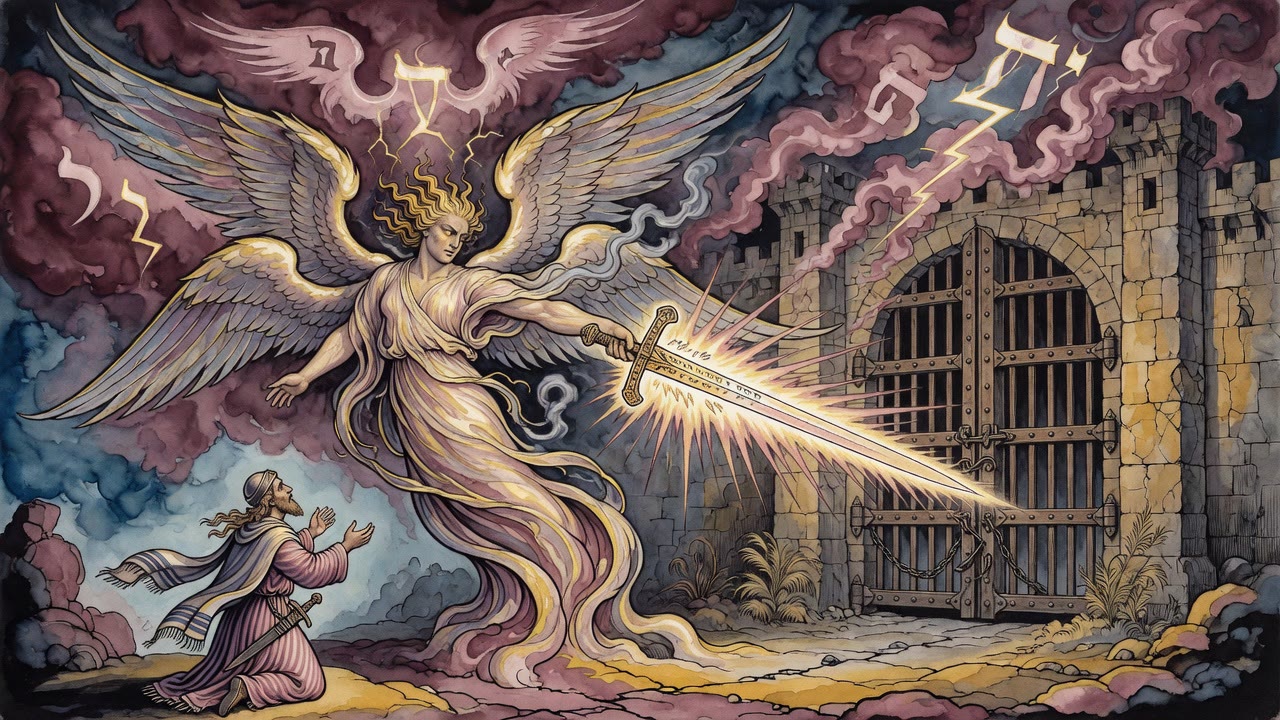
R. Joshua b. Levi met the angel of death, who brought him to the wall of the Garden of Eden. R. Joshua took the angel’s sword and jumped into the garden. He returned the sword at t...
Rabban Gamliel, the head of the Sanhedrin (the supreme rabbinic court), once served food to Rabbi Yehoshua with his own hands. He stood and poured wine for his guest as though he w...
The students of Rabbi Joshua were traveling between cities when night overtook them. They found lodging at an inn run by a man whose appearance was deeply off-putting — ugly, unkem...
Rabbi Akiba was imprisoned by the Romans. Each day, Rabbi Joshua ha-Garsi brought him a measured ration of water — barely enough to survive. The guards checked every container and ...
Rabbi Joshua was walking along a road when he came to a crossroads and encountered a young girl. "Which road leads to the city?" he asked. The girl pointed to one of the paths. "Th...
The philosophers of Alexandria were famous throughout the ancient world for their cleverness, their logical traps, and their determination to humiliate any thinker who could not ma...
Joshua v. Levi & Prophet Elijah. Pesikta, f. 36 a. Nissim, f. 4 b. Maase Hashem, f. 41a to 43 a. Eliah Cohen, Meil Se- daka §439. Heilperin, Seder Hado- rot, s. v. Joshua b. Levi. ...
The Torah tells us, "Moses called Hoshea son of Nun, Joshua [Yehoshua]" (Numbers 13:16). But here's the question: why did Moses change Hoshea's name to Joshua? What prompted this a...
We’re talking about the primordial stuff, the ingredients God used when He, blessed be He, created everything. It’s a question that’s captivated mystics and philosophers for millen...
The Book of Bereshit Rabbah, a collection of rabbinic interpretations of Genesis, grapples with just that question in section 28. It all stems from God’s statement, "I will obliter...
The passage opens with the phrase, "At that time." But what time are we talking about? The Rabbis tell us it's the moment Joshua is appointed as Moses' successor. As (Deuteronomy 3...
Turns out, there was a surprising amount of "calling for peace" involved. (Deuteronomy 20:10) tells us, "When you approach a city to wage war against it, you shall call to it for p...
Kohelet Rabbah, a fascinating collection of rabbinic interpretations on the Book of Ecclesiastes, delves into the verse "All streams flow into the sea, yet the sea is never full; t...
Sometimes, the most unexpected things can lead us to hidden riches. Take leprosy, for example. Yes, leprosy. Now, I know what you're thinking. Leprosy? Good tidings? Seems impossib...
And this is the thing that thou shalt do unto them (Exod. 29:1). Scripture says elsewhere in reference to this verse: The wise shall inherit honor (Prov. 3:35). Fitting, indeed, is...
(Lev. 15:25:) “And when a woman has had a discharge of blood for many days.” But are there not seven days in a menstrual period? So why did it call them “many days?” Simply because...
(Lev. 17:1, 3:) “Then the Lord spoke unto Moses, ‘Speak to Aaron saying, “…. If any single person from the House of Israel slaughters.”’” The holy spirit proclaims (in Mal. 1:11), ...
"But with a lot, etc." (Numbers 26:55). This is [the meaning of] that which is stated (Proverbs 18:18), "The lot puts an end to strife." Since a sign was written for each and every...