Caleb Went to Hebron While the Spies Built Their Case
The ten had already chosen their report. Caleb left camp at night and stood at the graves in Hebron, asking bones to keep him from their counsel.
Table of Contents
 Click for full size
The Ten Had Already Decided
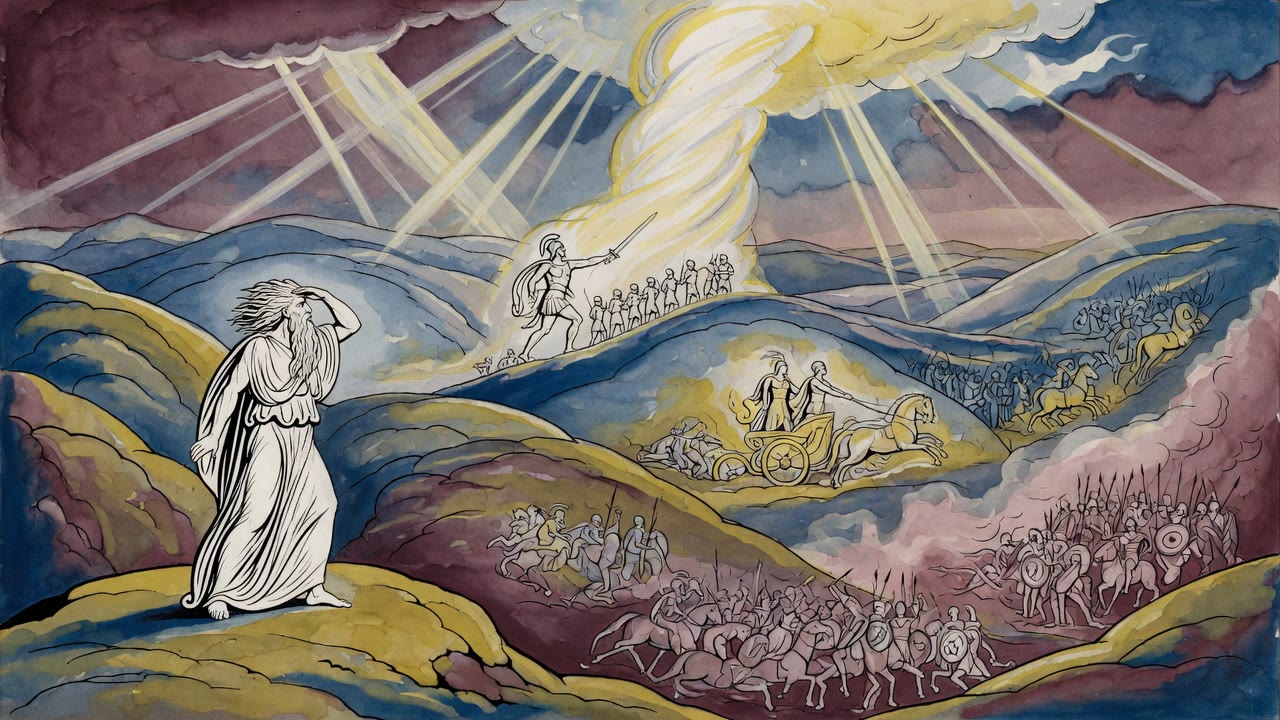
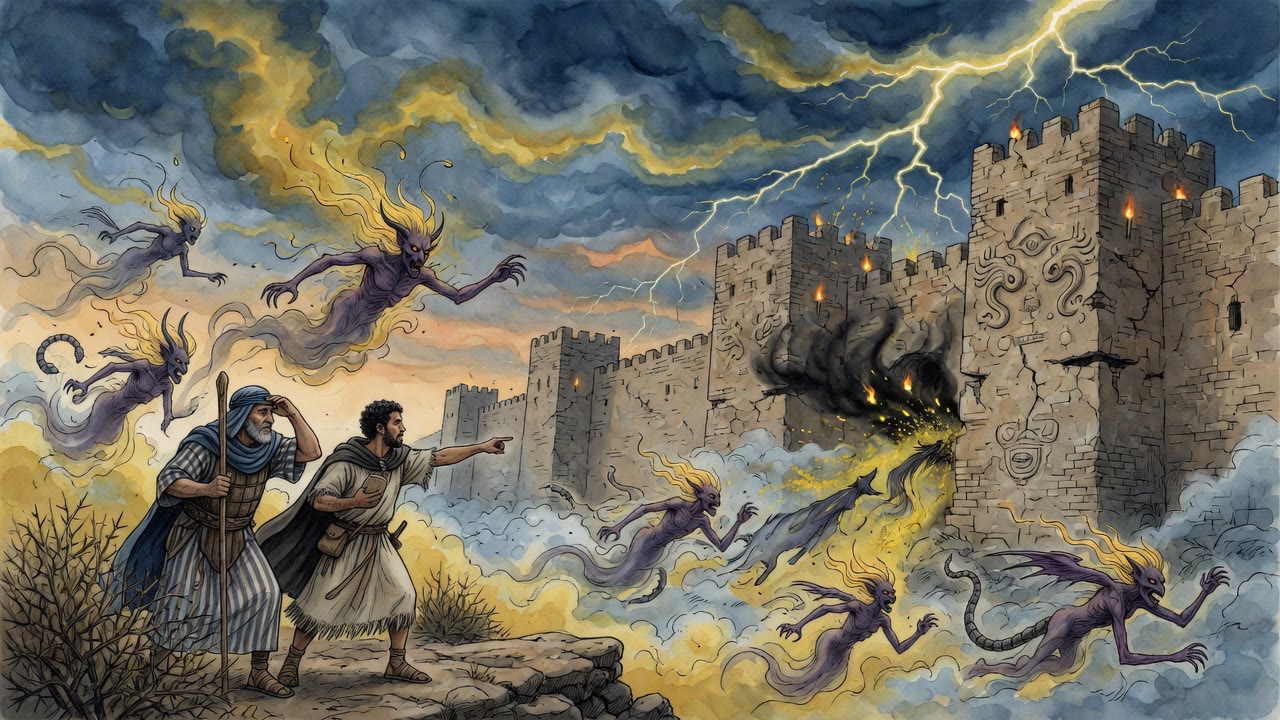
Caleb stood among the ten after the second night and heard the report harden before anyone had measured a wall. The cities were large. The people were strong. The sons of Anak made a grown man feel small. Those were facts. They kept repeating the facts until the facts had a job: to make going up sound like a grave.
Ten of the twelve had resolved from the start to warn Israel against the land. Their voices carried in the dark. Caleb's own mouth started to shape their sentences. He was not Joshua. If he stayed in that circle of talk, he would yield.
He had two roads. Argue, and they would close ranks faster. Leave, and find a help they could not talk away.
The Road to Hebron
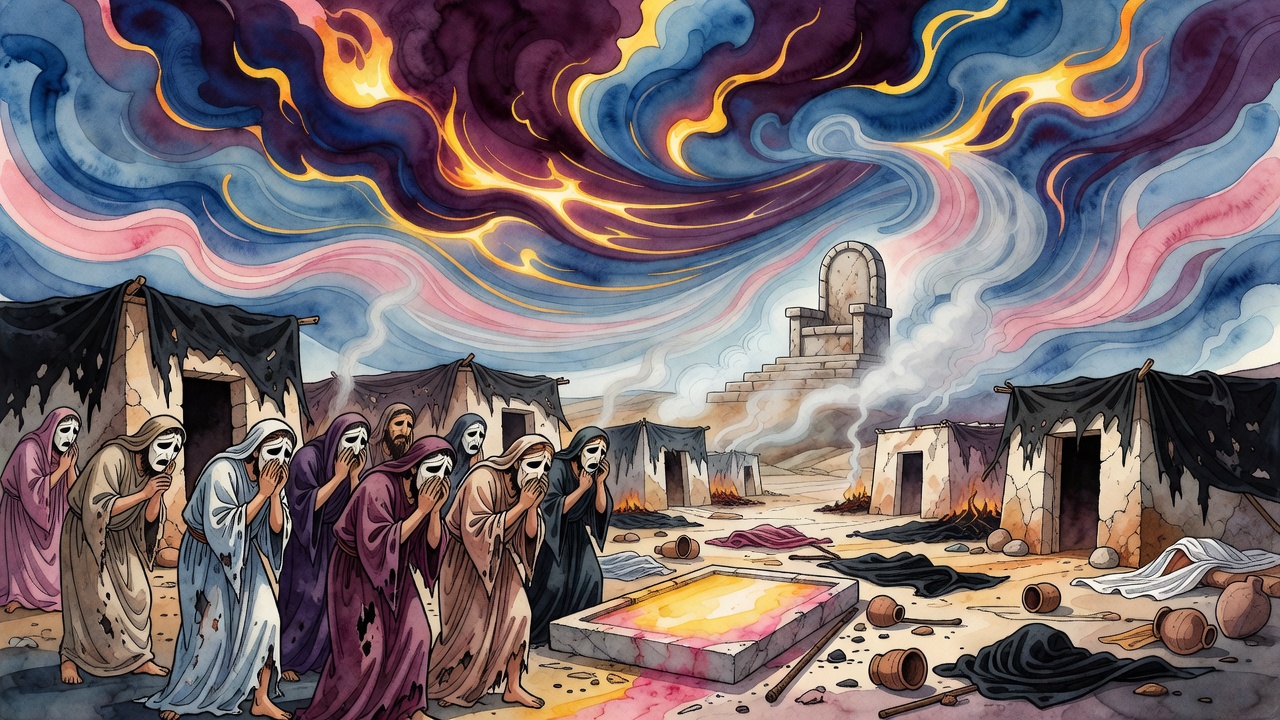
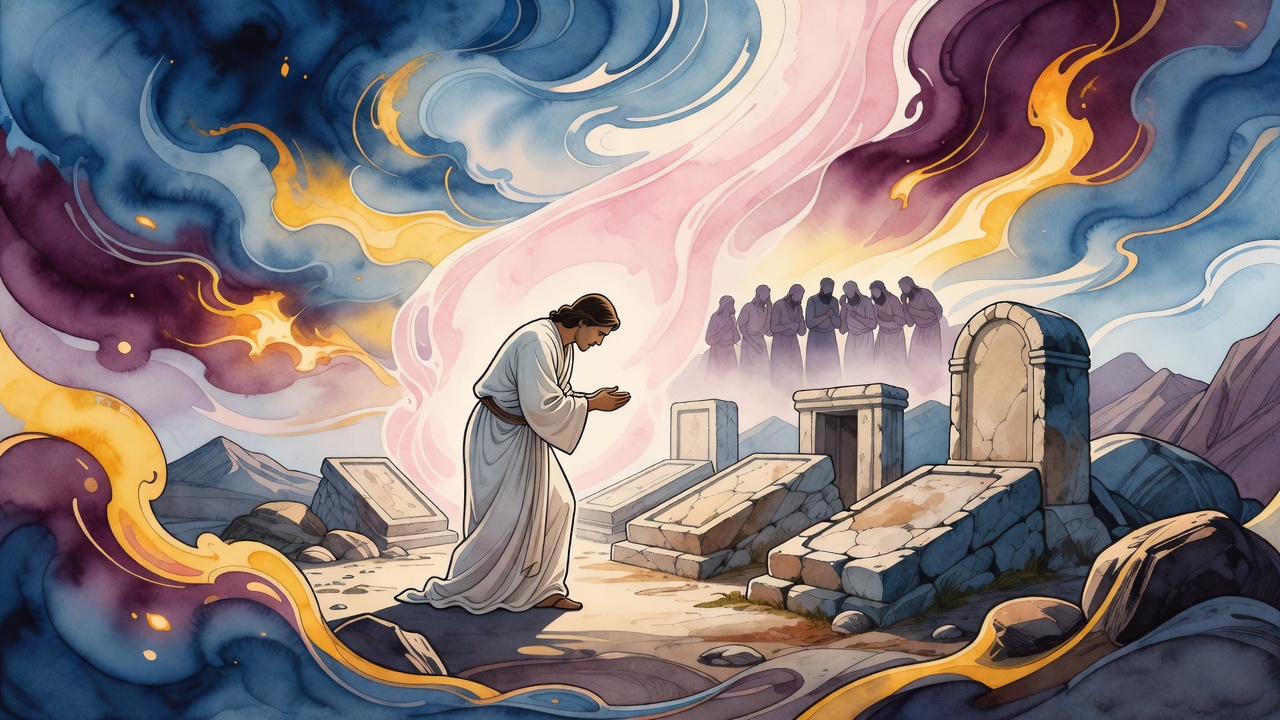
He went. Not to count towers. He went to Hebron, to the cave of Machpelah (מערת המכפלה), the Cave of the Double, where Abraham, Isaac, and Jacob lay in the first piece of land Abraham had bought with silver. Dust on the stones. Dry grass on the wind. He stood at the graves and spoke out loud, because a whisper felt like folding.
"Joshua is proof against them," he said. "Moses prayed for him. Send up prayers now, my fathers, for me. Ask God in His mercy to keep me far from the counsel of the spies."
No answer came from the cave. He did not wait for a vision. He needed the place where the promise still sat in the ground, the acre that had been theirs before any scout paced a wall. The ten were building a case against the land out of fear. He built his stand on bones.
The Letter on Joshua's Name
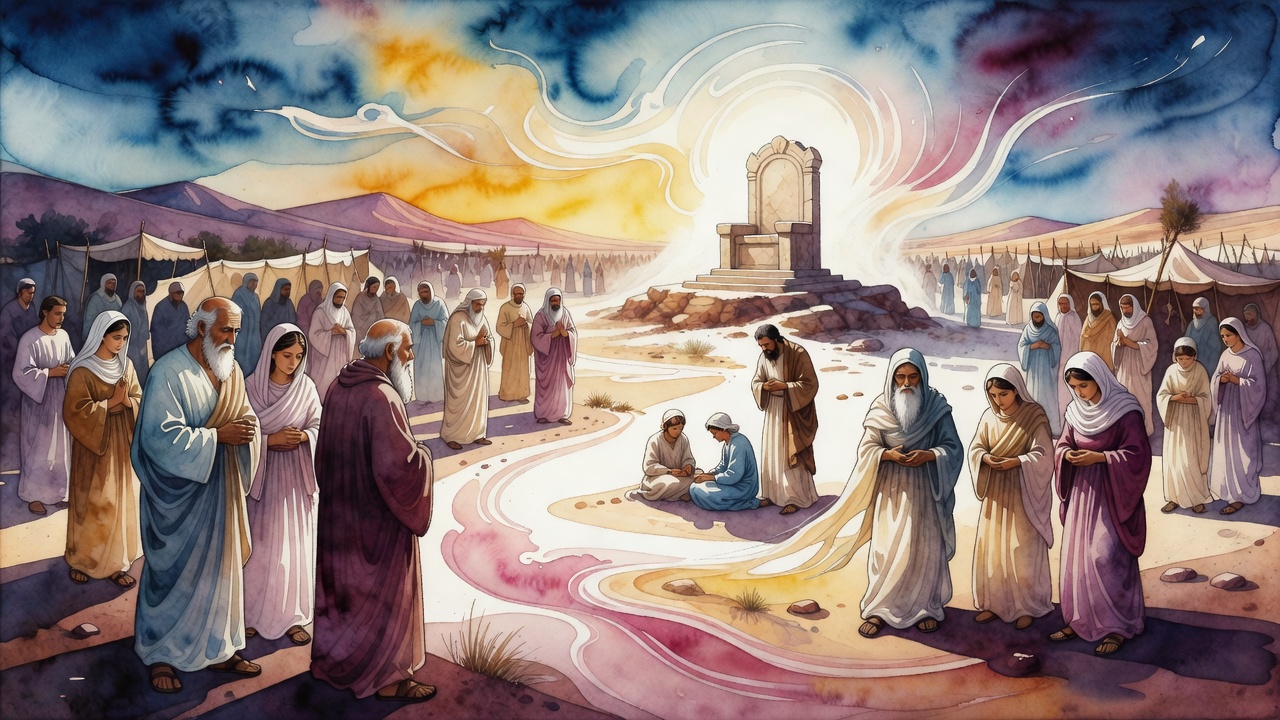
Before the twelve left camp, Moses had taken Hoshea son of Nun and added a letter from the Name. Yehoshua. May God save you from the counsel of the spies. The blessing lived in the altered name. Joshua walked into Canaan already armored.
Caleb's name was the same as it had been in Egypt. No one had folded a prayer into the letters. He had to go get the prayer himself, from men who could no longer speak, at the graves that still held the oath. Joshua had the letter. Caleb had the detour.
He turned back toward the ten with Hebron still in his throat. The living could not help him. The dead had been asked. That would have to be enough when the vote came.
A Man They Trusted to Lie
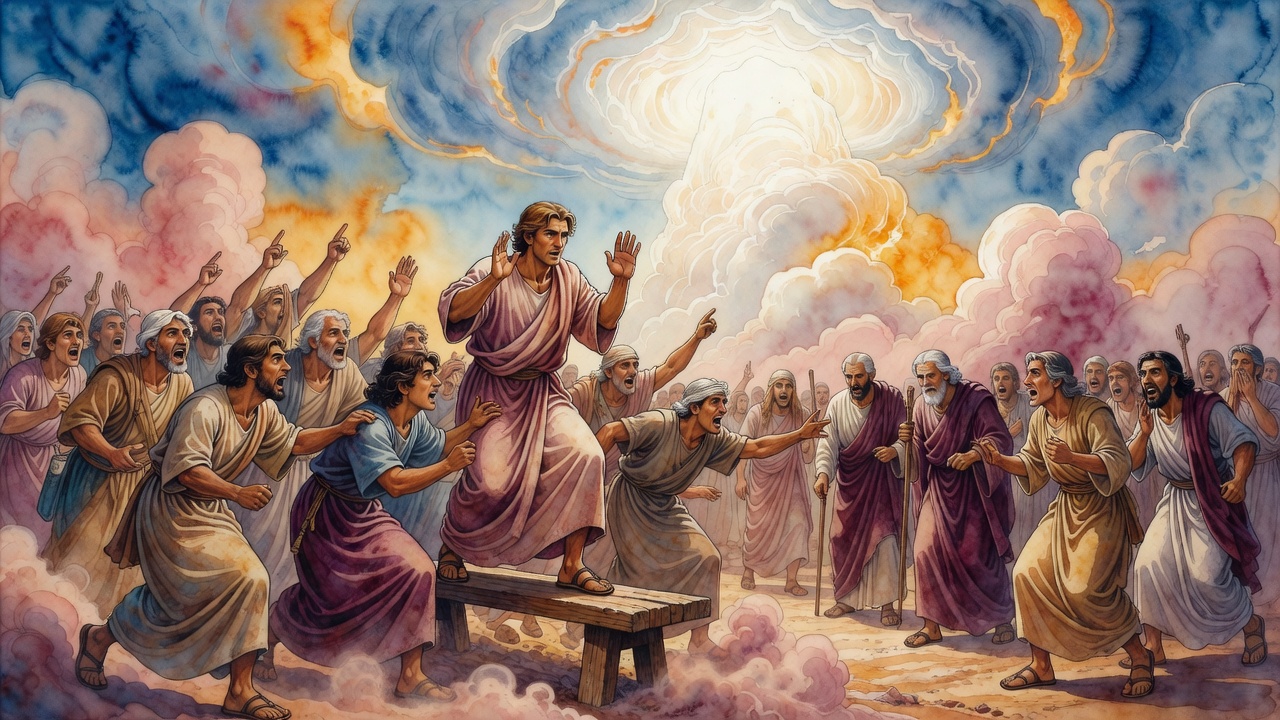
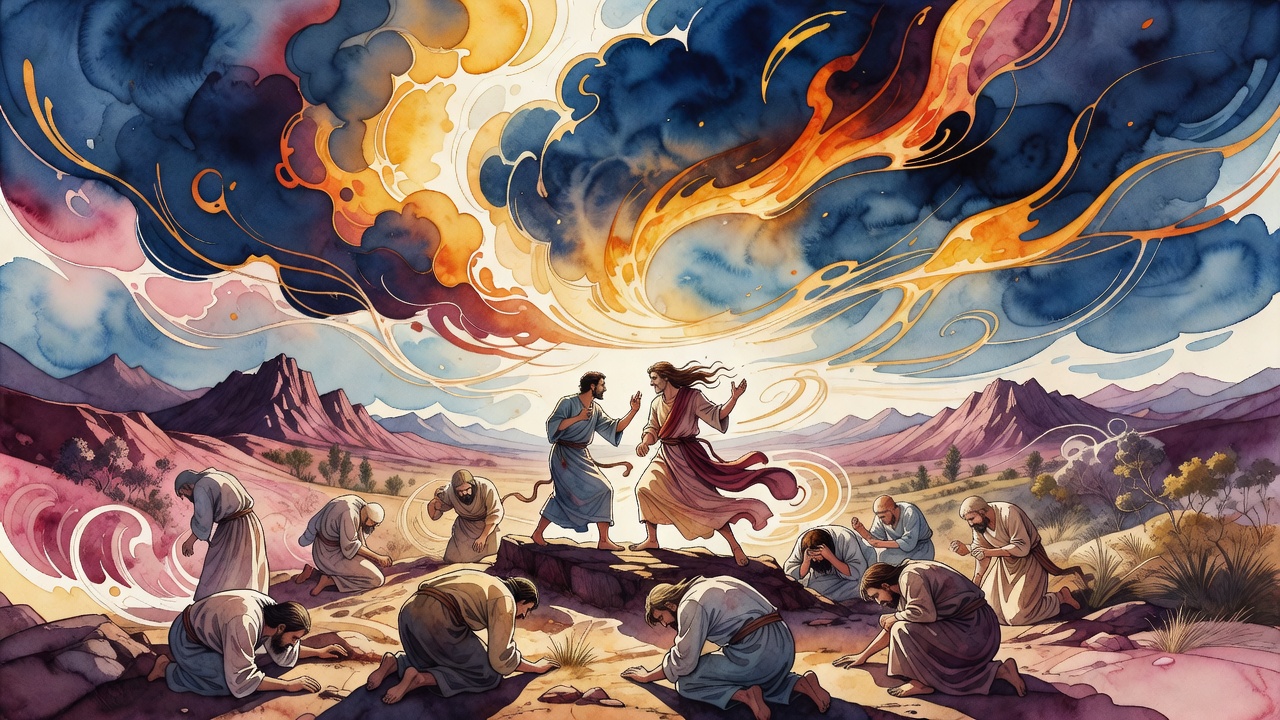
He let them think he was theirs. "I am with you in counsel," he said, and in his heart he meant the opposite. They believed him. When the twelve returned and the camp began to shout at Moses, the ten put Caleb forward. He is trustworthy, they said. He climbed onto a bench. The crowd went quiet because they thought he would join the slander.
"We will go up," he said. "We will inherit it. We can prevail over it."
The silence broke the other way. They turned on him at once. "We will not be able to go up against that people." The ten had their report. The crowd had its fear. Caleb had the graves, and a spirit the ten did not share.
Another Spirit
God named it later, when that generation was already sentenced to die on the sand. "But My servant Caleb, because another spirit was with him" (Numbers 14:24). The other spirit had a geography. It had been fetched from Hebron. It had been asked for at bones. It had been carried back through nights of talk that wanted him to fold.
The ten dissolved the heart of the people. He returned the word as it was in his heart (Joshua 14:7-8). The vote went against him in the camp. The grave had already done its work. When the land was divided, Hebron would be his, the city he had entered not as a scout of walls but as a son asking the dead to hold him upright.
Joshua kept the letter. Caleb kept the cave. The spies built their case and lost the land for a generation. One man who had left them in the night still stood on the bench and would not climb down.
← All myths