Joshua Forgot 300 Laws the Moment Moses Died
Moses named Joshua his successor. Joshua declared he had no questions. Within moments he had forgotten hundreds of laws and nearly been killed for it.
Table of Contents
 Click for full size
The Servant Who Set Up the Benches
Every morning before the scholars arrived, Joshua set up the benches. Every evening after they left, he arranged the seats for the next day. He swept the floor. He was not a student who distinguished himself in debate, not a prodigy who resolved difficult questions with unexpected insight, not the kind of man whose name circulated through the academies as someone to watch. He was the person who made sure the learning could happen, which is a different kind of service entirely.
Moses chose him as his successor. The tradition does not make this choice seem obvious. The choice was rooted in exactly this quality: Joshua had shown up every single day without being asked, had served without ambition, had made himself invisible so that the work could be visible. This was not the profile of a great legislator. It was the profile of a faithful steward, and at the end of Moses's life, that was what Israel needed to cross the Jordan.
Moses Offered Him a Final Question
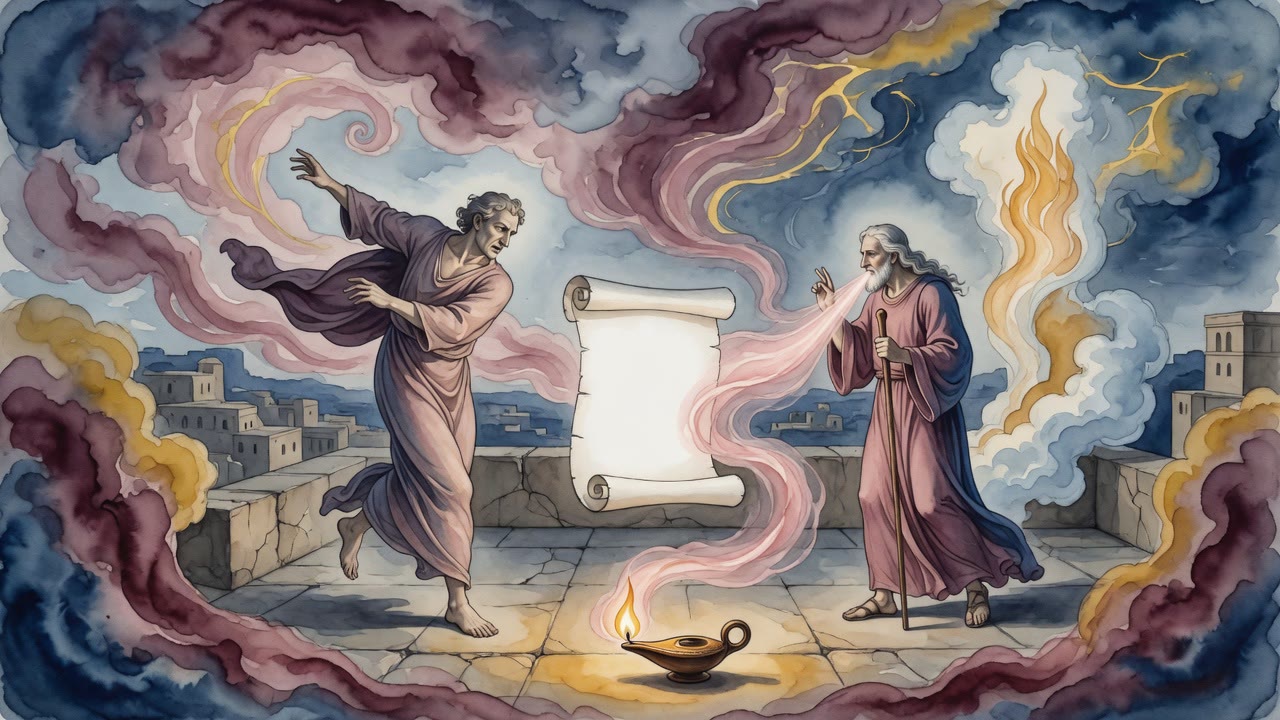
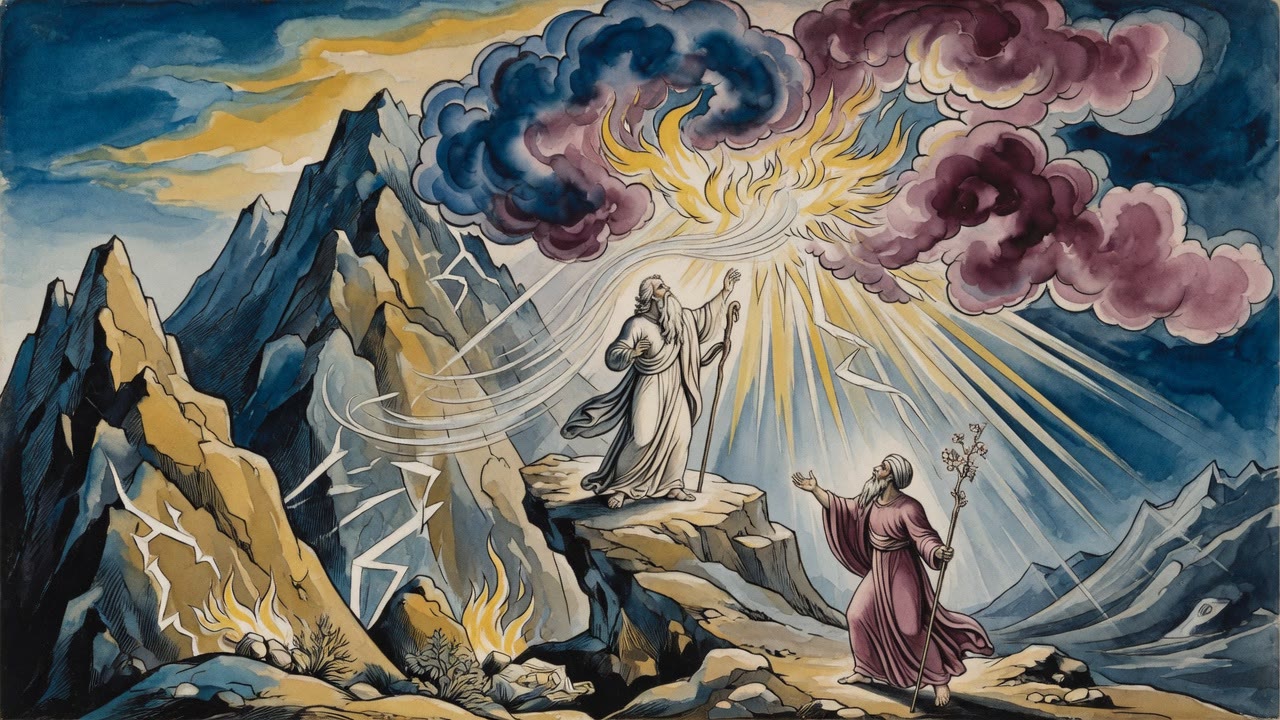
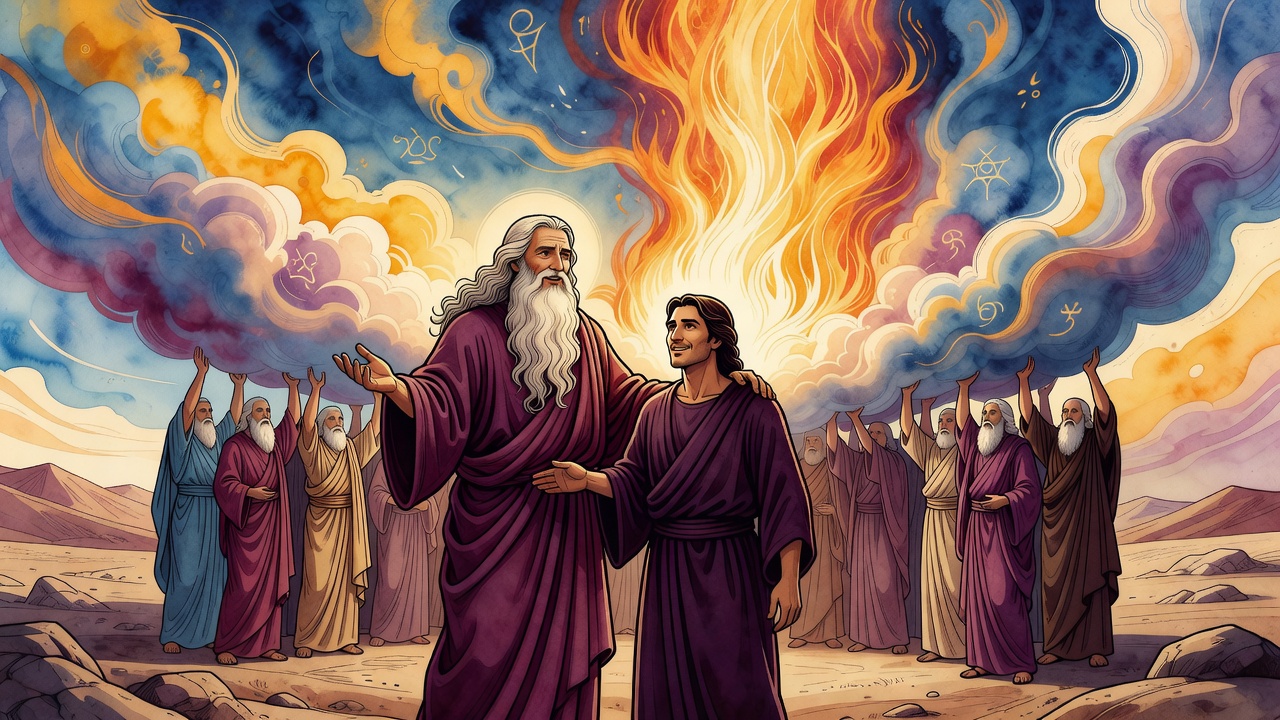
Moses, standing at the edge of his death, gave Joshua one last opportunity. "Ask," he said. "Ask anything you want to know. Whatever you are uncertain about, whatever question you have been carrying, ask it now while I am still here to answer it."
Joshua said he had no questions. He had served Moses morning and evening for decades. He had been present at everything. He had heard every teaching. What question could he possibly have that had not already been answered in his years of attendance?
Moses told him plainly: "this moment will not come again. Ask."
Joshua said again that he had nothing to ask.
What He Forgot in the First Hour
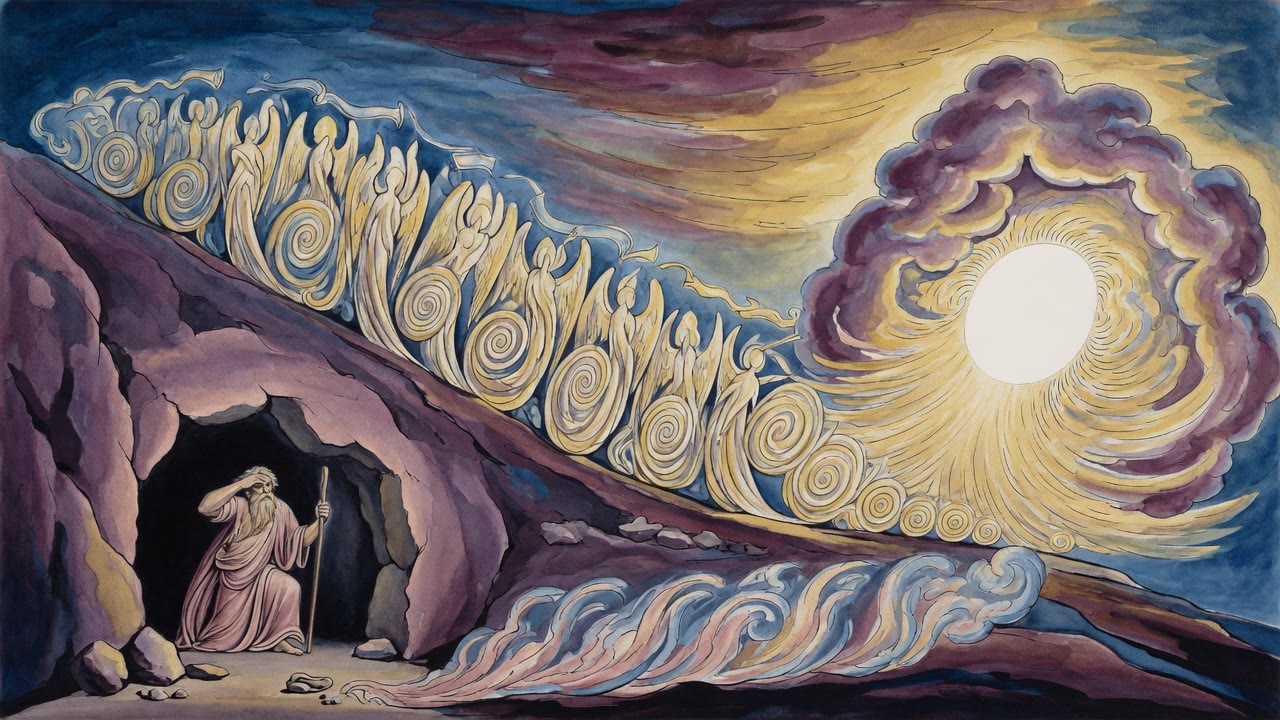
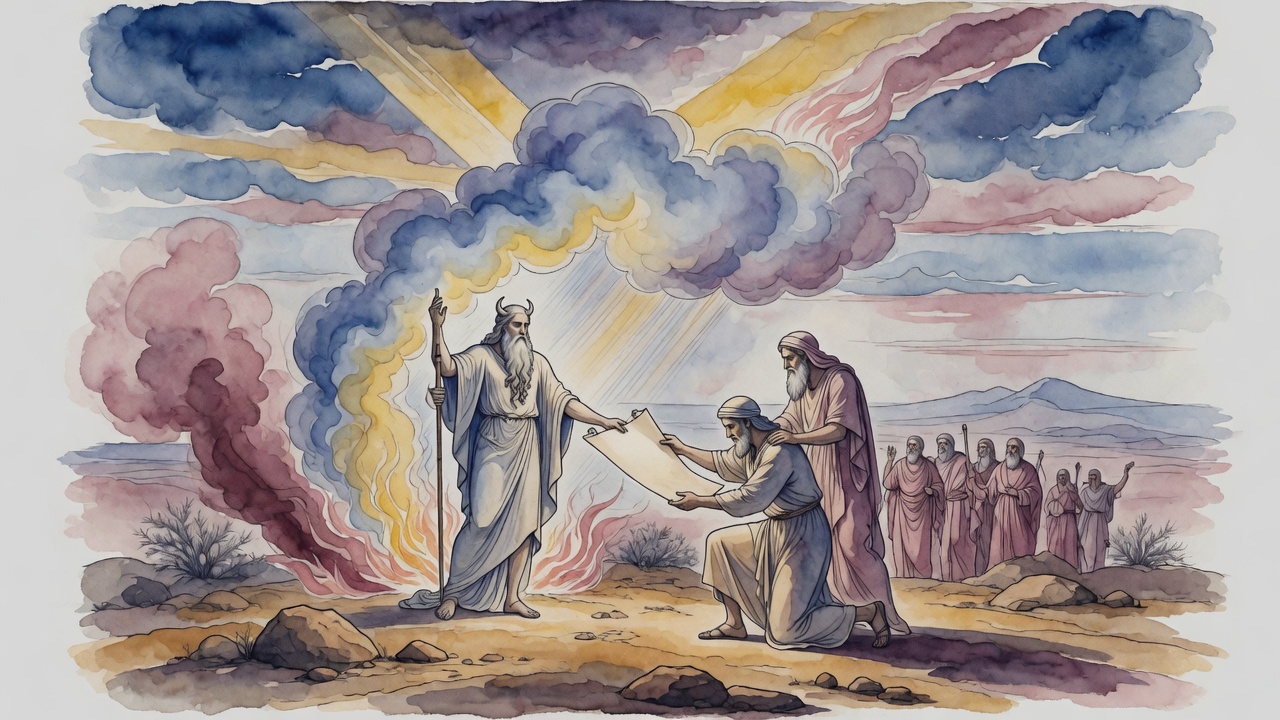
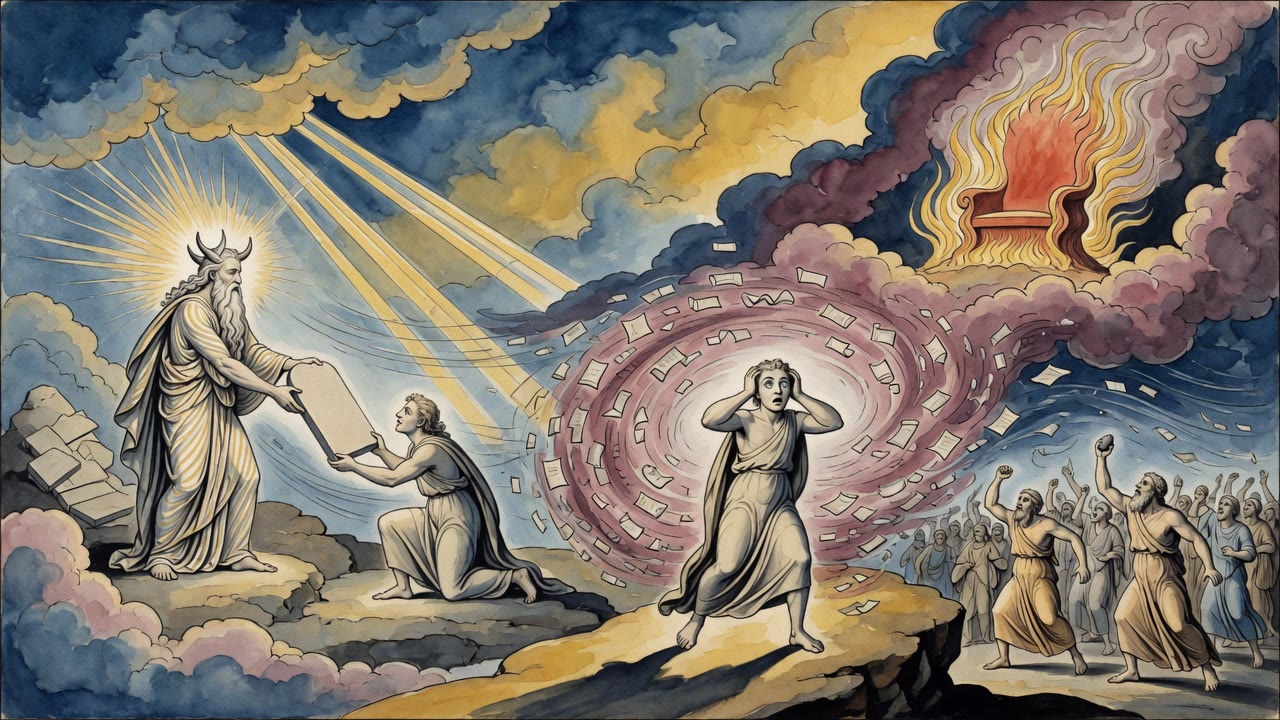
Moses died. In the immediate aftermath, as Israel stood in grief and Joshua tried to pick up the administrative weight of leading a nation that had just lost the only leader it had ever known, something happened. The laws began to disappear from his mind. Not slowly, not one at a time, not gradually over weeks of stress. Three hundred laws evaporated at once. The tradition is precise about the number. Three hundred laws that Moses had taught, that Joshua had heard, that he had been present for, that he had apparently known, gone.
The people came to him with legal questions in the immediate mourning period, the questions that do not stop simply because a great man has died. Joshua had no answers. He told them to ask Eleazar the priest and the elders. The tradition reads this as the cost of the declaration that he had nothing to ask. Moses had seen this coming. The offer had been specific and the refusal had been costly.
The Coalition That Came for Him
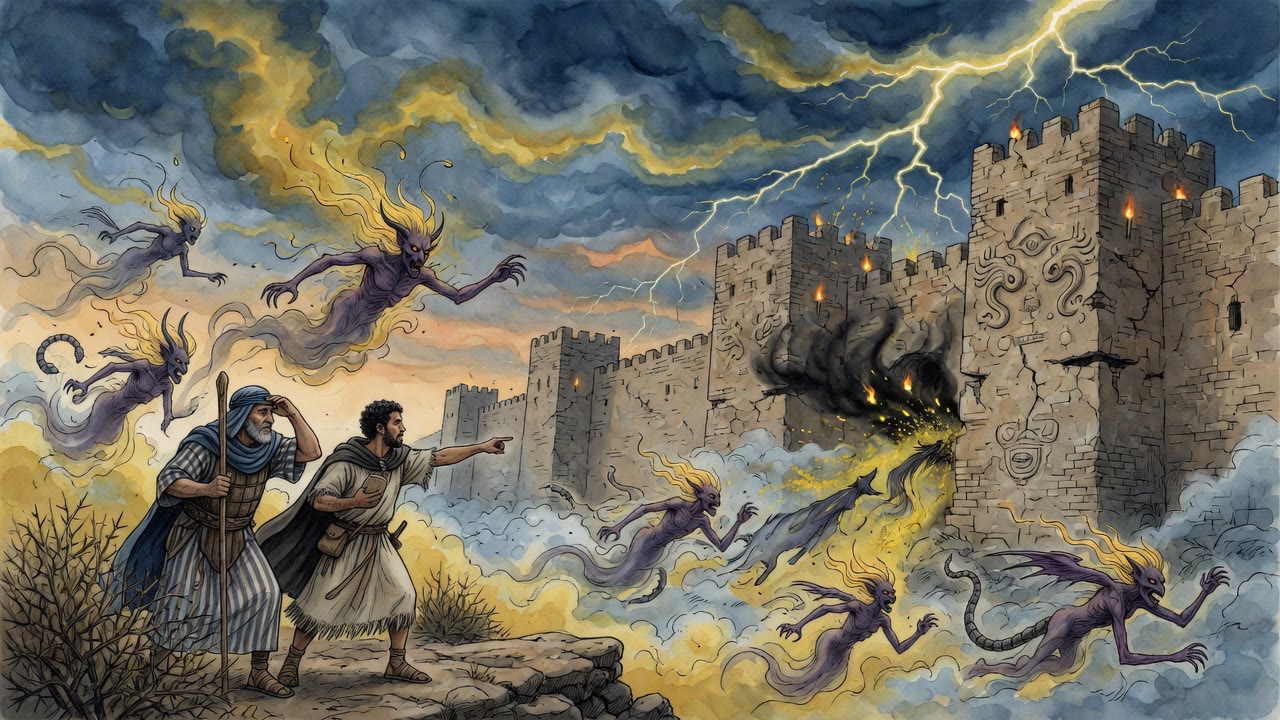
The crisis deepened. News spread that Moses was dead and that his successor had been left without hundreds of the laws that governed Israelite life. Among the people, there were those who had chafed under Moses's authority, who had waited for a moment when the leadership could be challenged. They came for Joshua now, a coalition of the difficult and the aggrieved, testing whether the new leader could be overrun.
Joshua survived by a different quality than legal knowledge. He could not answer the legal questions, but he could move the people forward. God told him to stop mourning and begin preparing for the Jordan crossing. The laws that had been lost were eventually recovered or reconstructed. The crisis passed. But the tradition preserved the story precisely because the beginning of Joshua's leadership was a lesson that the man who declared he needed nothing, needed everything.
← All myths