Joshua Kept His Oath to People Who Tricked Him
The bread was still warm when they left home. Three days later Israel found the camp next door, and the princes wanted blood.
Table of Contents
 Click for full size
Moldy Bread at the Gate
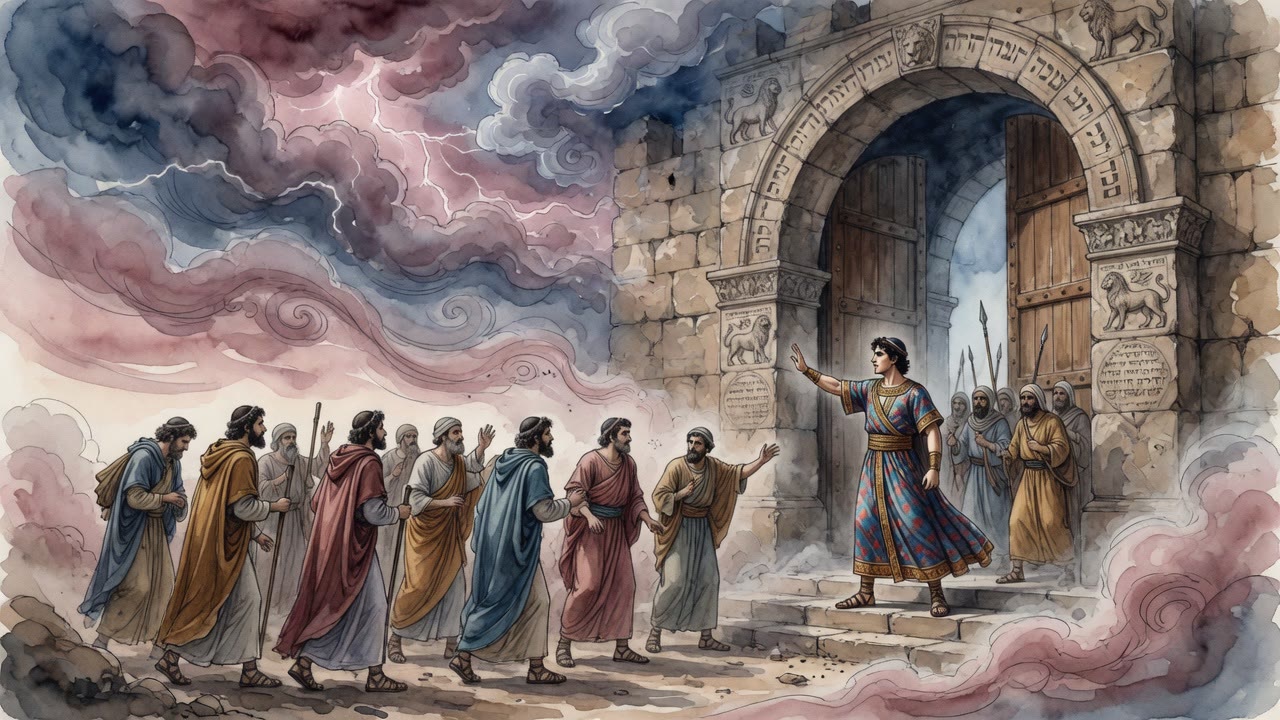
They had scuffed the sandals on purpose. The wineskins were cracked because someone had sat the night before and cracked them. The bread had been baked that morning, then left in the sun until it looked like a long road.
They arrived at Joshua's camp dressed as travelers from a country so far off that the war would never reach it. They had heard of the God of Israel, they said. They had come a great distance to make peace.
Joshua made a covenant with them. He swore an oath in God's name that he would not harm them. The princes of Israel swore along with him.
Three days later the scouts came back with a short report. Gibeon was a neighbor. One of the Canaanite cities the conquest had already named. The worn leather had been theater. The mold had been a morning's work.
The Camp Wanted the Oath Torn Up
Israel had crossed the Jordan behind this man. Jericho. Ai. Weeks of hard campaigning. Now their commander had bound the whole nation to protect a city that had walked in with a costume and a lie. The talk in the tents was simple. Fraud. Nullify it. Kill them.
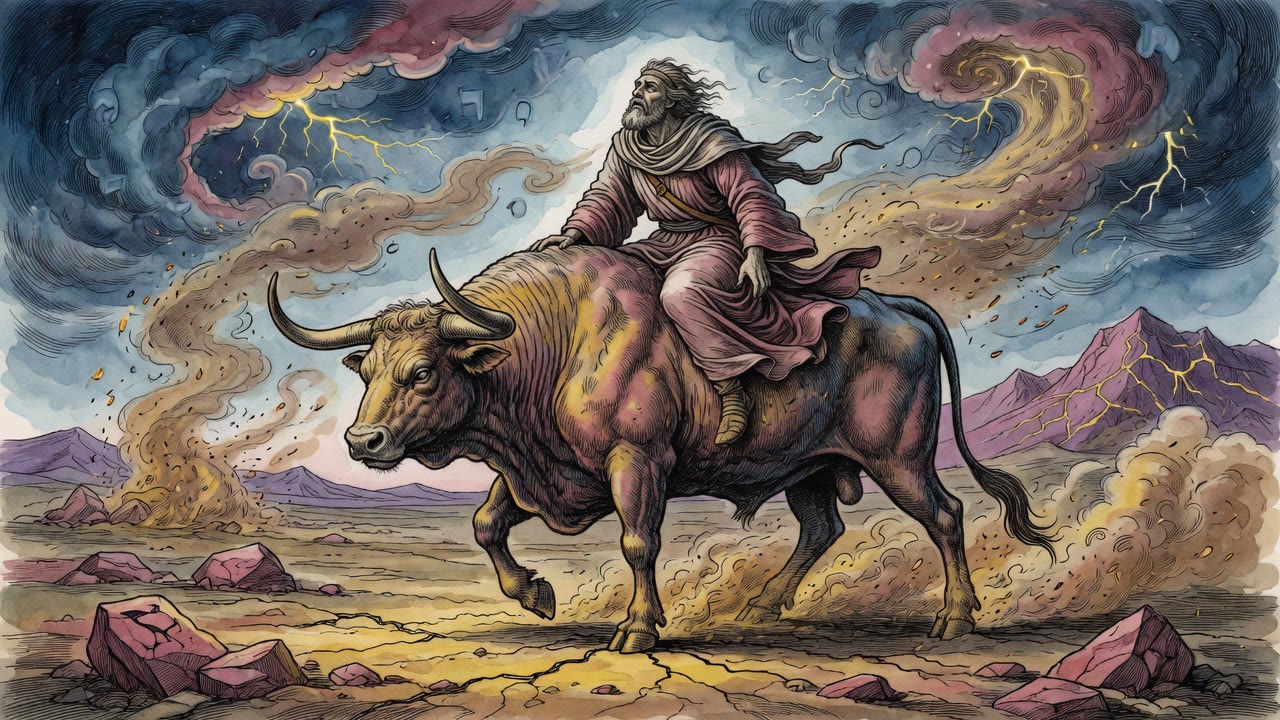
Joshua kept the word anyway. The oath had been sworn in God's name. What the Gibeonites deserved did not change what that Name weighed. He had sworn. The oath stood.
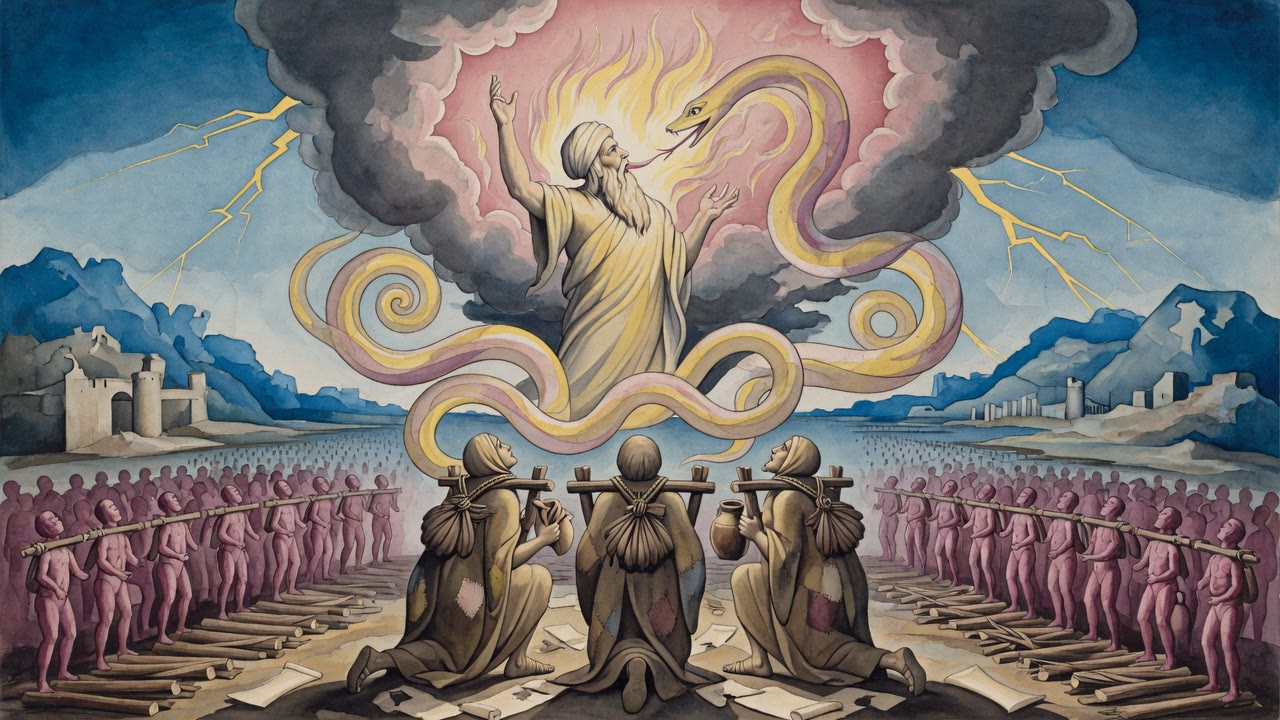
He gathered them in front of him and told them what the deception had cost. Their lives were under the covenant. Their standing was not. They would be servants to the community, hewers of wood and drawers of water for the altar and the sanctuary. They had come in through a back door. They would live in the rooms servants live in, doing the labor that makes a sanctuary run, taking no share in the honor of it.
They accepted. They had obtained protection from a man they had cheated. They were in no position to bargain for dignity as well.
The Hail That Had Waited Since Egypt
When the other kings of Canaan closed on Gibeon, Joshua hesitated. These were the people who had tricked him. The alliance was offensive and defensive, and it had been stolen, and for a moment he stood with the question in his mouth.
God spoke first.
"If thou dost not bring near them that are far off, thou wilt remove them that are near by."
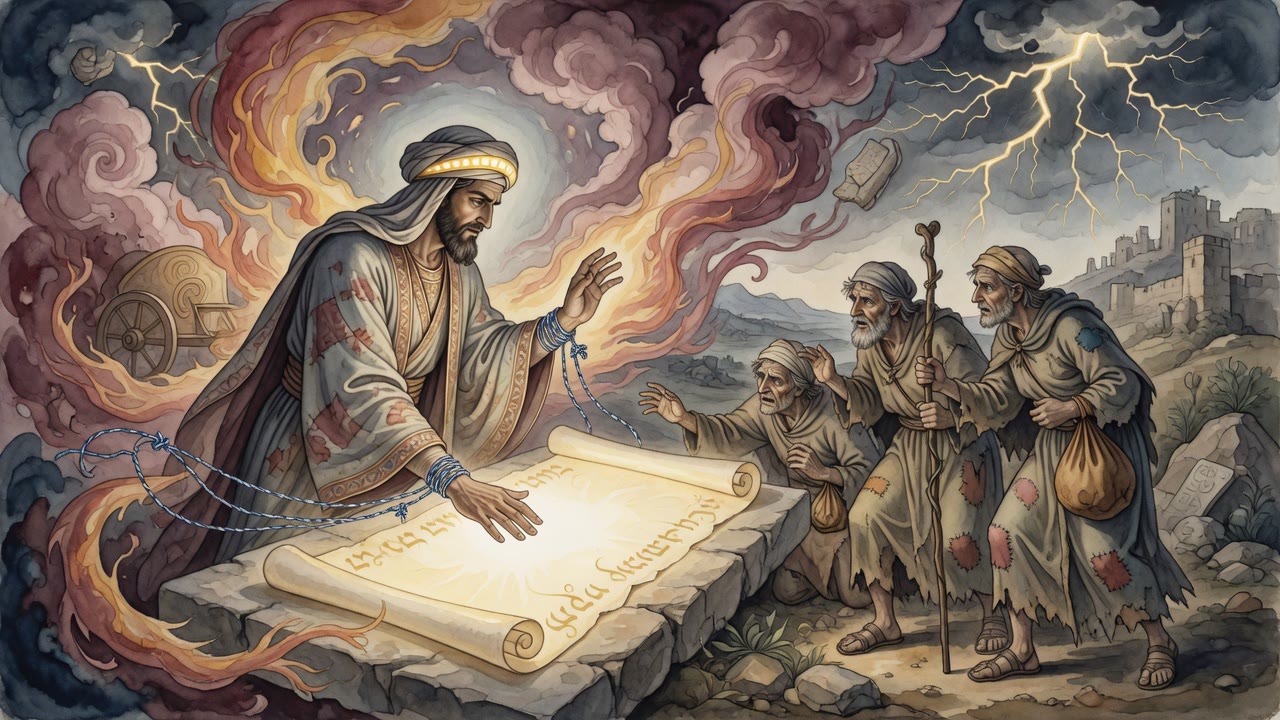
He went. The hot hailstones that Moses had held in the air over Egypt, the ones that never finished falling on the Egyptians, came down now on the armies around Gibeon. Then the sun stopped. The sixth great wonder since the world was made. The day stretched until the oath had been paid in full on the field, and the people who had lied their way under Israel's wing walked off the field alive because Joshua had not put the Name back in his pocket.
Saul Treated the Oath as Old Paper
Centuries later Saul broke it. Not in one speech. In a policy of pressure, then displacement, then killing. He drove Gibeonites from their settlements. He treated a sworn covenant as an arrangement a dead commander had made, which a living king could revoke.
After Saul's death the famine lasted three years. David inquired and got the answer straight. The land was starving because Saul had broken what was sworn in God's name. The king who broke it was already in the ground. The Name was not.
David went to the survivors and asked what would satisfy them. They named terms. Seven of Saul's descendants.
Seven Walked Past the Ark
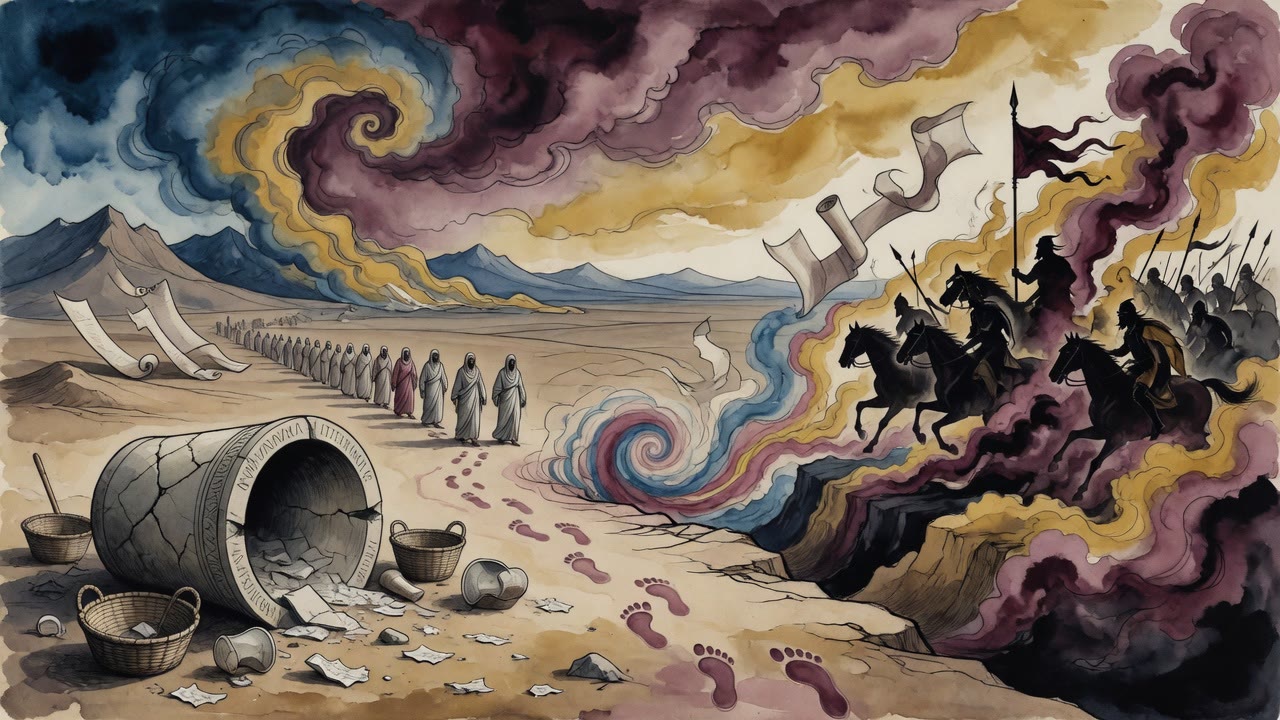
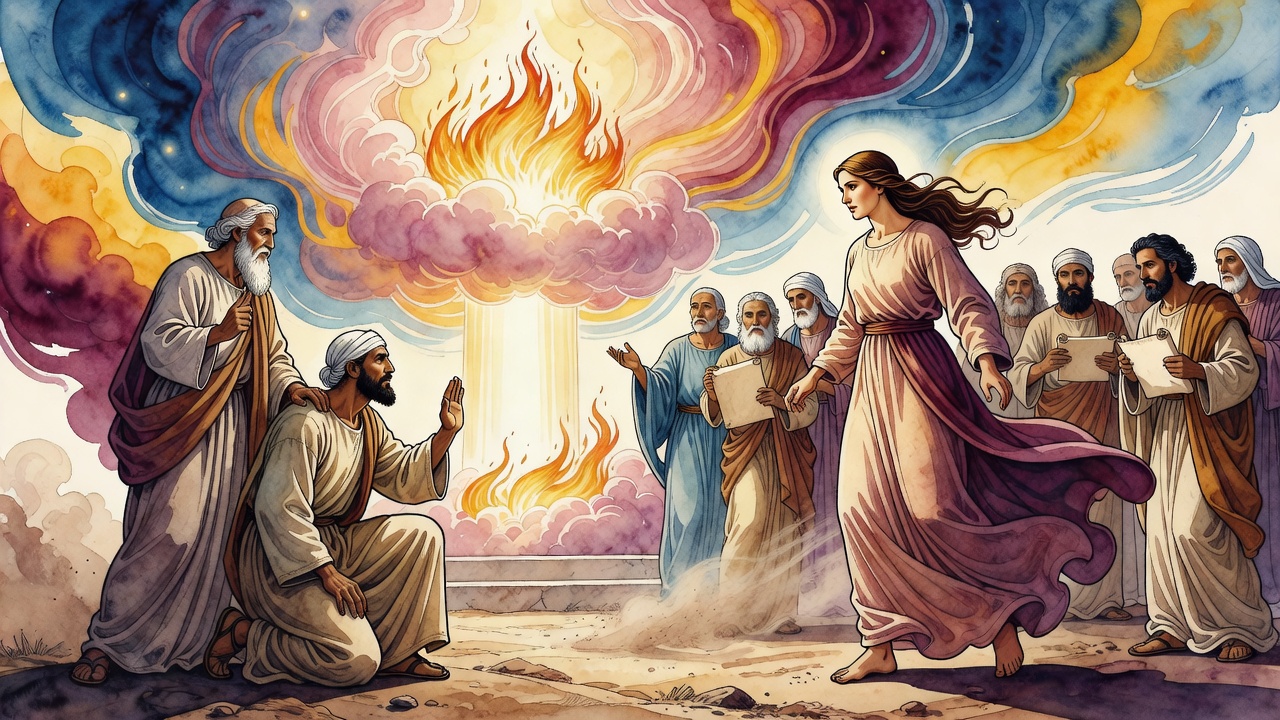
They made Saul's posterity pass by the Ark of the law. Those the Ark arrested were the designated dead. Mephibosheth, Jonathan's son, would have been one of them. David prayed. Mephibosheth was also the man who had taught David Torah. He walked past unchecked.
The others did not. The Gibeonites took them. The famine ended.
Joshua had honored what he swore to people who had tricked him, and Israel ate. Saul treated that same oath as paper, and Israel starved. The chain ran across three centuries and stopped at an Ark that knew which feet to let go.
← All myths