21 myths
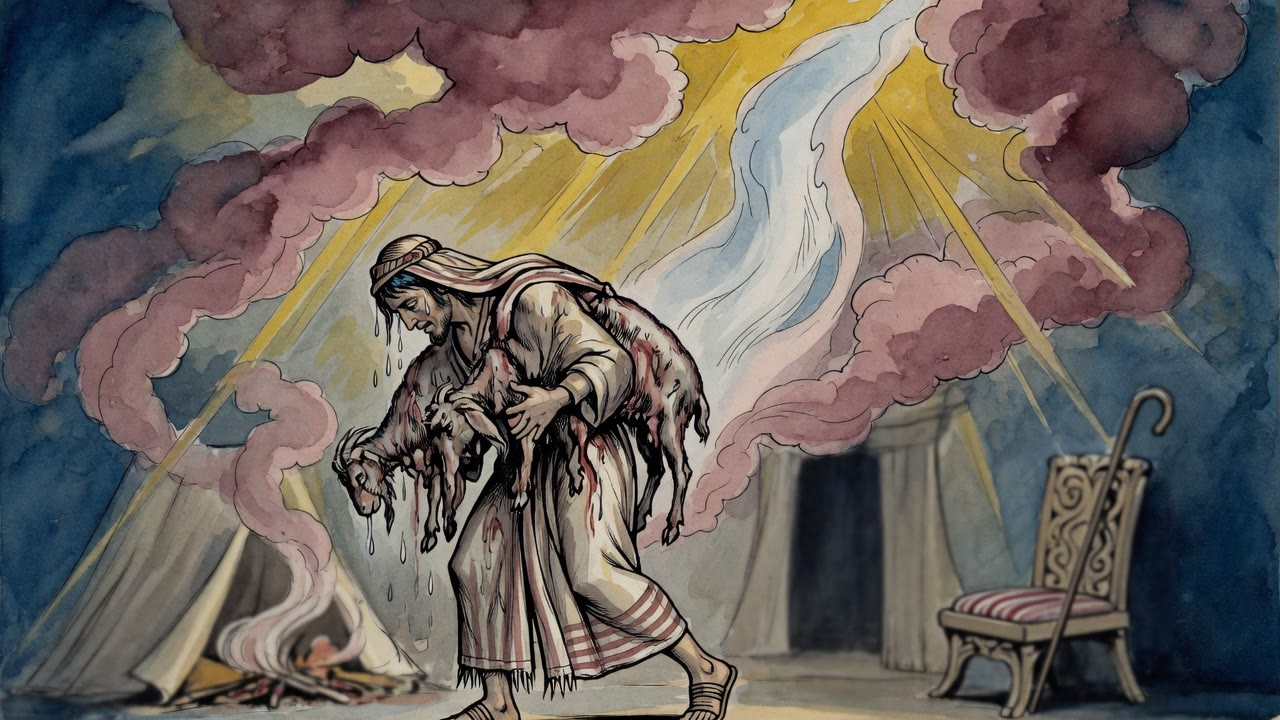
His mother told him to fetch two goats and lie to his blind father. Jacob's hands shook, his body bowed, and the tears would not stop.
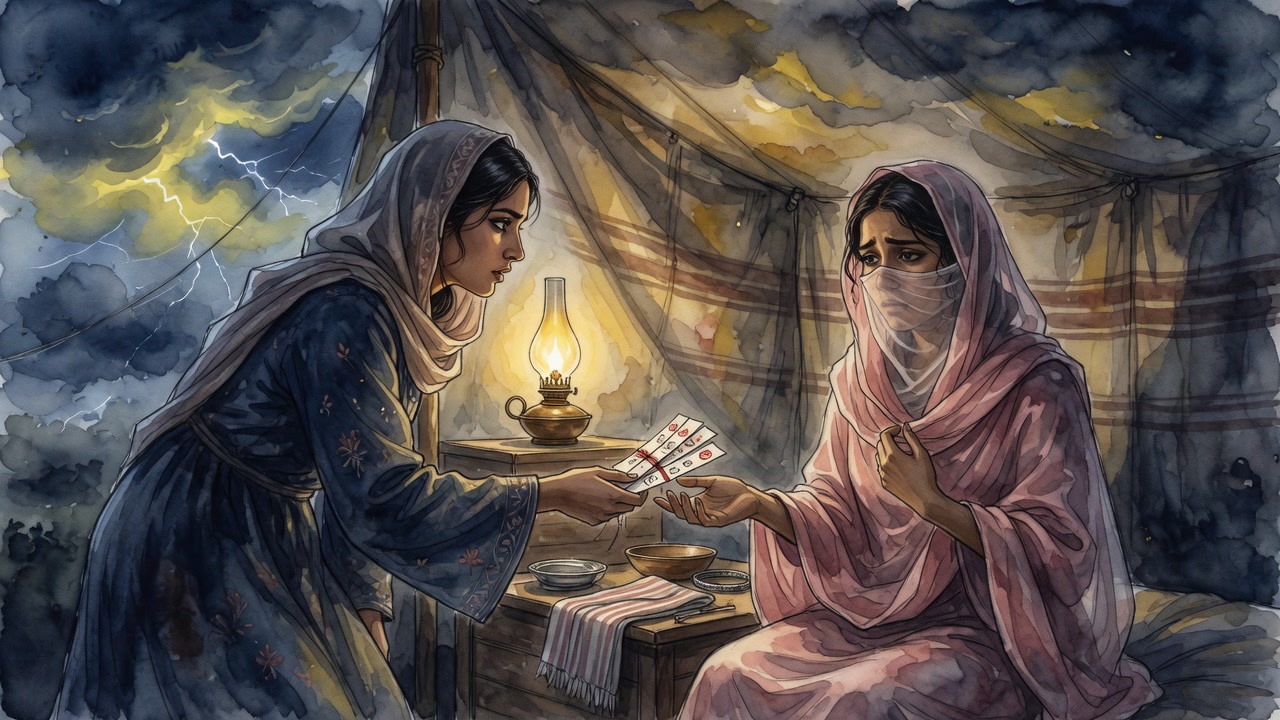
Jacob gave Rachel secret signs so no veil could fool him. Then Laban bought a town's silence, and Rachel handed the signs to Leah.
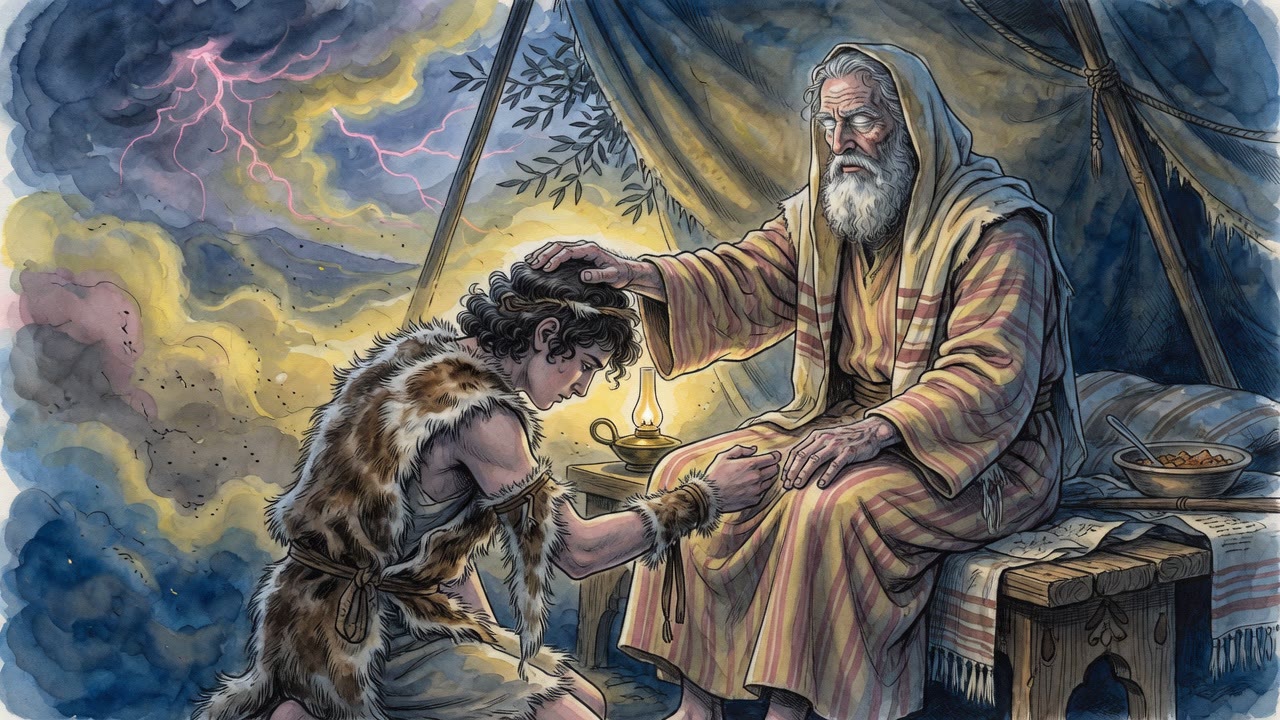
Esau tied a deer and went after the next. When he came back the cord lay empty. The Accuser had been walking the field behind him.
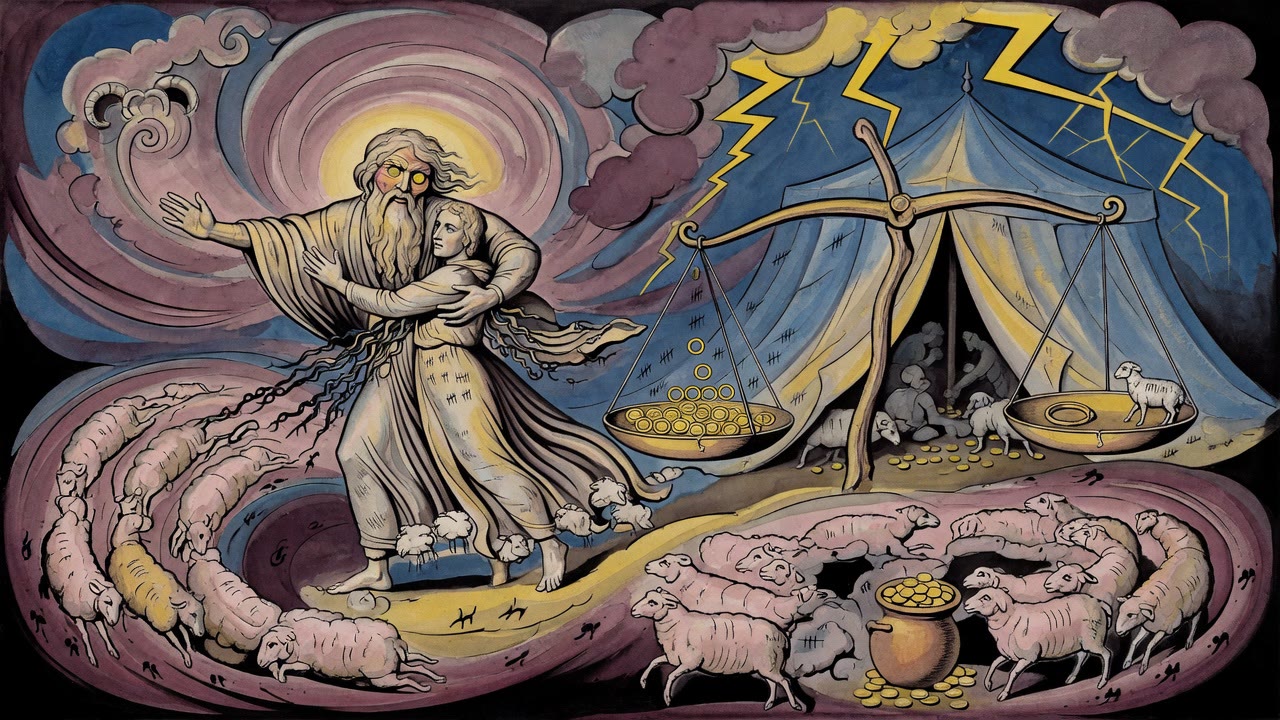
He threw his arms around Jacob's waist, feeling for gold. Then he kissed him, hunting the mouth. Both searches came up empty.
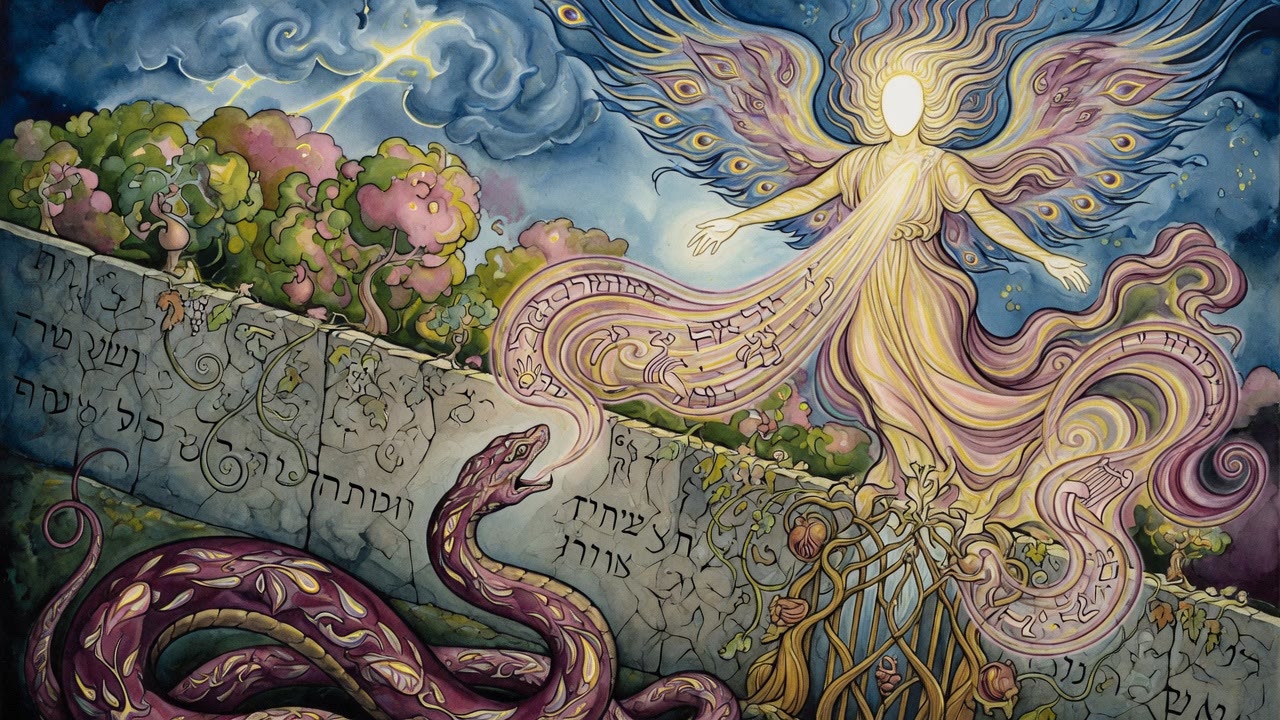
Ha-Satan, the Accuser, recruited the serpent by flattery, then sang angelic praises from Paradise's wall until Eve turned toward the music.
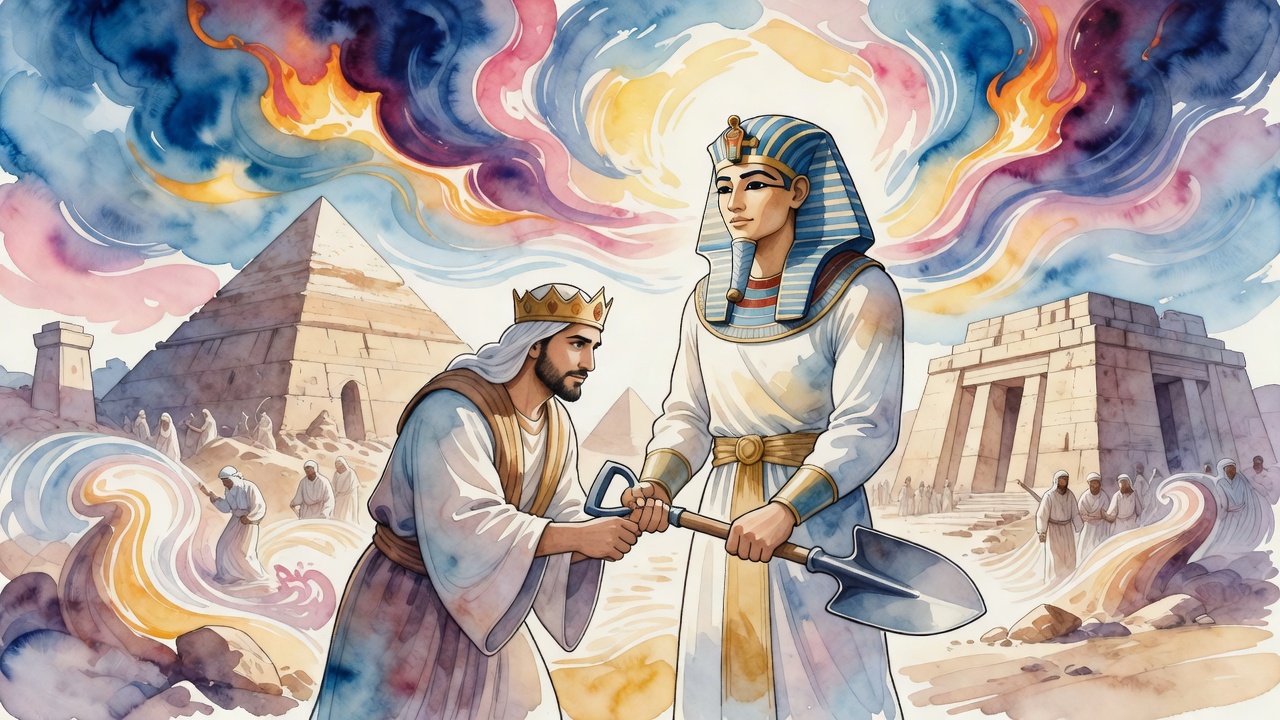
Pharaoh did not enslave Israel with chains. He did it with wages, flattery, and a shovel pressed into the hands of a willing king.
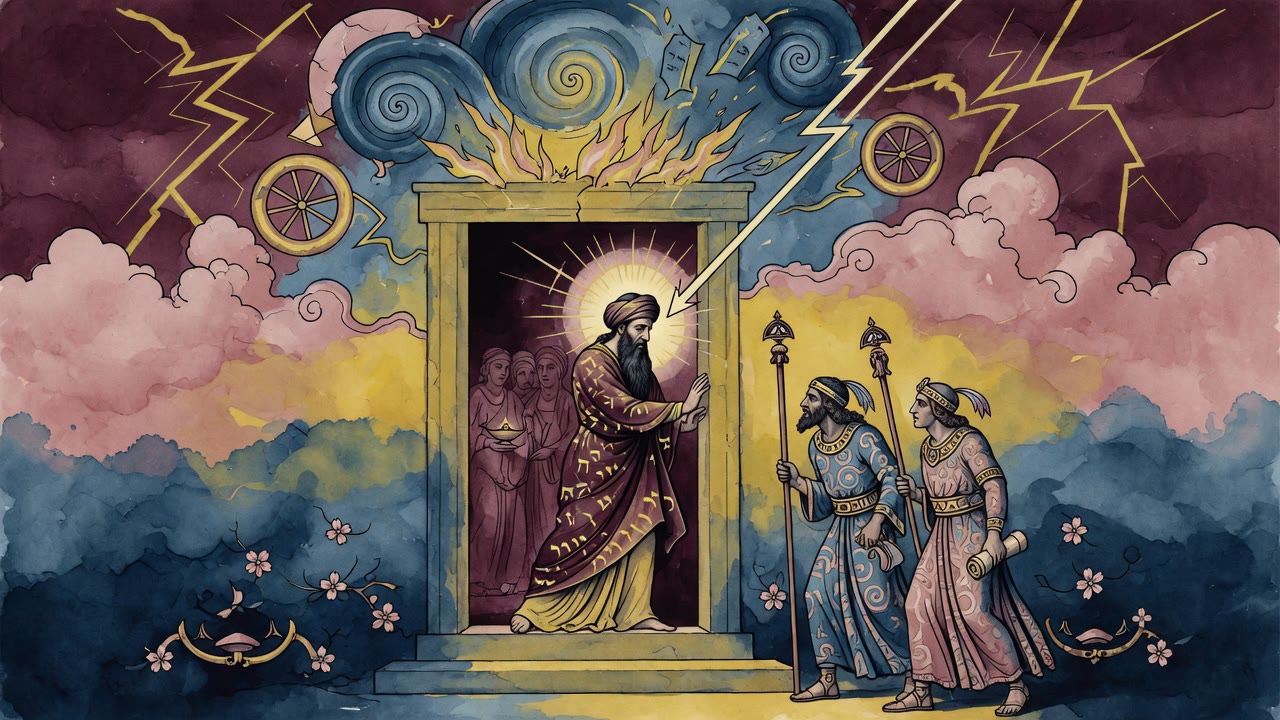
God told Balaam not to go. Balaam could not say that to the men in his house, so he told them it would be beneath his dignity to travel with men of their rank.
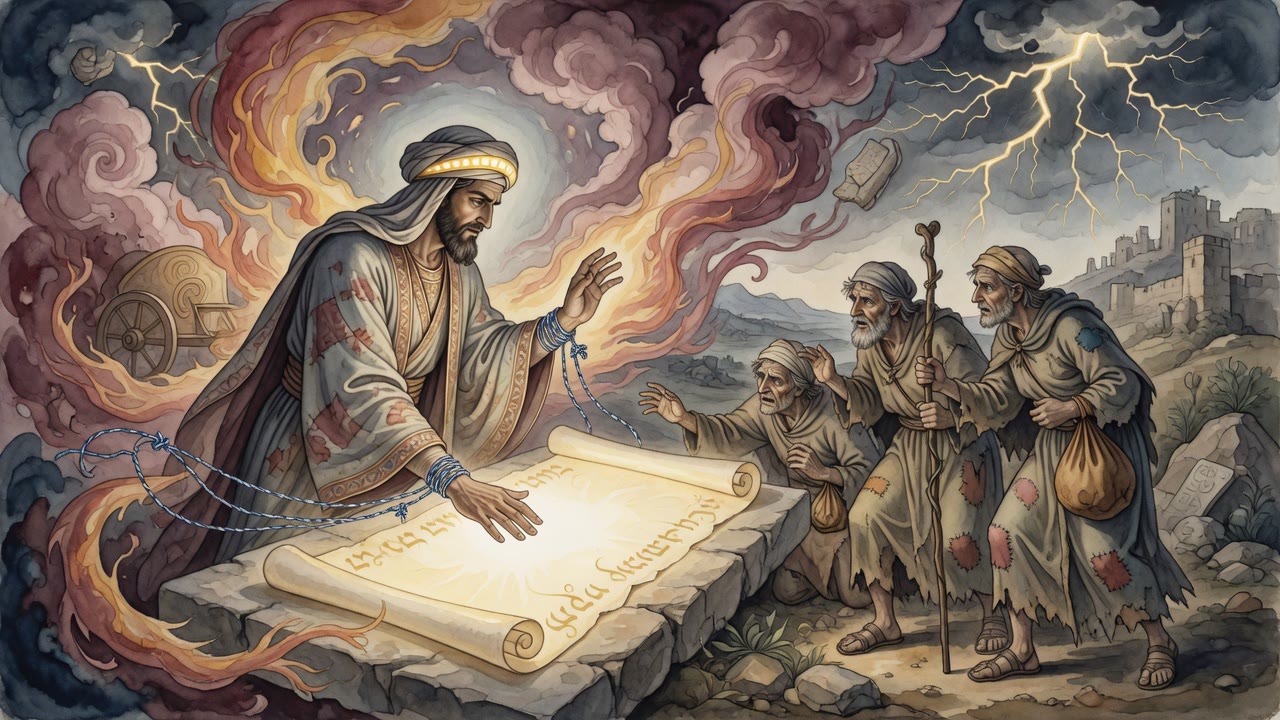
The bread was still warm when they left home. Three days later Israel found the camp next door, and the princes wanted blood.
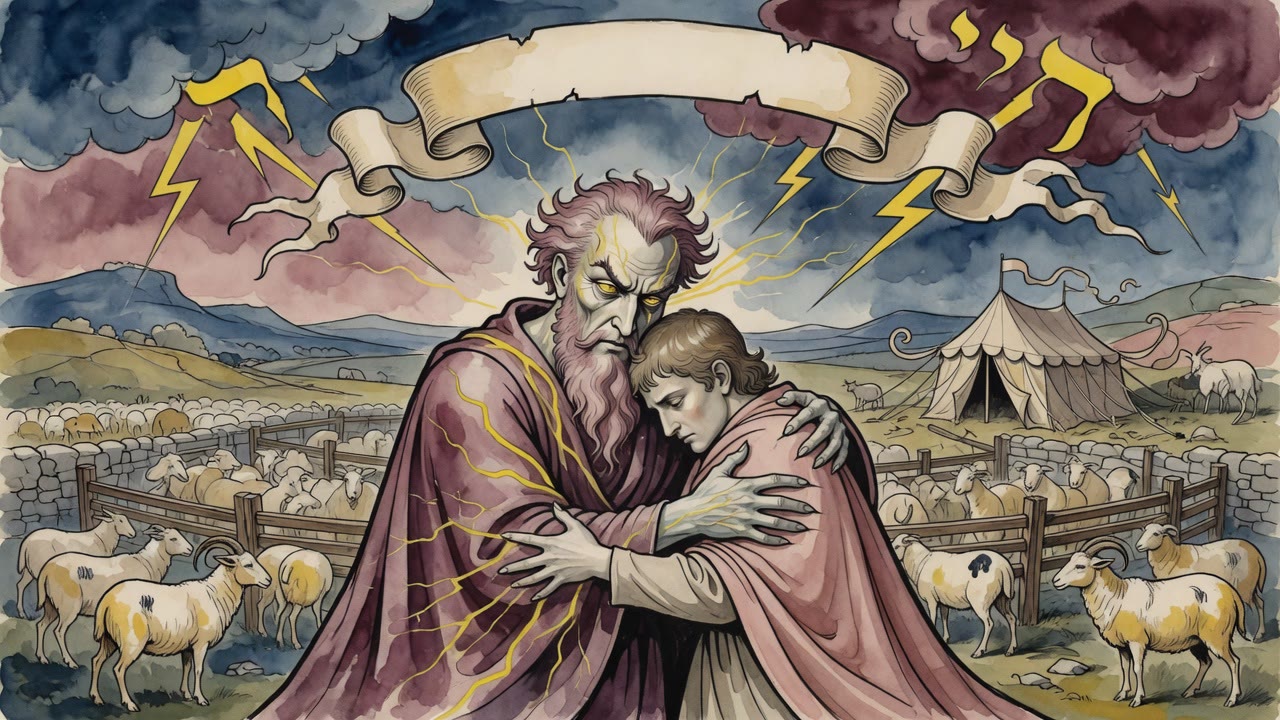
Laban called Jacob his brother though Jacob was his nephew. The word was a bid, not an embrace, and it opened twenty years of systematic fraud.
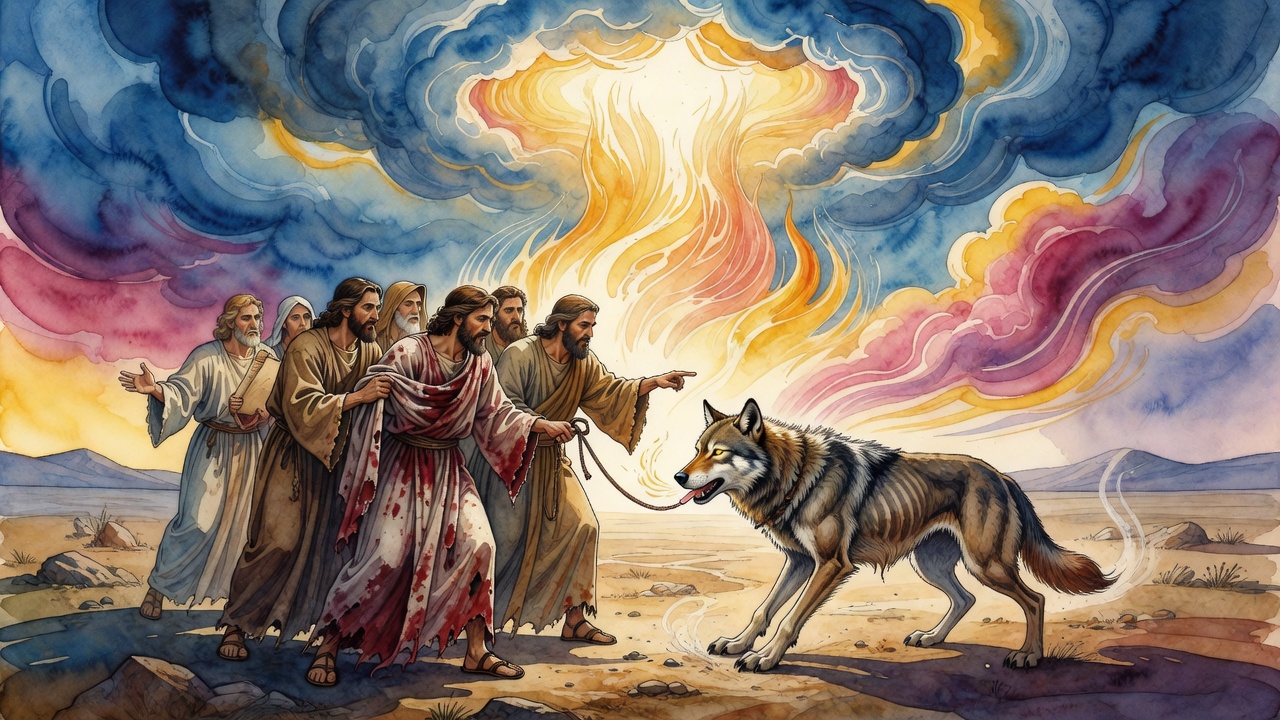
The brothers sold Joseph, bloodied his coat, and dragged home a live wolf as proof of the beast that ate him. Then God loosened its tongue.
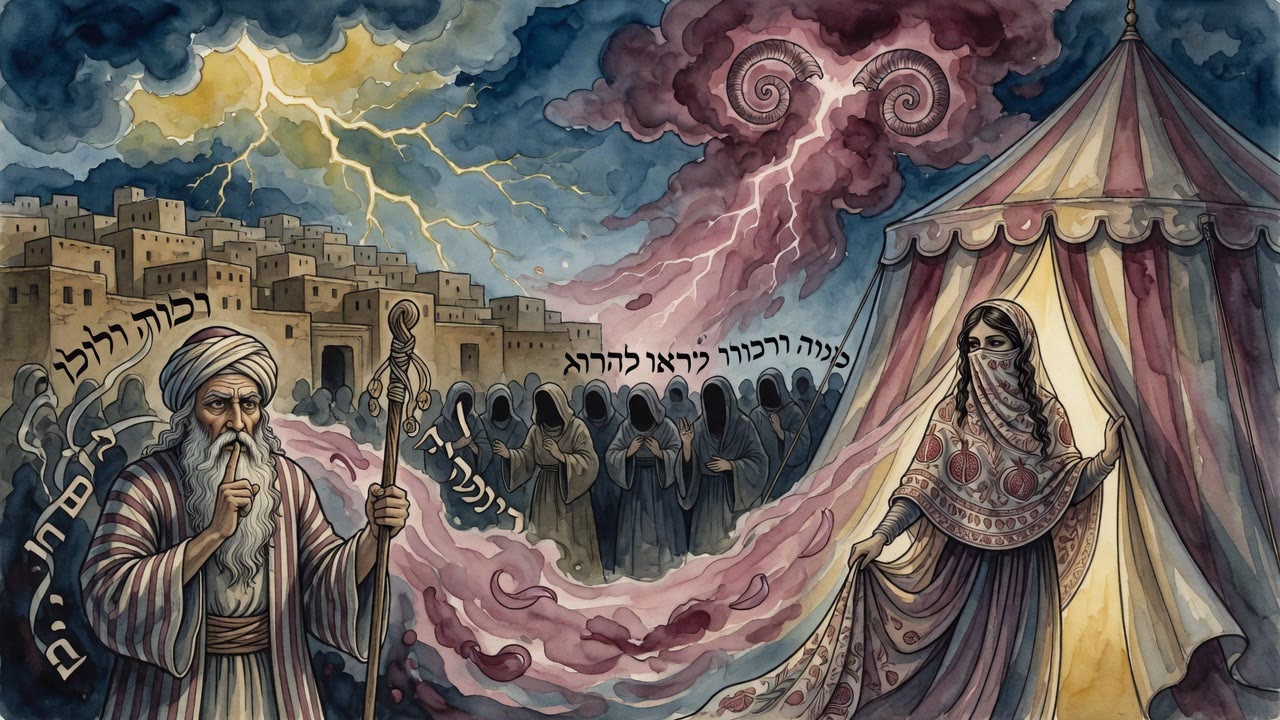
Laban admitted Jacob had filled their wells, then bound Haran by oath to keep silent while Leah entered the tent meant for Rachel.
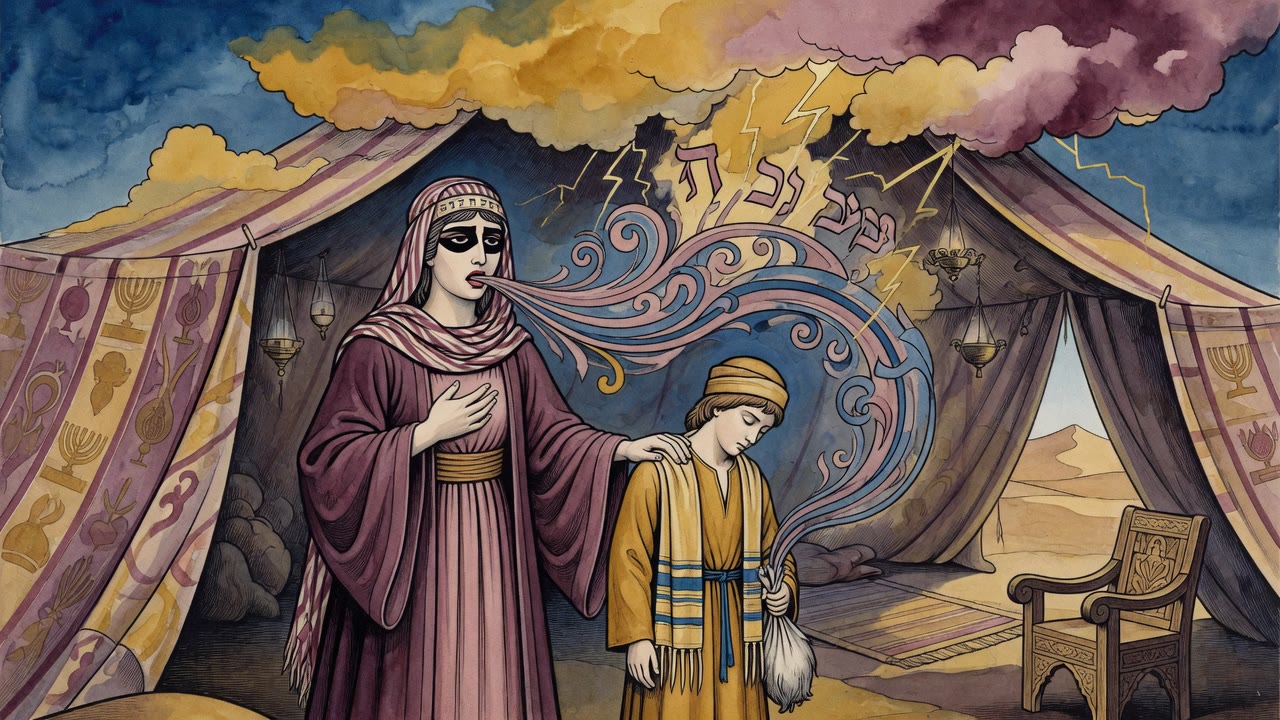
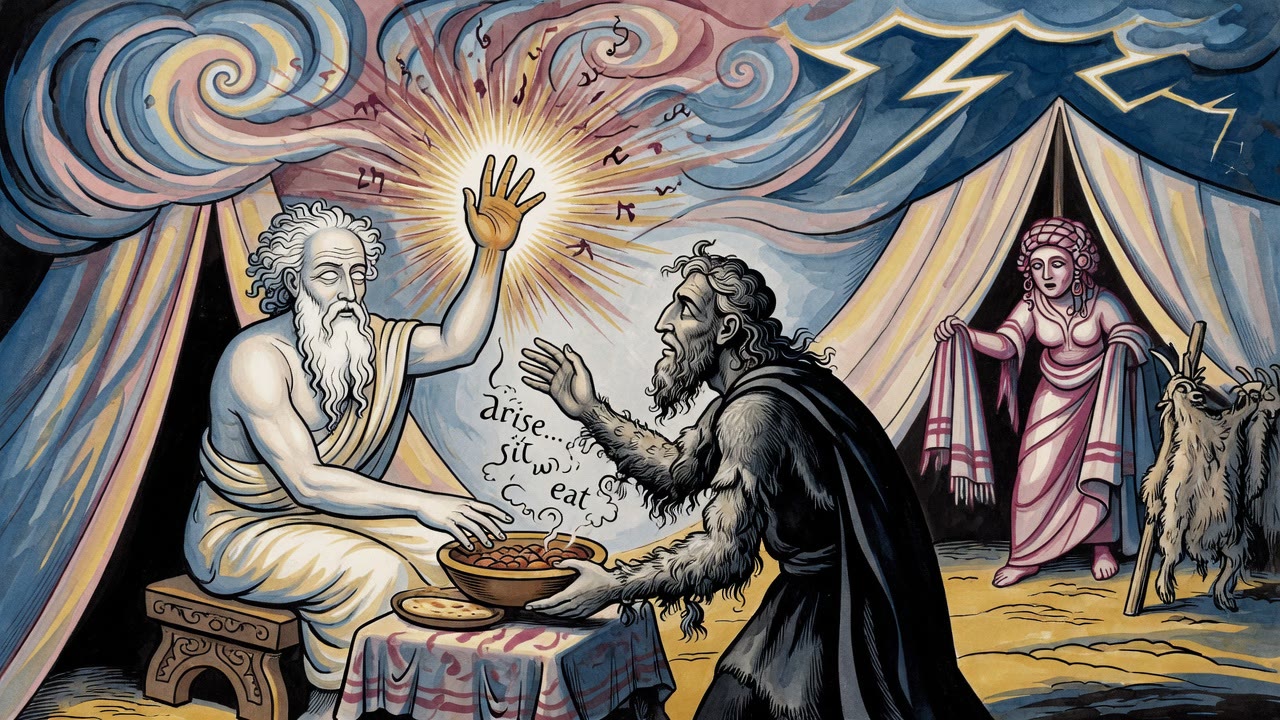
Jacob feared a father's curse more than a brother's rage. Rebecca claimed the curse for herself, dressed her smooth son, and sent him in for the blessing.
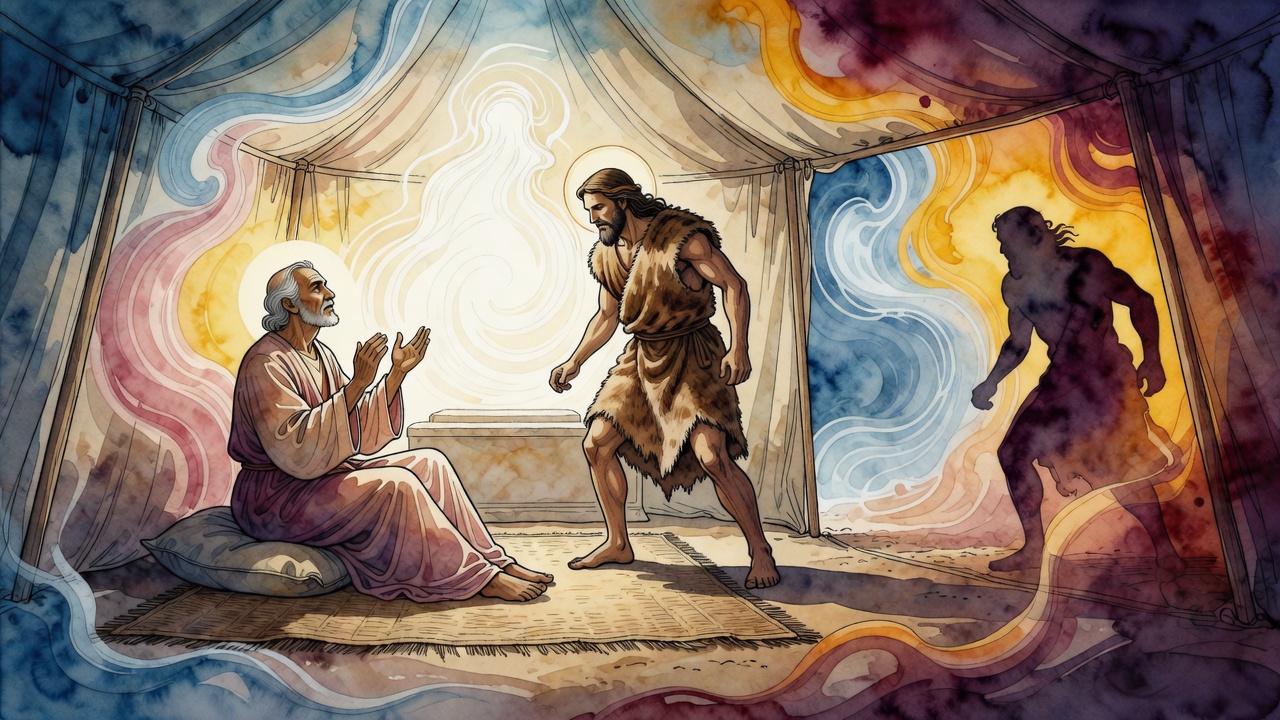
Goat hide is the foulest thing a nose can meet. Isaac pressed his face into it and said his son smelled like a field the Lord had blessed.
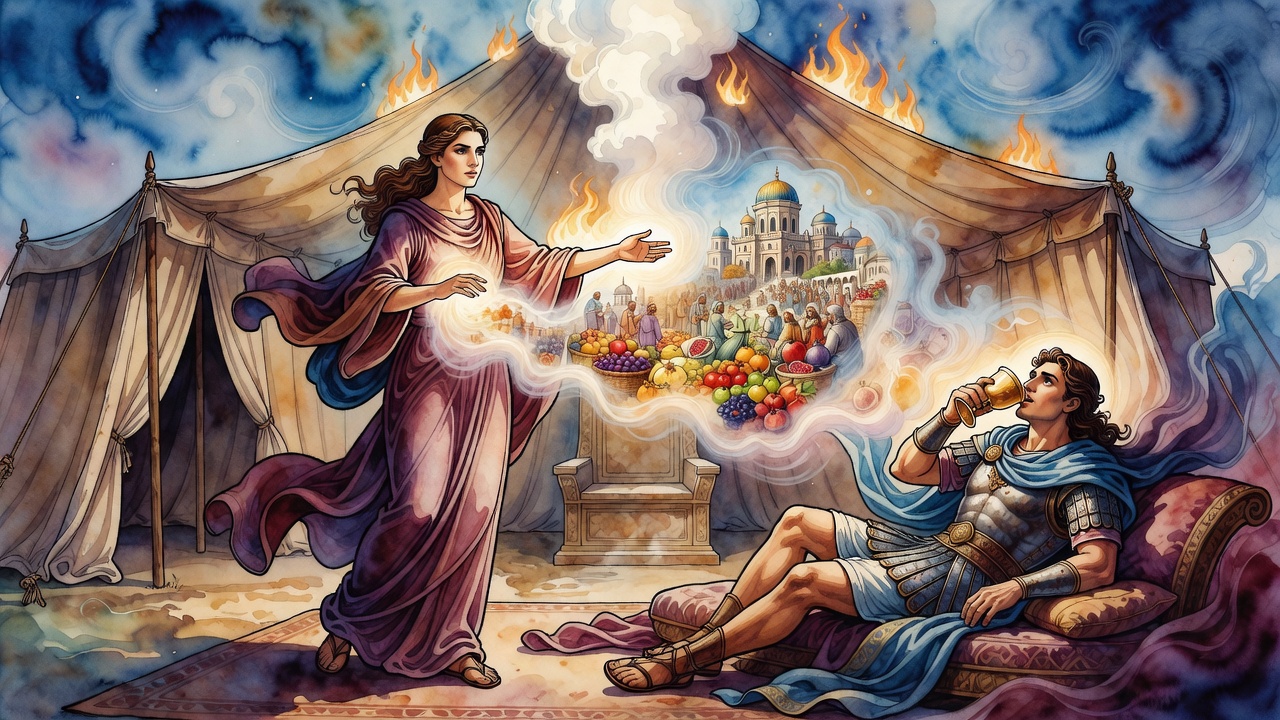
Inside the Assyrian tent Judith invents a city about to eat holy first fruits, and Holofernes drinks the story like wine.
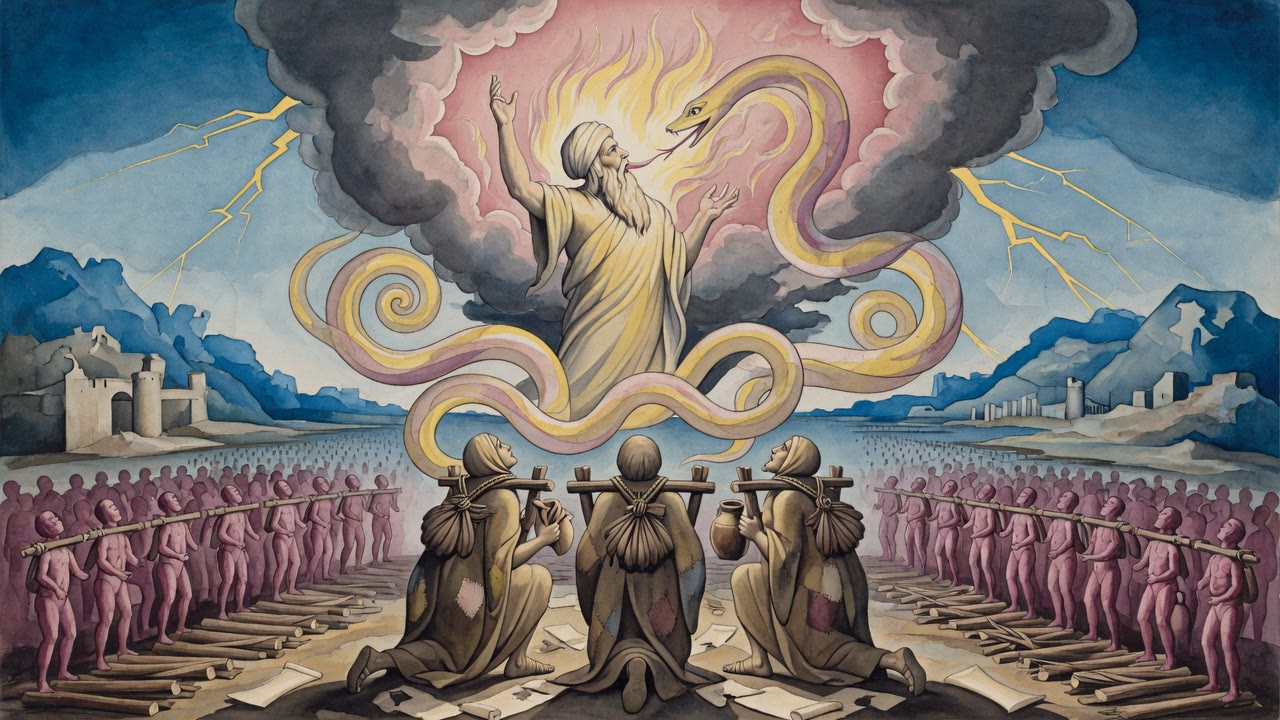
Joshua tasted the dry bread and swore peace. Their city sat three days away, inside the land. The oath was already in heaven's mouth.
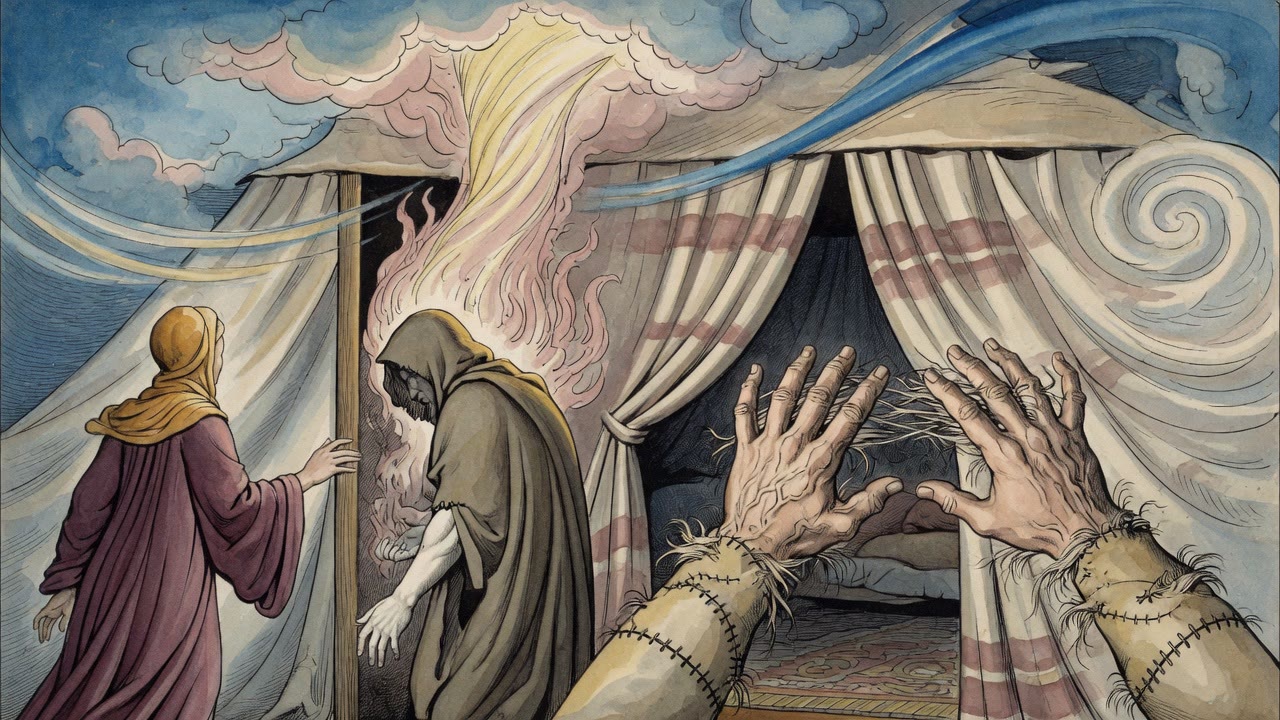
Rachel told him her father was cunning. Jacob rolled the stone anyway. Laban ran with the birthright already counted in his head.
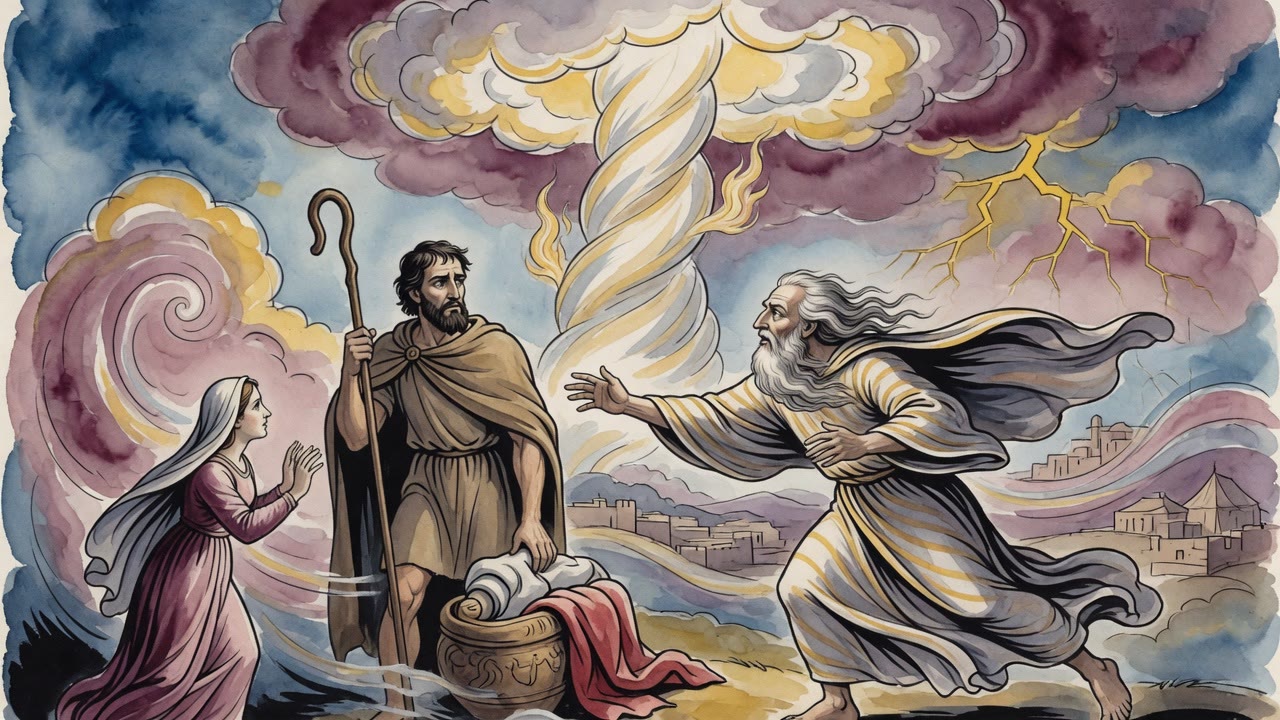
Rebecca stopped at the tent flap and would not cross. Jacob went in wearing goat hair on marble arms. Isaac's fingers believed the wrong son.
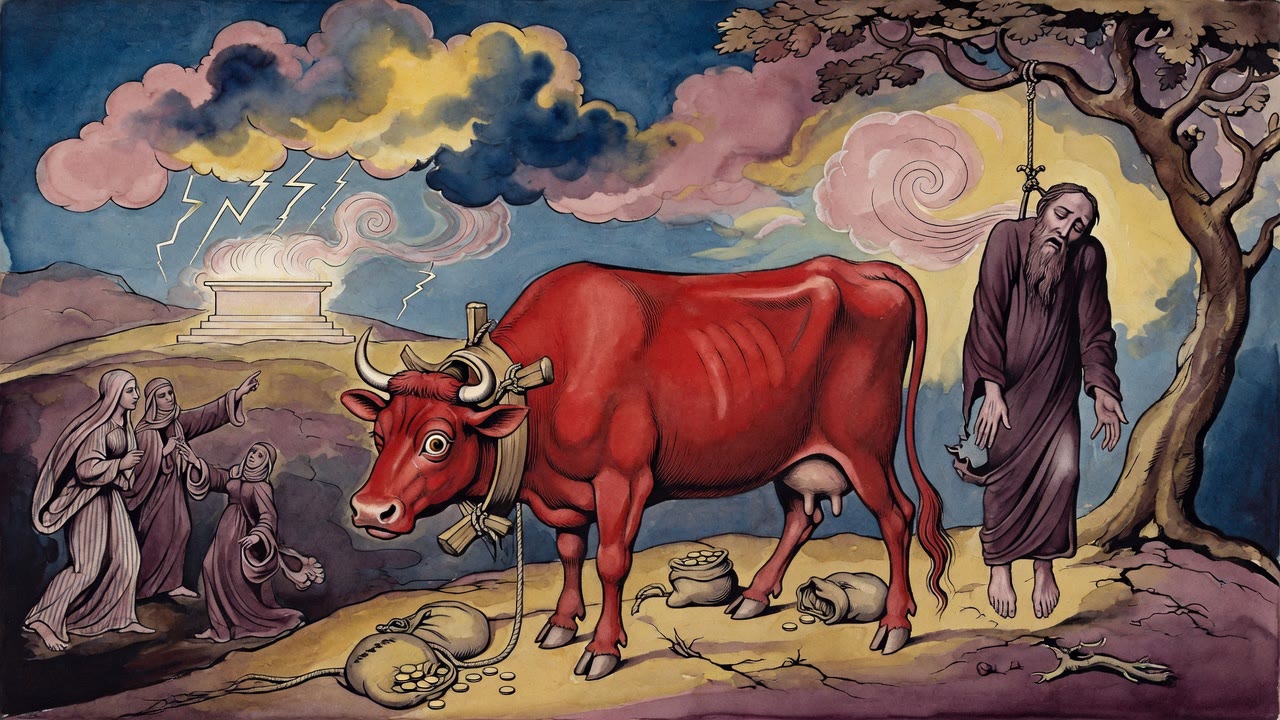
Seekers paid three hundred coins for a pure red cow, the seller yoked her by night, and her eyes betrayed him until he hanged himself.
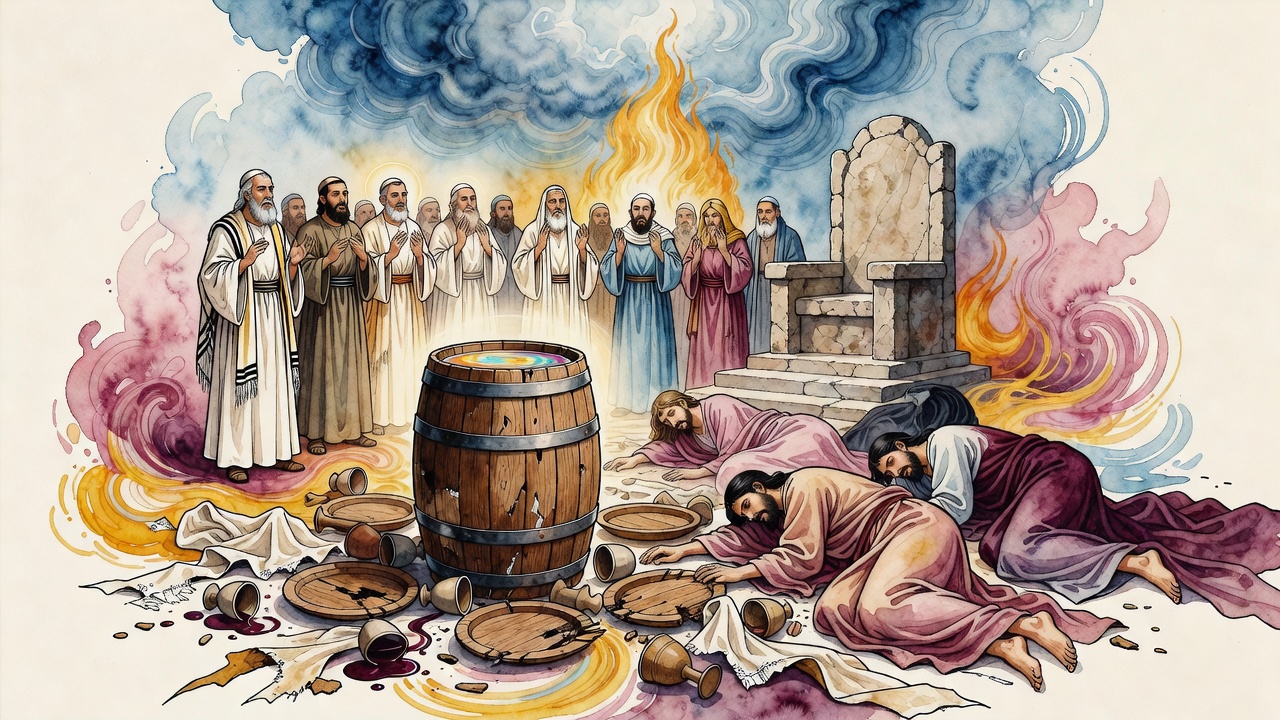
The guests sat for a feast built around oil. The cork came free and wine poured out. He had nothing left that was fit to serve.
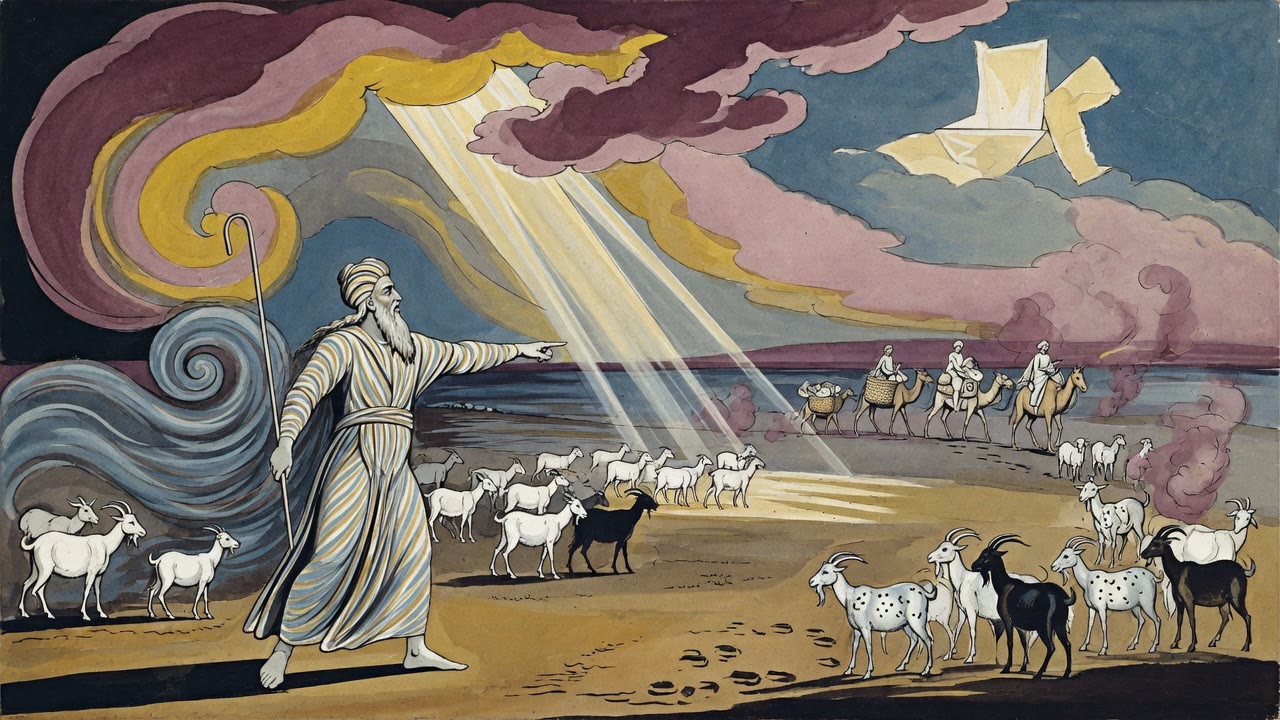
Before dark on the day they shook hands, every spotted goat was walking north with Laban's sons. Jacob was left a flock the color of dust.
Every vision meant light, the stallkeeper said. Olive trees, stars, a ledger. Rabbi Yishmael sat down and named the crimes the dreams were hiding.
