Balaam Lied to the Messengers About Why He Would Not Go
God told Balaam not to go. Balaam could not say that to the men in his house, so he told them it would be beneath his dignity to travel with men of their rank.
Table of Contents
 Click for full size
The Men in His House
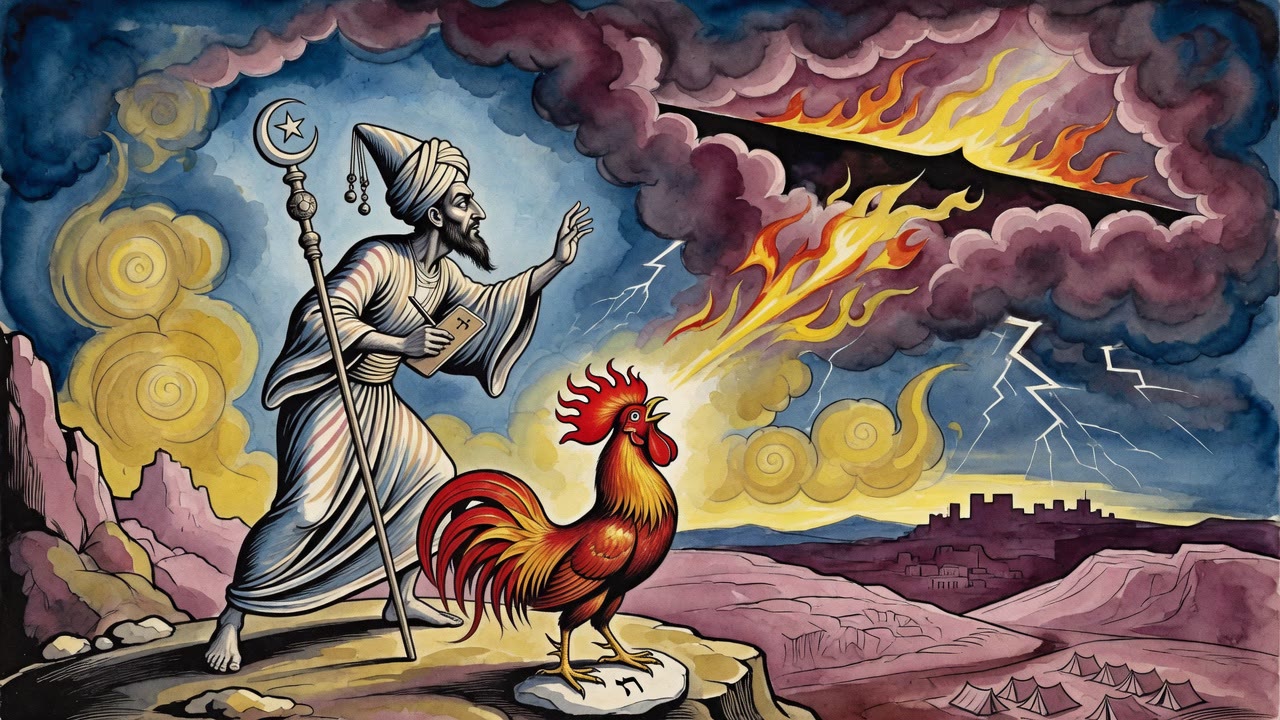
God had said do not go. Balaam heard it. He understood it as a prohibition with actual force, not a suggestion he could revise through a second inquiry. The elders of Moab and Midian were sitting in his house with the sorcery fees in their hands, waiting for his answer. They had traveled a long distance. Their king had sent them with the expectation of a yes. The fees they were holding were significant. The commission was everything a prophet-for-hire could hope to be offered.
Balaam could not bring himself to say: God told me not to go.
The Lie He Chose Instead
He told them it would be beneath his dignity to accompany men of their station. He told them he required ambassadors of higher rank before he could consider making the journey. He told them to go back to their king and inform him that the men he had sent were not suitable companions for a prophet of Balaam's standing, and that Balak should try again with better representatives.
The lie was calculated. The tradition's reading is precise about Balaam's intent. He was not trying to go and pretending otherwise. He was trying to prevent further contact, and he believed that the most effective way to end Balak's attempts was to insult him thoroughly enough that pride would do the rest. If you tell a king that his ambassadors were rejected as too low-status, most kings take that as contempt and stop sending. Balaam was using the implied slight as a door-closing device. He wanted Balak to feel wounded enough to give up.
What He Was Not Willing to Say
The truth he could not say to the faces of the men in his house was the one thing that would have ended the matter honestly. God said no. God said do not go, do not curse them, because they are blessed. That sentence, spoken plainly, would have required Balaam to admit several things he did not want to admit in front of an audience: that he was under divine constraint, that his powers had a limit that God could enforce, that the client standing in front of him was asking him to do something that the God of Israel had explicitly prohibited.
A prophet whose reputation rested on his ability to curse and bless at will, who had built his career on the fear that his words could do things other words could not, could not afford to say in front of Balak's messengers that he had received a refusal. The lie of wounded dignity preserved his professional standing while sending the messengers away. Or so he calculated.
Balak Did Not Read the Signal as Intended
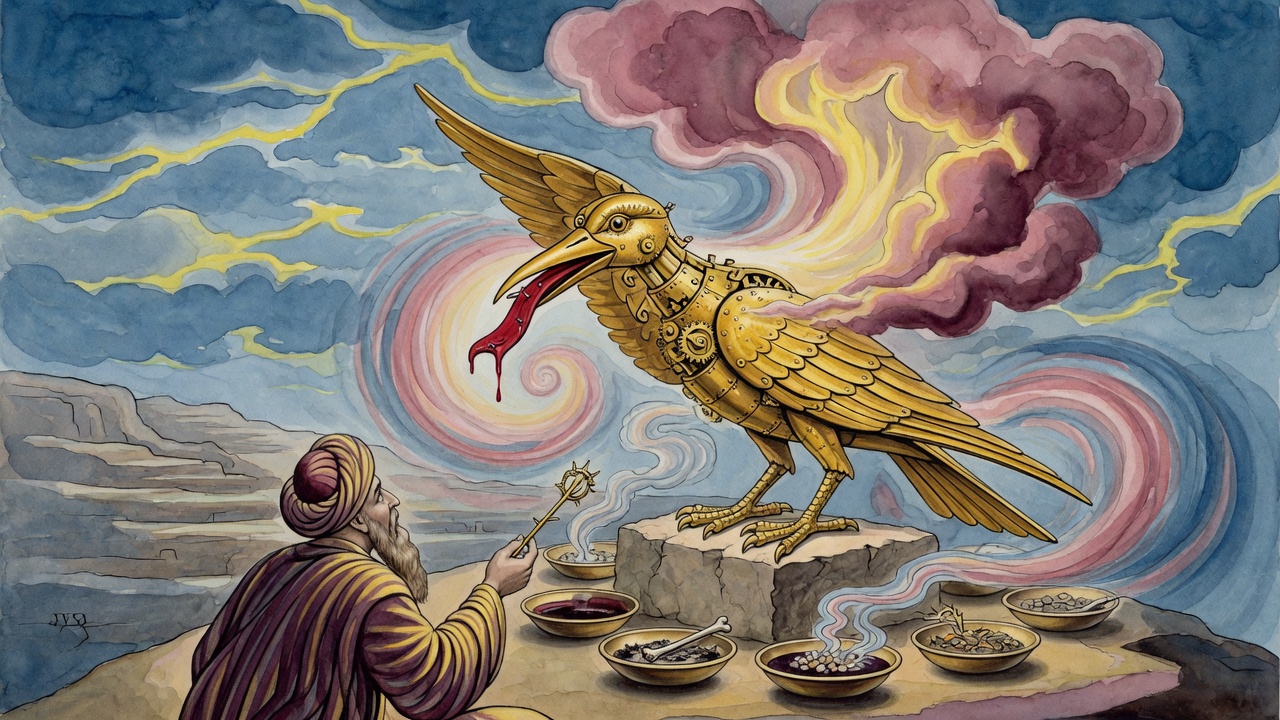
Balak did not give up. This is the part Balaam's calculation missed. The king of Moab, who had built his intelligence network on precisely the kind of reading that the golden bird gave him and the kind of operational preparation that the road-building and market-setting represented, was not going to be deterred by a slight to his ambassadors. He sent a second delegation. Higher rank, more princes, more fees, a more emphatic statement of how much he needed the prophet to come.
The tradition finds in this failure of Balaam's strategy a demonstration of how lies compound. The first lie bought him time but not a solution. The second delegation arrived more impressive than the first, which meant that Balaam's stated condition for going, higher-ranking ambassadors, had been technically met, and the reason he had given for declining had been removed. He was now closer to going than when he started, not further. The lie that was supposed to close the door had opened it wider.
← All myths