Moses Was the Sun and Joshua Was the Moon
God told Moses to give some of his glory to Joshua, not all. The rabbis built the entire theology of succession from that one missing word.
Table of Contents
 Click for full size
The Word That Changed the Meaning
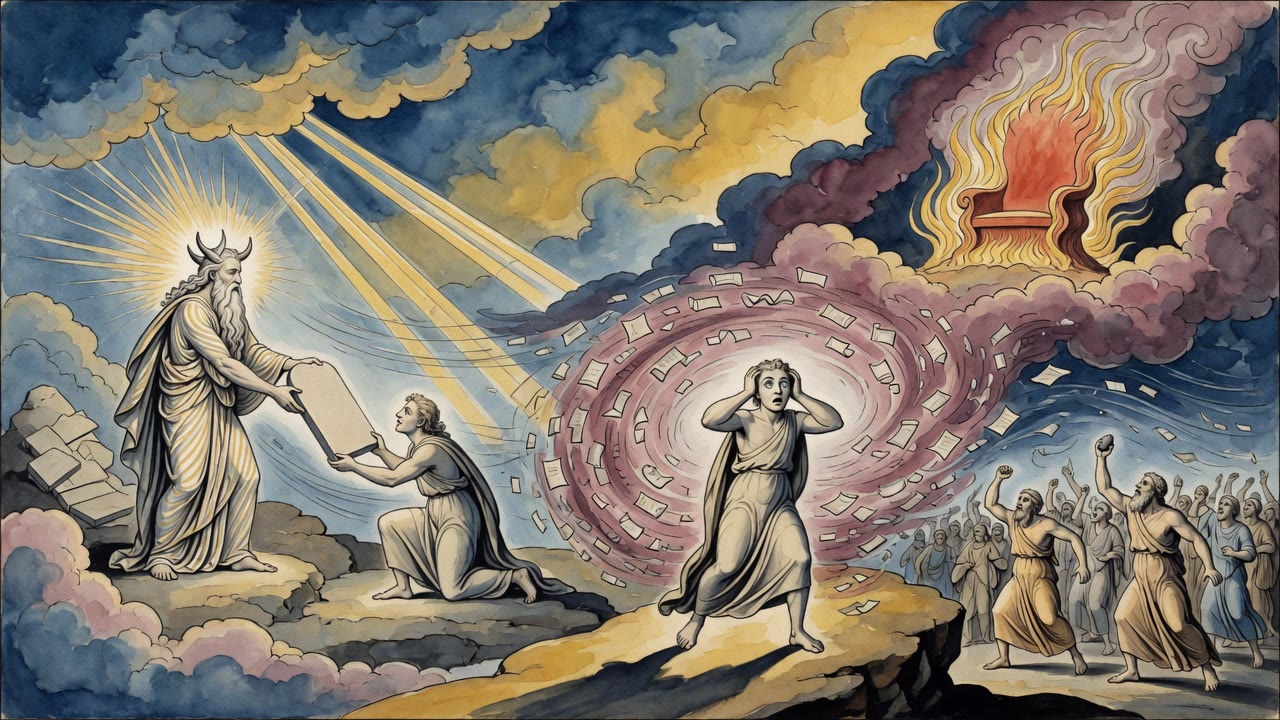
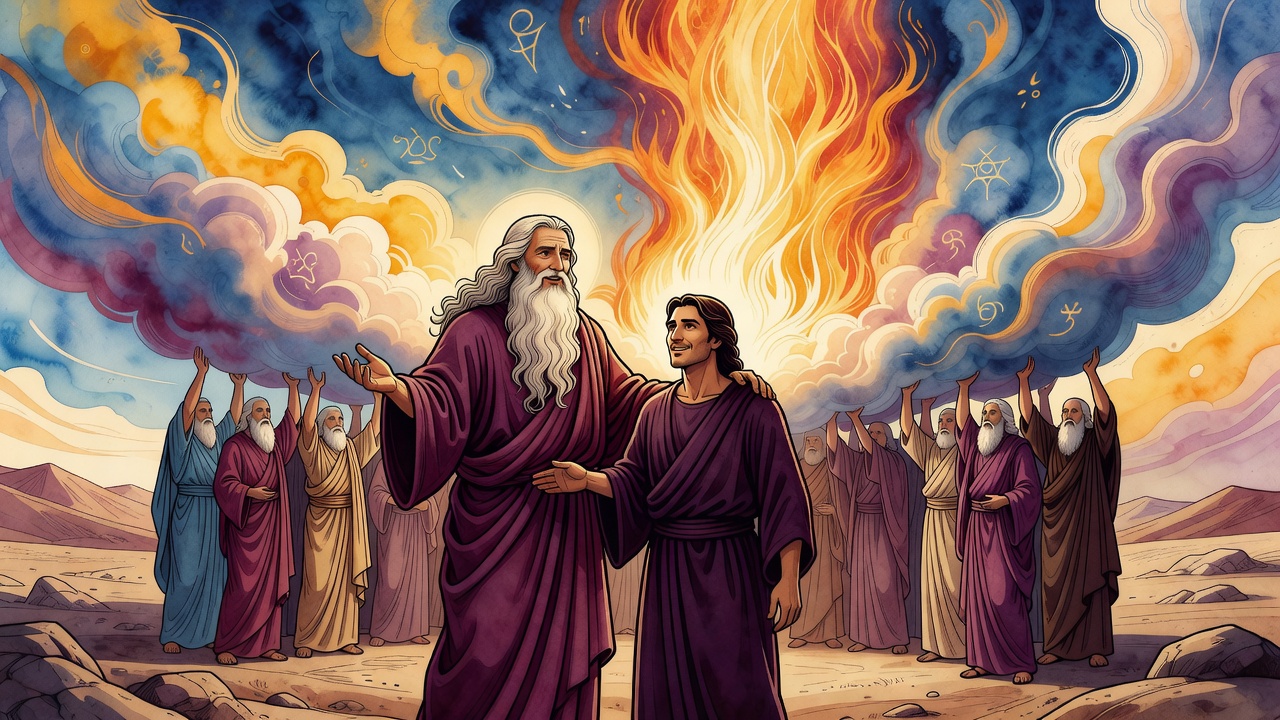
Numbers 27:20 says Moses should place of his glory upon Joshua. Not: place your glory. Not: transfer your authority. Of your glory. The preposition is everything. Sifrei Bamidbar pressed the wording and arrived at the image that has defined Israelite succession ever since: the face of Moses was like the face of the sun. The face of Joshua was like the face of the moon.
This is not an insult to Joshua. The moon is not lesser than the sun in the sense of being inadequate. It provides real light. It governs holy time, marks the months, signals the festivals. The entire Jewish calendar runs on the moon's face. But moonlight is reflected light. Its source is not itself. Every person who follows a great teacher leads in light that originates elsewhere, and Joshua was honest about where his light came from.
What the Elders Saw and What They Lost
When Moses and Joshua stood together before all Israel in those final hours, they taught together, Moses reading and Joshua expounding. Their words, Legends of the Jews says, matched like pearls in a royal crown. But the light from their faces did not match. The difference was visible. The elders who had known Moses's face when it came down from Sinai, shining so intensely that no one could look at him directly, watched Joshua teach and knew the sun had set.
The elders mourned. Legends of the Jews preserves the saying: woe for that shame, woe for that loss. Moses's face like the sun, Joshua's face like the moon. A generation that had known the sun would spend the rest of their lives under moonlight. The tradition does not comfort this grief. It holds it as real. What Joshua brought was genuine and necessary and still not the same thing.
Joshua Before the Priest
The transfer of some glory but not all was also a structural change in how leadership worked. Sifrei Bamidbar points to Numbers 27:21, which says Joshua will stand before Eleazar the priest and inquire by the Urim before God. Moses had spoken with God directly, face to face, whenever he needed. Joshua would go through priestly mediation. This was not a failure of Joshua's character. It was a constitutional shift in the architecture of Israelite governance.
Moses had been a prophet at a level the tradition places above every other prophet before or since. The Torah's own closing verse says there has never been another prophet like Moses in Israel, one whom God knew face to face. That face-to-face access was not transmissible. What Moses could give Joshua was wisdom, experience, consecration, and the loyalty of the people who had watched Moses choose him. What Moses could not give was the direct line. Joshua would lead Israel into the land, divide the inheritance, and carry the nation beyond Moses's death. He would do all of it while going through Eleazar to hear God's answers.
The Student Who Became a Fool
Legends of the Jews preserves a tradition that does not let Joshua arrive at leadership easily. When Moses first understood that he would not enter the land, he went to Joshua and begged. He asked his student to pray for him, to intercede, to add his voice to the five hundred and fifteen prayers Moses was making at the border. Joshua wept. He beat his palms in sorrow and tried to pray. Heaven would not hear it. The student could not undo what the Teacher had earned.
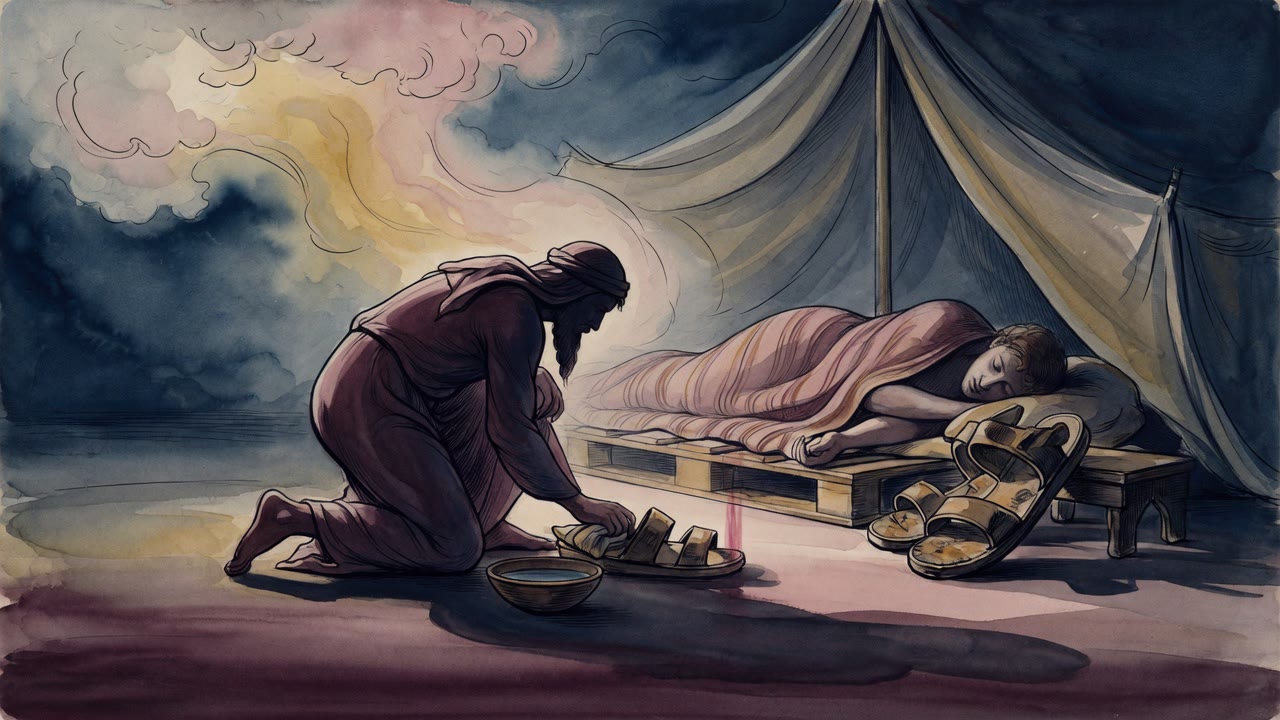
The same source recalls that Joshua had once been called a fool, that his brilliance was not obvious at the start. He served Moses faithfully without being recognized as exceptional. The midrash uses this as the explanation for why Moses chose him: not natural genius but loyal service. Not a sun waiting in the wings but a student willing to wait in the door of the tent. When Moses finally stepped aside and let Joshua walk first through the door, the choice had already been made through years of attendance rather than a moment of inspiration.
← All myths