Kenaz, the Prince Chosen by Lot After Joshua
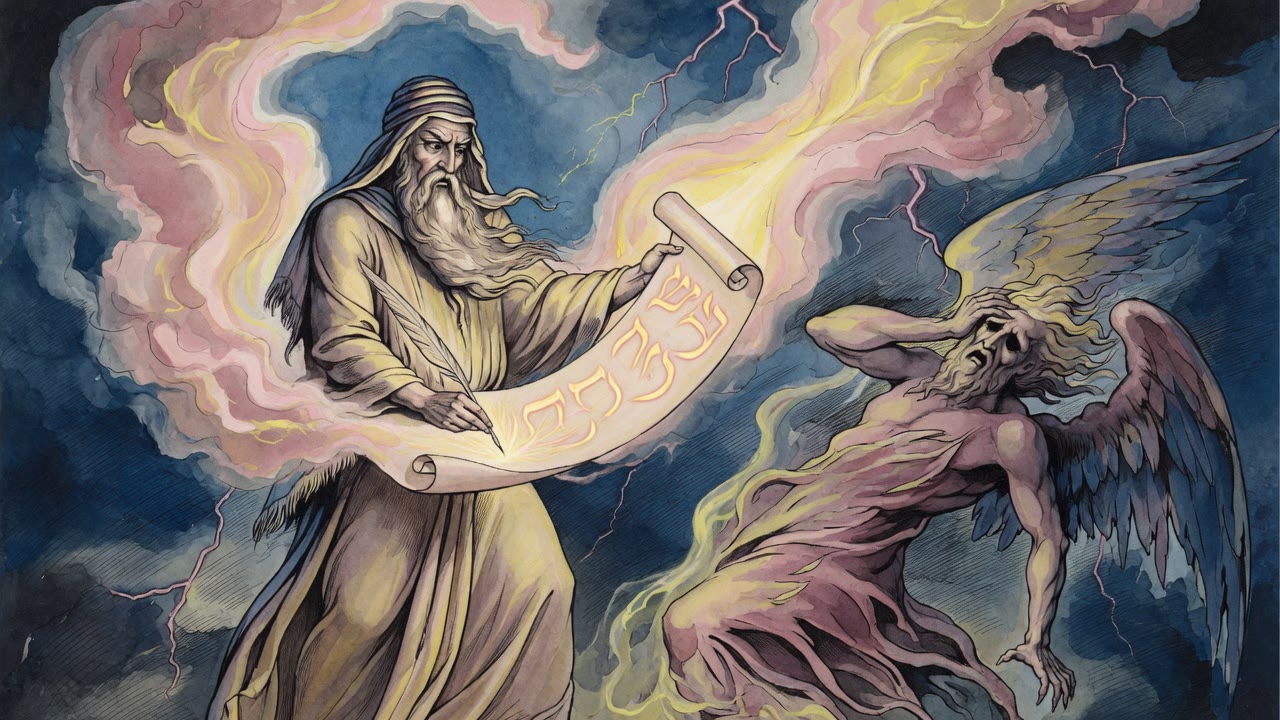
After Joshua died, Israel needed a leader. God's method was a purity test followed by lots, and the man selected was almost nobody's first guess.
Table of Contents
 Click for full size
The Silence After Joshua
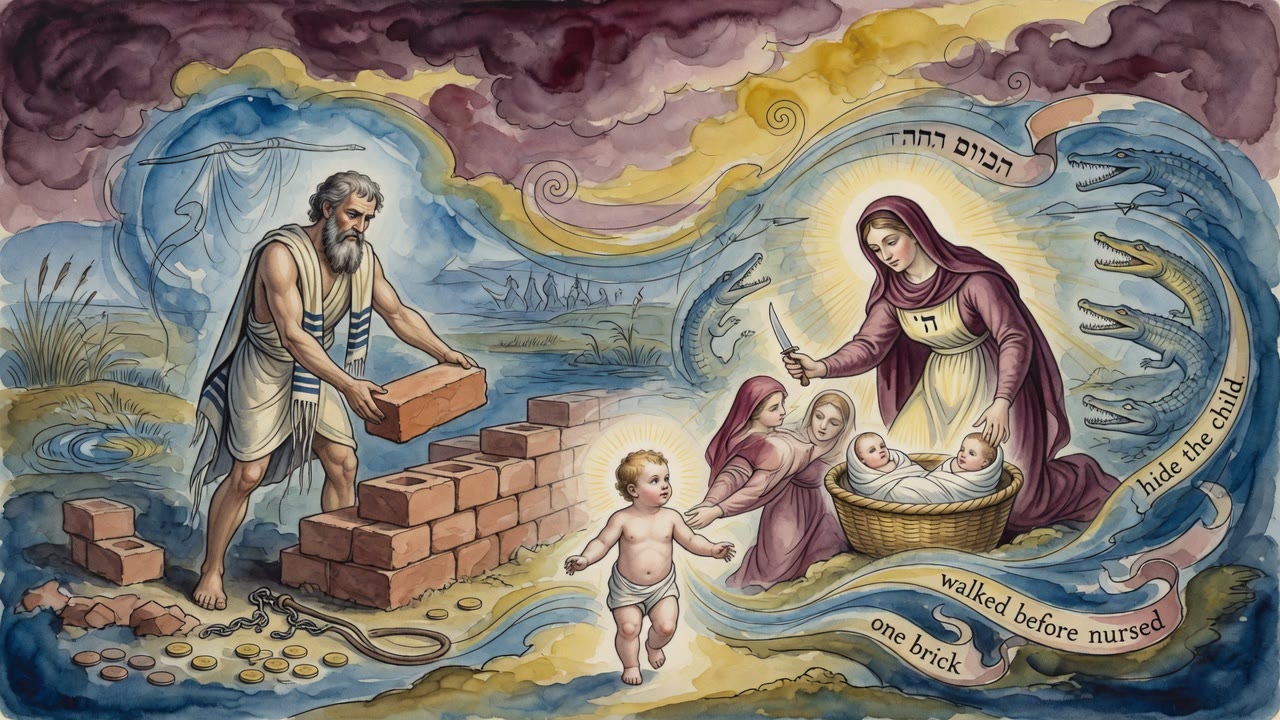
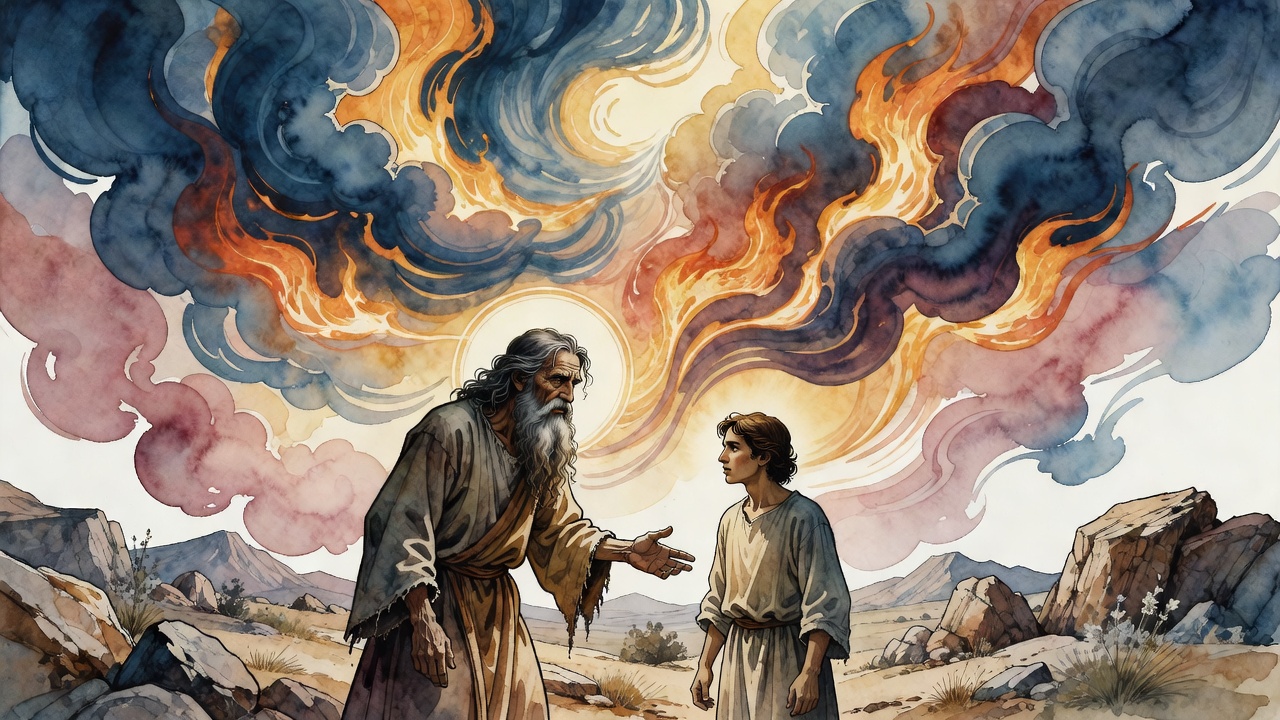
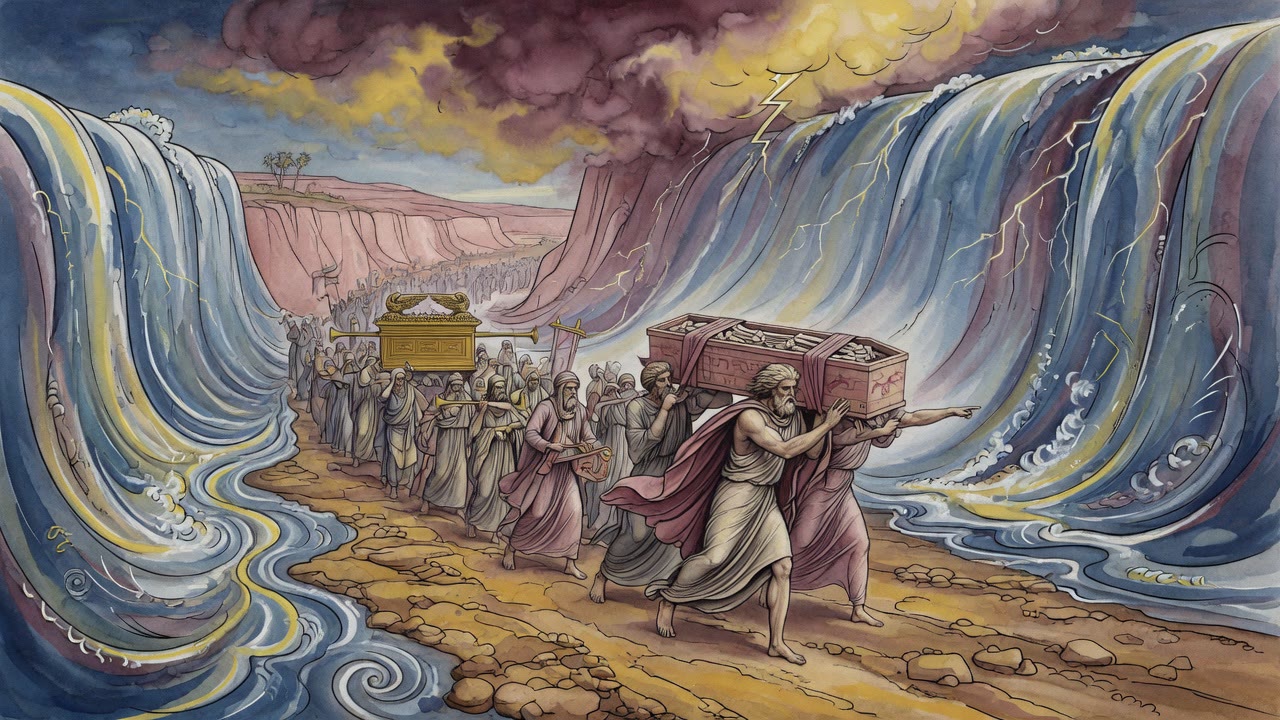
After Joshua was gone, the question that settled over every tribe and every elder was the same: who comes next? The man who had crossed the Jordan, who had stood before Jericho while the walls trembled, who had divided the land and organized a nation into its inheritance, had passed from the world. Leadership in Israel was not a title that could be handed down. It could not be assumed through lineage or claimed through seniority. The tradition understood something that ordinary political succession misses: the fitness of a leader cannot be determined by the candidates or by those who would choose them. There is one tribunal with the authority to make that judgment.
Israel turned toward heaven and asked.
The Purity Test That Had to Come First
God's response was not a name. It was a condition. Before Israel could receive a leader, they had to reckon with whether they were worthy of one. The command was direct: "if your hearts are pure, go forward. If sin is dwelling among you, address it first."
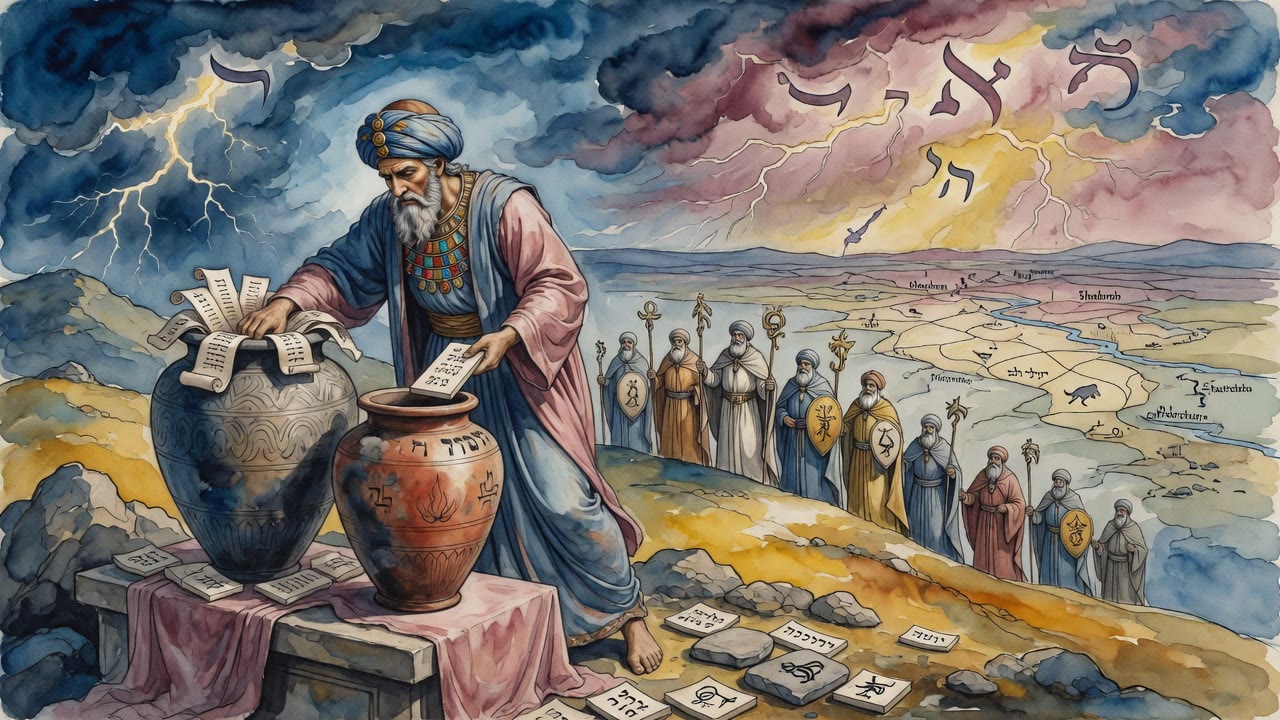
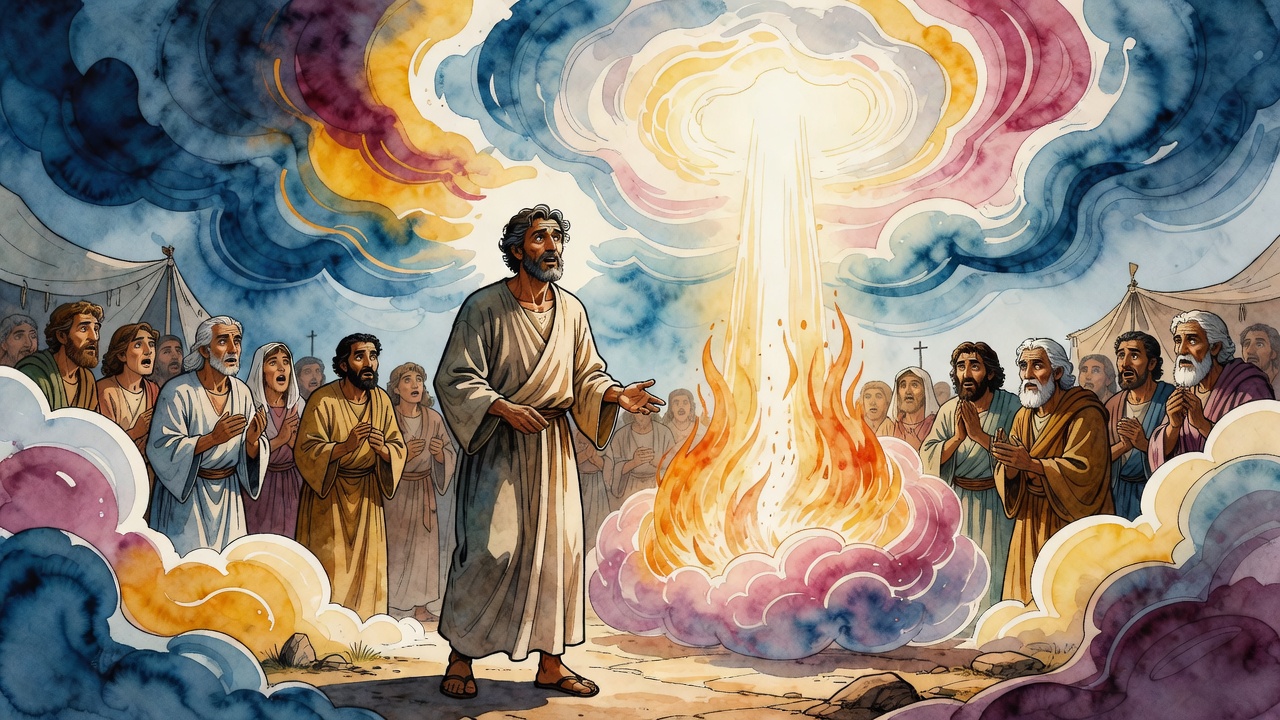
No community can take an honest inventory of its own moral state and produce a reliable accounting. The tradition knew this. The solution was a test taken not through confession, which could be incomplete or dishonest, but through an ordeal designed to make concealment impossible. The leaders of Israel gathered, and each tribe was submitted to a process of investigation that no human judge could conduct alone. Lots were cast in stages, tribe by tribe, clan by clan, family by family, until the investigation had reached the level of the individual.
The process turned up seven hundred men whose transgressions had been hidden. Each one was named. The sin was addressed. Only then could the question of leadership be asked again.
The Lot Falls on Kenaz
The man the lots identified was Kenaz, from the tribe of Judah. He was not, by the accounts preserved in the tradition, a man who had been pursuing command. He had not organized a faction or campaigned among the elders. The lot found him the way divine selection generally works in these narratives: by passing over the obvious candidates and landing on the one who was not expecting it.
The tradition records that Kenaz accepted the selection without protest, which was itself a kind of qualification. A man who wanted the position badly enough to campaign for it was already exhibiting the quality that made him unsuitable for it. Kenaz had not wanted it. When it was given, he took it.
What His Leadership Looked Like
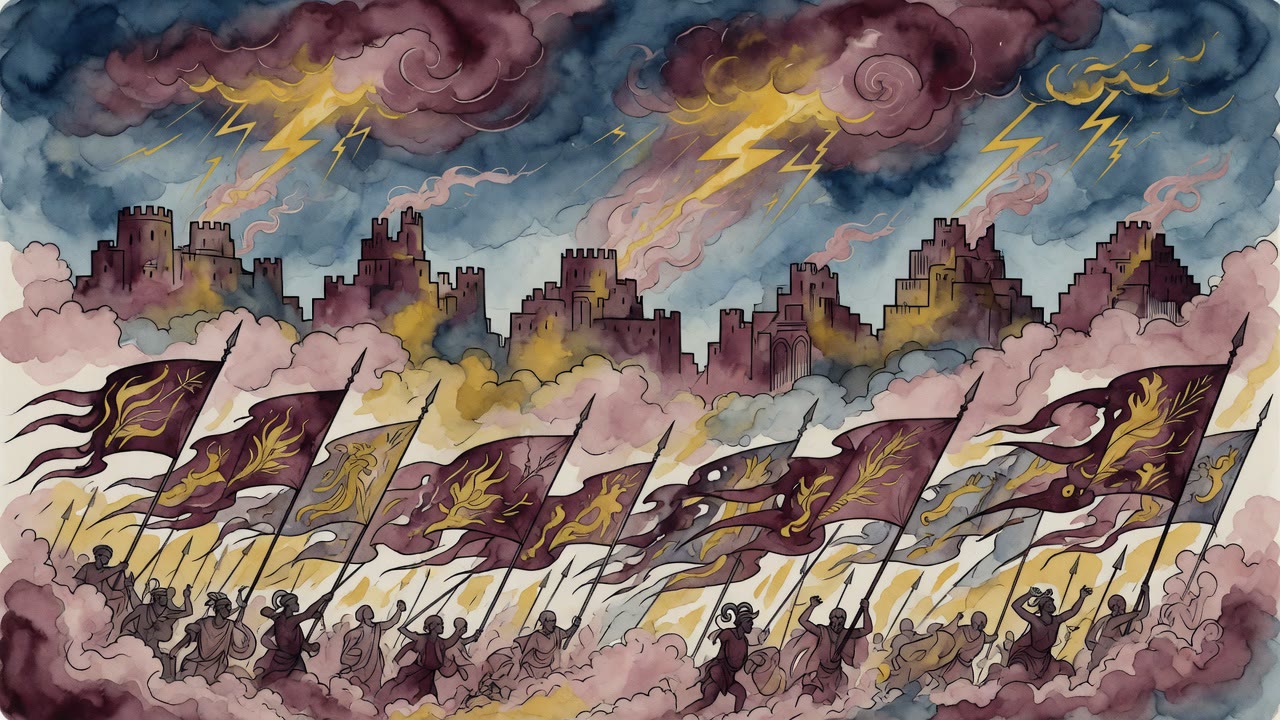
Kenaz ruled as a judge and military leader in the period after Joshua, during the chaotic early years of the settlement of Canaan. The account of his campaigns preserved in the Book of Biblical Antiquities gives him a military victory against an enemy coalition, achieved not through superior numbers but through what the tradition describes as divine intervention on behalf of a man who held his authority lightly enough that God was willing to act through him.
He served until his death and left behind no dynasty, no inherited power structure, no mechanism for ensuring that the man who followed him would be as good as he was. This was not an accident. The system that had selected him by lot was designed to prevent power from pooling in a single family. Each generation would go through the same process. Each generation would have to begin again from purity.
← All myths