How Joshua Found the Man Who Made Israel Lose at Ai
Joshua lay on his face before the Ark until evening. Thirty-six men were already dead. A cloak from Shinar still lay buried in a tent.
Table of Contents
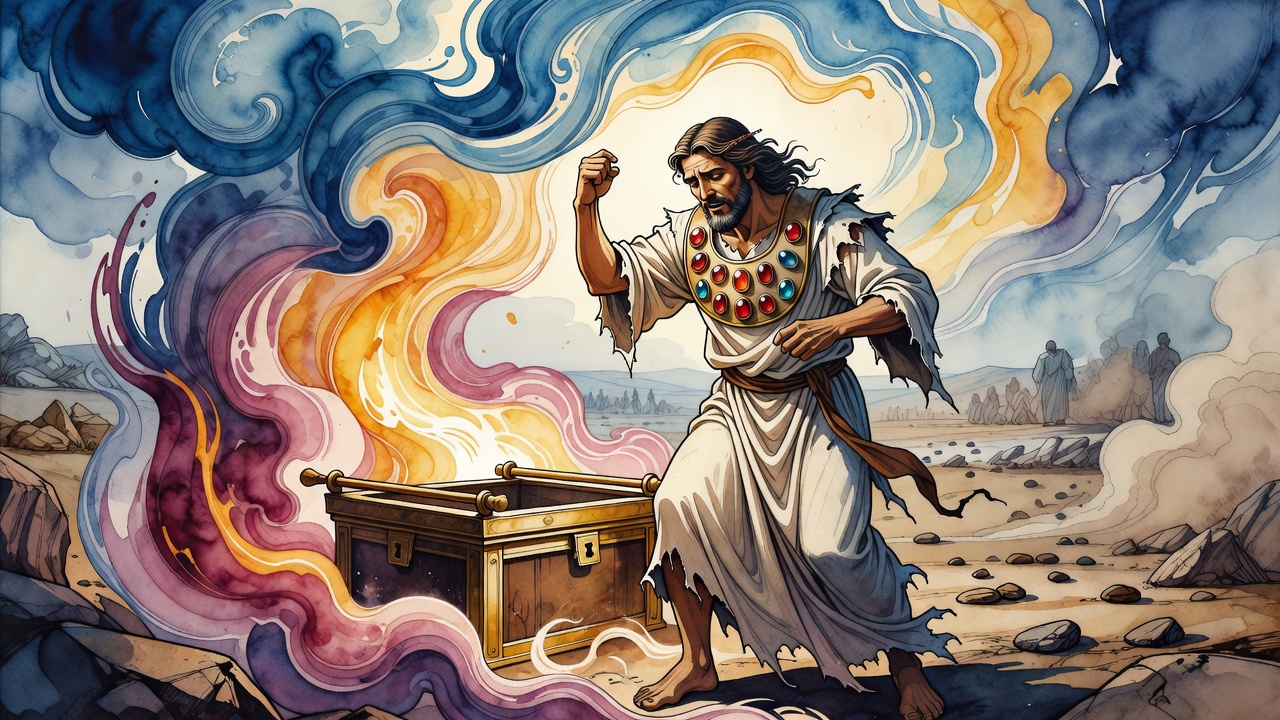
Dust stuck to Joshua's forehead. He had been on his face before the Ark since the runners came back from Ai. Thirty-six men were dead. The rest of the force had fled. After Jericho, Ai was supposed to be small.
 Click for full size
The Small City Broke Them
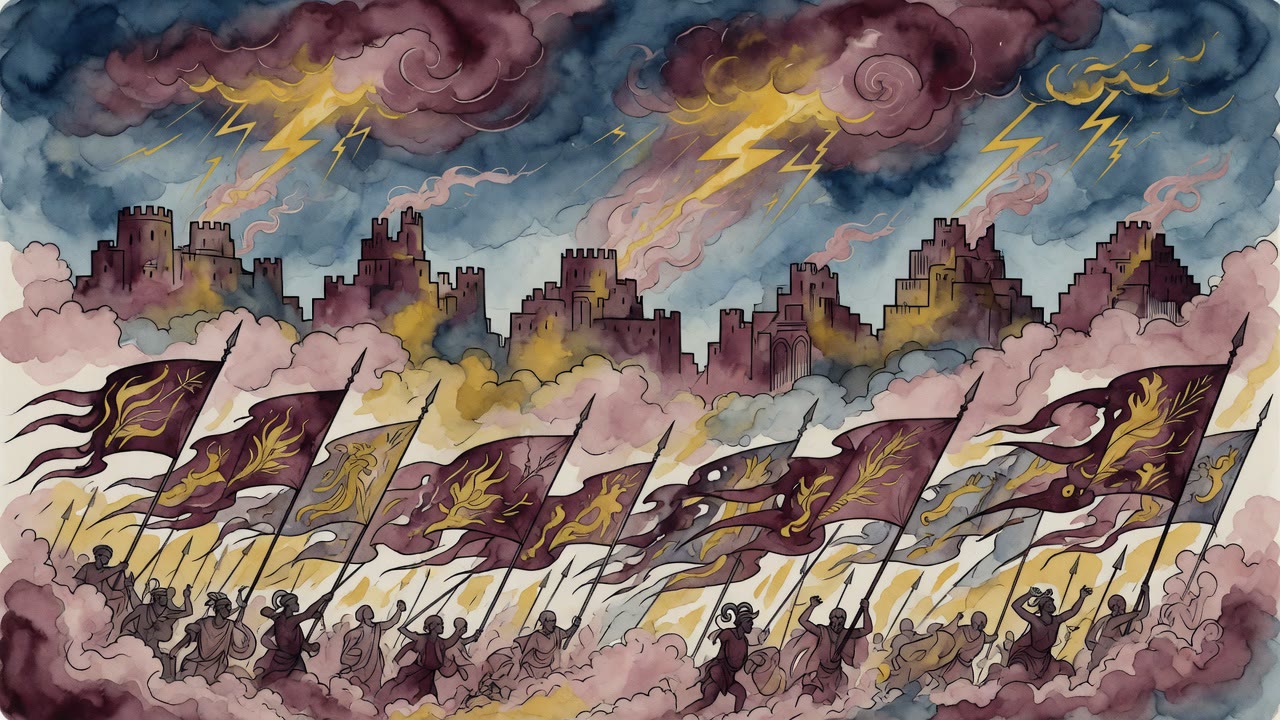
Jericho had fallen without a sword at the walls. Seven days of marching, trumpets, a shout, and the stones came down. Israel had watched and thought the land would be taken the same way, by God's power, not by ordinary war.
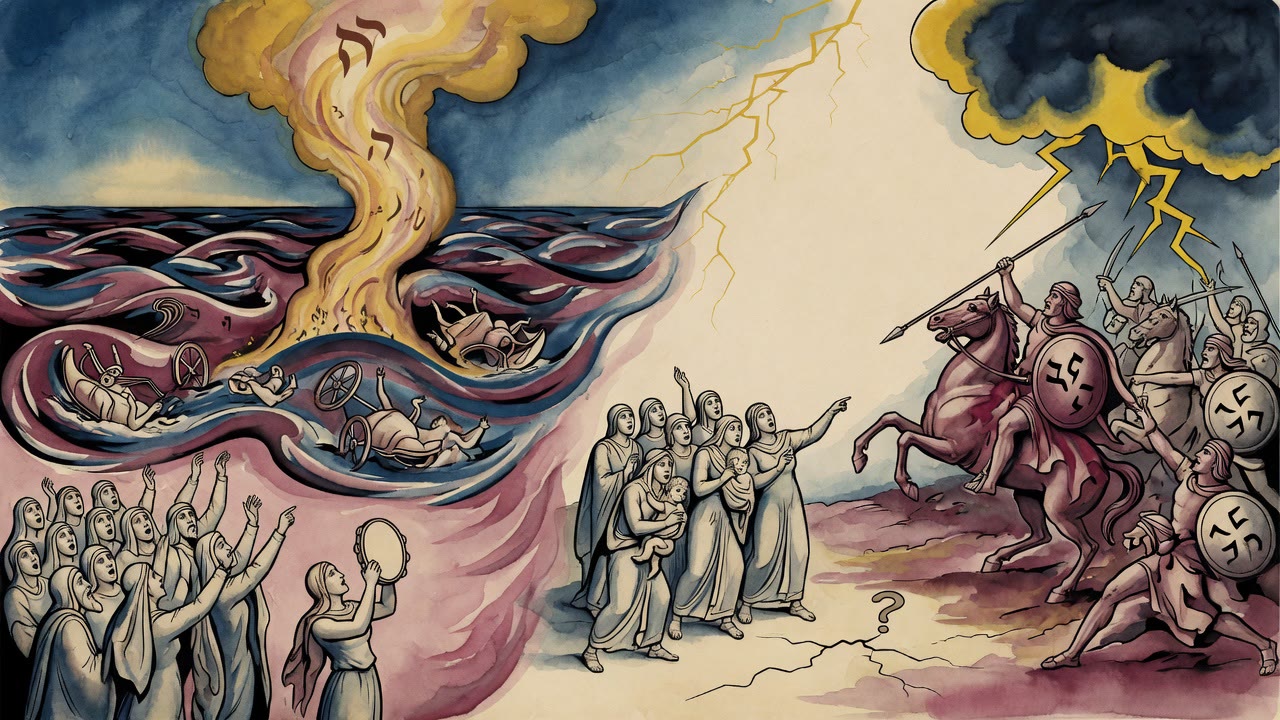
The scouts came back from Ai almost bored. Do not send all the people. Two or three thousand are enough. Joshua sent them. The men of Ai routed them. The small city made Israel lose thirty-six men in a single flight. Joshua tore his garments, fell before the Ark with the elders, dust on their heads, and stayed there until evening.
"Why did you bring this people across the Jordan," he said, "to give us into the hands of the Amorites to destroy us?" It was Moses' question after the calf, now in the mouth of a man who could not explain a loss in the field (Joshua 7:7).
God Told Him to Get Off the Ground
"Stand up," God said. "Why are you fallen on your face? Israel has sinned. They have taken of the devoted things, and stolen, and deceived, and put the forbidden items among their own stuff. I will not be with you until you remove this from your midst."
The herem (חרם) of Jericho had been total. Silver and gold to the treasury. The rest burned. One thief had reached into that heap and taken for himself. Until that man was found, Israel could not be the instrument it had been at Jericho. Thirty-six men had died for one hidden pile.
Joshua got off the ground. Grief had not been the work. Finding the thief was the work.
Judah's Stone Went Dark
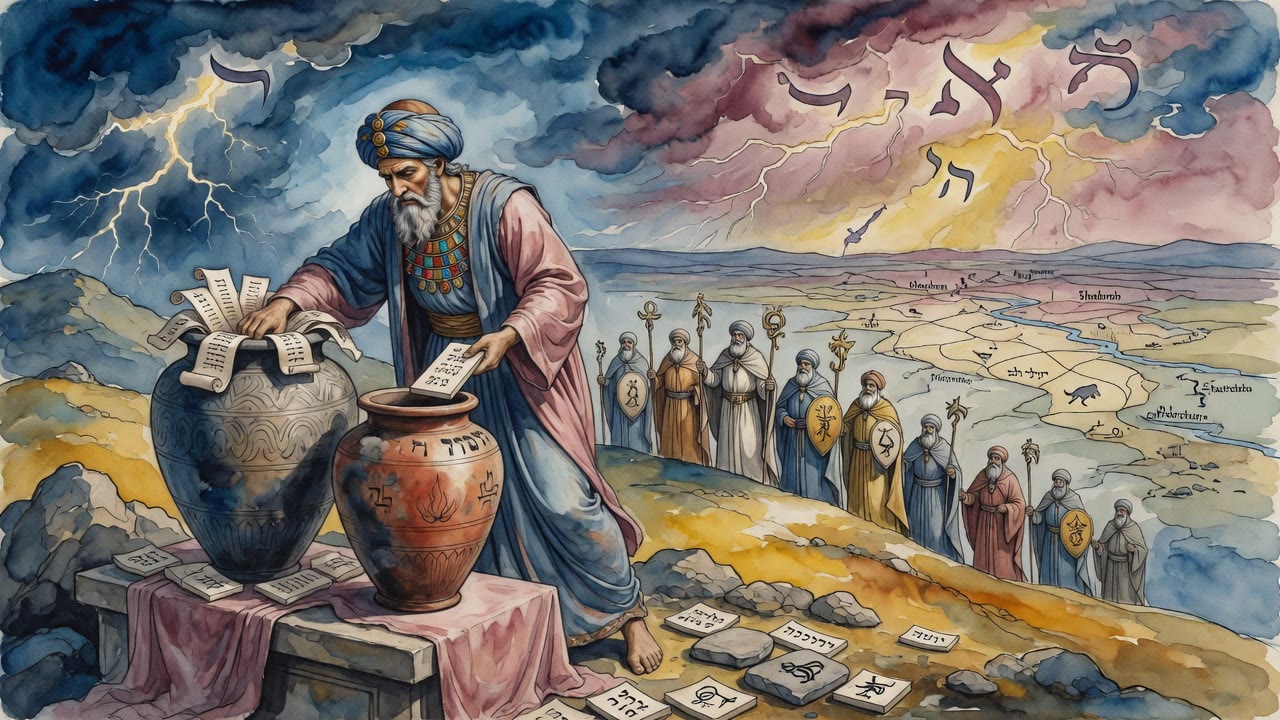
Joshua looked at the choshen (חשן), the high priest's breastplate, twelve stones for twelve tribes. The stone of Judah had lost its luster. The lot would walk the rest of the way.
Tribe by tribe. Judah taken. Clan by clan. The Zerahites. Household by household. Zabdi. Man by man, the lot fell on Achan son of Carmi.
Joshua spoke to him as to a son. "My son, give glory to the LORD God of Israel. Make confession. Tell me what you did, and do not hide it from me."
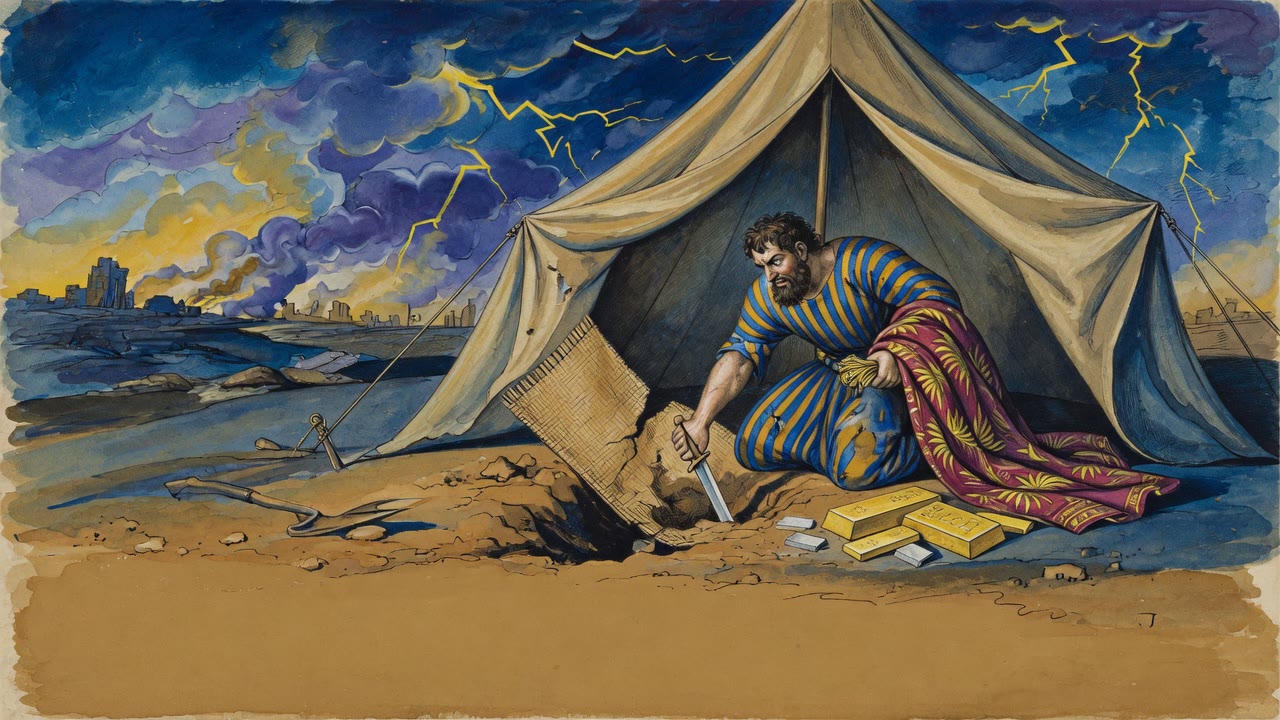
Achan confessed. He had seen among the spoil a beautiful cloak from Shinar, two hundred shekels of silver, and a bar of gold weighing fifty shekels. He had desired them. He had taken them. They were buried in the ground inside his tent, the silver under the rest. He had also seen teraphim in the heap, household gods standing over silver offerings, and he had reached past them for the mantle and the tongue of gold.
They Dug Under the Tent
Runners went to the tent and dug. The cloak. The silver. The gold bar. They brought them out and spread them before Joshua and all Israel. This was what thirty-six men had died for. Cloth, metal, a hole in a floor.
Achan stood in front of the spread spoil and did not deny it. He had given God glory in the hour he was caught. Joshua heard the confession and still had a valley to fill.
The Valley Took His Name
Achan was taken to the Valley of Achor with his sons and daughters, his livestock, his tent, and everything he had. They stoned him and burned the things. A heap of stones went up over him. The valley took the name of the trouble he had brought into the camp.
"Why have you troubled us?" Joshua said. "The Lord shall trouble you this day." Some who kept the line heard a limit in those two last words. This day. Not the day that has no evening. The stones covered a thief who had spoken the truth when asked. The camp could move on Ai again. The heap stayed in the valley as a marker of the cost of taking what had been set apart.
← All myths