The Canaanite Nation That Chose to Leave and Got a Continent
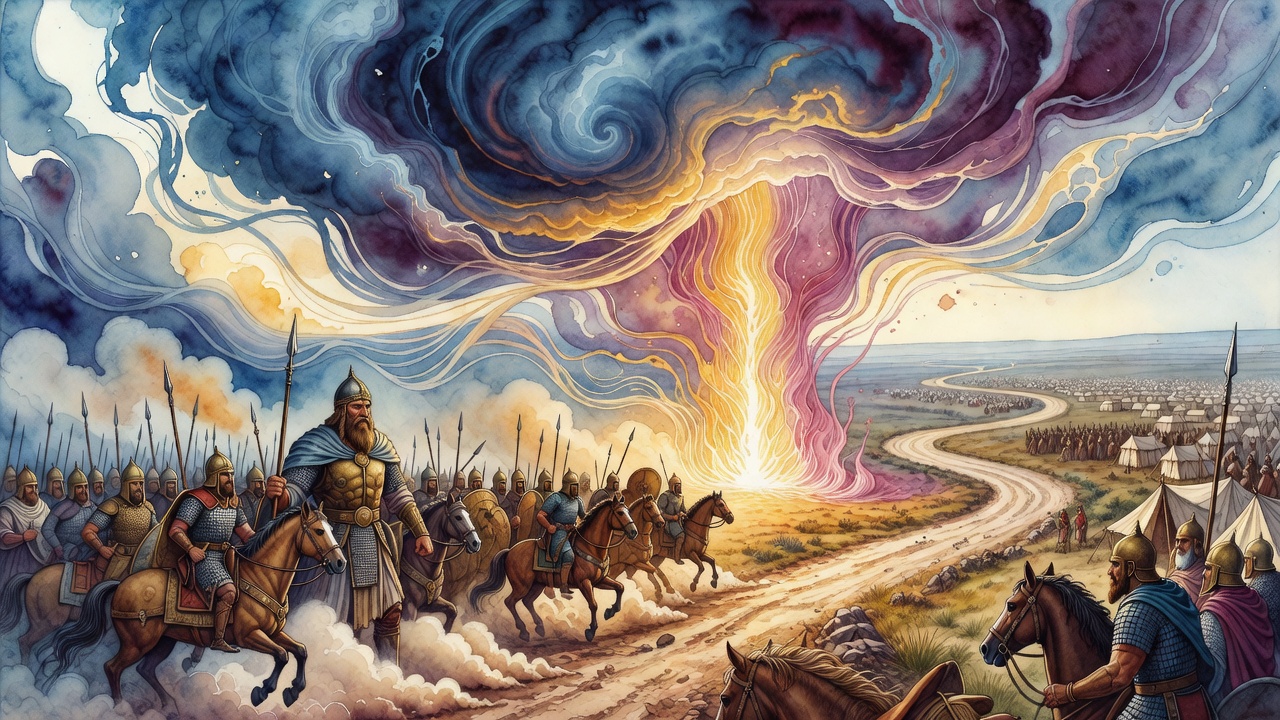
Word reached Canaan ahead of the army. Men pried up their own floors and packed silver into the walls. One nation harnessed its carts instead.
Table of Contents
 Click for full size
Three Lines, Posted in Every Town He Came to Take
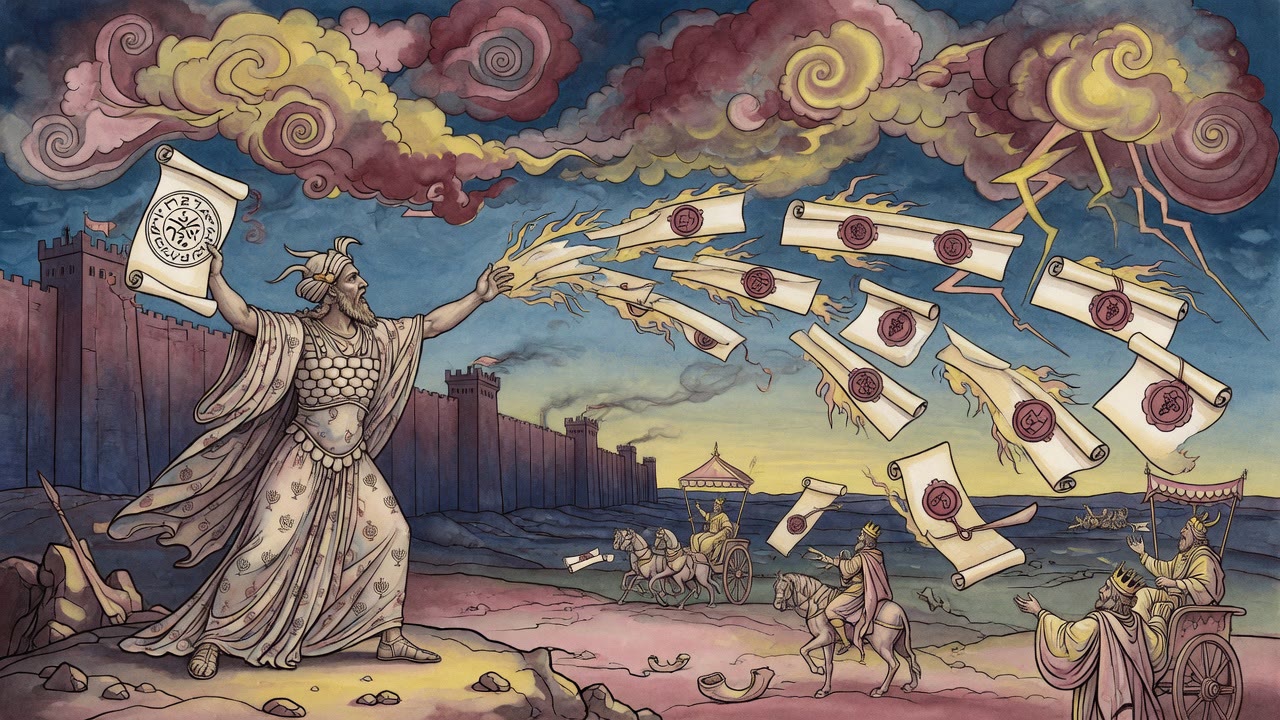
Before Joshua put a single ladder against a single wall, the notice went up. It went up in every place he was coming to conquer, ahead of the men, ahead of the rams and the ropes, and it said three things.
Anyone who wants to leave, leave.
Anyone who wants to make peace, make peace.
Anyone who wants war, come and have it.
The wording was not soft and it was not a bluff. Every one of the three was on offer to every nation in the land, and each one had already been carried out somewhere before it was posted anywhere else. What the notice did, before anything else, was tell Canaan exactly what was coming and roughly when.
The Silver Went Into the Walls
So they hid the money.
Men who had never lifted a floor stone in their lives lifted them that season. They packed coin into the cavities behind the plaster and set the plaster back and smoothed it with a wet hand. They went out into the fields at dusk with jars and came back with dirt under their nails. Whatever a household could not carry and would not surrender, it buried, on the reasoning that a household can come back from a war and cannot come back from an empty room.
Nobody in Canaan had worked that hard in years, and all of it was done because of a piece of writing Joshua had sent on ahead.
The Girgashites Loaded Their Carts
One nation read the first line and took it.
The Girgashites did not send an embassy and did not send a threat. They stood up and evacuated. They went out of the land in front of Israel, on the strength of nothing but a written promise of safe passage from an army that had already burned Jericho, and they left the houses standing and the fields planted behind them.
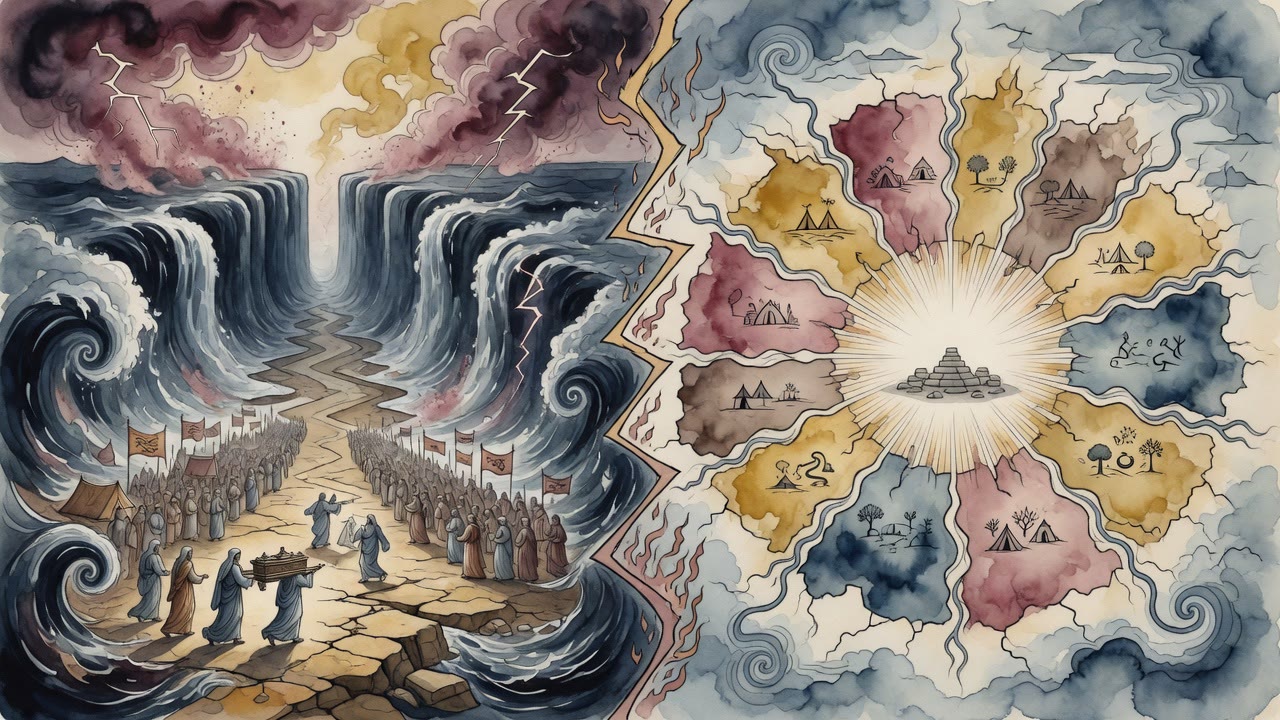
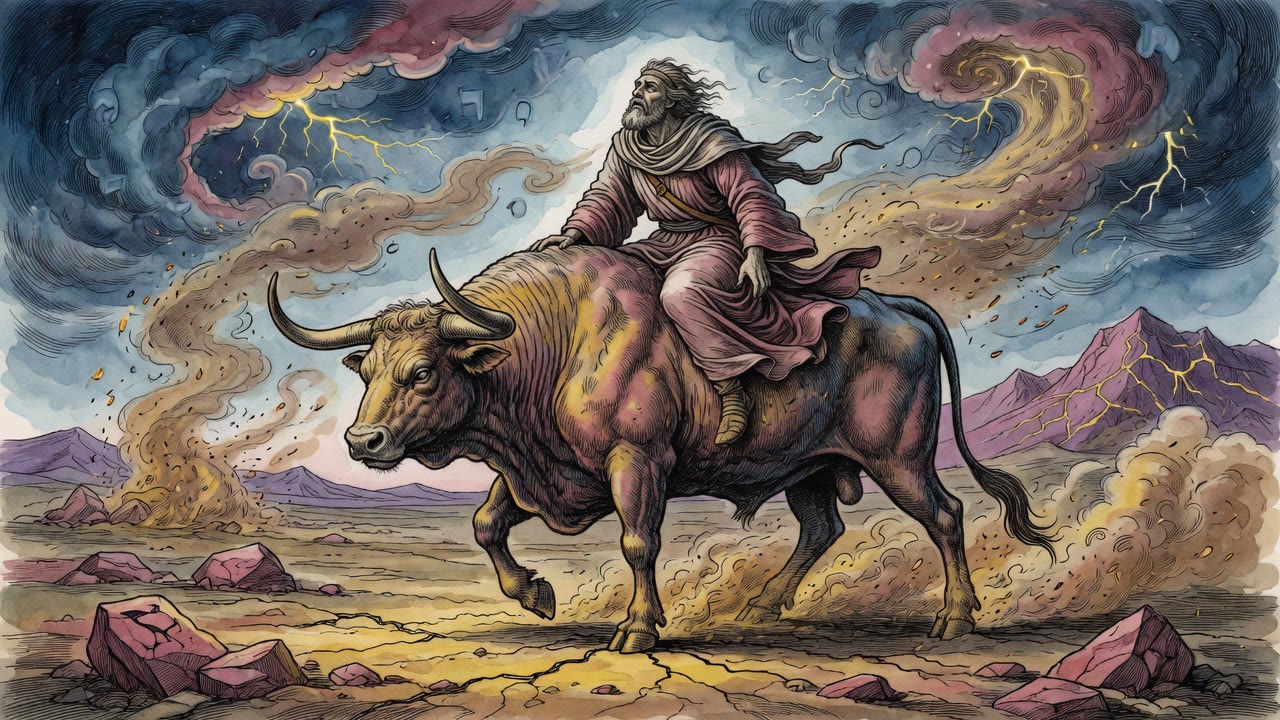
What they were given for it was not a corner of somewhere. God gave them a land as fine as the land they had walked out of. He took them to Africa and set them down in it, the whole of it, in exchange for the strip they had abandoned without a fight.
The Gibeonites Came in Worn Sandals
The Gibeonites wanted the second line and would not simply ask for it.
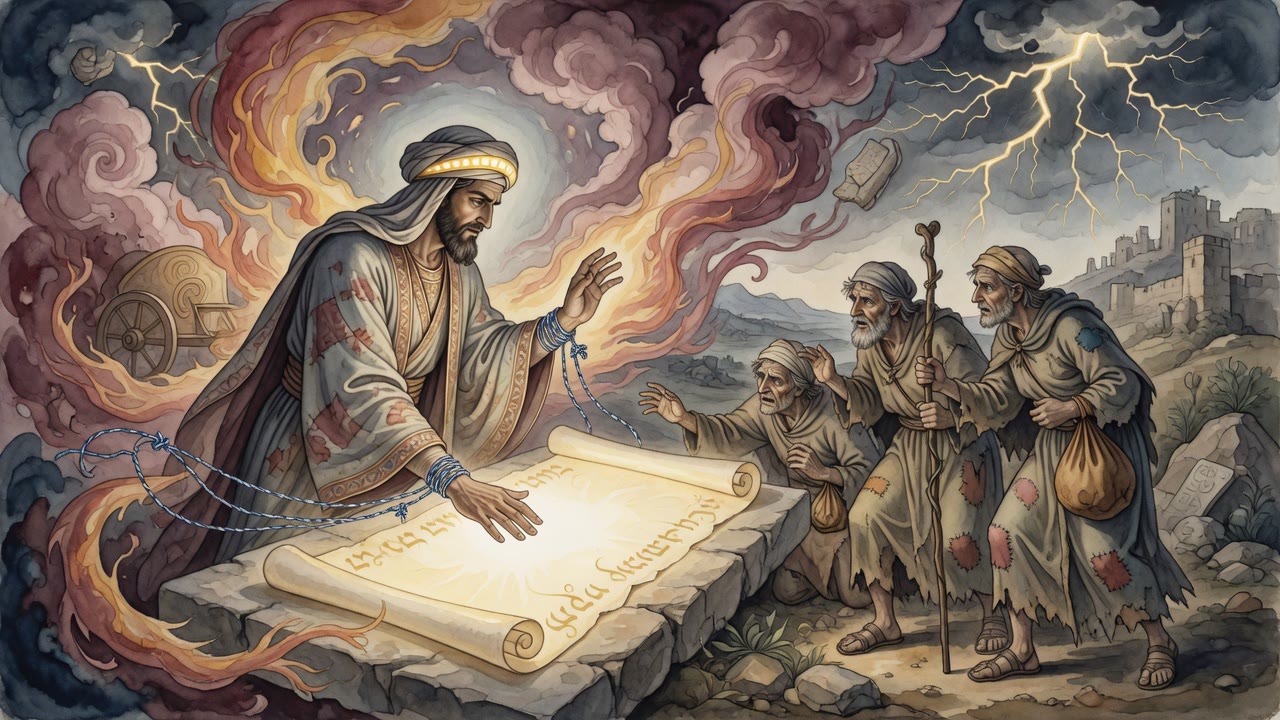
They could have sent a letter back the week the notice arrived. Instead they cut their sandals until they flapped, patched their wineskins, filled their sacks with bread that had gone dry and crumbling, and walked into the camp claiming to have come from the far end of the world because they had heard of the fame of the God of Israel. Joshua and the elders looked at the bread, did not ask, and swore.
When the lie came apart, Joshua kept the oath anyway. He kept it so that the nations watching would know what an oath is worth in the mouth of an Israelite, and he put the Gibeonites to hauling wood and drawing water for the sanctuary and let them live. The covenant stood on a misunderstanding and it stood all the same. Generations later David looked at what the Gibeonites had become and shut them out of Israel permanently, and that sentence has never been lifted.
Thirty-One Kings Chose the Third Line
Everyone else went to war.
They wanted to see the enemy with their own eyes before they decided anything, and they saw him. Thirty-one kings came out against Joshua and thirty-one kings fell. With them went the governors of foreign kings who had been proud to hold a piece of ground in that country and had sent troops to keep it. Nothing was left of them, not a remnant.
The nation that fled kept a continent. The nation that lied kept its life and lost its standing. The nations that fought kept the houses they had hidden their money in, for about a season.
The Plague That Opened the Walls
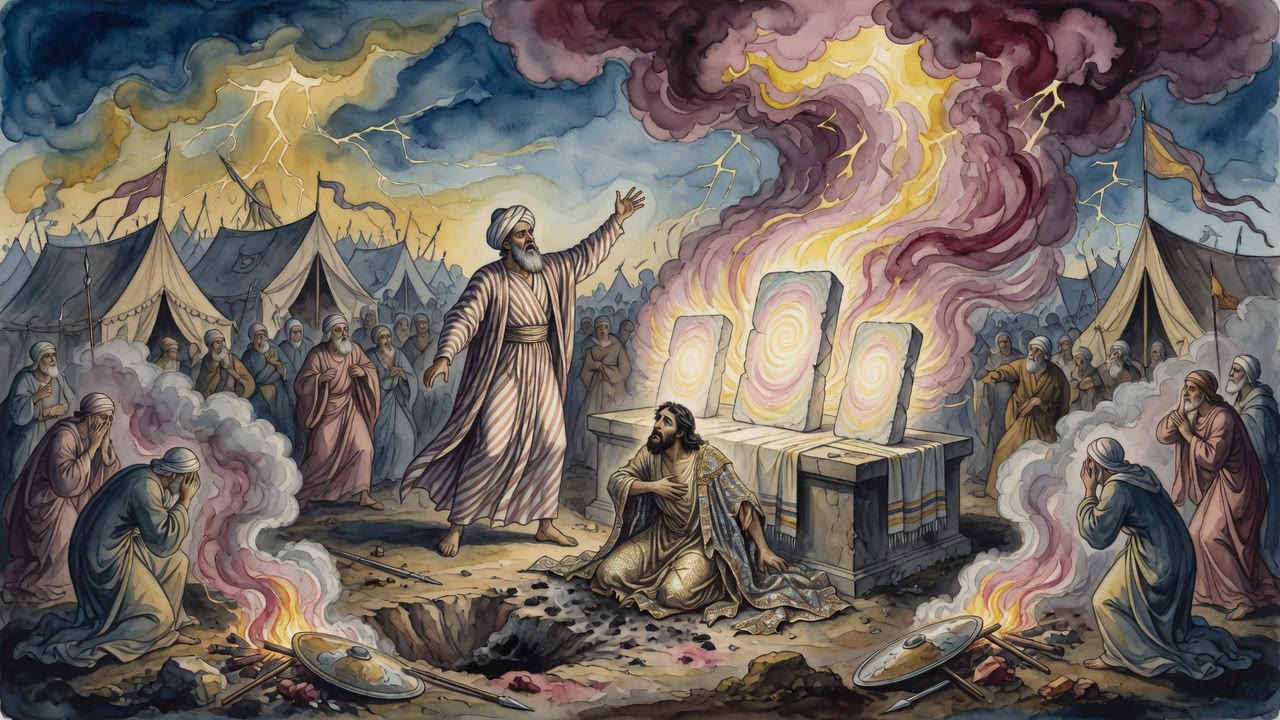
Then Israel moved into the houses, and the walls began to break out in a mark like leprosy.
A man would find a green or reddish streak sunk into the plaster of a room in a town he had not built. The priest would come and look and come back and look again, and in the end the order was to pull the wall down and carry the stones outside the town.
So the man took a bar to his own wall, and the plaster came off in sheets, and behind it, packed into the cavity by hands that had smoothed the surface flat a few years earlier, was the silver.
← All myths