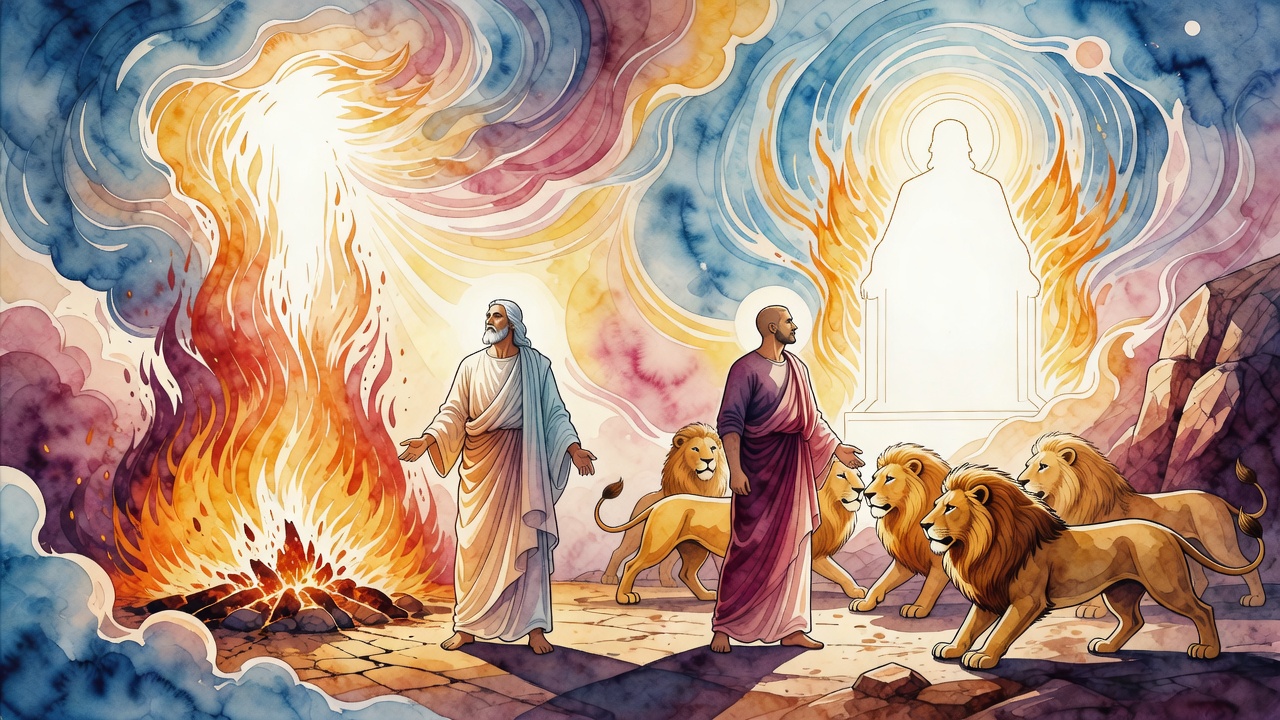
Daniel Urged Cyrus to Rebuild the Temple and Survived the Lions Twice
Daniel had outlived Babylon, but Jerusalem was still rubble. Persian officials could find nothing to charge him with, so they made his prayers illegal.
Table of Contents
 Click for full size
The Empire Changed Names, The Rubble Did Not
Daniel had outlived Babylon, but Jerusalem was still rubble.
The empire changed names. Palace guards changed uniforms. Kings who had terrified the world were dead or dying. None of that rebuilt a single stone of the Temple. For the exiles, survival was not enough. They needed permission, money, leaders, and a road back to the hill where God's house had burned. Daniel was the one man in the Persian court with enough standing, enough history, and enough credibility to begin opening those doors.
How Cyrus Received the Vessels
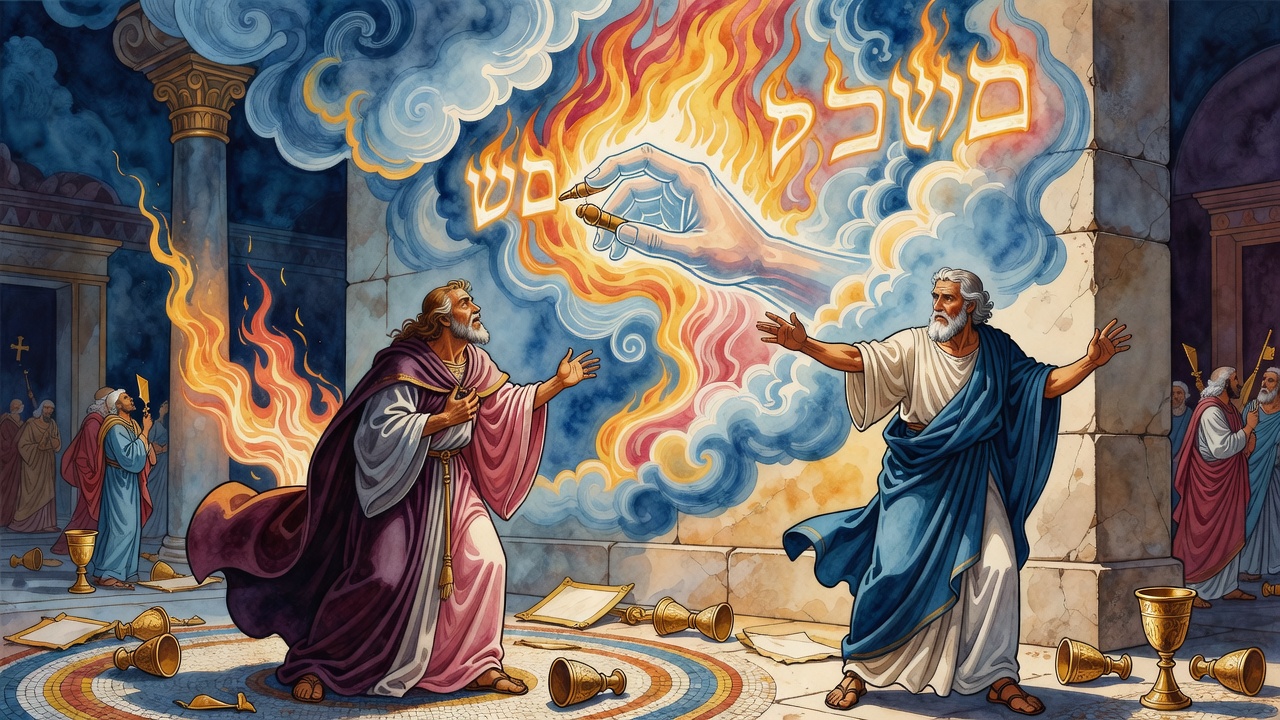
The transition was abrupt. Belshazzar, the last Babylonian king, had used the Temple vessels at his feast, pouring wine into the golden cups of the Holy Temple as though they were barware. The writing appeared on the wall that night, and by morning Belshazzar was dead at his own door, cut down by guards following an order he himself had given. The empire passed to Cyrus and Darius in the space of hours.
Daniel fled to Shushtar. Cyrus received him. They made an arrangement: Daniel would pray for God's help in Cyrus's campaign against the king of Mosul, and in return the Temple vessels would begin their road back to Jerusalem. Daniel prayed. Cyrus won the campaign. The first pieces of what had been dragged into Babylonian feasts began their journey home.
Daniel Put the Leaders Before the King
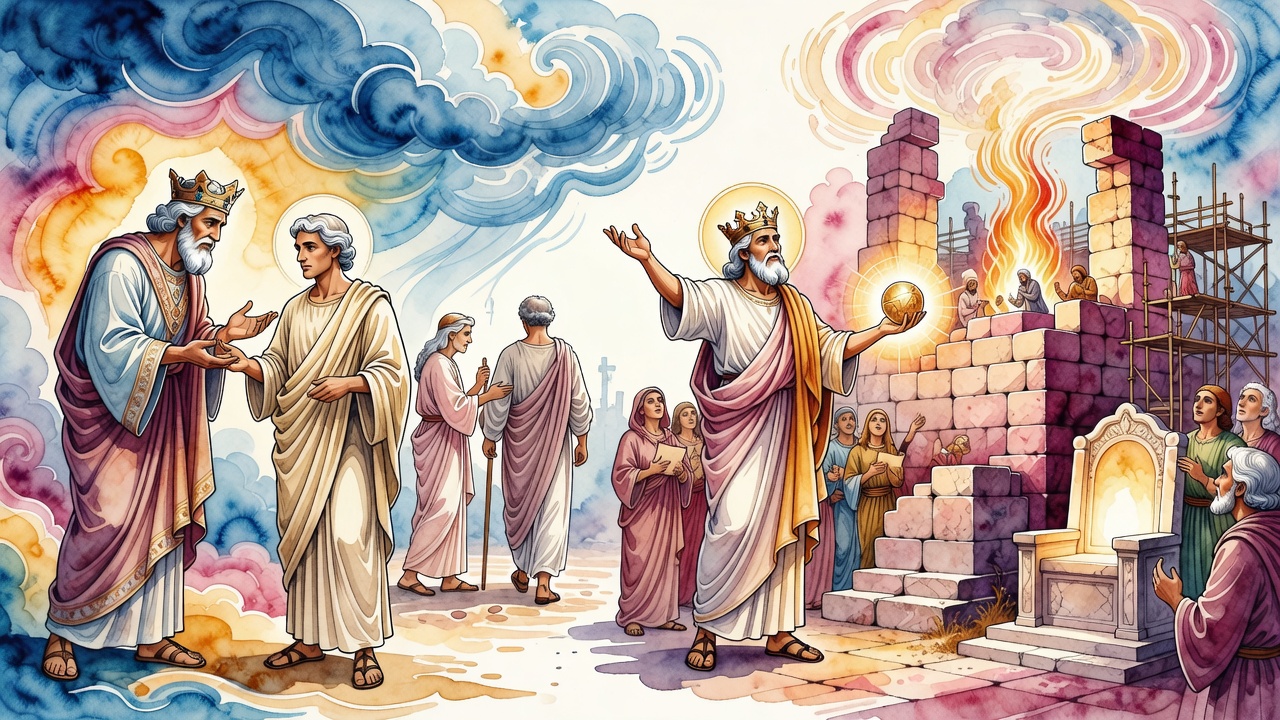
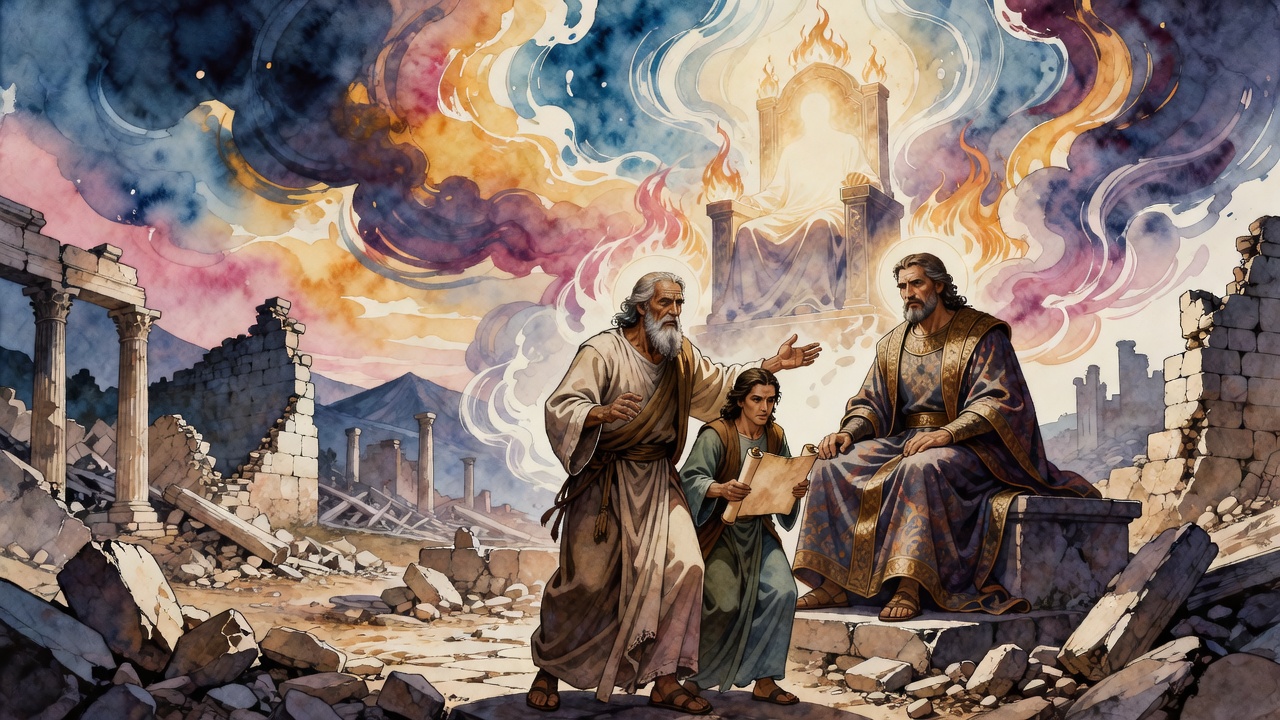
Then Daniel did something more significant than prayer. He brought Ezra and Zerubbabel before Cyrus and made the case directly. He presented the Persian king with a political argument: letting the Jewish people return to rebuild their Temple was not charity. It was the right alignment of the empire with the God who had already demonstrated, through the writing on the wall and through Daniel's own career, that he was not a God one treated as furniture. Cyrus should issue a decree. Cyrus should fund it. Cyrus should send these men back with authorization.
The decree came. The book of Ezra records it. Cyrus issued a proclamation to all the kingdoms of the earth: the Lord God of heaven has given me all the kingdoms of the earth. He has charged me to build him a house in Jerusalem. Whoever is among his people, let him go up.
The road back had been opened. Daniel had opened it by being present in the court long enough and trusted enough to make the case.
The Envy That Put Him in the Den
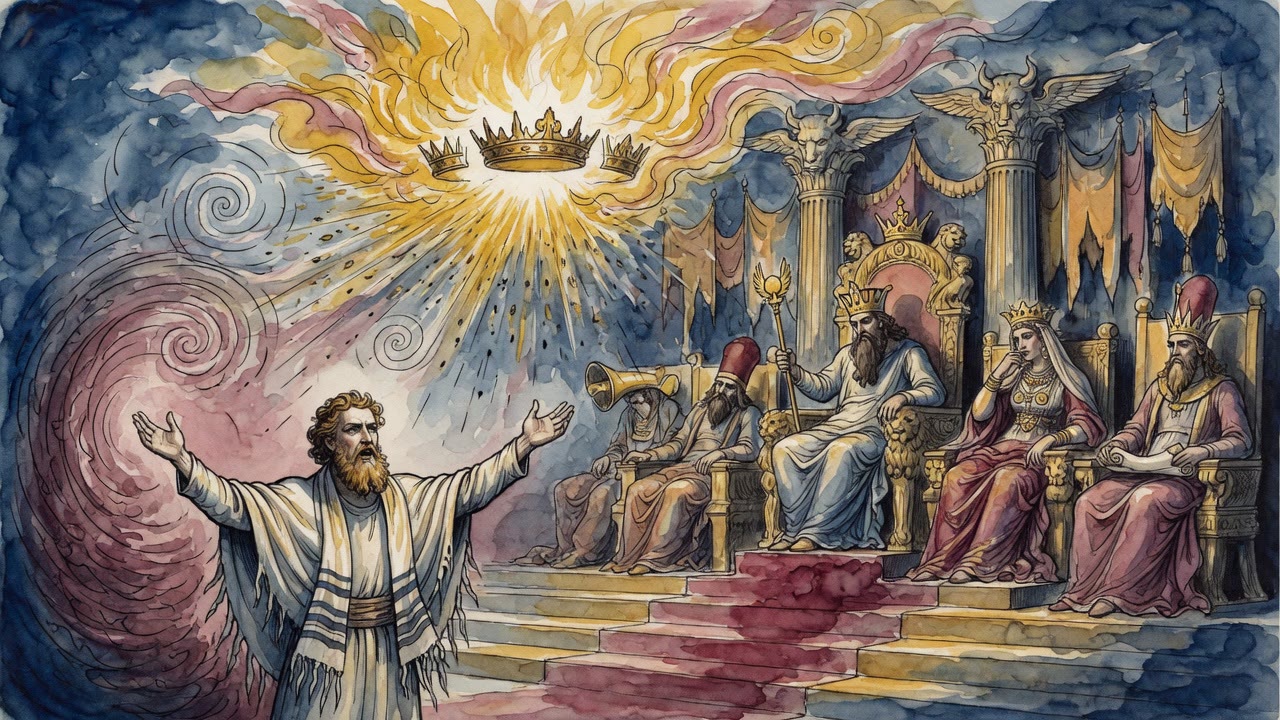
The Persian court's admiration for Daniel curdled into something else once it became clear that Cyrus and Darius intended to elevate him above the other administrators. The officials who had watched Daniel outlast three Babylonian kings were not going to watch him become the most powerful man in Persia without a fight. They looked for accusations and found nothing. He was too careful, too honest, too consistent in his habits. So they made the habit itself into the crime.
They drafted a decree that made prayer to anyone but the king illegal for thirty days. They knew Daniel prayed three times a day facing Jerusalem. They knew he had been doing it since he arrived as an exile and that he would not stop because of a royal edict. They presented the decree to Darius as a routine matter, without mentioning Daniel's name, and Darius signed it.
Daniel went home, opened his window toward Jerusalem, and prayed.
The administrators had him arrested and brought the charge to Darius. The king was distressed to the point of physical illness, and he worked all day to find a legal mechanism to release Daniel, and there was none, because Persian law did not allow a king to revoke what he had signed. At sunset, he sent Daniel into the den.
The Morning at the Pit
Darius came at first light, walking fast. He called out to Daniel before he reached the stone. Daniel, servant of the living God, has your God been able to deliver you from the lions?
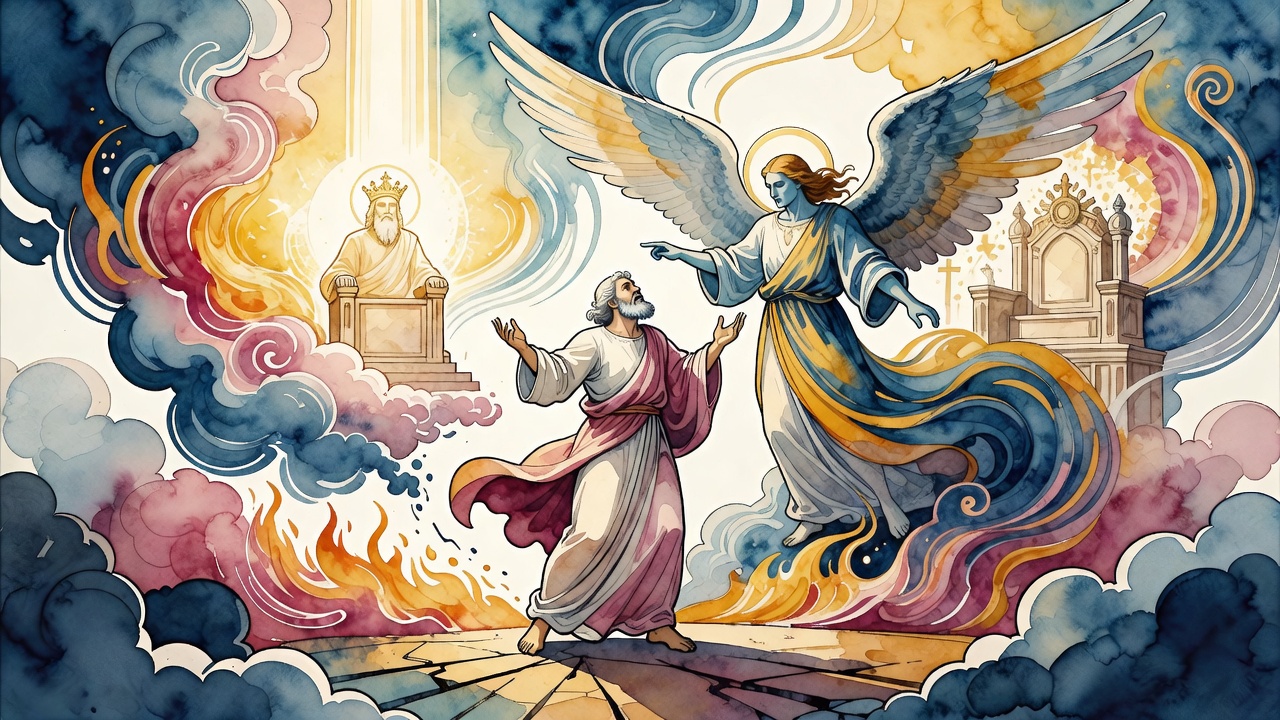
Daniel answered from inside the pit: O king, live forever. My God sent his angel and shut the lions' mouths. They have not hurt me. Because I was found innocent before him, and also before you I have done no wrong.
The king was glad. He had the officials who framed Daniel thrown into the den, and the lions had them before they reached the floor. Then Darius issued his own decree: people of every nation and language shall tremble before the God of Daniel. He is the living God. His kingdom shall not be destroyed.
← All myths