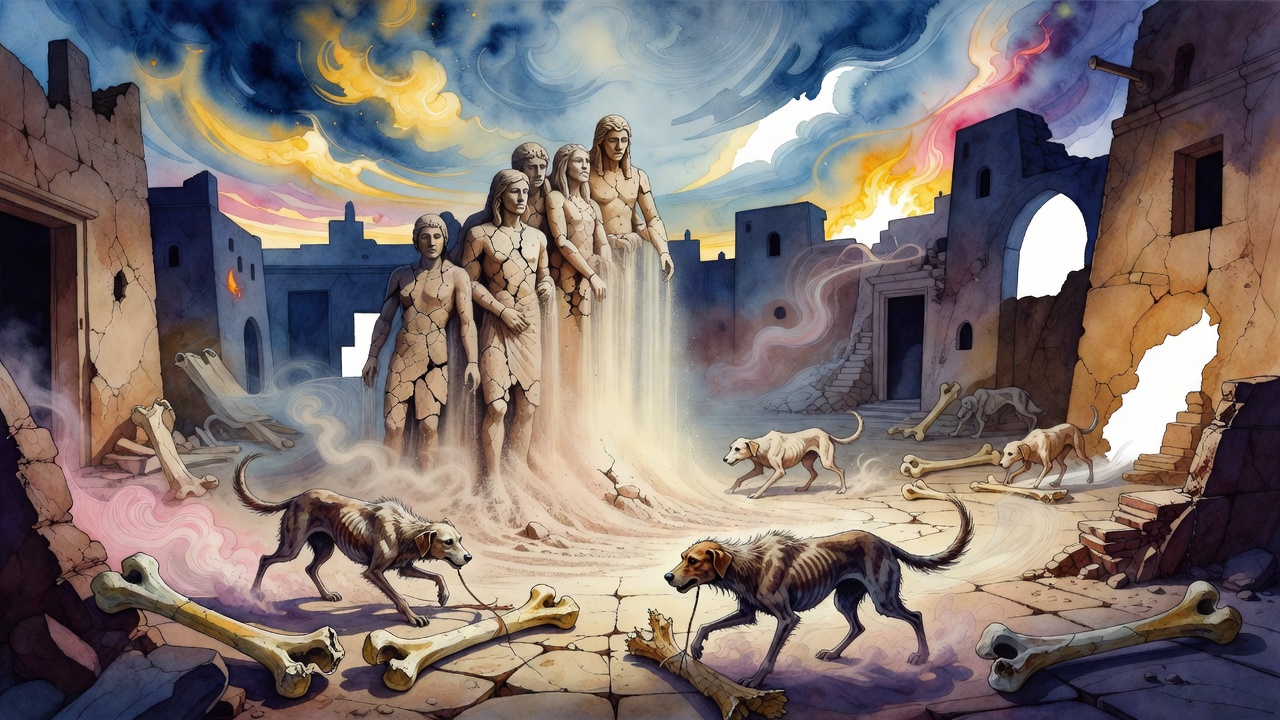
Israel Killed the King's Messengers and Then Moses Turned Them Back
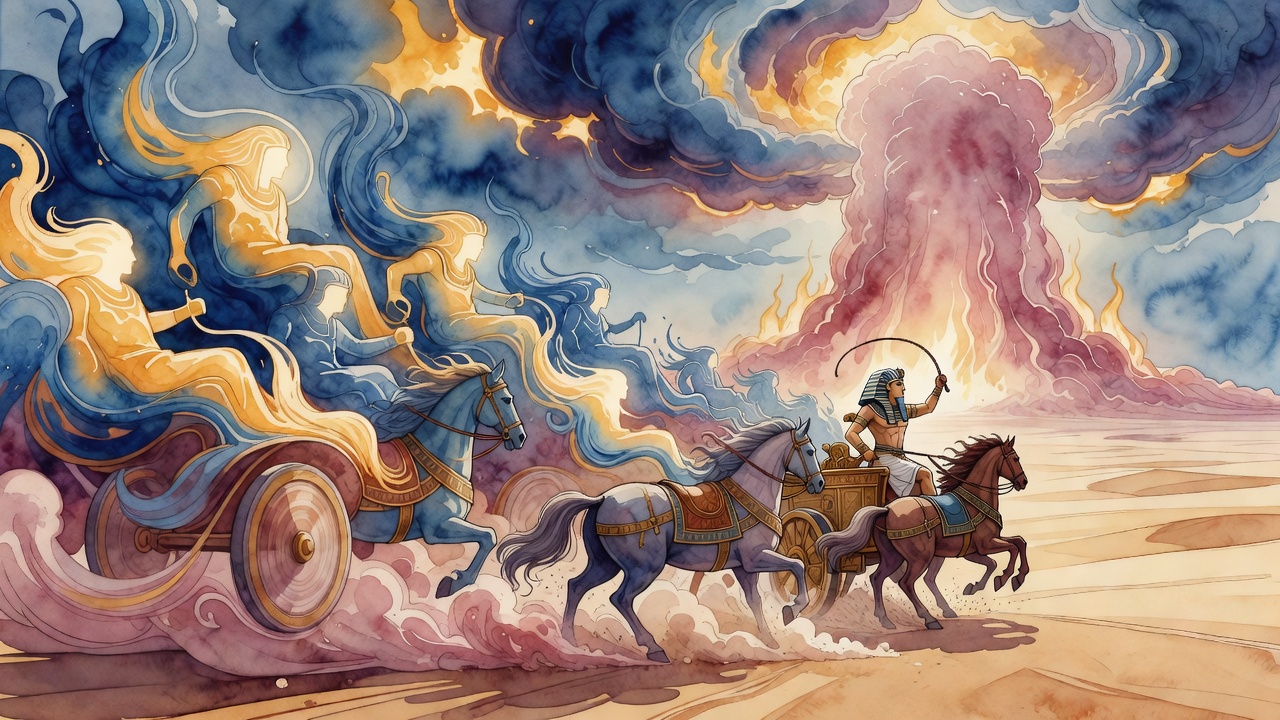
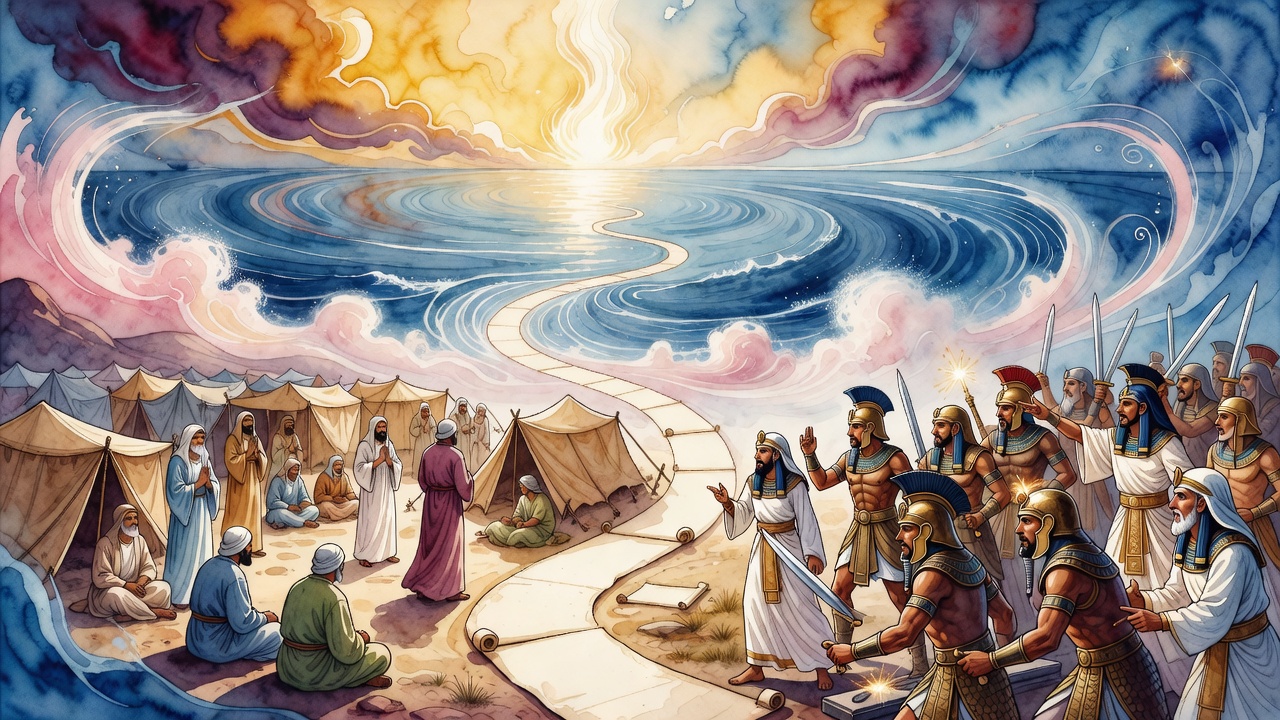
Egypt's envoys reached the camp at Ramses and said the three days were up. The argument lasted about a minute before somebody drew.
Table of Contents
 Click for full size
They Rested at Ramses
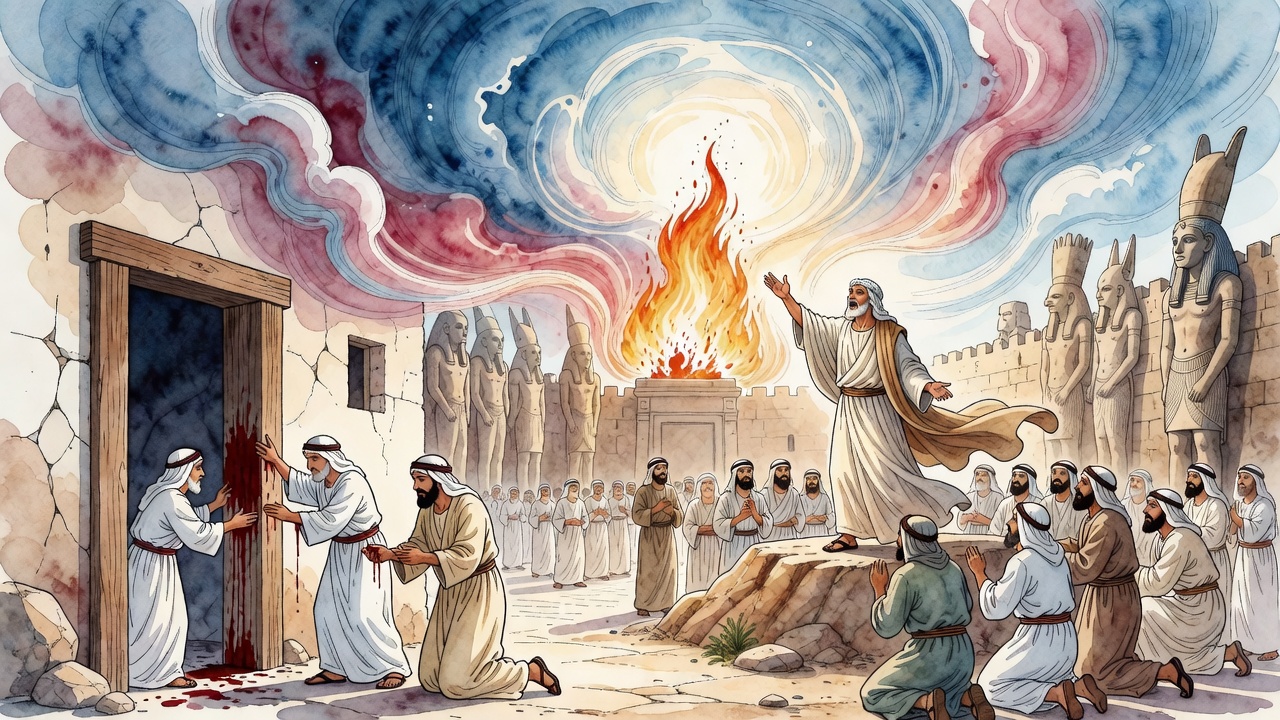
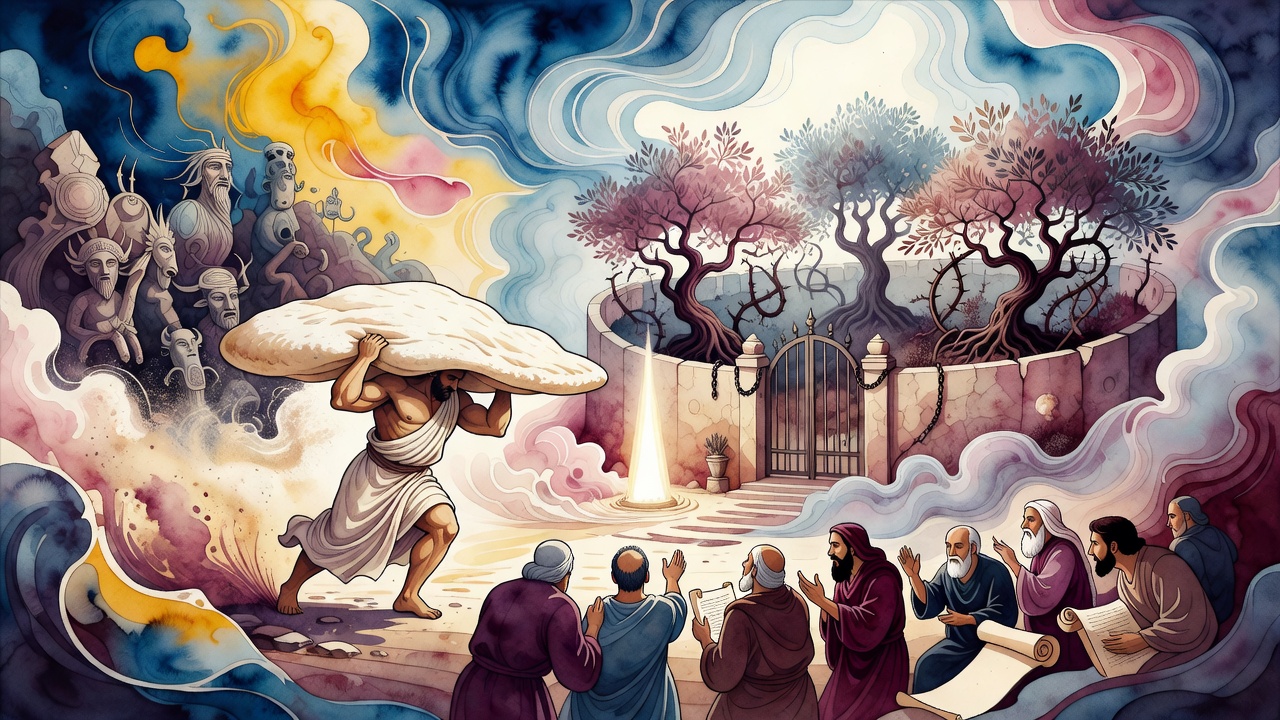
They walked out of Egypt on a Thursday, the morning after the Passover meal, with dough on their shoulders that had not had time to rise and Egyptians shoving farewell gifts at them to get them through the door faster. The firstborn were dead in every house behind them. Nobody chased anyone. They reached Ramses and stopped.
Friday they stayed. Shabbat they stayed. They lit nothing, packed nothing, went nowhere. On the first day of the week they began roping the bundles back onto the animals, checking the water skins, arguing over the loading, and that is when the Egyptians walked into the camp.
The Envoys With the Deadline
They were not soldiers. They were the king's men sent to collect on a contract, and they said what they had been sent to say.
"Your time is up. Return to Egypt."
Moses had asked Pharaoh for three days in the wilderness to sacrifice. Three days had passed. The envoys had counted.
The answer came back from the camp itself, not from Moses. "When we left, was it by leave of Pharaoh?"
They had gone out with a high hand, in daylight, in front of the whole country, and a hand like that does not need a permit and cannot have one revoked. The envoys were not interested in the theology.
"Whether you like it or not, you will carry out the royal decree."
Israel rose on them. Some of the envoys they killed there in the camp. Some they cut and left. The rest ran, and they ran all the way back to Pharaoh with the story.
The Shofar That Sounded for Retreat
Now there was blood on the road and no possibility of an orderly departure. Moses gave the order that made no sense to anyone who heard it.
Turn around.
Not forward to Etham, not onward into the desert. Back, toward the water, in the direction of the country they had just left, so that Pharaoh would not be able to tell the world that the slaves had bolted. He put the shofar (a ram's horn) to his mouth and blew the signal for return.
The sound went through the camp and the camp came apart. The frightened ones tore their own hair. Men ripped their clothes down the front where they stood. They had buried nobody in Egypt they were willing to go back to, and here was the note of retreat, at dawn, three days out.
Moses had to shout over them. "The Lord has said to me that you are free."
So they turned, and they camped in front of Pi-hahiroth with the sea in front of them and the dust of the chariots starting to show behind.
Samael Opened the Case
The trouble at the shore was not only the trouble anyone could see.
Samael had been filing against Israel from the night they left, and at the water's edge he pressed the argument that he thought could not be answered. "Until this morning these people were serving idols. Now You propose to tear the sea open for them?"
It was a good argument. They had crossed out of Egypt with Egypt still in them. Nothing in the record contradicted the prosecutor.
The Ram Thrown to the Wolf
A shepherd once had to bring a flock across running water with a wolf standing on the bank. He did not fight the wolf and he did not argue with it. He threw it a strong ram, and while the two of them tore at each other in the shallows he walked every other animal over, and then he came back and took the ram out of the wolf's teeth.
God gave Samael Job.
"While he is busy with that one," He said, "Israel will pass through the sea and not be touched. The moment they are across, I will get Job out of his hands."
The accuser went after the righteous man of Uz. The boils, the messengers arriving one behind the other, the ash heap, the friends: all of it opened while the water was standing up in two walls and six hundred thousand people were walking between them on ground that had been sea floor an hour earlier. The case against Israel never got its ruling because the prosecutor was elsewhere, and Egypt rode into the corridor behind them, and the walls came down.
Long before any of it, Abraham had walked his three visitors partway home instead of waving them off at the tent. He offered them a little water and then he went with them down the road. The measure a man measures out is the measure measured back to him, and so the children of that man got walked through the wilderness for forty years by the One they were arguing with the whole way.
← All myths