44 myths
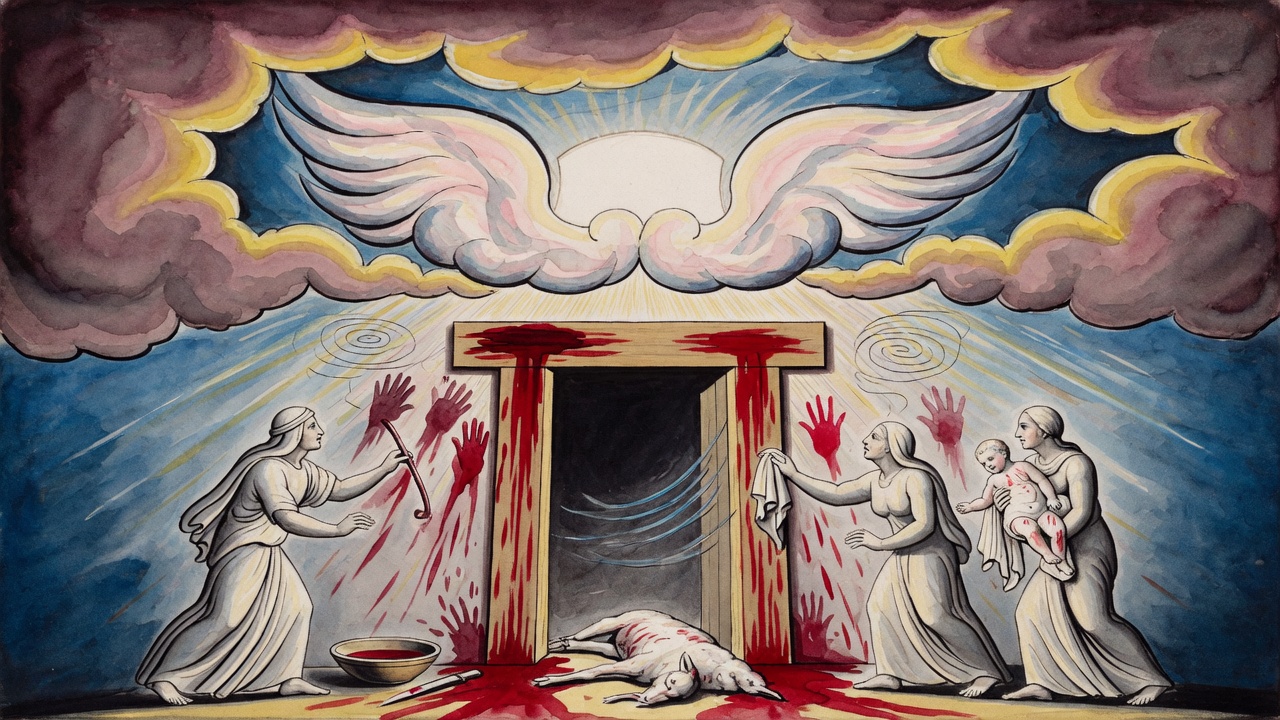
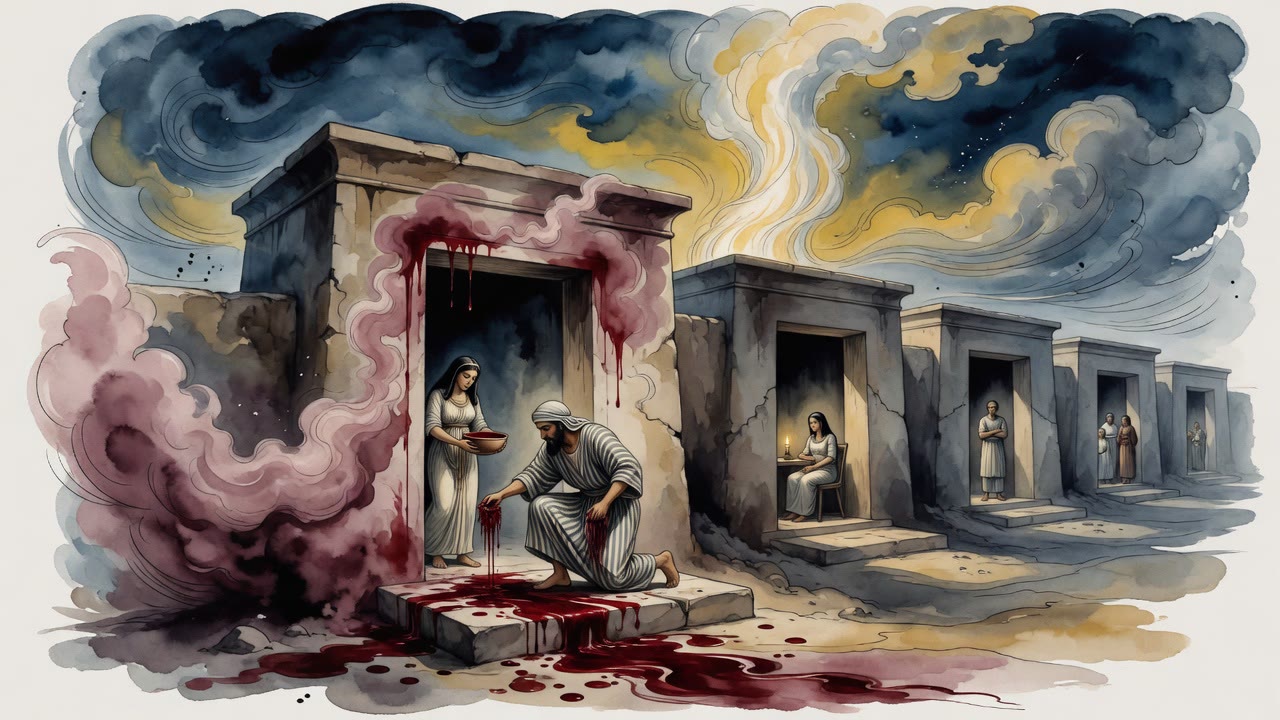
Hands shook over the lintel in Goshen. Lamb blood was not enough. They added the blood of the covenant, and God said live twice.
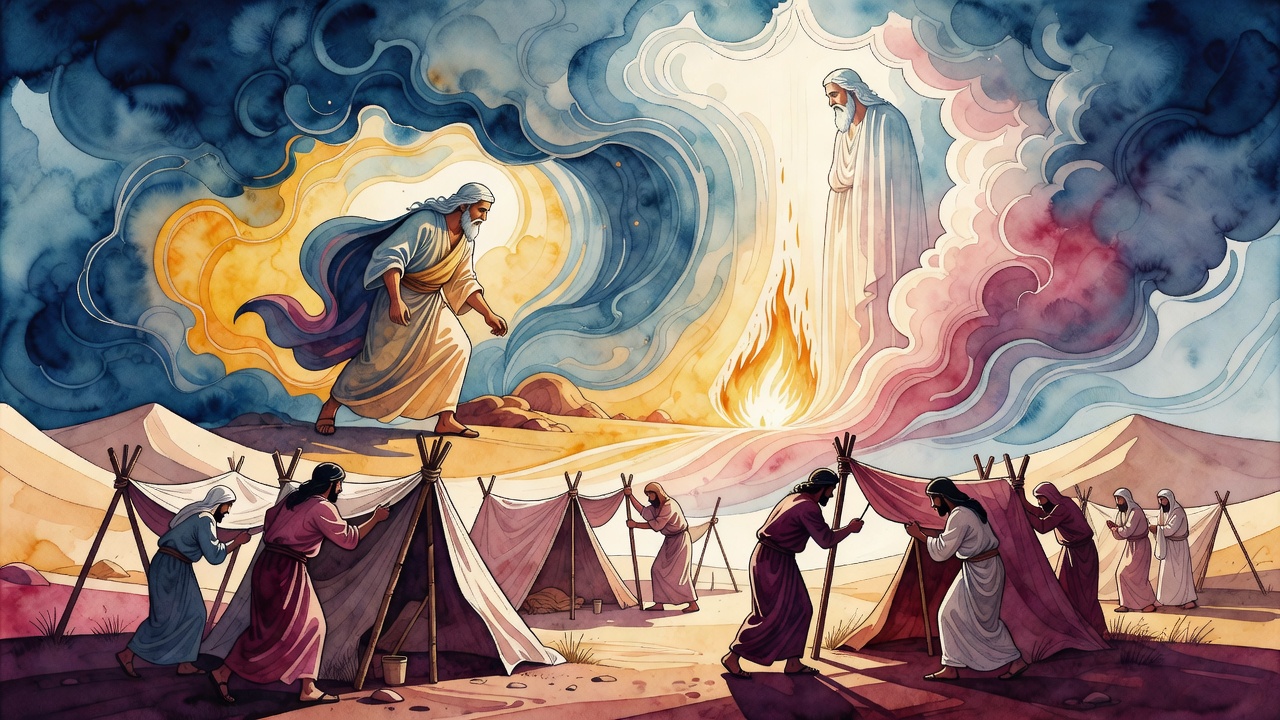
The first night out of Egypt, a man cut branches and leaned them into a frame nobody had measured for him. The roof leaked starlight.
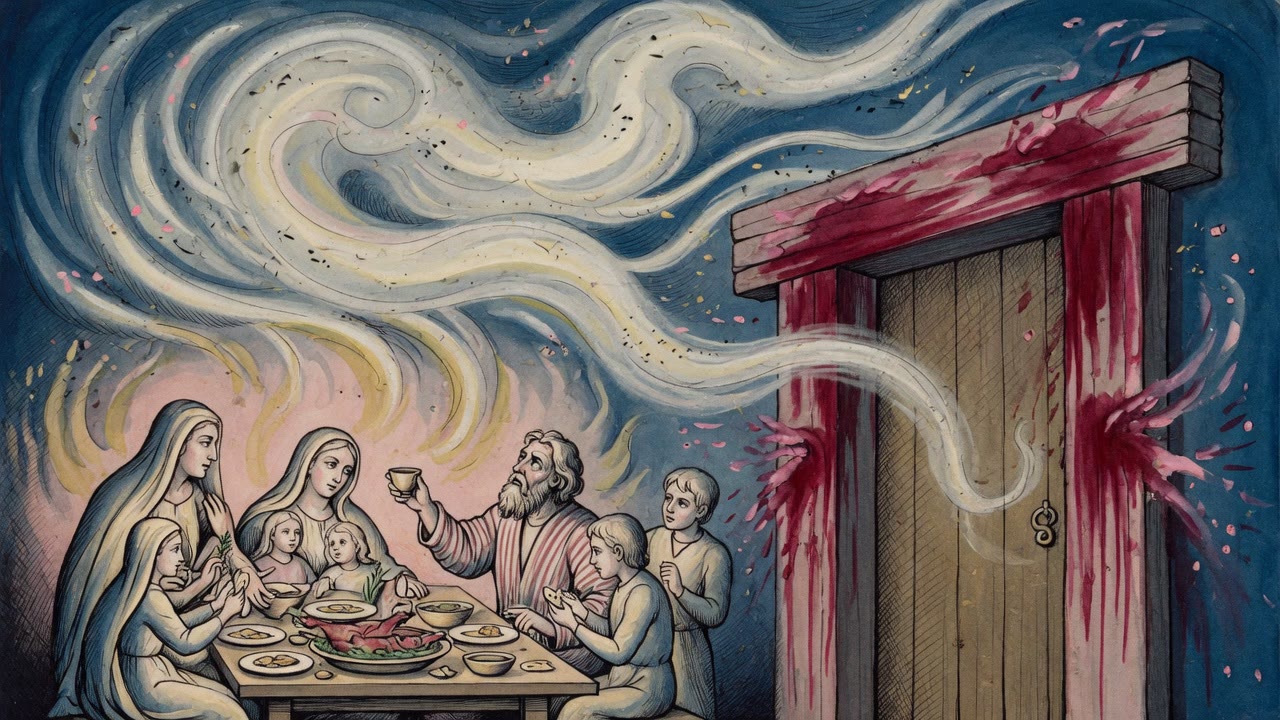
The lamb was gone and the staffs were in hand. Still the doors stayed shut, because Moses would not let Israel leave Egypt like thieves.
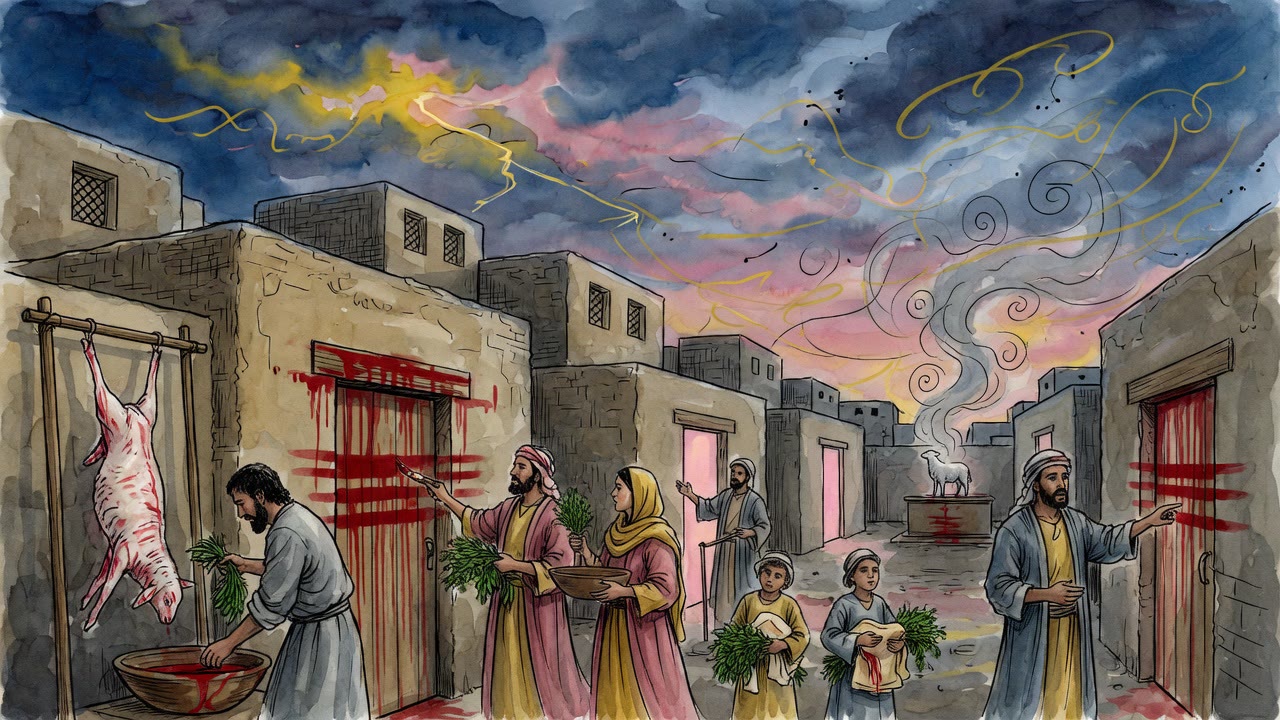
Three words hide inside the rules for the Paschal lamb. They point past the blood on the doorpost toward a land promised before a single plague fell.
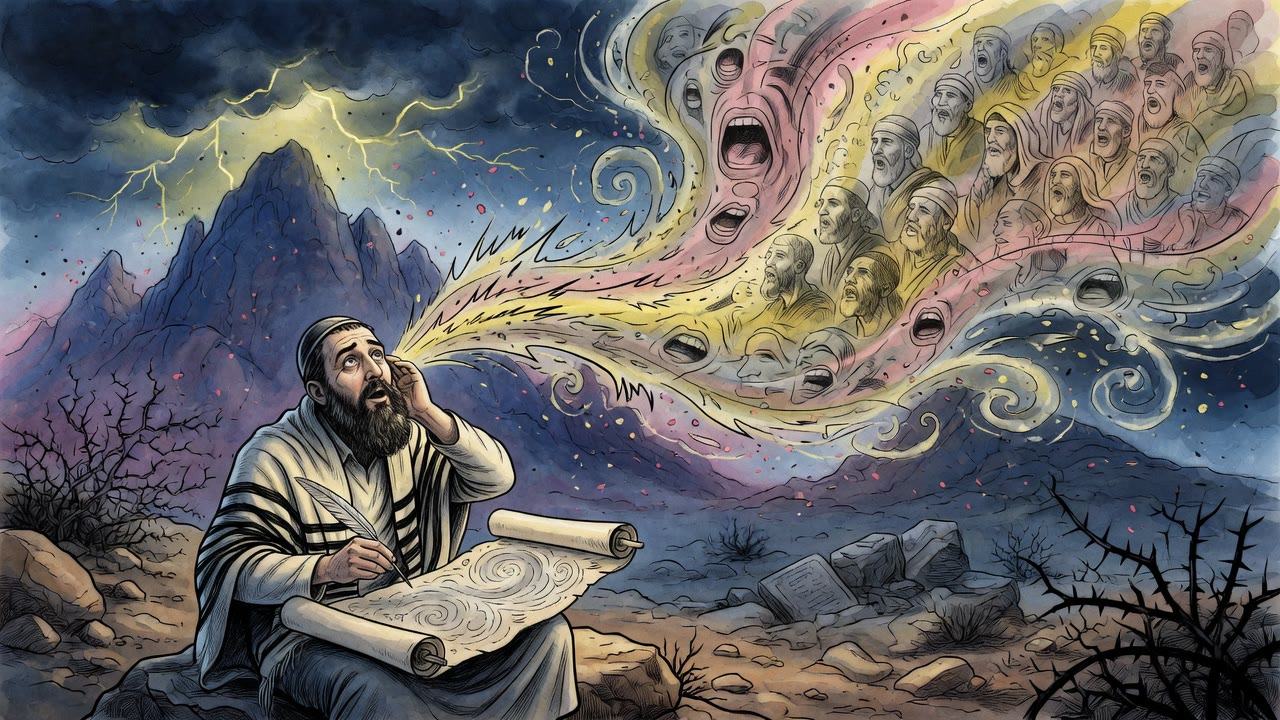
Moses waited at the door of the tent for thirty-eight years and no voice came. He had done nothing wrong. The generation under judgment was dying off.
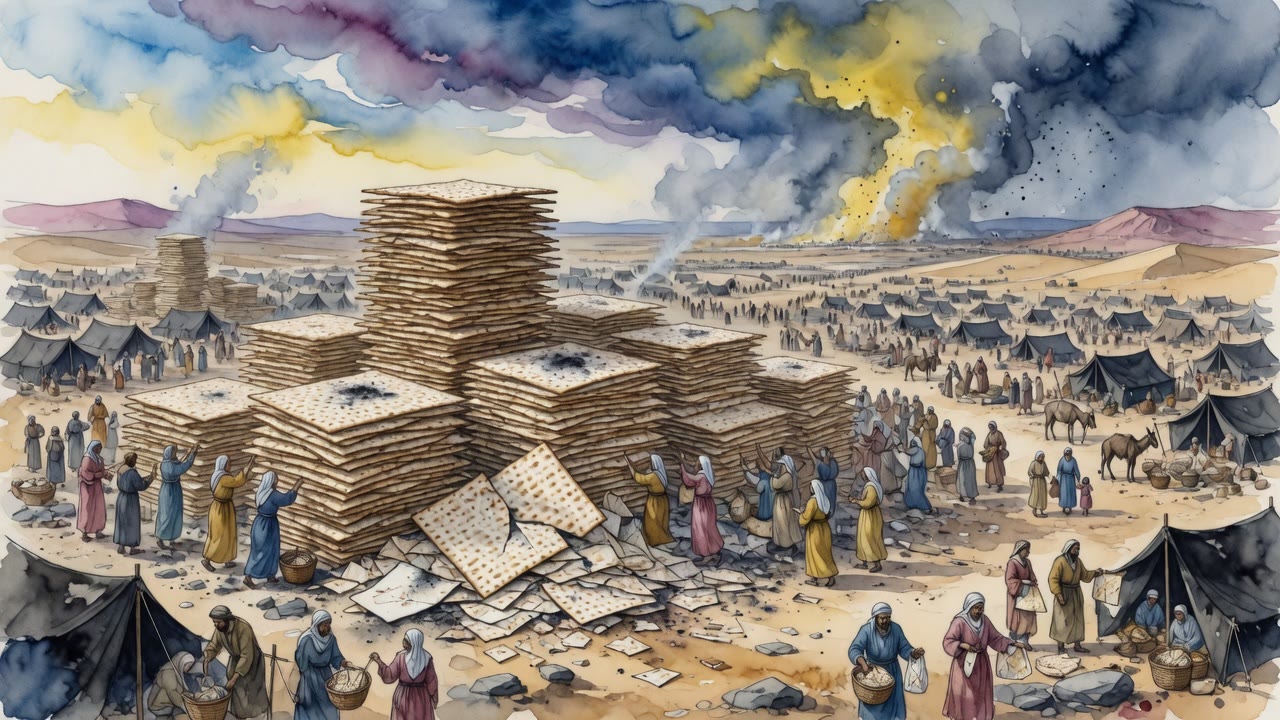
The manna did not fall the first day. Israel walked the wilderness for a full month on the bread they baked against their backs the night they fled.
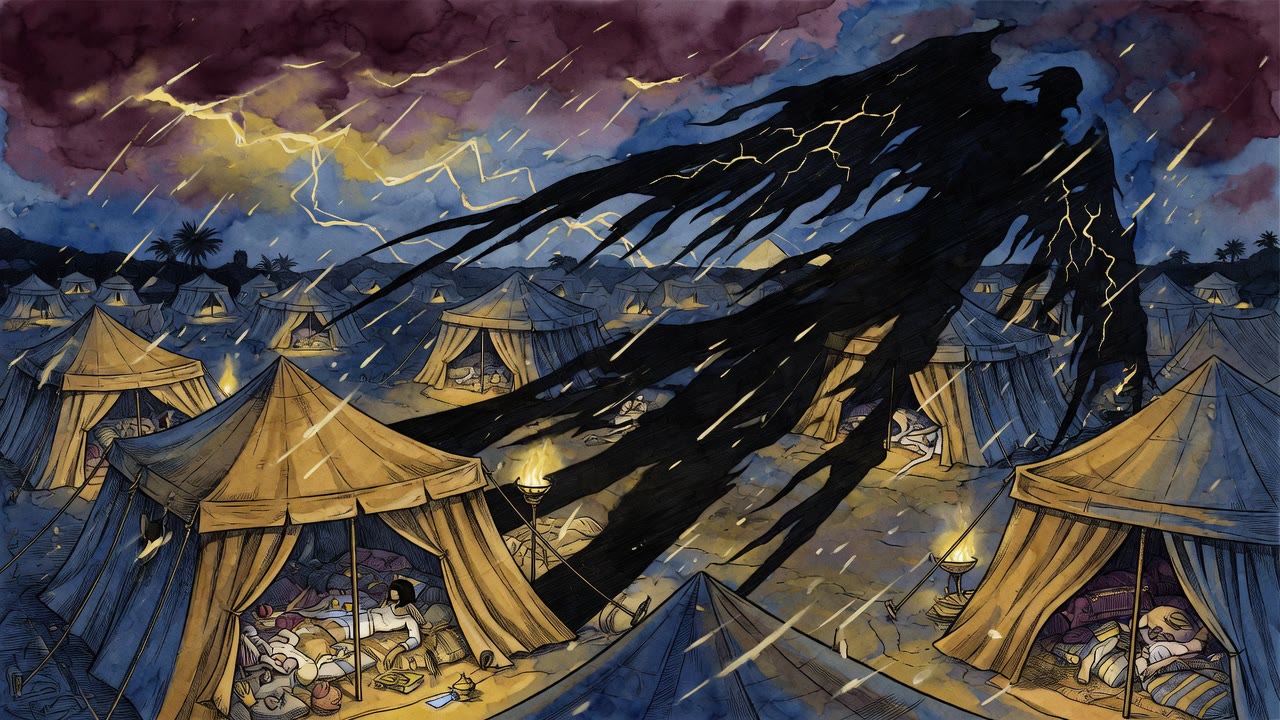
A Cushite trader sleeps under an Egyptian roof when the tenth plague comes. The firstborn of Ham dies in Egypt's tents, far from his own land.
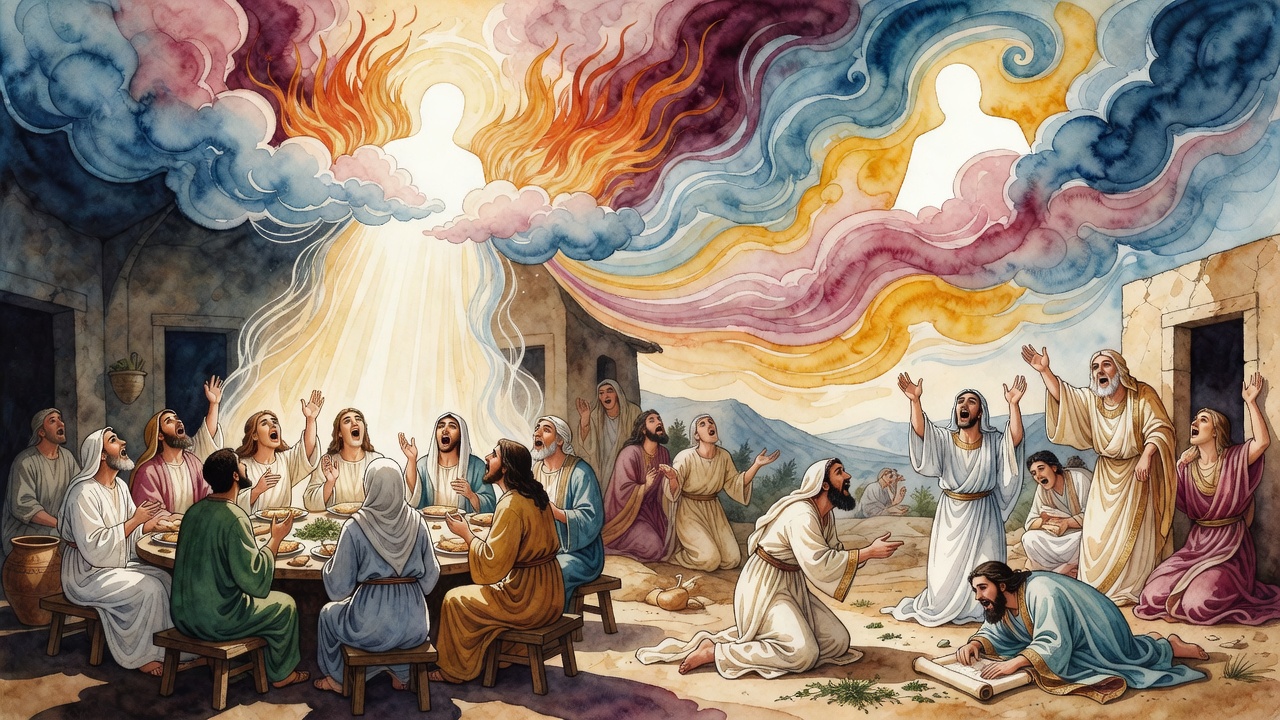
On the first Passover night, Israel ate and sang in their houses while Egypt screamed over the firstborn. The rabbis preserved both sounds at once.
Moses walked out of the throne room burning. He had just told Pharaoh that the king's own servants would come and beg him to leave.
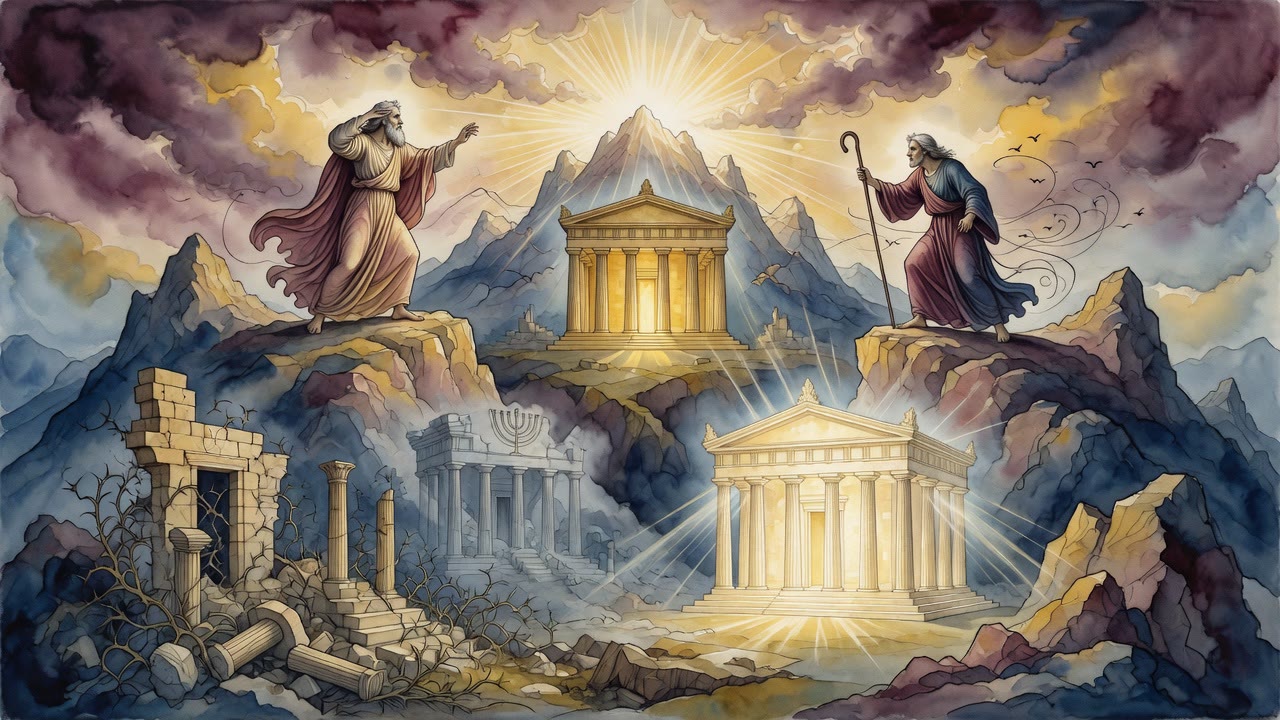
Egyptian soldiers drove oxen across the ground where the infants were hidden. Once the men had gone, the children came up out of the field like grass.
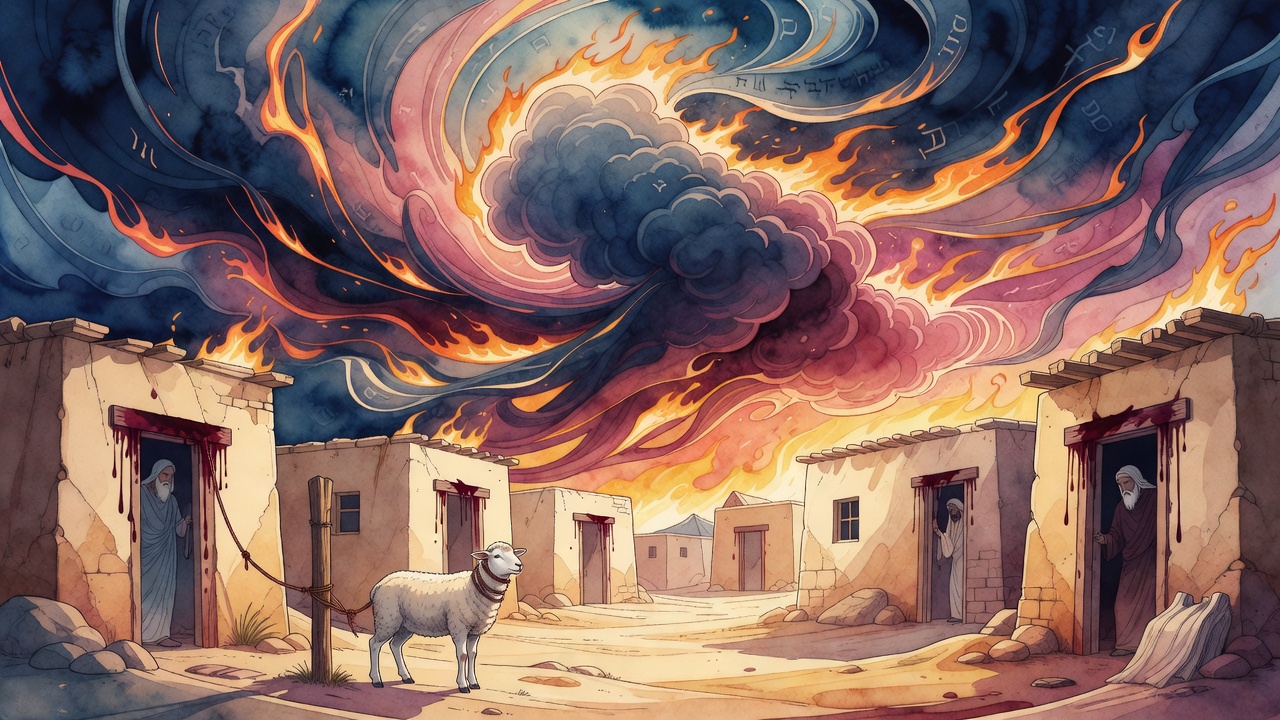
They tied the lamb in the yard for four days. Every Egyptian neighbor could see it. That night God came in person and leapt.
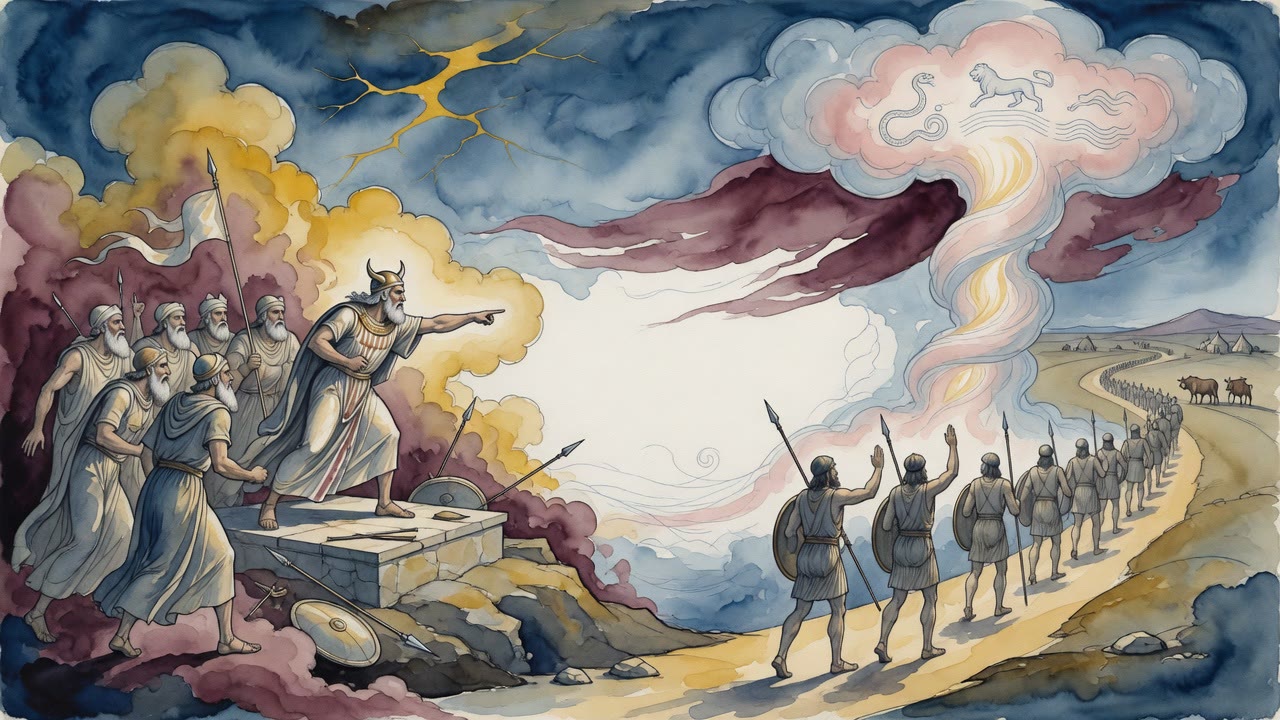
Israel leaves Egypt with half-risen dough bound to their bodies, and the desert sun finishes what Egypt's ovens could not, baking the first bread of freedom.
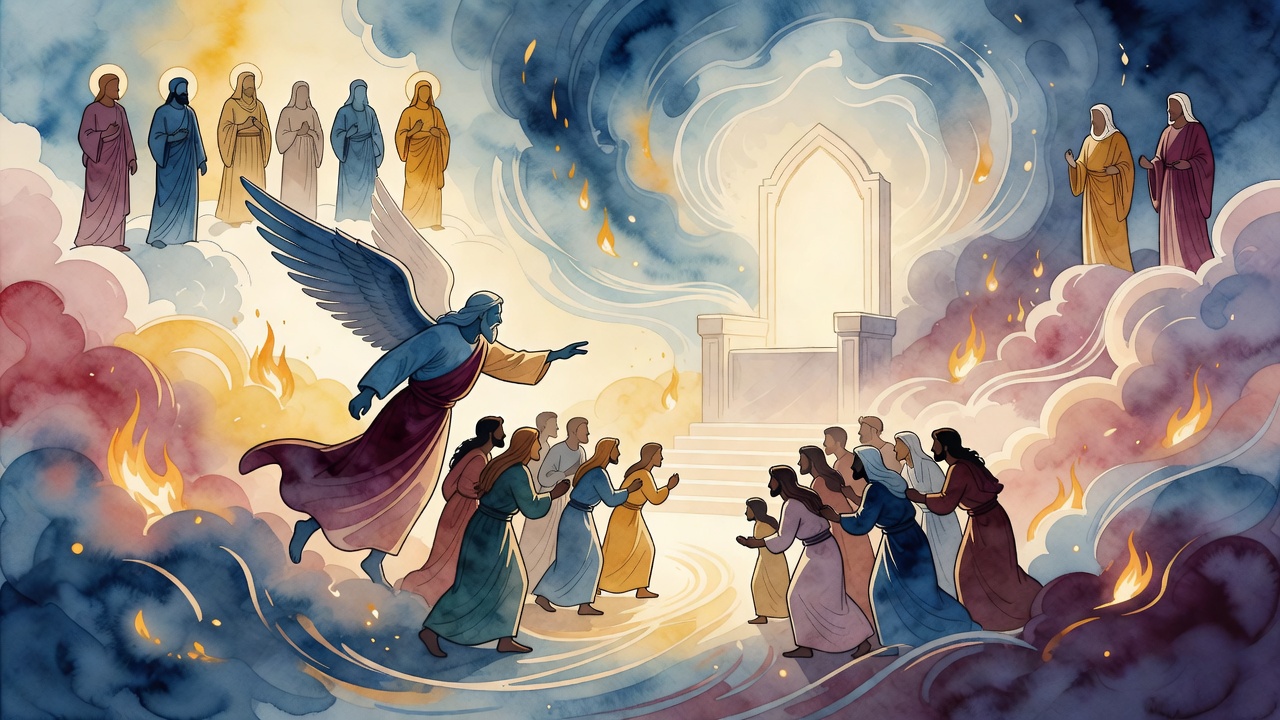
Egypt was still owed 314 years of slave labor, Uzza argued. He asked God to send Michael to argue back, and God agreed to hear the case.
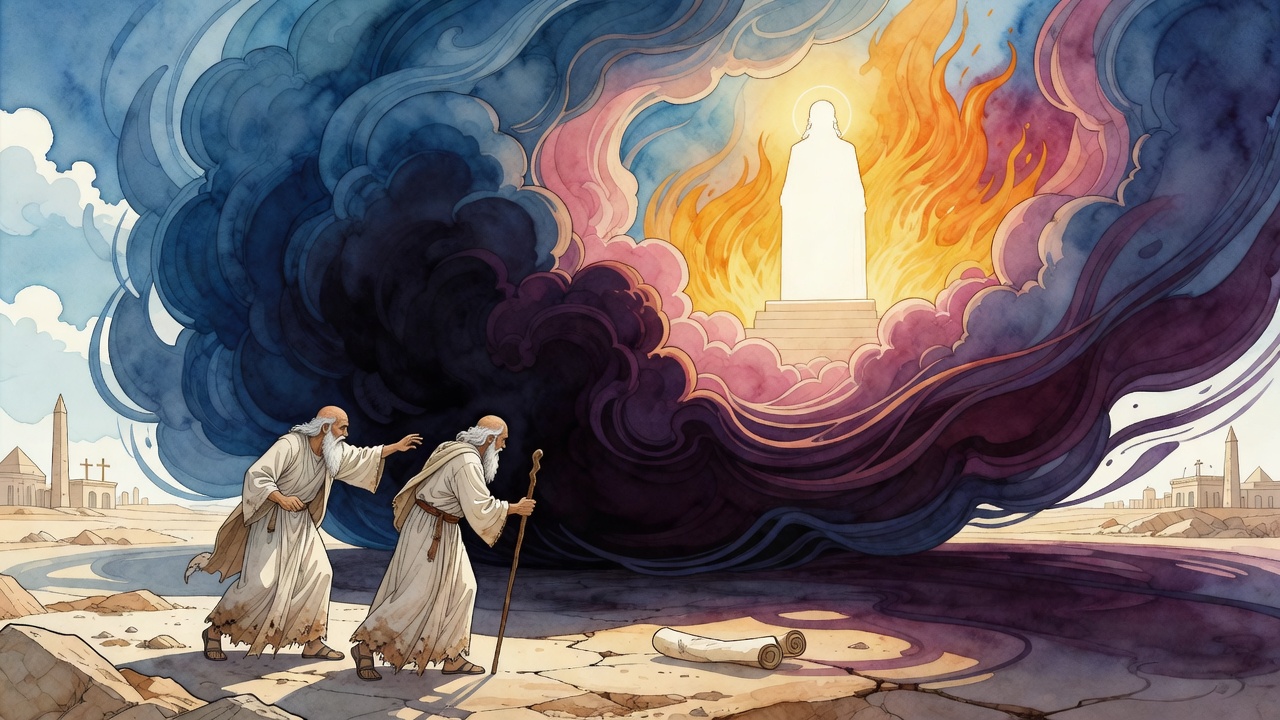
Two sages traced the dark that pinned Egypt to the blackness God hides behind, a coin-thick scoop of the deep that doubled once it was loosed.
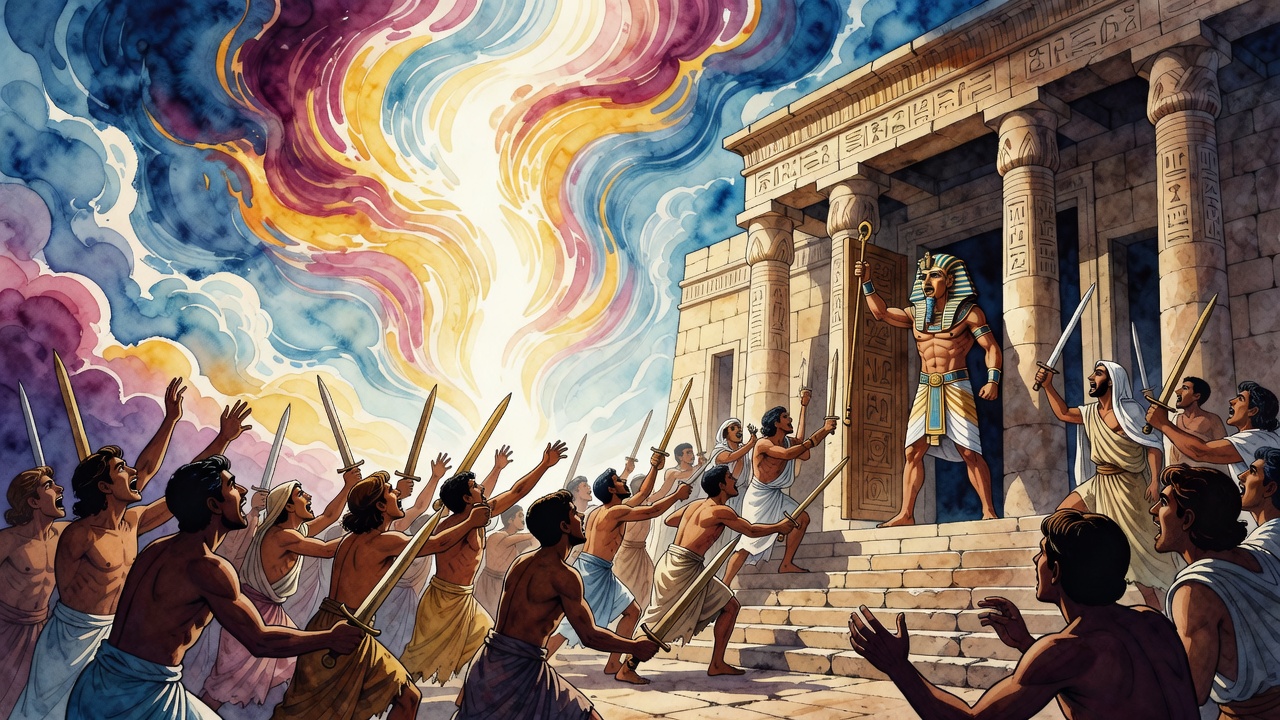
Firstborn sons stormed the palace with swords and pleas. Pharaoh beat them back. At exact midnight God walked Egypt without a guide.
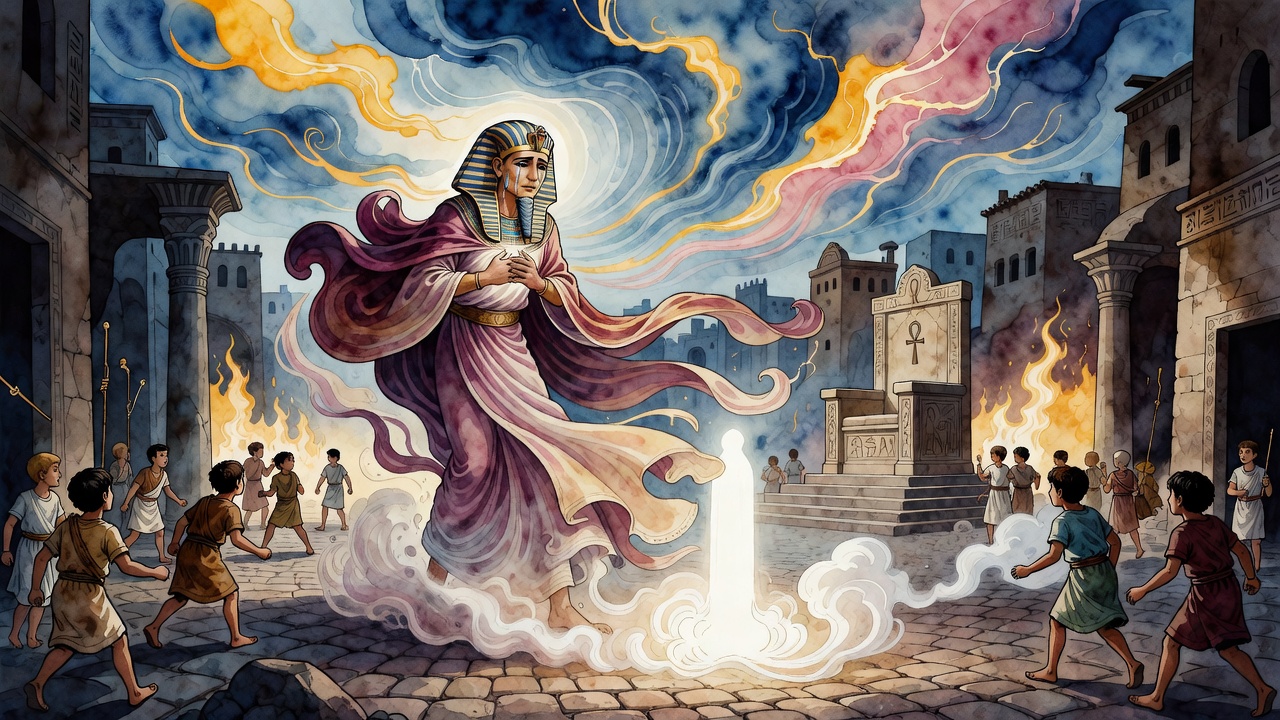
On the night death walked Egypt, Pharaoh wandered the streets weeping for Moses, while Hebrew boys misled the king who no longer knew where his slaves slept.
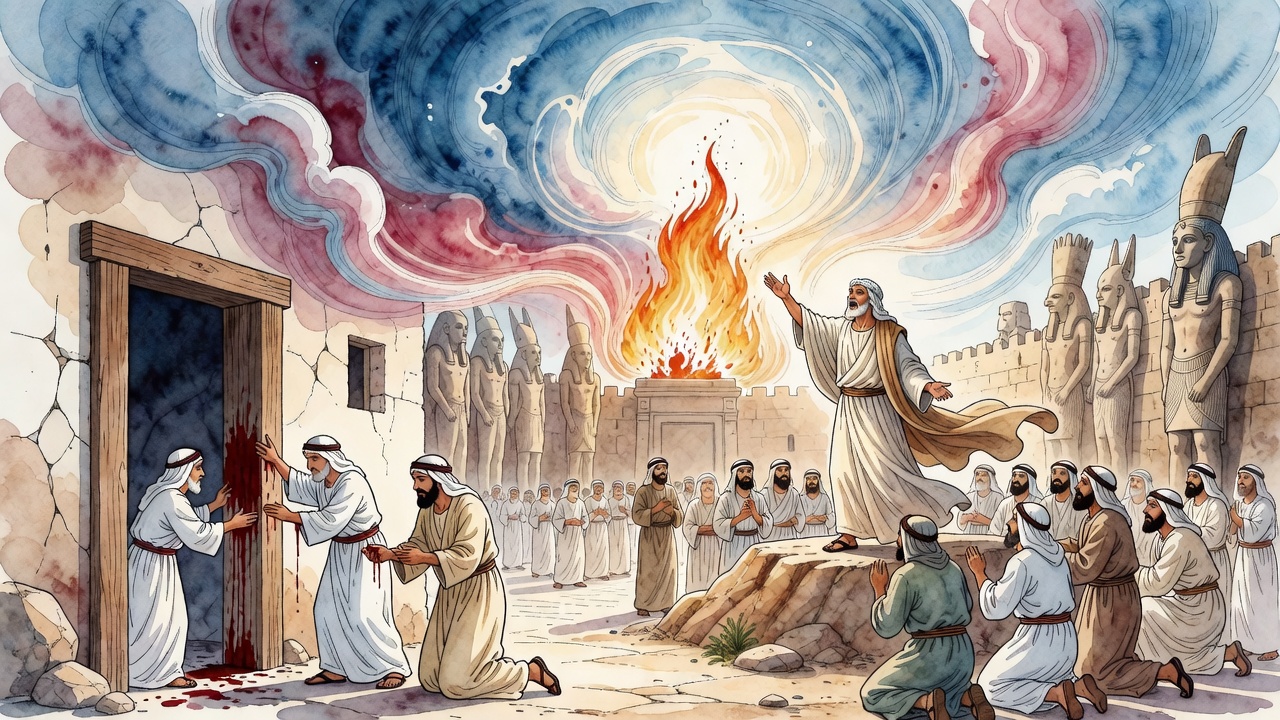
Rabbi Yishmael put the mark on the inside of the doorframe. No neighbor could count the painted houses, and no Egyptian ever saw one.
At midnight God arrived with ninety million angels of destruction. He held them back and struck Egypt Himself, from firstborn sons to the oldest in each house.
The other wives had no papers. For one daughter of good family he dated the month, the week, and which years would carry a second Adar.
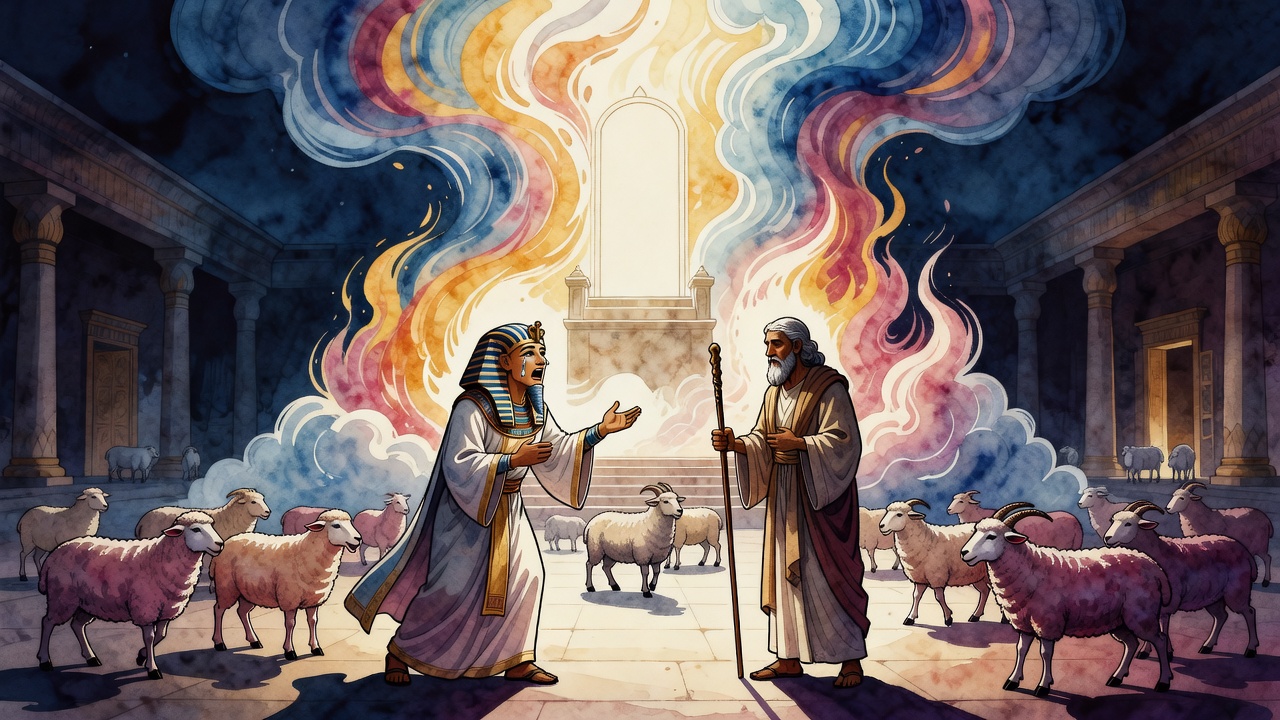
After the locusts he still wanted the herds left as chains. By midnight every firstborn was dead, and he sent for Moses in the dark.
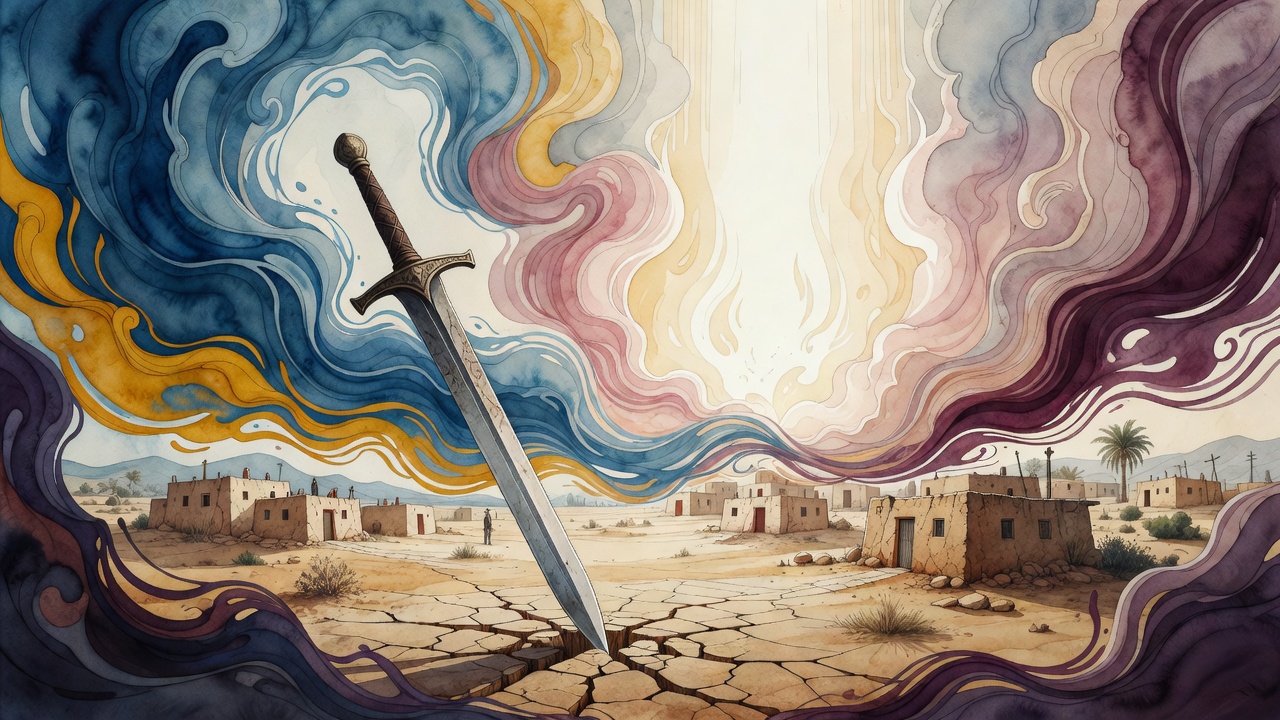
A wind from the first garden reached Moses' roasting lamb. Mouths watered all the way across Egypt. He would not let an uncut man taste it.
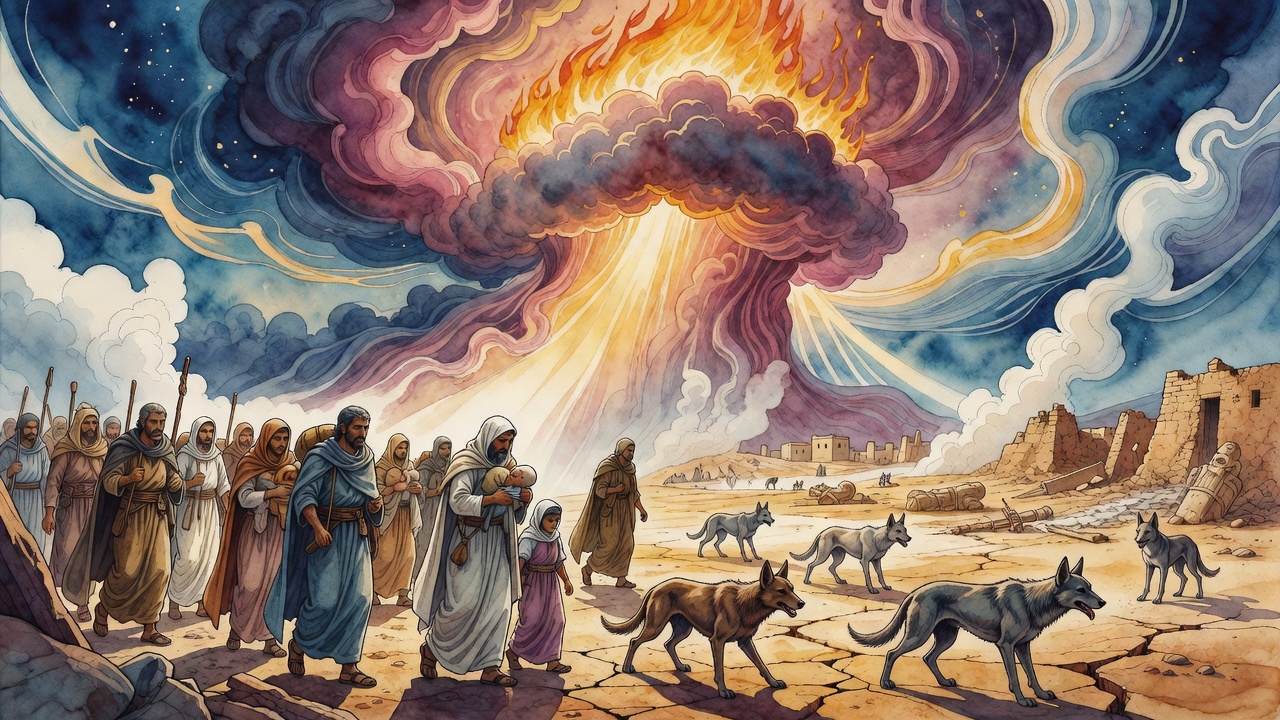
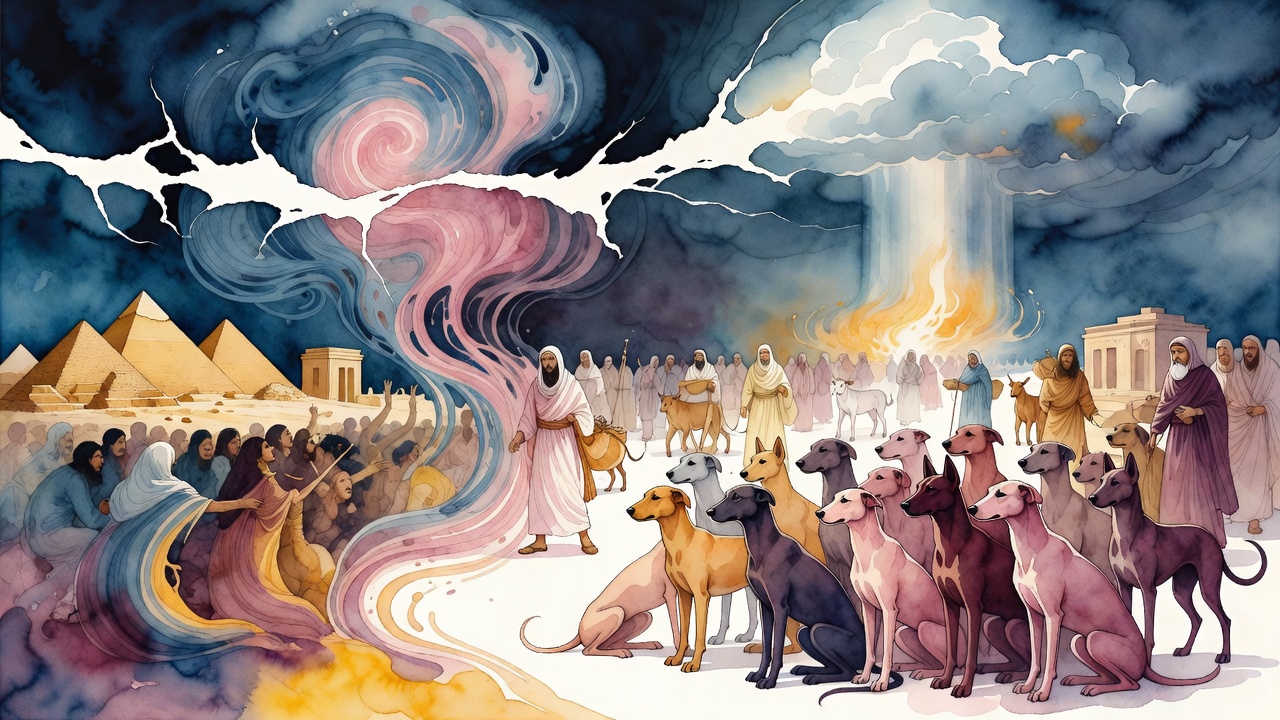
On the night Egypt broke, no dog sharpened its tongue. Israel walked out under a silence Heaven later paid back in full.
The hall still smelled of locust. Pharaoh offered the children and held the herds. Moses named the price: beasts given in Egypt's name.
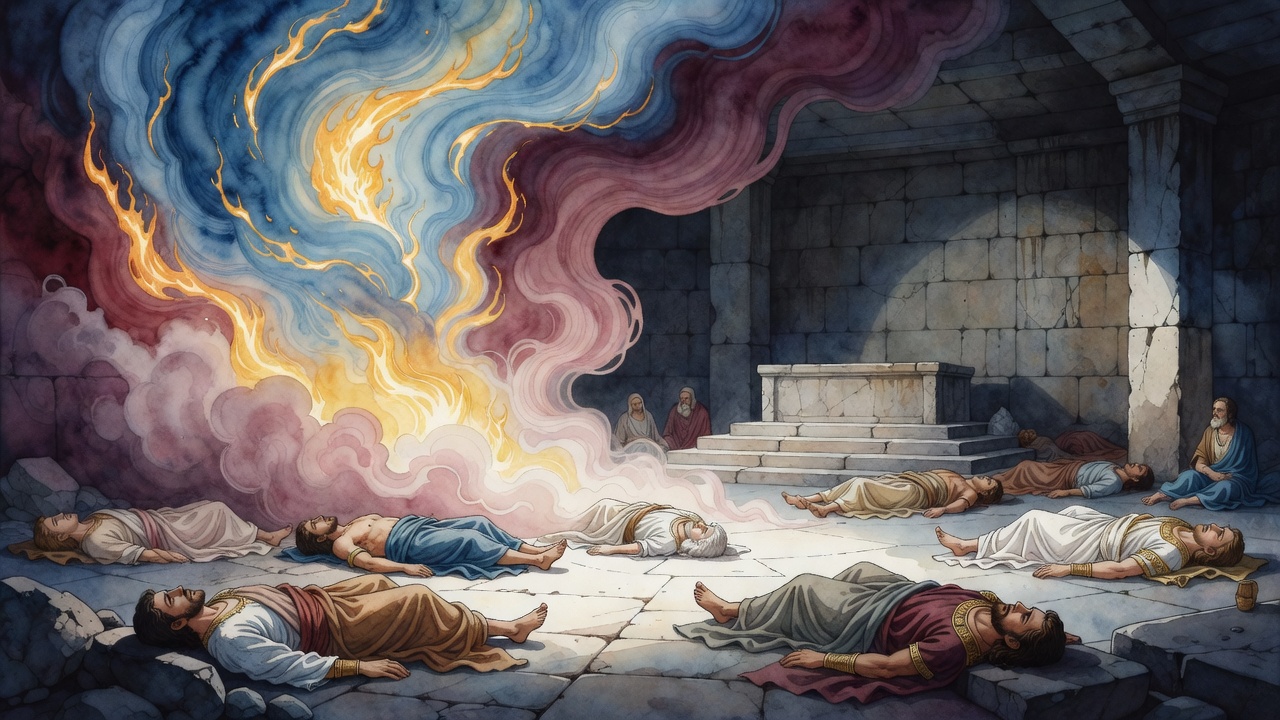
At midnight God struck dungeon captives' firstborn with Egypt's heirs. Survival would have let foreign gods steal credit for Israel's freedom.
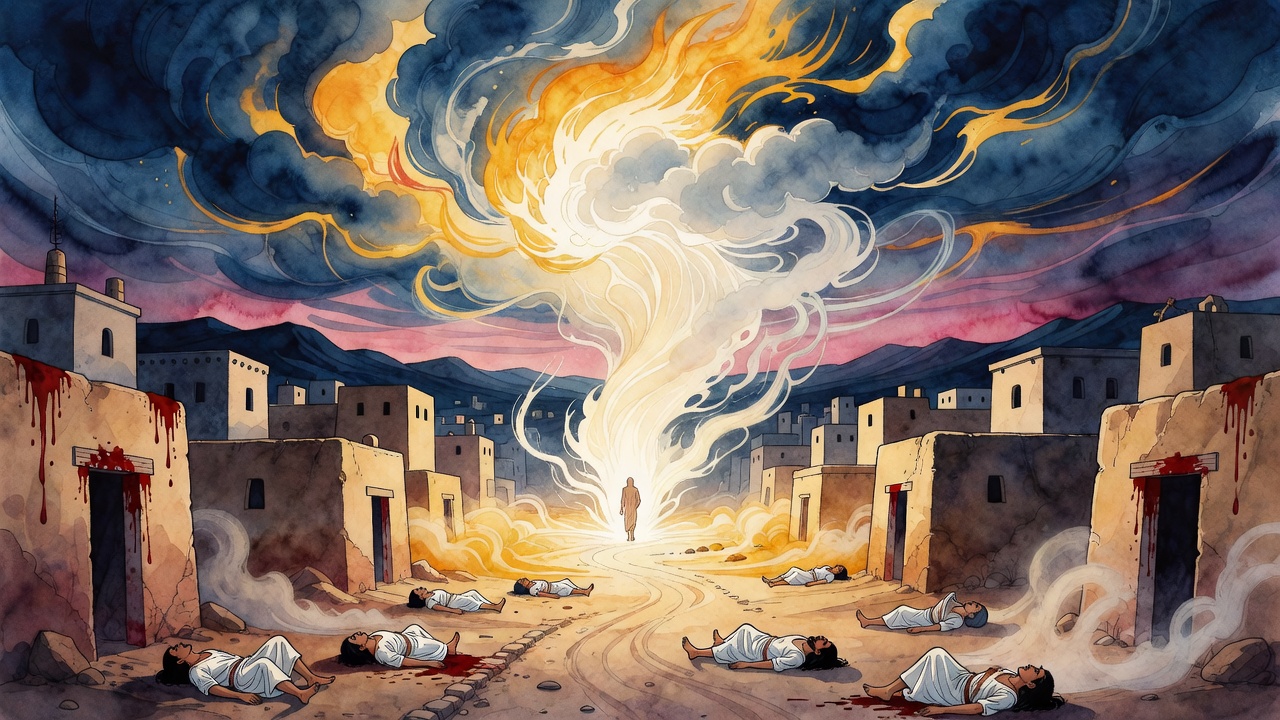
At the hairsbreadth of midnight, no angel takes the blow. God walks Egypt alone while firstborn fall and blood marks the doors.
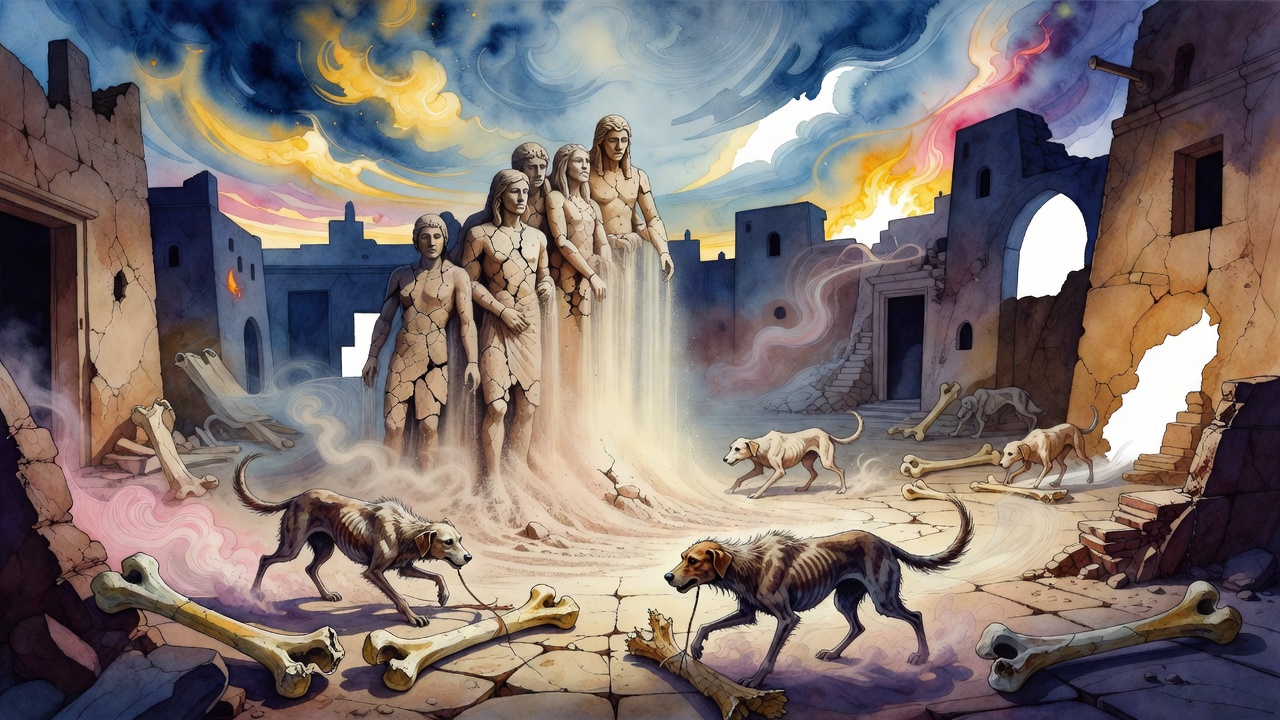
On the tenth plague night, clay images of dead sons crumbled to powder and house-dogs dragged old bones into the courtyards of Egypt.
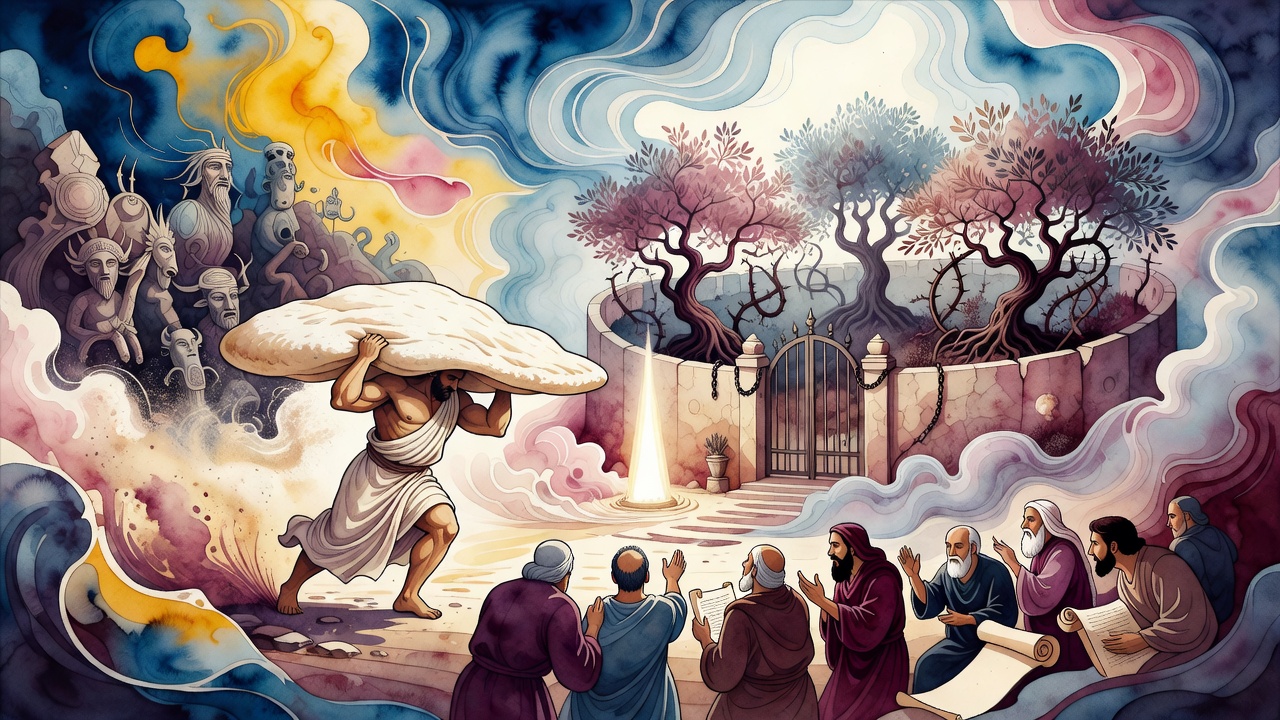
The cattle walked empty. Households swung wet dough onto their own backs. Egypt's gods left with them as lumps of metal.
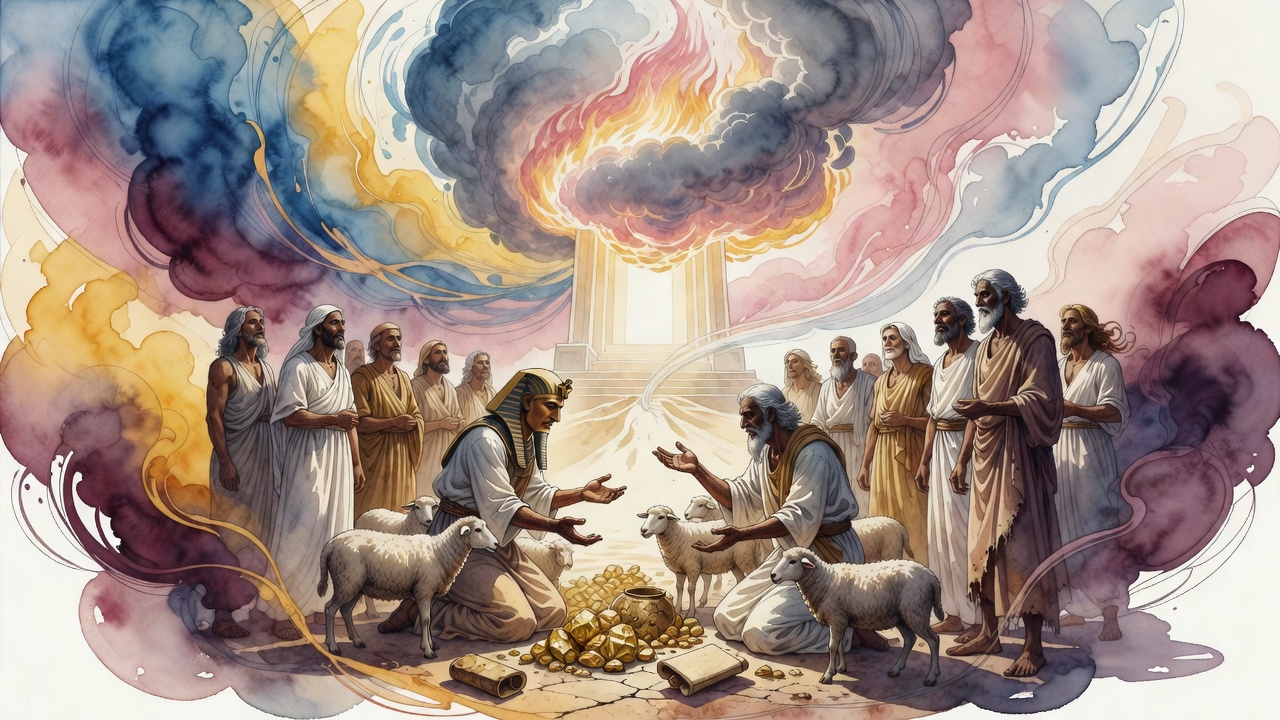
The king who once sneered at the Lord hands over flocks and gold, then asks the people he whipped to bless him before they go.
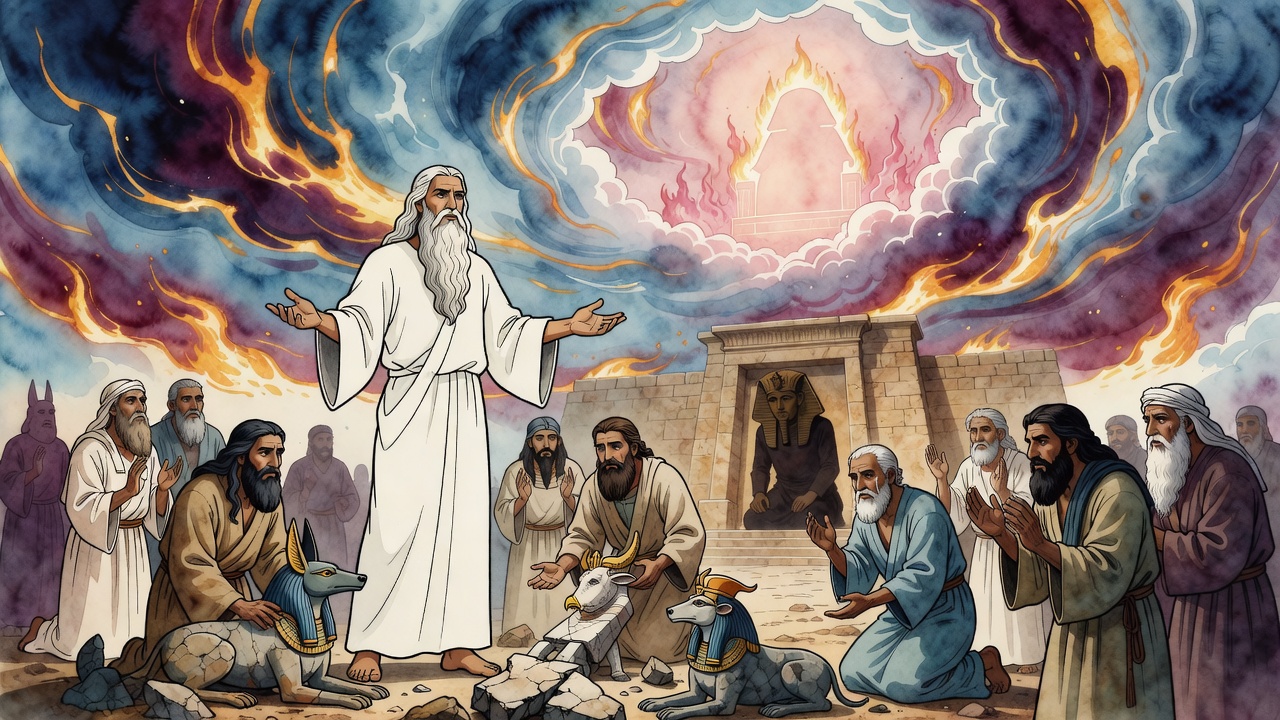
Moses made the elders pull their hands off Egypt's idols before anyone touched a lamb. Four hundred years leave residue. Blood went on the lintels that night.
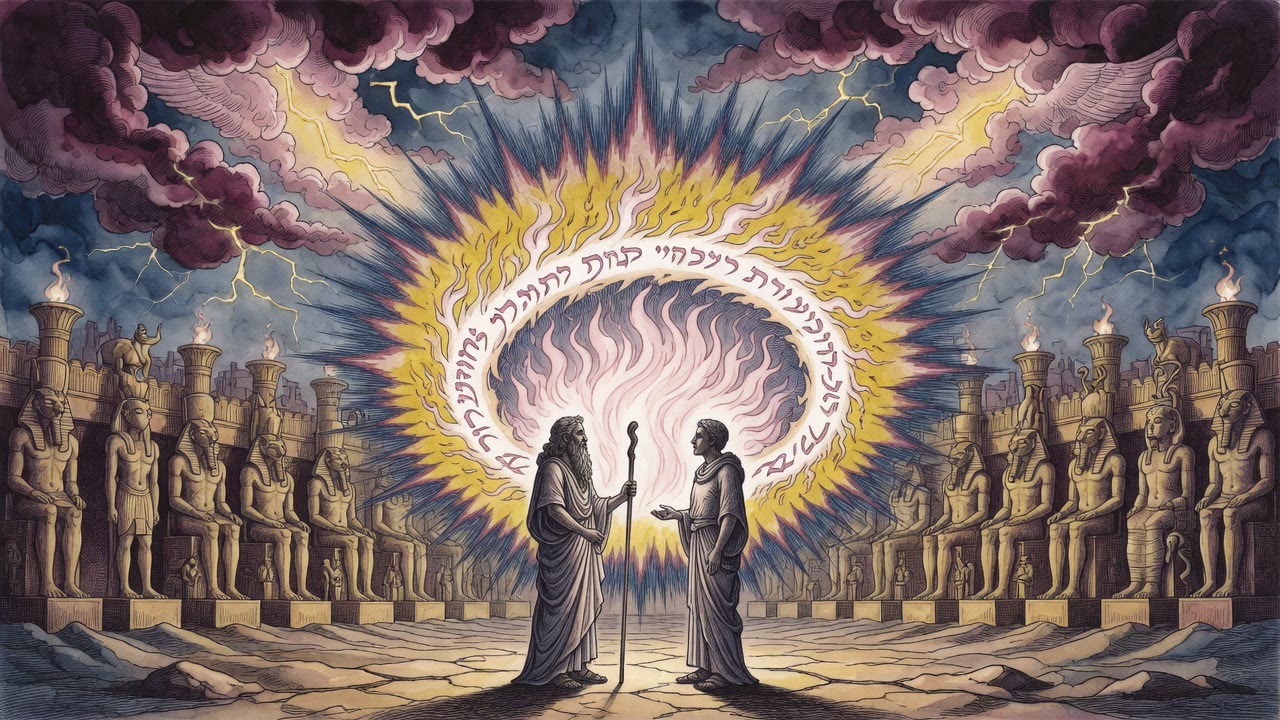
Outside a city thick with idols, God spoke to Moses and Aaron as equals, and the quieter brother learned prophecy would not leave him in shadow.
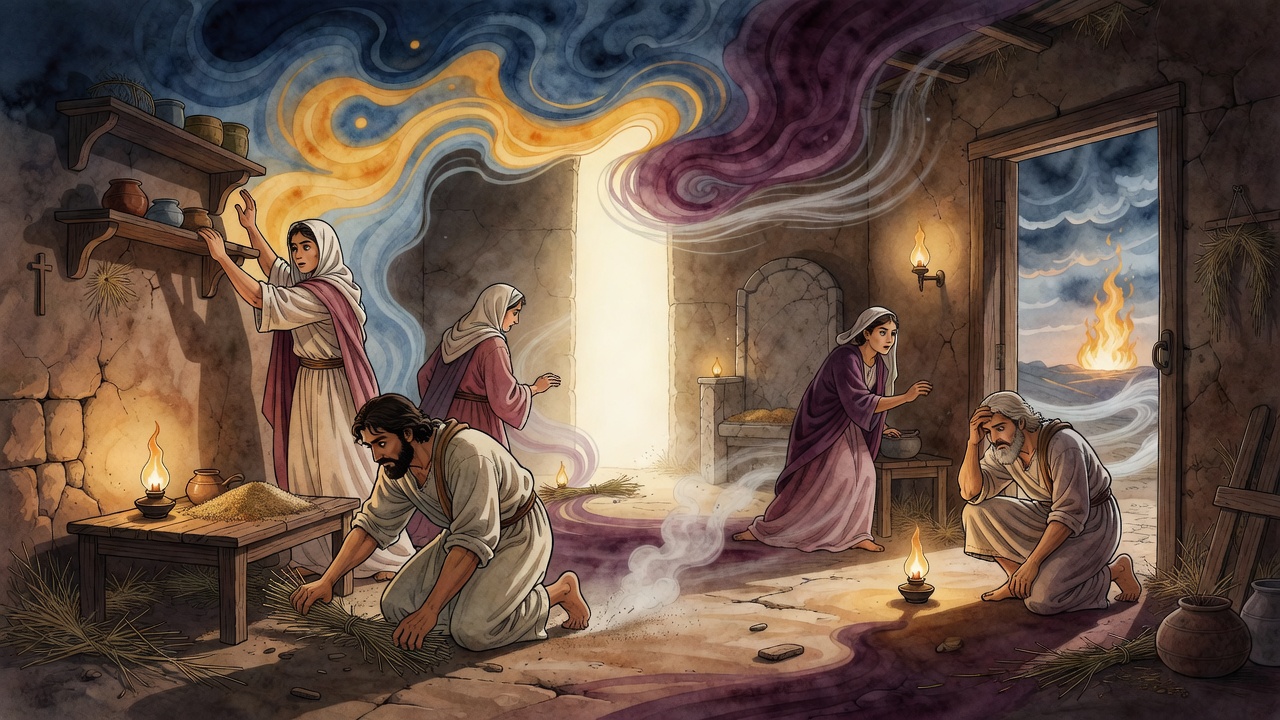
A woman in Goshen dug one hard crumb out of the mortar with her fingernail. Lamb's blood was drying on the door, and her firstborn son watched.
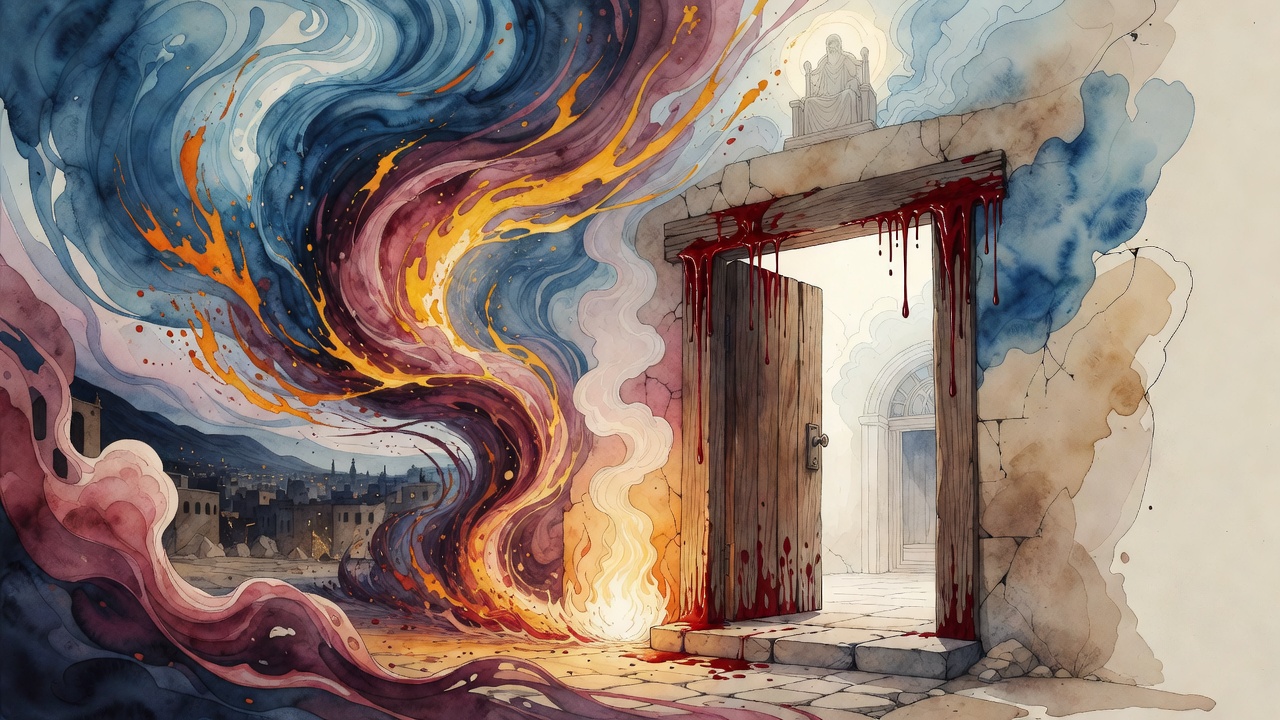
Israel stayed behind blood-marked lintels while Egypt screamed, because once the destroyer received leave he would not sort righteous from wicked in the street.
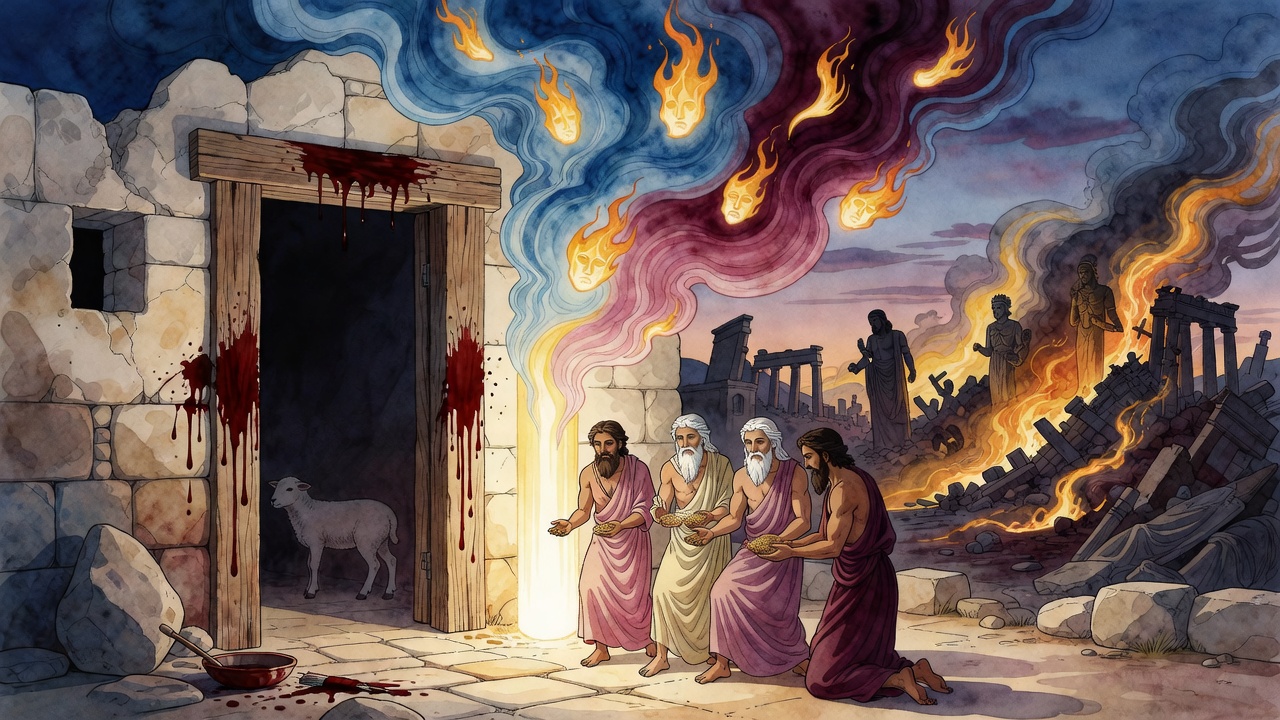
A child asked if the Destroyer could read Hebrew. No one laughed. The father dipped hyssop and told them to keep the door shut.
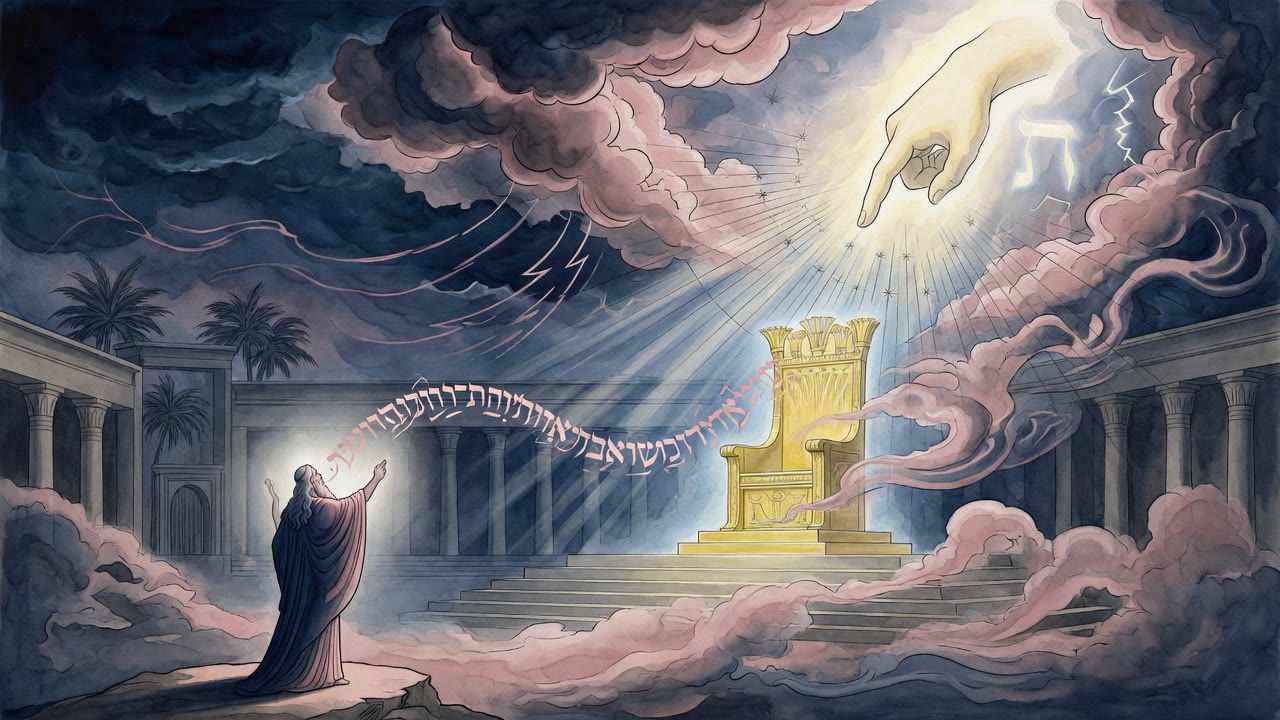
Moses told Pharaoh the blow would fall at about midnight, and God kept the servant's wording so the trusted messenger would not seem to lie.
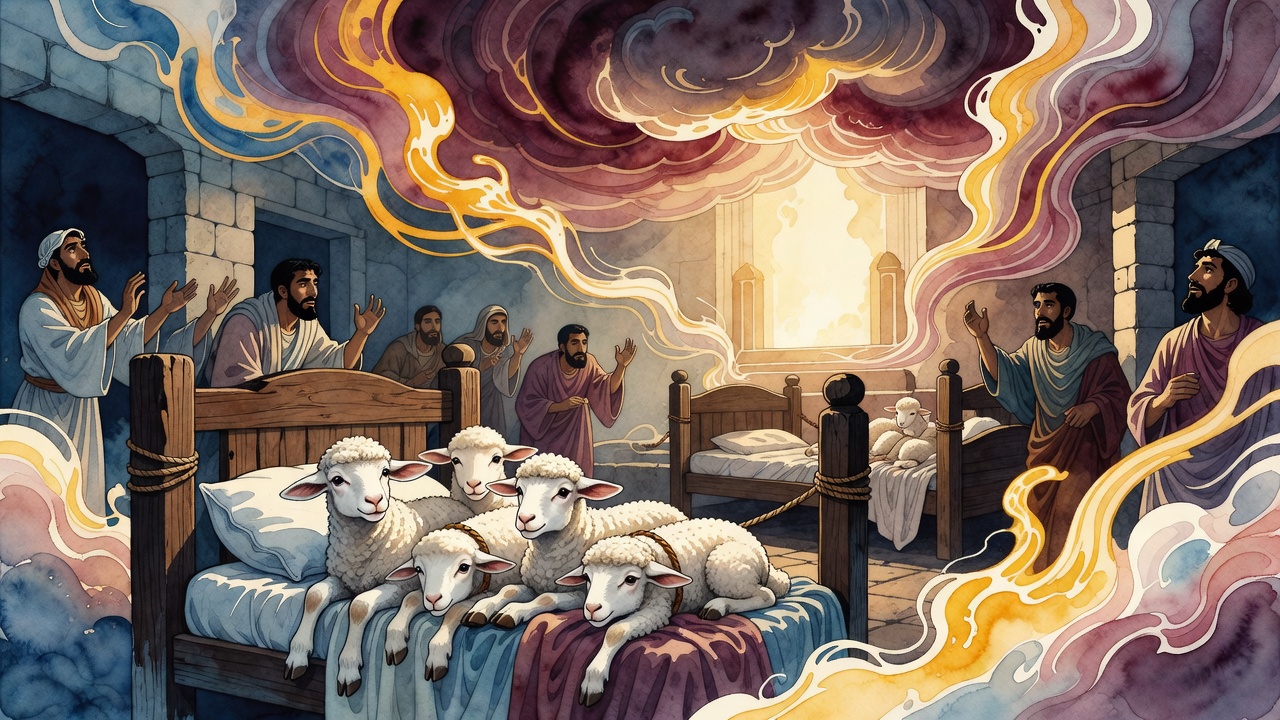
The lamb kicked the bedpost for four days. An overseer stood in the doorway with empty hands and could not cut the rope.
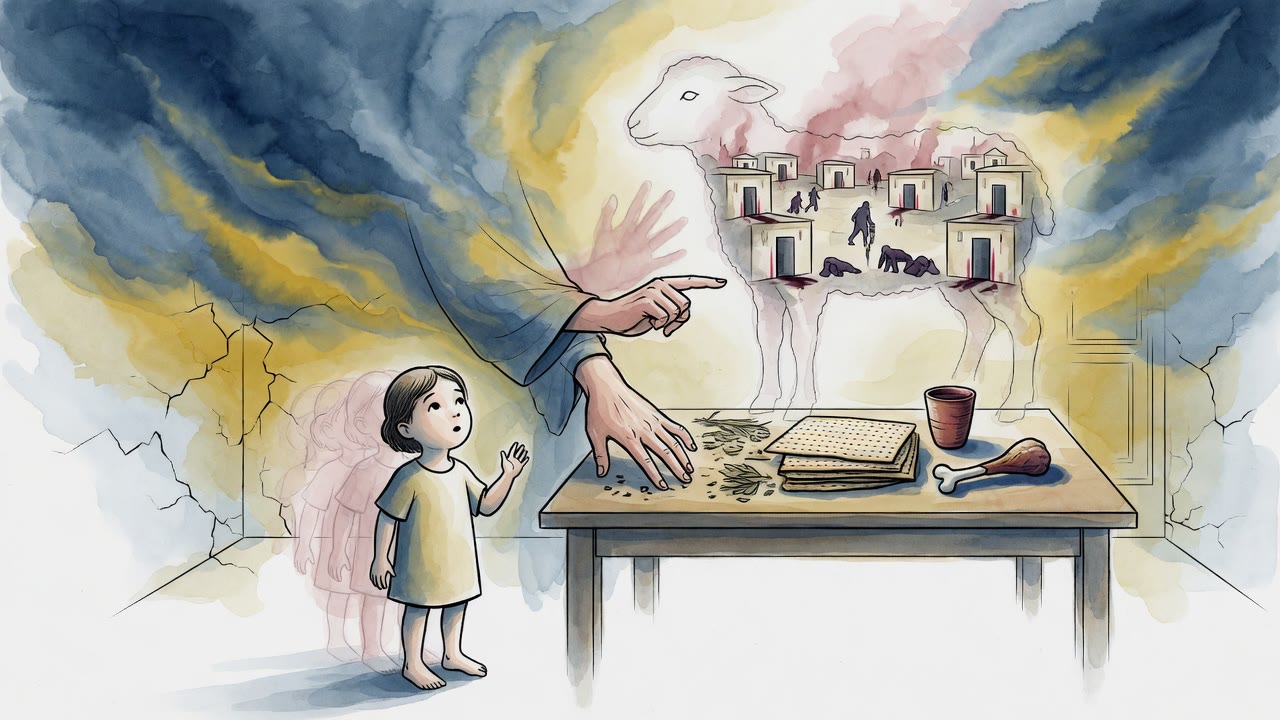
When a child asks what the Passover means, the house remembers both future questions and the many who never left Egypt alive.
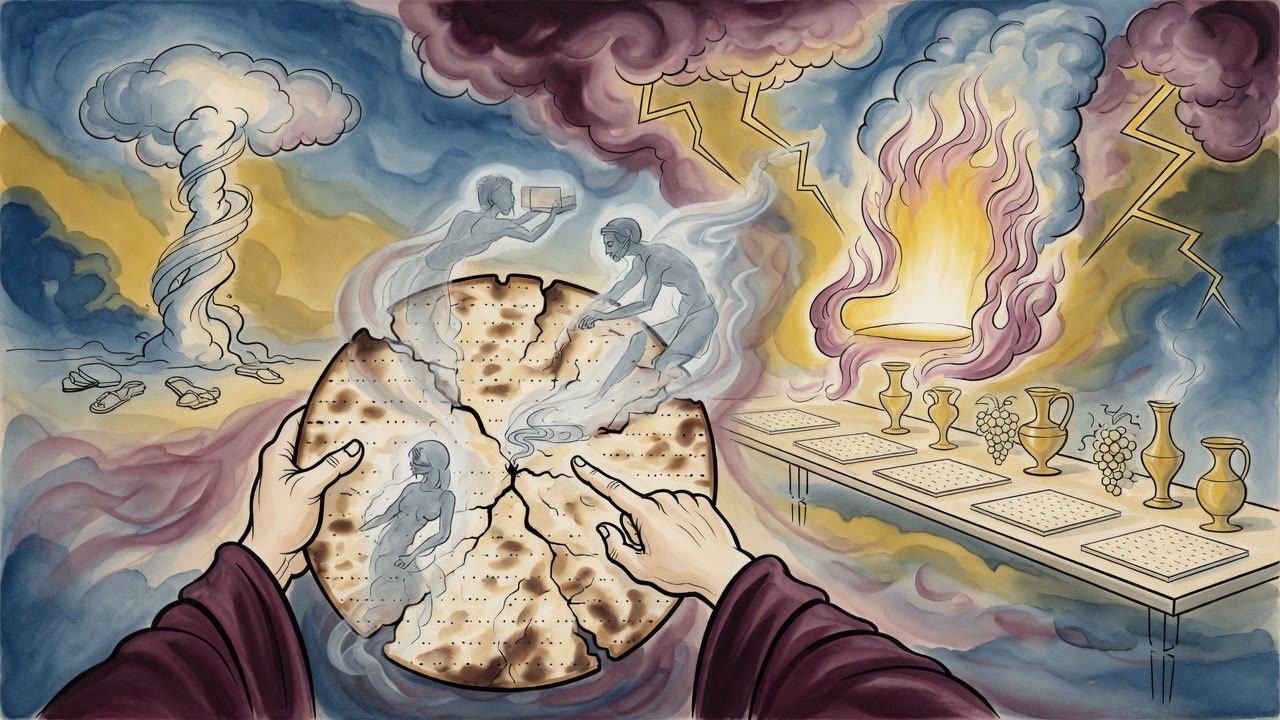
After soft words came hard bricks. On the night of dying, Egypt shoved Israel toward the door and still hoped for a three-day return.
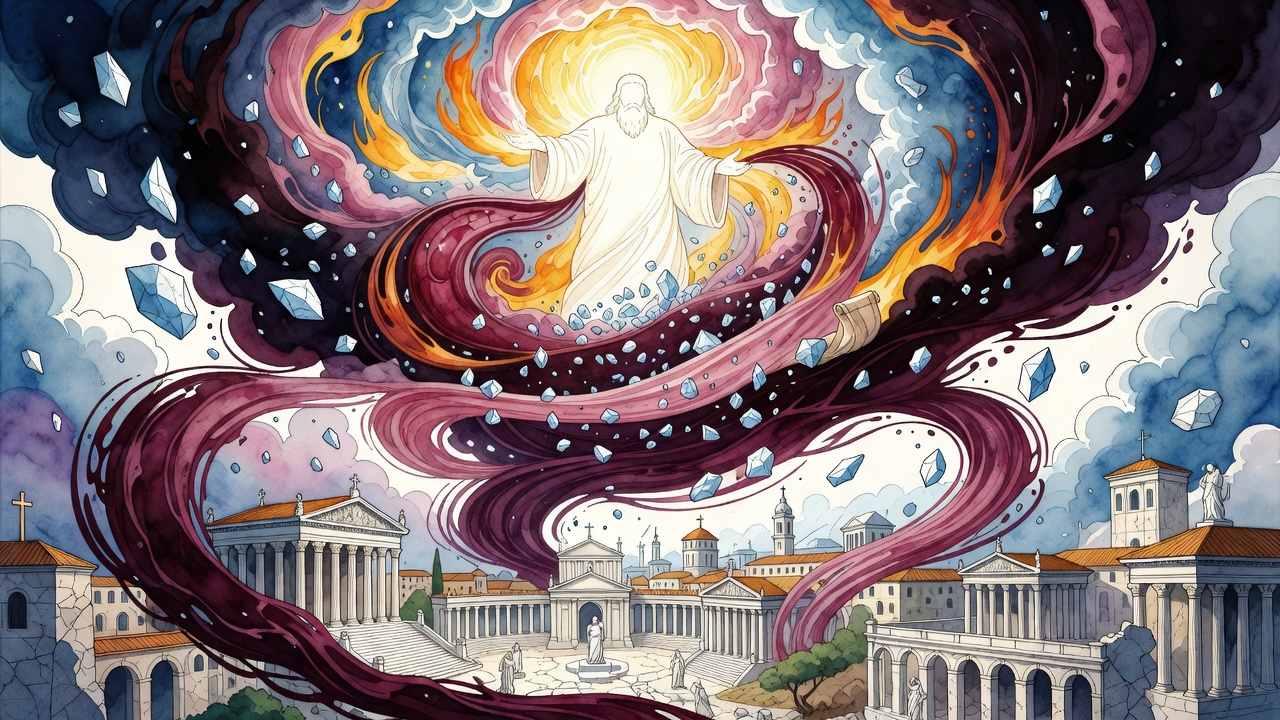
The ten blows that broke Egypt were never spent. Blood, hail and darkness wait in God's hand to fall on wicked Rome exactly as they fell on Pharaoh.
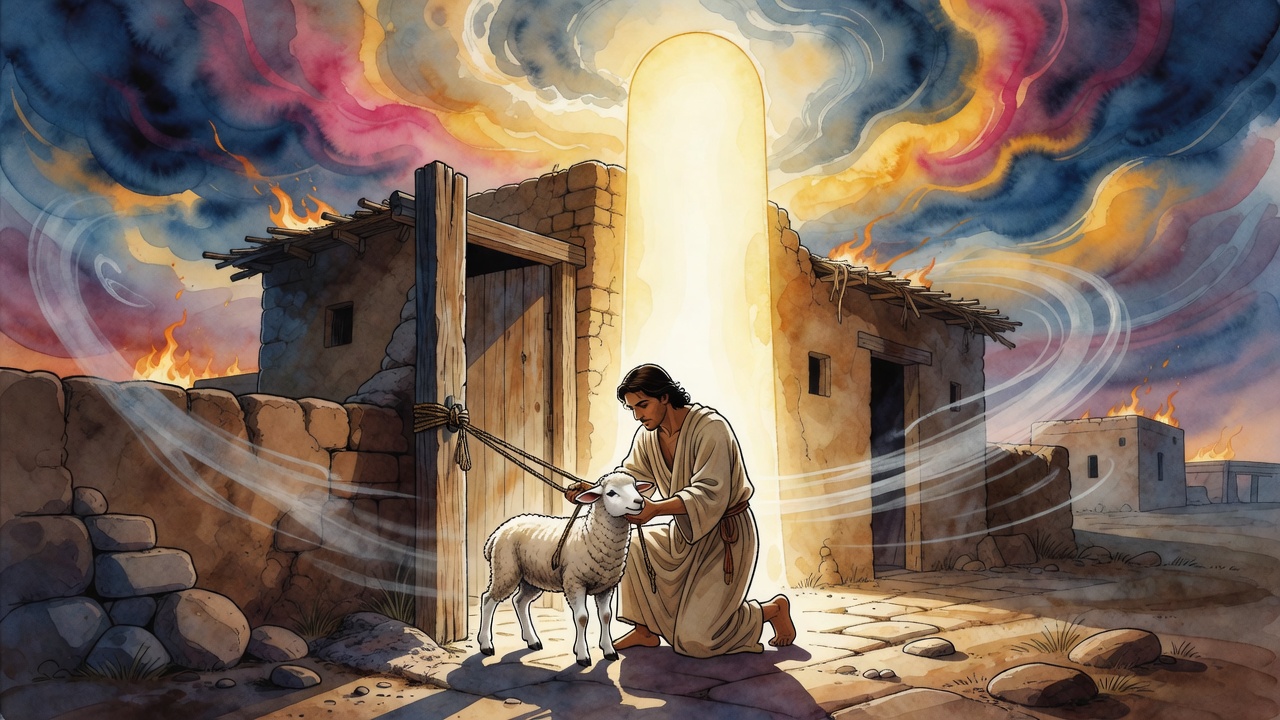
God orders every Israelite household to bind Egypt's holy lamb at the doorpost and slaughter it the night the empire's firstborn die.
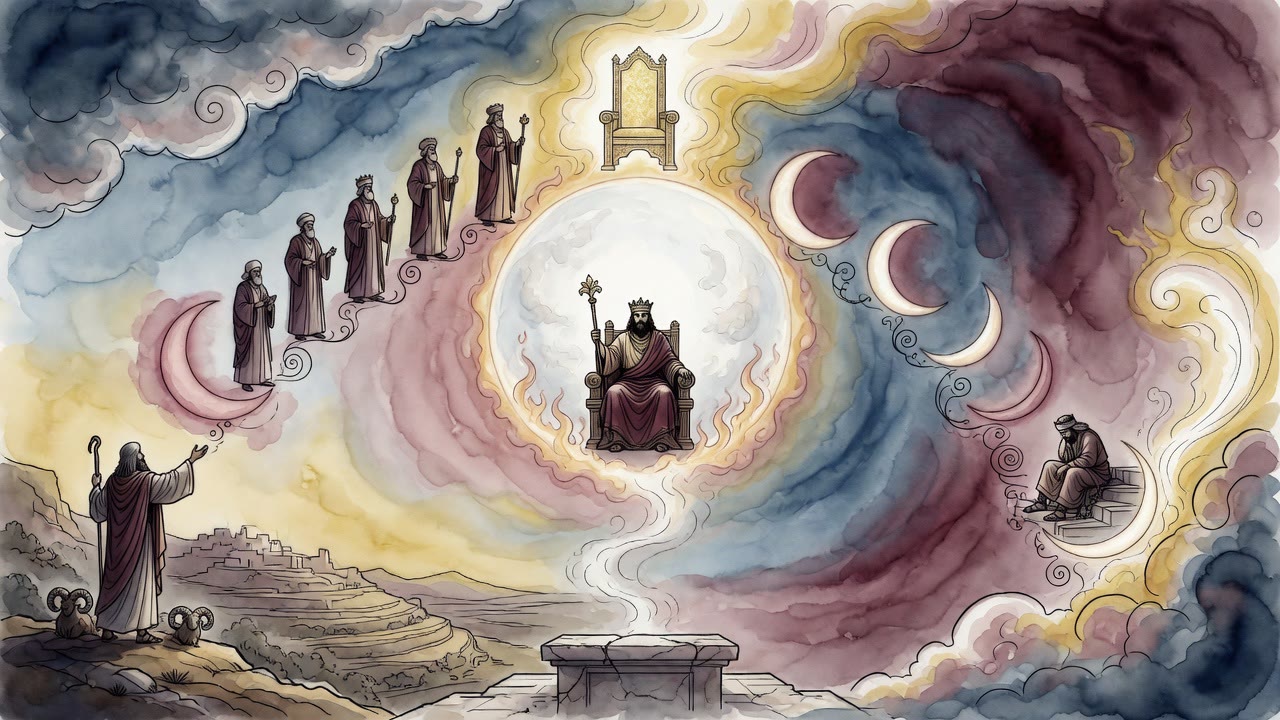
Solomon made the shields of gold. Rehoboam replaced them with bronze. The kings kept shrinking until Zedekiah, whose eyes were put out.
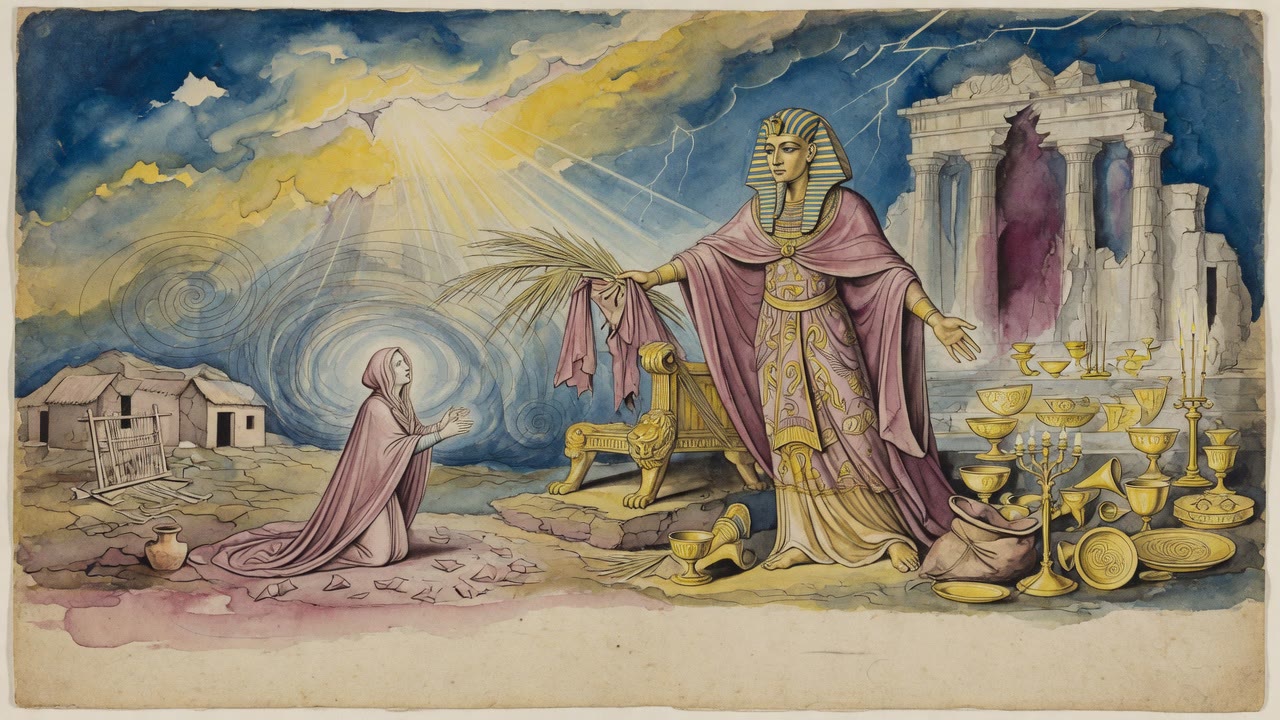
He did not bring engines against the walls. He brought scribes and a paper. Solomon was dead, and a widow in Egypt was owed her marriage money.
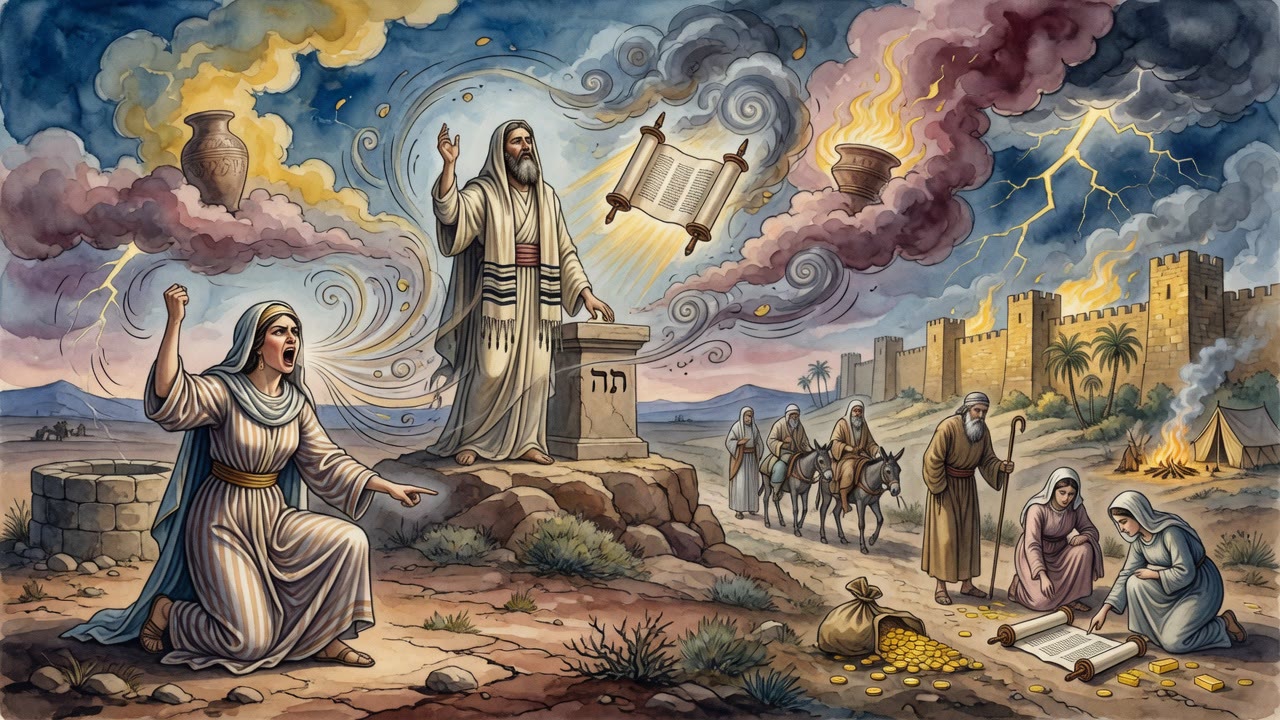
The angels set up the heavenly court and asked when to judge, and God sent them down to wait on the day Israel's Sanhedrin would name.
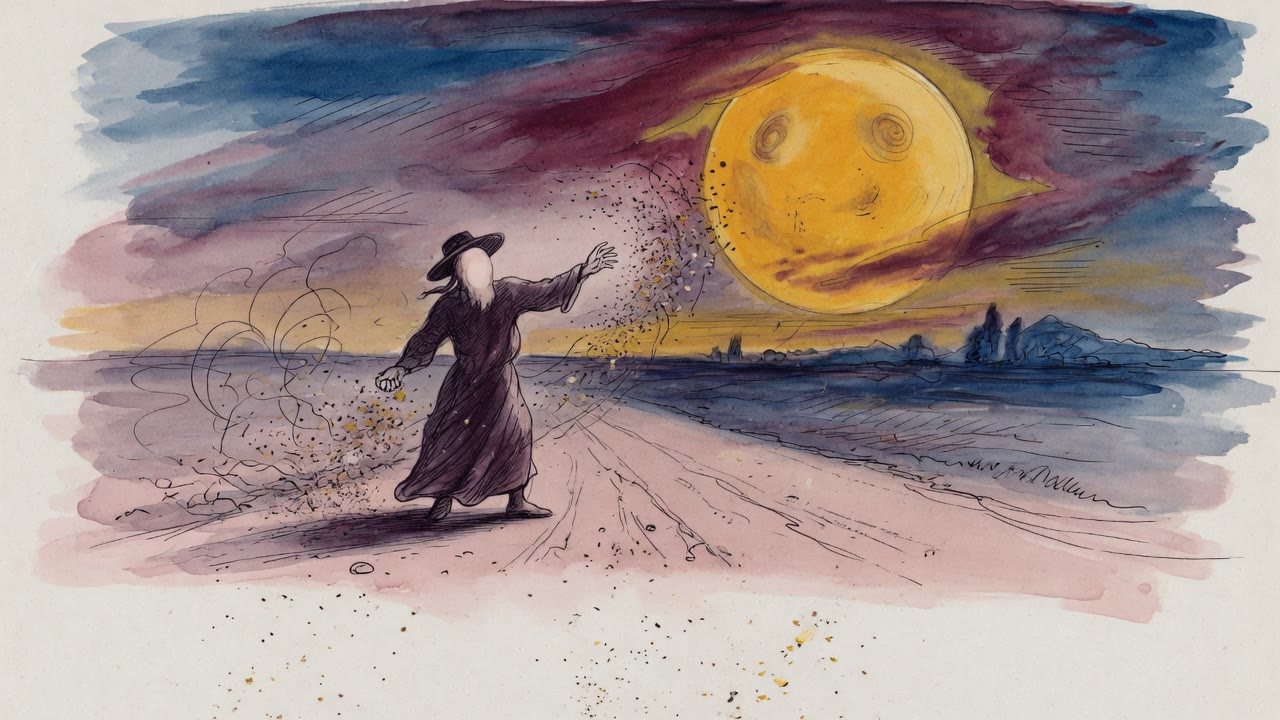
The moon blazed a night too early on the road to Rosh Hashanah, and Rabbi Hiyya filled his hands with grit and threw it at the sky.
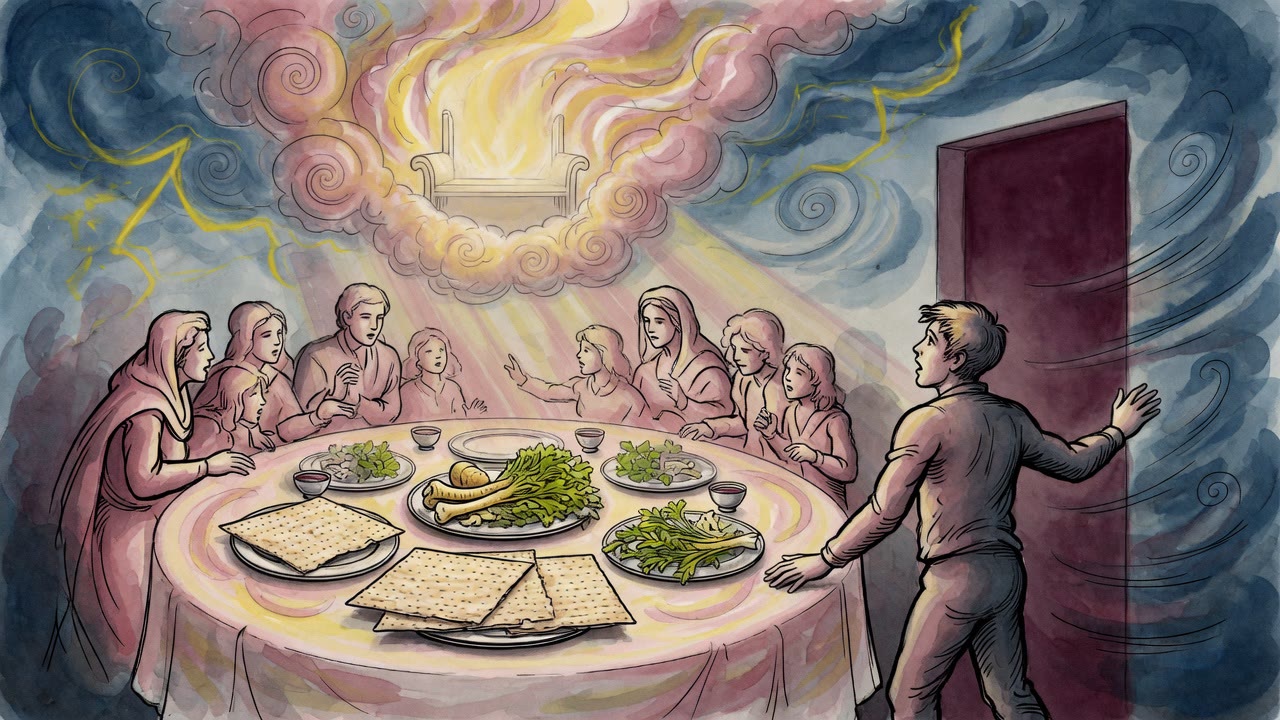
The plate held matzah and maror. A son asked what the work was to them. The father answered with a night that no longer named him.
