144 myths · Page 3 of 5
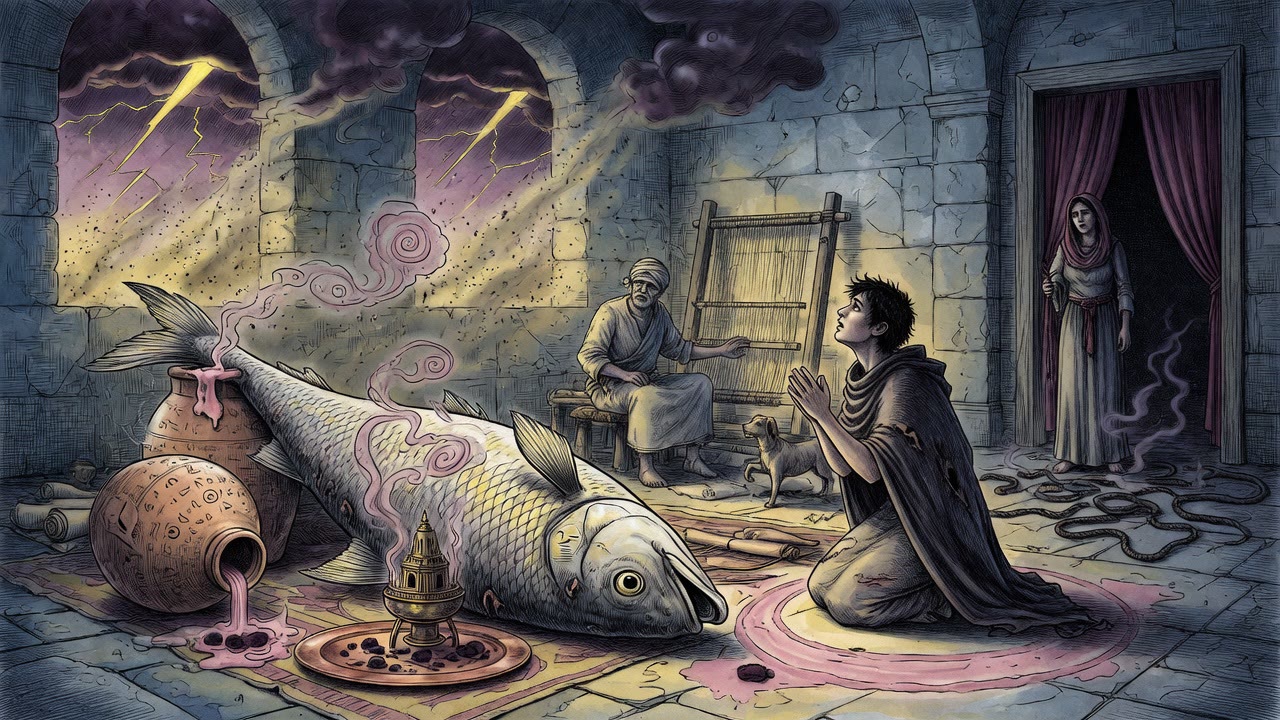
He had already been called a false prophet in Jerusalem. Nineveh would repent. He would rather live on the sea than wear that name twice.
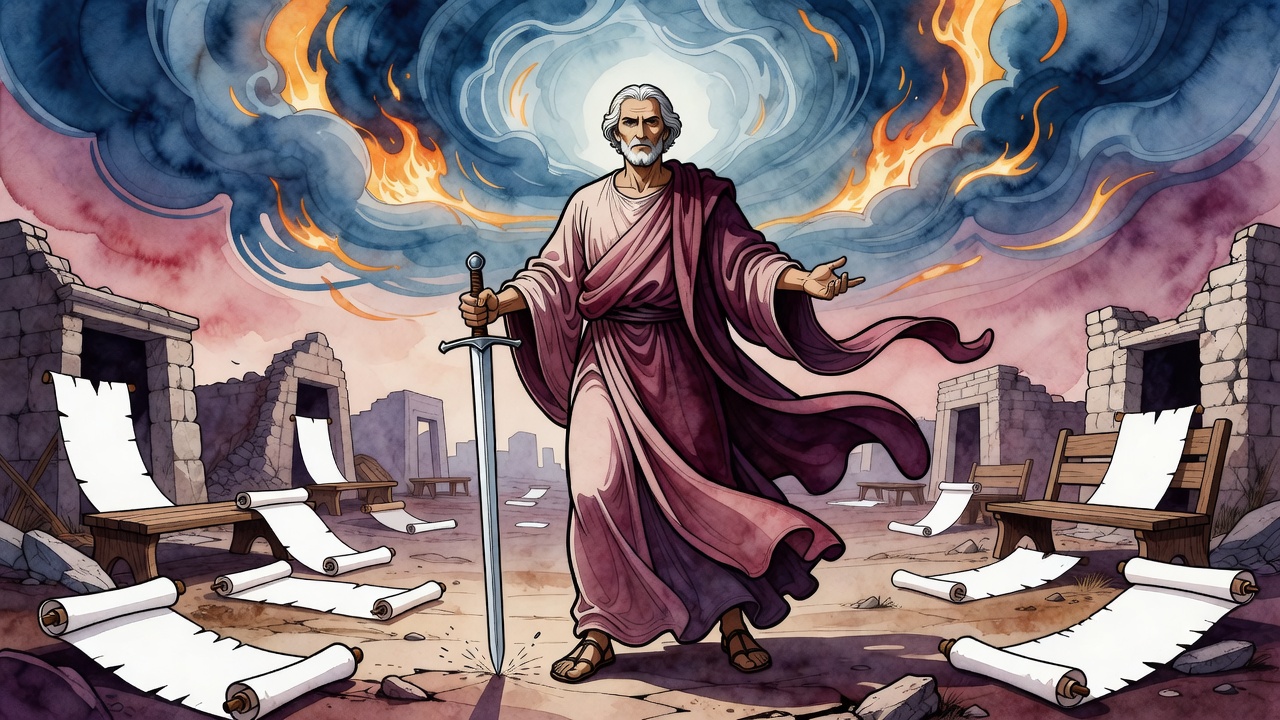
Ahaz had closed every Torah academy in Judah. When Hezekiah became king, he drove a sword into the ground and declared it was time to study or die.
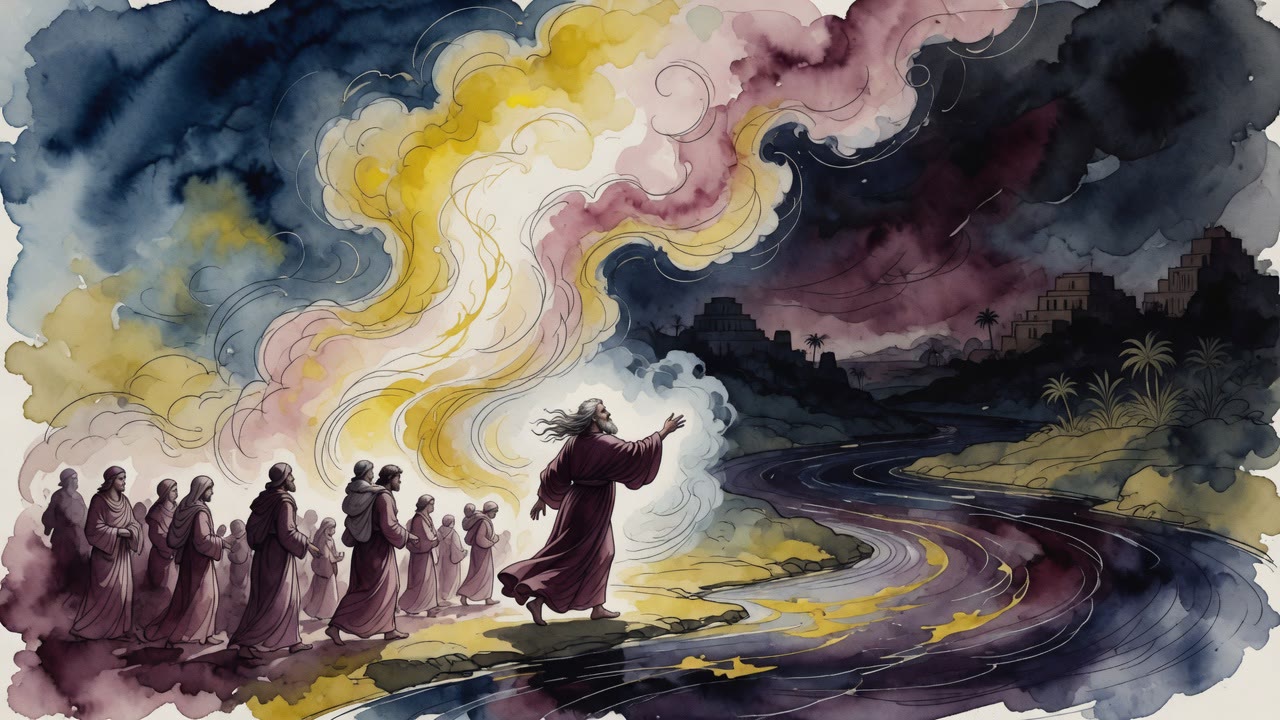
Pharaoh's fleet was sailing north to break the siege. Then God filled the water with drowned Egyptian ancestors, and the fleet turned back.
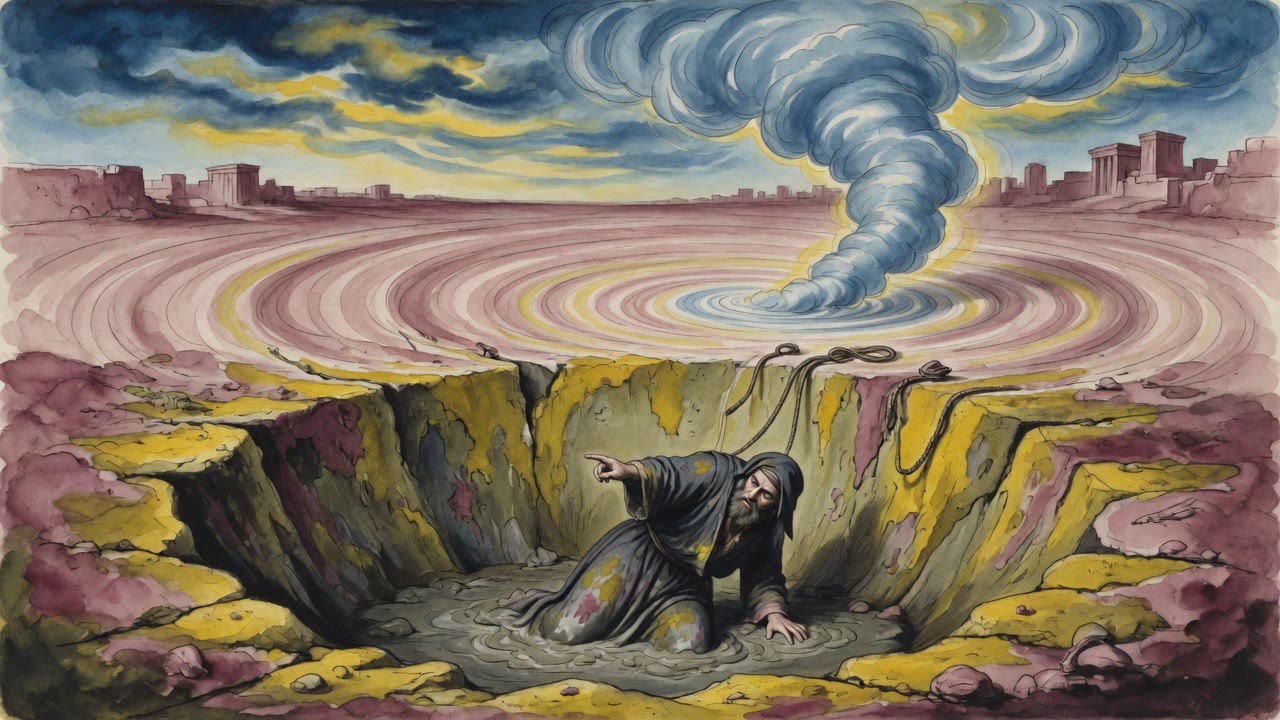
The prophet sank in mud and lime, and a voice called his name. He had been mocked too many times to trust a friendly sound. He did not answer.
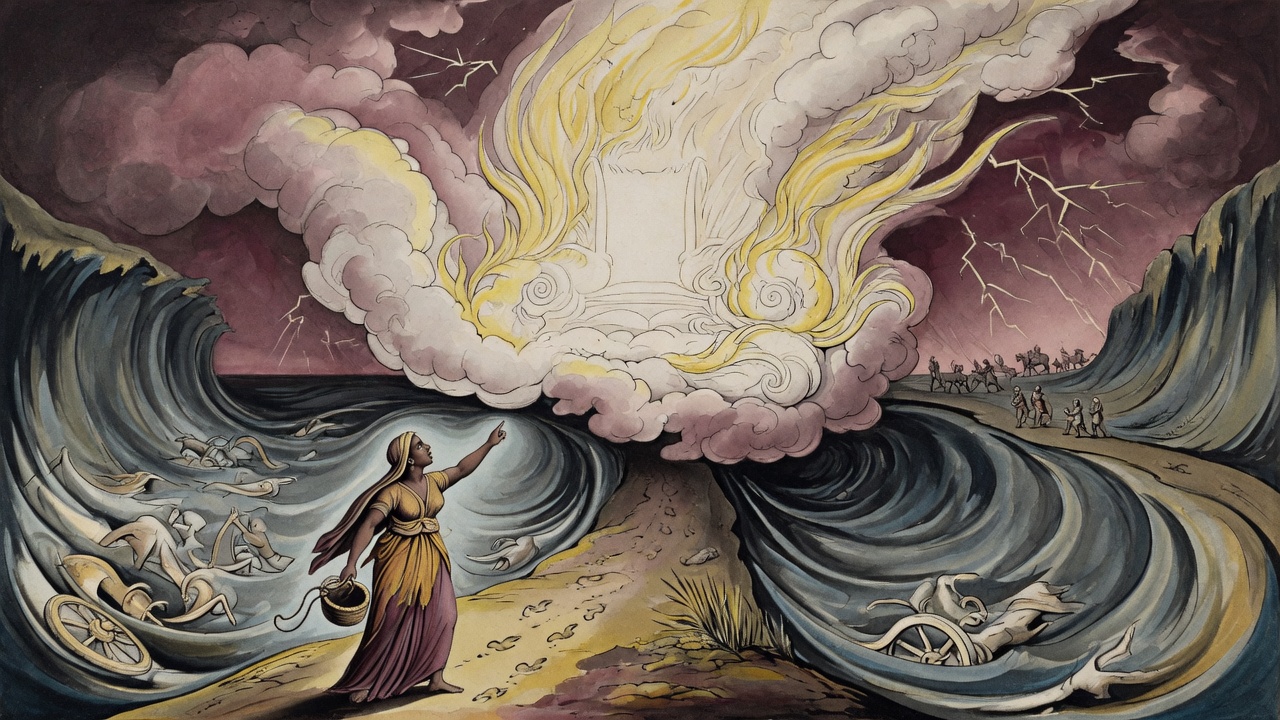
Ezekiel gave an uncertain answer about rescue. The three men declared they were ready to die regardless. That declaration was when the rescue became certain.
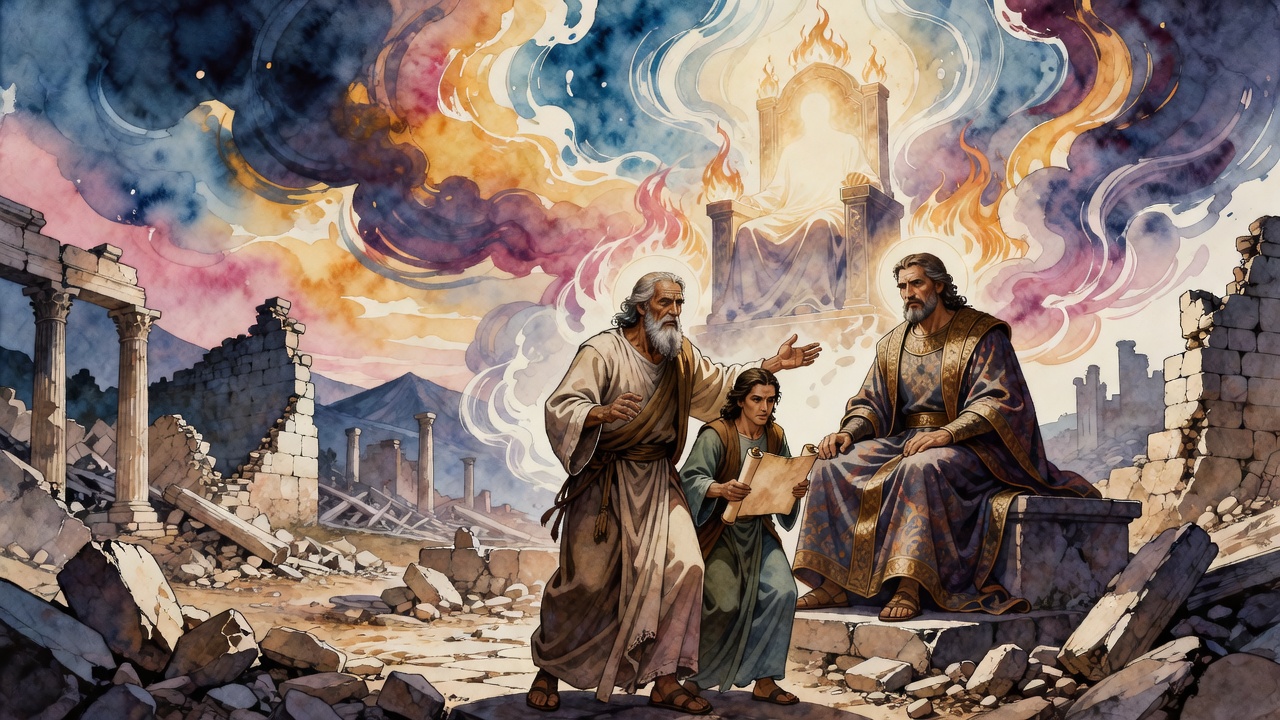
Daniel had outlived Babylon, but Jerusalem was still rubble. Persian officials could find nothing to charge him with, so they made his prayers illegal.
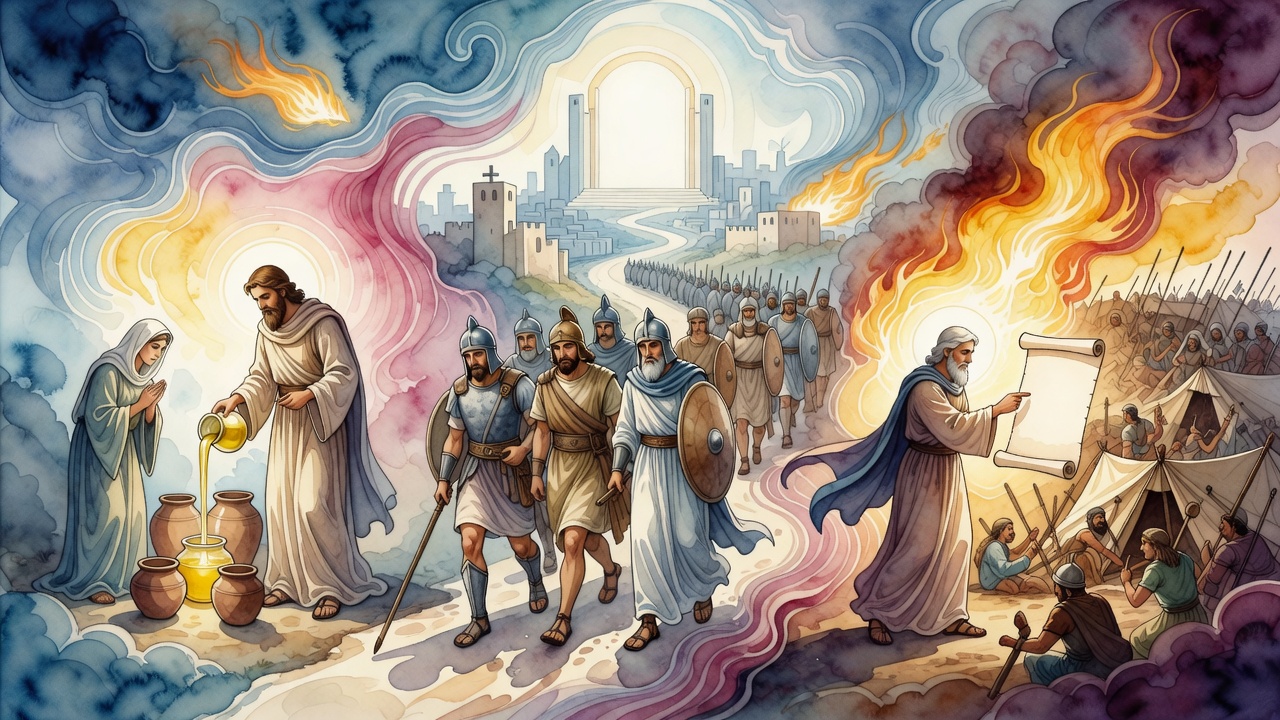
Samaria starved until a donkey's head cost eighty pieces of silver. Elisha named cheap flour for tomorrow. The officer who laughed died in the gate.
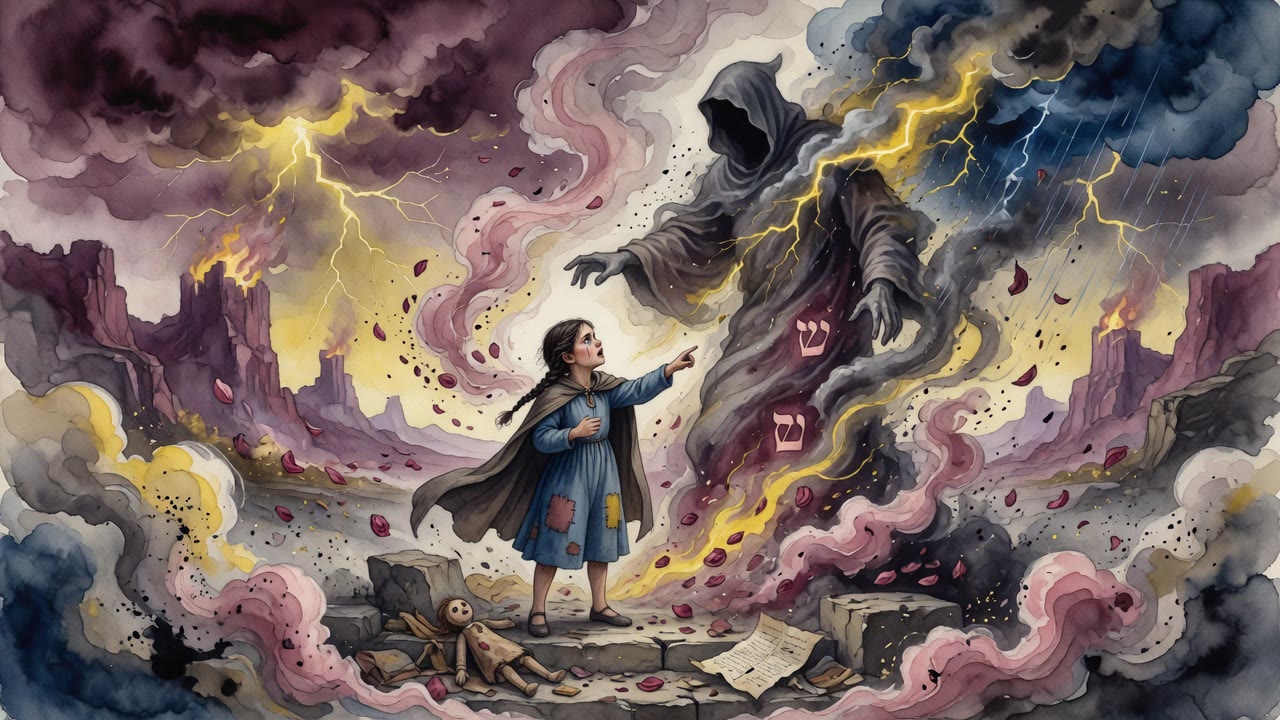
Nineveh was eating the northern kingdom city by city. Jonah paid for a berth toward Tarshish. A fish was already waiting in the sea.
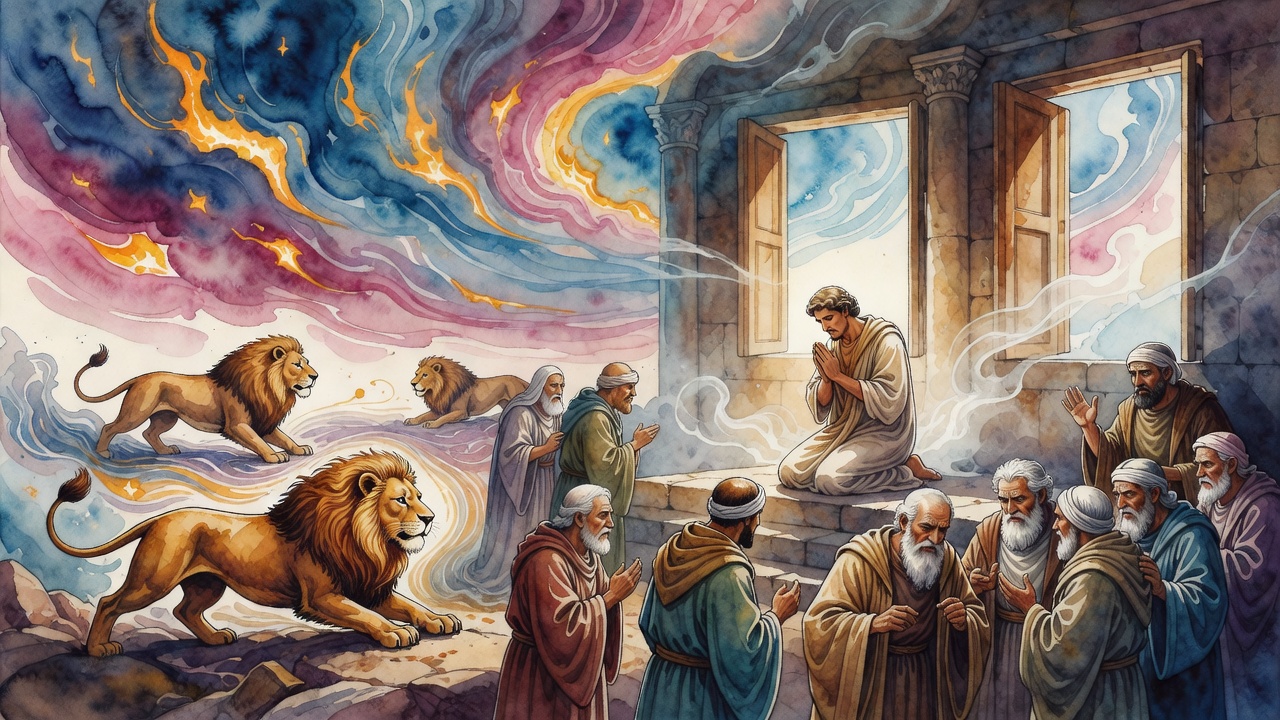
Darius fed the lions until they were full, then threw Daniel's accusers in. He had to know whether the lions had spared Daniel or had merely been fed.
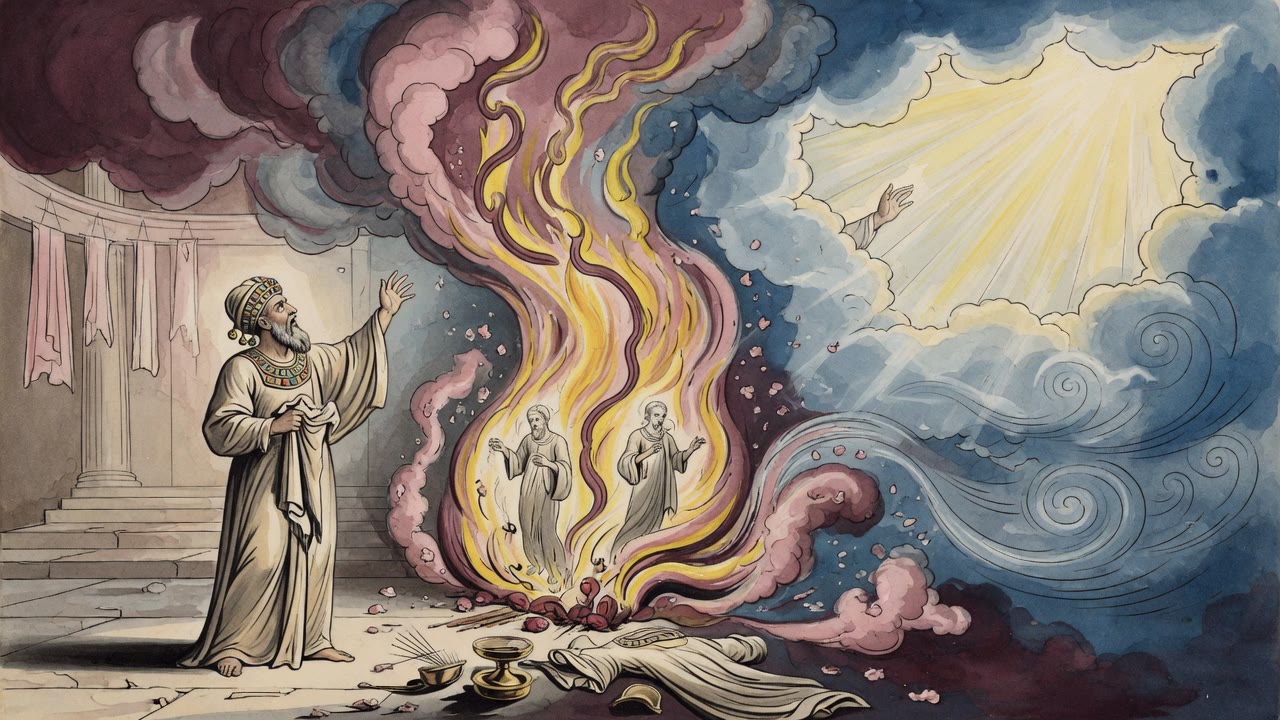
At the Golden Calf the Levites would come forward with swords. Judah's banner would lead every march. Neither had happened yet when Moses' arms went up.
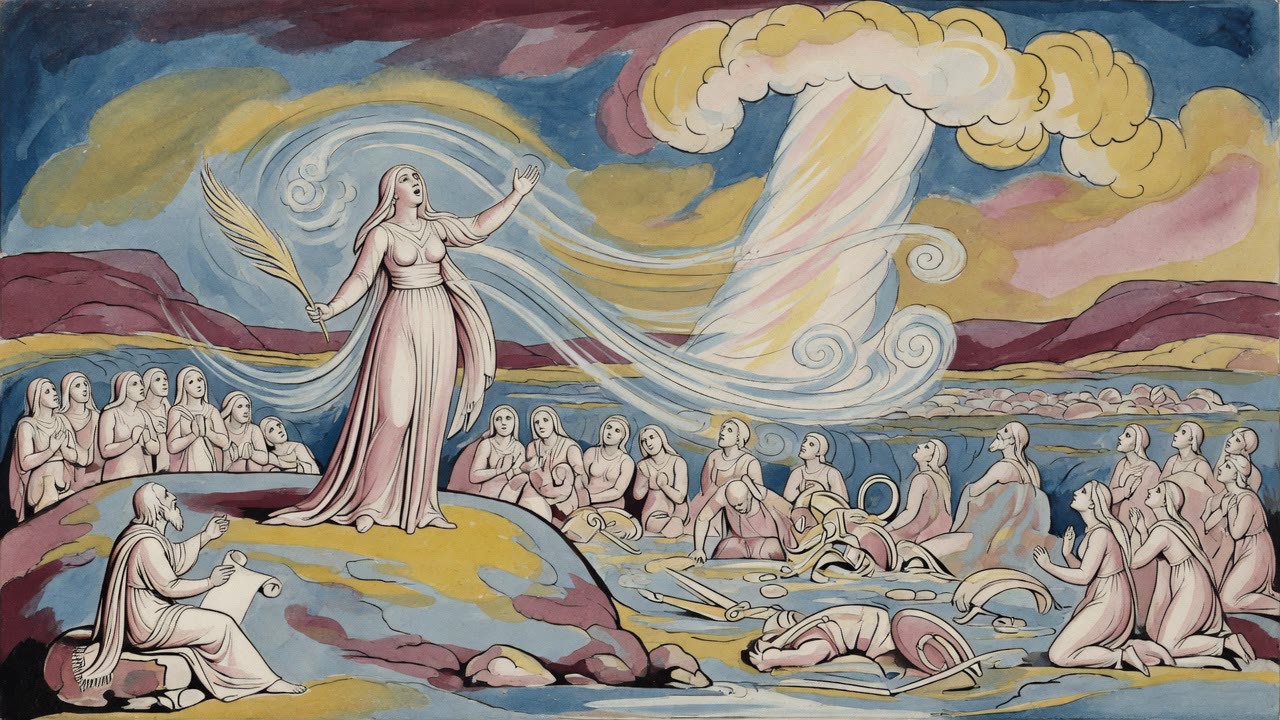
Rabbi Simon taught that singing after a miracle forgives the singer, and Deborah proved it when her voice rose over the battlefield.
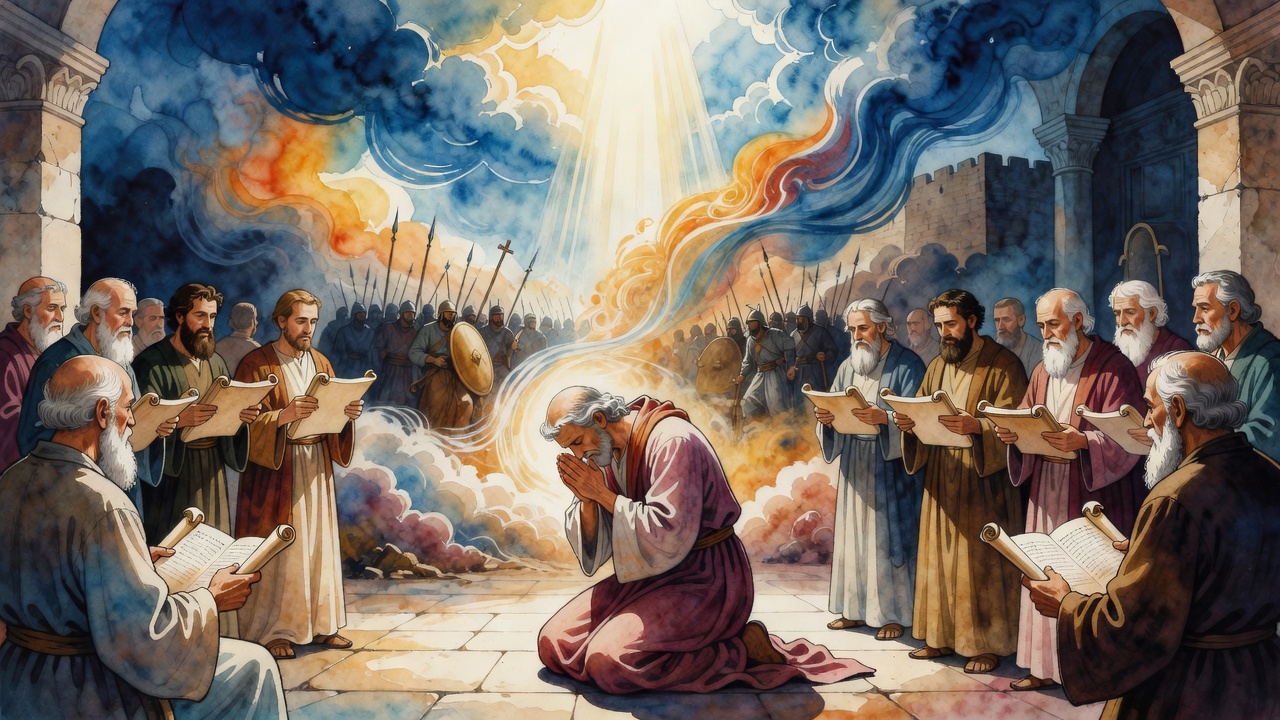
Ahaz meant to give his son to Moloch. The boy's mother rubbed him with the blood of a salamander first, and the fire could not have him.
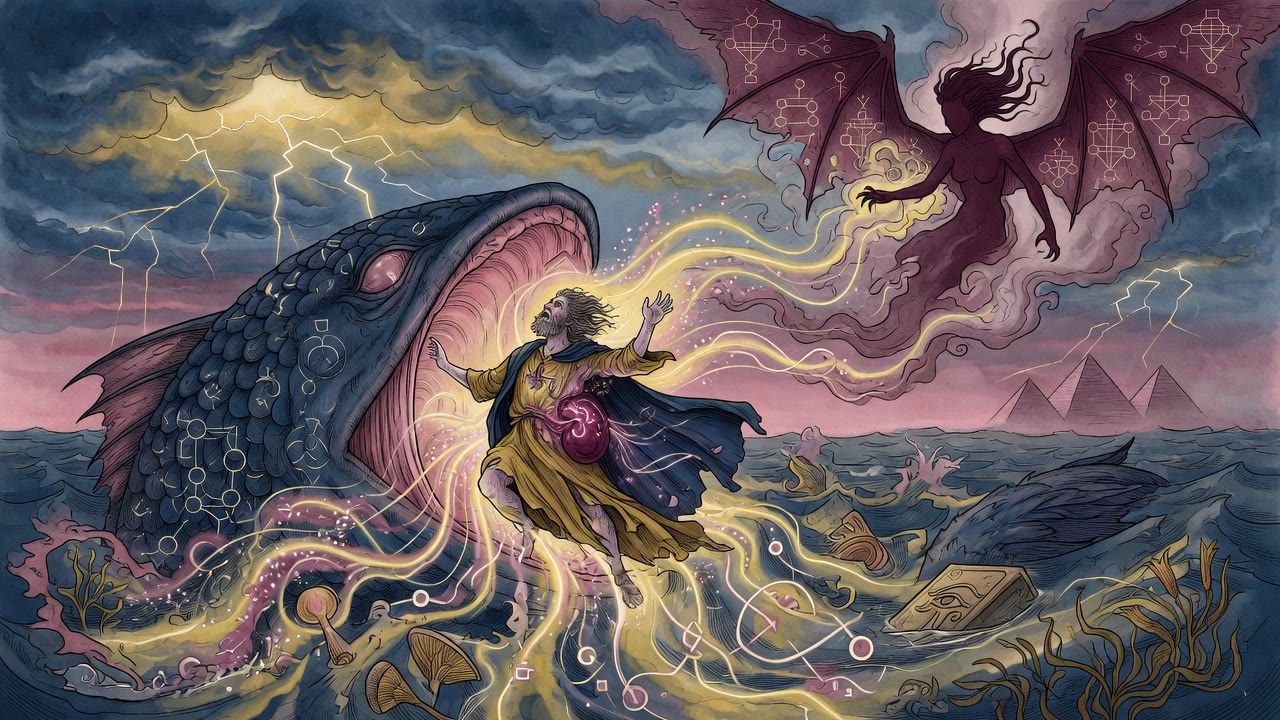
The sailors on Jonah's ship were not cruel men. They tried their idols, cast lots, jettisoned their cargo, and rowed for shore before they touched him.
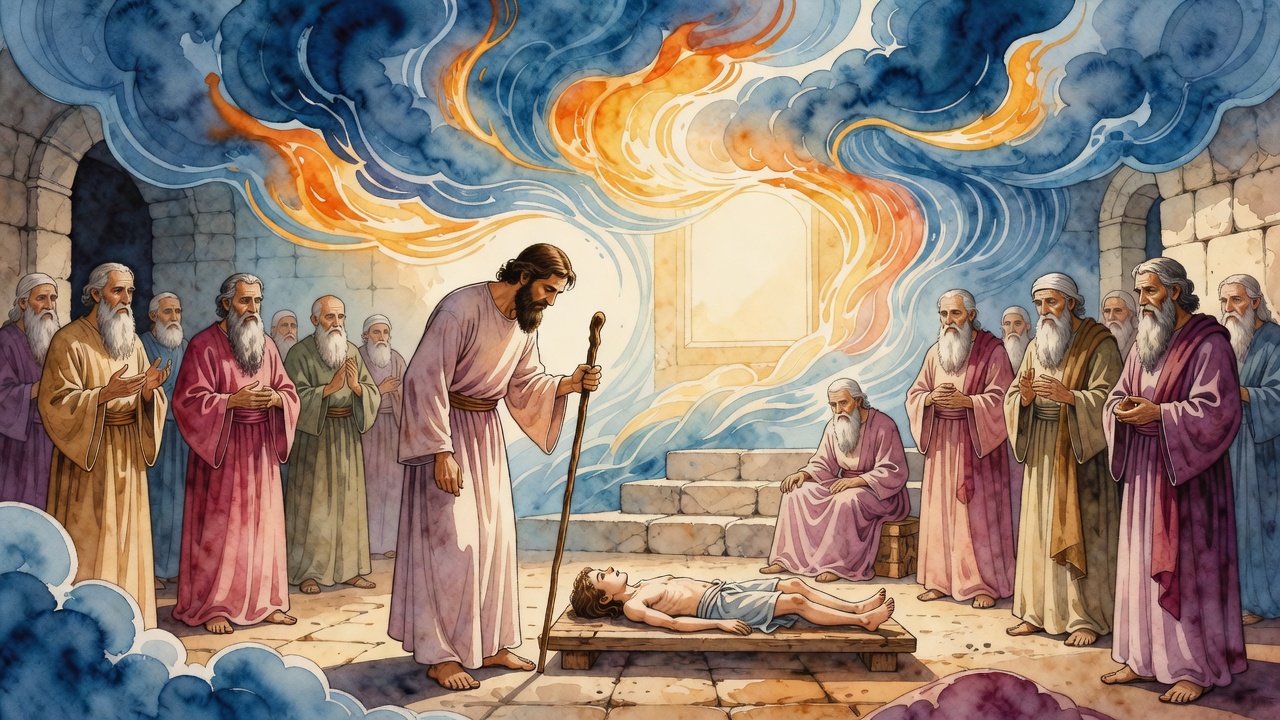
Gehazi asked the men in the street if a stick could raise a dead child. Then he laid Elisha's staff on the boy's face. Nothing moved.
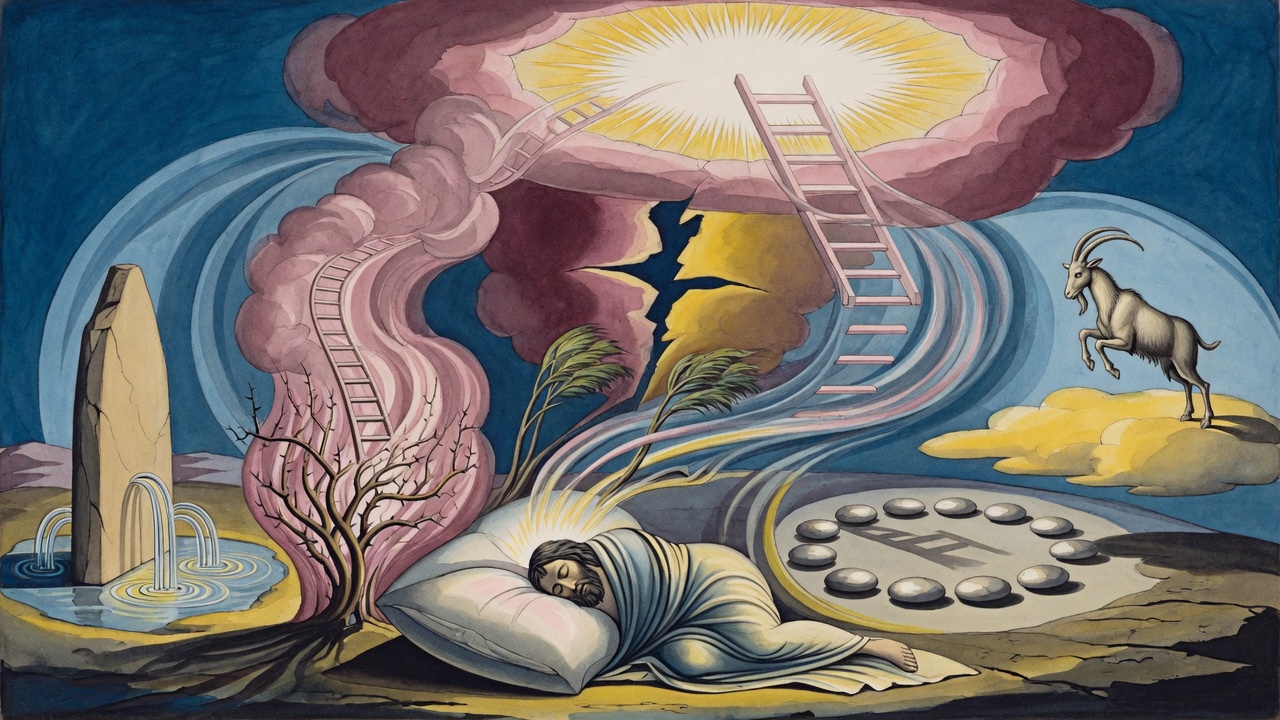
Genesis gives Jacob's ladder vision in one night. The ancient Aramaic translators recorded five miracles that bent the world toward Jacob before he slept.
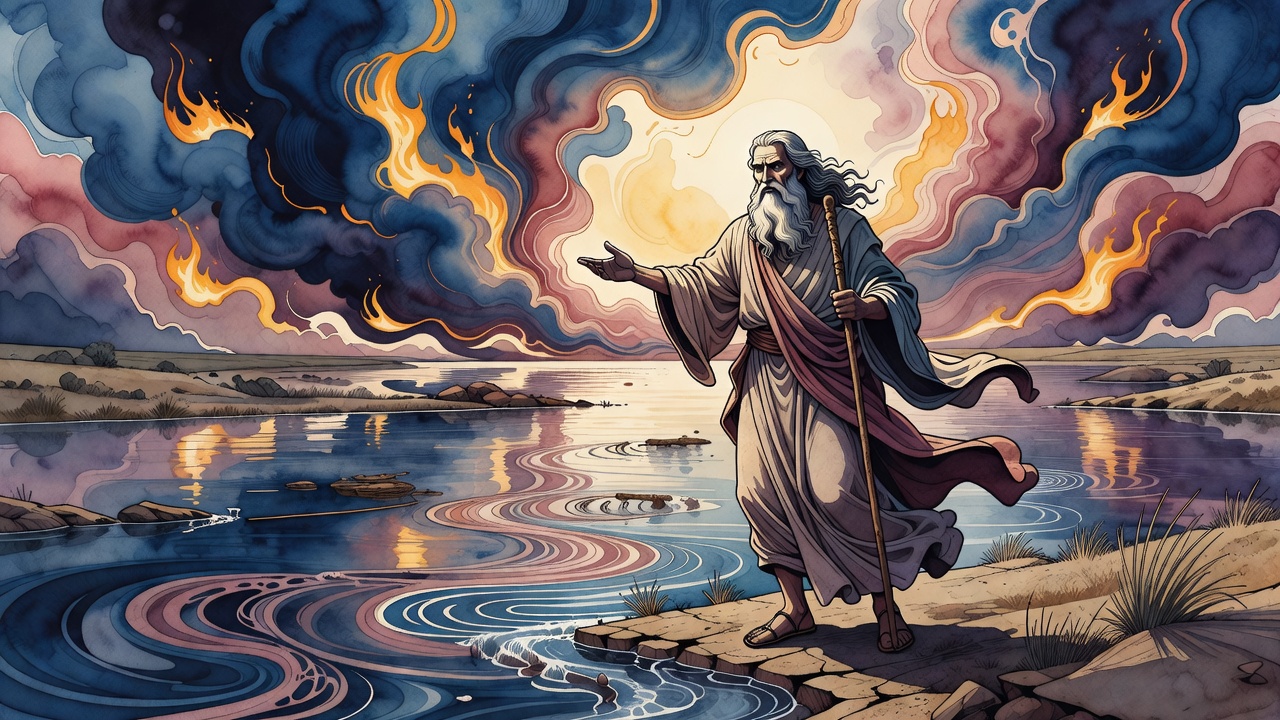
The Nile had carried his basket for seven days. When God sent blood and frogs, Moses would not raise the rod. Aaron struck the water instead.
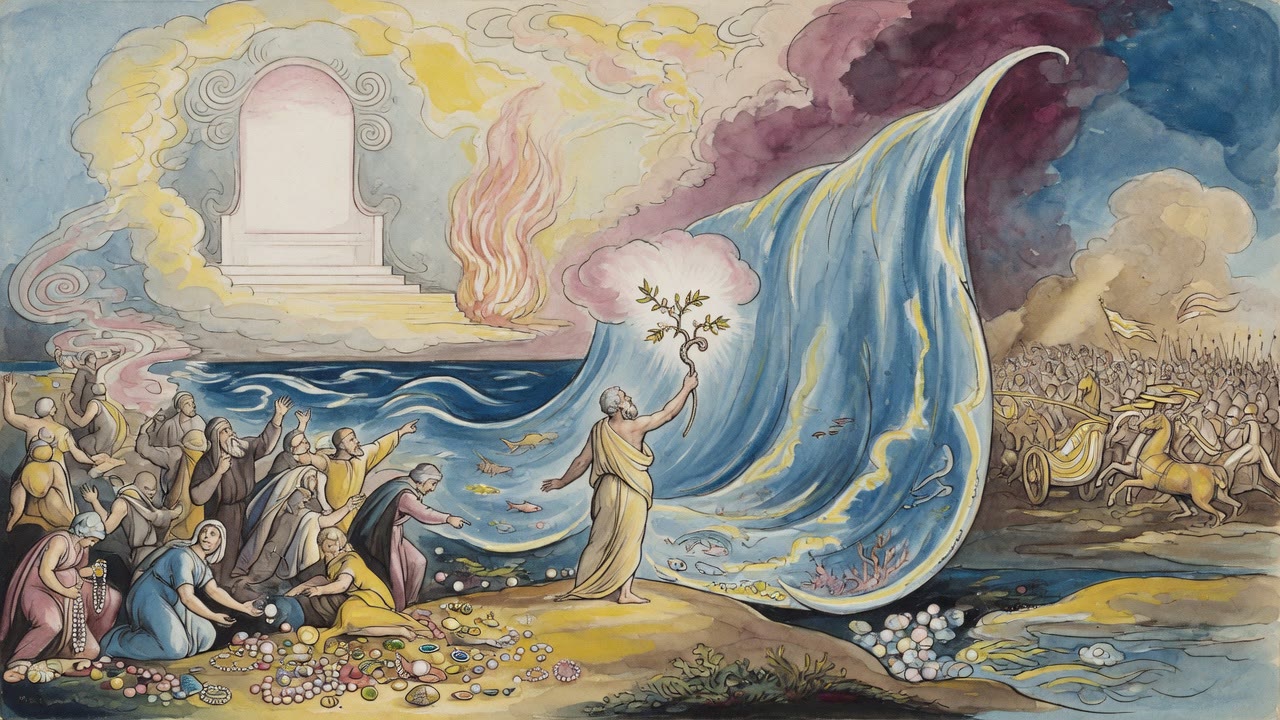
The Egyptian army was closing in, and the people at the water were picking up pearls. The river Pishon had washed them out of Eden.
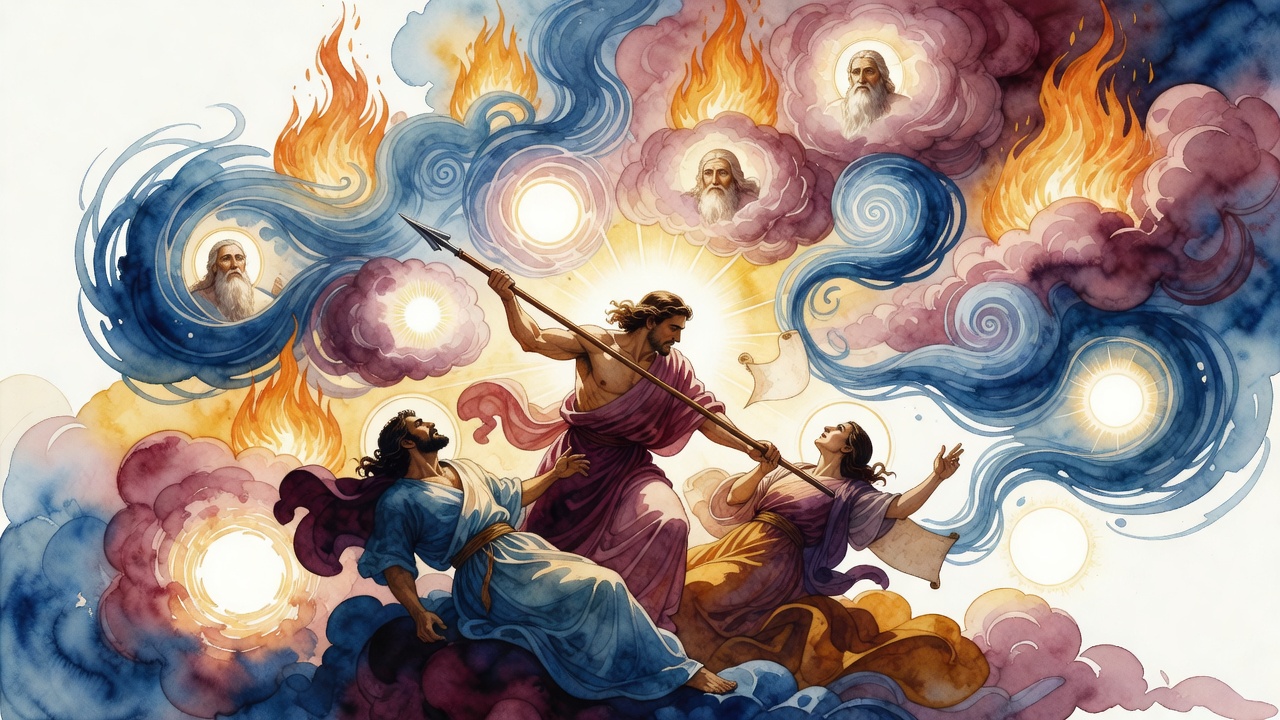
Zimri asked Moses what was wrong with a Midianite woman, since Moses had married one himself. Moses had no answer. A young priest stood up.
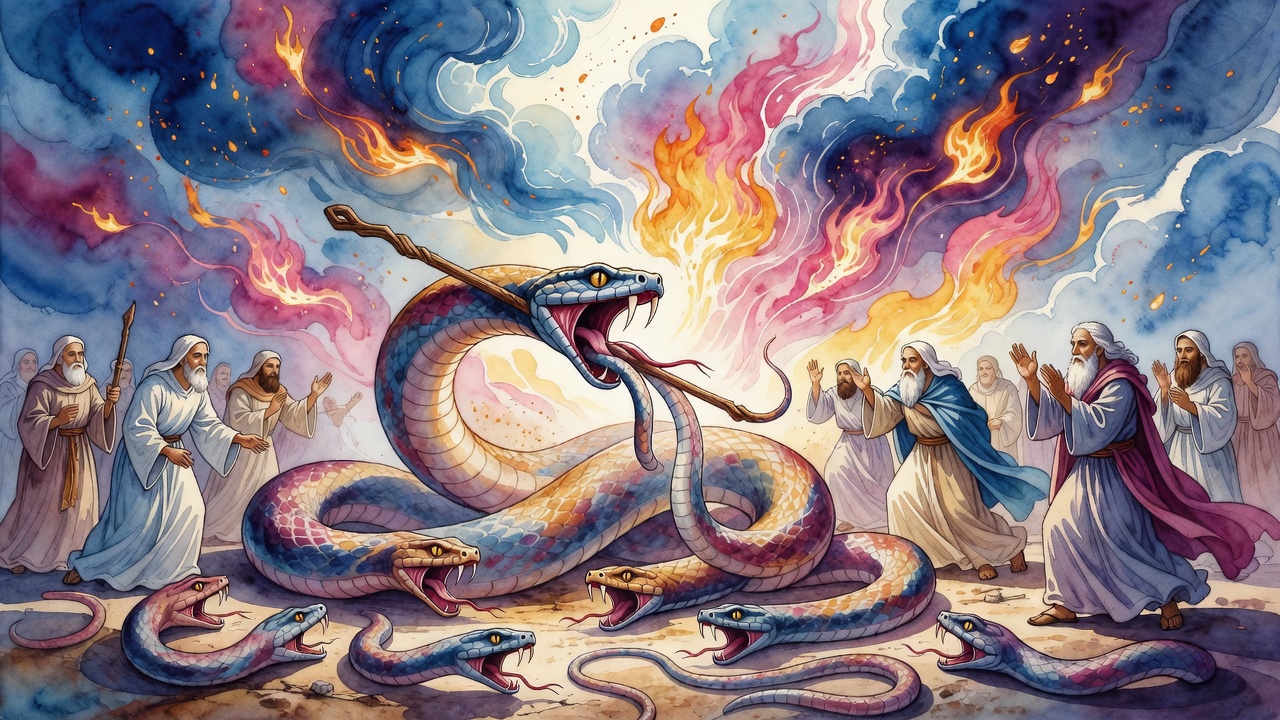
When Aaron's staff swallowed the staffs of Pharaoh's magicians, the rabbis said the real miracle was not the serpents. It was dead wood consuming dead wood.
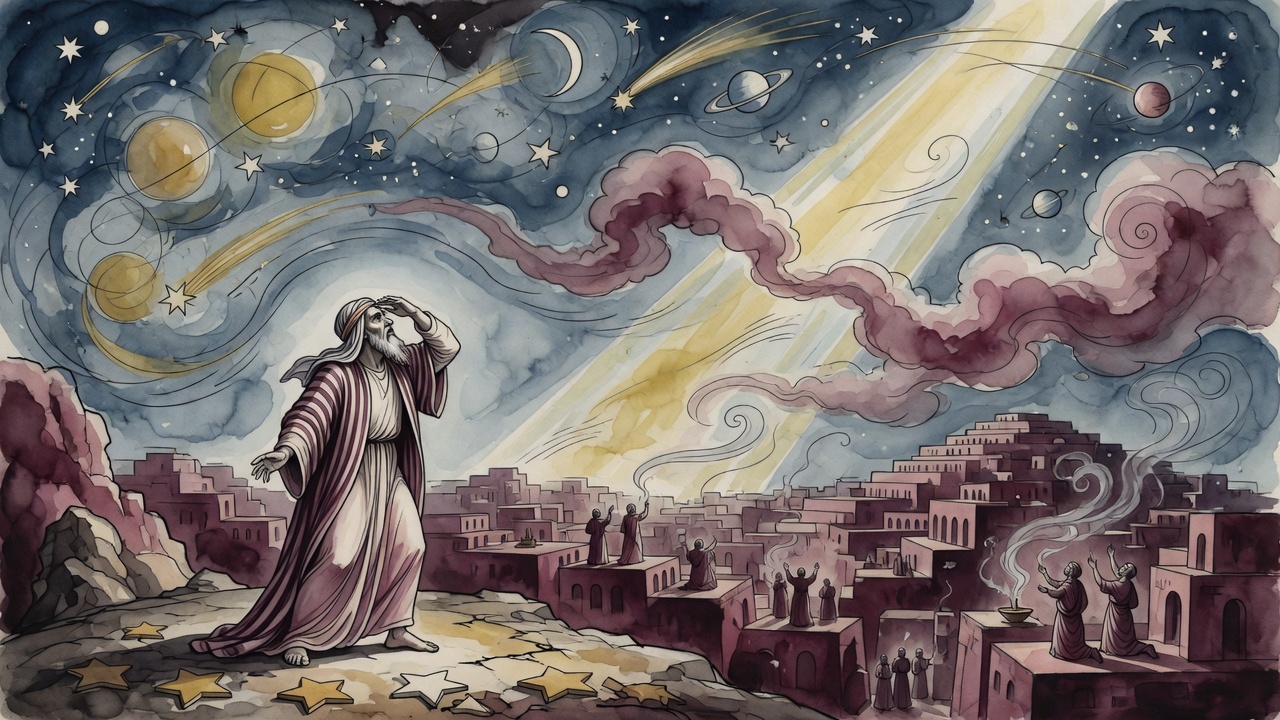
Nimrod threw Abraham into the furnace and Abraham walked out alive. What followed the miracle was the part the tradition cared about most.
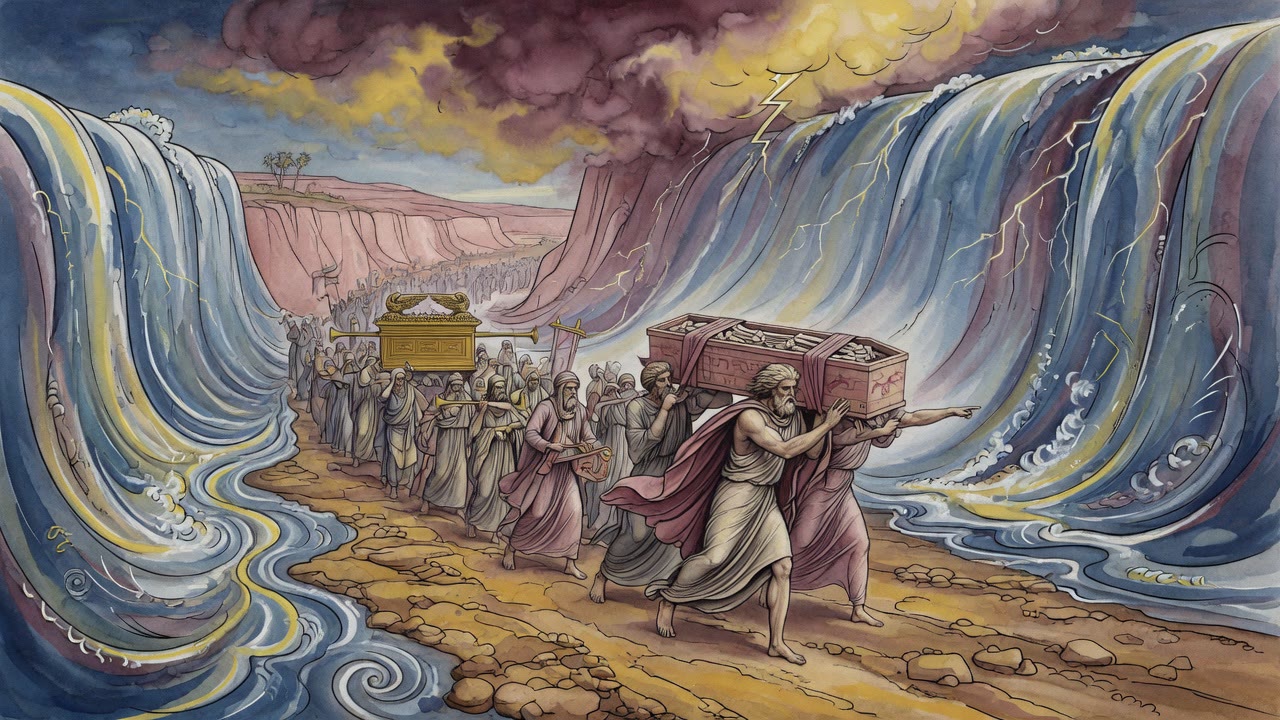
When Israel entered the promised land under Joshua, they carried two arks. Everyone remembers the Covenant. Almost no one remembers what traveled beside it.
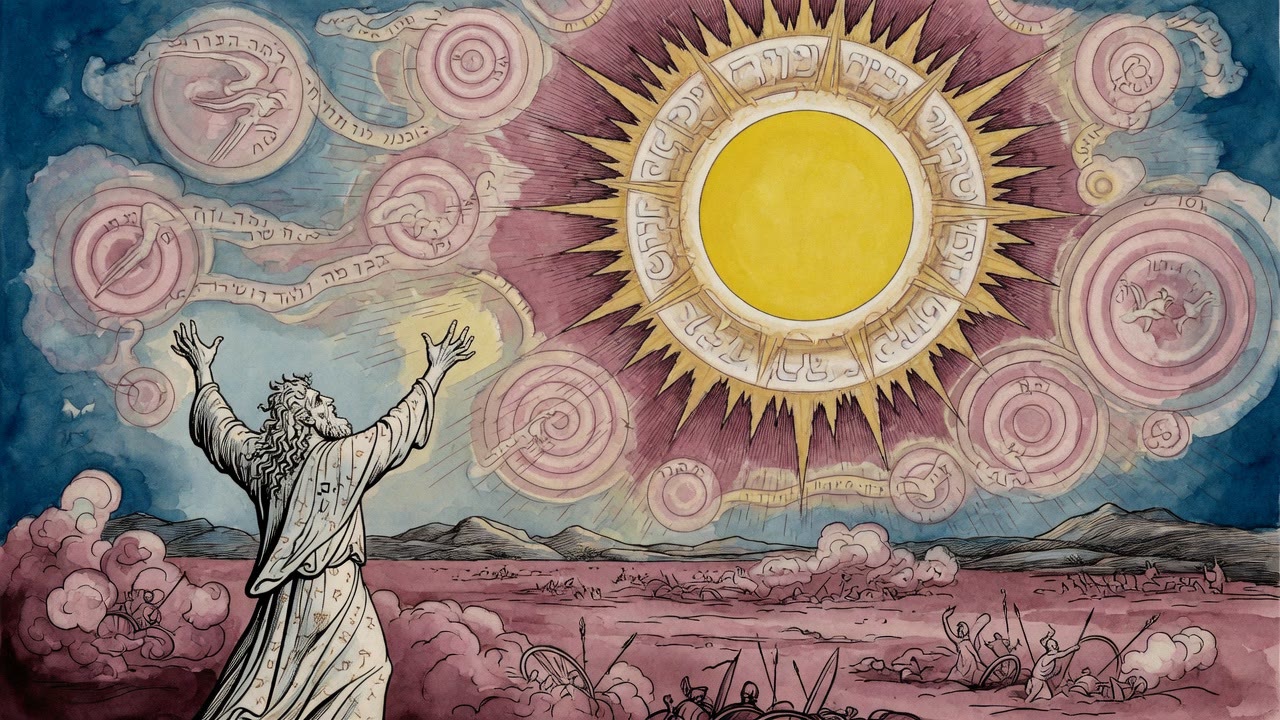
When Joshua commanded the sun to stand still, the rabbis said every power he had came from Moses. The moon was still the moon. Its light was borrowed.
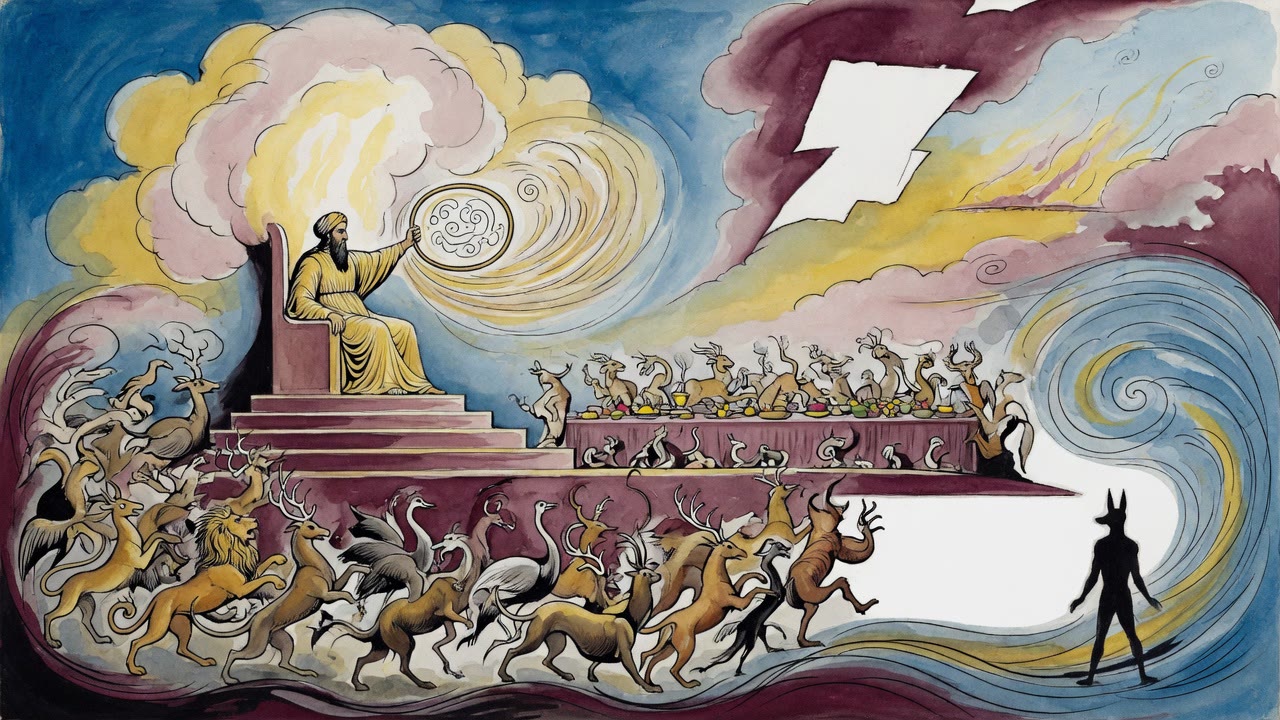
A wasp was eating a spider in the garden and a fool was swinging a stick at both. David asked God what any of the three were good for.
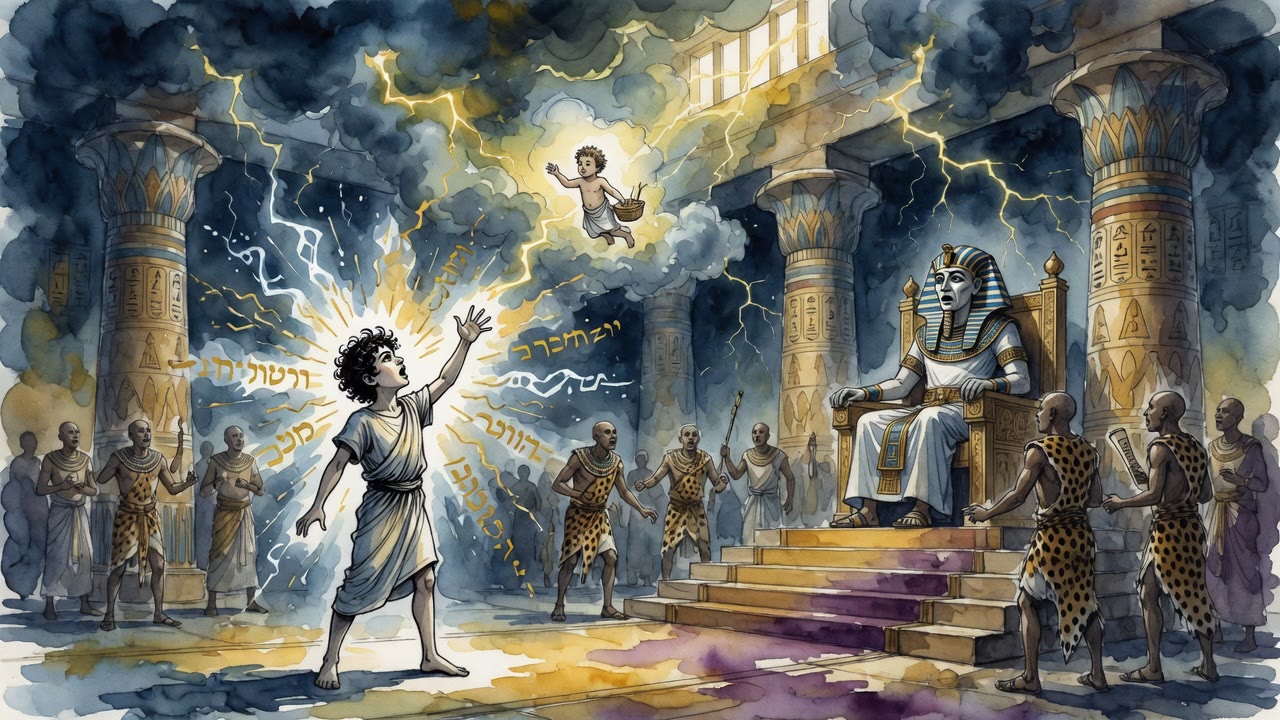
An old man hung merchants' scales in front of the throne, put every noble in Egypt in one pan and a baby goat in the other, and the goat went down.
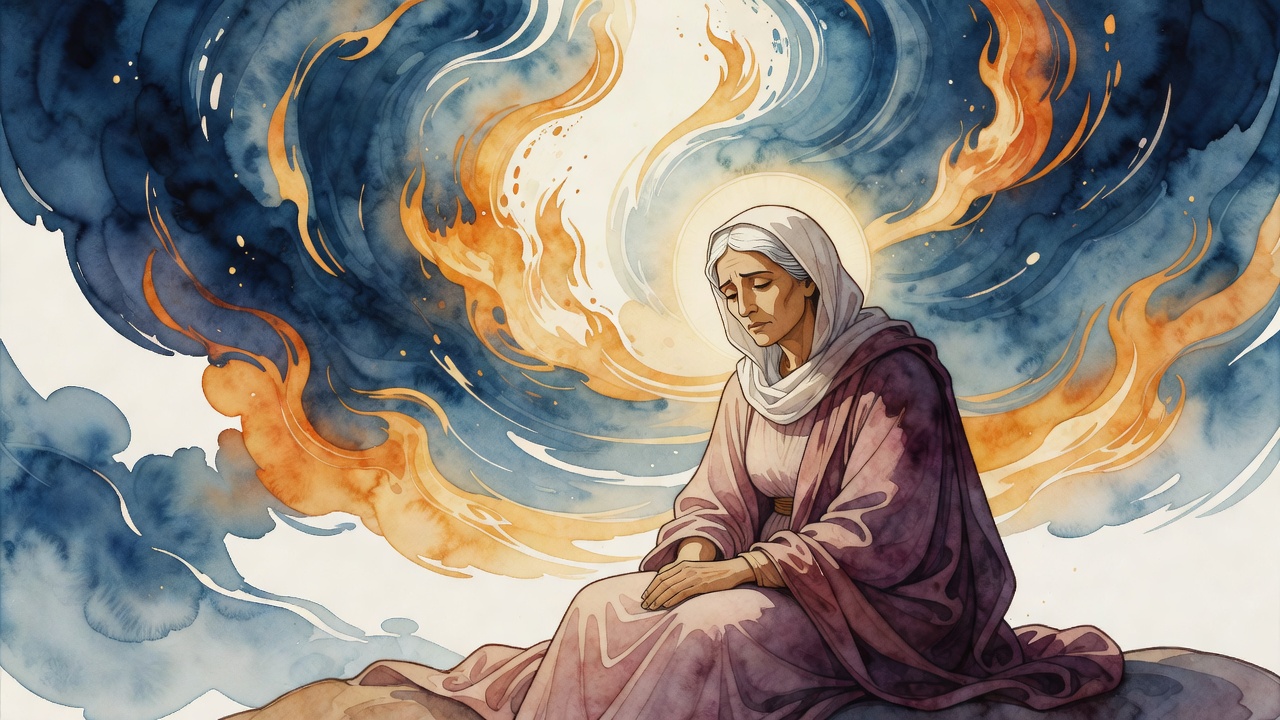
Sarah's barrenness was not a pause before the covenant. In Philo's reading and Bereshit Rabbah, the closed womb made Isaac impossible to explain without God.
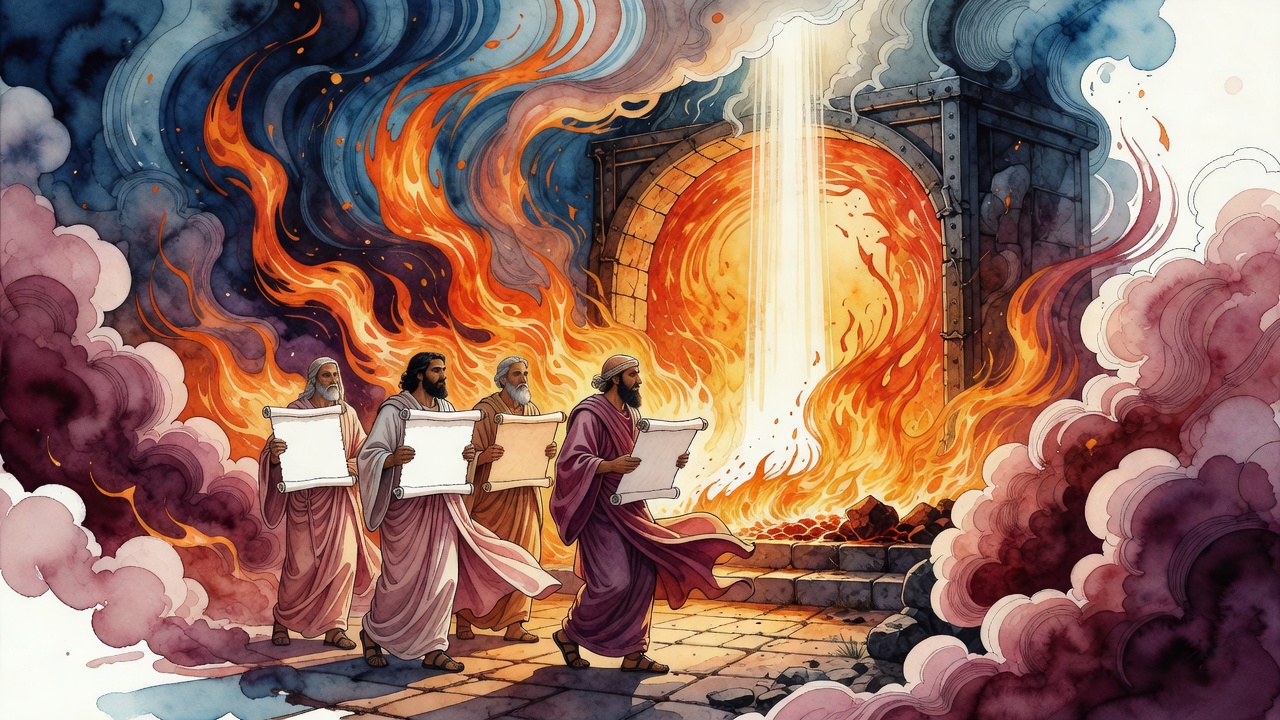
The king gave them three chances to bow. They told him their God might not save them, and that it made no difference to what they were going to do.
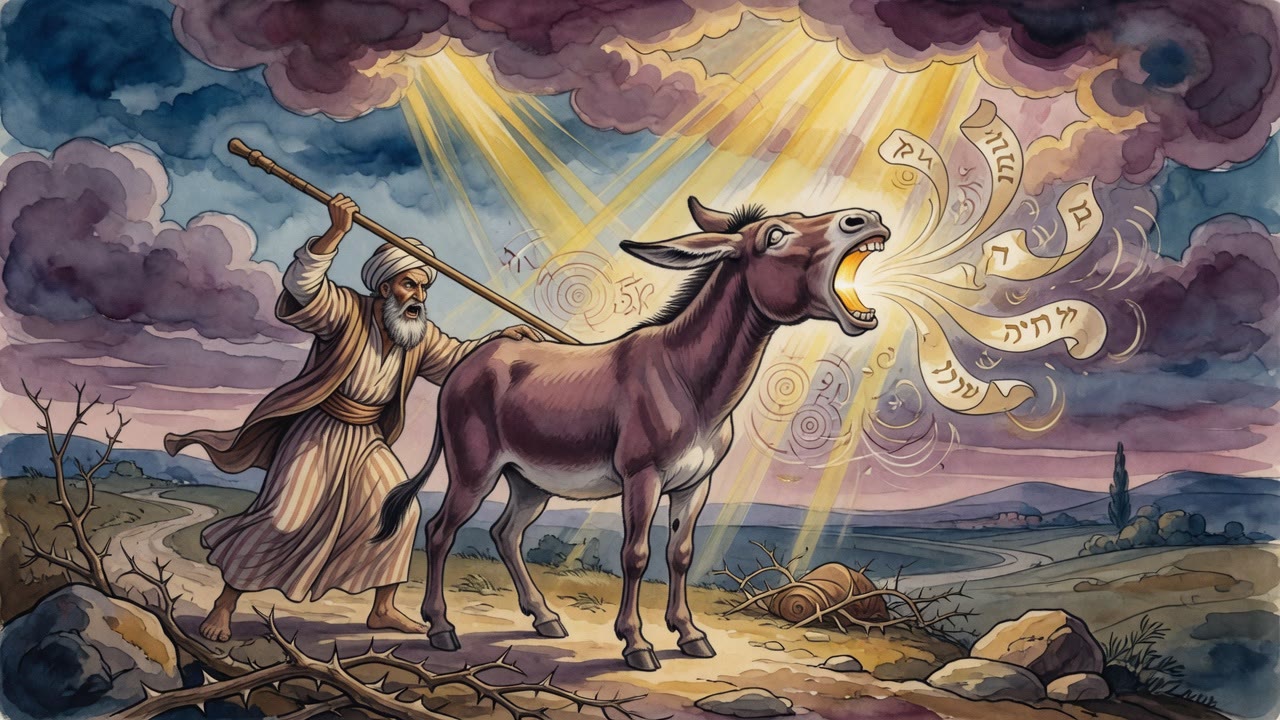
Balaam beat her three times for stopping in the road, then told her he would kill her if he had a sword. The angel in front of them already had one.
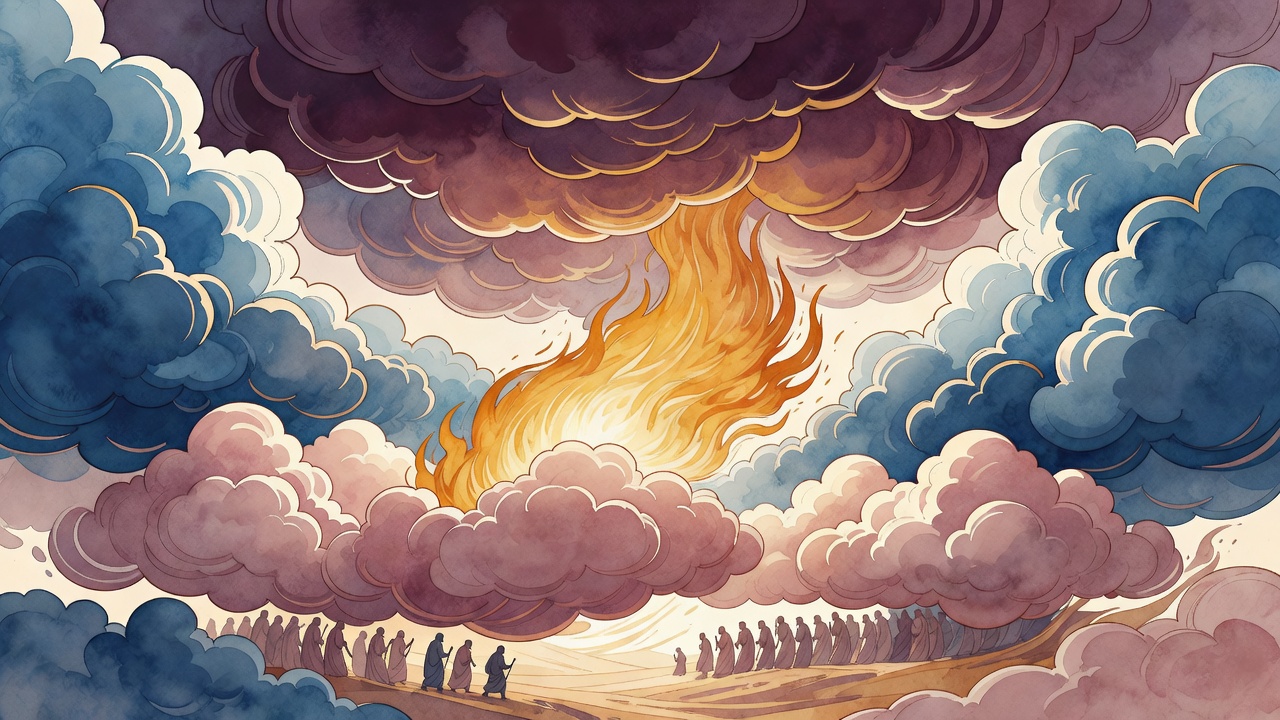
Esau told his grandson he had failed to kill Jacob and left him the job. Watch for the stumble, he said. That is the only opening you get.
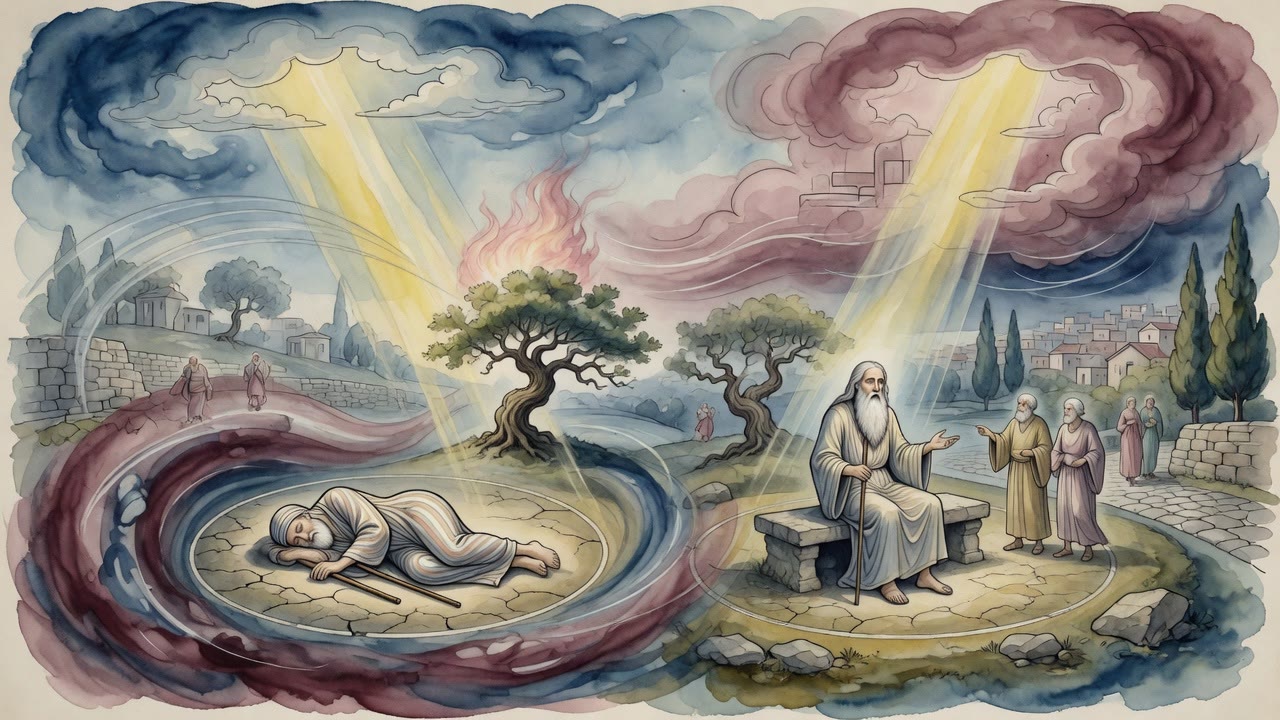
An old man pushed a carob seed into dirt he would never taste. Honi sat under a rock to think. He woke to a study house that used his name like a proverb.
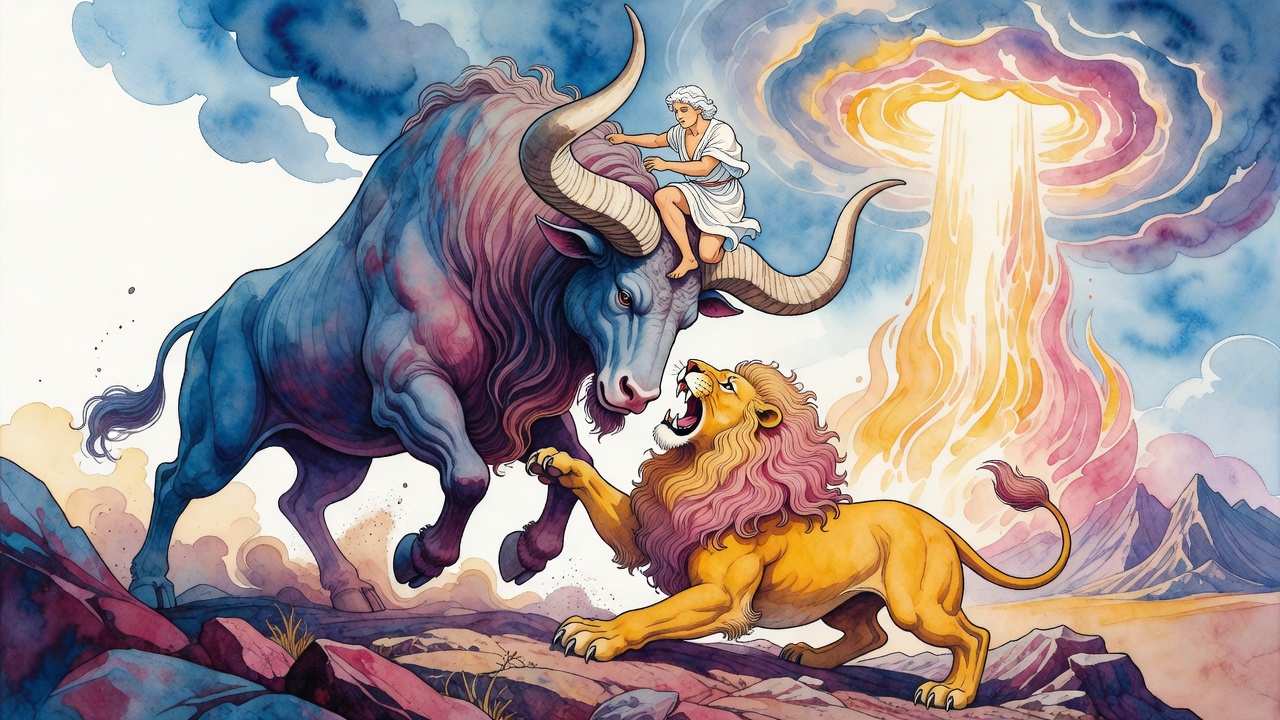
The hill had no flowers and no rocks. The tree at the top was horn. David sat at its foot to see what would happen if he stayed.
