144 myths · Page 4 of 5
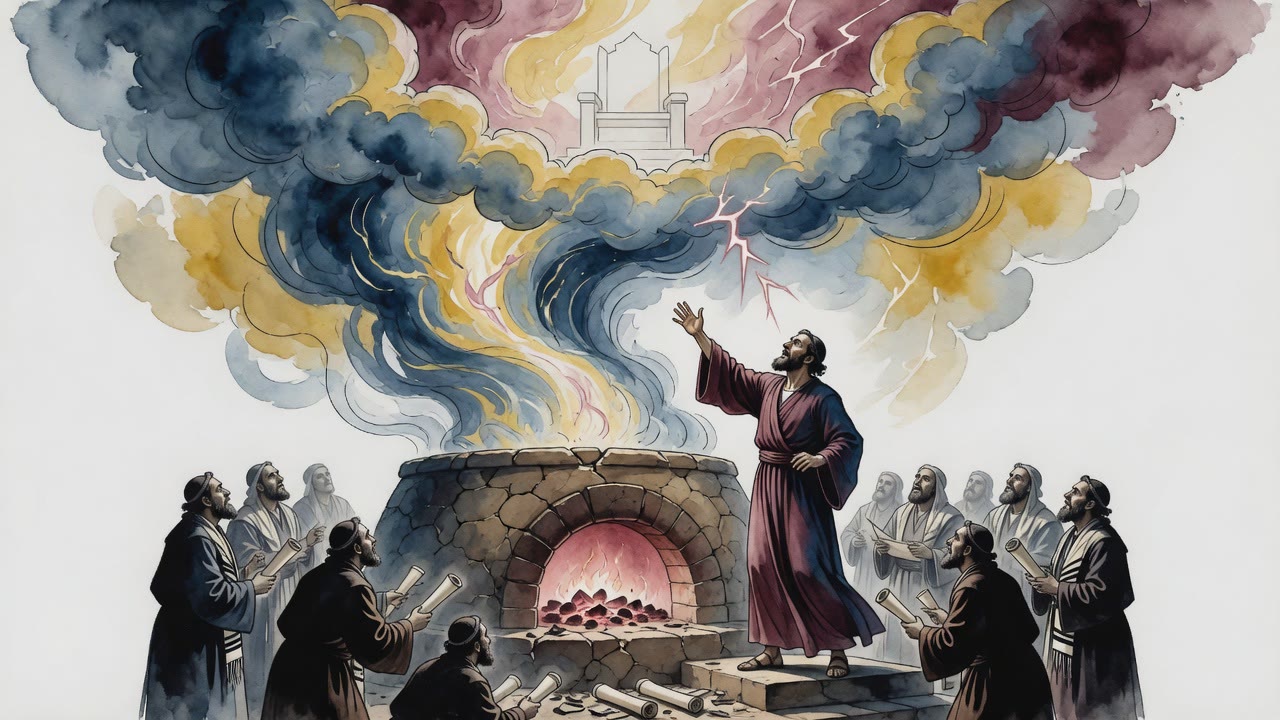
The carob tore its roots out of the yard and flew. Rabbi Joshua told the walls to stay out of the argument. They froze halfway down.
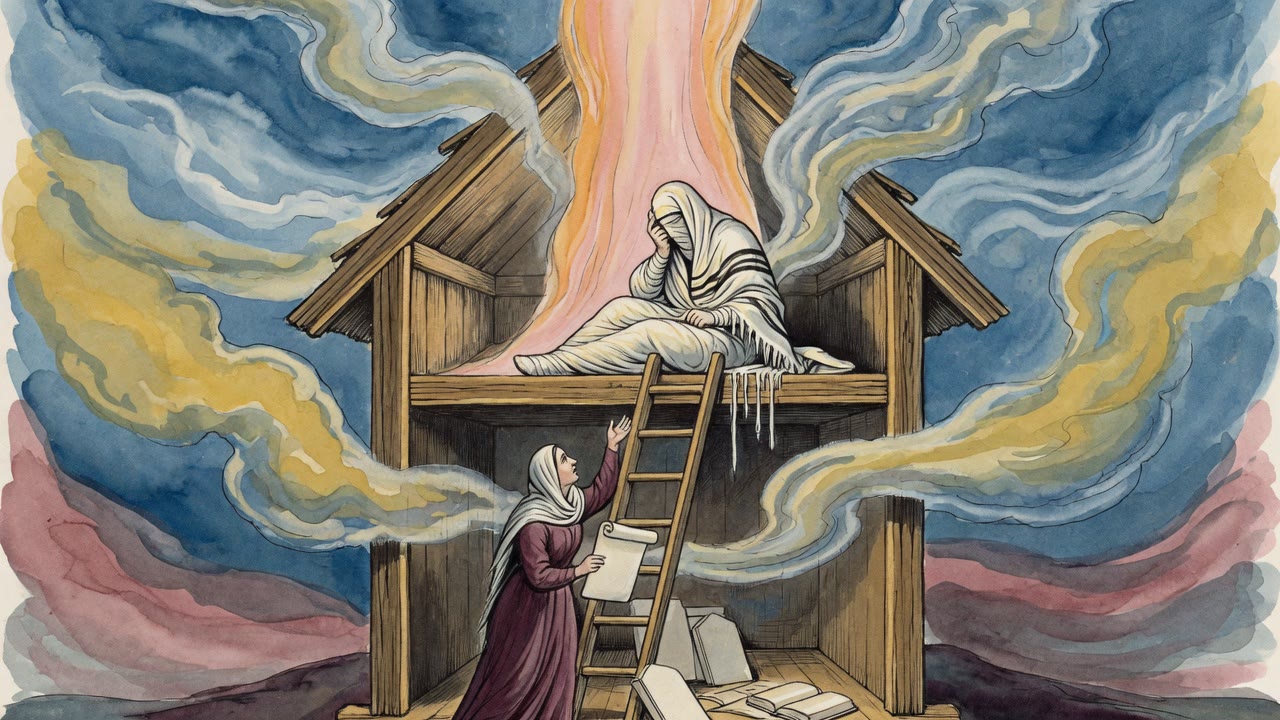
When thieves stole Rabbi Pinchas ben Yair's donkey, it refused to eat for three days rather than touch untithed grain.
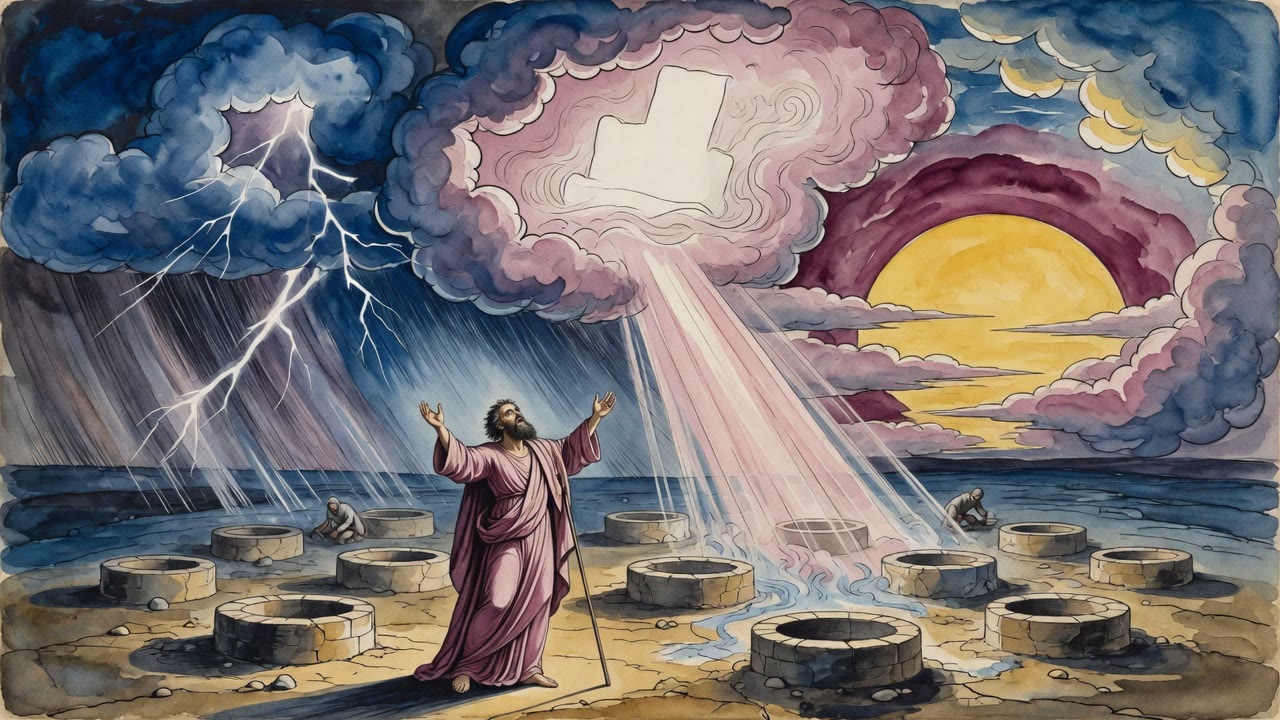
Nakdimon staked his fortune on twelve wells of water returning before sunset, then prayed until the clouds came and the sun turned back.
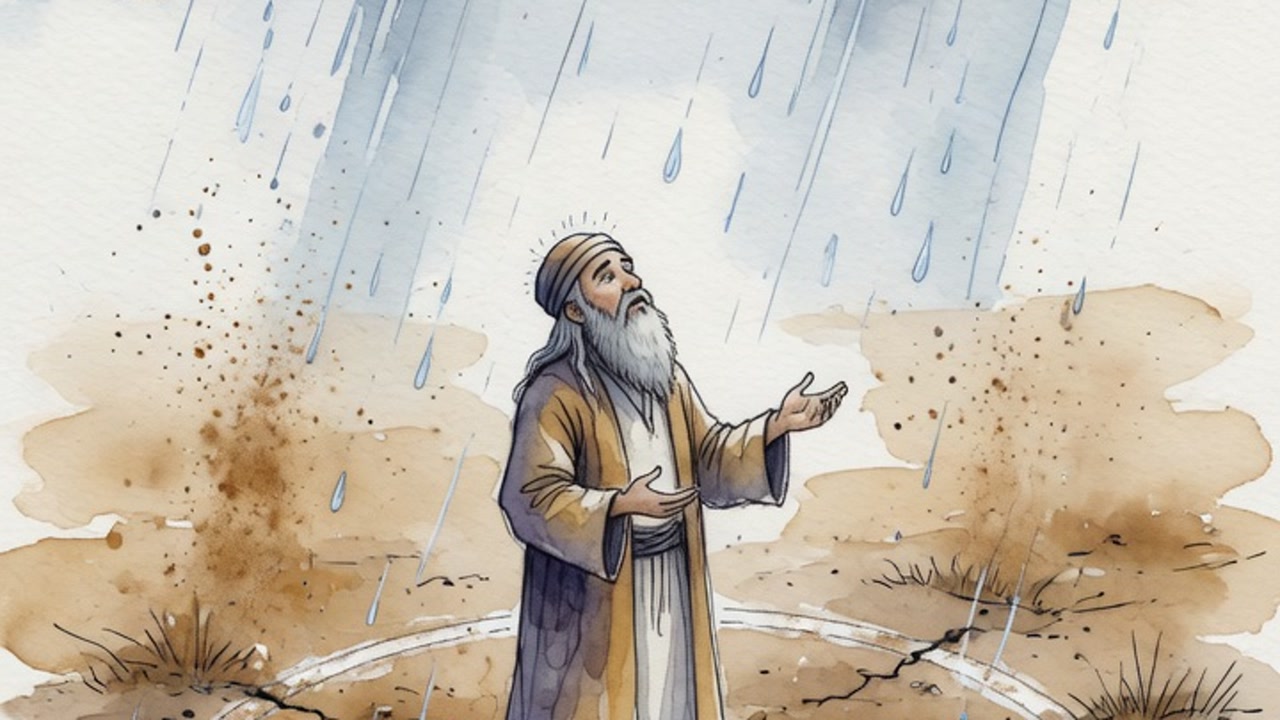
The first rain was a light drizzle, barely enough to notice. The second came down hard enough to flood Jerusalem, and people ran uphill to escape the water.
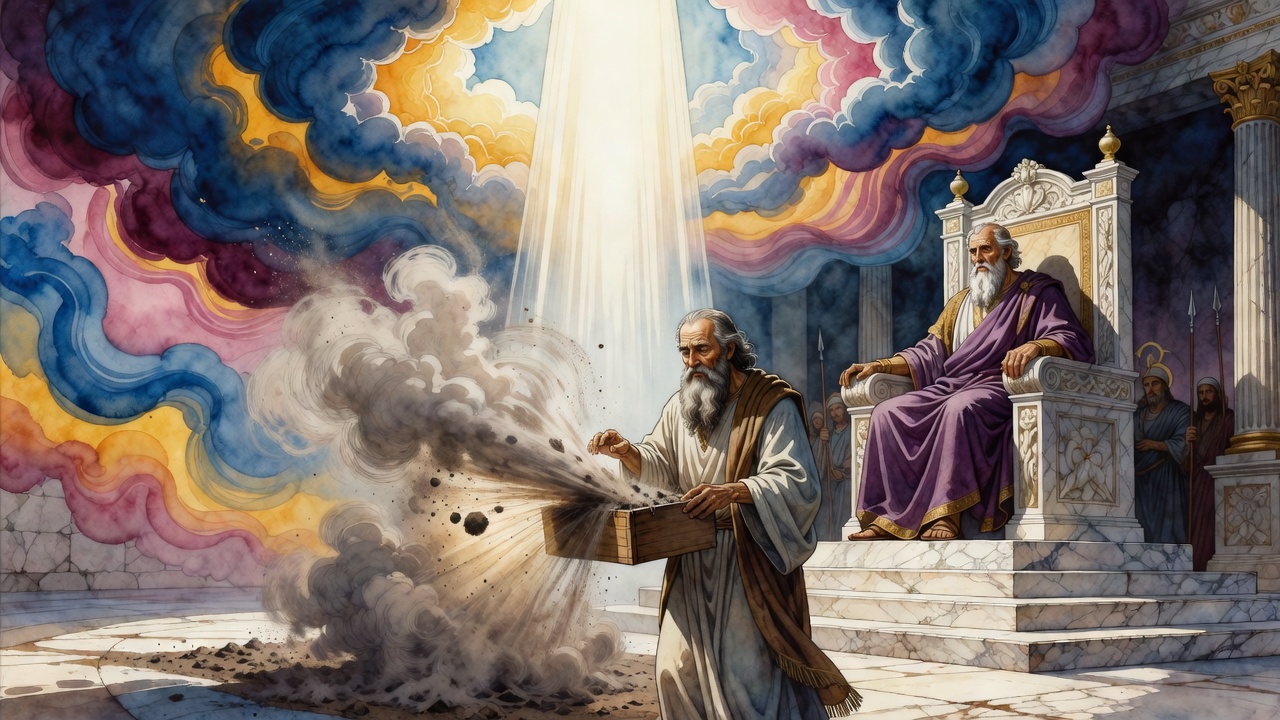
Innkeepers swapped the jewels for dirt. In the palace he said the sentence he always said, and Elijah walked in as a court man.
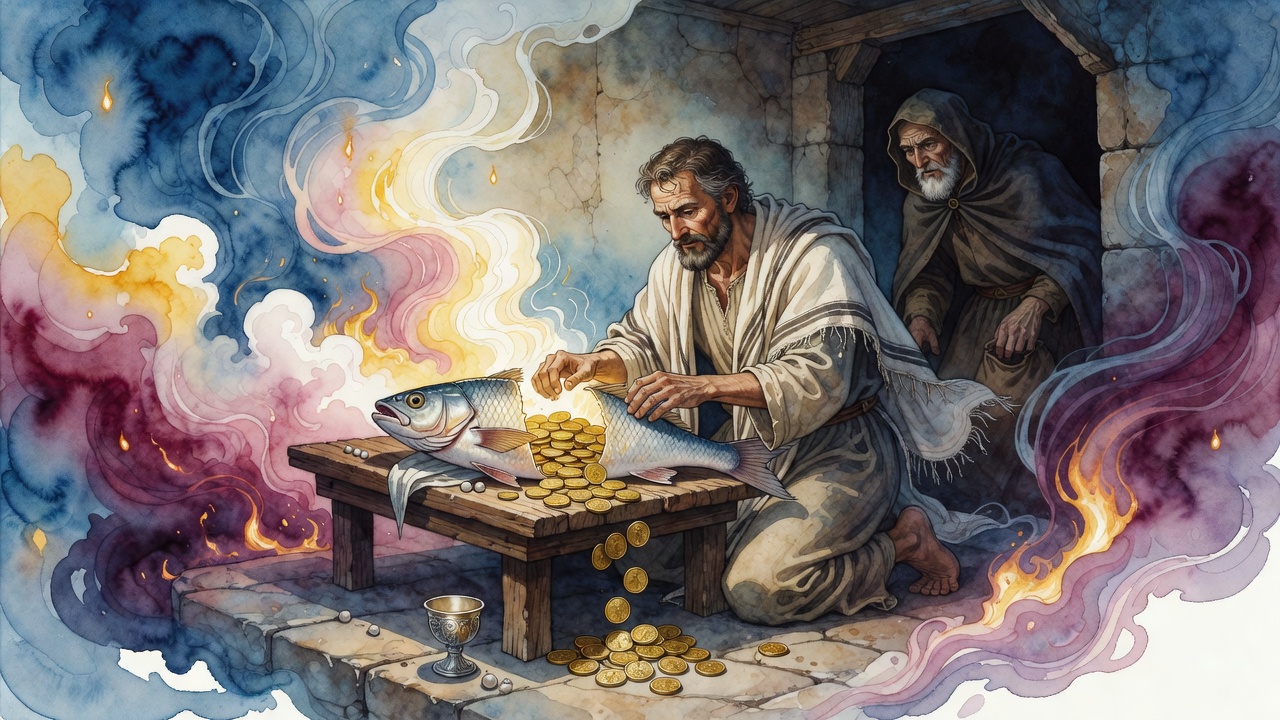
Joseph spent every coin he had on Shabbat food, and a Gentile neighbor tried to cheat the prophecy that Joseph would inherit his wealth.
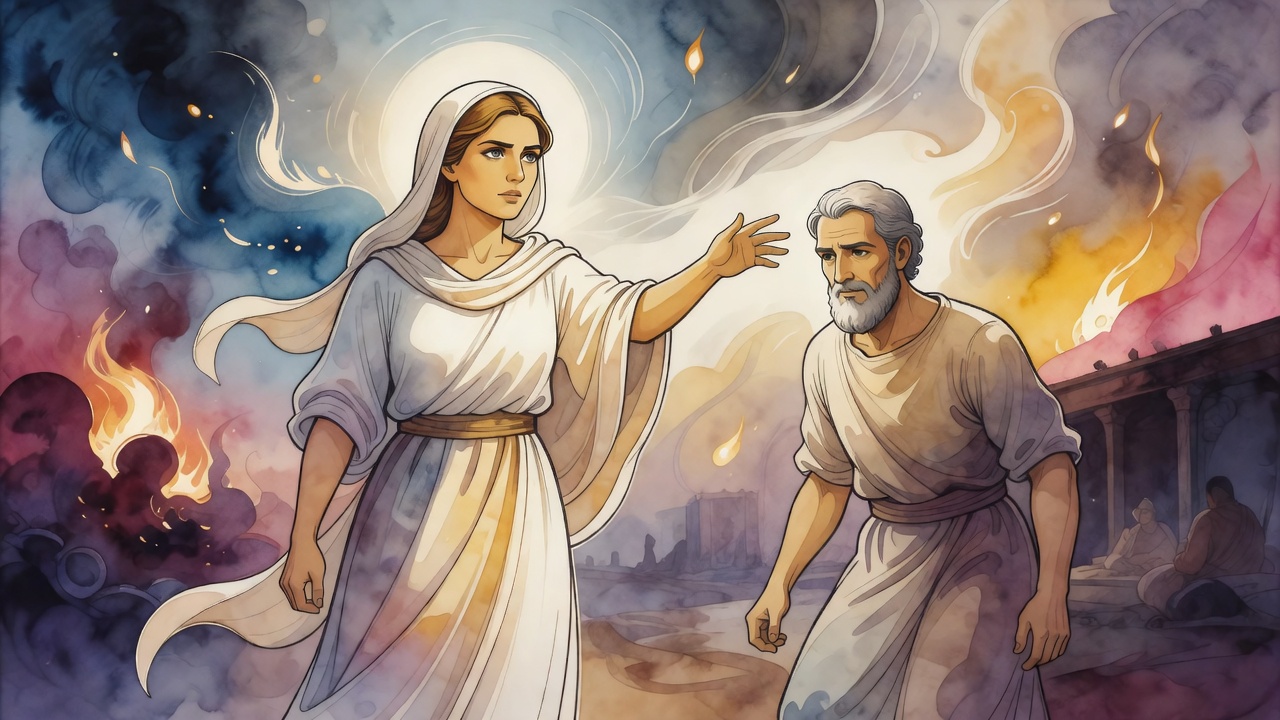
Romans burned her father in a Torah scroll. Beruriah did not ask Rabbi Meir to sit with her. She told him to take gold and bring her sister home.
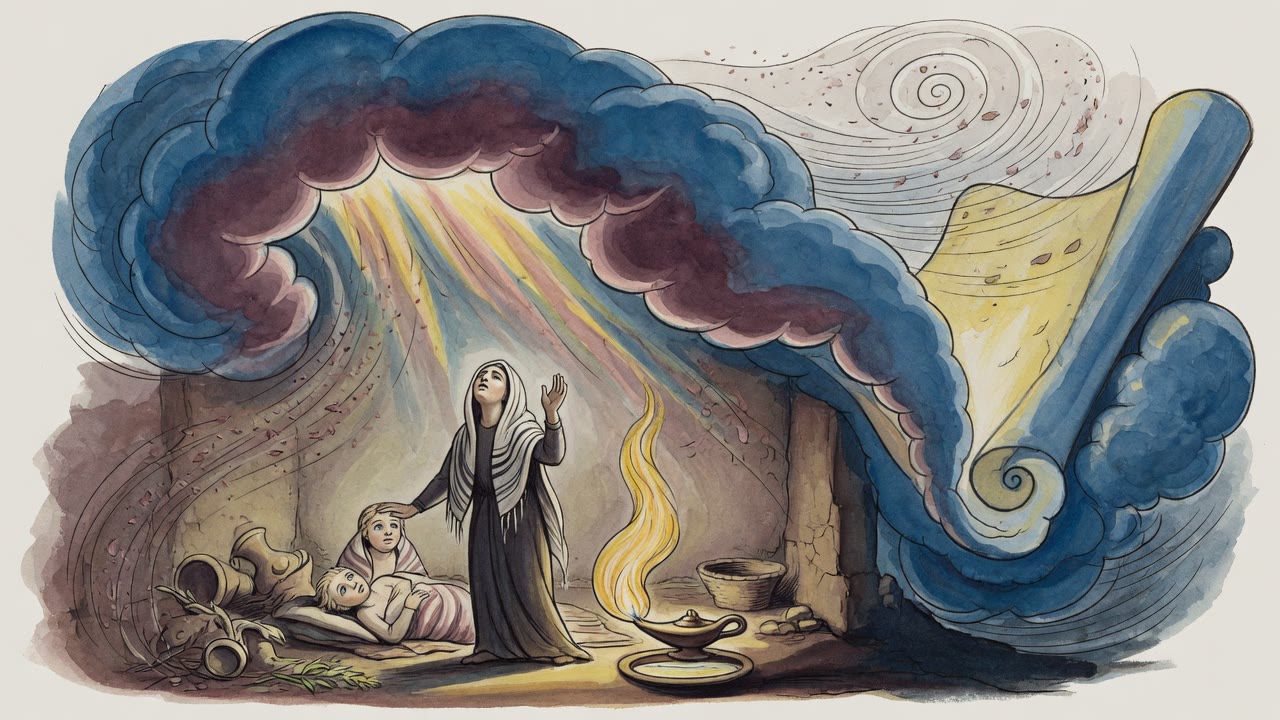
His daughter had fallen into a pit. The first two messengers heard only "Well, well." The third heard she had already climbed out.
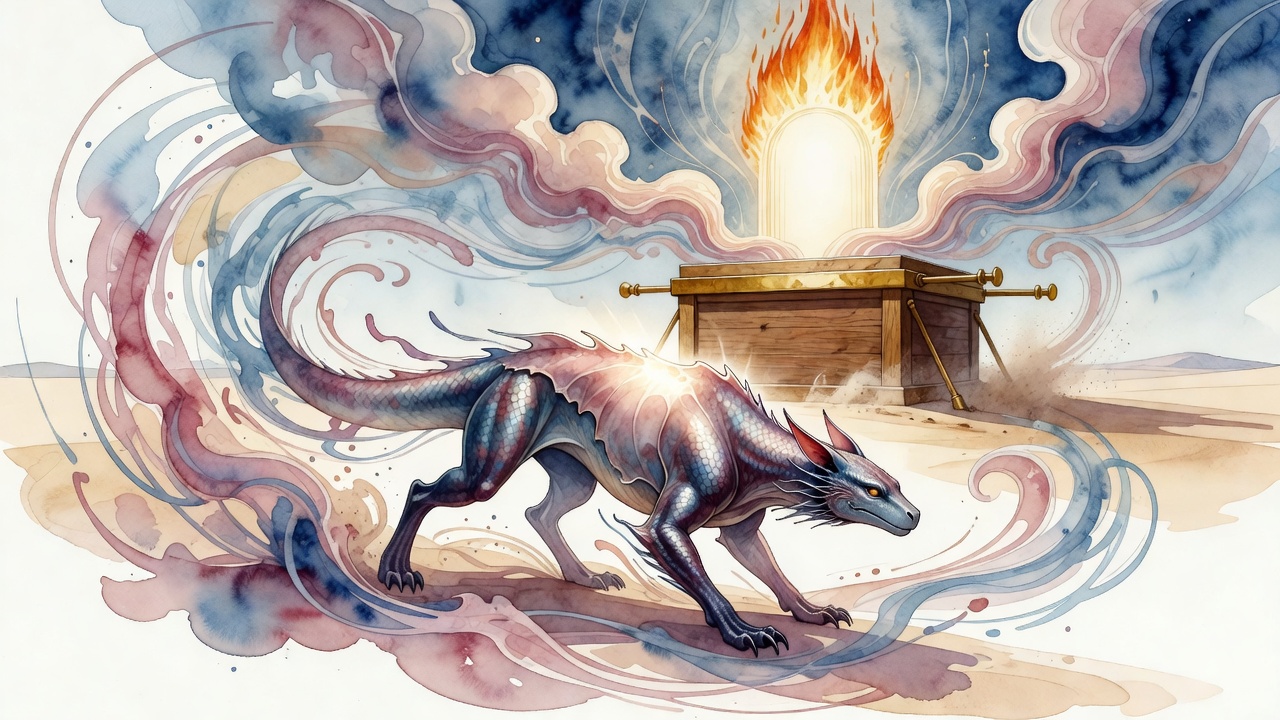
Three hundred priests washed the curtain. Two of them lowered it by inches onto the Ark so that no part of it would be in sight of the camp.
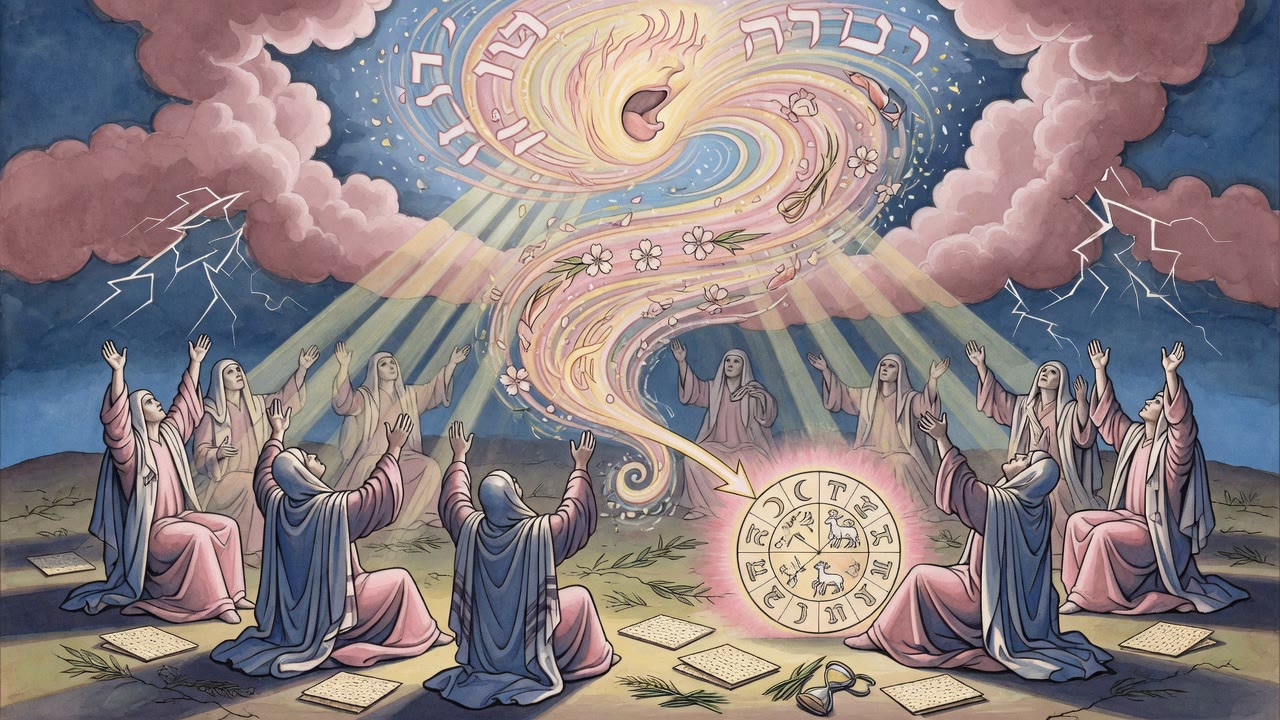
The lot fell on the man who swept the synagogue and lit the lamps. He had a year to reach the far side of a river that throws stones.
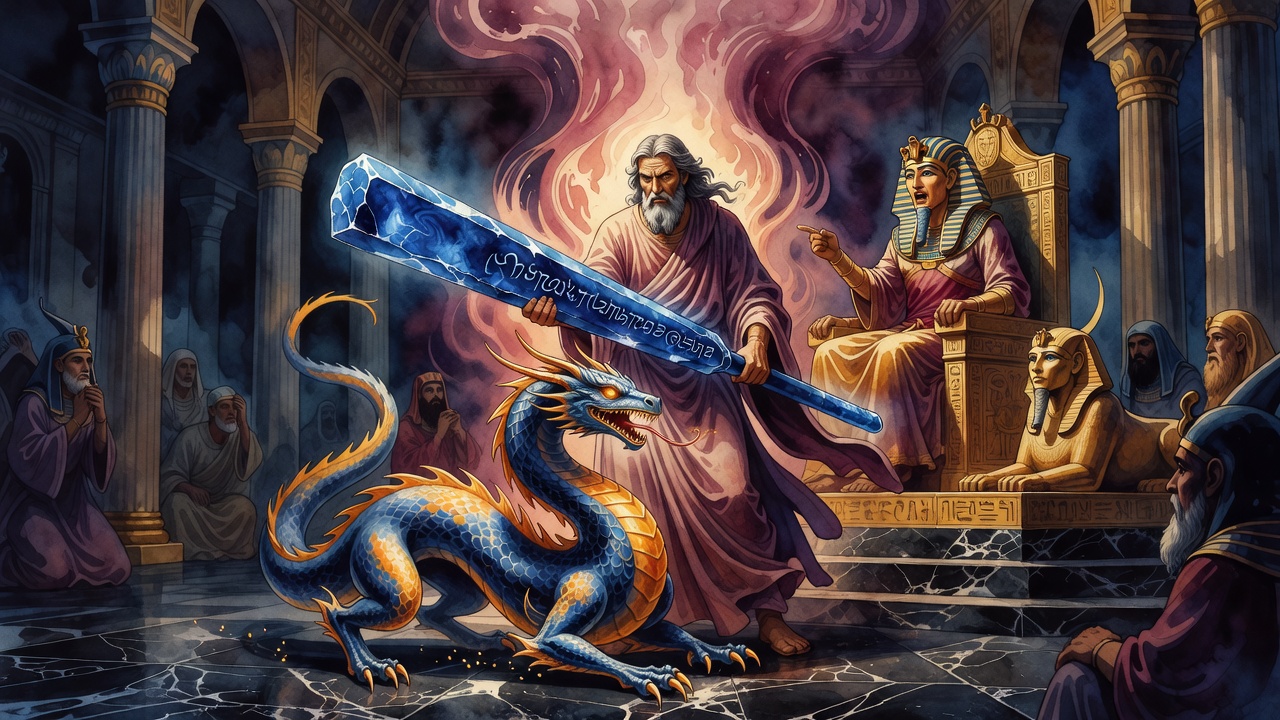
The rod Moses carried was carved from the sapphire Throne of Glory, engraved with the Name, and became a basilisk before the king of Egypt.
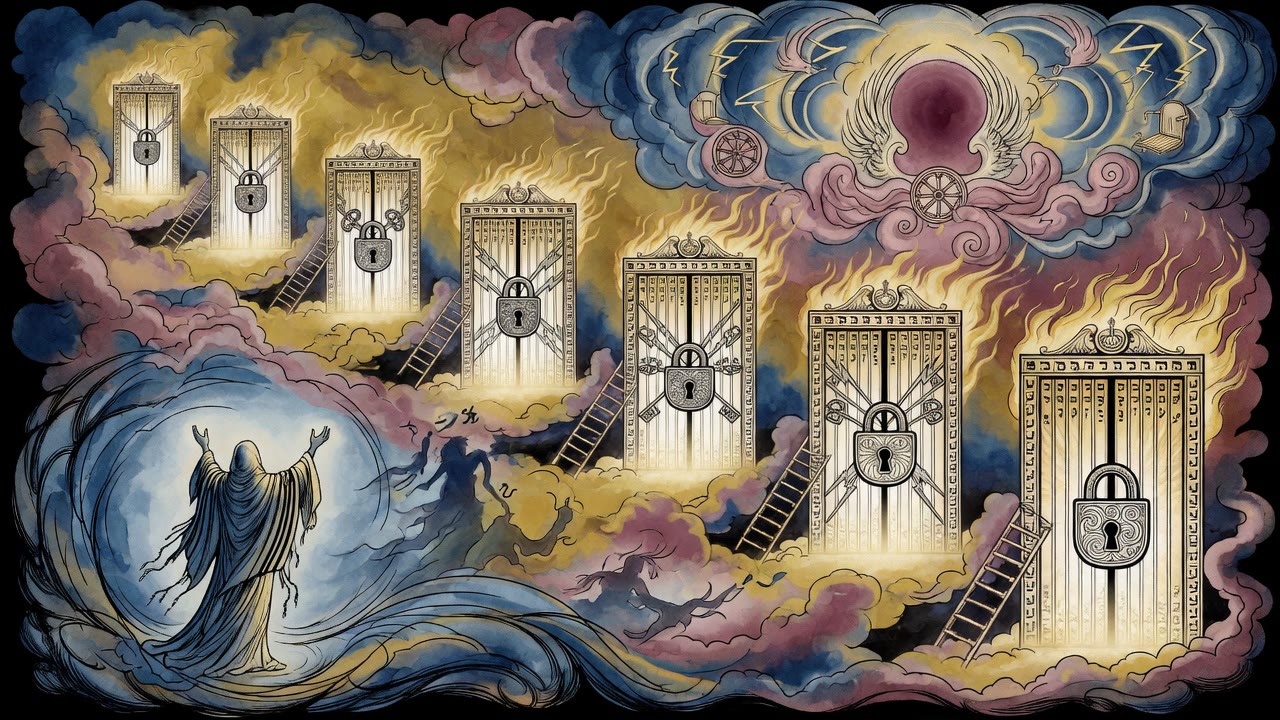
On the seventeenth day of the fast one old man wept harder than the rest. He knew of a boy in Tiberias. Tiberias was six days away.
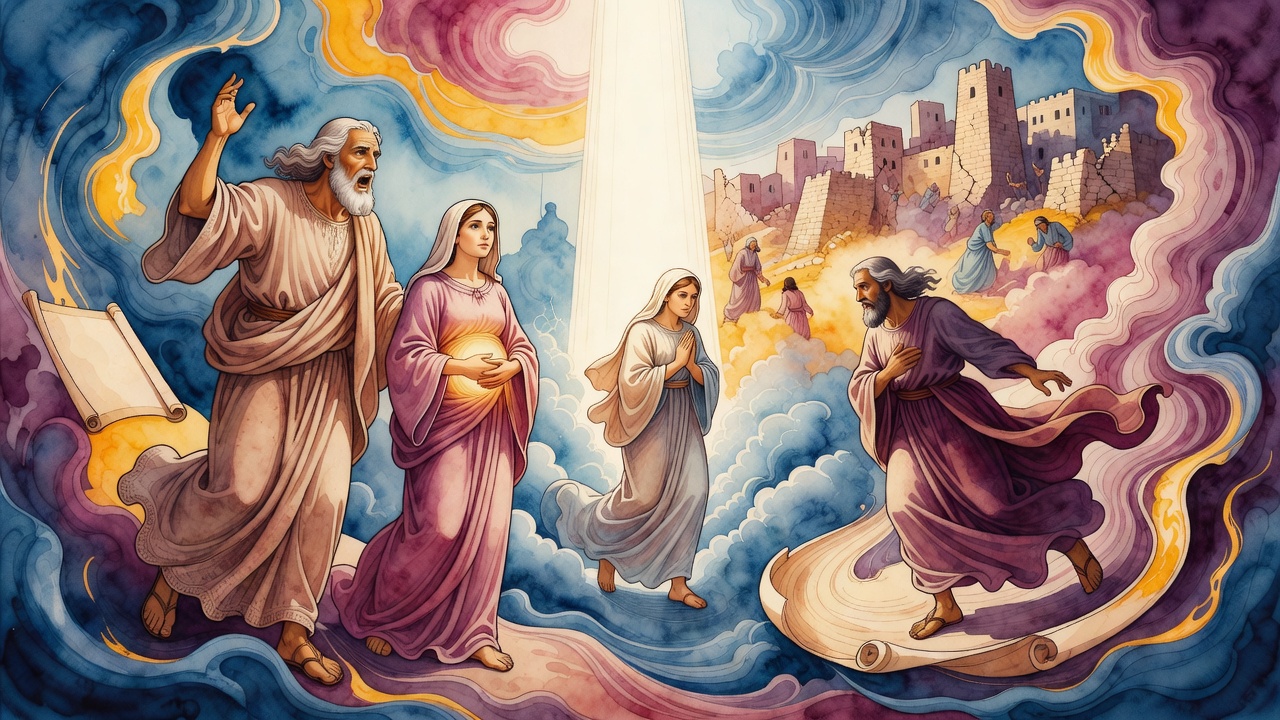
Jacob left home and the ground shortened under his feet. The sun set early so he would sleep at Bethel. The stones under his head gathered into one.
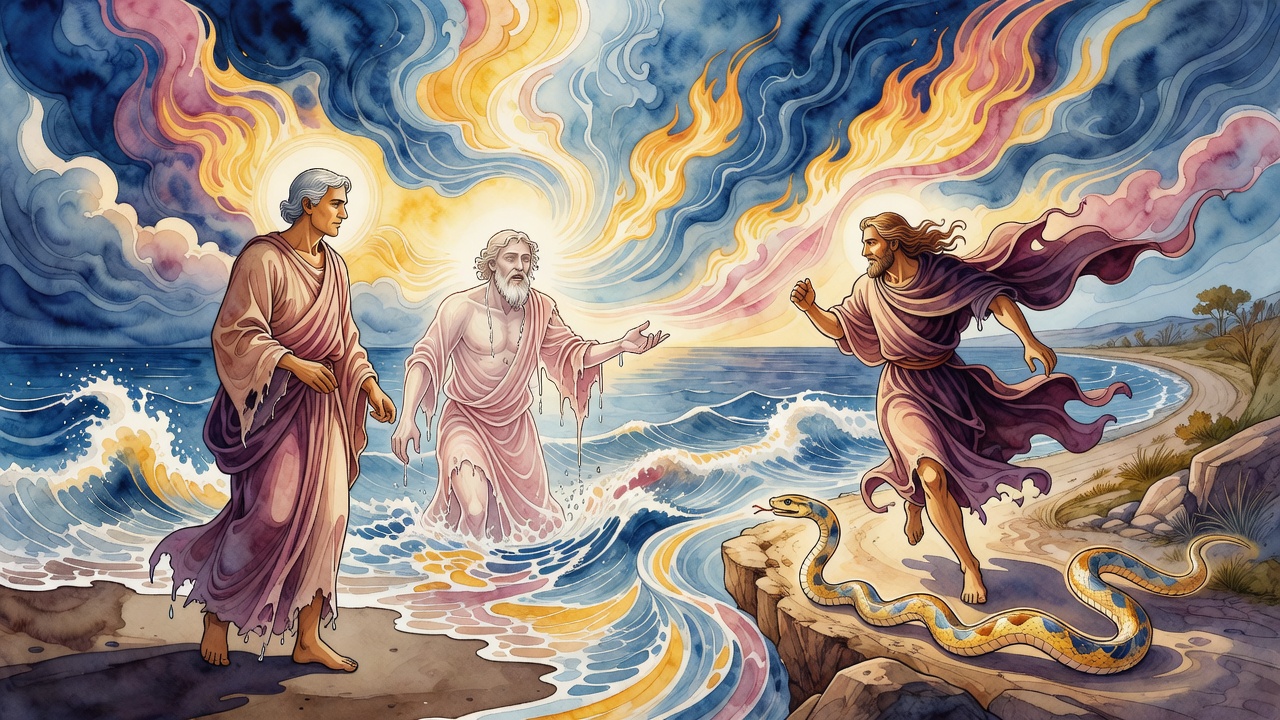
The ship broke in front of Akiva. Weeks later the drowned man walked toward him dry, and named the loaf he had given away.
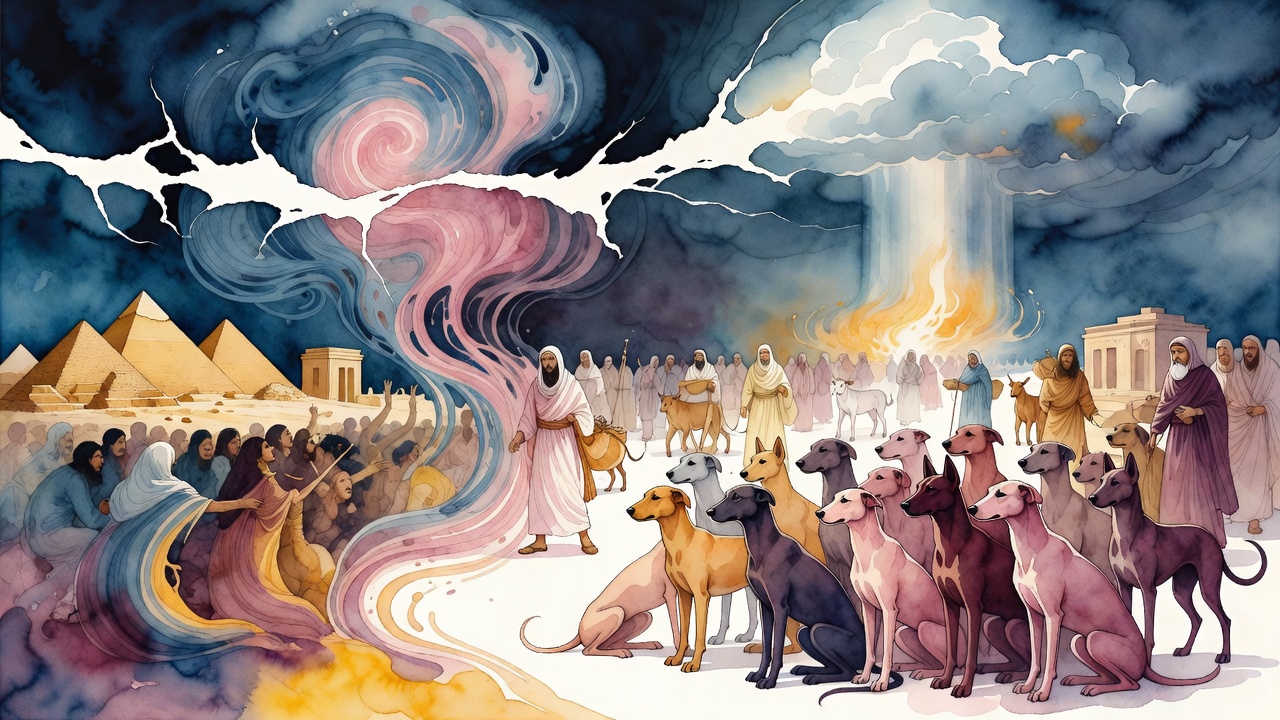
Moses walked out of the throne room burning. He had just told Pharaoh that the king's own servants would come and beg him to leave.
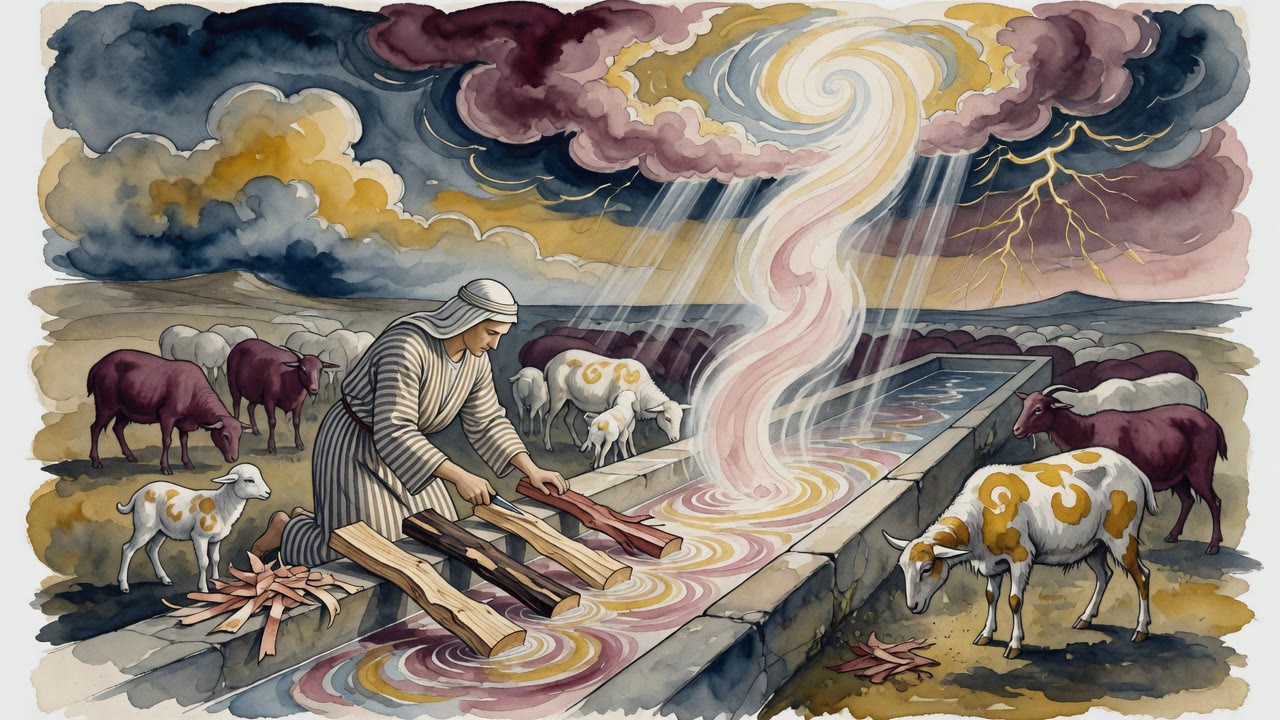
At Laban's troughs with a knife and three kinds of wood, Jacob turns twenty years of cheated wages into the beginning of Israel's herds.
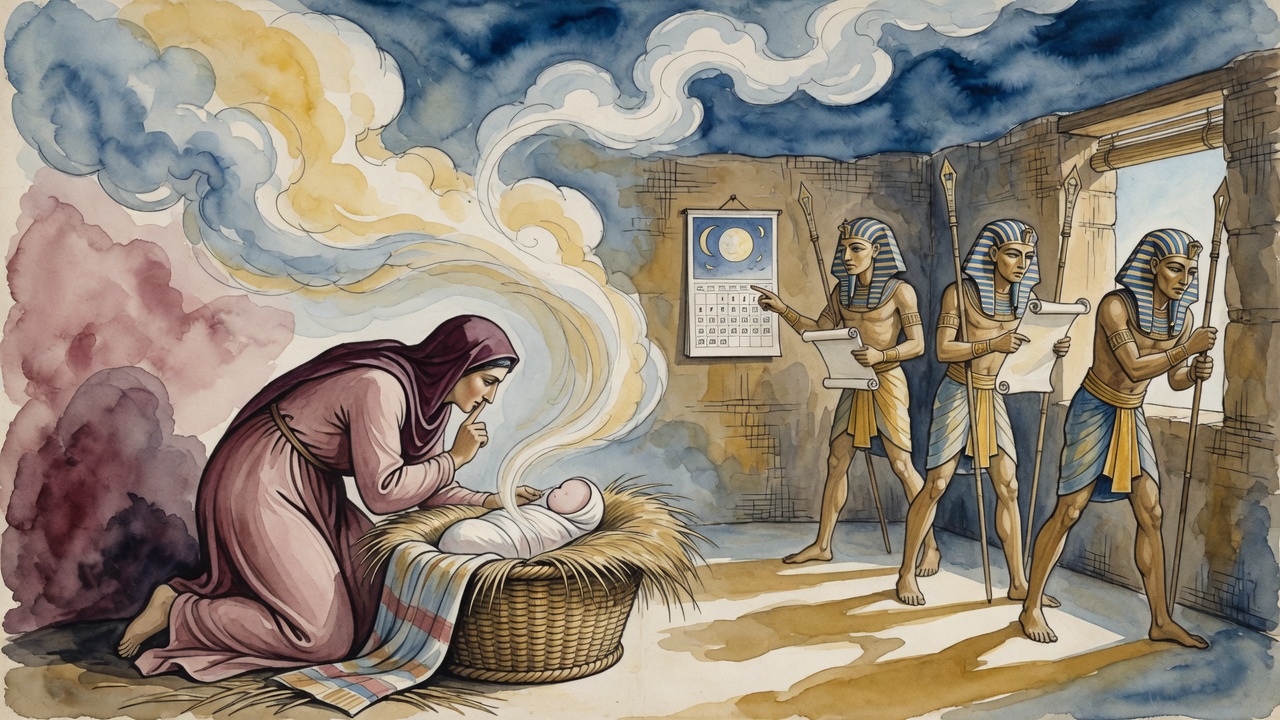
The watchers came on the month the ledger named. They found a daughter, a small son, and no baby. The infant was already on the river.
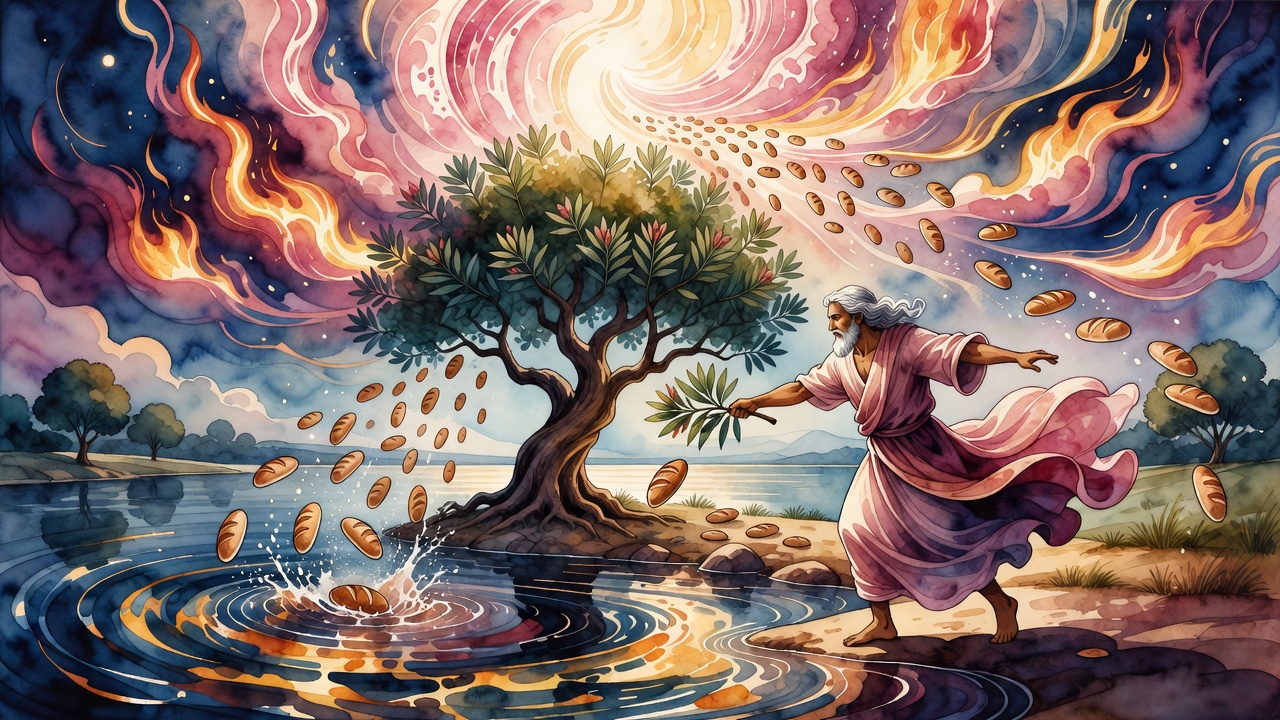
Moses writes God's Name on poisonous oleander and throws it into bitter water. Weeks later, heaven drops bread stored there since the first week of creation.
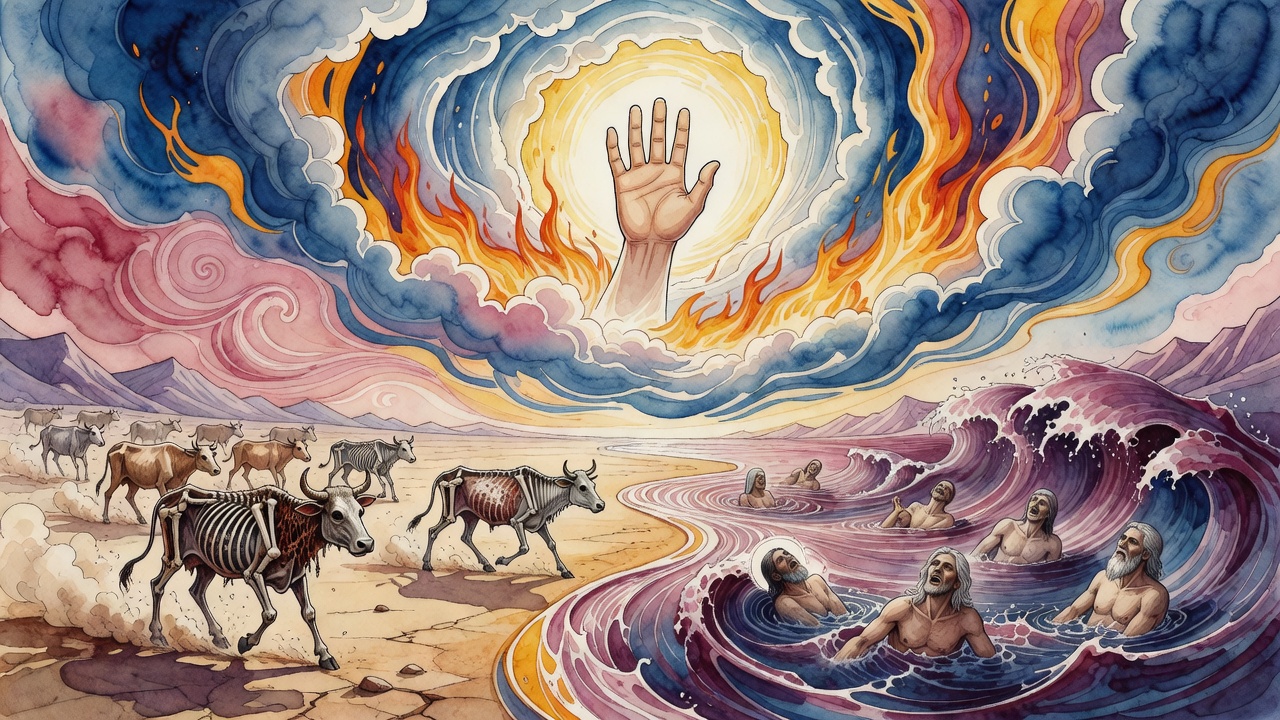
The courtyards stank of fly-killed cattle. Egyptians cut them for the hides. By dawn those carcasses were on their feet, walking north.
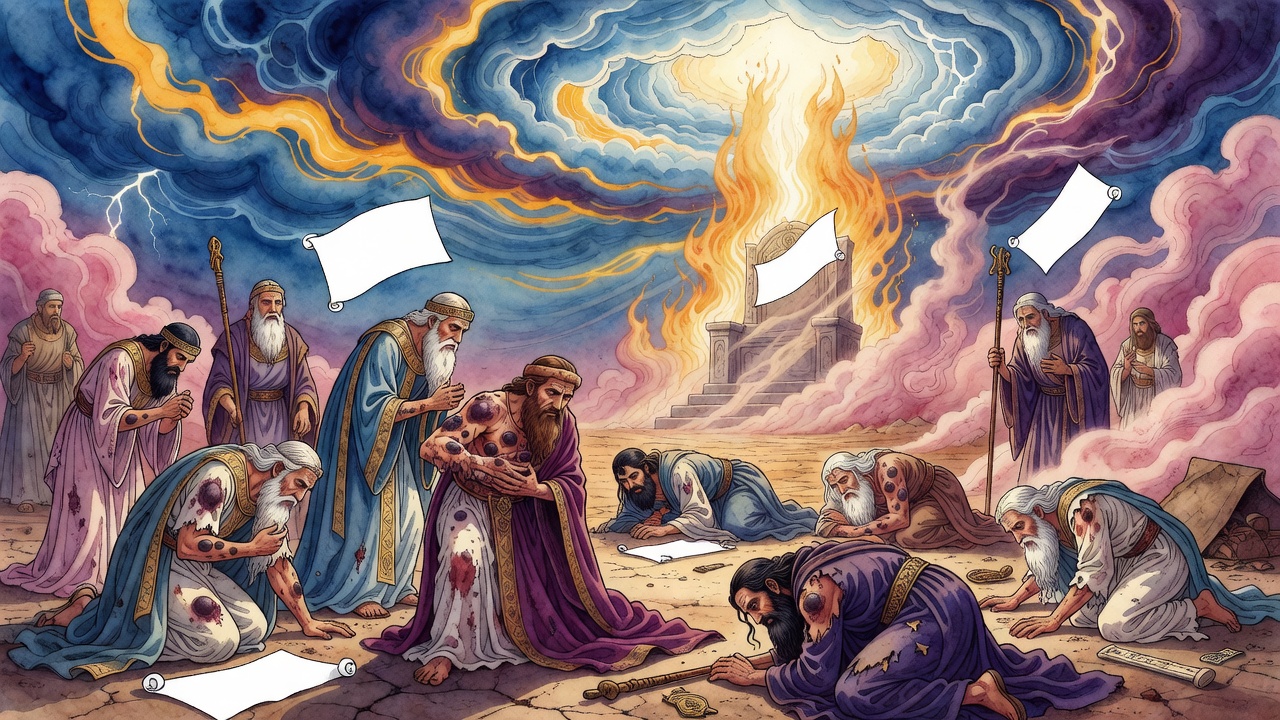
Balaam's sons copied the blood and the frogs. Dust would not become lice for them. When the boils came they could not even stand in the hall.
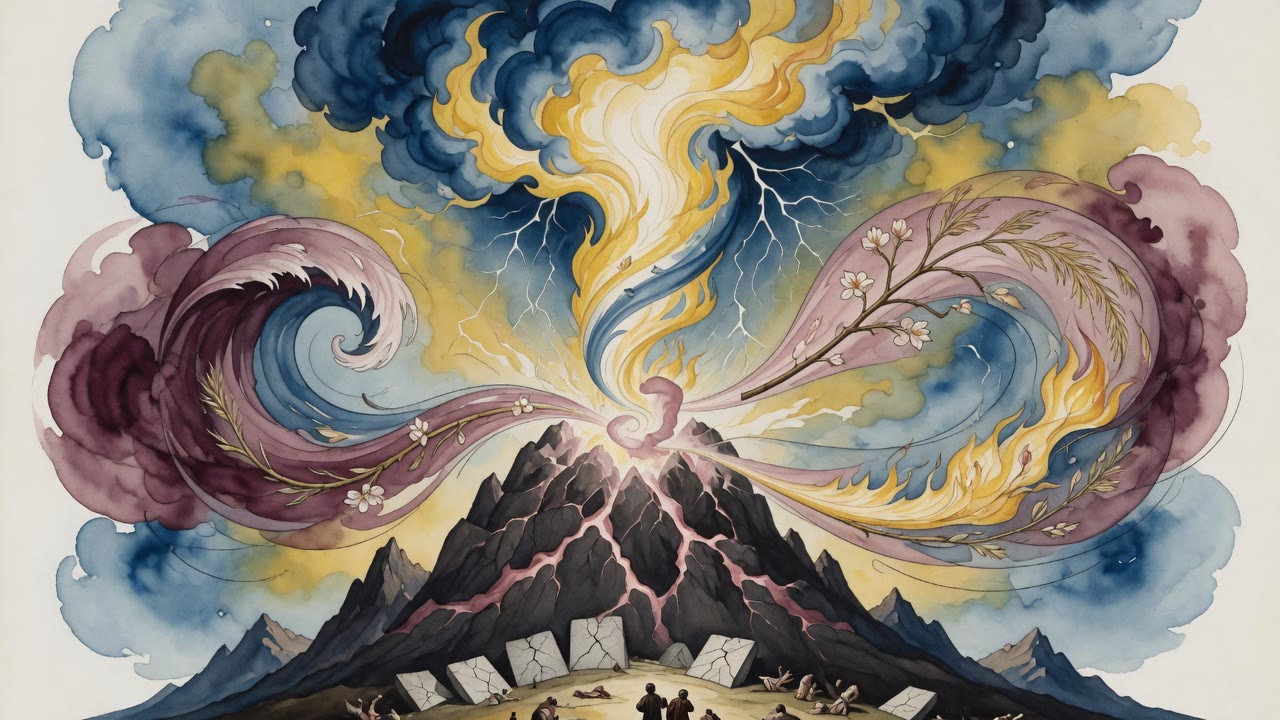
When the angels rose to sing as the Egyptians drowned, God stopped them with a sentence that cut through triumph and made mercy part of the judgment.
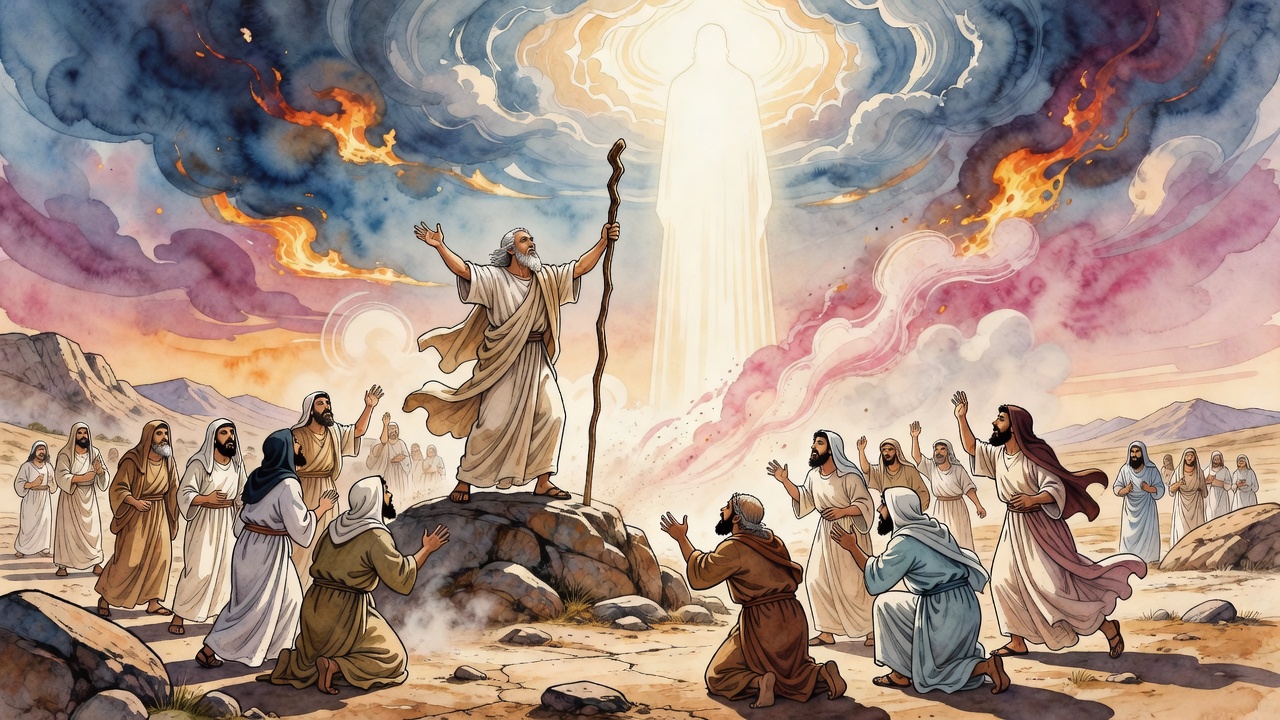
The camp was ready to stone Moses. God told him to pick up the staff they feared and walk ahead of them until the rock opened.
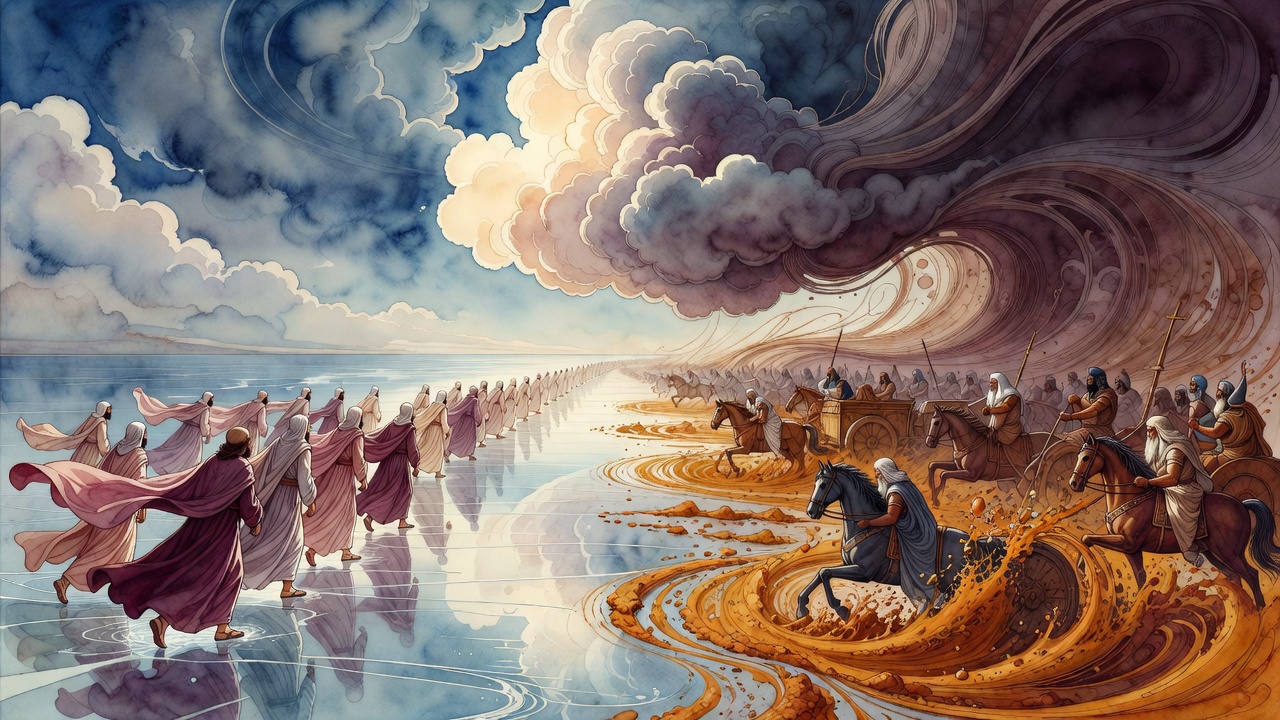
The same water that opened smooth as glass beneath Israel's feet turns to mud under Egypt, and one cloud becomes both lantern and blindfold at once.
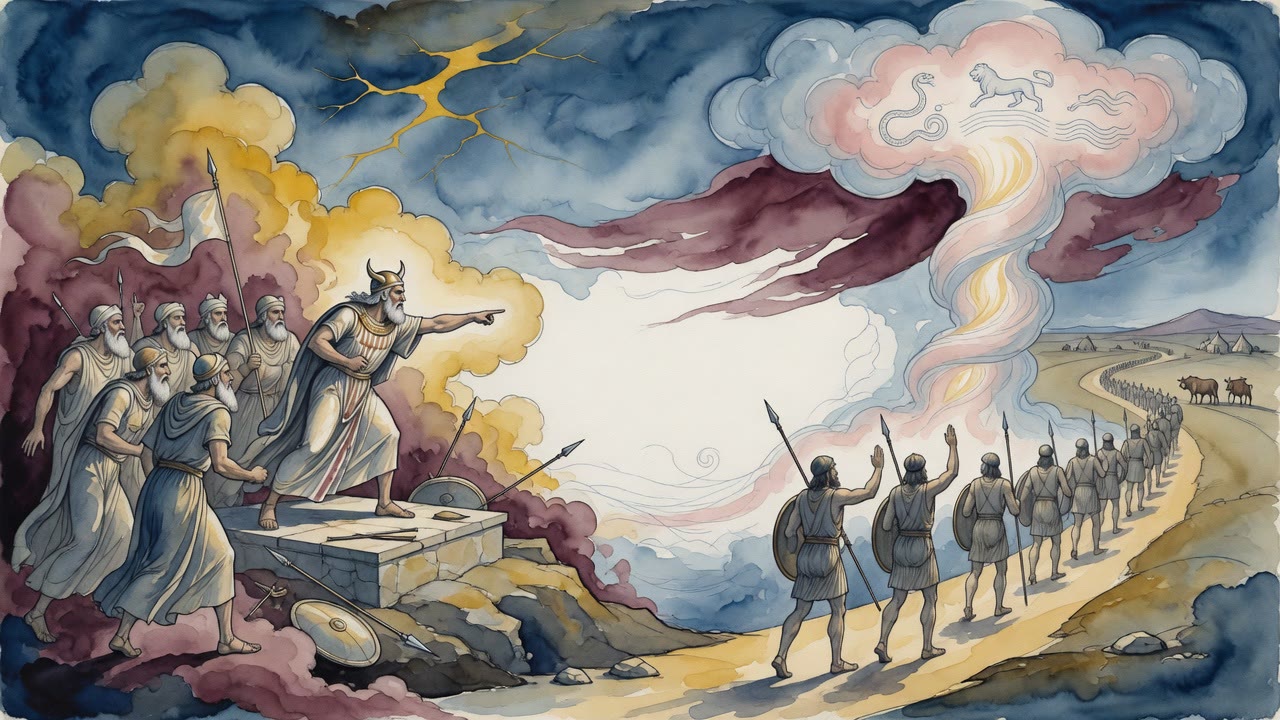
Israel leaves Egypt with half-risen dough bound to their bodies, and the desert sun finishes what Egypt's ovens could not, baking the first bread of freedom.
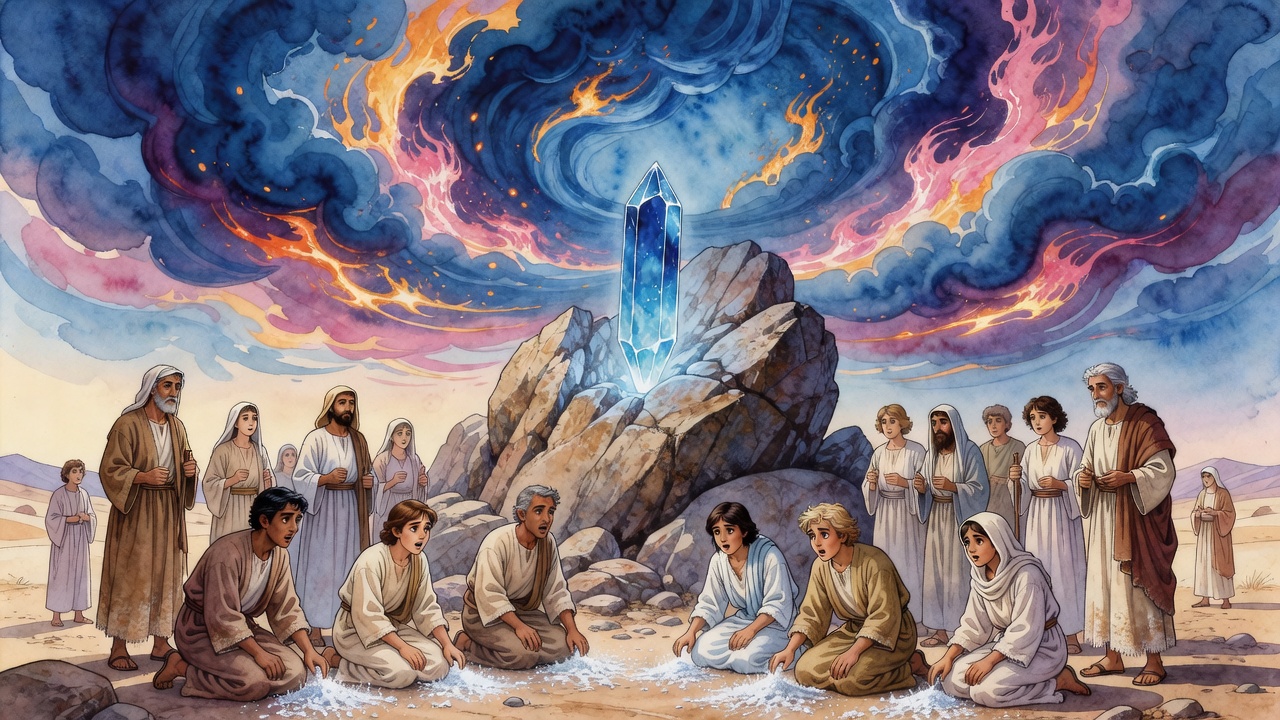
The desert was white before anyone had a name for the stuff on it. A man turned to his neighbor. Man hu, he said. The question became breakfast.
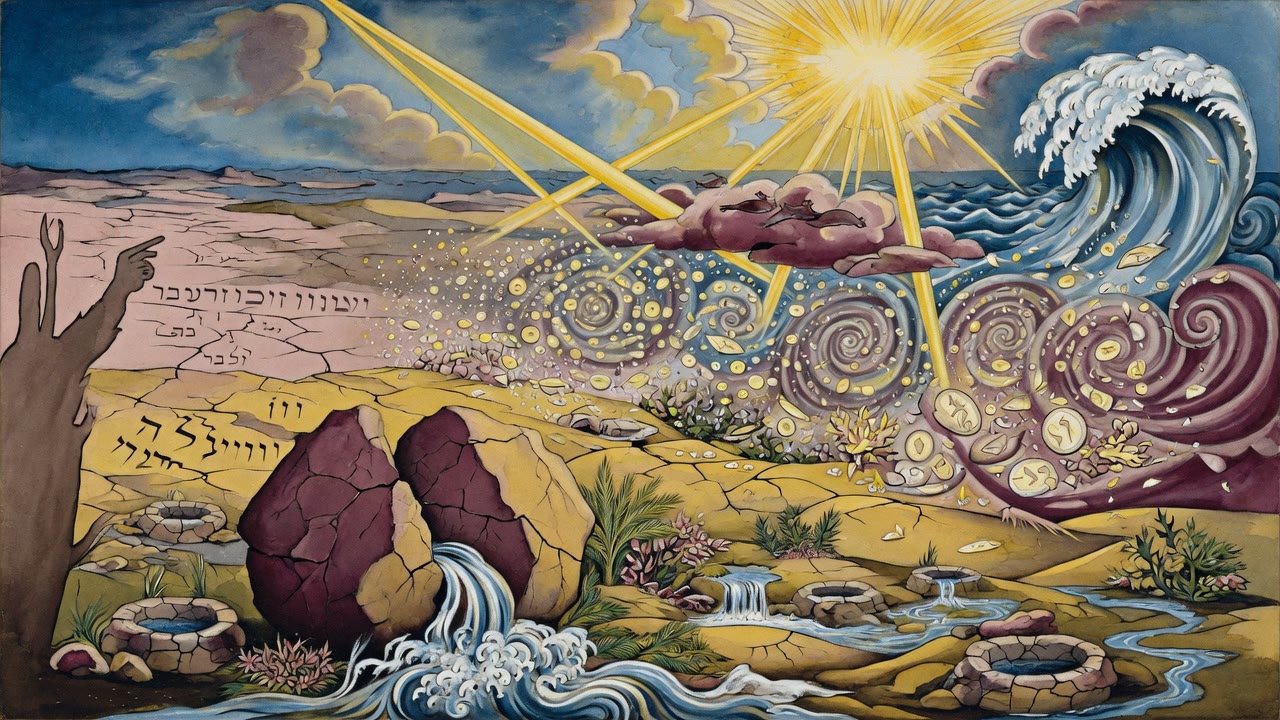
The people said the desert was empty and God had brought them there to die. So the sea split twelve ways, a cloud flattened the road, a rock followed them.
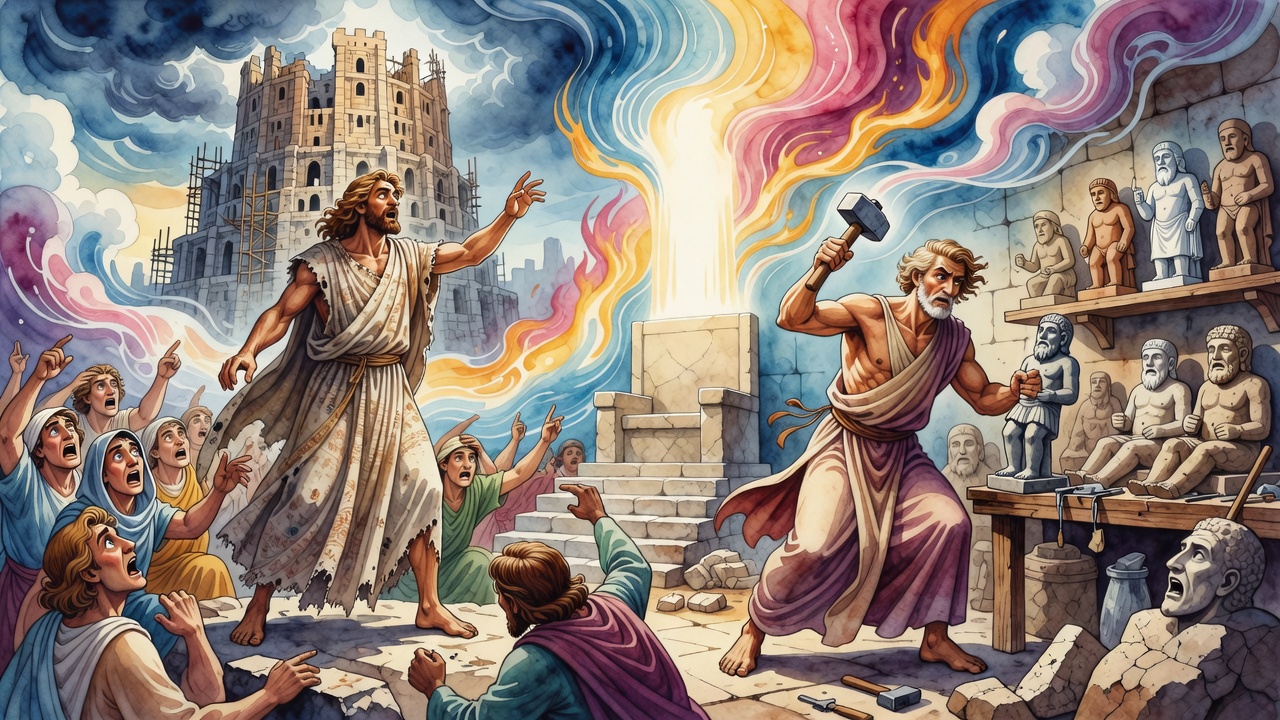
A brick fell off the tower and the whole work line sat down and wept. A man fell the same morning and nobody turned his head.
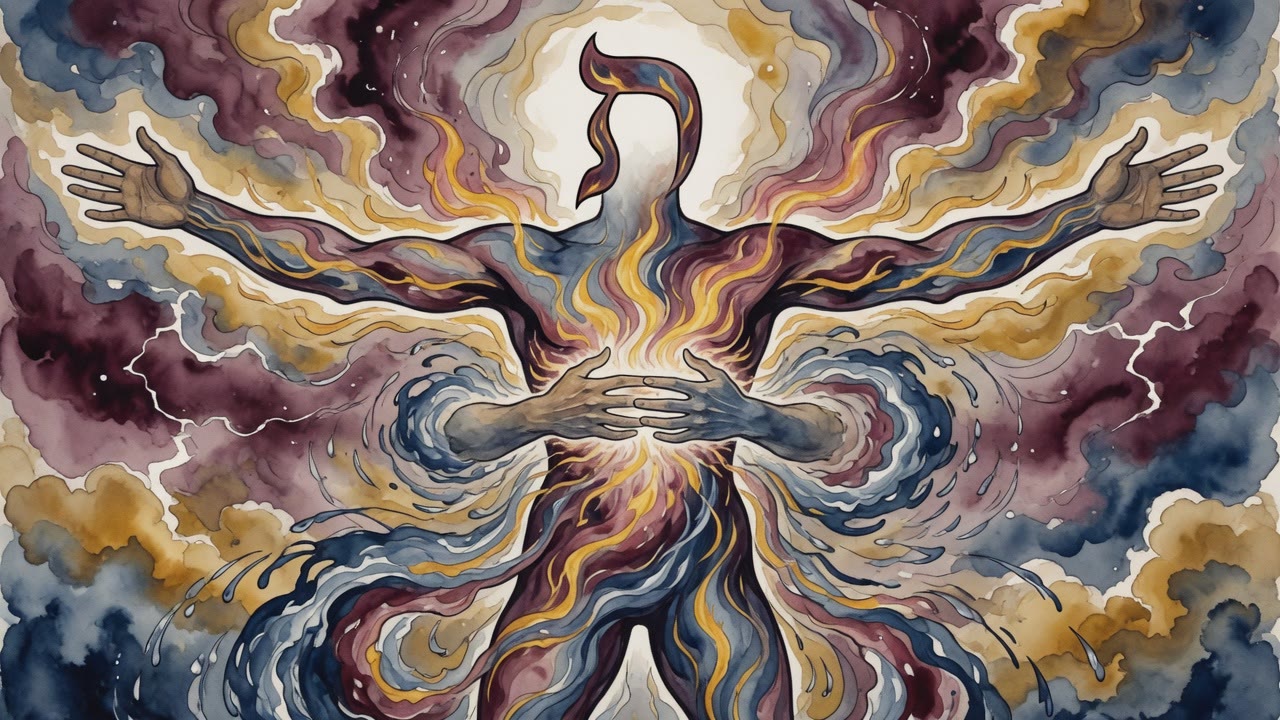
Fire makes peace with hail, Gabriel holds back at the sea, and Michael waits for dawn to drown Egypt's sorcerers, because destruction must wait for command.
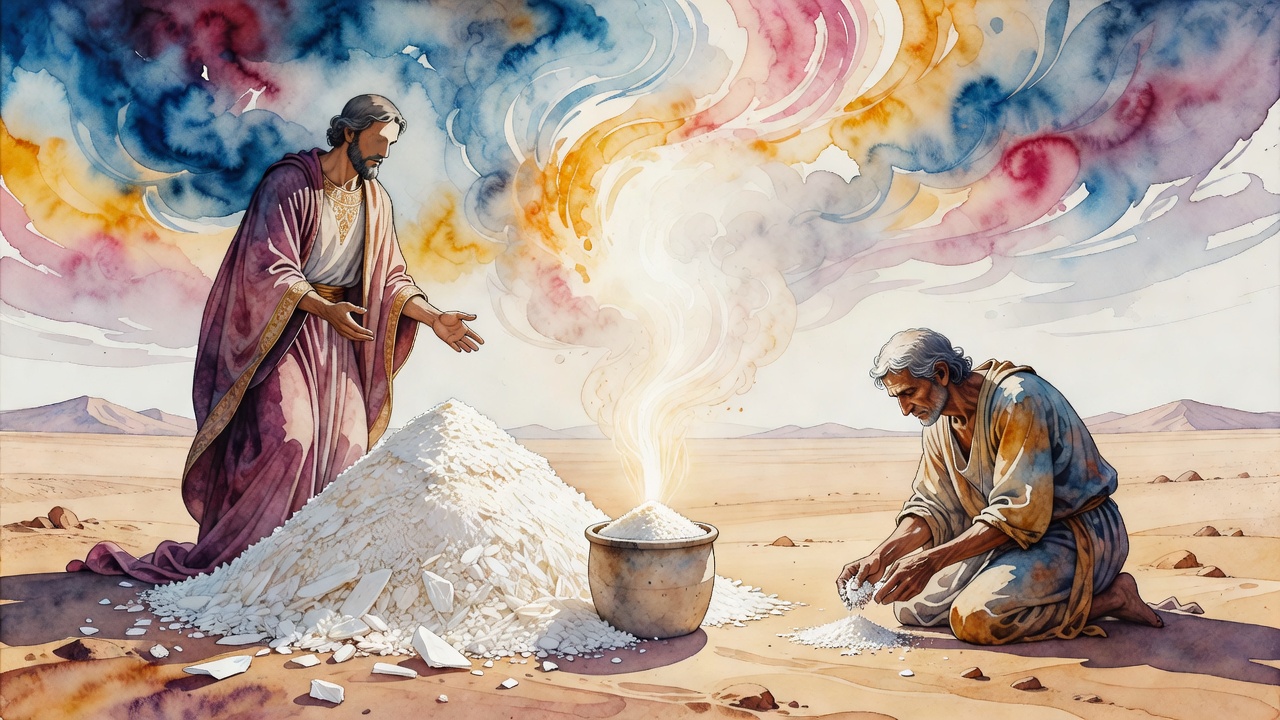
Nachshon sent his whole household out to gather. A poor man went out alone. When they measured, both jars stopped at the same line.
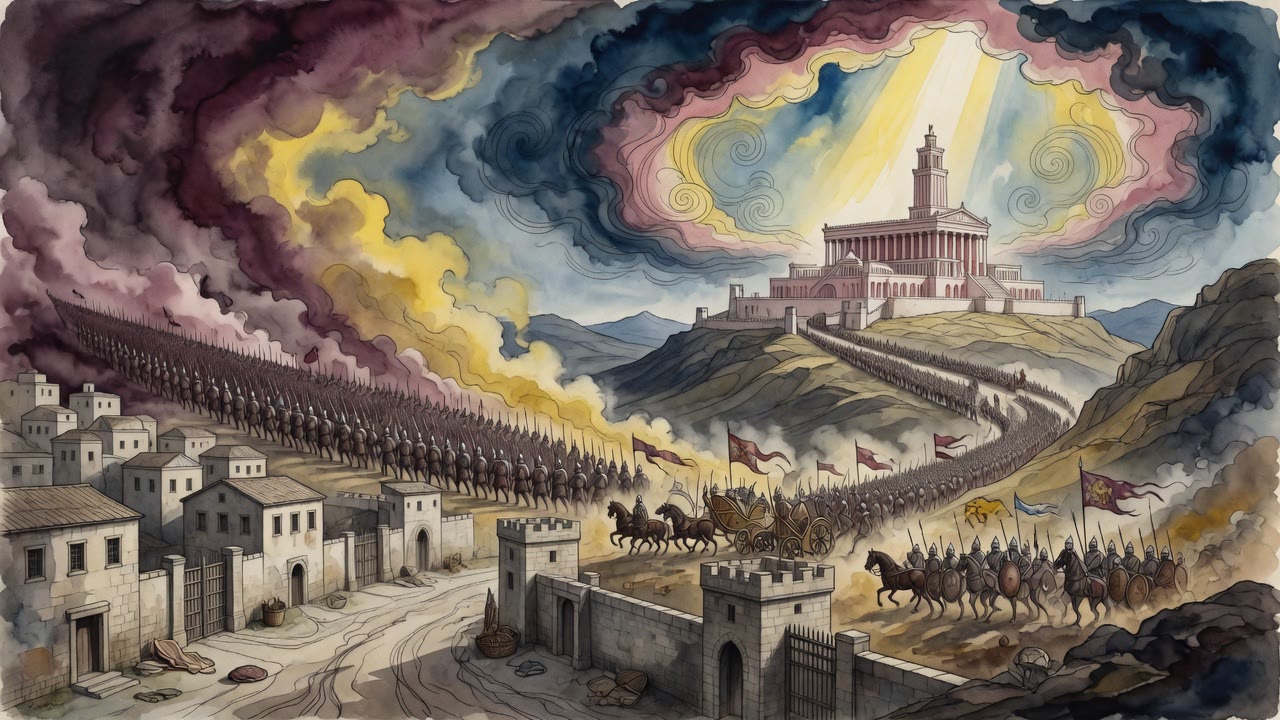
The court told Pharaoh to move against the Hebrews. He refused, said Egypt owed them everything, and lost his throne for three months.
