Samuel Gave Israel Water That Silenced the Idolaters
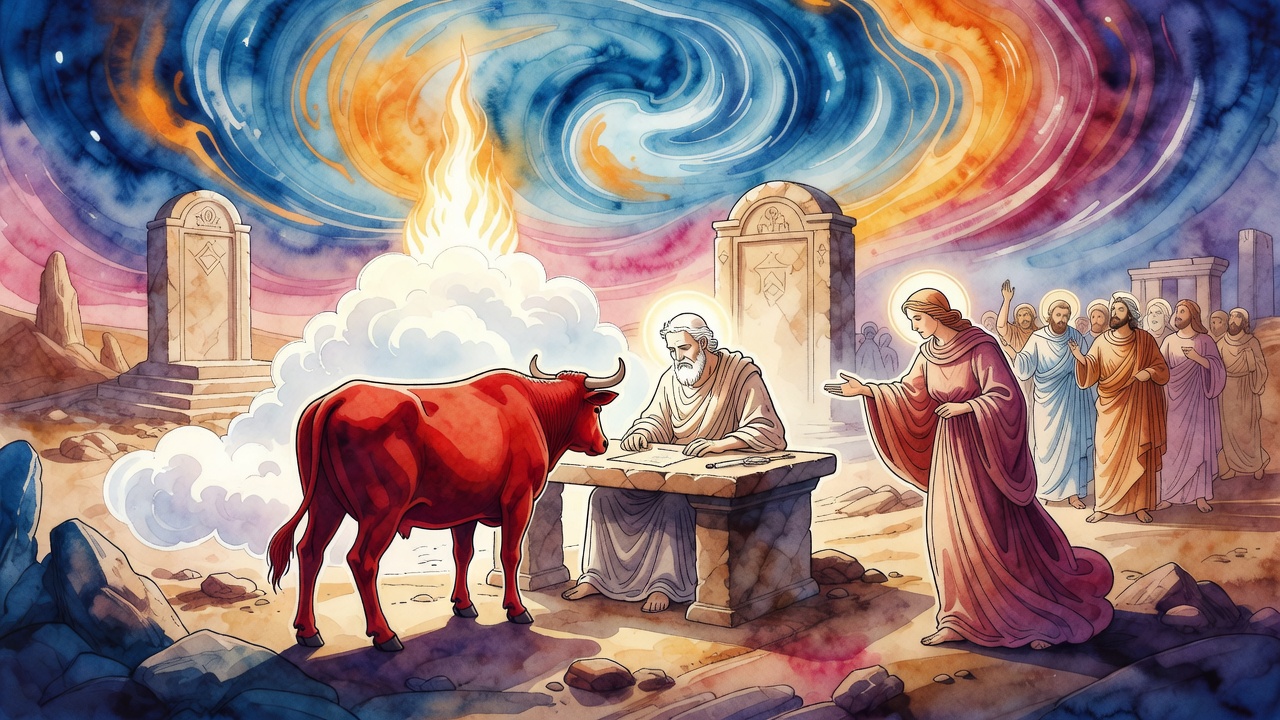
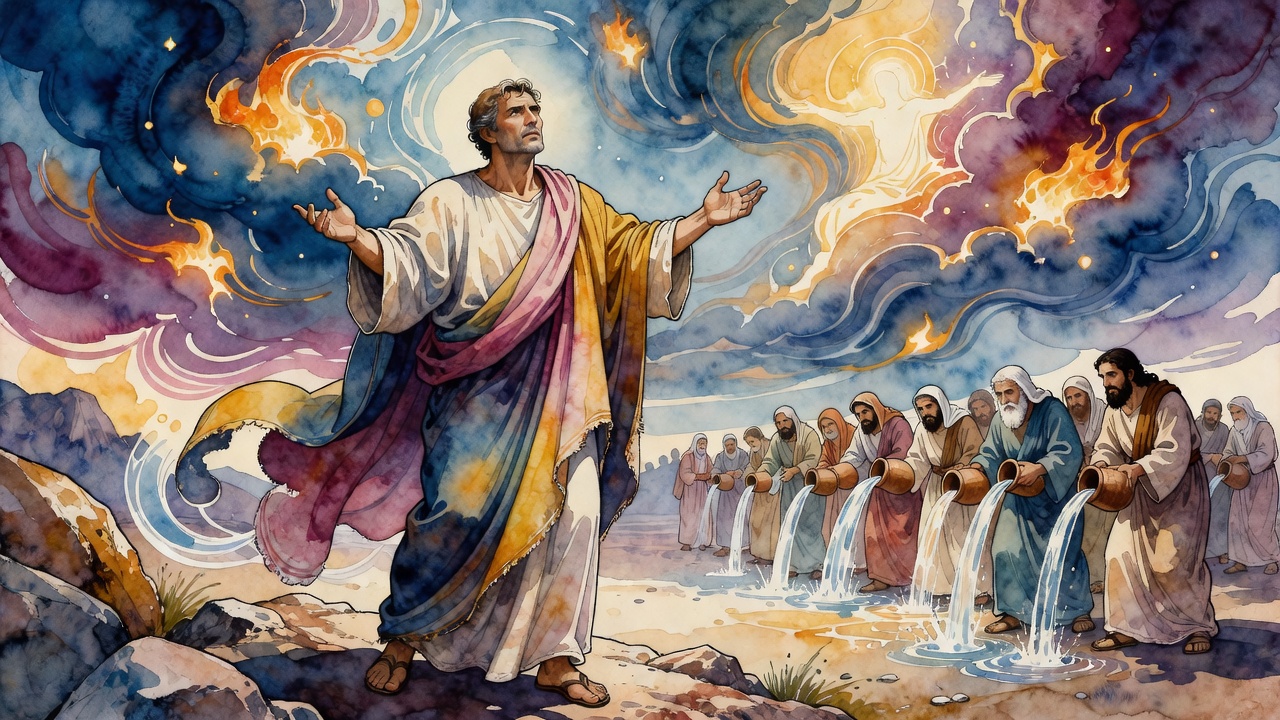
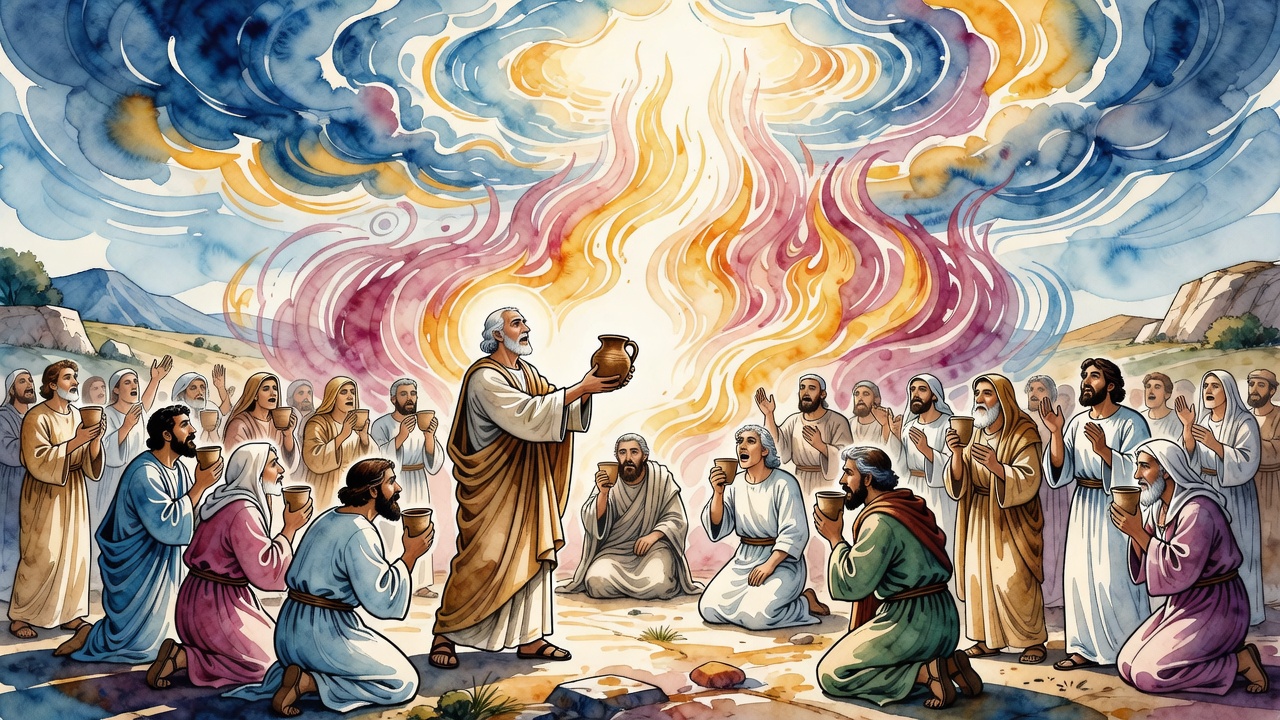
At Mizpah, Samuel gave Israel special water to drink. Those who had worshipped idols could not speak afterward. Most confessed before they lifted the cup.
Table of Contents
 Click for full size
The Ark Was Gone and God Seemed Gone With It
The Philistines had taken the Ark of the Covenant. Eli was dead. His sons were dead. The priests of Shiloh were scattered. Israel had lost the single object that made God's presence in the camp visible, and the loss had not stayed at the level of theology. It had demoralized an entire people. The sanctuary that Elkanah had spent decades drawing Israelites toward was empty.
Into this Samuel stepped and did not raise an army. He called an assembly at Mizpah, the hill whose name means watchtower, and he told the people to come. When they arrived, he gave them water to drink.
The water was not ordinary water.
The Water That Sorted the Assembly
It carried a property that no natural water possessed: those who had worshipped idols would not be able to speak after drinking it. They would stand in the middle of the assembly unable to deny, unable to deflect, unable to perform the ritual participation that would allow them to blend back into the crowd. The water would make visible what their faces would not show.
The crowd was large. The tension was real. One by one, people stepped forward to drink.
Most of them confessed before the water reached their lips. The tradition records this as the more remarkable detail: the majority of the people who had worshipped idols repented on the spot, before the water could expose them, as if the knowledge that the water existed was enough to break what the silence had maintained. Shame and the threat of disclosure, working together, produced the confession that Samuel's speeches had not produced.
Fire Came Down
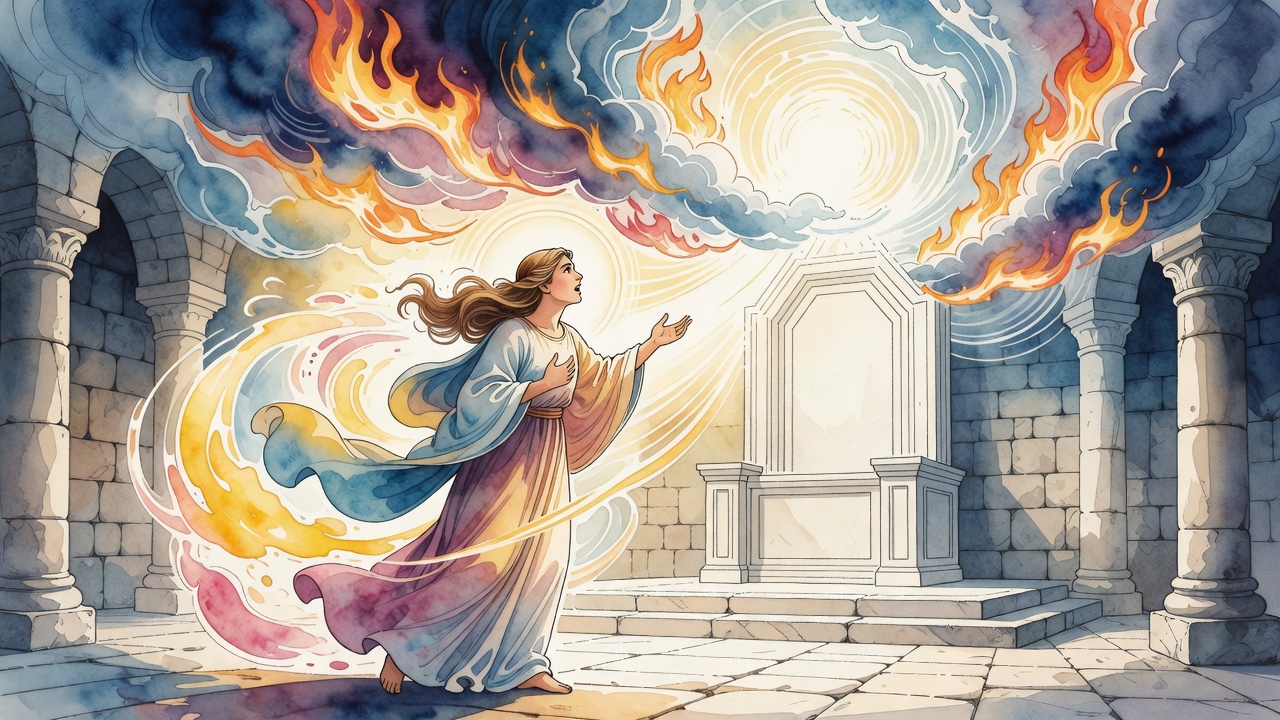
After the drinking, after the confessions, after the assembly had established some accounting of where Israel stood spiritually, Samuel called down fire. The tradition preserves this as confirmation that the gathering at Mizpah had accomplished what Samuel had designed it to accomplish: the people who stood before him had cleared enough of the accumulated defilement that God could respond to their presence again.
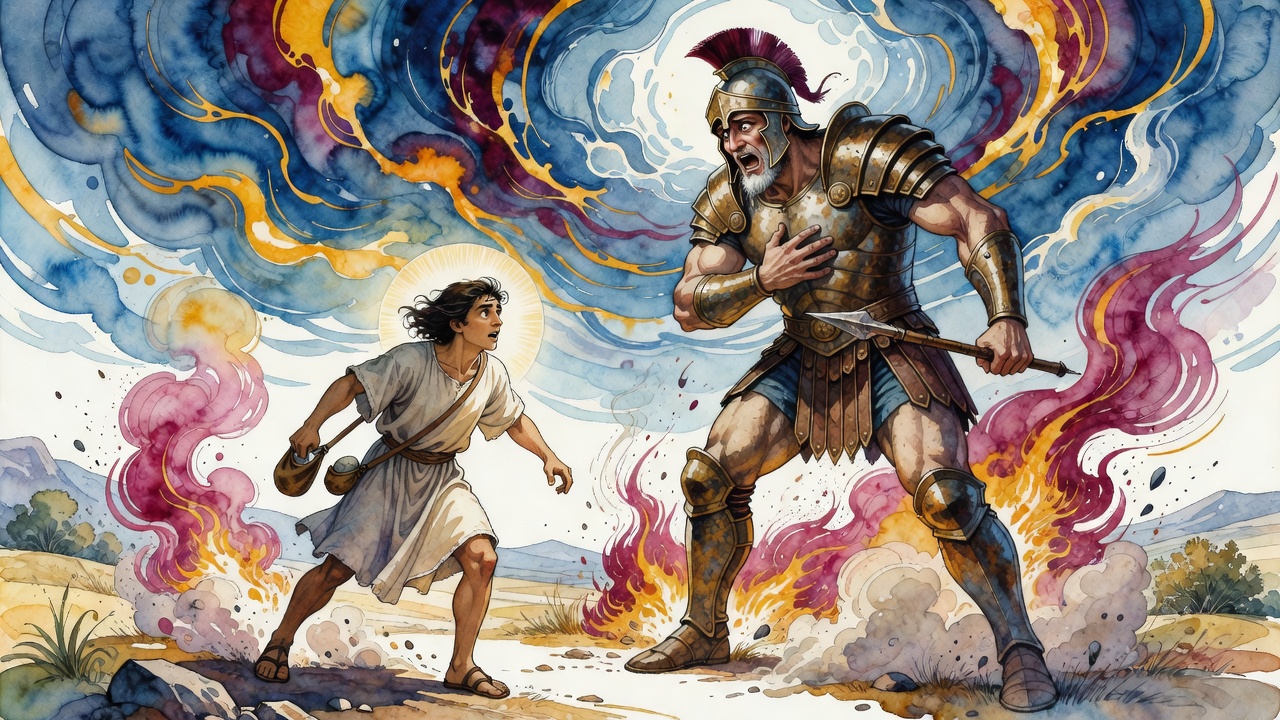
The Philistines heard about the assembly at Mizpah and read it the way enemies usually read a large gathering of the people they have been fighting: as a military mobilization. They moved to attack. Samuel was in the middle of a sacrifice when the Philistine force appeared. He did not stop the sacrifice. He finished it. The battle happened while the offering was burning, and the Philistines were driven back in confusion, defeated by a force they had encountered before but had apparently not fully learned to account for.
What the Stone Said Afterward
Samuel set up a stone between Mizpah and a place called Shen and called it Eben-Ezer, the stone of help. The name was a statement: until here God helped us. The tradition heard in that phrasing both gratitude and geography. Until here: we came this far, the distance from Egypt to Mizpah, the distance from Eli's death and the Ark's capture to this recovered battle. The stone named the journey as much as the destination.
The water and the fire and the stone together formed a single argument: Israel had been distant from God, and then it was not, and the distance had been closed not by a miracle imposed from outside but by an assembly that forced an honest accounting.
← All myths