Jael's Tent Peg and the Three Prayers She Offered
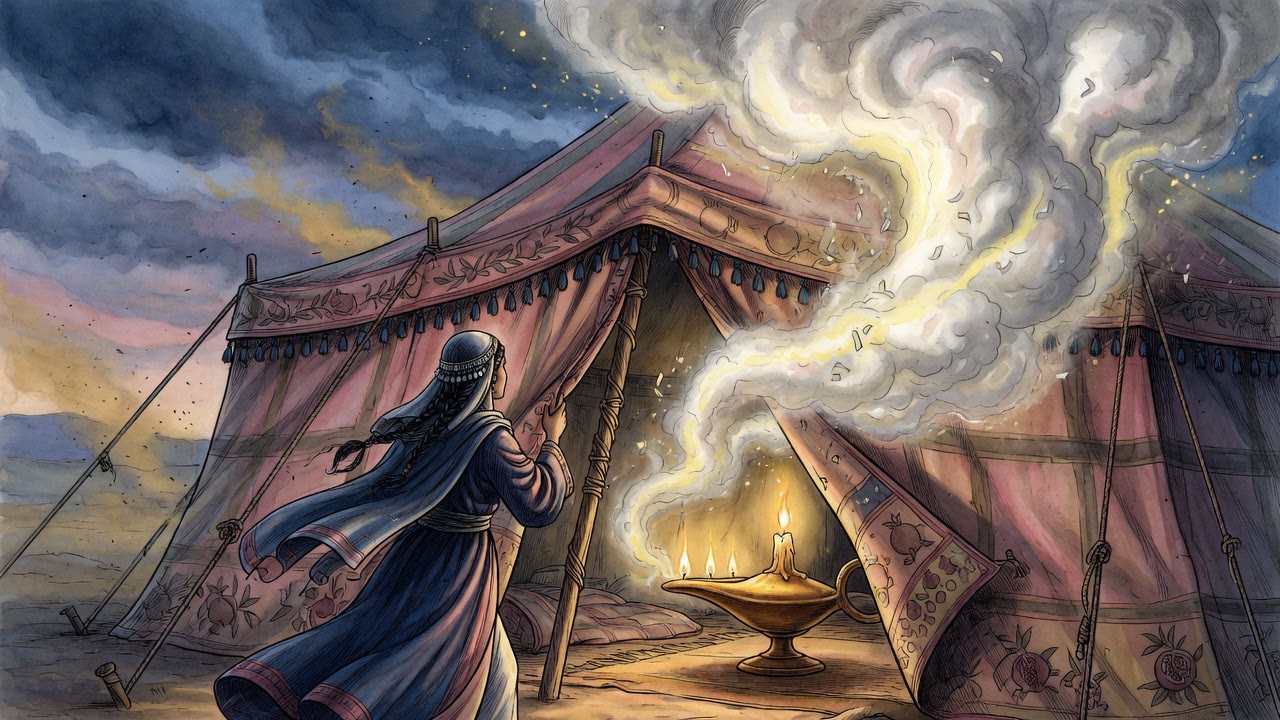
Sisera fled the battlefield and entered Jael's tent. Before she picked up the tent peg, she prayed three times and each prayer was answered before she finished.
Table of Contents
 Click for full size
What Sisera Thought He Was Walking Into
Sisera came off the battlefield running. His nine hundred iron chariots were gone. The Kishon River had swept away what the celestial armies and Barak's soldiers had not already destroyed. He had commanded the largest force assembled against Israel in a generation, and he had watched it come apart under a sky that had turned against him, stars fighting from their courses, water rising at impossible angles, the laws of the physical world suspending themselves for the benefit of his enemies.
He ran toward the tent of Jael, the wife of Heber the Kenite. There was a treaty between his people and Heber's. He had a reason to expect shelter.
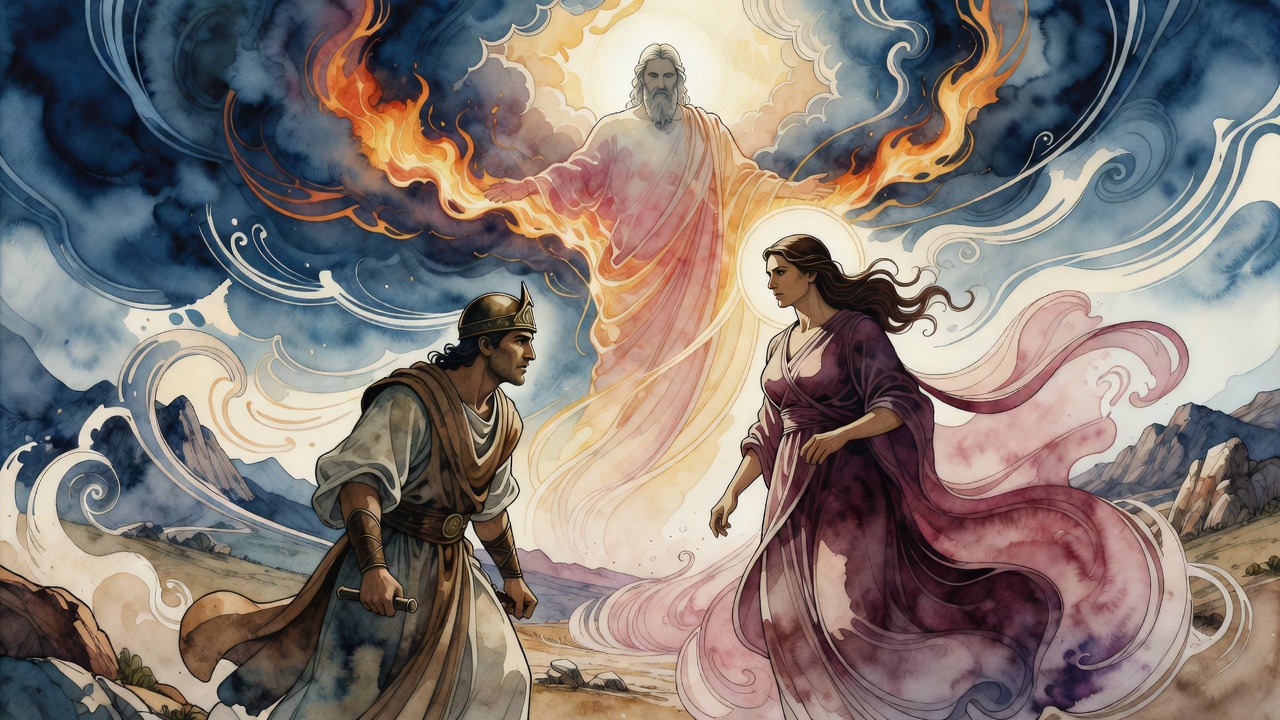
Jael came out to meet him in her best garments. She invited him in. He asked for water. She gave him milk and covered him and told him to sleep. He issued instructions: if anyone asks, there is no man here. Then he slept.
The Three Prayers Before the Act
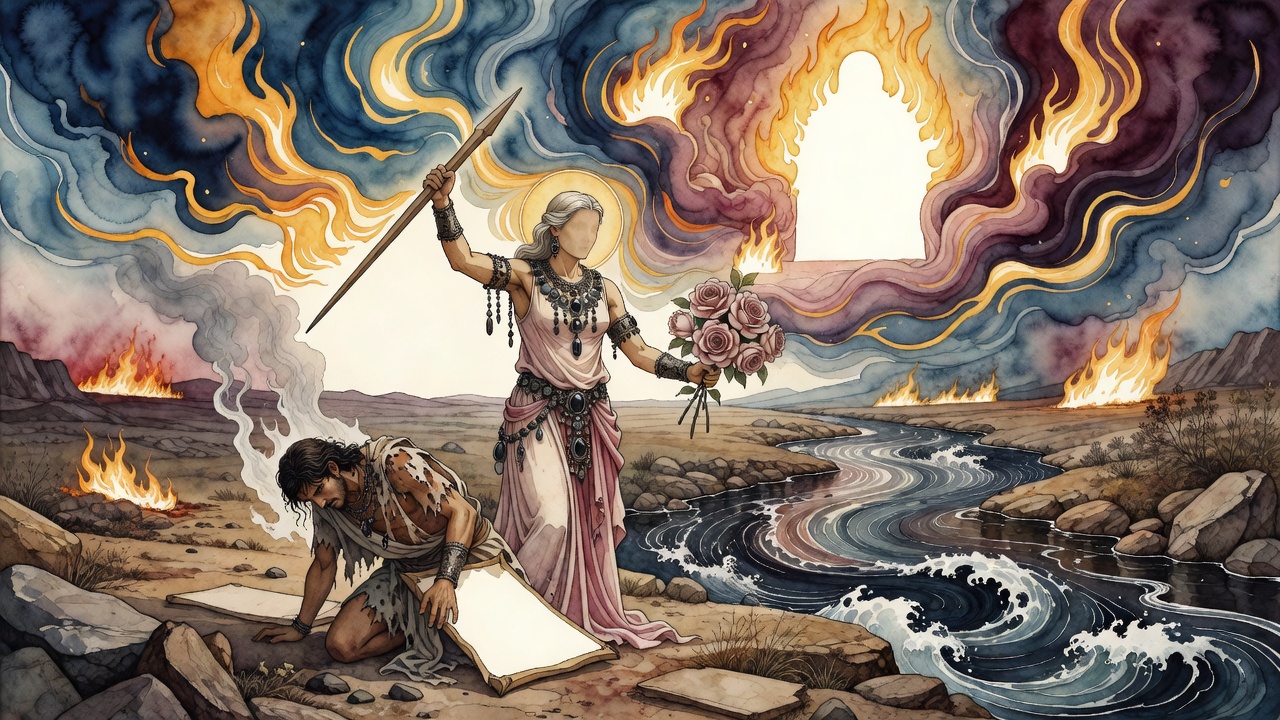
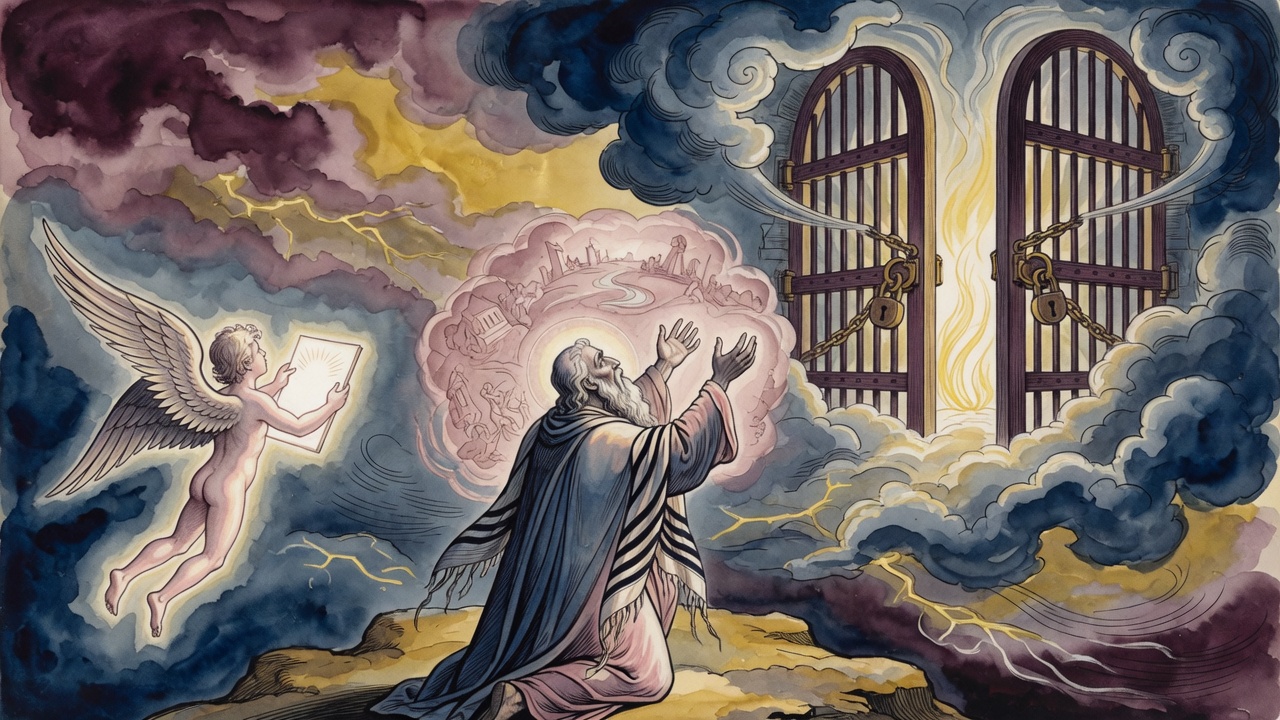
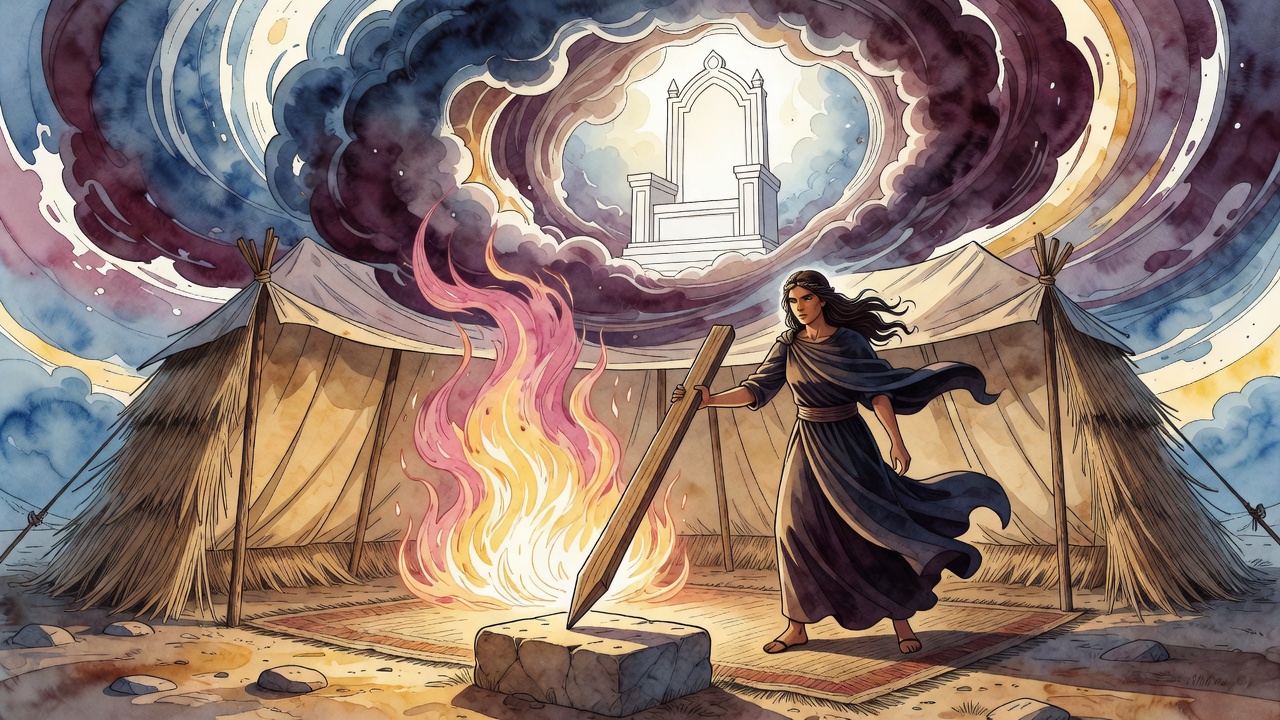
The tradition records that before Jael reached for the tent peg, she prayed three times. Each prayer addressed something specific. The first was for the right moment, the certainty that Sisera was fully asleep and that what she was about to do would succeed. The second was for strength beyond what her body ordinarily possessed, because a tent peg driven through a skull requires a force that is not casual, and she was alone, and he was a trained soldier. The third was for confirmation that this act was required of her, that she was not committing murder but executing a judgment that heaven itself had already issued on this man.
All three prayers were answered before she had finished asking. The account preserves this as a sign not merely of divine approval but of divine eagerness: the answers came faster than the words. What Jael was about to do had been prepared in advance of her willingness to do it.
The Tent as the Last Battlefield
The scale of what Sisera had commanded was almost beyond comprehension. The tradition describes his coalition as thirty-one unconquered kings, each arriving with an army. The plains of Kishon had held more soldiers than most of the battles recorded in the ancient world. Deborah and Barak had faced that force with a word from God and an army assembled on short notice.
All of that had funneled down to this: a single man asleep in a tent, and a woman standing over him with a mallet and a peg.
She drove the peg through his temple into the ground. He died without waking. When Barak came through the area pursuing Sisera, Jael went out to meet him and showed him what was inside. The general she had sheltered was staked to the earth of her tent floor.
What the Song Said About Her
Deborah's victory song, which the tradition understood as partially prophetic, named Jael explicitly: most blessed of women shall Jael be, the wife of Heber the Kenite, most blessed of women in tents. The comparison the song made was to the matriarchs, Sarah and Rebecca and Rachel and Leah. Four women whose blessing in their households had shaped the nation. Jael was added to that list for a single act in a tent in the hours after a battle.
The tradition did not obscure the violence of what she had done. It preserved the violence, and the prayers, and the answers to the prayers, and the blessing that followed, as a complete picture. What Jael had done was not separated from holiness. It was held inside it.
← All myths