Why Egypt Turned Back and Left Judah to Burn
Pharaoh's fleet was sailing north to break the siege. Then God filled the water with drowned Egyptian ancestors, and the fleet turned back.
Table of Contents
 Click for full size
The Cheering He Could Hear Through the Floor
The shouting reached Jeremiah in the cell under the palace before anyone came down to tell him what it was for. Egypt had sailed. Pharaoh Necho's warships were on the water and running north along the coast, and Jerusalem had climbed onto its own walls to watch for the sails that would break the Babylonian siege.
He had spent years saying those sails would never matter. He had said it in the Temple courts, and in front of the royal council, and to anyone in the street who slowed down long enough to be caught: Egyptian strength was a reed, and a reed goes through the hand of the man who leans on it. Make peace with Nebuchadnezzar instead. The court had heard as much of that as it intended to, and the people had turned on him, and even the priests were against him, men who had not troubled to keep the covenant in their own flesh. So they put him where he could not be heard.
Now the whole city was cheering above his head, and every one of them was right and he was wrong.
The Fleet Meets Its Fathers
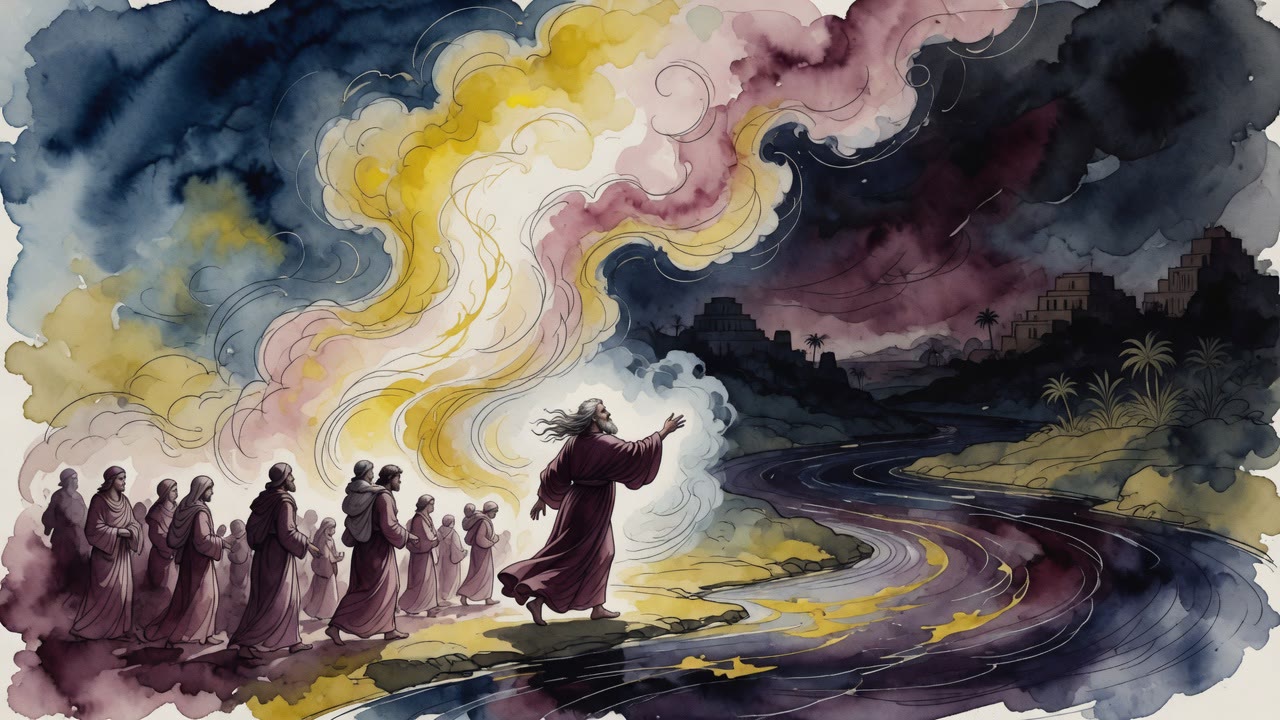
The sea changed while the ships were still days out. Bodies came up. Not the fresh dead of a battle or a wreck, because these had been down a long time and had no business floating at all, and they kept coming until the hulls were pushing through them and the oars were knocking against them.
A sailor at the rail worked out who they were, and then he could not un-work it. Egyptian. His own. The dead of the sea crossing, the chariot men who had gone down into the split water after the Hebrews and stayed there when the walls of it came back together. Somebody said out loud the sentence that was already going through the whole fleet, and it was not a question about weather or omens. "Shall we help the children of the people who drowned our fathers?"
What Had Happened at That Water
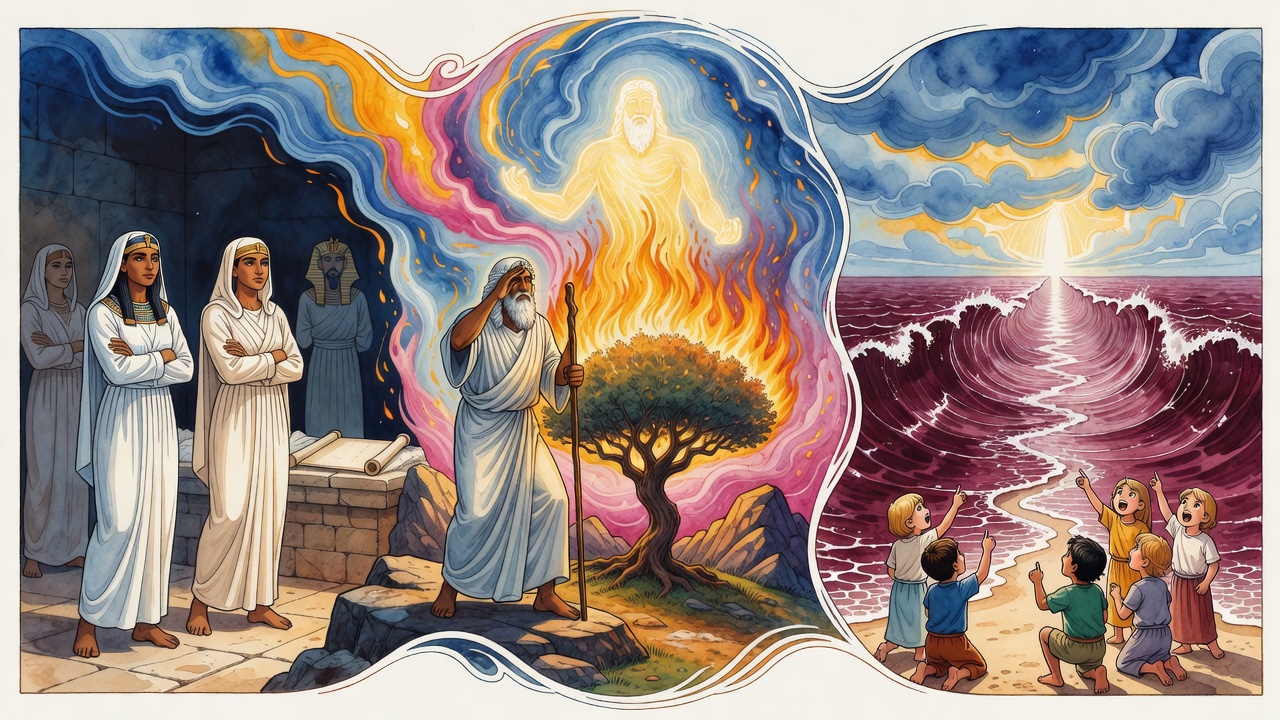
Those men had drowned chasing children, among others. When the river decree was running in Egypt, mothers carried their newborns out into the fields and left them in the furrows rather than hand them to the water, and one of them said it plainly before she walked away. "Master of the universe, I did mine. You do Yours." What came down to the babies in the field cut the cord, washed them, rubbed them with oil, and set two stones in their hands, one running with oil and one with milk. They grew up in the open like the grass around them. When they finally walked into their parents' houses and were asked who had kept them alive, they all said the same thing, that a handsome young man used to come down and see to everything they needed.
So at the sea, with the water standing on both sides and Pharaoh's wheels closing from behind, the children were the first to know the face. They pointed at it while their parents were still working it out. "This is my God, and I will glorify Him." Then the water came back down on the chariots, and the men in them stayed under it until the morning their descendants' ships came north.
The Ships Turn South
The fleet turned. There was no council of war worth the name, because nobody on those decks was willing to argue for sailing on through his own family in order to rescue the descendants of the people his family had died chasing. The sails came around, the whole rescue went home to Egypt, and the reed went through the hand exactly where Jeremiah had said it would go through.
The Prophet Who Did Not Want to Be Right
Word came back to the walls, and from the walls into the streets, and eventually through the floor to Jeremiah. He had won. That was the entire content of the news. Every man who had called him a traitor for Babylon had just been answered by the sea itself, and not one of them came down to say so, and it made no difference whether they did, since winning the argument and losing the city turned out to be the same event.
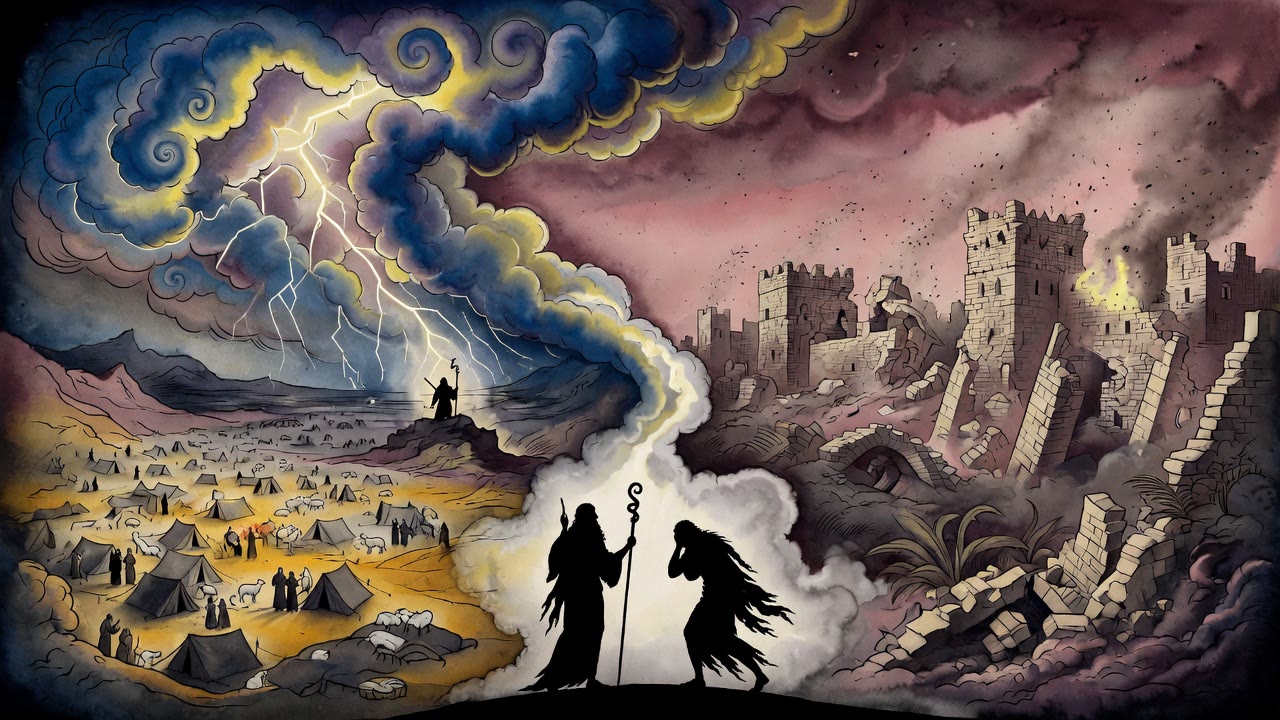
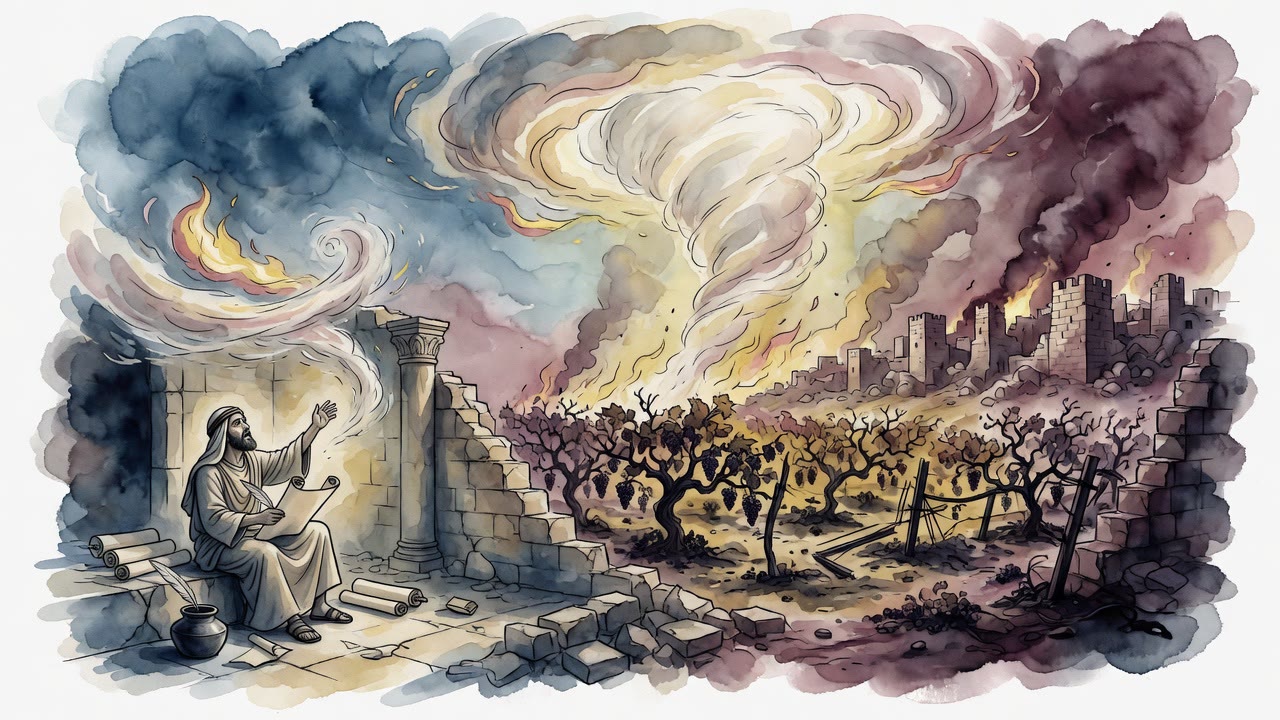
Nebuchadnezzar closed the siege back up. The Temple burned that summer. The people went out along the Babylon road in chains past their own fields, and the prophet who had been telling them for twenty years how to avoid precisely this sat down in the wreckage and began a book with a single word. Eichah. How.
How does the city sit alone that was full of people. How has she become like a widow. He knew the answer to every question that word was going to ask, because he had been shouting the answers through two reigns and a siege. He wrote it down as a question anyway.
← All myths