Phinehas Fed by Eagles While the Clouds Wait for Him
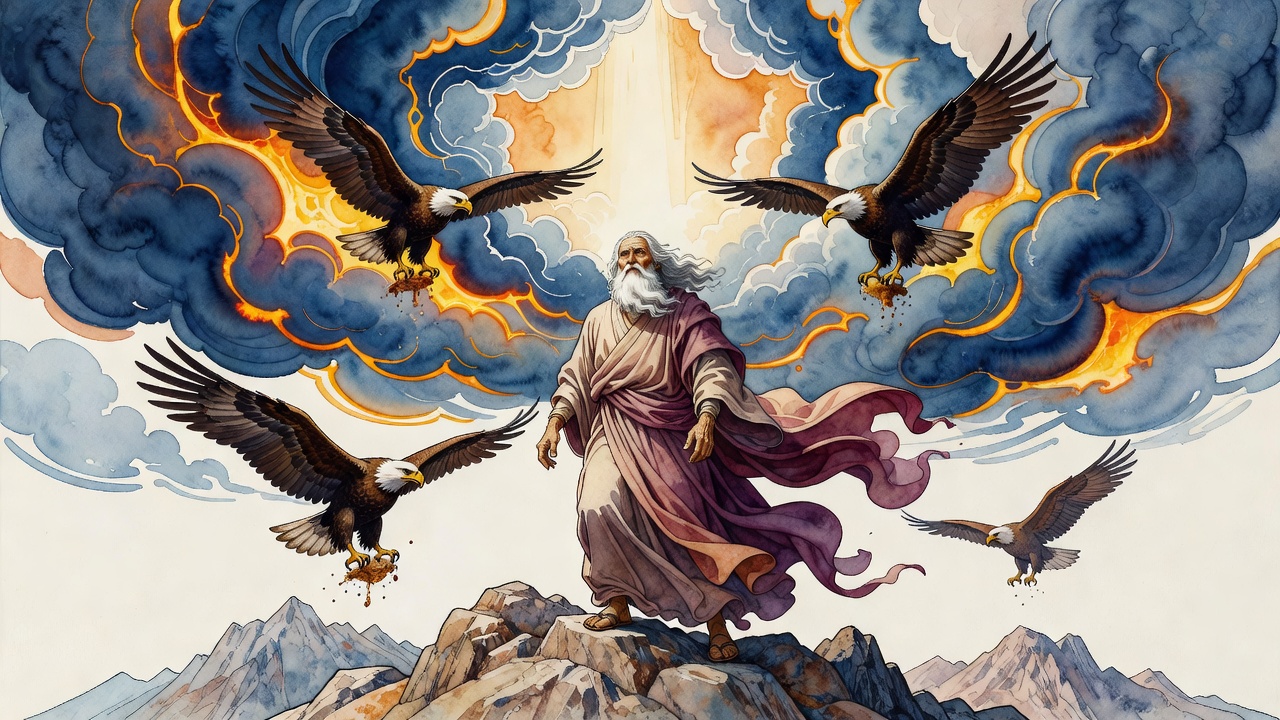
After his famous act at Shittim, Phinehas was sent to a mountain at the age of one hundred and twenty. Eagles brought him food. He has not come down yet.
Table of Contents
 Click for full size
The Assignment That Was Not Retirement
Phinehas was one hundred and twenty years old when God gave him a new instruction. He had driven a javelin through two people at Shittim and stopped a plague mid-count. He had served as high priest through the period of the judges. He had stood before the Ark and prayed while Israel lost two battles against Benjamin and then won a third. He was the grandson of Aaron, inheritor of a priestly covenant that the Torah described as a covenant of peace.
At one hundred and twenty, God told him to climb a mountain and stay there.
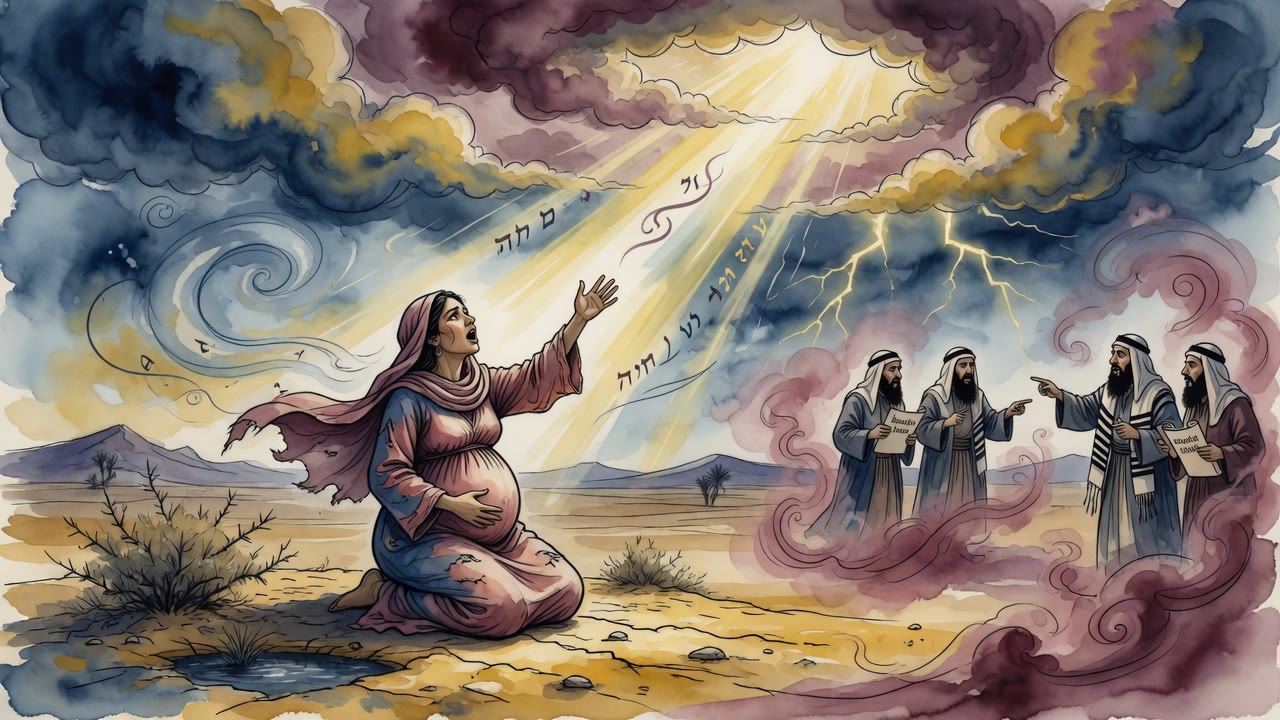
The mountain was called Har Danaben. The instruction was not temporary. God told Phinehas that he would not come down from the mountain until a specific condition was met: until the time when he locked fast the clouds and opened them again. Rain and drought. The authority over weather itself was being held in reserve, for a future moment that had not yet arrived.
Fed by Eagles
God told Phinehas he would not starve. The eagles would bring him food, commanded by heaven to provision a man too important to die in the ordinary way. The parallel was not accidental. Elijah had been fed by ravens at the Wadi Cherith while he hid from a king who wanted him dead. Both men were men whose time had not yet come, held in remote places by divine instruction and kept alive by creatures of the air.
The tradition understood this as a particular category of existence: not death, not ordinary life, but a kind of suspended state, present in the world but removed from its ordinary circuits. Phinehas on his mountain was waiting for a future that had been promised without being named. He did not know when it would come. He would know when it arrived, because the clouds would be his to lock and release.
The Company of the Deathless
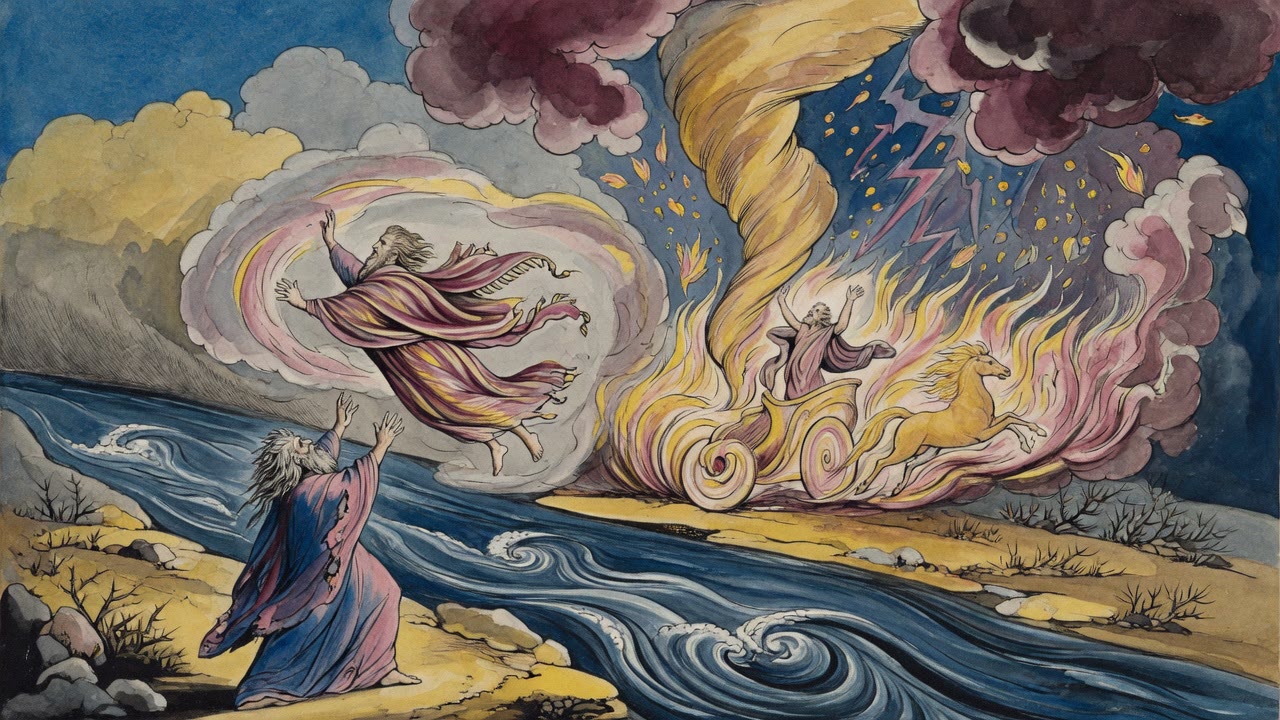
The tradition that places Phinehas in a category of individuals who did not die in the ordinary way puts him in remarkable company. Enoch was taken by God and was not. Elijah went up in a chariot of fire and a whirlwind. Moses died, but his burial place was hidden, and the manner of his death was unlike any other death in the Torah's account. The tradition noticed that certain figures simply could not be allowed to end in the usual way, because what they represented could not be allowed to end.
For Phinehas the reason was specific. His covenant with God was a covenant of eternal priesthood. The text of Numbers 25:13 gives him and his descendants a priestly covenant forever. The tradition read that covenant literally. If the covenant was forever, Phinehas had to be available to fulfill it. The mountain was where he waited for the covenant's next requirement.
The Twelve Miracles at Shittim
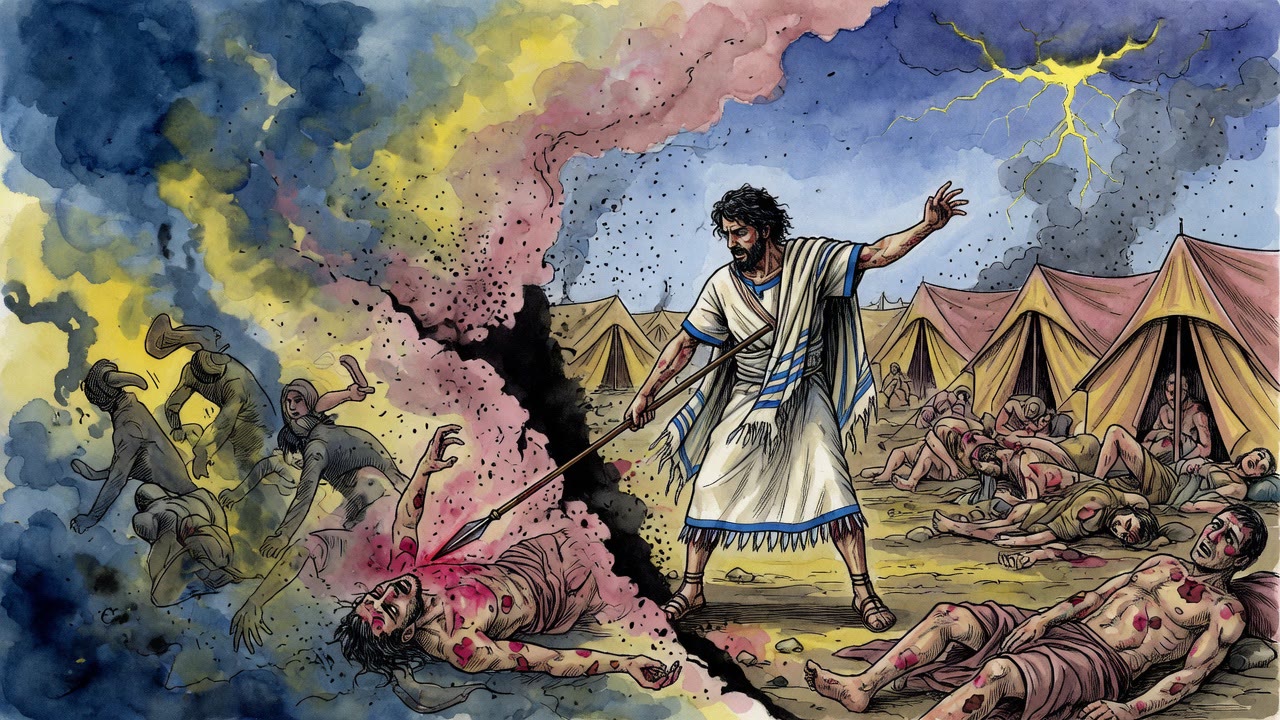
The act that had established Phinehas's standing, the javelin thrust at Shittim, was accompanied in the tradition by twelve miracles, each one of which should have prevented him from completing the act. The doorpost he burst through should have been too narrow for two people. The iron of the javelin should not have been able to penetrate without deflecting. The bodies should not have fallen in the precise position that made the act a single stroke. One by one, the physical world arranged itself against the ordinary outcome, and one by one the outcome happened anyway.
A man for whom twelve miracles were performed in sequence at age forty, and who was told at age one hundred and twenty to wait on a mountain for the next assignment, was not a man whose story could be considered finished.
← All myths