The Spider, the Hornet, and the Fool Who Saved David's Life
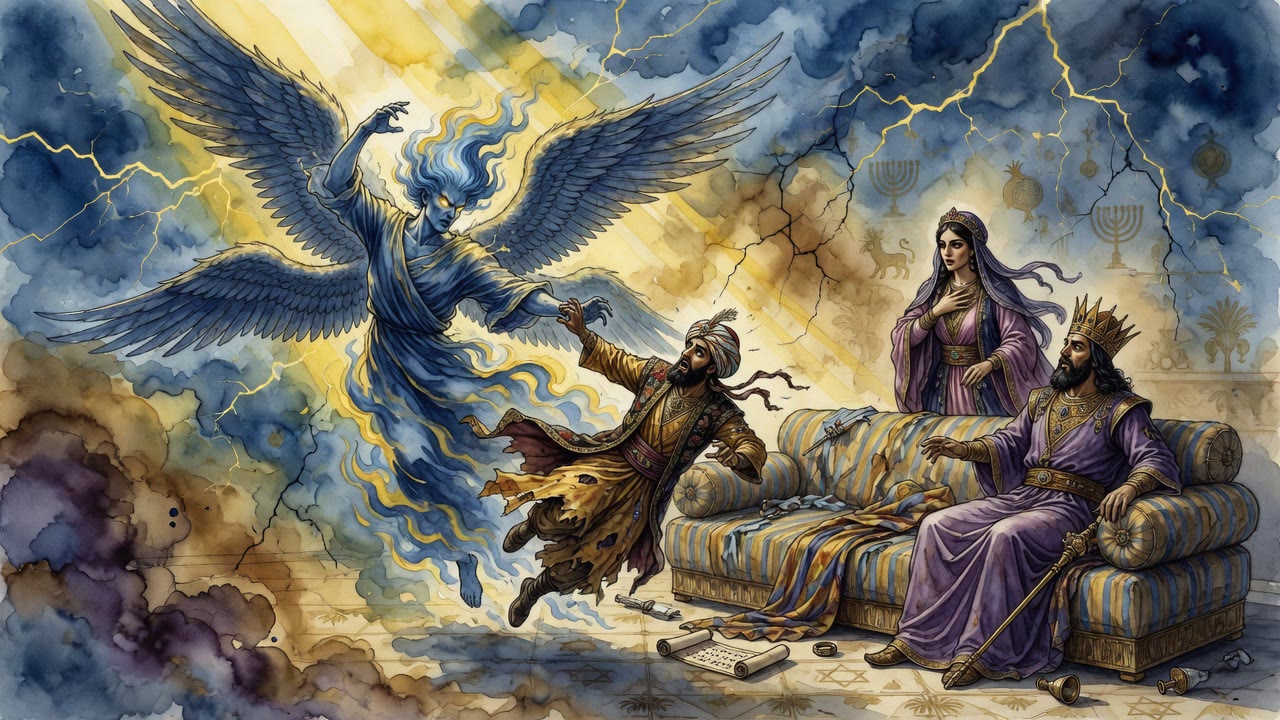
A wasp was eating a spider in the garden and a fool was swinging a stick at both. David asked God what any of the three were good for.
Table of Contents
 Click for full size
The King Asked Why God Made Gnats
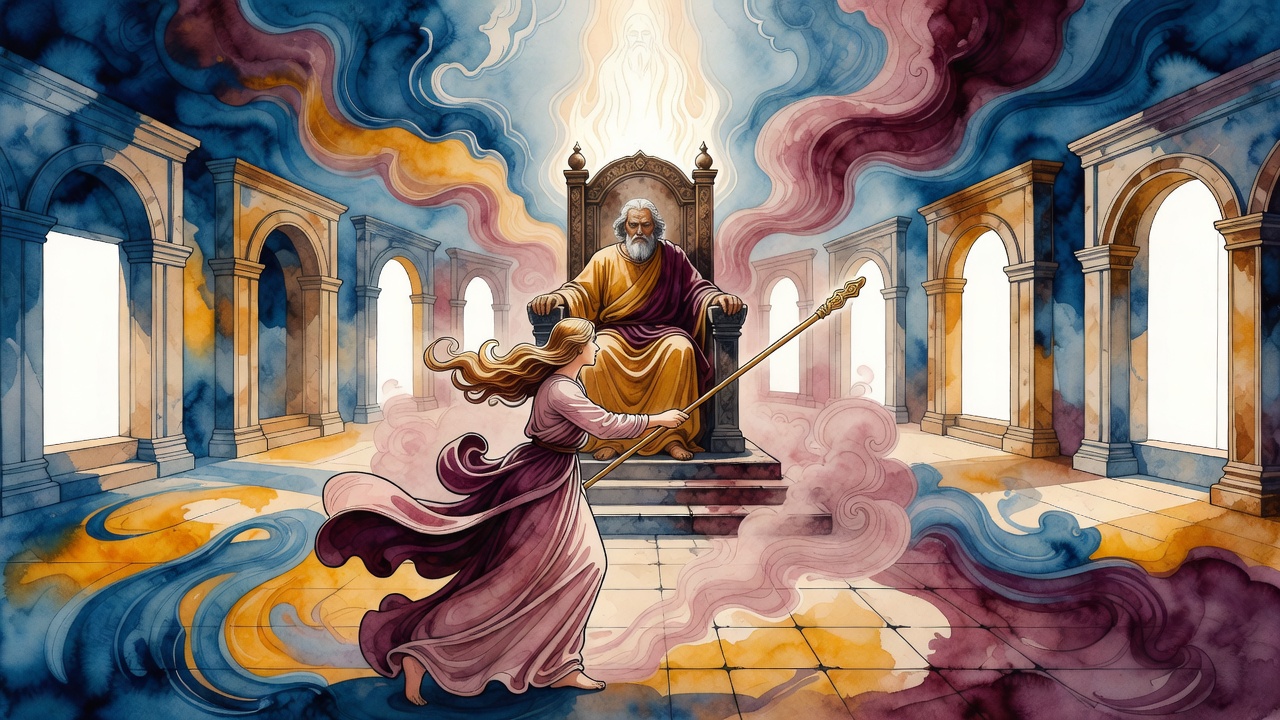
Nebuchadnezzar had a sage in front of him and a whole afternoon to spend, and he asked why gnats were created, since they live one day and die and another batch takes their place.
Ben Sira did not tell him it was a foolish question.
"One gnat," he said. "One gnat, still to come, will get its revenge on the wicked Titus. That is the first reason. The second is the ravens. A raven's chicks come out of the shell pale, and the parents look at them and do not know them, and they leave. The chicks scream in the nest. God sends gnats into their mouths and they eat and live three days on that. On the third day they darken, and the parents come back, because now the birds look like their own. He gets the cure ready before the injury."
The king asked next why God had made wasps and spiders, which sting and weave and get nothing out of either.
David Complained About the Wasp and the Spider
Ben Sira answered him with a garden.
King David was sitting in his own garden, watching a wasp eat a spider, when a fool came along with a stick and swung at the two of them. David watched the three of them go at it and put his complaint straight up.
"Master of the world. What are these for? The wasp eats honey and stings and gets nothing back. The spider weaves all year and never wears one thread of it. The fool damages whatever he can reach and does not know the first thing about You. What use is any of it?"
"David," God said, "you are slandering my creatures. The hour is coming when you will need them, and then you will know what they were made for."
The Web Across the Mouth of the Cave
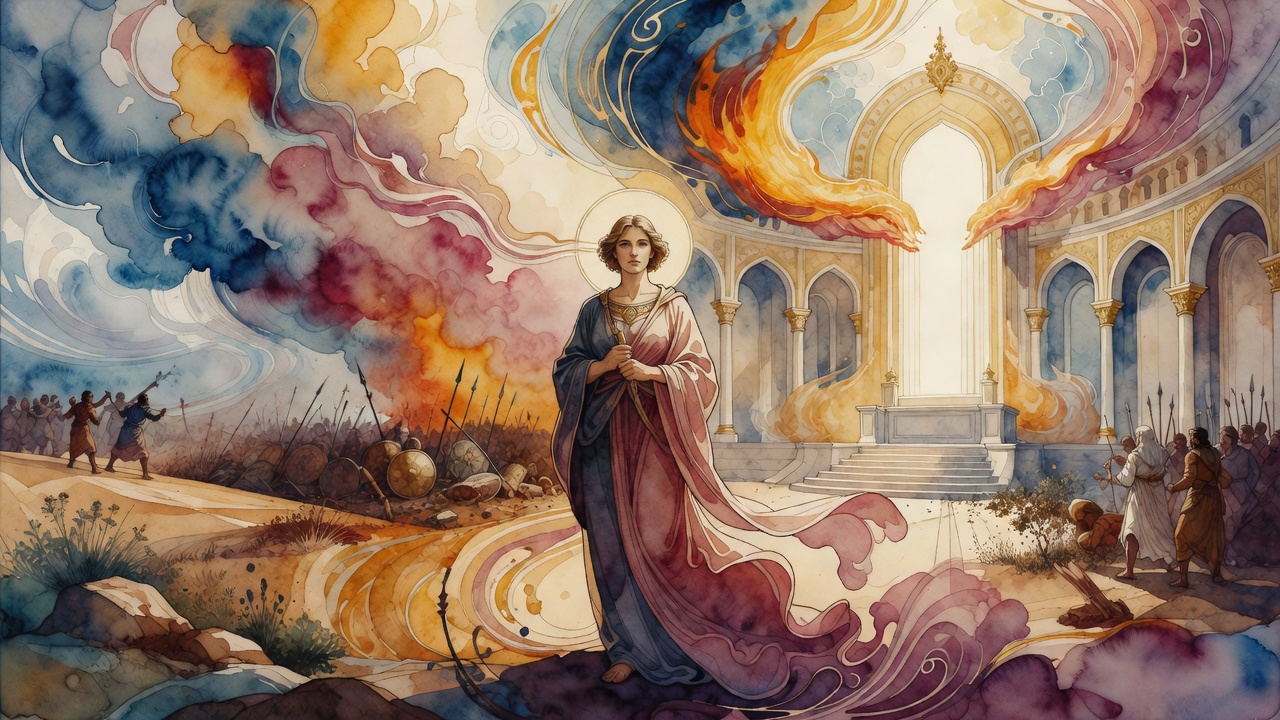
Saul was hunting him through the wilderness, and David went into a cave and put his back against the rock and waited.
A spider came down across the entrance and started to work. She had the mouth of the cave sealed before the soldiers came up the slope.
Saul stopped in front of it. He looked at the web hanging whole and unbroken from one side of the opening to the other. "Nobody has gone in here," he said. "Anybody going in would have torn it to pieces." He walked on and took his men with him.
When it was quiet David came out and found the spider still sitting in her web. He kissed her. "Blessed is your Creator and blessed are you," he said. "Master of the world, who can do what you do? Everything you make is good."
The Fool and the Hornet
The second time he had nowhere to hide at all. He walked into Achish's hall in Gath with the king's men holding his arms, and he let his mouth go slack and scrabbled at the doorposts and drooled into his beard.
Achish had a daughter who was out of her mind. He looked at what his men had dragged in and turned on them. "Are you mocking me? Is it because of my daughter that you bring me this one? Do I not have enough fools in this house already?"
They let go of David's arms. He got out of Gath alive and thanked God for what He had made.
The third time was inside Saul's camp at noon. Saul lay asleep and Abner lay across the entrance with his head at one side and his legs stretched out. David stepped between the legs, took the water flask, and turned to come back out the same way. Abner shifted in his sleep and brought his legs down over him. They lay on his back like two pillars and David could not move an arm.
He prayed with his face in the dirt. "My God, my God, why have you forsaken me?"
A hornet came in and stung Abner on the leg. Abner straightened it. David went out under it with the flask.
The Horse That Would Not Sell Its Head
Nebuchadnezzar listened to all of it and then asked his real question. He had a friend he hated, he said, and he wanted a food that would kill the man without the man knowing.
Ben Sira understood, on the spot, who the friend was.
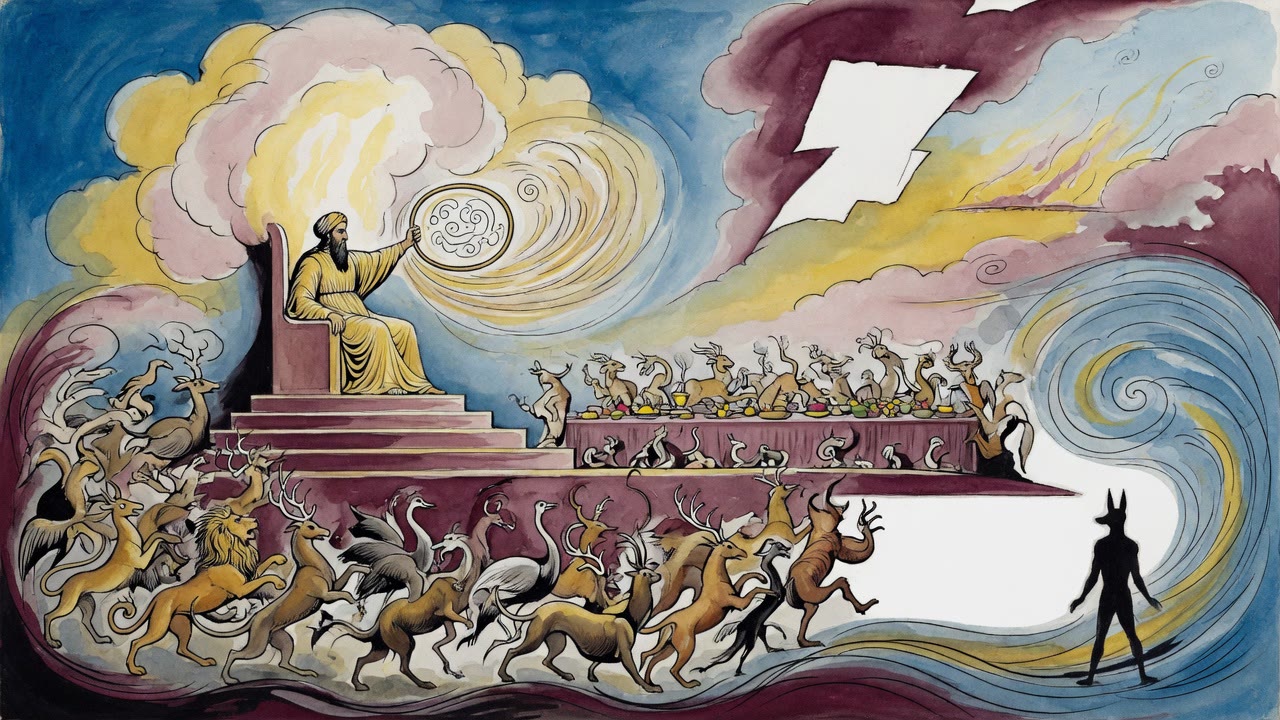
"Let me tell you about a horse," he said. "Nimrod owned a horse so beautiful there was nothing to compare it to. The other horses came and made it an offer. Give us your head to cut off, they said, and we will give you a house full of straw and barley. The horse was not stupid. Fools, it said. If I hand you my head, who is going to eat the straw and the barley? You are asking me for a poison. If you use it on me, who takes your bar of silver, and who eats it?"
The king swore he would not kill him. So Ben Sira told him: ten days of egg yolks with no salt, and the man dies. The king thought he was lying, fed it to somebody, and buried him. Then he told Ben Sira to eat the same dish in front of him.
Ben Sira said he could not eat anything the king prepared with his own hands, and cooked it himself, and salted it where the king could not see, and ate egg yolks in front of the throne for a solid month.
"Why did you lie to me?" the king said.
"I ground them fine and put something in them."
The king went off and did exactly that and made himself sick, and had to send for the man he had tried to poison to get an amulet written for him.
← All myths